Not every knife marketed as “tactical” can handle what it promises. Some models look the part but fall short when subjected to real-world use. Whether it’s weak locking mechanisms, brittle blades, or poor edge retention, these knives can let you down when you need them most. If you rely on a blade for self-defense, survival, or field work, knowing which models struggle under pressure can save you from frustration — and in some cases, failure when it matters most.
SOG Seal Strike

The SOG Seal Strike markets itself as a rugged fixed blade, but extended stress testing shows its weaknesses. The blade’s stainless steel tends to chip when cutting through hardwood or bone, which limits its long-term durability.
The handle’s ergonomic design feels comfortable initially, but prolonged wet or muddy conditions make it slippery and harder to control. If you’re working in harsh environments, this knife requires frequent sharpening and extra care to stay reliable over time.
Smith & Wesson M&P Special Ops

The Smith & Wesson M&P Special Ops knife is affordable, but its budget materials are obvious under real pressure. The 440 stainless steel blade struggles to hold an edge after heavy cutting or batoning tasks.
The handle’s textured grip looks aggressive but doesn’t provide the control you need when wet. While fine for light-duty work, pushing this knife beyond casual cutting often exposes limitations in both edge retention and build quality.
CRKT M16-14ZSF

The CRKT M16-14ZSF looks tactical enough, but its liner lock design has failed in repeated stress tests involving heavy prying and torque. Under serious force, the lock sometimes disengages unexpectedly, which raises safety concerns.
The AUS-8 steel performs decently for everyday use but dulls quickly with repeated cuts on tougher materials. While it’s suitable for light field tasks, this knife isn’t built to handle long-term abuse without frequent maintenance and careful handling.
Gerber Prodigy

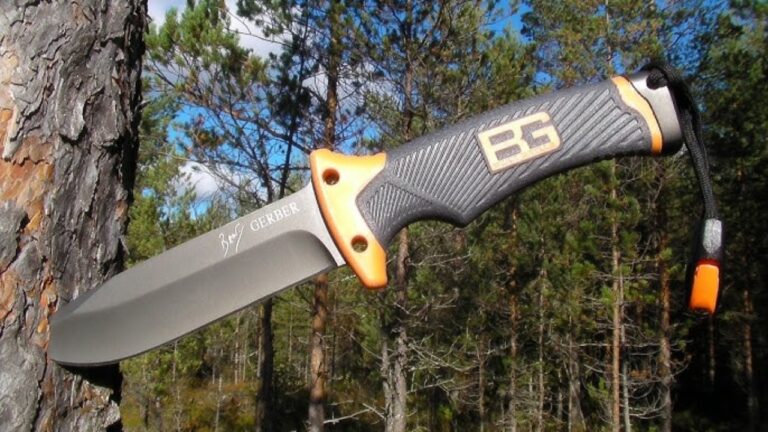
The Gerber Prodigy often earns praise for affordability, but in real testing scenarios, the blade shows limits. The 420HC steel doesn’t hold an edge long under extended cutting, requiring constant sharpening to keep up.
The handle’s rubberized coating provides comfort, but it wears quickly with repeated wet-dry cycles, reducing grip reliability. While the Prodigy works for casual outdoor use, it falls short in durability compared to higher-end fixed blades in sustained, high-stress applications.
Cold Steel Immortal

Cold Steel’s Immortal series has a striking look, but the aggressive tanto-style blade is prone to tip damage when pushed through harder materials. Repeated stress tests revealed micro-fractures developing under torque-heavy tasks like prying.
The folding mechanism feels stiff but struggles to maintain smooth action after dirt and debris enter the pivot. While it’s flashy and functional for lighter cuts, its structural limitations under real abuse mean it’s not a reliable long-term field tool.
Ontario RAT-5
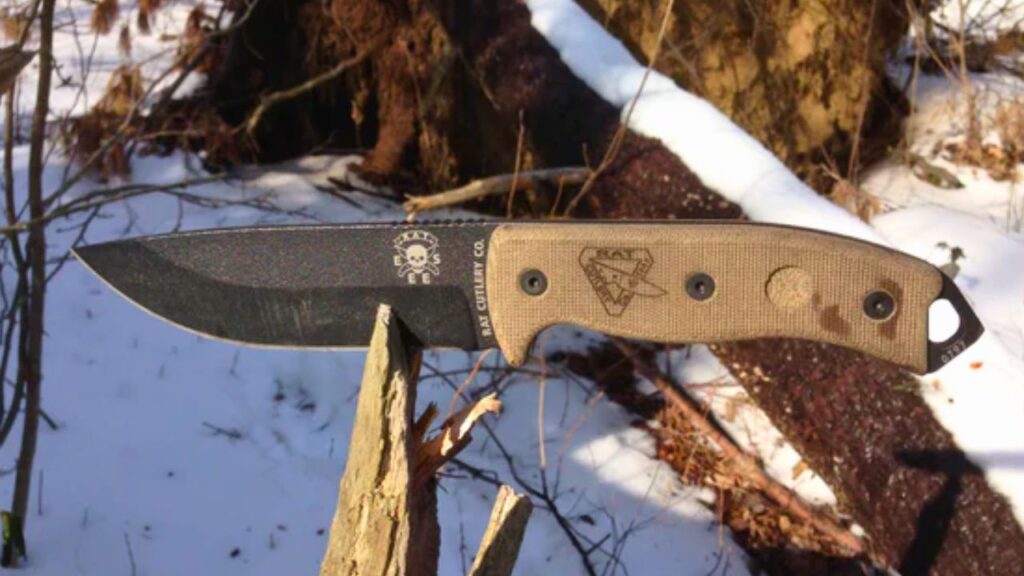
The Ontario RAT-5 has a reputation for ruggedness, but prolonged stress testing exposes its weaknesses. The 1095 carbon steel blade requires constant oiling to prevent corrosion, and extended use on hard materials dulls it fast.
Its ergonomic handle feels solid initially but develops noticeable hot spots under extended heavy cutting. While the RAT-5 works fine for occasional field work, it struggles when consistently exposed to tough, high-stress environments like rocky terrain or heavy-duty camp chores.
Kershaw Launch 8

The Kershaw Launch 8 automatic knife focuses on speed and convenience, but its lightweight build compromises strength under pressure. The slim blade struggles with demanding cutting tasks, especially when torque or twisting is involved.
Repeated testing shows that while its action is smooth and fast, the locking mechanism loosens over time with aggressive use. It’s excellent as an EDC tool for quick cuts but far less suited for sustained tactical or survival situations requiring hard-use performance.
Buck Ops Pro

The Buck Ops Pro carries a strong brand reputation, but the blade’s thin profile limits its endurance under stress. It holds an edge for lighter cutting tasks but struggles with batoning or chopping through thicker materials.
The G10 handle scales are comfortable, yet under extreme wet conditions, they become less secure, affecting control during prolonged use. While it’s light, compact, and practical for urban carry, the Ops Pro isn’t the knife you want when faced with relentless, heavy-duty demands.
TOPS Street Scalpel

TOPS knives are often praised for durability, but the Street Scalpel’s compact design limits its performance. In torque-heavy cutting tasks, the shorter blade lacks leverage, forcing more strain on both the edge and handle.
The coated finish also shows early wear when exposed to abrasive surfaces, reducing corrosion resistance over time. While great for quick defensive applications or light carry, the Street Scalpel falters when pushed beyond its design limits in repeated, high-stress scenarios.
Benchmade CLA 4300

The Benchmade CLA 4300 is known for its automatic deployment and sleek profile, but under rigorous field tests, its aluminum handle construction showed wear faster than expected. The locking system, while precise, develops slight play under constant heavy cutting.
The blade’s S30V steel performs well for sharpness retention but still chips when pushed into prying or chopping duties. For casual tactical use, it performs admirably, but it falls short when subjected to extended abuse in harsh outdoor environments.
*This article was developed with AI-powered tools and has been carefully reviewed by our editors.