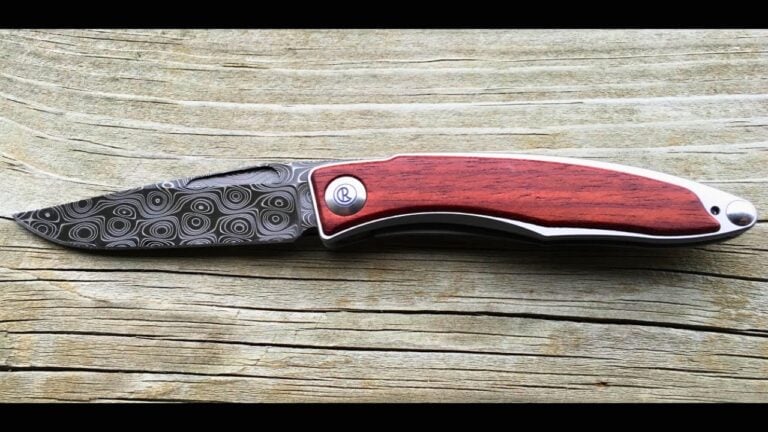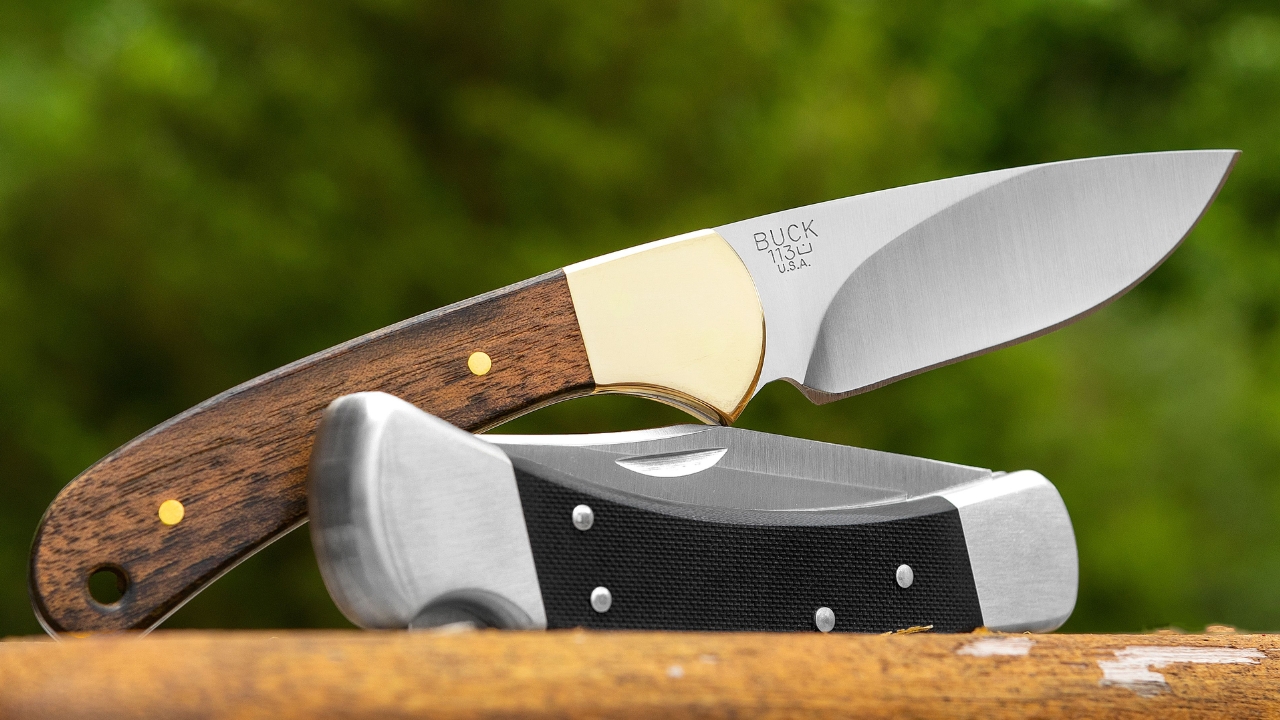
Photo credit: Knife Center
When you’re out in the field, the wrong knife can turn a good hunt into a frustrating mess. Whether you’re skinning, breaking down meat, or cutting rope, your knife needs to keep up. A blade that’s too soft, too slick, or flat-out awkward will slow you down or even risk ruining your harvest. These ten knife choices have proven themselves when it matters. If you’re heading into the woods, make sure the knife on your hip is doing more than just taking up space.
Drop Point with a Mid-Length Blade

A drop point around 3.5 to 4 inches hits the sweet spot for field dressing and skinning. It’s easy to control without being too short for heavier tasks. You don’t need a sword out there—just a blade that handles precise cuts without getting in the way.
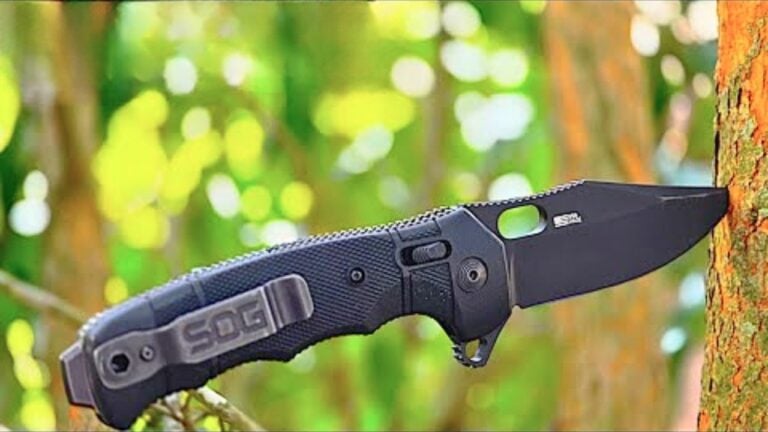
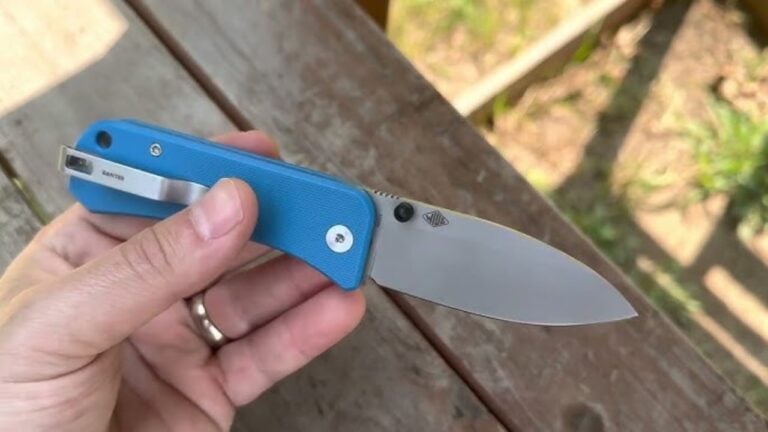
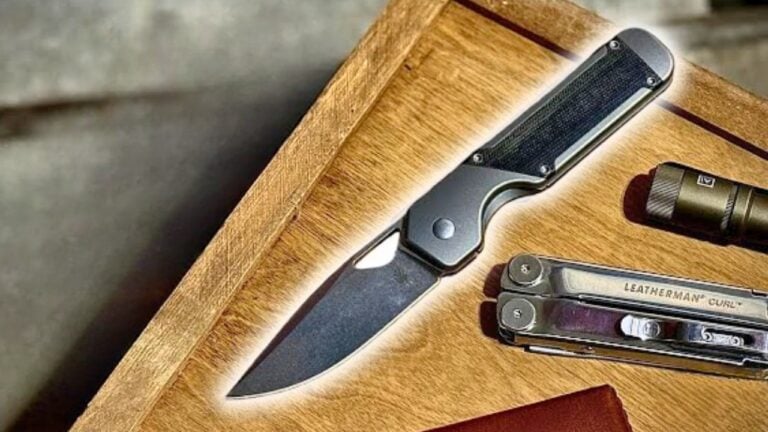
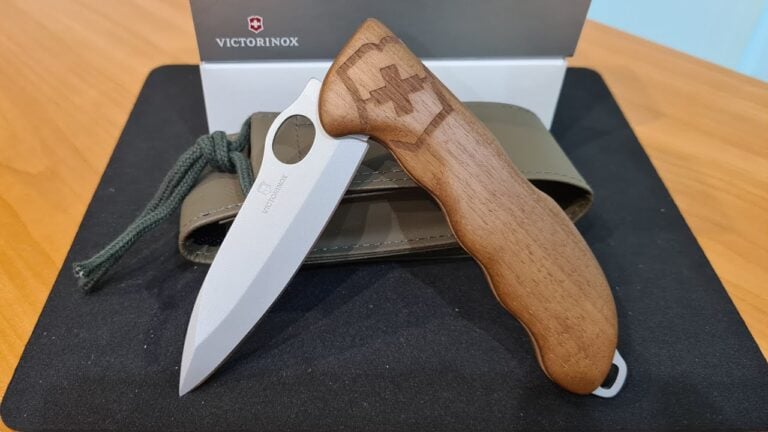
Fixed Blade Over a Folder

Folders have their place, but in the middle of a field dressing job, fixed blades win out. No moving parts to gunk up, no hinges to fail, and no fumbling when your hands are slick. A solid fixed blade is just simpler and more dependable when things get messy.
Steel That Stays Sharp

A blade that dulls halfway through the job makes everything harder. Steels like CPM S35VN or D2 hold their edge well without turning sharpening into a chore. You don’t want to be working a joint with a butter knife—invest in something that keeps cutting.
Comfortable, Grippy Handle

Even the best blade won’t help you if the handle’s slick or painful. Look for something with shape, texture, and enough length to fill your hand. Whether your fingers are cold or bloody, a comfortable handle keeps the knife where it’s supposed to be.
A Real Skinning Blade
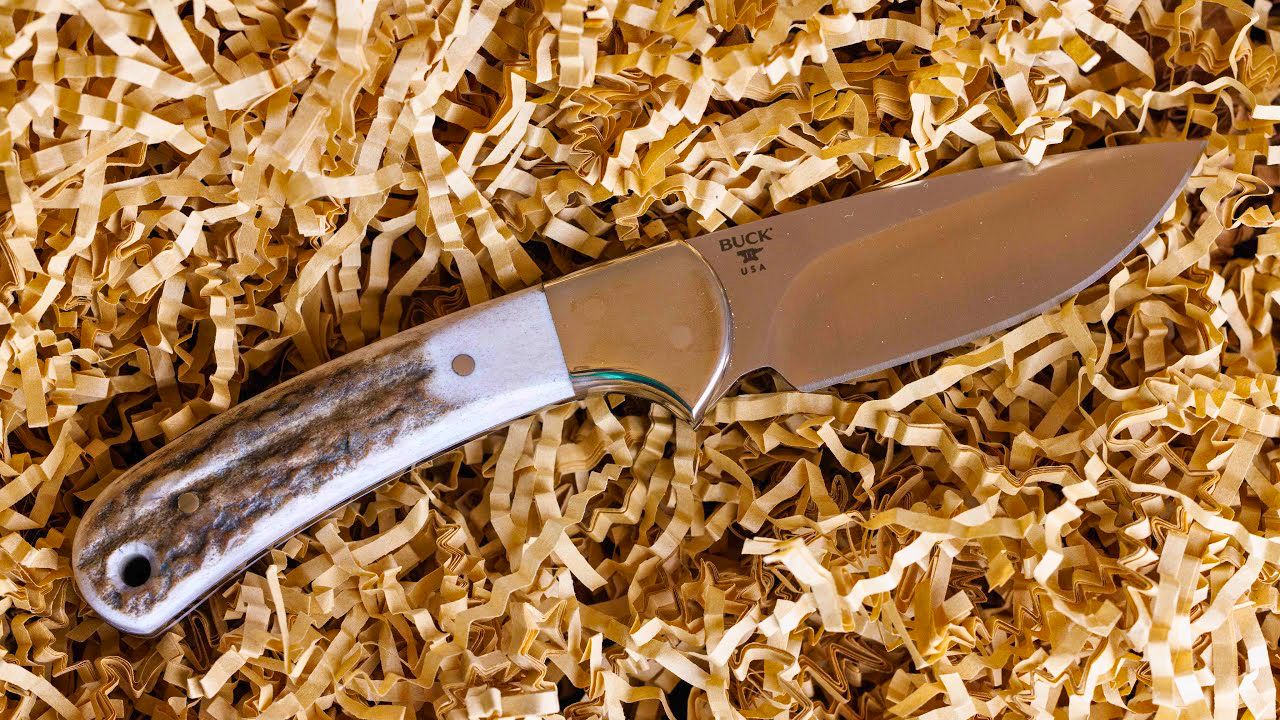
Some hunters try to get by with their camp knife for skinning, but a dedicated skinning blade makes a difference. A wide belly and sharp edge help you glide along without piercing hide or meat. It’s faster, cleaner, and less likely to cost you meat.
A Knife with a Gut Hook (Sometimes)
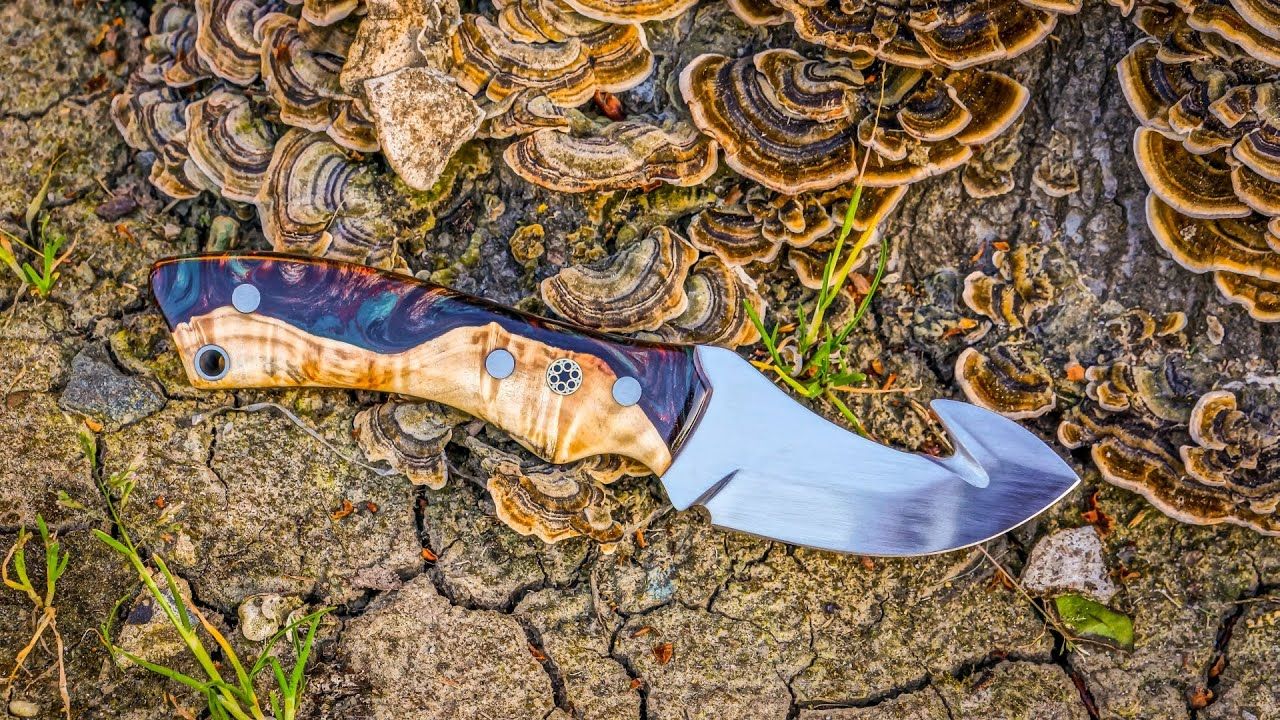
Gut hooks are one of those love-it-or-hate-it features. But if you like using one, it can speed things up and keep your cuts cleaner. Just make sure the hook is sharp and not oversized—it should slice, not tear. Used right, they do save time.
Not Too Thick, Not Too Thin
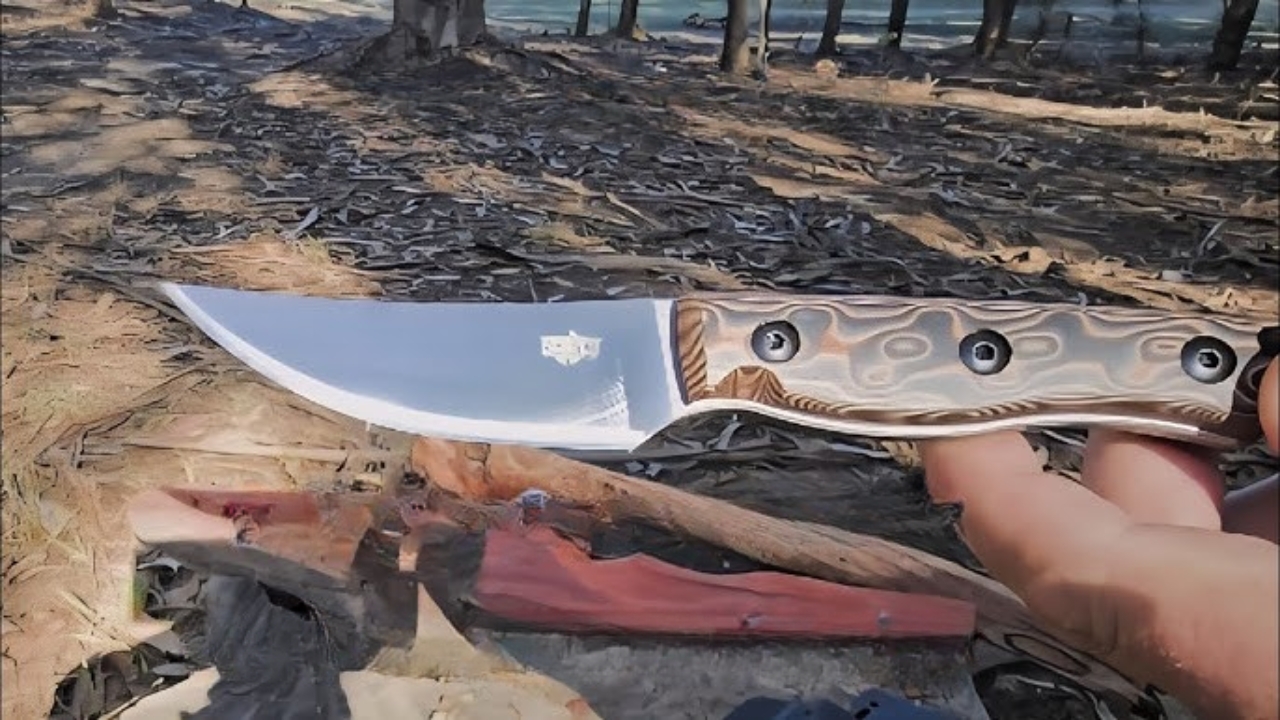
A blade that’s too thin can flex or snap, and a thick wedge makes fine work harder. Look for something in the middle—thick enough to be strong, but not so heavy it feels clumsy. That balance matters more than you’d think once you’re elbow deep in a deer.
Easy to Clean in the Field

Blood, fat, and hair get into everything. Knives with deep grooves or tricky liners are harder to clean out there. Simple design, open construction, and smooth finishes make it easier to rinse off and get back to work. You’ll appreciate it when the job’s not done yet.
A Sheath That Works

It’s not just about the knife—the sheath matters too. If it’s rattly, uncomfortable, or doesn’t hold the blade securely, you’re asking for trouble. Kydex or leather, make sure it rides well on your belt and won’t dump your blade when you crouch or crawl.
A Backup in Your Pack

One knife can do a lot, but having a second doesn’t hurt—especially if you process game at camp. A compact caper or a spare fixed blade tucked away means you’re never stuck if one goes dull or disappears. It’s cheap insurance for a long day in the woods.
*This article was developed with AI-powered tools and has been carefully reviewed by our editors.