

Photo credit: Into The Breach – Handyman Tool Reviews/ YouTube
Small knives get underestimated because people think “small” means fragile. That’s only true when the design chases thin tips and slicey geometry. A small knife built right can do a ton of work—wood carving, camp chores, processing, ugly cutting—without the tip snapping off the first time you twist or hit something hard. The secret is boring: thicker tip geometry, strong heat treat, smart blade shapes, and handles that give you control so you’re not forcing bad angles.
Here are 15 small knives that tend to punch above their size without being tip-break machines, plus why they survive.
Fällkniven F1

The F1 has a long track record as a compact survival-style knife because it’s built to be used hard without acting delicate. The tip geometry is one of the reasons it belongs here. It’s not a needle point. It’s strong enough for real carving, drilling, and controlled work without you feeling like you need to baby it. That matters when you’re doing camp chores and you can’t guarantee perfect angles.
It’s also sized right for real use. Some small knives are tiny and force you into a pinch grip that creates bad leverage. The F1 gives you enough handle to stay controlled, which prevents tip abuse in the first place. If you want a compact knife that can actually do “knife work” all weekend, this one earns its reputation.
White River M1 Caper

The M1 Caper is a small fixed blade that’s made for real cutting and real carry. The tip is useful without being fragile, and the overall build quality tends to be “tool first.” When you’re doing detail work—trimming, notching, light carving—control matters, and this knife stays controllable without forcing you into awkward grip positions.
Where it shines is being a small knife you’ll actually keep on you. That alone increases capability. A bigger knife left in the truck doesn’t help you. A small knife that survives daily work does. The M1 isn’t a pry tool, but its tip holds up well in normal hard use because it isn’t trying to be a razor-thin show edge.
Buck PakLite Caper

This is a lightweight knife that gets overlooked because it doesn’t look “tactical,” but it does real work. The PakLite series keeps things simple and practical. The tip is plenty strong for processing and camp chores as long as you’re not doing dumb twisting cuts. It’s a knife built around working use, not flashy marketing.
Another reason it belongs here: it’s easy to carry and easy to clean, which means it’s a smart small knife for messy tasks. A lot of tip damage happens when knives get slippery and you lose control. This handle setup is straightforward, and the blade geometry is sensible. For a small knife that can process game and handle chores without breaking the bank, it’s a solid pick.
Spyderco Native 5

For a folder, the Native 5 has a reputation for being a tough, practical user. The blade shape (especially in standard drop-point-ish profiles) tends to give you a stronger tip than slicey, needle-point designs. It’s a knife built around utility and control, not around “look how thin my tip is.”
The other advantage is the handle ergonomics. A small knife doing big work needs a handle that keeps your grip stable. The Native 5 generally does that well, which helps keep the tip out of danger because your angle control is better. A lot of snapped tips aren’t steel problems—they’re control problems. A knife that stays stable reduces the odds you do something that kills the tip.
Cold Steel Tuff Lite

The Tuff Lite is a little ugly and a lot effective. The blade shape is made for work, with a tip that’s designed to handle real utility cuts without acting fragile. It’s a small knife that can dig into material and stay predictable. The geometry isn’t delicate, and that’s the point.
The big reason it survives is the tip design. Many small knives snap tips because the point is thin and extended. The Tuff Lite keeps a stout, practical point. It’s not a precision scalpel, but it’s a field-friendly cutter that takes abuse better than “pretty” small knives. If you need a small folder that doesn’t panic under work, this one is worth considering.
Ontario RAT-2

RAT-2s show up everywhere because they’re affordable and they work. The tip isn’t fragile, and the blade shape is practical for a lot of daily and field tasks. It’s not a “hard use pry bar,” but it’s a small knife that can take normal abuse without snapping the tip the moment you hit something hard.
The other benefit is predictability. When you’re using a small knife for bigger tasks, you need consistent lockup and consistent handling. The RAT-2 tends to be simple and dependable in that way. Keep it sharp, don’t treat it like a screwdriver, and it does the kind of real work most people actually do without becoming a tip casualty.
SOG Seal Pup (Mini or compact class variants)

SOG’s smaller fixed blades in this family tend to be built for utility, and when they’re sized right, the tips are usually tougher than the super slicey EDC crowd. They’re not trying to be thin. They’re trying to survive. That’s the big difference. A small fixed blade with a stout tip is a better “big work” tool than a small folder with a delicate point.
What makes these work is handle control and sturdier geometry. If your knife is going to do bigger chores, you need to keep the blade from twisting under load. A fixed blade in this size class gives you that stability. It’s still your job not to pry like an ape, but if you’re realistic, the tip holds up well compared to thinner, more fragile profiles.
Gerber StrongArm (shorter blade workhorse vibe)

Even though the StrongArm is often thought of as a mid-size knife, the shorter variants and how people actually carry them puts it in this conversation: it’s built like a tool and the tip isn’t delicate. For camp chores where you might drill, scrape, and do rough utility cuts, a stout tip is everything.
Gerber gets plenty of opinions online, but the StrongArm’s concept is simple: durability and control. If you’re using a smaller knife for bigger work, you want something that forgives imperfect technique. A thick-ish tip and a handle that stays locked into your hand makes a huge difference. It’s not fancy. It’s practical, and that’s why it survives.
Kershaw Blur

The Blur is a small-ish folder that has earned a reputation for being a tough user rather than a delicate slicer. The blade profile and tip geometry tend to be more robust than ultra-thin EDC options. For a knife that lives in pockets and gets used hard, that matters. You don’t want a needle tip if you’re actually cutting real materials and occasionally hitting hard surprises.
The handle texture also helps. When you’re doing bigger work with a small knife, grip stability is half the battle. If your handle is slippery, your tip takes bad angles and snaps. The Blur’s general approach is “stay in the hand, do the work, don’t be precious.” That’s the kind of design that keeps tips alive.
Spyderco Para 3

The Para 3 is compact but capable, and the blade shape is generally practical enough that the tip isn’t a constant worry—especially compared to thinner, longer, more needle-point designs. It’s a knife that can take real cutting work and still feel controllable. Control protects tips. If you can keep your blade angle clean, you’re less likely to torque the tip into a snap.
It also has a reputation for being easy to handle under stress. When you’re using a small knife for bigger chores, you want something that opens and closes predictably and stays stable in the grip. The Para 3’s popularity isn’t just hype. It’s because it works well as a compact tool, not just a pocket ornament.
CRKT Pilar

The Pilar is a compact knife that’s built thick for its size, which is exactly why it belongs here. Thicker stock and a more robust tip profile means it tolerates “normal abuse” better than a lot of slim EDC knives. It’s not a wilderness knife, but it’s a small knife that can do bigger daily tasks without the tip acting fragile.
A lot of guys break tips because they carry thin, elegant knives and then try to do warehouse work, farm work, or camp chores with them. The Pilar is more of a little tank. That doesn’t mean you should pry with it. It means the knife has more margin for imperfect angles and harder materials than a slicey minimalist blade does.
LionSteel M1
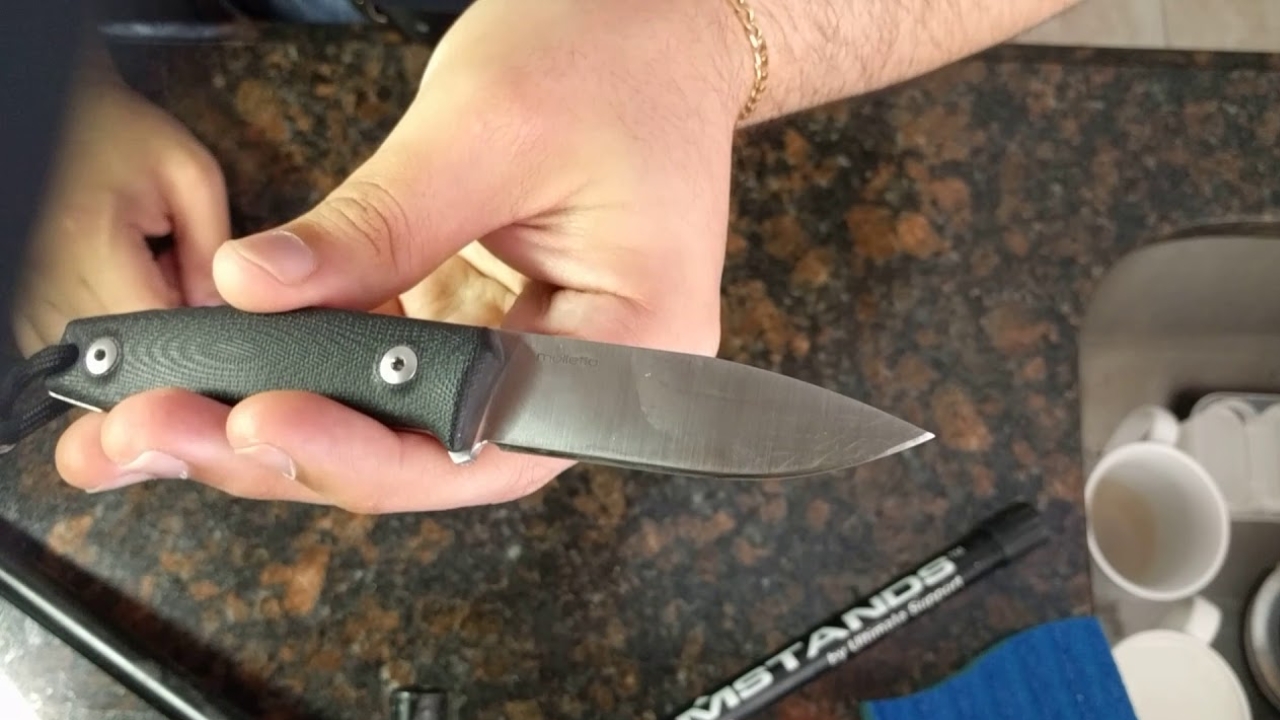
The LionSteel M1 is a small fixed blade that’s built like a real tool. It’s compact, but the geometry is generally sturdy, and the tip isn’t designed to be a fragile needle. That makes it a good choice for guys who want something small on the belt that can still do real work without constant worry.
Small fixed blades shine here because you remove the pivot/lock complexity and you get more stability under load. That stability reduces tip torque. If you’re doing wood carving, small drilling tasks, or general camp utility, a knife like this stays predictable. Predictable knives keep tips attached.
Buck 113 Ranger Skinner
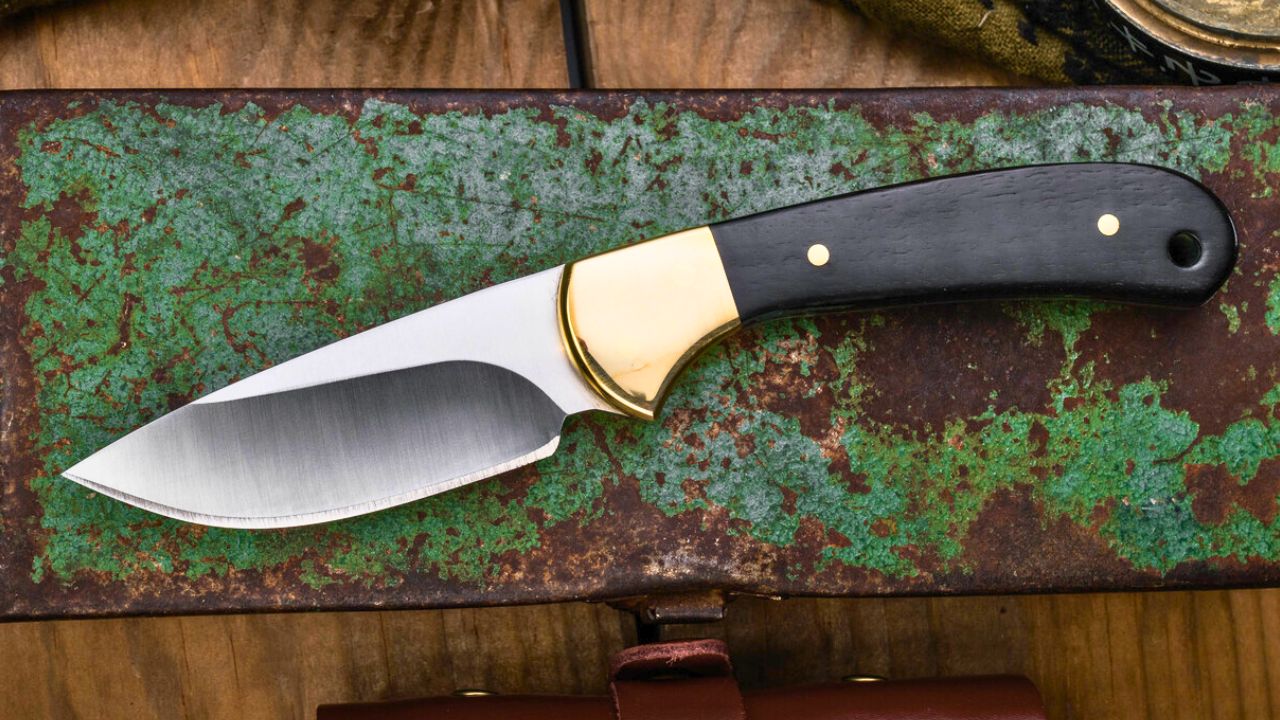
This one is small, proven, and designed around real hunting tasks. It’s not a “camp pry tool,” but it’s a small fixed blade that can handle processing work without acting fragile. Tips often break when people try to do too many awkward tasks with a thin point. A hunting knife pattern built for real use tends to be more forgiving.
The 113 also gives you good control in close work. When you’re trimming around joints or doing detail cuts, control prevents those sudden angle changes that snap tips. If you want a small knife that’s capable and doesn’t scream “tactical,” this is one of those classic tools that keeps working because it’s built around real tasks.
Cold Steel Mini Tac (clip/drop variants)
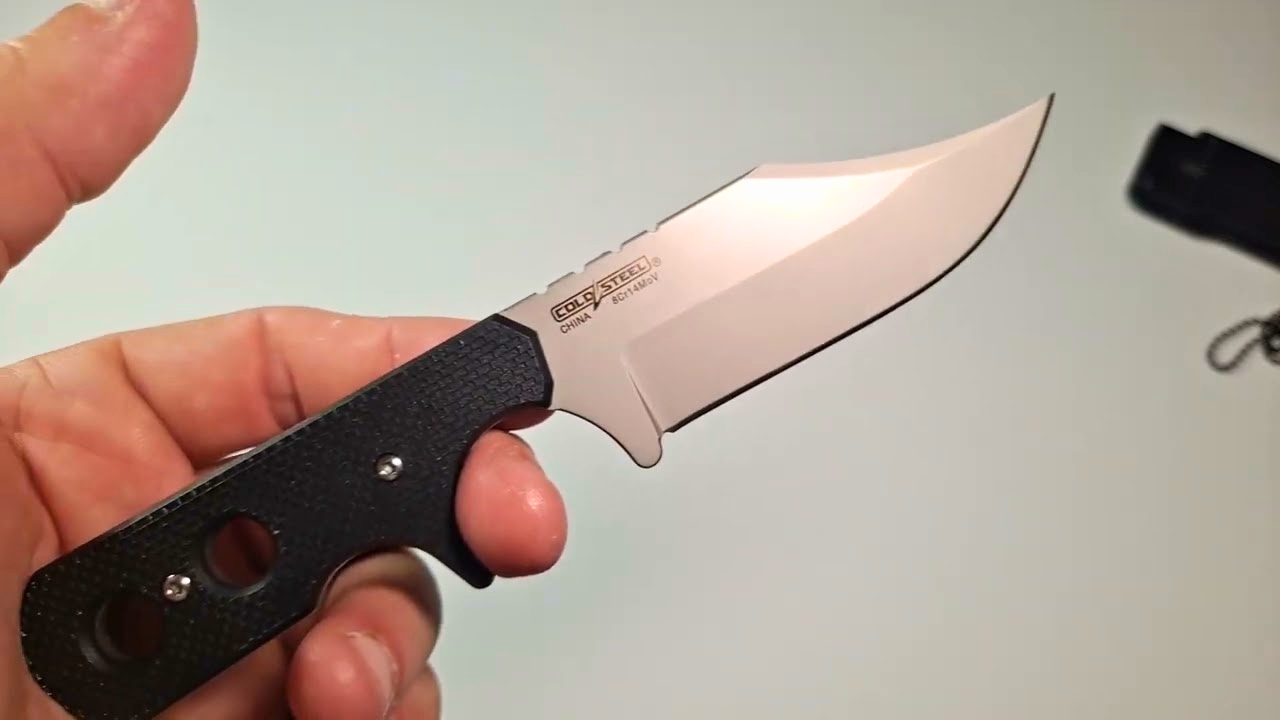
Mini Tac-sized knives are small, but they can be surprisingly durable when the geometry is stout and the tip isn’t overly fine. Cold Steel tends to build small knives that can tolerate more abuse than their size suggests, largely because they don’t chase ultra-thin tips. A small knife doing big work needs that margin.
The important part is to pick the right blade shape. Some variants have stronger points than others. For “don’t snap the tip” performance, you want a profile that keeps thickness near the tip and doesn’t extend a needle point way out there. Use it for real cutting and controlled carving, not for prying, and it’ll do more than most people expect from something that small.
TOPS Mini Eagle / compact TOPS fixed blades
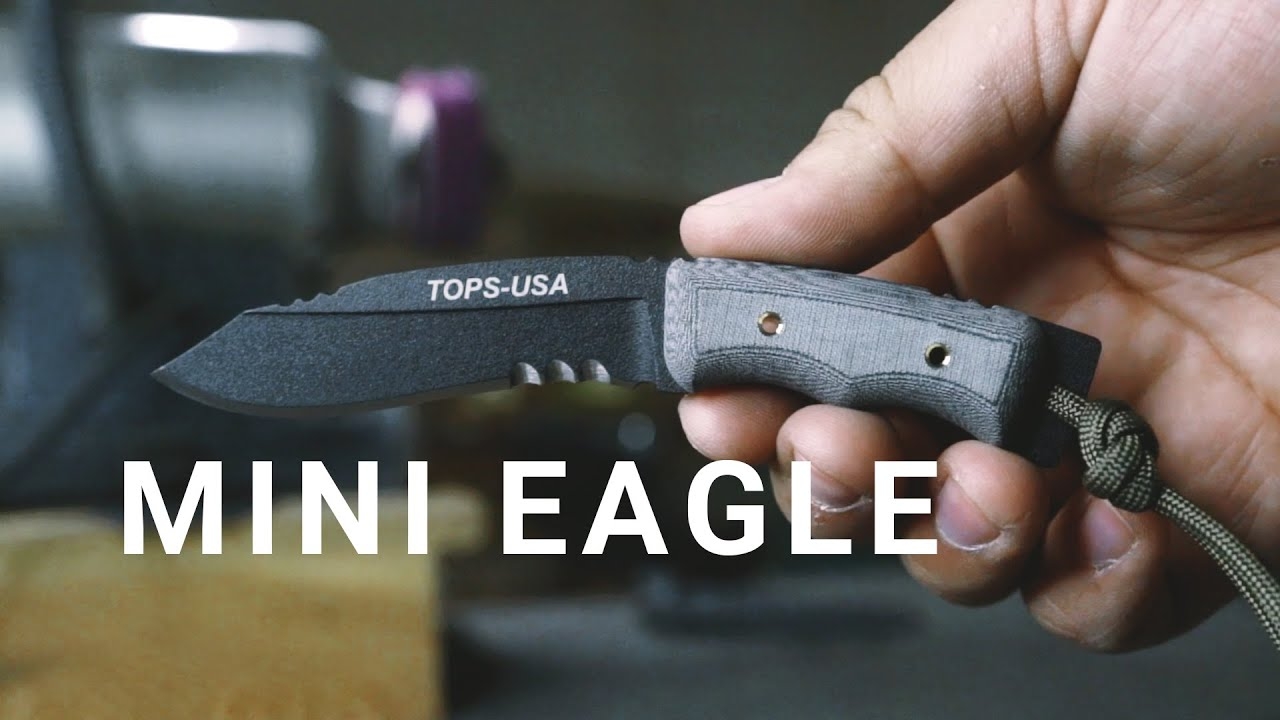
Compact TOPS fixed blades tend to lean toward durability and “use it hard” philosophy. The tips are usually stronger than boutique EDC knives that chase slicing geometry. That’s why they survive bigger chores. They’re designed around people doing rough work, not around people posting pocket dumps.
The tradeoff can be cutting efficiency. Tougher, thicker knives don’t always slice as cleanly. But if your main priority is “the tip stays on the knife,” these builds do well. In the field, I’d rather have a slightly thicker tip that survives than a needle tip that breaks the first time I hit a knot or twist a cut.
Boker AK1 (compact fixed blade)
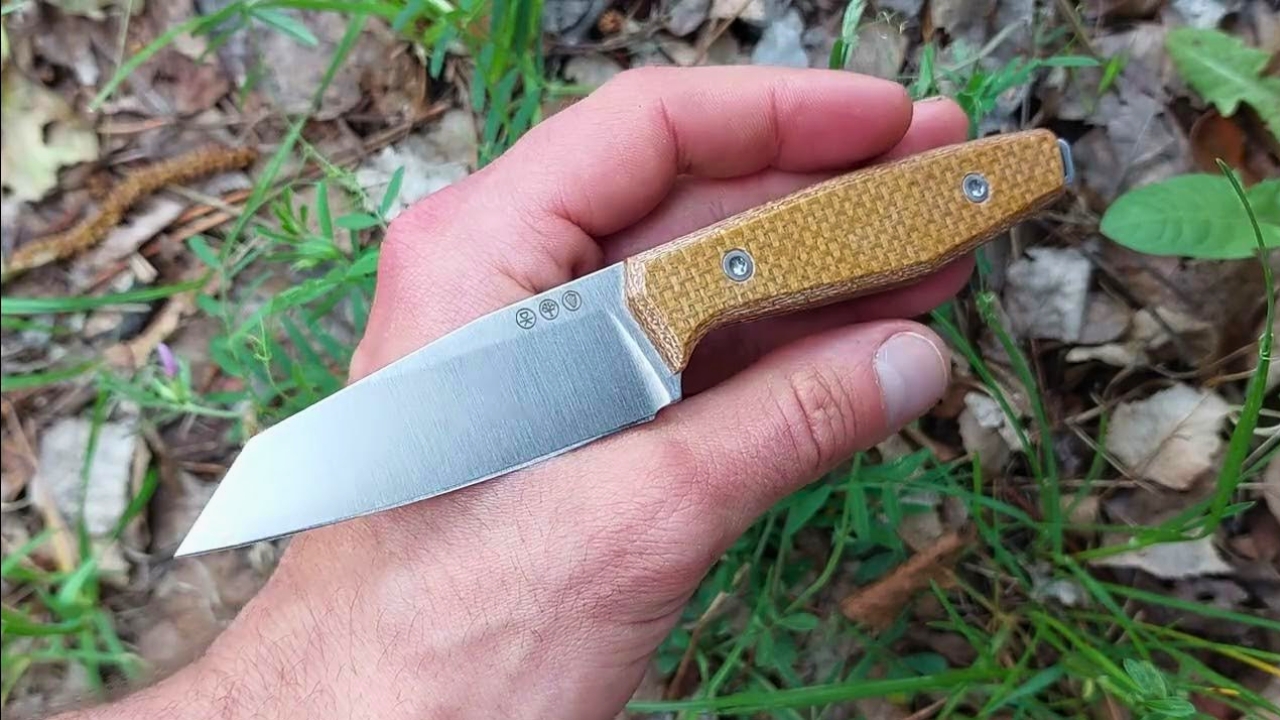
The AK1 is a compact fixed blade that’s built to be a real user, not a toy. The tip geometry and overall construction can be very solid for the size, which is what you want when a small knife is doing bigger chores. Fixed blades in this size class also avoid the lock/pivot weaknesses that can push users into awkward grip positions that torque the blade.
What makes it work is control. You can choke up, you can keep angles consistent, and you can do hard cutting without the knife rotating in your hand. Tip breaks happen when angles get stupid. A compact fixed blade that stays stable reduces that risk. If you want small carry with real capability, this style of knife makes sense.
Like The Avid Outdoorsman’s content? Subscribe to our newsletter so you never miss an article.
Here’s more from us:


