Photo credit: WHO_TEE_WHO/YouTube
Some guns make sense the minute you pick them up. Others make you wonder how many people in the room had to ignore the obvious before they reached store shelves. That does not always mean they were dangerous or worthless. Sometimes they were awkward, overpriced, underdeveloped, badly timed, or built around an idea that sounded better in a meeting than it felt at the range.
The problem is that buyers usually discover those things after the money is gone. A gun can look interesting in the case, carry a familiar brand name, or promise something different enough to get your attention. Then you shoot it, clean it, load it, carry it, or try to sell it, and the whole thing starts feeling like a lesson you paid for.
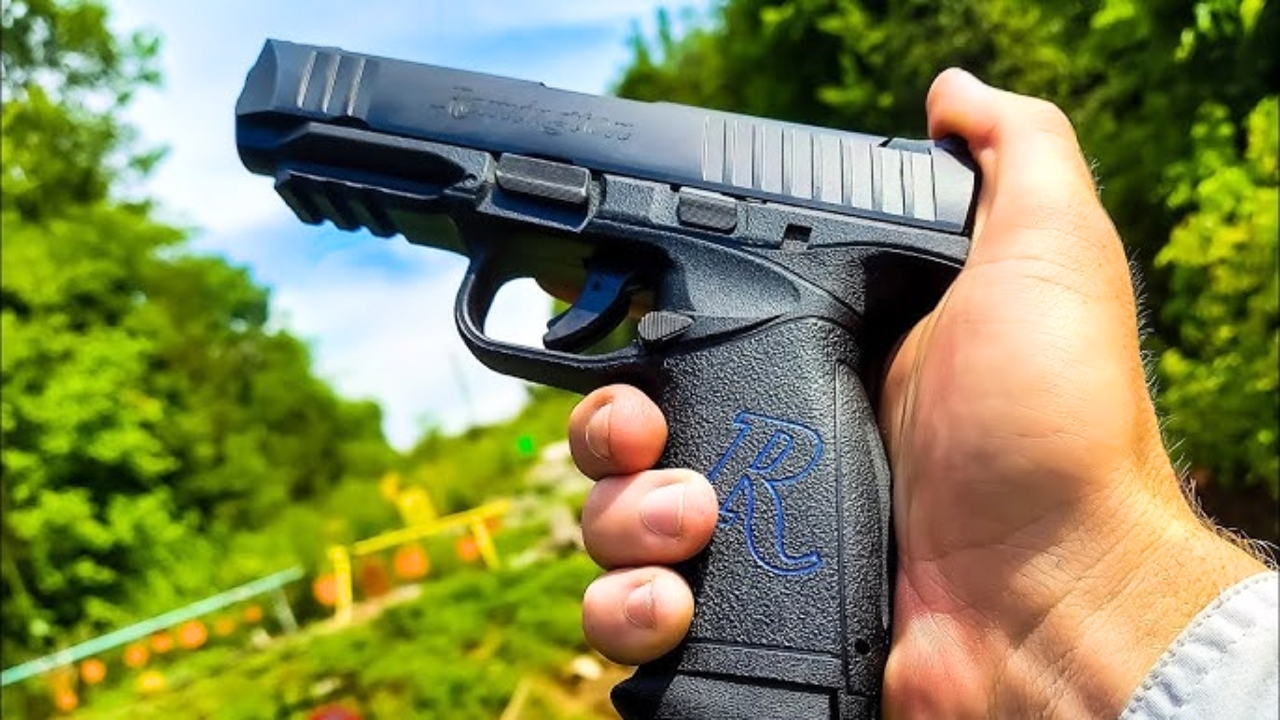
Remington R51

The Remington R51 had the kind of comeback story people wanted to believe. It wore a famous name, revived an old design, and promised a sleek 9mm carry pistol that did not feel like every other polymer striker gun in the case.
Then reality hit hard. Early guns developed a reputation for reliability problems, rough function, recalls, and disappointed owners. Even after fixes, the R51 never fully escaped that first impression. It looked different, but different was not enough when carry buyers needed trust. For a lot of people, this was one of those guns that should have stayed an idea instead of becoming a regret in the safe.
Taurus Curve

The Taurus Curve was impossible to ignore, which was part of the problem. A curved .380 pistol with built-in aiming aids and a body-shaped profile sounded like someone was trying to solve concealed carry in a totally new way.
In practice, it felt like a gun built around a gimmick before everything else. The odd shape limited its appeal, the controls were not for everyone, and serious carry shooters had better options that were easier to train with. It may be interesting as a conversation piece, but that is not the same as being useful. The Curve proved that standing out in the gun case does not mean you belong in a holster.
Colt All American 2000

The Colt All American 2000 should have been a major moment for Colt. A modern 9mm pistol from one of the biggest names in American firearms sounded like a serious answer to the changing handgun market.
Instead, it became one of those models people bring up when talking about missed chances. The trigger was strange, the feel was awkward, and the pistol never won over shooters the way Colt needed it to. It arrived when polymer and double-action pistols were getting better fast, and the All American 2000 felt like it was already behind. The Colt name could not save a gun people simply did not enjoy shooting.
Kimber Solo

The Kimber Solo looked expensive, clean, and serious. At a glance, it seemed like a premium little 9mm that could give carry buyers something classier than the usual compact plastic pistol. That first impression sold plenty of people.
The trouble came after the honeymoon wore off. The Solo gained a reputation for being ammunition-sensitive, and that is a tough thing to accept in a defensive pistol. Small guns are already demanding, so adding picky reliability into the mix made it harder to trust. Plenty of buyers moved on to simpler, cheaper, more forgiving carry guns. The Solo had style, but carry guns need boring consistency more than showroom confidence.
Remington RP9

The Remington RP9 entered one of the most crowded handgun markets imaginable. By the time it showed up, shooters already had strong options from Glock, Smith & Wesson, SIG, Ruger, Walther, CZ, and others. Remington needed to bring something sharp.
It did not. The RP9 felt bulky, plain, and late to the party. It had capacity and a familiar brand behind it, but that was not enough when nearly every competitor had a better reputation or cleaner execution. It became one more reminder that a famous shotgun and rifle company name does not automatically create a great modern pistol. The RP9 should have been better, or it should have stayed on the shelf.
Zip 22

The Zip 22 looked like a futuristic range toy, and that alone got people curious. It was small, odd, rail-mounted in concept, and unlike almost anything else sitting in a gun store display. Curiosity can sell a few guns.
Shooting it was another matter. The design was awkward, the handling was strange, and its reputation for reliability problems became the main thing people remembered. A .22 pistol should be fun, cheap, and easy to run. The Zip 22 managed to make a simple cartridge feel complicated. It became more famous as a warning than as a useful firearm, which is never a good place for a gun to end up.
Mossberg 464 SPX

The Mossberg 464 SPX tried to drag the lever-action rifle into the tactical era. On paper, that sounded fun. A lever gun with rails, adjustable furniture, and blacked-out styling could have been a cool bridge between old and new.
Instead, it looked like two ideas fighting each other. The traditional lever-action crowd did not need all that extra bulk and visual noise, while tactical rifle buyers usually wanted semi-autos. The result felt forced, like a gun designed to chase a trend instead of solve a problem. A plain 464 made more sense. The SPX version mostly made people appreciate how good a clean lever gun looks without all the add-ons.
Smith & Wesson SW9VE

The SW9VE earned some respect for being affordable and durable enough for basic use. You could buy one cheap, load it, and have a functional 9mm from a major brand. That mattered to plenty of people.
But the trigger made the whole gun harder to like. Long, heavy, and unpleasant are not great selling points when competitors became smoother and easier to shoot well. The SW9VE often felt like a pistol you bought because you had to, not because you wanted to. It served a purpose, but it also showed how much difference a bad trigger can make in whether a gun feels trustworthy or tiring.
KelTec PF9

The KelTec PF9 made sense during the early rush for thin, affordable 9mm carry pistols. It was light, flat, and cheap enough that a lot of people gave it a chance. At the time, that formula had real appeal.
The problem was that the shooting experience could be rough. Recoil was snappy, the trigger was not especially friendly, and long practice sessions got old fast. Once better micro-compact pistols arrived, the PF9 started feeling like a stepping stone from an earlier carry era. It helped prove people wanted small 9mm pistols, but it also proved they wanted ones that were easier to actually shoot.
Springfield Armory XD-E
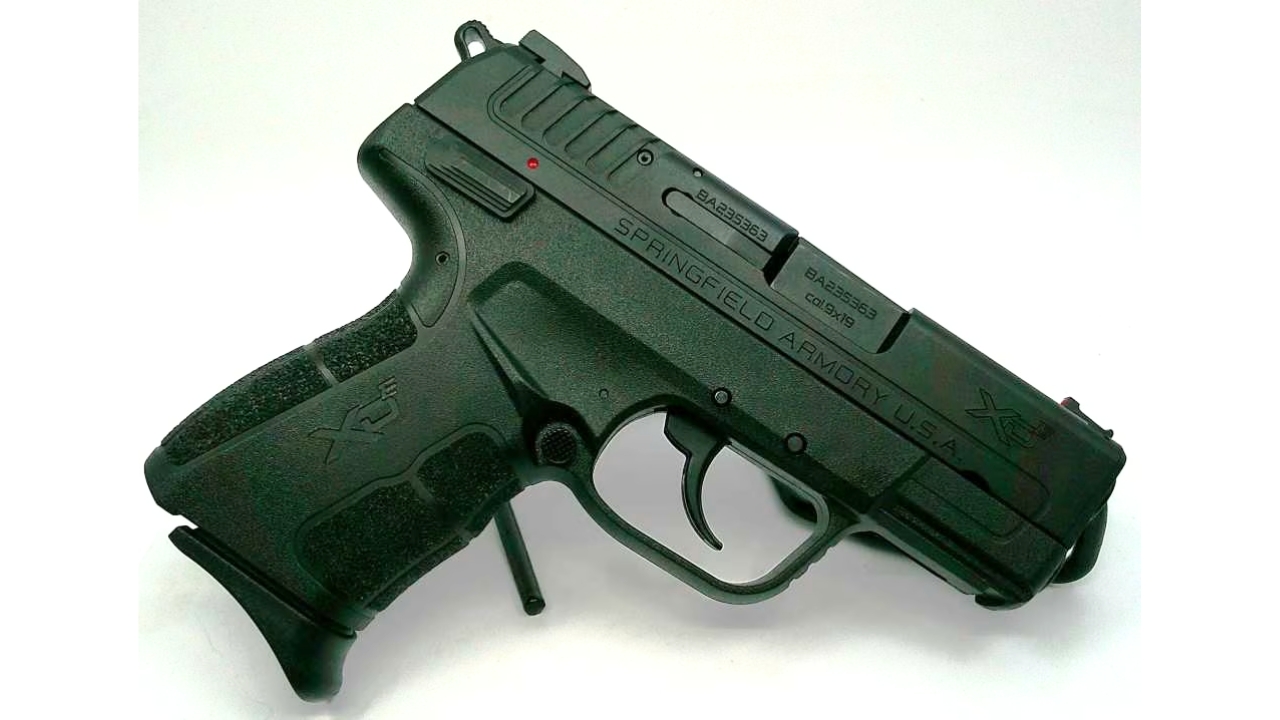
The XD-E had an interesting pitch. A slim, hammer-fired carry pistol with double-action/single-action operation gave buyers something different from the striker-fired crowd. For people who liked hammers, that sounded promising.
The market did not seem nearly as excited. The gun was larger than some expected, the trigger system added complexity, and it arrived when buyers were chasing higher-capacity micro-compacts. It was not a terrible pistol, but it felt like an answer to a question most people were no longer asking. In a world of P365s and Hellcats, the XD-E had trouble making its case.
Beretta Nano

The Beretta Nano had the benefit of a legendary name and a clean little profile. When slim 9mm pistols were hot, it looked like Beretta had a practical answer for concealed carry buyers who wanted something simple.
Then shooters spent more time with it. The trigger, grip shape, and overall feel never built the kind of love Beretta gets from its classic pistols. It was functional, but it was not especially enjoyable or confidence-building for many owners. Once newer small carry guns offered better capacity, better ergonomics, and better sights, the Nano started feeling dated fast. It was not awful. It was just too easy to replace.
Taurus Judge Public Defender
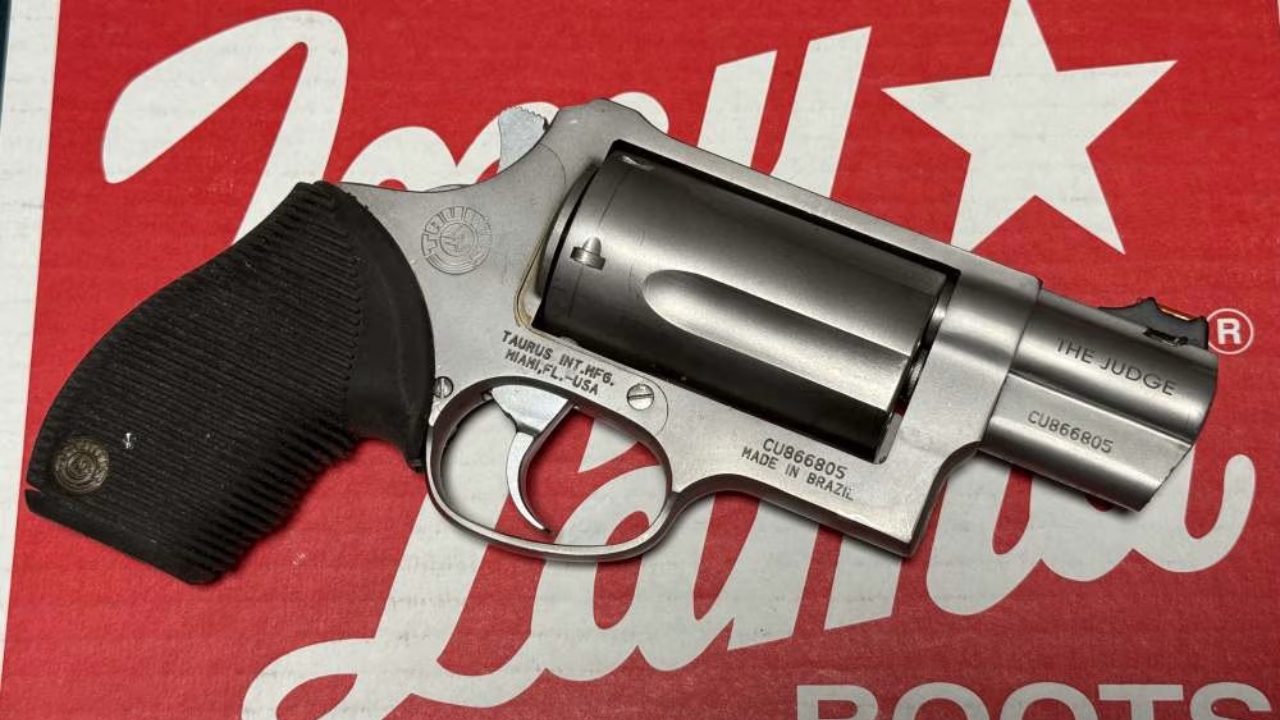
The Taurus Judge Public Defender had a big personality. A compact revolver chambered for .45 Colt and .410 shotshells sounded like a pocket-sized problem solver, especially to buyers who liked the idea of versatility.
The reality was more complicated. The gun was bulky for carry, limited in capacity, and highly load-dependent. The .410 concept looked better in marketing than it did when judged against more conventional defensive handguns. It could be fun, and some people still love the idea, but “does several things” is not the same as doing one thing well. The Public Defender often felt like a sales pitch first and a practical revolver second.
Winchester SXP Defender
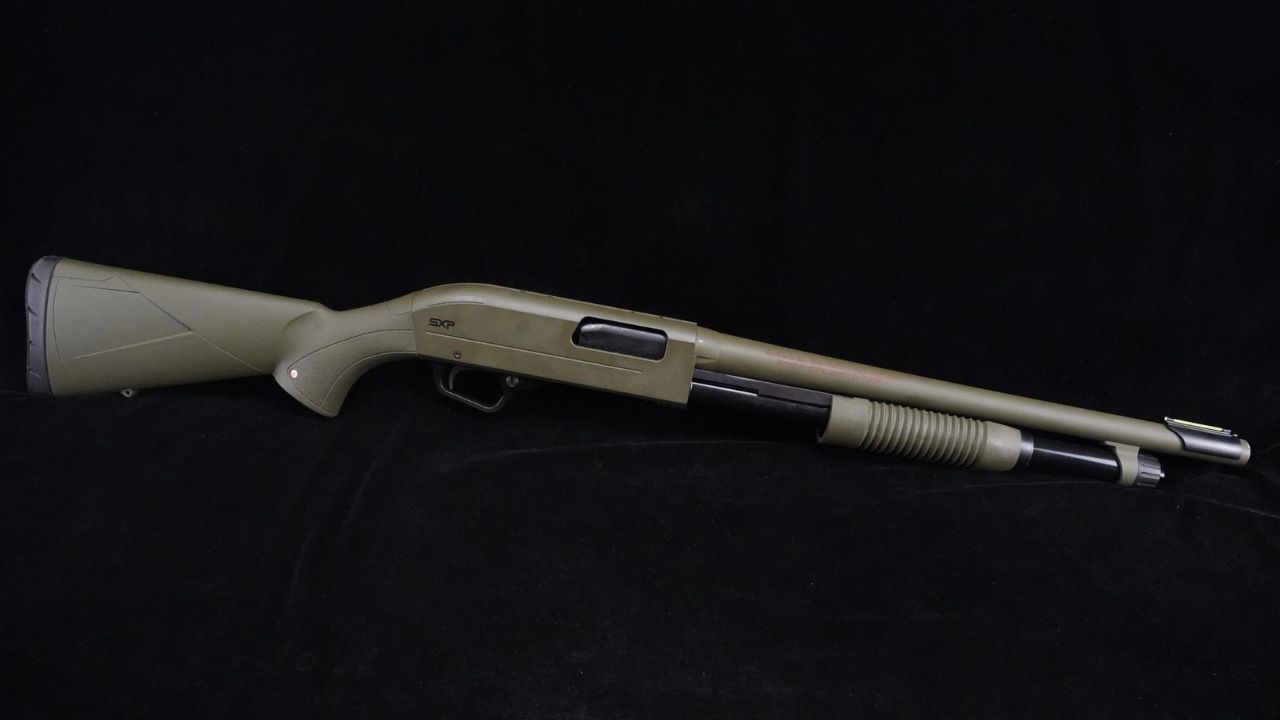
The Winchester SXP Defender sounds stronger than it feels in the market. A pump shotgun with the Winchester name should be an easy sell, especially in a defensive configuration. Buyers see that name and expect old-school confidence.
The issue is that it lives in the shadow of better-established pump guns. The Mossberg 500 and Remington 870 have deeper parts support, longer track records, and more aftermarket options. The SXP can run fine, but it does not feel like the default answer for hard use. When a defensive shotgun has to compete on trust, “pretty good” is a tough place to be. It should have offered more reason to pick it over the classics.
Hi-Point C9
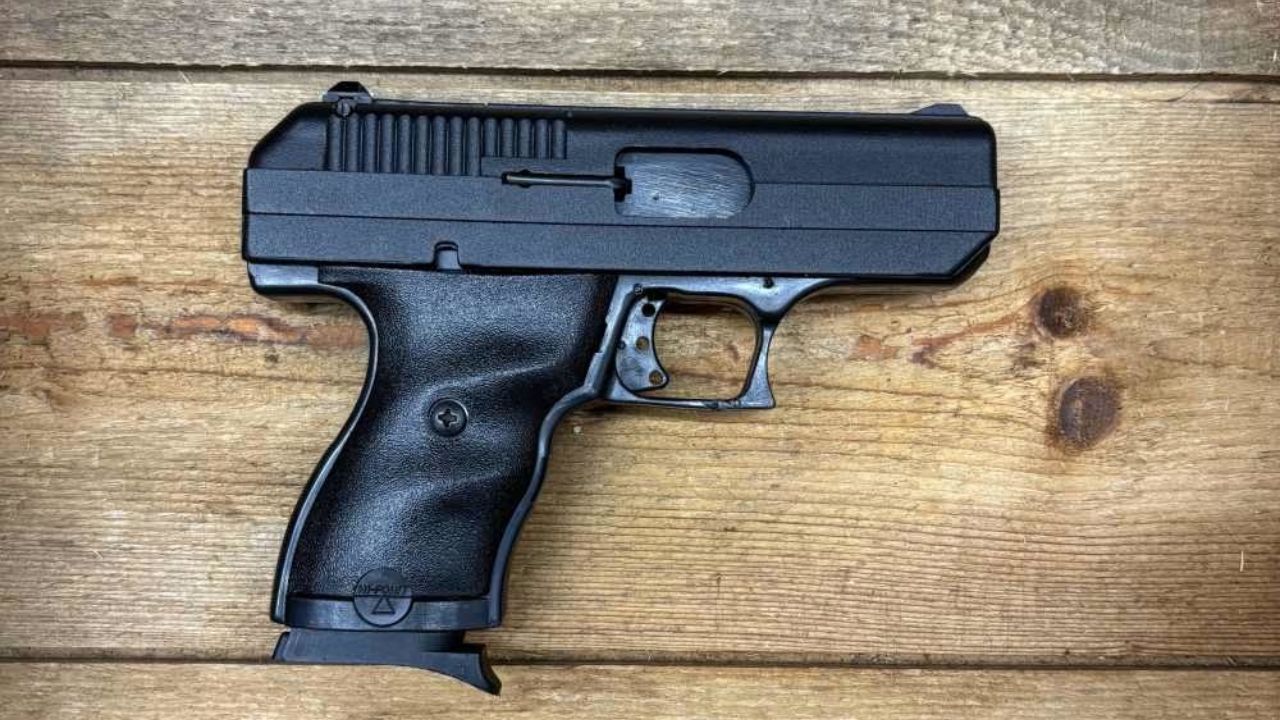
The Hi-Point C9 has defenders because it is inexpensive and often more functional than people expect. For someone who needs a cheap handgun, it can fill a role. That does not make it a good purchase for everyone.
The C9 is heavy, bulky, awkward, and crude compared with even modestly priced modern pistols. The low price gets attention, but you pay for it in handling, trigger feel, capacity, and long-term satisfaction. It is the kind of gun people buy to save money, then outgrow quickly once they shoot better options. Cheap can be useful. Cheap can also keep you stuck with something you never really liked.
SCCY CPX-2
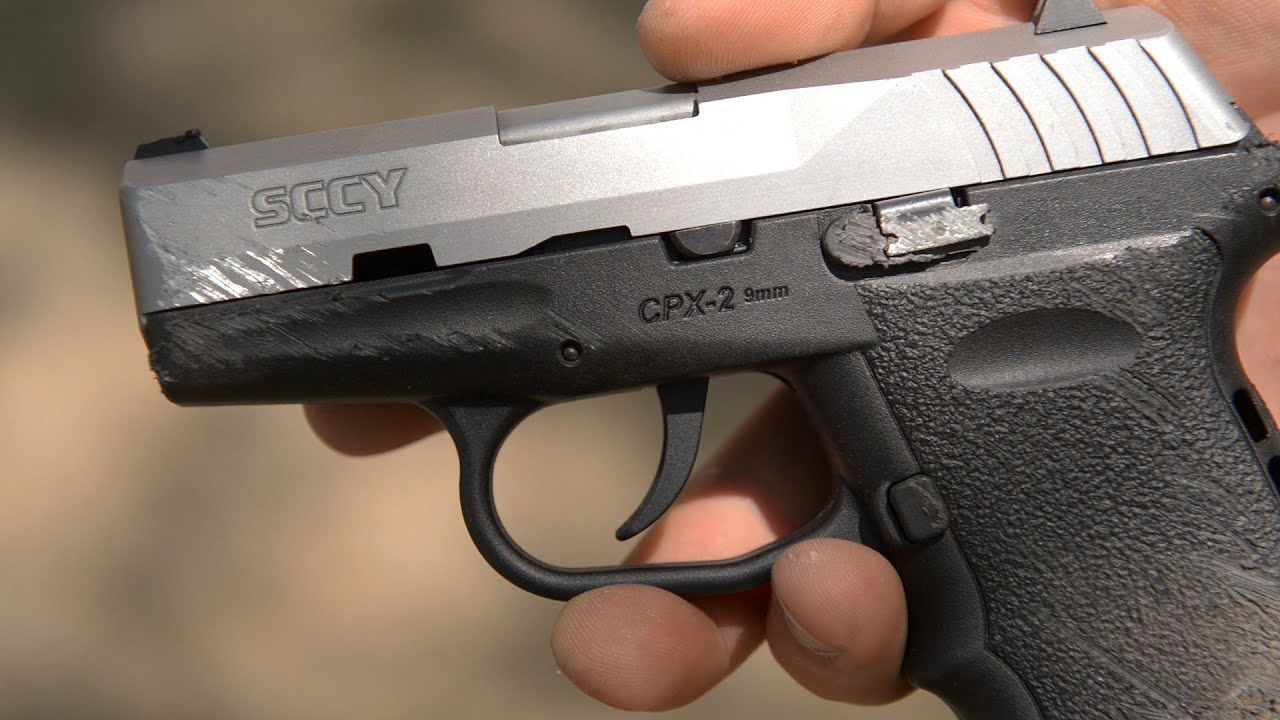
The SCCY CPX-2 hit the market as an affordable carry pistol with decent capacity and a low barrier to entry. That combination will always attract buyers, especially first-time handgun owners trying to stay within a budget.
The hard part is living with it. The long trigger, sharp recoil impulse, and inconsistent owner experiences made it less appealing once people started training seriously. A carry gun needs to make practice easier, not give you reasons to avoid it. Some examples work fine, but the CPX-2 never shook the feeling that it was a compromise gun. For many buyers, spending a little more up front would have saved frustration later.
Like The Avid Outdoorsman’s content? Be sure to follow us.
Here’s more from us: