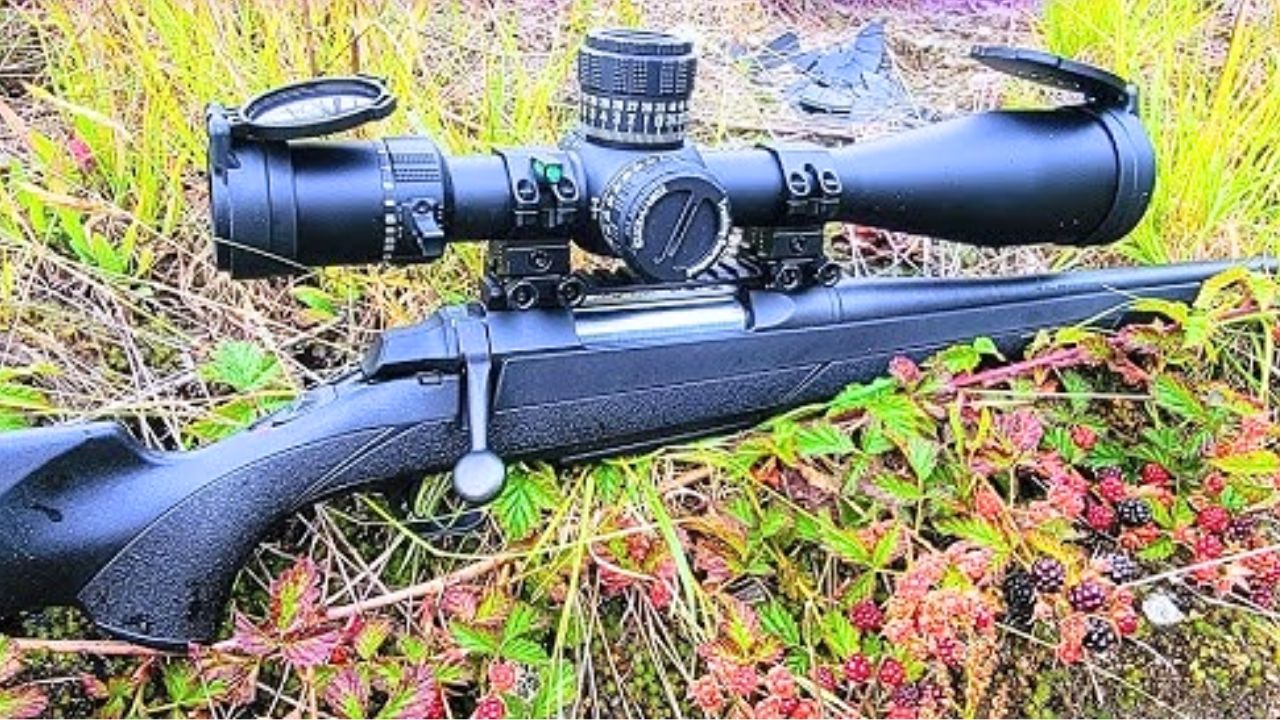
Photo credit: USOG/YouTube
If you’ve ever zeroed a rifle, then watched your groups walk the second you “load” the bipod, you’re not crazy. It happens a lot—especially with rifles that have flexible stocks, pressure points on the barrel, handguards that aren’t truly free-floated, or actions that aren’t bedded well. When you push forward into a bipod, you’re putting force into the stock or handguard. If anything flexes and touches the barrel, or if the action shifts in the stock even slightly, your point of impact can move.
Below are 15 rifles where I’ve seen this show up more than people expect—usually because of stock flex, bedding, or non-free-float setups. None of these are “bad rifles.” They just need the right setup if you plan to shoot off a bipod consistently.
Ruger American (factory synthetic stock)
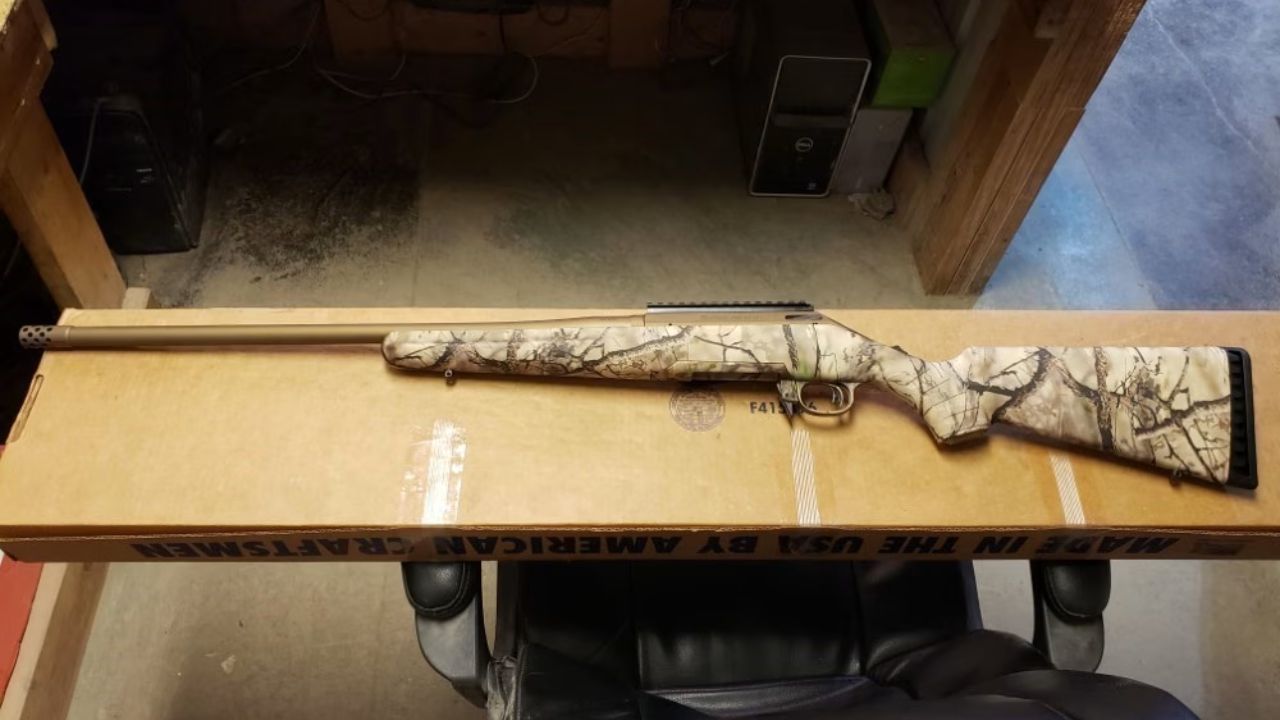
Ruger Americans shoot better than they have any right to for the money, but the factory synthetic stock can flex—especially out at the forend. When you load a bipod, that forend pressure can shift how the stock contacts the barrel channel. If it starts touching the barrel even slightly, you’ll see it on paper. Some days it’s minor. Some days you’ll wonder why your zero “moved” overnight.
The giveaway is that the rifle groups fine off bags with gentle support, then opens up or shifts when you drive into the bipod. Fixes are pretty simple: confirm you’ve got true barrel clearance, torque the action screws consistently, and consider a stiffer stock if bipod shooting is your normal. You can also test by pressing the forend sideways and seeing if it hits the barrel.
Savage Axis (factory stock)

The Axis is another one that can shoot well, but the stock is the weak link for bipod work. It’s light and it flexes. If you mount a bipod and really load it, you can change the pressure on the action and change the barrel clearance. That can shift point of impact, sometimes enough to matter on small targets or longer distances.
A lot of guys don’t notice because they’re hunting and shooting one cold shot. But if you’re doing range time and trying to build a dope chart, it’ll drive you nuts. The smartest thing you can do is test your rifle two ways: gentle support vs. loaded bipod. If the POI moves, don’t keep chasing your scope. Address the stock stiffness, action screw torque, and barrel contact first.
Mossberg Patriot (thin forend, budget stock)

Patriots can be solid deer rifles, but they’re not known for stiff stocks. When you load a bipod, the forend can flex and change how the rifle is supported. If the forend presses into the barrel channel or changes how the action sits, you’ll see it. Some rifles shift only a little. Others shift enough to turn a confident setup into a question mark.
This is one of those rifles where consistency matters more than anything. If you’re going to shoot it off a bipod, keep the same bipod pressure every time and confirm the barrel is truly floated. Also torque the screws the same way every time you take it apart. When a Patriot’s POI shifts, it’s usually the stock and bedding consistency—not the barrel being “bad.”
Thompson/Center Compass
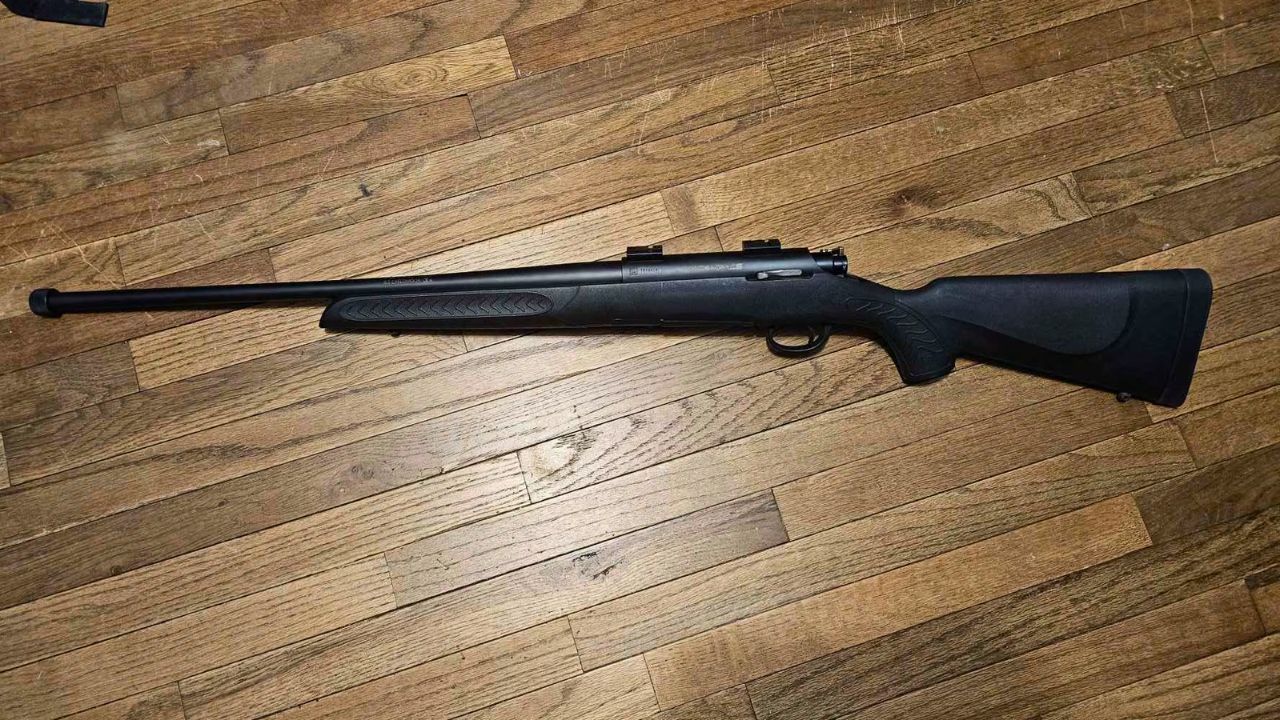
The Compass is a budget rifle that can shoot, but bipod loading can highlight its stock limitations. The forend isn’t built like a heavy match stock, and when you push into a bipod, you can change the way the rifle is being supported. If the barrel channel clearance is tight, that flex becomes real contact, and contact becomes point-of-impact shift.
It’s also common for shooters to switch between positions—bench, prone, seated—and unknowingly change bipod load every time. On a rifle that’s sensitive, that means the gun prints in different spots depending on how you’re leaning into it. If you want the Compass to behave, make sure it’s actually floated, keep your bipod technique consistent, and don’t be afraid to upgrade the stock if you’re trying to stretch the rifle out.
Remington 700 SPS (factory “tupperware” stock)

A 700 SPS can be a great action with a stock that holds it back. The factory SPS-style stock is infamous for flex. Load a bipod hard enough and you can induce pressure where you didn’t have it before. Even if the barrel is “free-floated” on paper, flex can change that in the real world. That’s when groups shift and people start blaming optics.
The fix is usually straightforward: torque the action screws, check barrel clearance under pressure, and consider bedding or a stiffer stock. The 700 action is a strong foundation, but that factory stock can make it feel inconsistent. If you’re a bipod shooter, a better stock is one of the most noticeable upgrades you can make—not because it’s fancy, but because it removes variables.
Winchester XPR (synthetic stock models)

XPRs are capable rifles, but the lighter synthetic stocks can be sensitive when you load a bipod. You’re basically turning your body pressure into a lever on the forend. If the stock flexes, the rifle’s support changes, and the muzzle can end up pointing somewhere else compared to a softer bag rest.
You’ll see this when a rifle prints one group on bags, then shifts low or to the side when you go prone and load the bipod. A lot of hunters ignore it because they’re not shooting groups for sport. But if you’re trying to be precise, it matters. Confirm barrel clearance, torque the screws, and make sure your bipod isn’t mounted in a way that torques the forend as you load it.
Browning AB3 (factory hunting stock)

The AB3 is a hunting rifle first, and the stock reflects that. It’s not built for heavy bipod loading like a target rifle. If you load a bipod hard, the forend can flex and introduce pressure you didn’t intend. That can show up as a point-of-impact shift that’s consistent (always shifts the same direction) or inconsistent (depends on how you load).
This is where guys get frustrated because the rifle “shoots great” until they change one thing. If you’re going to shoot an AB3 off a bipod, be consistent with how you load it, and don’t assume the stock is rigid. It’s doing its job for carrying and hunting. If you need bench/prone consistency, you may need to stiffen the system.
Weatherby Vanguard (synthetic stock versions)
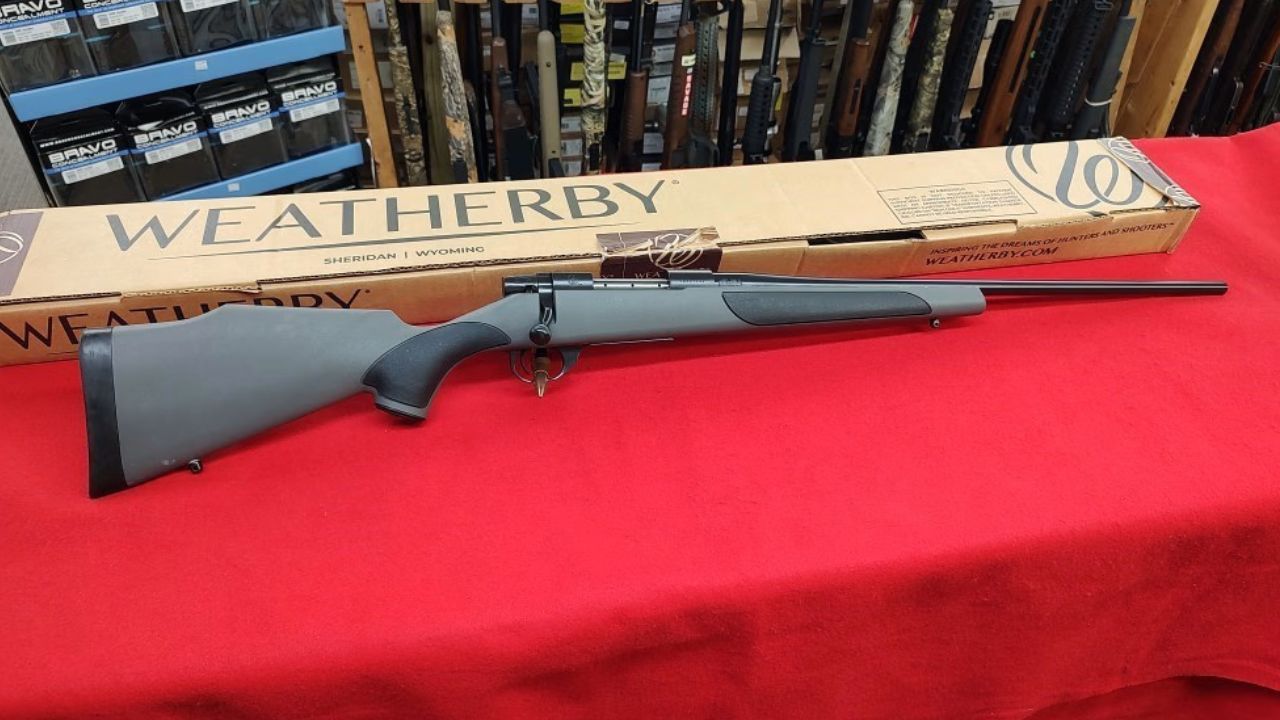
Vanguards are usually dependable, but the lighter synthetic stock models can show POI shift with bipod pressure. The action is solid. The barrel is usually fine. The problem is the interface—how that action and barrel sit in a stock that can flex. Load the bipod, the stock flexes, contact changes, and the rifle prints elsewhere.
What’s tricky is that many Vanguards shoot tight groups, so people assume everything is perfect. Then they load a bipod and suddenly they’re chasing a “mystery shift.” This is why bedding and stock stiffness matter. You’re trying to remove variables. If your POI moves with bipod load, don’t panic—diagnose it like a grown-up: clearance, torque, bedding, and consistent technique.
Howa 1500 in a Hogue OverMolded stock

The Howa 1500 action is a workhorse, but the Hogue OverMolded stock is known to flex—especially if it’s not the stiffer full aluminum-bedded version. Load a bipod and you can change the pressure at the forend and around the action. That’s where point of impact moves around, even though the barrel itself is capable.
A lot of guys love the Hogue feel, and I get it. But bipod loading is the exact scenario where stock flex shows up. If you’re seeing a shift, try shooting with a light bipod load, then with a hard load. If it moves, it’s not your imagination. The rifle can be fixed with a stiffer stock or bedding work, and then it becomes a very consistent shooter.
Ruger Mini-14

The Mini-14 is handy, but it’s not built like a free-floated precision rig. If you’re trying to shoot it from a bipod, you’re putting pressure into a system that can respond with barrel harmonics and stock pressure changes. Minis can absolutely shoot acceptably for their role, but if you start adding bipod force and expecting AR-type consistency, you may be disappointed.
The POI shift can be more noticeable as the barrel warms too, which compounds the confusion. If your goal is practical woods accuracy, it’s usually fine. If your goal is tiny groups from prone, the Mini can fight you. The best way to handle it is: don’t over-load the bipod, keep expectations realistic, and understand you’re running a rifle with different design priorities.
M1A / M14 pattern rifles

M1A rifles are famous for how stock pressure and bedding affect point of impact. When you load a bipod, you’re changing how the system is supported, and that changes how the barrel and action behave. That can move POI in a very repeatable way, especially if the rifle isn’t bedded well or if the stock fit is loose.
This is why serious M1A shooters pay attention to bedding and consistent support methods. If you’re a casual owner, you can still shoot it well—but you need to understand that loading the bipod adds a force the system reacts to. If you want consistency, keep support consistent and avoid mixing “light load” and “hard load” without expecting the target to show the difference.
Colt 6920 (standard, non-free-float handguard setup)
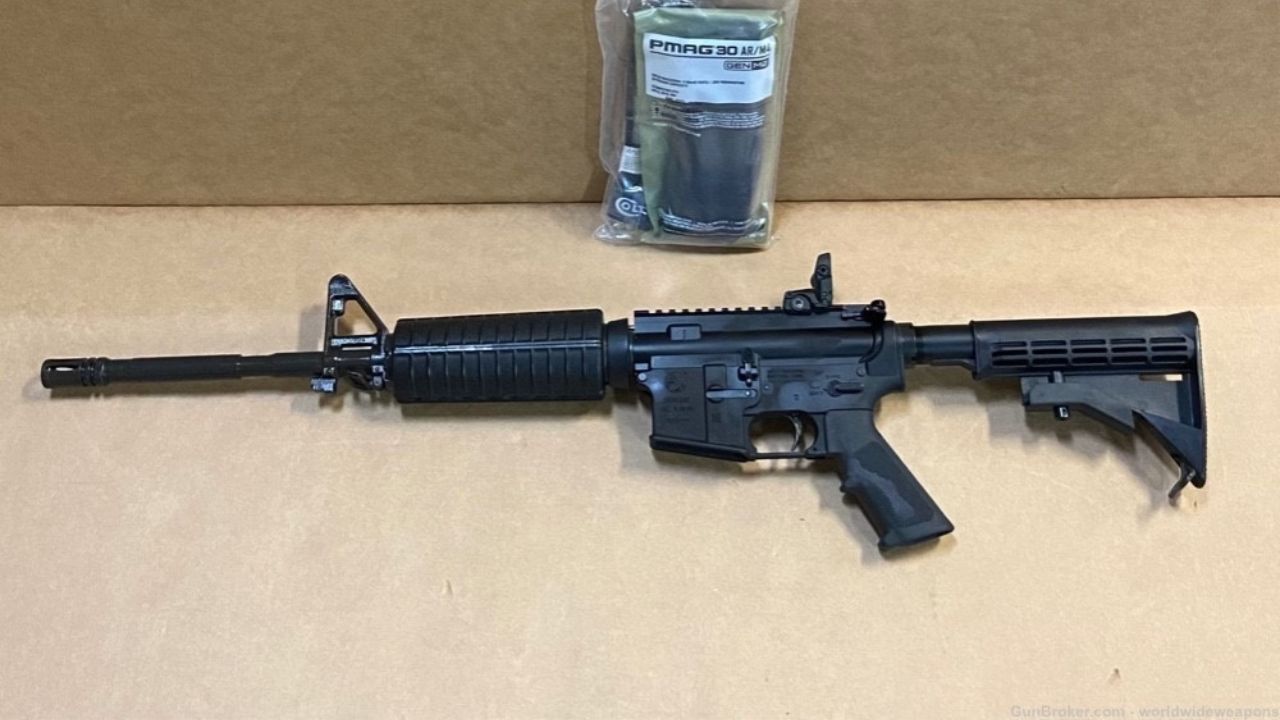
A stock 6920 with standard handguards isn’t a true free-float setup. If you mount a bipod to the handguard (or you’re using pressure on the handguard), you’re putting force into the same system that can touch or influence the barrel. That’s classic point-of-impact shift territory. You’ll see it if you shoot groups with a sling, with a bipod, and off bags—each can print differently.
This isn’t a Colt problem. It’s a non-free-float problem. The rifle is doing what the design does. If you want POI to stay put when you load a bipod, you want a true free-float rail and a consistent mounting method. Otherwise, your point of impact is going to follow your support pressure.
Ruger AR-556 (standard configuration)
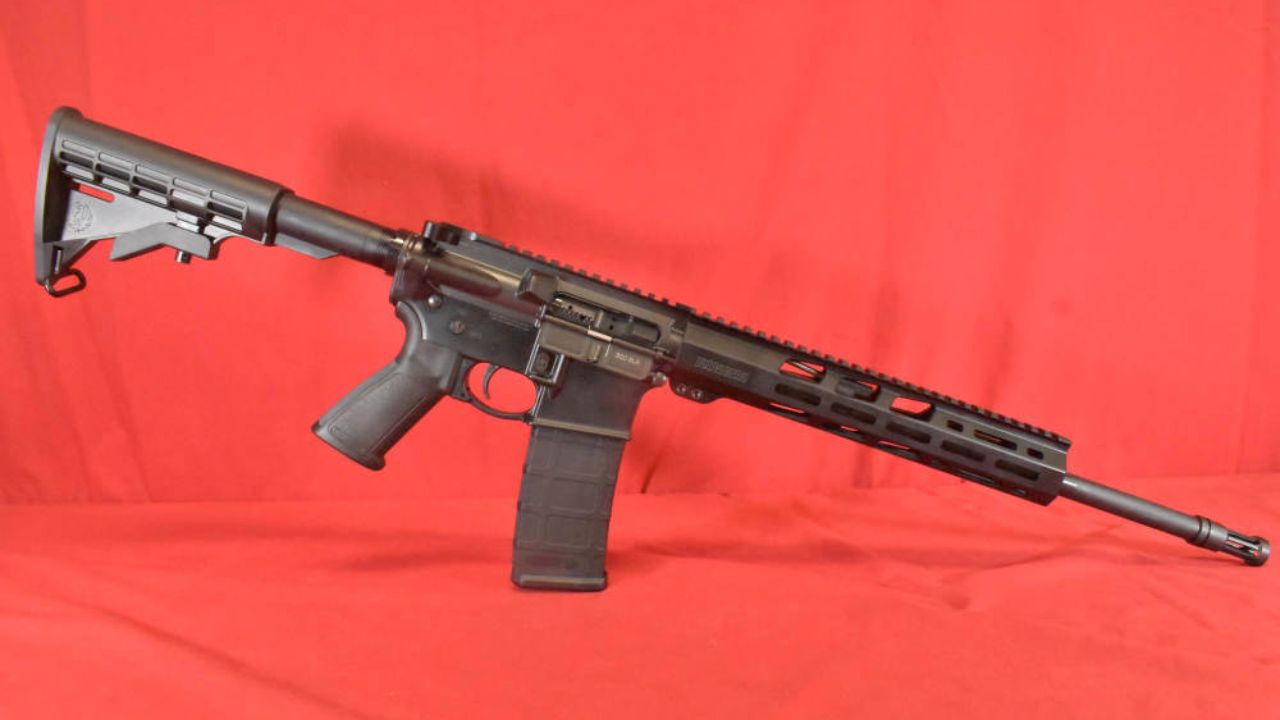
Same deal as the Colt example: if the AR-556 is in a standard configuration without a true free-float system and you’re putting bipod load into the handguard, you can shift POI. Guys get confused because ARs can be very consistent, so they assume all ARs behave the same. They don’t. Support pressure matters on non-free-floated setups.
If your rifle prints two inches differently between “light rest” and “loaded bipod,” it’s usually not a scope issue. It’s physics. The fix is easy if you want it: free-float the barrel, mount the bipod to the free-float rail, and stop letting handguard pressure influence the barrel. Once you do, the rifle becomes a lot more predictable.
S&W M&P15 Sport II (basic handguard models)
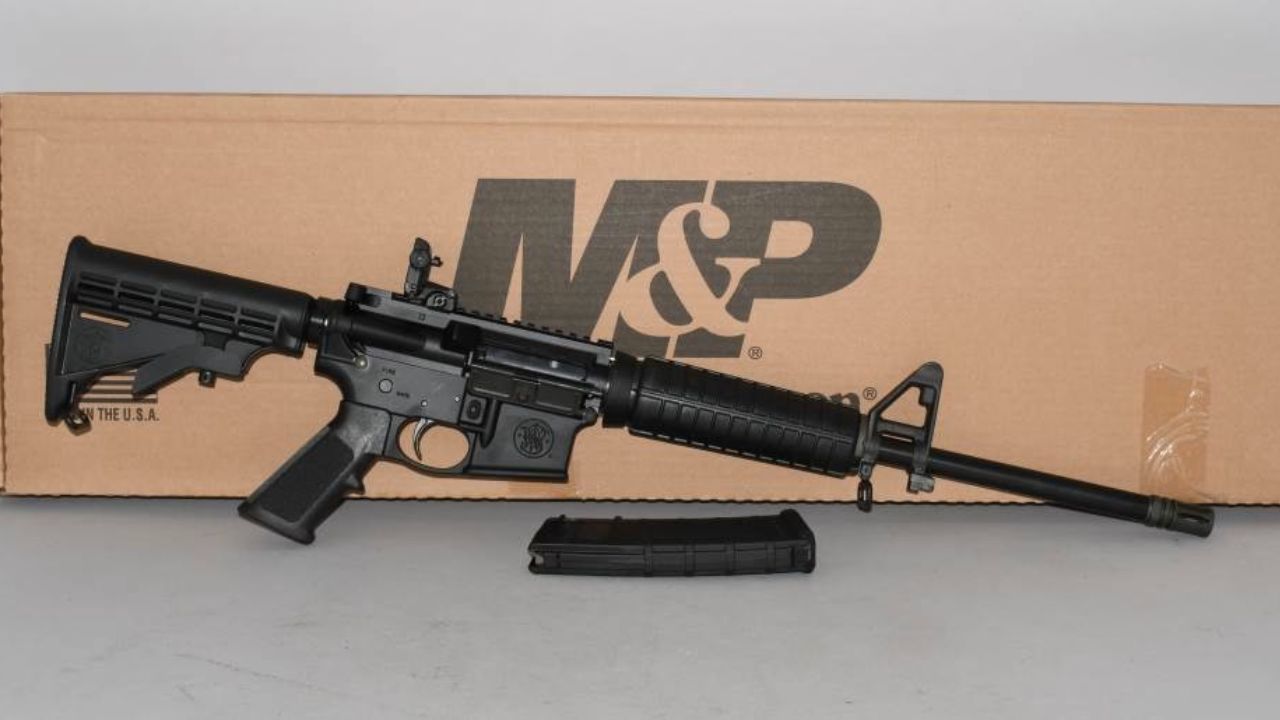
The Sport II is a solid entry rifle, but many are set up with basic handguards that aren’t meant for heavy support pressure. Put a bipod out there and load it hard, and you can get POI shift because your force is going into the front end instead of a truly isolated barrel system. You’ll often see vertical shift—especially if you’re really driving forward.
Again, this is common on budget “base” AR setups. It doesn’t mean you can’t use a bipod. It means you need consistent technique, and if precision matters to you, you’ll eventually want a free-float setup. If you’re just shooting inside practical distances, it may not matter. If you’re trying to tighten groups, it definitely can.
Springfield Saint (base models)
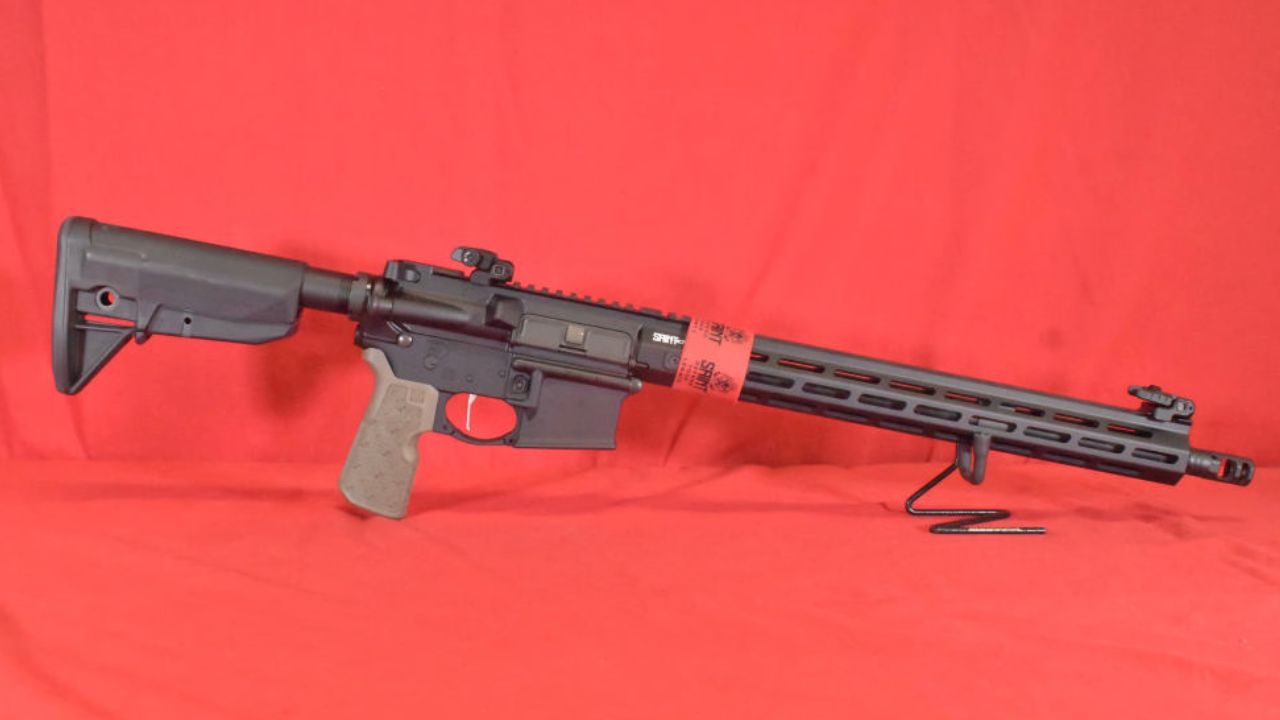
Base Saints are good rifles, but depending on the exact configuration, you can run into the same non-free-float and handguard pressure issues when loading a bipod. Some shooters see little change. Others see a noticeable shift depending on how aggressively they load and where the bipod is mounted.
The key is to test it honestly. Shoot a group with minimal load, then a group with a firm load, and don’t change anything else. If your point of impact shifts, you’ve learned something valuable about your setup. Fix it with free-float, or accept it and train around it. What you don’t want is “mystery zero” where you keep dialing your optic when the real culprit is support pressure.
Remington 783 (factory synthetic stock)
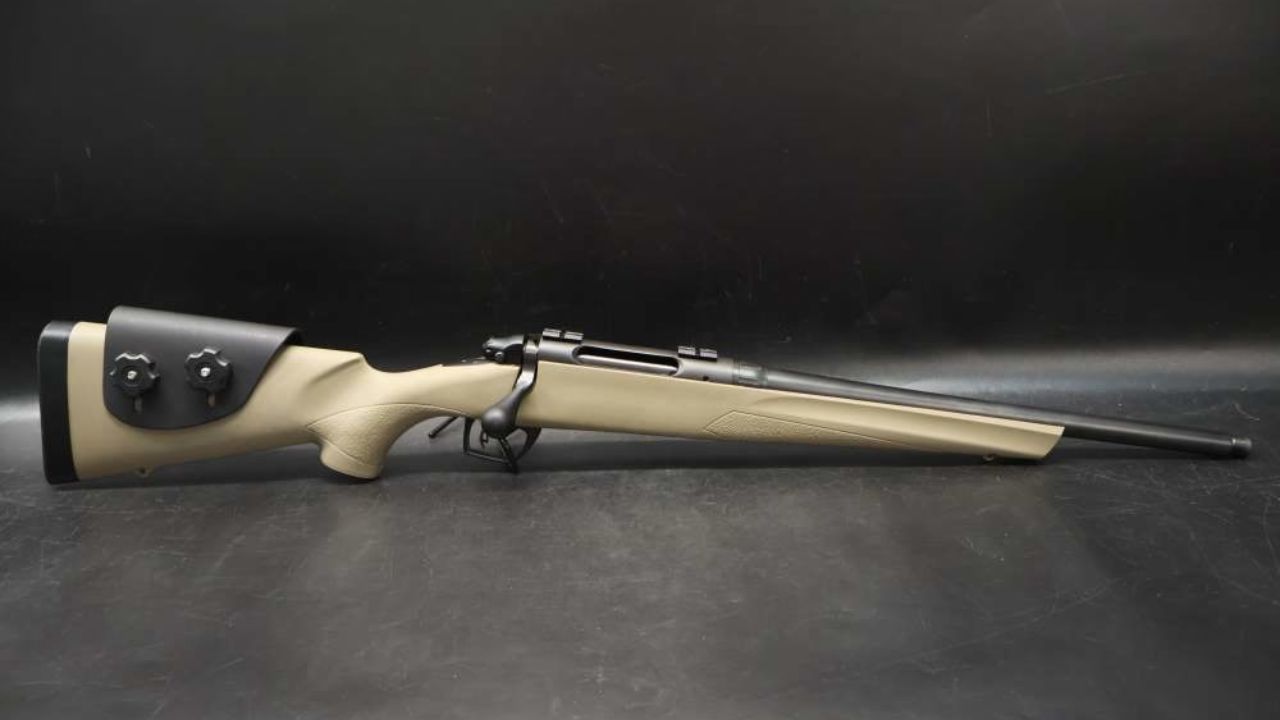
The 783 can shoot well, but its factory stock isn’t built for heavy bipod loading. Forend flex and inconsistent contact points can show up when you load the bipod, especially if you mount it in a way that adds torque. That can shift POI and make the rifle feel inconsistent between bench shooting and prone shooting.
If you hunt with it, you may never notice. If you’re trying to build consistent prone performance, you will. The easiest fixes are the boring ones: check barrel clearance under load, torque action screws consistently, and consider a stiffer stock if bipod shooting is your main use. You don’t need to overcomplicate it—you just need to remove flex and contact.
Like The Avid Outdoorsman’s content? Be sure to follow us.
Here’s more from us: