Photo credit: iBuyItRight/GunBroker
Some guns were good enough in their day. Some were even smart buys when the market looked different, ammo was cheaper, expectations were lower, or the competition had not caught up yet. But firearms do not exist in a vacuum. Once better triggers, better magazines, better optics mounting, better stocks, better reliability, and better factory accuracy become common, older or weaker designs start looking exposed.
That does not mean every gun here is useless. Some still work, and some owners have no reason to dump them. But if you were buying today, with everything else on the shelf, these are the guns that have a hard time keeping up with what the competition offers for the money.
Remington 770

The Remington 770 never had much room for error because it lived in the budget hunting rifle lane. That is a rough place to compete now. Affordable rifles have gotten a lot better, and buyers expect decent triggers, usable stocks, smoother actions, and better accuracy than they used to.
The 770 feels behind because it often comes across as cheap in the ways that matter. The bolt feel, stock, and general handling do not compare well against rifles like the Ruger American, Savage Axis II, or CVA Cascade. It may still kill deer, but “good enough” is a harder sell today.
Kimber Solo

The Kimber Solo looked like a premium small carry pistol when the micro-9 market was still finding itself. It had the size, finish, and brand appeal to pull buyers in. For a while, that was enough to make people curious.
The problem is that the competition moved fast. Modern micro-compacts offer better capacity, stronger reliability reputations, easier optics options, and more forgiving handling. A SIG P365, Shield Plus, or Hellcat Pro makes the Solo feel dated and fussy. A small defensive pistol has to inspire confidence, and the Solo has a hard time doing that now.
Mossberg 100 ATR

The Mossberg 100 ATR was built to be affordable, and that was its biggest argument. It gave hunters a low-cost bolt rifle in useful chamberings without pretending to be fancy. At one time, that had real appeal.
Today, the rifle feels outclassed by budget guns that simply do more things better. The stock, trigger feel, bolt operation, and overall finish do not hold up well beside newer entry-level rifles. Accuracy matters, but so does how a rifle carries, feeds, and feels over years of use. The 100 ATR often feels like yesterday’s budget compromise.
Springfield Armory XD-S

The Springfield XD-S made sense when slim single-stack carry pistols were everywhere. It gave buyers a thin defensive handgun, and the .45 ACP version drew people who wanted big-bore power in a compact package.
The market changed around it. Higher-capacity micro-compacts made the XD-S harder to justify, especially when many of them shoot softer and carry almost as easily. The XD-S can still work, but limited capacity, sharper recoil in some chamberings, and older carry-gun ergonomics make it feel behind. It is not awful. It is simply no longer the easy answer.
Remington 710
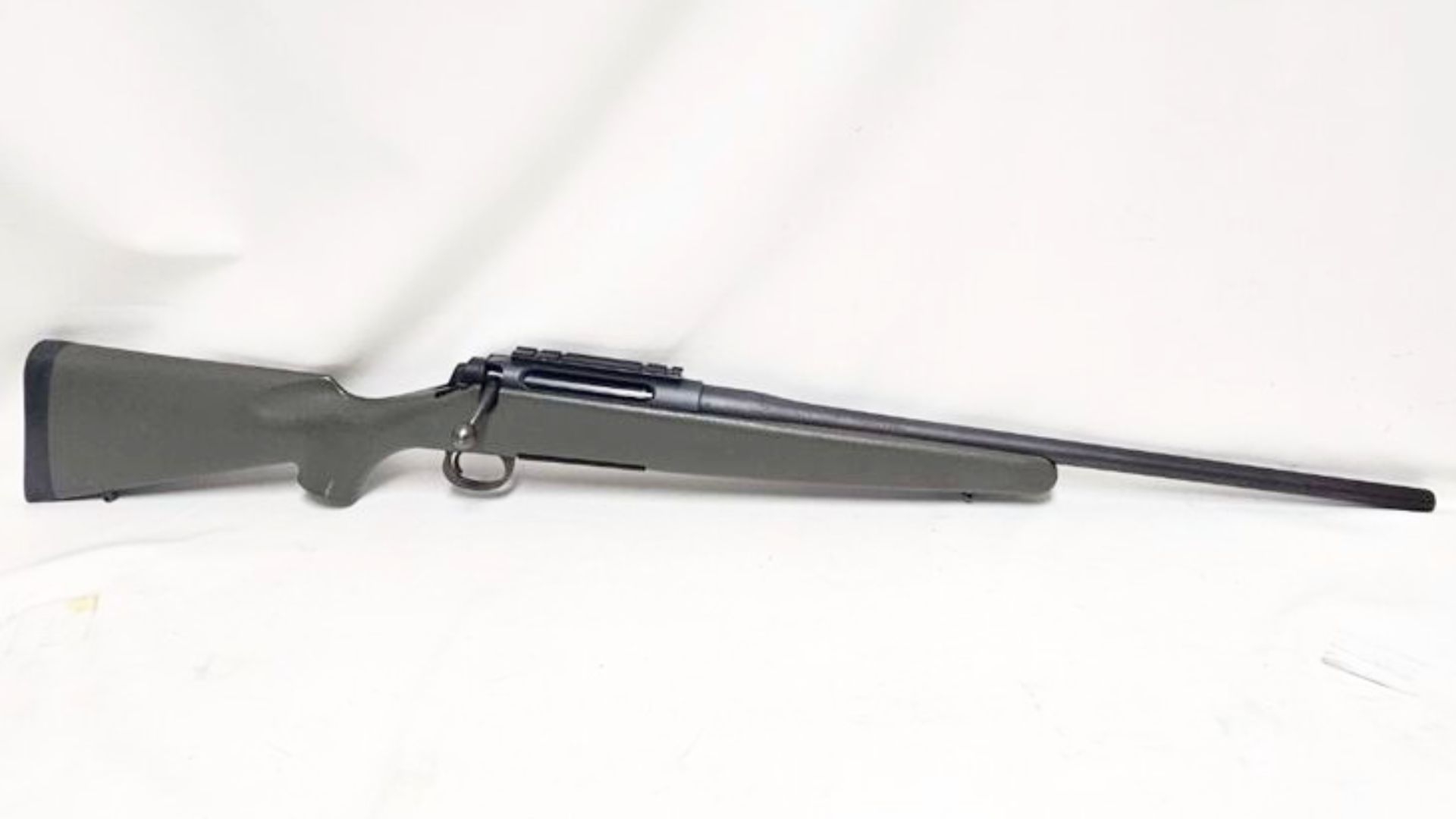
The Remington 710 had the famous name and the low package price, which made it tempting for new hunters. But even when it was new, it felt more like a shortcut than a rifle built for long-term pride of ownership.
Against today’s competition, the gap is even wider. Budget rifles now often shoot well, come with better triggers, and feel less disposable. The 710’s rough action, cheap-feeling stock, and uninspiring handling make it tough to defend. When affordable rifles have improved this much, the 710 feels like a reminder of how bad the budget category used to be.
Beretta APX Carry

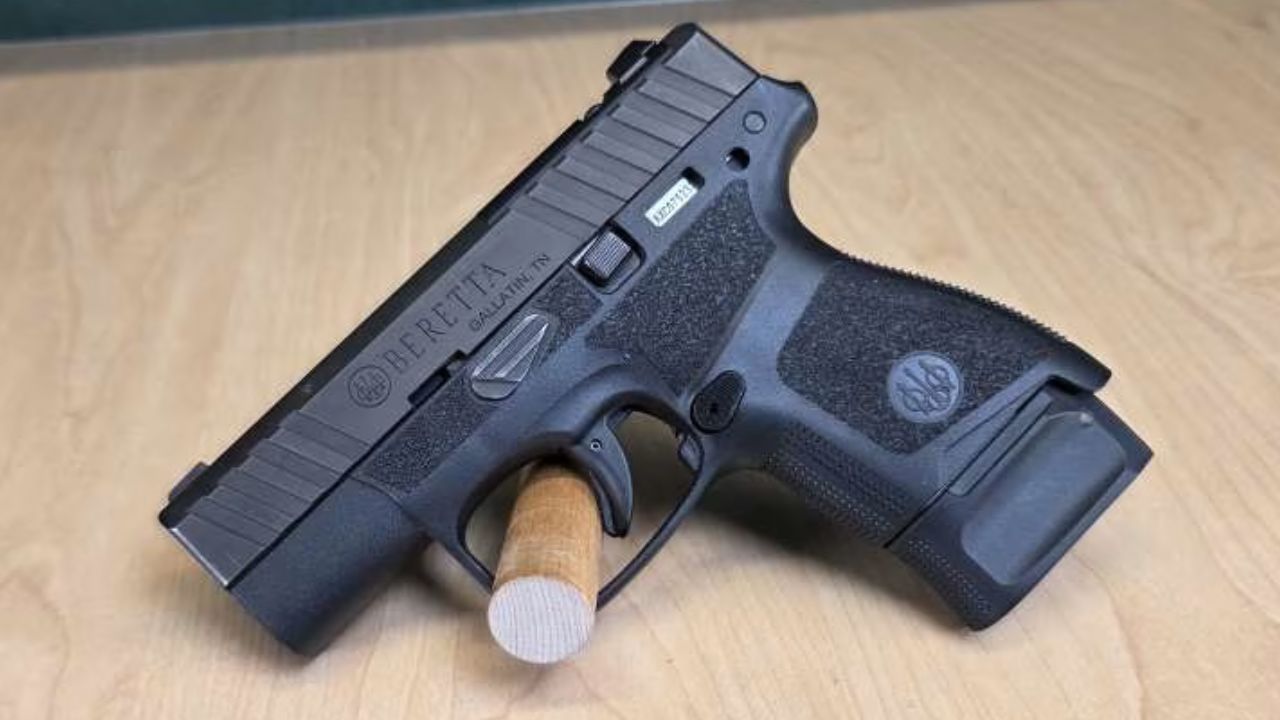
The Beretta APX Carry had the advantage of a respected name, but the pistol itself never felt like the strongest answer in the small carry lane. It was compact, affordable enough, and simple on paper. That should have helped more than it did.
The problem is that the carry market is brutal now. Pistols like the Shield Plus, P365 XL, Glock 43X, and Hellcat Pro offer better shootability, better capacity, better support, or all three. The APX Carry feels like a gun people bought because of the brand, then replaced because the competition was easier to live with.
Thompson/Center Compass

The Thompson/Center Compass earned attention because it could shoot well for the money. Affordable accuracy is no small thing, especially for hunters who mostly cared about punching a clean group and filling a tag.
But a rifle is more than its group size. Stock feel, bolt smoothness, magazine design, balance, and long-term confidence all matter. The Compass often feels cheaper than the better budget rifles around it. When guns like the Ruger American, Tikka T3x, and Savage 110 exist at reachable prices, the Compass has to work harder to feel worth choosing.
Walther CCP
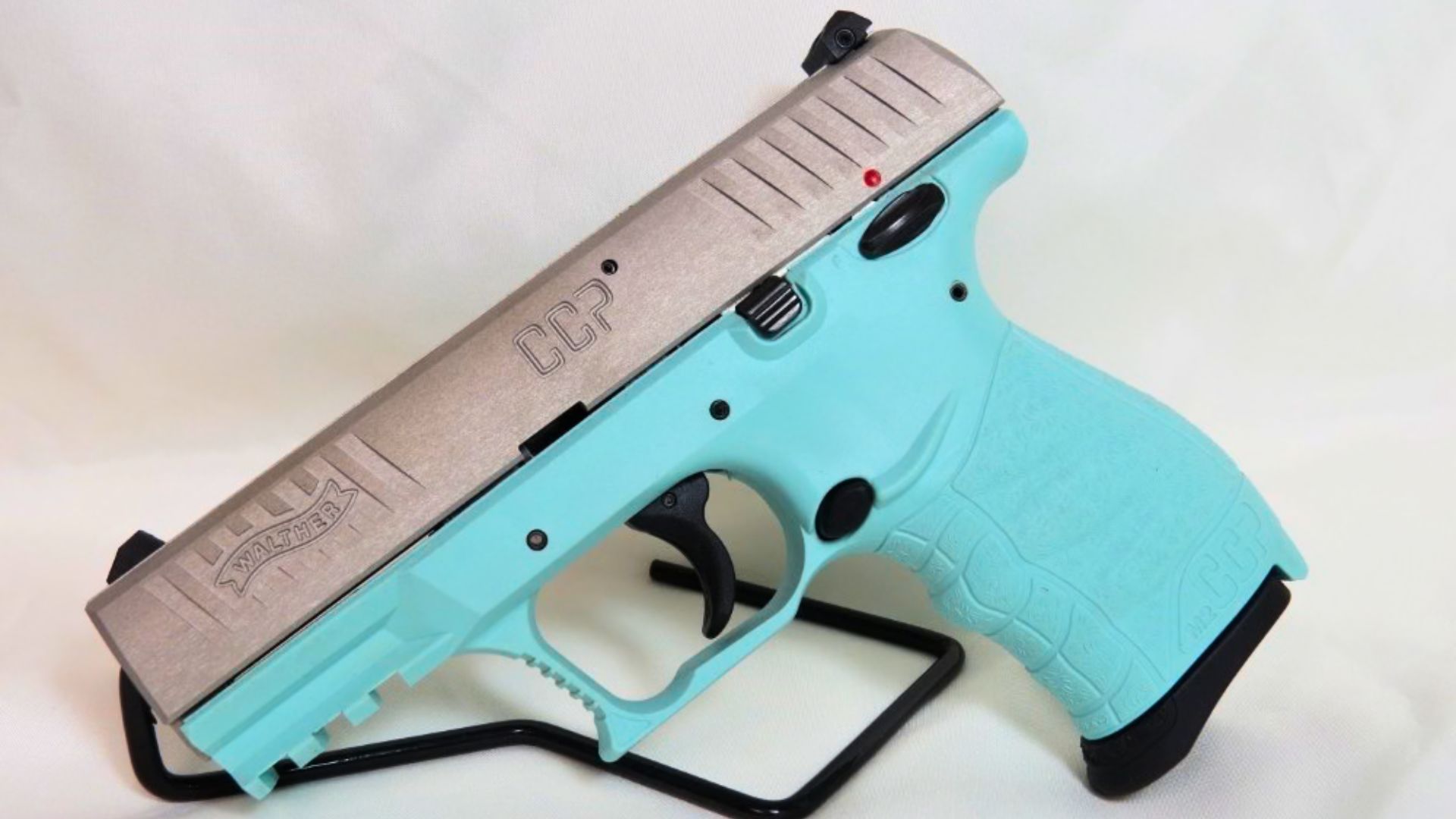
The Walther CCP had a smart idea behind it. Softer recoil and an easier-to-rack slide made sense for shooters who struggled with stiffer compact pistols. That is a real need, not a fake selling point.
Still, the competition handled that need better. The Smith & Wesson Shield EZ, Ruger Security-380, and other easy-shooting options gave buyers simpler ownership and more confidence. The CCP’s early complaints around takedown, heat, and general fussiness hurt it. A pistol built around ease has to feel easy everywhere, not only when you rack the slide.
Savage Axis XP

The Savage Axis XP still sells because it is affordable and often accurate enough for hunting. That matters. But the rifle also shows the limits of buying purely by price, especially when the market is full of stronger choices.
The stock can feel flimsy, the package optics are often forgettable, and the overall rifle does not feel as satisfying as several competitors. The Axis II improved the trigger situation, but the basic package still feels plain in a crowded field. It can work, but working is not the same as keeping up.
Taurus Curve
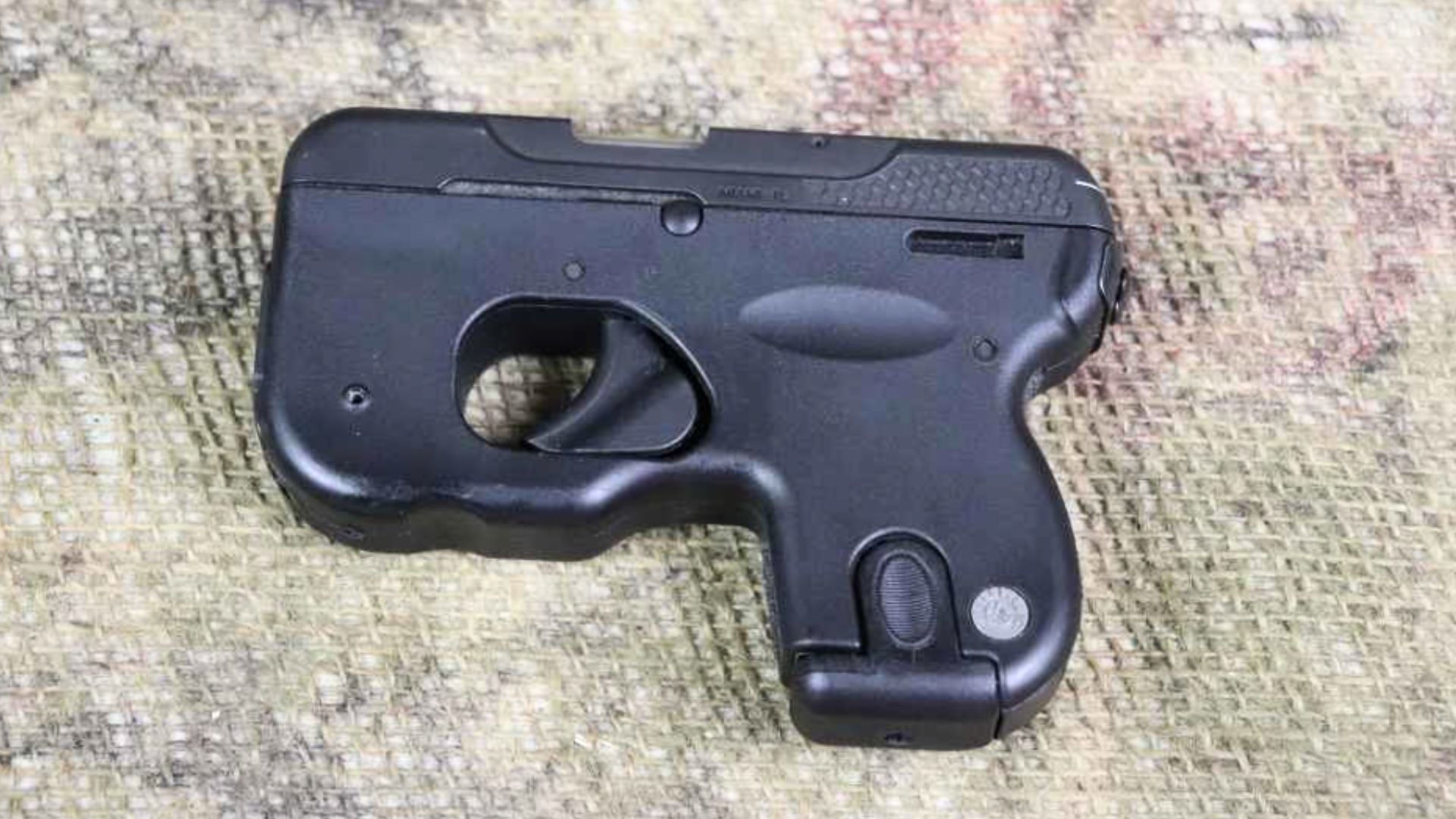
The Taurus Curve tried to solve concealed carry in a very different way. The curved frame, built-in light and laser, and pocket-focused shape made it sound like a clever defensive pistol. It definitely got attention.
The competition did not need to be that strange to beat it. Modern micro-compacts carry well while offering real sights, better triggers, more familiar handling, and stronger support. The Curve’s odd shape and limited sighting setup make it feel more like an experiment than a serious carry answer. Interesting designs still have to perform when the draw gets ugly.
Winchester XPR

The Winchester XPR is not a bad hunting rifle, but it has a hard time standing out. It carries the Winchester name, and that creates expectations the rifle does not always meet. Buyers hear Winchester and think of rifles with soul.
What they get is a practical modern budget rifle. It can shoot, and it can hunt, but it does not feel special beside better-handling or better-finished competitors. Against rifles like the Tikka T3x, Bergara B-14, Weatherby Vanguard, and even some cheaper options, the XPR can feel forgettable. It keeps up on paper better than it does in the hand.
Smith & Wesson Bodyguard 380

The Smith & Wesson Bodyguard 380 made sense as a tiny pocket pistol. It was light, easy to hide, and available with laser-equipped versions that sounded practical for deep concealment. That was a strong pitch at the time.
The competition has passed it by. Pocket pistols like the Ruger LCP Max offer better capacity, and many small 9mms give buyers more shootability without becoming much harder to carry. The Bodyguard’s long trigger and tiny-gun handling make it tough to love now. Deep concealment still matters, but buyers have better choices.
Browning AB3
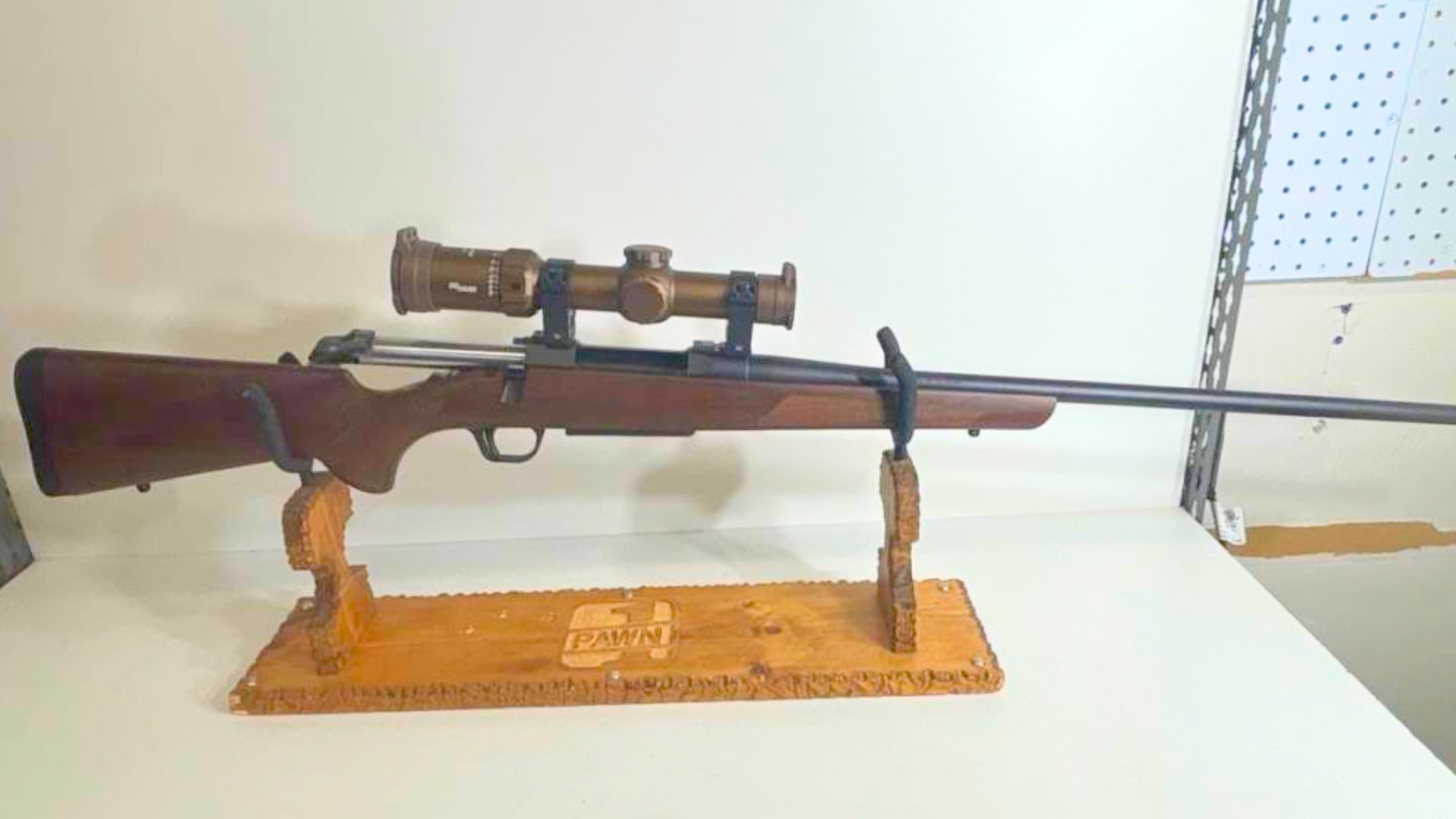
The Browning AB3 benefits from the Browning name, but that also creates a problem. Buyers expect refinement, and the AB3 often feels more like a stripped-down rifle built to hit a lower price. That is not automatically bad, but it makes comparisons tough.
The rifle can shoot and hunt, but the stock, bolt feel, magazine setup, and overall personality do not always feel special enough. When affordable rifles from Tikka, Ruger, Savage, and Bergara offer strong performance, the AB3 has to justify why someone should pick it. Too often, the answer is mostly the name on the barrel.
KelTec PF-9
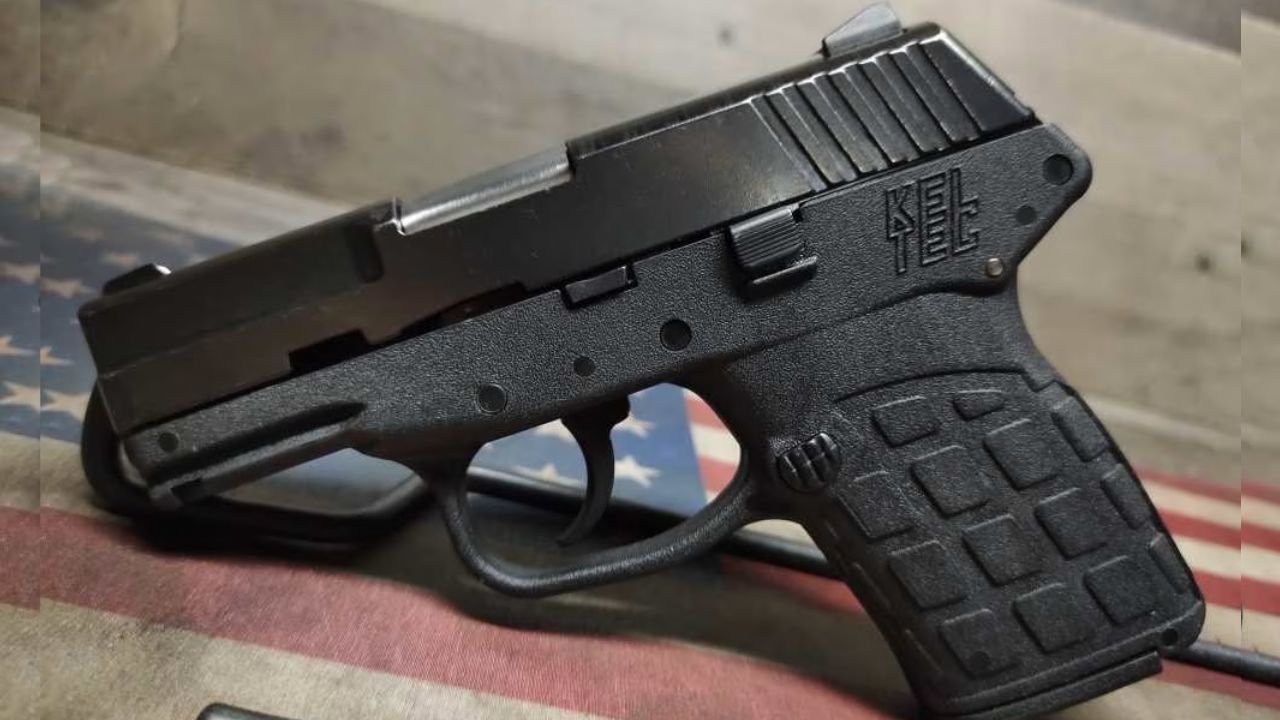
The KelTec PF-9 had a real place when thin, affordable 9mm carry pistols were less common. It was light, flat, and cheap enough for people who needed a concealed handgun on a tight budget.
That lane has changed completely. Better small 9mms now offer more capacity, better triggers, softer recoil, stronger reliability reputations, and better support. The PF-9 feels sharp, rough, and unforgiving by modern standards. It helped fill a need once, but today it feels like a pistol from before the carry market learned how much better it could be.
Benelli R1

The Benelli R1 sounds like it should be more competitive than it often feels. A sleek semi-auto hunting rifle from a company with a serious shotgun reputation should have a strong case. Quick follow-up shots and modern styling are useful selling points.
The problem is what else that money can buy. A great bolt rifle with better glass may deliver more confidence, better accuracy, and simpler ownership. Modern AR-10 pattern rifles also give semi-auto shooters more flexibility. The R1 is not without merit, but it sits in a tough spot. For the price, the competition makes its weaknesses harder to ignore.
Like The Avid Outdoorsman’s content? Be sure to follow us.
Here’s more from us: