Photo credit: Survival EDC/YouTube.
A good folding knife should open fast, lock up solid, and stay reliable no matter what kind of abuse you’re putting it through. But not all of them hold up. Some look nice or carry well, but when you actually need them—under pressure, in the dirt, with wet hands—they let you down. Weak locks, soft steels, or sloppy designs turn what should be a dependable tool into a liability.
Here are the folders I’ve seen fall apart when it matters most. If you need a knife you can trust, these are the ones to leave behind.
Gerber Paraframe

The Paraframe is cheap and lightweight, but that comes at a cost. The frame lock is thin and doesn’t always engage consistently, especially after extended use. The open handle design also collects dirt and grit fast, which can gum up the action.
The blade steel is soft, and the factory edge tends to wear out quickly under real use. It’s fine for light duty, but once you start asking more of it—like batoning kindling or making hard cuts—it starts to fall short fast.
SOG Twitch II

The Twitch II has a slick look and a fast-assisted open, but the lock has been known to fail when pressure’s applied the wrong way. The safety helps, but it shouldn’t need one if the design is solid to begin with.
It’s also got a small handle that gets slippery, and the overall build doesn’t inspire much confidence for outdoor use. In an EDC role, maybe it’s passable. In a field or survival setting, it’s more of a backup than a tool you count on.
CRKT M16

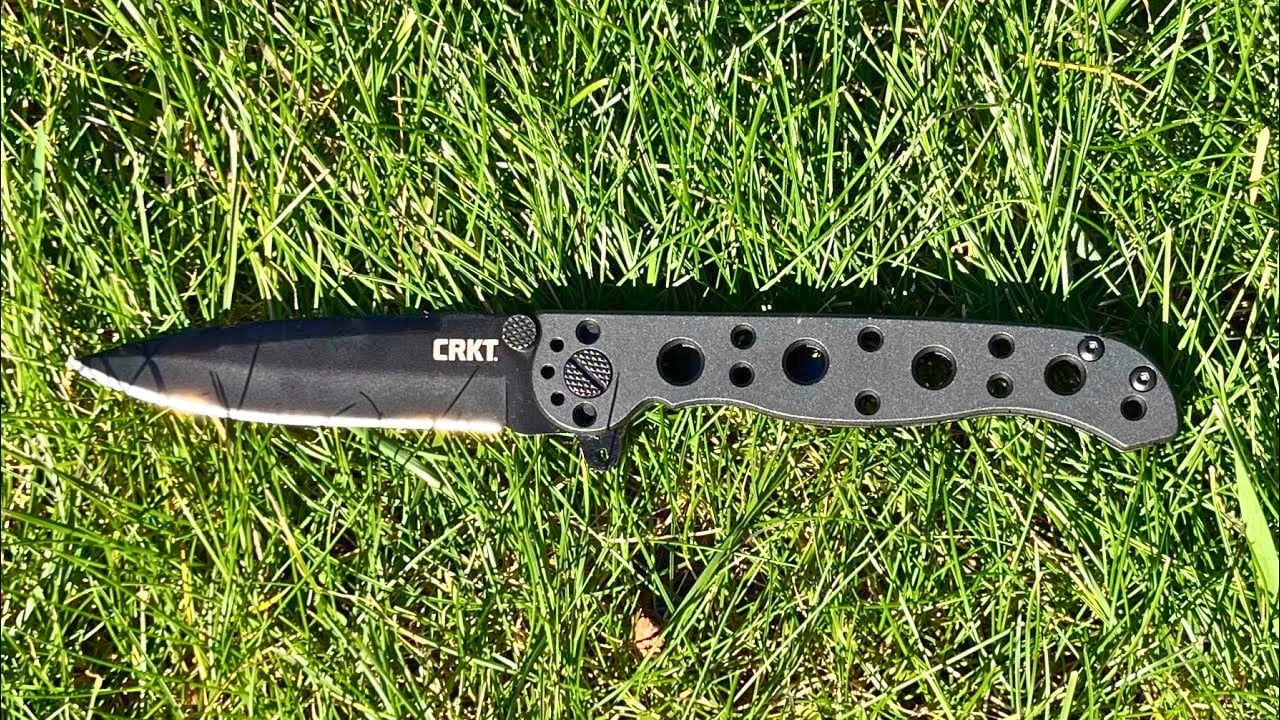
The CRKT M16 series has been around for years, and while it has fans, the liner lock system can be finicky. Some versions have locks that wear fast and don’t always stay engaged with solid pressure.
The assisted flipper is quick, but the slim blade and fragile tip don’t hold up well to tougher tasks. It’s a knife that does fine for light work, but when you really need to lean on it, the M16 starts showing its limits.
Kershaw Leek

The Leek is a smooth flipper with a razor-sharp tip, but it’s also fragile. The tip bends easily, and the assisted mechanism can get stuck if dirt gets in. The frame lock doesn’t offer much confidence under hard pressure.
It’s designed for clean slicing, not field use or heavy work. If you’re cutting rope, feathering sticks, or doing anything that involves twisting the blade, this one isn’t going to last long before showing signs of failure.
Buck 327 Nobleman

The Nobleman is lightweight and affordable, but the stainless steel handle and frame lock combo don’t hold up well under repeated use. The action wears down, and the lockbar can slip if grit or moisture gets involved.
It’s better suited for office carry than outdoor or survival use. The steel dulls quickly and takes extra effort to bring back. It might look clean, but it’s not a knife you want to be depending on in a tough spot.
Boker Magnum Series

The Boker Magnum line offers a wide range of designs, but most of them sacrifice real performance for looks. Many models come with low-end stainless steel that chips or rolls easily and inconsistent lockup from one knife to the next.
Fit and finish tend to vary, and the blades don’t always center well or stay tight. They’re fine if you want something flashy on a budget—but if you actually plan on using it hard, there are better options at the same price.
Gerber Evo Mid

The Evo Mid has a skeletonized handle and light weight, but the thin liner lock and soft blade steel leave a lot to be desired. The handle can flex under grip pressure, and the lock has been known to fail under moderate torque.
It’s easy to carry, but performance is a different story. You might get a few clean cuts in, but once you start pushing it, you’ll notice edge degradation, poor lock strength, and a slippery grip that doesn’t inspire trust.
Smith & Wesson Extreme Ops

These knives get sold everywhere, but they’re not built for serious use. The blade steel is soft and loses its edge quickly. The liner lock is usually thin and inconsistent, and the clip tends to loosen or strip with minimal use.
It’s one of those knives that feels okay until you put it to work. Then it starts falling short fast—especially when you need precise cuts, a dependable lock, or anything resembling edge retention under load.
MTech USA Tactical Folders

MTech knives are flashy and cheap, but rarely reliable. They often use low-grade 440 or 3Cr steels and come with thick, uncomfortable handles that aren’t suited for real use. Lock strength varies and the blade geometry is usually more about appearance than function.
They’re better for display or learning how to sharpen than for anything resembling survival or daily utility work. If you’ve got one in your pocket, don’t count on it lasting through more than light-duty use.
Ganzo G704

Ganzo knives are popular for their price and feature set, but the quality control can be hit or miss. The Axis-style lock on the G704 feels solid at first but can develop play or fail to lock fully after extended use.
The steel is serviceable, but nothing special—usually 440C or a similar equivalent. It looks tactical and has decent action, but once you push it hard, the weaknesses in the build quality start showing. It’s more looks than long-term performance.
*This article was developed with AI-powered tools and has been carefully reviewed by our editors.