
Photo credit: Kyli Petersen/Shutterstock.com
There was a time when these brands carried weight—trusted names you could count on to turn out solid knives that didn’t quit. But somewhere along the way, things changed. Corners got cut, production moved overseas, and what used to be dependable became frustrating. Some fell off because of poor quality control, others started chasing trends instead of focusing on function.
Whatever the reason, these brands lost their edge, and folks who’ve used their older blades can tell the difference. Here are some names that used to mean something—and don’t anymore.
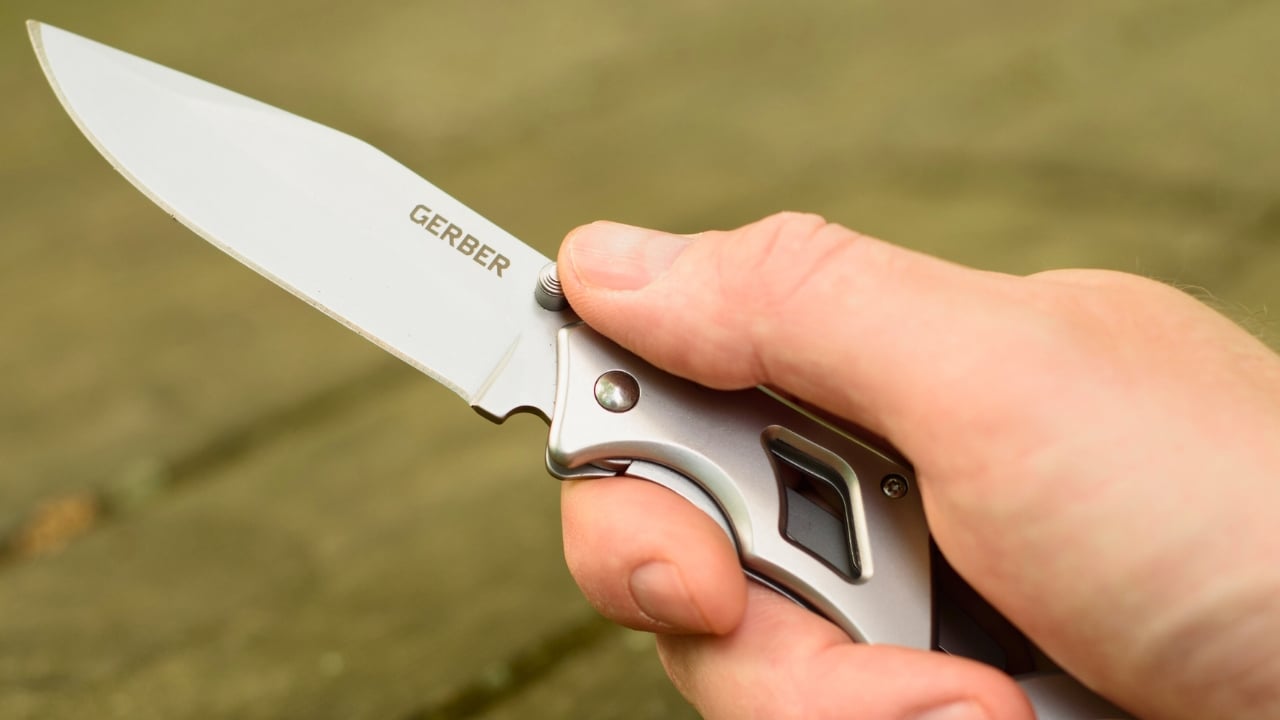
Gerber (Post-2000s)

Gerber used to be one of the go-to names for American-made reliability. But after production shifted overseas and quality control dipped, a lot of their knives started feeling cheap. Loose pivots, weak locks, and dull-out-of-the-box edges became more common, especially in their budget folders.
To be fair, they’ve put out a few decent models recently, but the brand’s reputation hasn’t fully recovered. Long-time users still talk about the older USA-made Gerbers like they’re from a different company—because in many ways, they are.
Schrade (After Taylor Brands Acquisition)

When Taylor Brands took over Schrade, the entire product line shifted. U.S. production ended, materials got downgraded, and the classic designs lost the feel that made them special. What used to be dependable knives for working folks turned into flashy, low-cost blades with questionable performance.
The rebranding effort tried to cash in on nostalgia, but the newer knives don’t live up to the name. Plenty of folks still carry the old Schrades proudly, but the newer stuff doesn’t carry the same trust.
Cold Steel (Post-Sale to GSM Outdoors)

Cold Steel was known for being overbuilt and tough as nails. But after GSM Outdoors bought them out, longtime fans noticed changes. The marketing stayed aggressive, but the steel options and lock designs started to feel watered down.
Some recent releases haven’t lived up to the standards set by earlier models. The brand still has a loyal following, but there’s growing concern that performance is taking a backseat to profits. It’s not the same company Lynn Thompson built from the ground up.
Buck (Budget Line Quality Issues)

Buck’s classic models like the 110 still hold their ground, especially the ones made in the U.S. But their budget imports haven’t kept up. A lot of their newer offerings lack the fit and finish folks expect from the Buck name.
The inconsistency is the problem. One knife might be decent, while the next feels like it came out of a toy shop. They haven’t completely gone off the rails, but they’ve definitely stumbled by stretching too far into the low-end market.
Kershaw (Recent QC and Steel Choices)

Kershaw made a name for itself with well-built, budget-friendly folders like the Blur and Leek. But lately, a lot of their new releases feel like filler. SpeedSafe assist is getting outdated, and some models are stuck with softer steels and questionable designs.
It’s not that Kershaw doesn’t make anything good anymore—it’s that their lineup is bloated and uneven. If you don’t know what you’re looking for, it’s easy to end up with a knife that doesn’t hold up like their older stuff used to.
Columbia River Knife & Tool (CRKT)

CRKT had a great run making affordable knives with designs from top names in the industry. But lately, their quality hasn’t kept pace with the competition. They’ve leaned too hard into unique mechanisms and flashy features, often at the expense of durability.
Too many models are packed with gimmicks but lack solid materials. You’ll find a lot of Zytel handles and soft steels in knives that are priced too high for what you’re actually getting. The designs still look good—but performance-wise, they’ve fallen off.
Old Timer (After Rebranding)

Old Timer knives were once the reliable sidekick of hunters and ranchers across the country. But since the brand changed hands and production moved overseas, the knives have changed too—and not for the better.
The newer models are bulkier, the steel dulls quickly, and the classic feel is gone. They’ve tried to keep the traditional look, but the soul of the knife isn’t there anymore. Older Old Timers are still floating around—and worth grabbing—but the newer stuff is a different story.
SOG (Before GSM Relaunch)

Before GSM Outdoors took over and started trying to fix things, SOG had hit rock bottom. They flooded the market with tactical-styled knives that looked serious but couldn’t hold up to regular use. Lock failures, cheap materials, and bloated designs turned off a lot of users.
GSM has been trying to clean up the mess and reestablish some quality, but the brand’s reputation took a real hit. It’ll take time and consistent performance to earn that trust back. Right now, a lot of folks are still skeptical.
Browning Knives

Browning is a respected name in firearms, but their knife line never really lived up to it. A lot of their blades look good on paper—tactical styling, recognizable branding—but the execution is lacking. Edge retention, handle ergonomics, and locking strength have all been hit or miss.
They’ve relied too heavily on the name to sell knives that don’t perform like they should. If you’re a Browning fan hoping for a solid carry piece, there are better places to spend your money. The knives haven’t kept up with the expectations.
*This article was developed with AI-powered tools and has been carefully reviewed by our editors.


