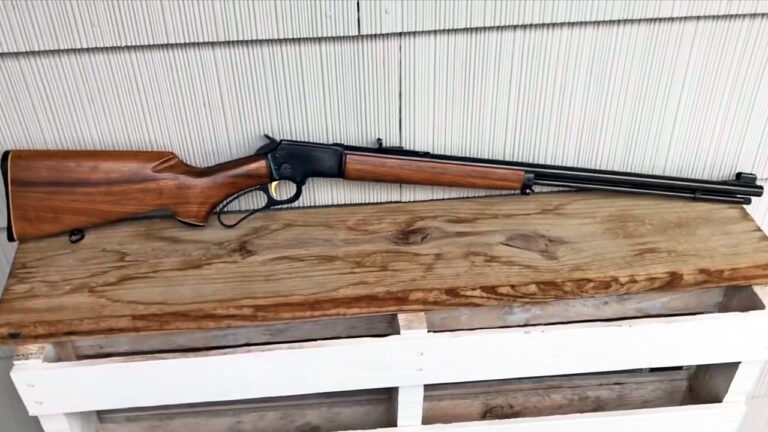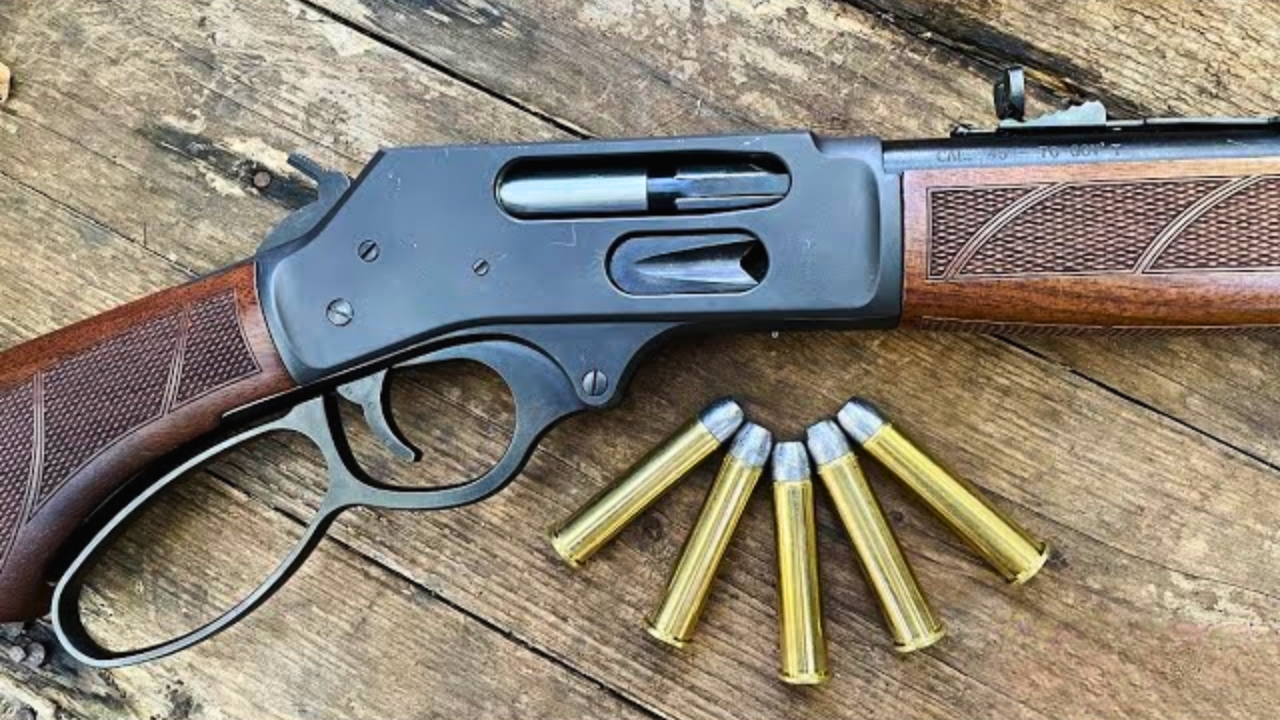
Photo credit: sootch00/YouTube
Lever actions earned their reputation the old-fashioned way. They stayed in camps, behind truck seats, in saddle scabbards, and in deer woods because they usually worked when people needed them to work. A good one points fast, carries easy, and feels natural in thick timber where long shots are not the norm. That part is true, and it is why so many hunters still trust them. The problem is that people sometimes turn that reputation into a fairy tale and start talking like a lever gun is automatically foolproof just because it has been around forever. It is still a machine with moving parts, timing, springs, screws, and ammunition preferences. When hunters talk about lever guns, they usually brag on speed, balance, and nostalgia, but they leave out the part where certain reliability problems tend to show up only after real use, rough handling, or a little neglect. That silence is what gets guys in trouble, because the weak point often stays hidden right up until the rifle matters most.
What makes this worse is that lever guns inspire a kind of confidence that can get ahead of reality. A hunter who would never dream of taking a bolt rifle into the season without checking every screw, cycling a few boxes of ammo, and confirming point of impact will sometimes grab a lever gun and assume it is ready because it “always has been.” That attitude covers up one of the biggest issues with these rifles: they can feel fine right up until the action starts hanging up, feeding gets inconsistent, or a part works just well enough at the range that the shooter misses the warning signs. The rifle may not completely fail in dramatic fashion. More often, it starts getting a little rough, a little picky, or a little less certain. That gray area is the part nobody likes to mention, because it takes the shine off the image. But if you hunt with lever guns long enough, you learn that the reliability issue is not that they are weak rifles. It is that small problems in a lever gun can stay hidden until they show up all at once.
The issue is usually timing, feed path, or shooter-induced short-stroking
When people think of a rifle malfunction, they usually picture bad ammo or a broken part. With lever actions, the more common problem is often less dramatic and more frustrating. It is the rifle getting out of rhythm with itself or with the shooter. Lever guns rely on a sequence of motion that has to happen fully and cleanly. The cartridge has to come out of the magazine correctly, line up on the carrier, rise when it should, and feed into the chamber without getting bumped out of place. If the rifle is worn, dirty, slightly out of spec, or just unhappy with a certain bullet shape or overall cartridge length, that sequence can get shaky fast. Add in a shooter who does not run the lever all the way with authority, and now you have the kind of stoppage people love to blame on the rifle alone. The truth is that lever guns punish lazy cycling more than many hunters want to admit. A hesitant or incomplete stroke can tie things up in a hurry, and once that starts happening under pressure, confidence goes out the window.
That is the reliability issue nobody mentions until it bites them. Not that lever actions are bad, but that they can be less forgiving when the ammo, maintenance, wear level, and user technique are not all working together. A bolt gun can get run clumsily and still chamber a round. A lever gun often wants commitment. It wants the action worked all the way, with the same motion every time, and it tends to reward consistency more than half-effort. Hunters who only fire a few rounds before season may never notice this because the problem does not always show up from a bench on a calm day. It shows up when a deer is moving, the shooter is rushed, the rifle is coming off an odd rest, and the lever gets worked halfway because the hunter is already trying to look up for a second shot. That is when a cartridge can fail to feed cleanly or the action can feel jammed at exactly the wrong moment. Then everybody suddenly wants to talk about the “one issue” lever guns have, even though the warning signs were there long before the hunt started.
Ammo choice and wear matter more than most people think
A lot of hunters also ignore how ammo affects lever-gun reliability because they assume “if it chambers, it runs.” That is not always true. Lever rifles, especially older ones or ones with plenty of rounds through them, can be more particular about cartridge shape, length, and how smoothly a round transitions through the action. Some rifles run one load like butter and act fussy with another that looks almost identical on paper. Flat-point and round-nose designs have long been standard for tubular magazines for a reason, and while modern bullet designs have expanded choices, not every lever gun reacts the same way to every factory load. On top of that, wear does not always announce itself loudly. A slightly worn carrier, weakened spring, loose screw, rough chamber, or a little burr somewhere in the feed path may not make the rifle unusable right away. It just makes the system less forgiving. That is why a lever gun can seem totally dependable for months and then start acting up in little ways the owner shrugs off until one clean follow-up chance disappears.
This is where experience usually humbles people. A hunter may love the feel of an older Marlin or Winchester and tell everybody it has never failed him, but if he has not paid attention to how it behaves with different loads or how it runs when worked fast from field positions, he may be leaning on memory more than present truth. Lever actions wear differently from bolt rifles, and because so much of their appeal is tied to tradition, people sometimes treat them like personality pieces instead of working tools. They are working tools. They need inspection, cleaning, testing, and honest use. The smart lever-gun hunters know this and do not romanticize it. They check screws, confirm function, test the exact hunting load they plan to carry, and pay attention to any roughness that starts to creep in. The ones who get burned are usually the hunters who believe the legend more than the machine. The rifle may still be good, but good rifles still talk to you before they quit, and a lot of hunters are not listening.
Reliability comes from knowing the rifle, not worshipping it
The reason this issue stays under the radar is simple. People do not like criticizing a rifle they love, especially one with a loyal following and a lot of history behind it. Lever guns mean something to people. They remind hunters of family, old camps, first deer, and a style of hunting that feels a little more grounded than today’s obsession with dialing turrets and stretching range. There is nothing wrong with that. But the affection sometimes keeps shooters from being honest about what these rifles demand. A lever gun is reliable when it is maintained, fed the right ammo, and run properly. It is not reliable because it has walnut furniture and a reputation. That difference matters. The guys who stay happiest with lever actions are usually the ones who treat them with a little respect and a little skepticism at the same time. They do not baby them, but they also do not assume they are immune to wear, quirks, or operator error.
That is really the whole point. The lever-action reliability issue nobody mentions until it happens is not one dramatic flaw shared by every rifle. It is the fact that lever guns can hide their problems behind familiarity until the exact moment those problems cost you a shot. Sometimes it is short-stroking. Sometimes it is ammo fit. Sometimes it is wear in the action that the owner brushed off because the rifle still “mostly” ran. Whatever form it takes, the lesson is the same. If you hunt with a lever gun, you need to know that rifle as it sits today, not as you remember it from ten years ago and not as internet nostalgia says it ought to be. Cycle it hard. Shoot it enough to expose any weakness. Use the load it actually likes. Pay attention when something feels off. Lever guns are still great hunting rifles, but the ones that stay dependable are usually in the hands of people who understand that reliability is something you maintain, not something you inherit.
Like The Avid Outdoorsman’s content? Subscribe to our newsletter so you never miss an article.
Here’s more from us: