Photo credit: Cranky Gun Reviews/Youtube
Some guns don’t sell themselves from across the counter. They don’t have dramatic lines, wild finishes, or the kind of feature list that gets people talking before they’ve even shot one. They look plain, practical, and maybe even a little boring.
Then someone actually spends time with one. They carry it, shoot it, clean it, hunt with it, or watch it outlast something flashier. That’s when the plain gun starts looking a whole lot smarter. These are the guns that looked plain until shooters learned what they were missing.
Remington Model 11
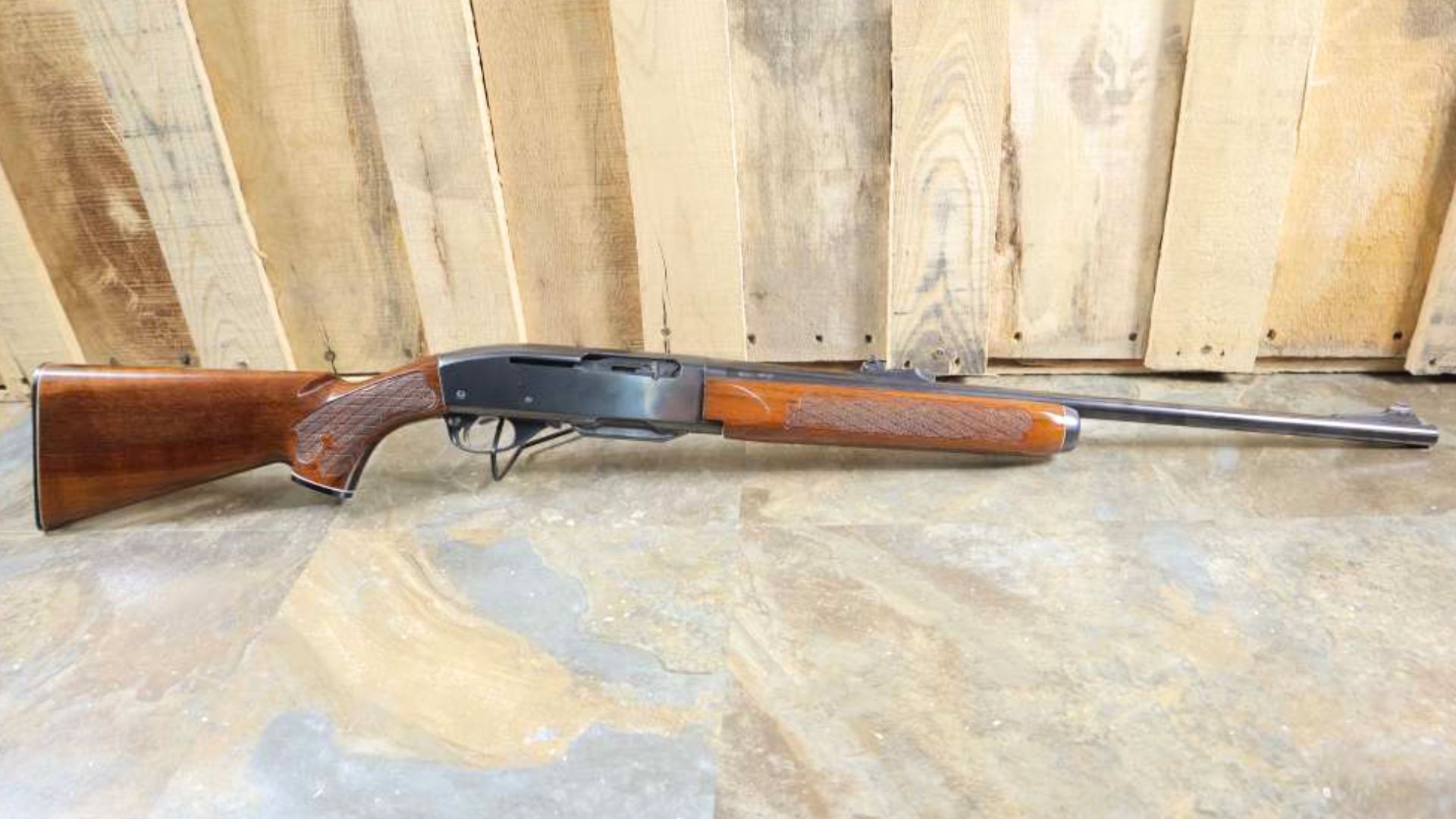
The Remington Model 11 doesn’t jump out at everyone today, partly because its old humpback profile looks dated to shooters raised on sleeker semi-auto shotguns. It was America’s version of Browning’s long-recoil Auto-5 design, and for a long time, plenty of them were treated like common old shotguns rather than something worth studying.
Spend time with a good Model 11, though, and the appeal starts showing. It has weight, history, and a mechanical rhythm that newer shotguns don’t duplicate. It was built in an era when shotguns were expected to be repaired, hunted hard, and handed down. It may not be the softest or easiest shotgun for every modern shooter, but it still has a rugged, field-ready feel that makes cheap modern semi-autos seem pretty thin.
Ruger Standard Pistol
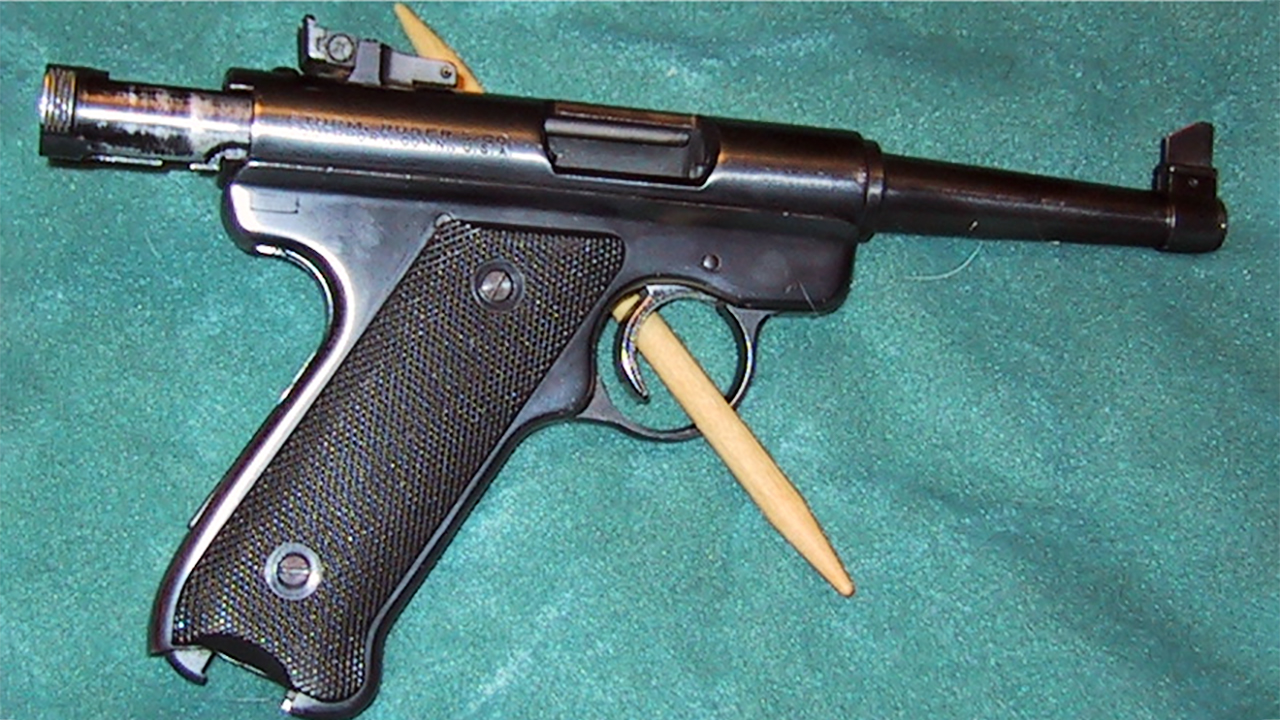
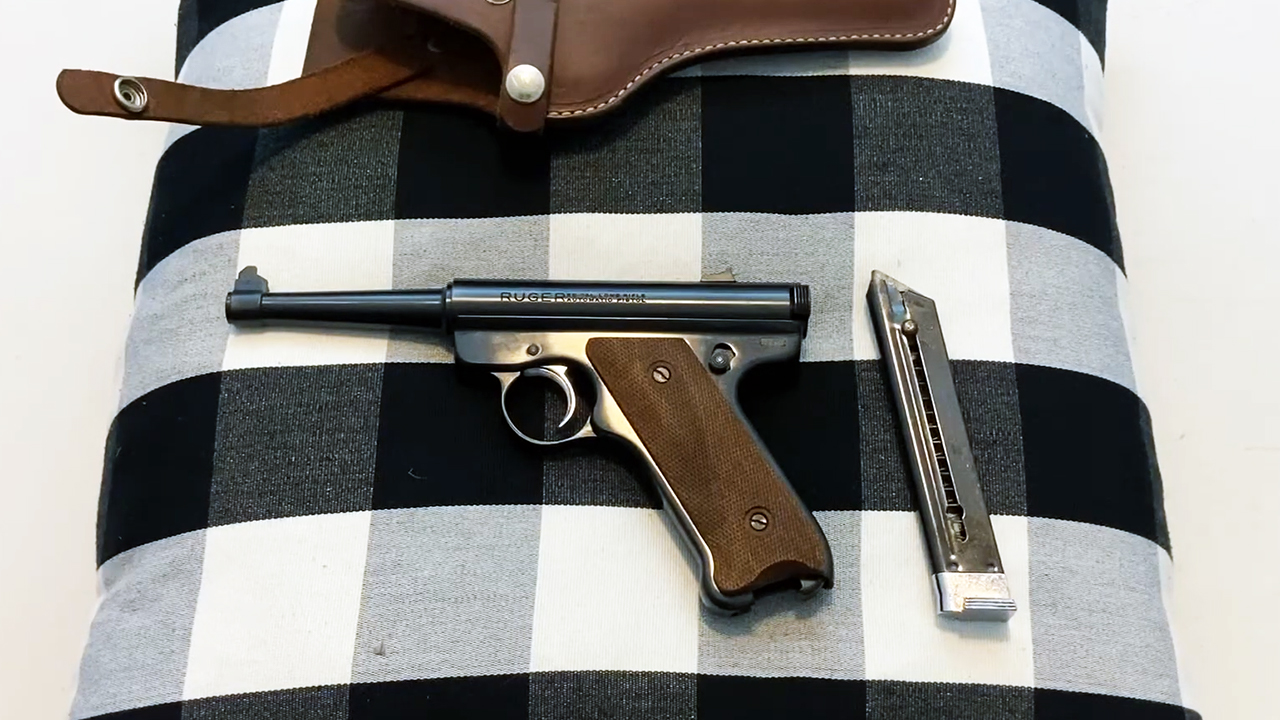
The Ruger Standard pistol looked plain from the beginning. Simple profile, basic sights, and no flashy details. It didn’t need much decoration because the real value was in how useful it became. That little .22 pistol helped build Ruger as a company and gave regular shooters an affordable way to practice seriously.
Shooters who dismiss it as just an old rimfire miss the point. The Standard is accurate, comfortable, and cheap to feed. It teaches fundamentals without punishing the shooter or emptying the ammo shelf. A lot of modern .22 pistols are easier to take apart or come with more features, but the old Ruger still feels like a real pistol. It proved plain can be practical, durable, and worth keeping for decades.
Winchester Model 37
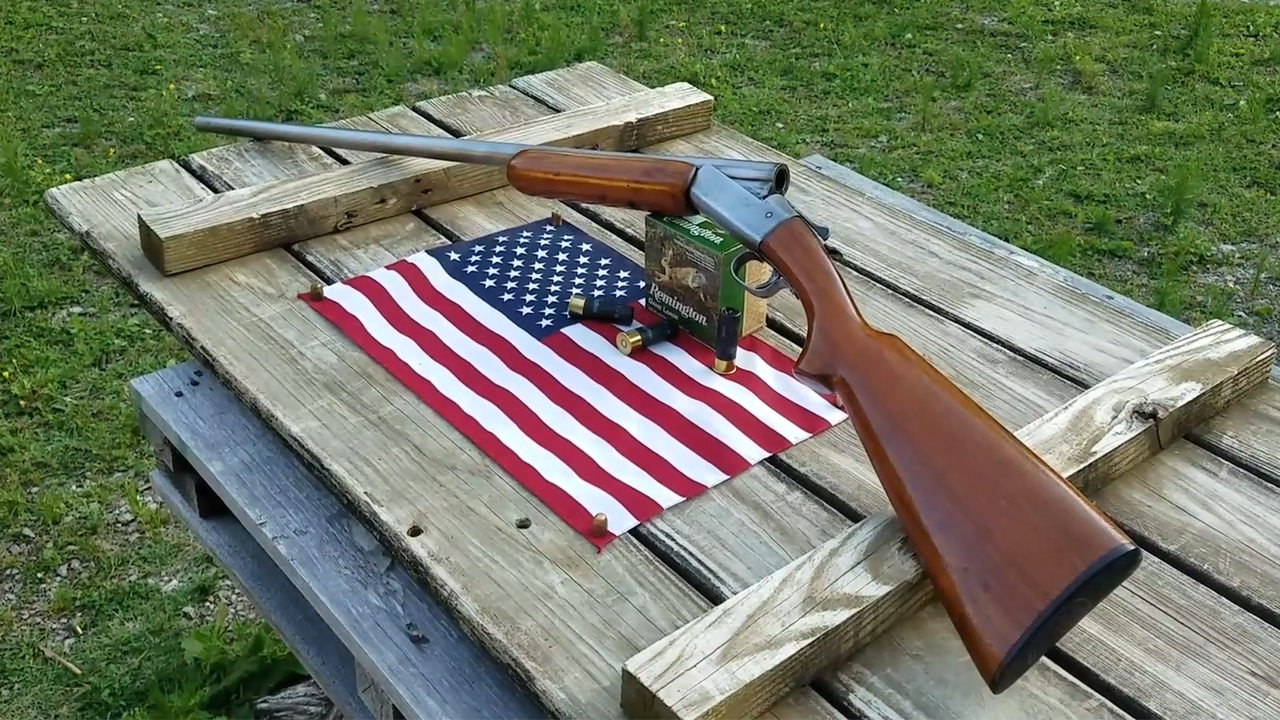
The Winchester Model 37 is about as plain as a shotgun can get. It’s a single-shot break-action with exposed hammer simplicity and almost nothing to impress someone looking for speed or capacity. For years, guns like this were viewed as starter shotguns, farm guns, or utility pieces that didn’t need much discussion.
That’s exactly why they’re still appreciated. A Model 37 is light, simple, and easy to understand. It teaches careful shooting because there is no fast second shot to bail you out. Around a farm, camp, or small-game setup, that kind of plain reliability still matters. It’s not fancy, and it’s not trying to be. Shooters who grew up with one often realize later that it taught them more than some expensive guns ever did.
Smith & Wesson Model 28 Highway Patrolman
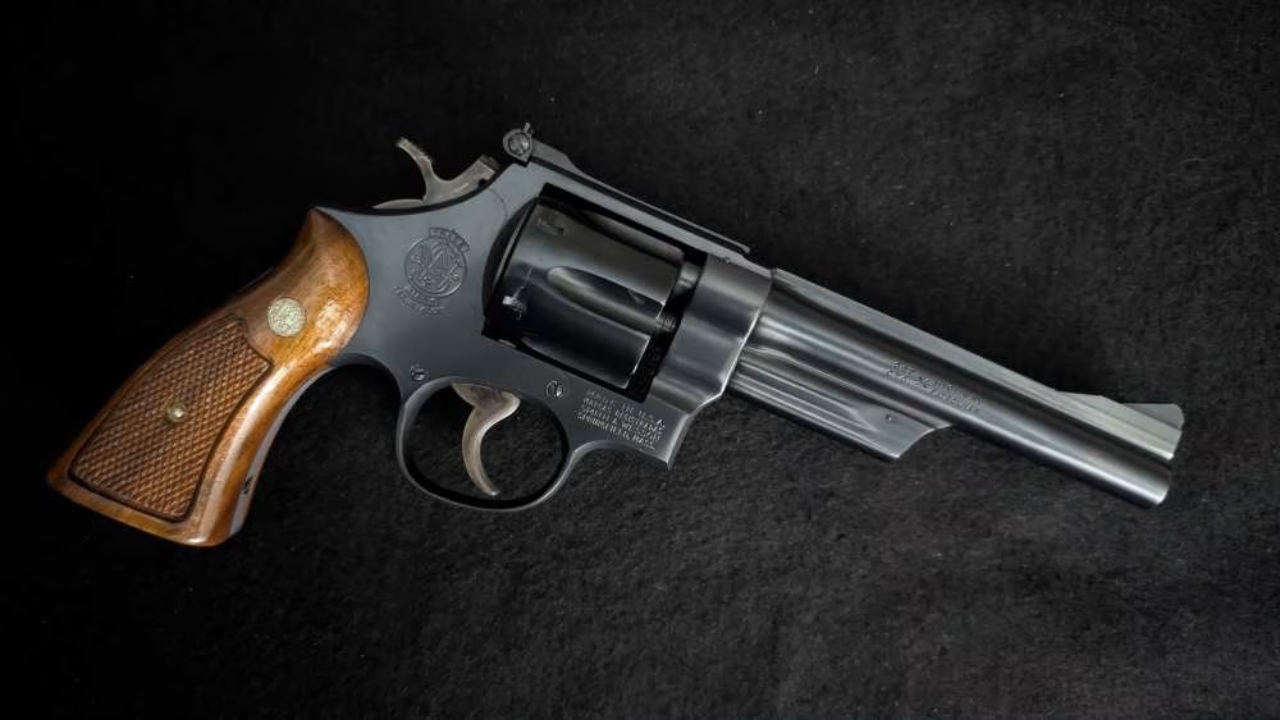
The Smith & Wesson Model 28 Highway Patrolman was built as the plainer version of the fancy Model 27. It had the same big N-frame strength, but with a matte finish and less polish to keep the price more practical. For a long time, that made some buyers see it as the less desirable .357.
That view changed once shooters understood what they were actually getting. The Model 28 is strong, accurate, and built like a serious duty revolver. It may not have the high-gloss finish of the Model 27, but it has the same hard-use personality with less fear of honest wear. For someone who wants a .357 Magnum that feels substantial and shoots well, the Highway Patrolman proves plain finish does not mean second-rate performance.
Marlin Model 25
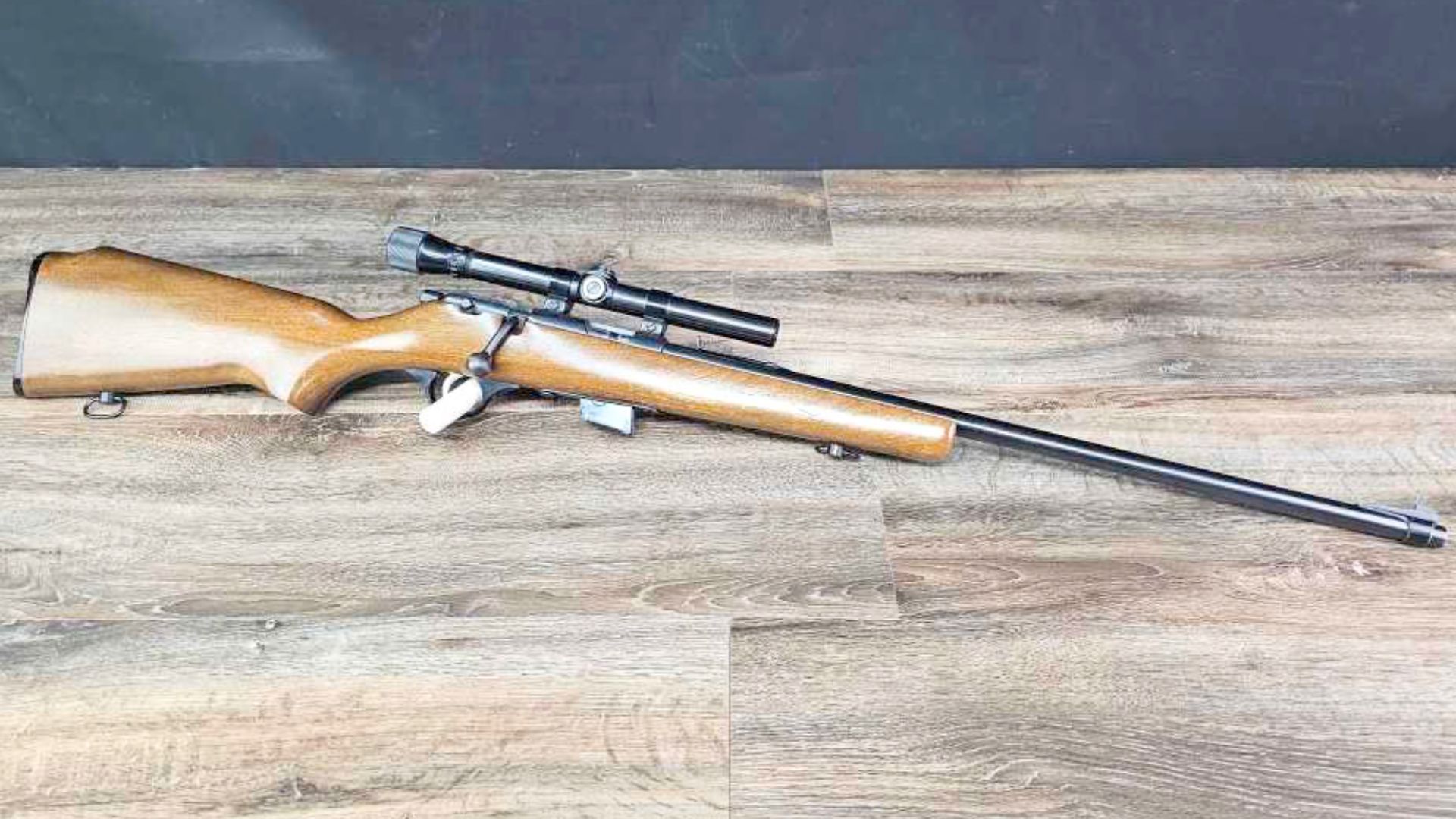
The Marlin Model 25 is a simple bolt-action .22 that never tried to look like a premium rimfire. It was affordable, basic, and common enough that plenty of shooters walked right past it. But a good Model 25 can surprise people who expect cheap-looking rimfires to shoot poorly.
The rifle’s appeal is simple accuracy and usefulness. It works for small-game hunting, backyard range practice where legal, and teaching new shooters how to run a bolt gun. It’s not as refined as high-end rimfires, and the triggers vary, but many of them shoot very well for what they cost. Shooters who learned on one often remember it fondly because it did the job without demanding attention.
SIG Sauer P225
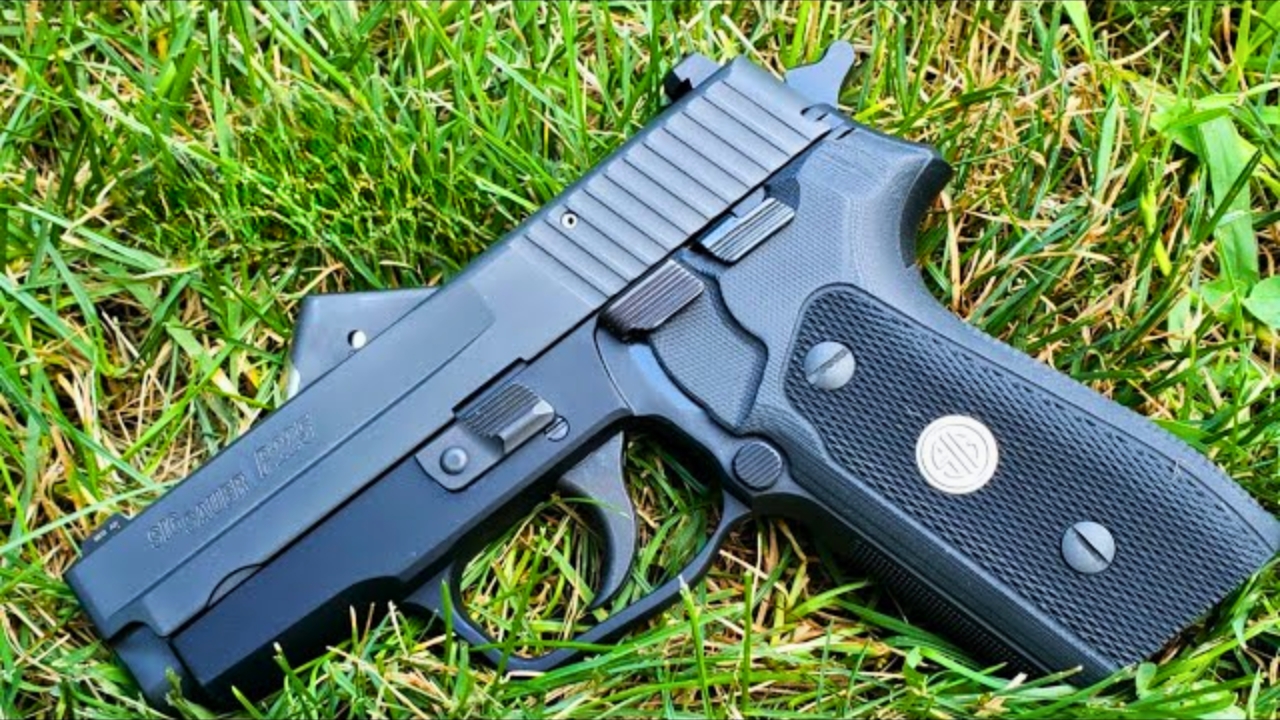
The SIG P225 has a plain, service-pistol look that can be easy to overlook beside newer compact 9mms. It’s a single-stack DA/SA pistol from another era, and by modern standards, the capacity does not sound impressive. That alone makes some shooters miss what the pistol does right.
The P225 feels excellent in the hand for many people. It balances well, carries flatter than larger SIGs, and shoots with the steady feel that made classic SIG pistols respected. The trigger system takes practice, but the pistol rewards good fundamentals. Once shooters get past the capacity comparison, they often realize the P225 has a quality and shootability that many modern carry pistols don’t match.
H&R Topper

The H&R Topper is another plain single-shot that earned its keep through usefulness, not looks. It showed up in barns, closets, trucks, and hunting camps because it was affordable and simple. A lot of people started with one and later dismissed it once they could buy something with more capacity.
Years later, the Topper still makes sense in the right role. It’s easy to carry, easy to maintain, and easy to understand. In shotgun form, it can handle small game and pest control. In rifle form, certain models gave hunters an inexpensive way into deer or varmint hunting. It’s not refined, and some examples are rougher than others. But for basic field use, it reminds shooters that simple tools can still be honest tools.
CZ 455
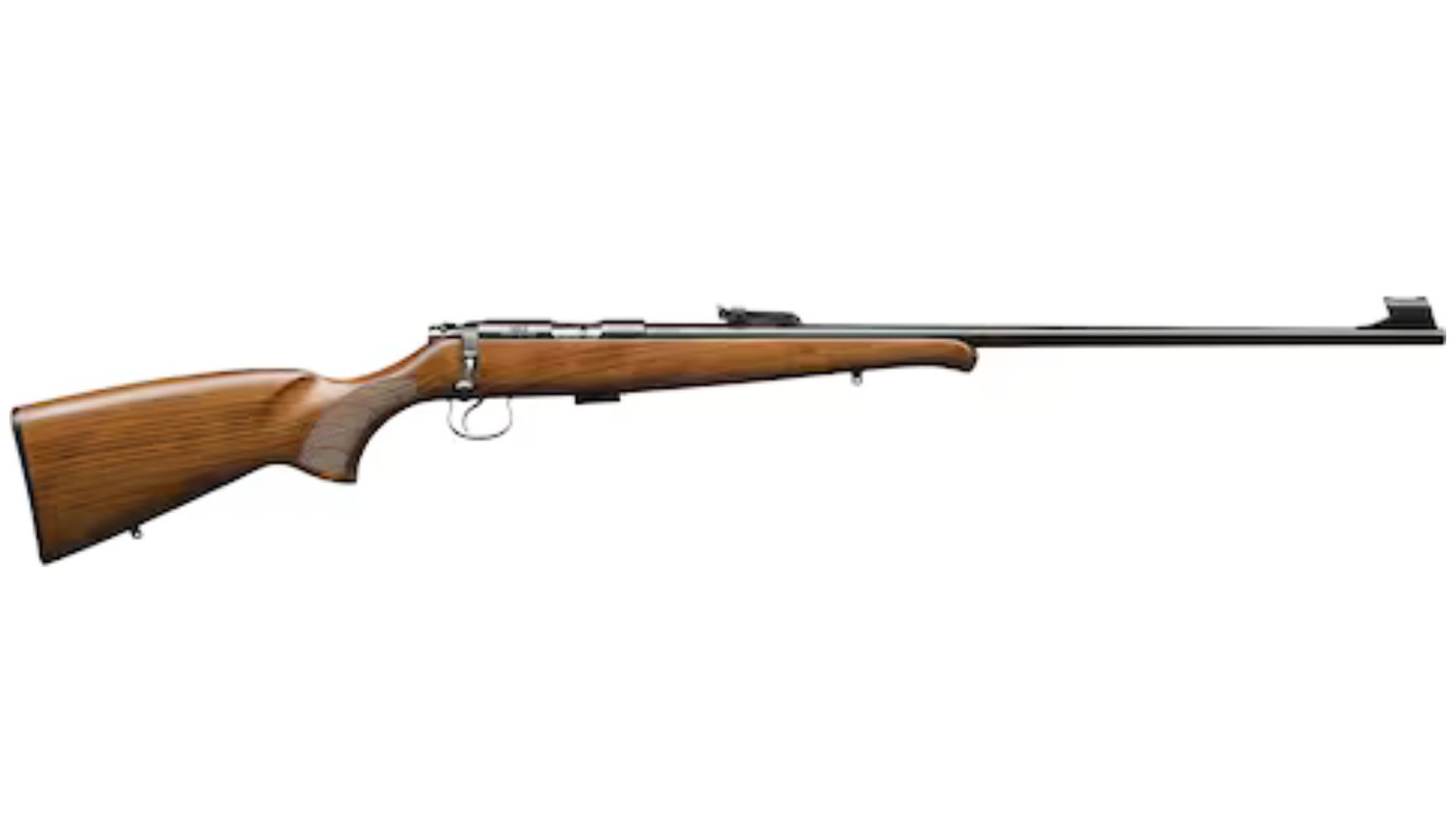
The CZ 455 didn’t always look dramatic on the rack. It was a bolt-action rimfire with traditional lines and a practical switch-barrel system, but it didn’t scream for attention. Shooters who judged it quickly might have missed just how useful and accurate these rifles could be.
The 455 gave rimfire fans a solid action, good barrels, and a platform that could handle different rimfire chamberings with the right setup. It felt like a serious rifle, not a cheap trainer. The stock options and model variations gave buyers choices, but the heart of the rifle stayed practical. Once shooters learned how well many of them performed, the plain little CZ became a rifle worth hanging onto.
Glock 26
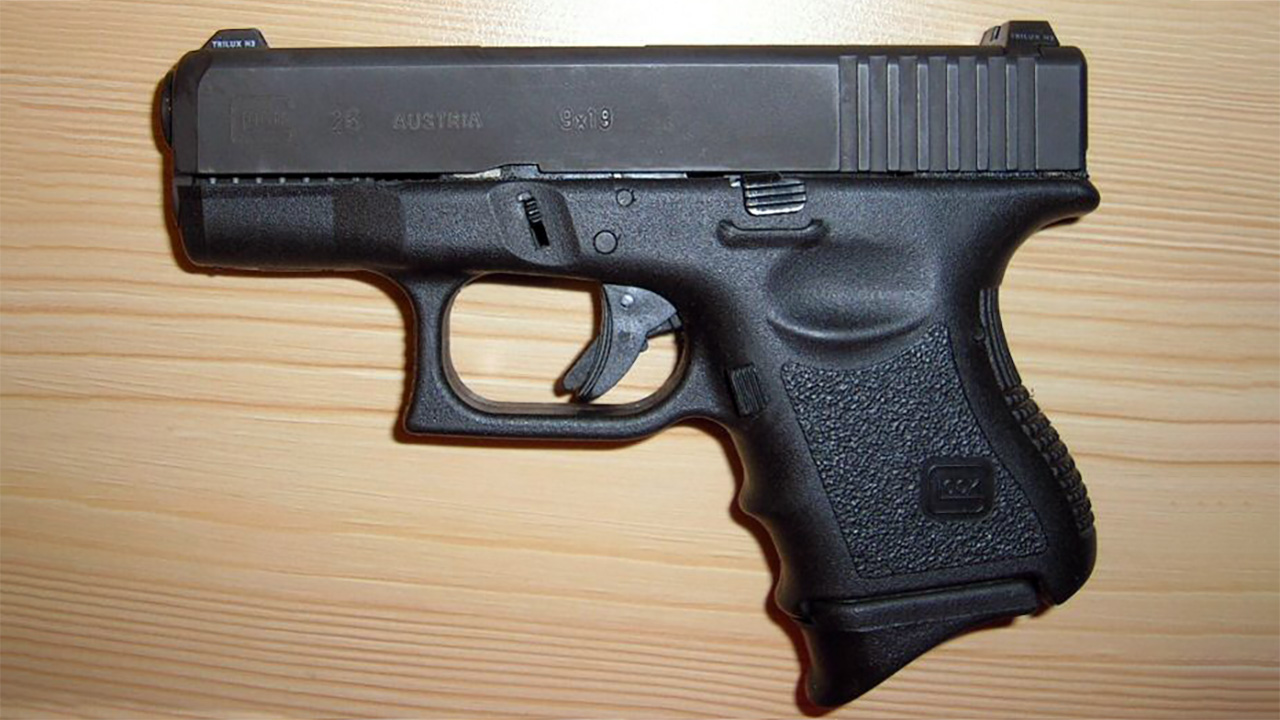
The Glock 26 has always looked a little awkward. It’s short, chunky, and plain in the way most Glocks are plain. Some shooters dismissed it once slimmer single-stacks and later micro-compacts became popular. On paper, it can look too thick for what it offers.
Then people shoot it and remember why it stuck around. The Glock 26 handles recoil well for its size, accepts larger Glock magazines, and has the same simple reliability that made the platform famous. It’s small enough to conceal but still shoots like a real pistol instead of a last-ditch pocket gun. It may not be fashionable now, but the little double-stack still fills a very useful lane.
Remington 572 Fieldmaster

The Remington 572 Fieldmaster looks like a plain pump-action .22, which is exactly why some people underestimate it. It doesn’t have the tactical look, match-rifle weight, or collector drama that gets attention fast. It just looks like a simple rimfire meant for plinking and small game.
That simplicity hides a lot of charm. The 572 can handle .22 Short, Long, and Long Rifle, which gives it flexibility many semi-autos don’t have. The pump action is fun, reliable, and useful for teaching safe manual operation. A good one feels well-made in a way modern bargain rimfires often don’t. Once shooters spend time with it, they usually understand why these rifles stayed in families for so long.
Taurus Model 85
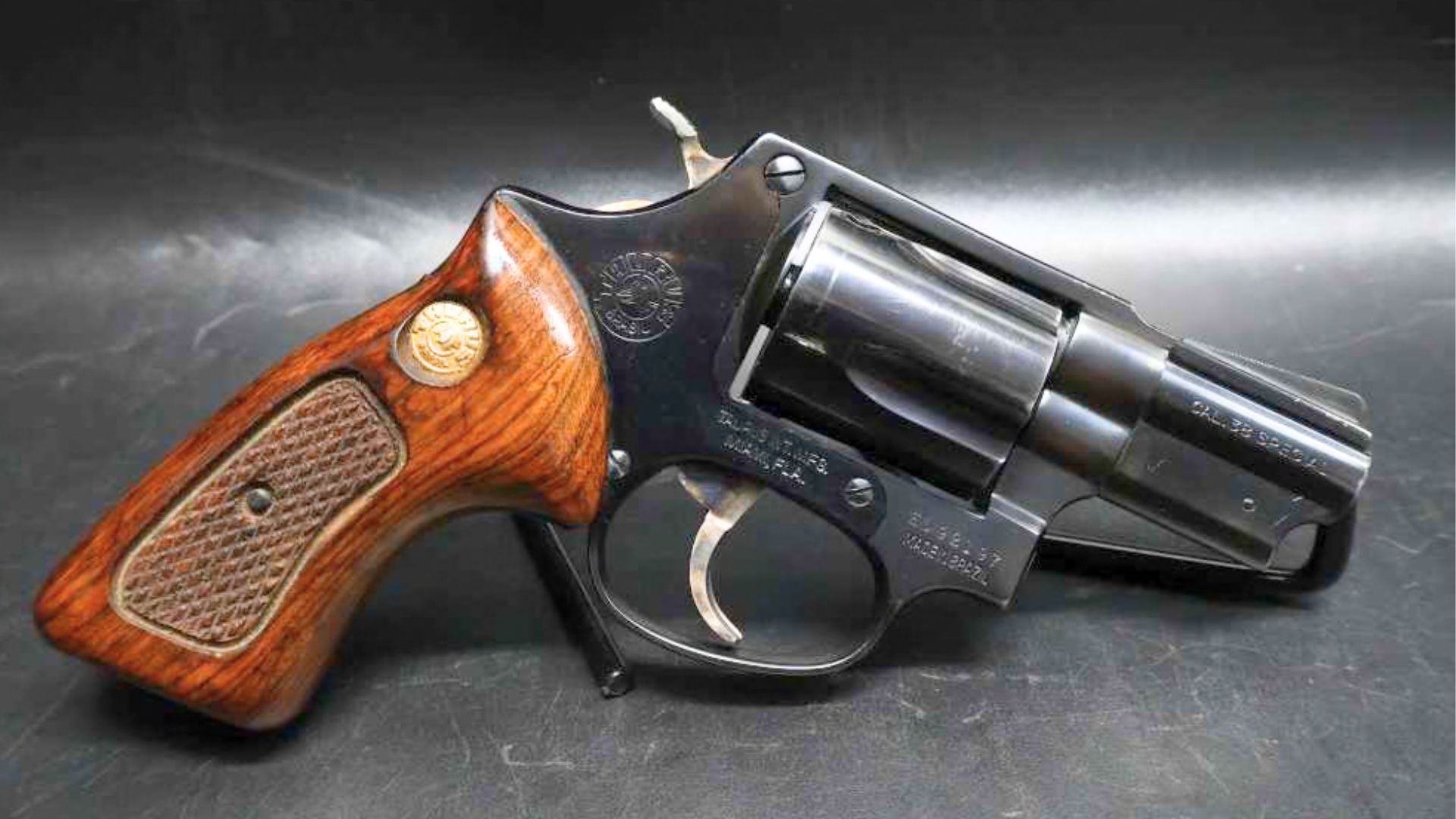
The Taurus Model 85 has been overlooked for years because it lives in the shadow of Smith & Wesson snubnose revolvers. It’s a small five-shot .38 Special that looks plain and practical, and the Taurus name makes some buyers cautious. That caution is understandable, but the Model 85 earned a lot of real-world use.
A good Model 85 can be a handy carry revolver, especially for someone who wants a simple defensive gun at a reachable price. It is not as refined as a classic Smith, and buyers should inspect used examples carefully. But many owners found them dependable, easy to carry, and accurate enough at realistic distances. It looked ordinary, but for a lot of working people, it filled the role without draining the budget.
Mossberg 464
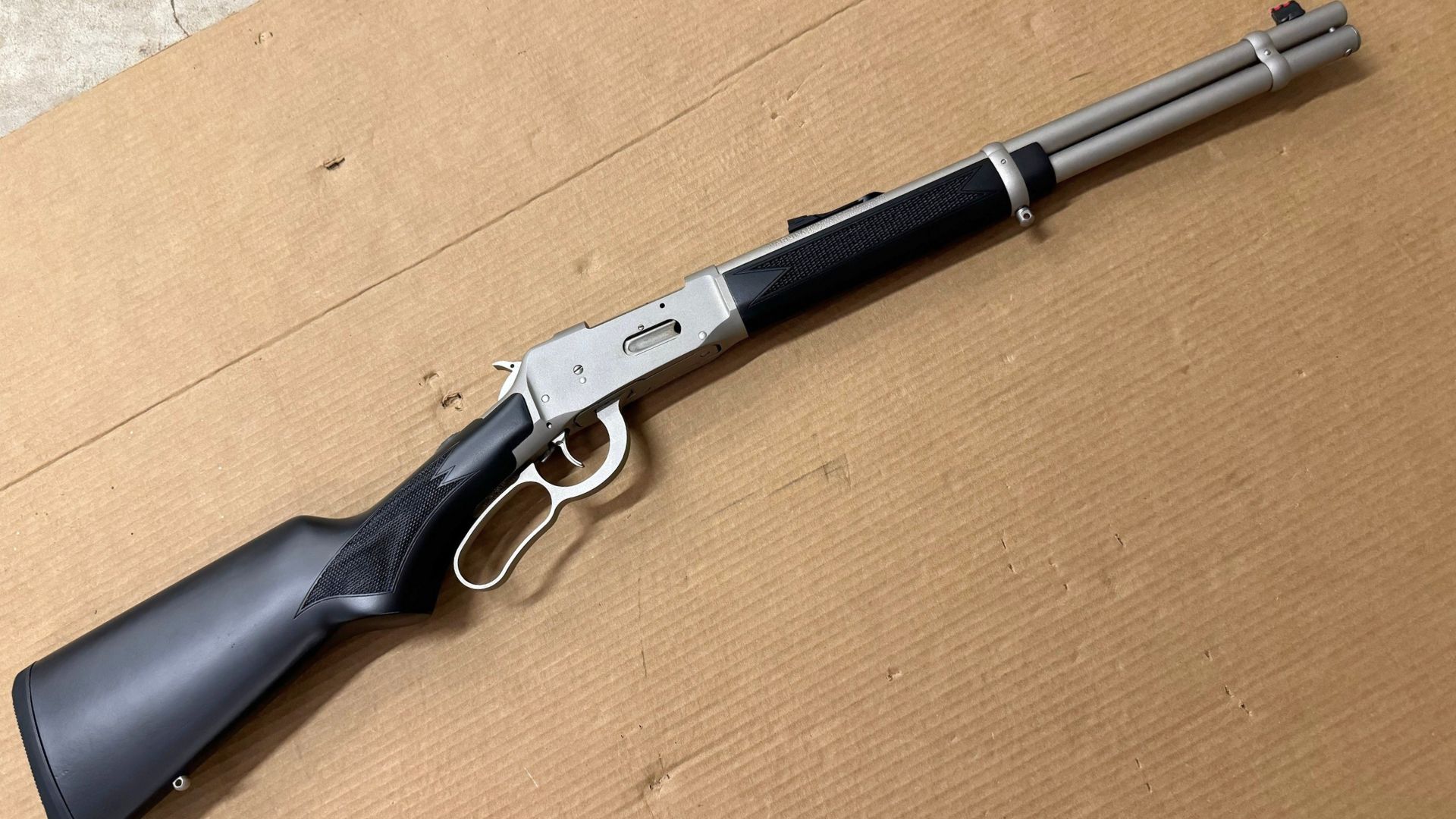
The Mossberg 464 didn’t have the heritage of a Winchester 94 or Marlin 336, and that made some lever-action fans dismiss it early. It looked like a plain modern .30-30 trying to enter a space already owned by older names. That’s not an easy crowd to impress.
Still, the 464 gave buyers a functional lever gun when traditional options were getting expensive or harder to find. It was light, handy, and chambered in the classic .30-30 Winchester. Some versions were more traditional, while others leaned modern. It may not have the same collector pull as older lever guns, but shooters who wanted a usable woods rifle found there was more to it than the name on the receiver.
Star Firestar M43

The Star Firestar M43 looked like a chunky little 9mm at a time when smaller pistols were getting more attention. It was heavy for its size and came from a Spanish maker that didn’t have the same support in the U.S. market as bigger brands. That made it easy to pass by.
Shooters who gave it a chance often found a solid, accurate, soft-shooting compact pistol. The weight that hurt it for carry helped it at the range. The single-action trigger and all-steel frame gave it a very different feel from modern lightweight compacts. Parts and magazines can be harder to source now, so it’s not the easiest long-term platform. But as a shooter, the Firestar showed that plain and heavy could still be enjoyable.
Stevens 311
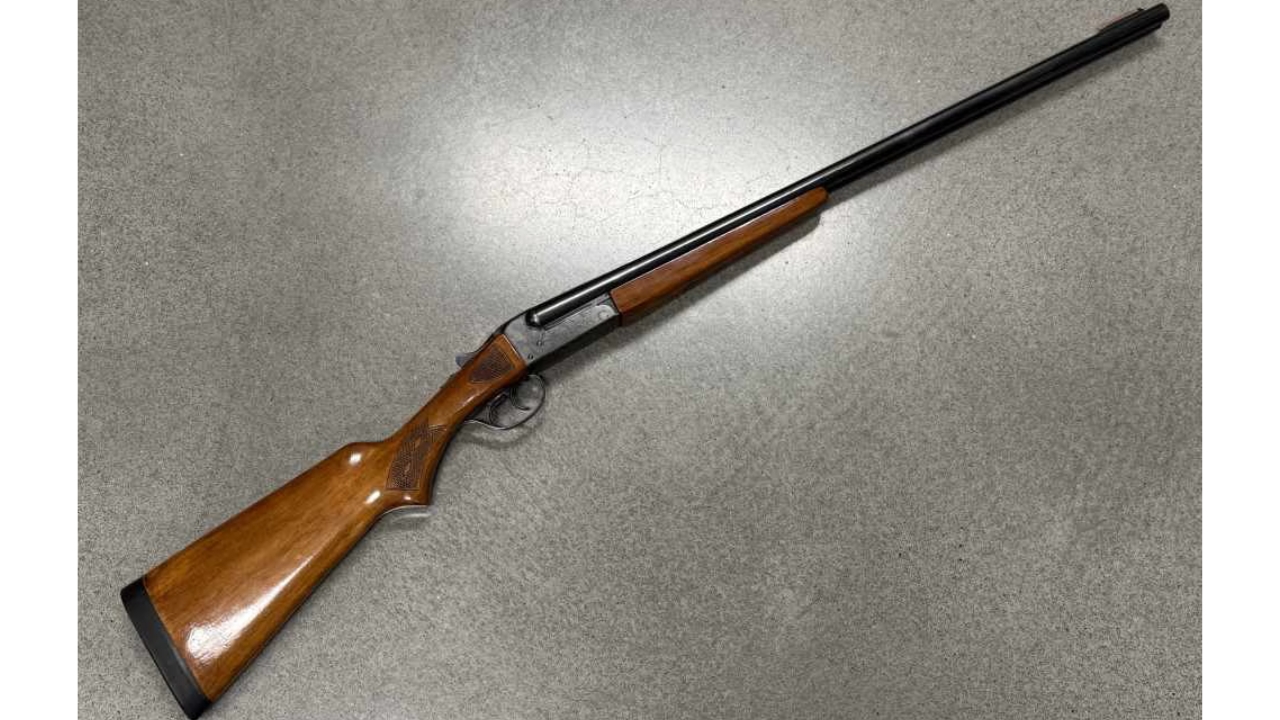
The Stevens 311 is a plain double-barrel shotgun that never pretended to be a fine English side-by-side. It was built as an affordable working gun, and it looked the part. Farmers, hunters, and regular shotgun owners used them because they were simple and reasonably tough.
That plainness is exactly why the 311 still gets respect. It opens, closes, fires, and carries with very little complication. It’s not as refined as higher-end doubles, and some triggers can be heavy, but it gives shooters the basic usefulness of a side-by-side without the collector anxiety. For rabbits, birds, camp use, or just enjoying an old-school shotgun, the 311 reminds you that a double gun doesn’t have to be fancy to be worth owning.
KelTec Sub-2000

The KelTec Sub-2000 has always looked more like a tool than a traditional firearm. It folds in half, uses common pistol magazines depending on configuration, and doesn’t have the polished feel of more expensive carbines. Plenty of shooters dismissed it as odd or cheap-looking before they understood the role.
The more you think about that role, the more sense it makes. A folding 9mm or .40 S&W carbine that can fit in a small bag and share magazines with a handgun has real practical appeal. It’s not a precision rifle, and it’s not refined. But for compact storage, cheap practice, and simple pistol-caliber carbine use, the Sub-2000 gives shooters something different. Plain? Absolutely. Useless? Not even close.
Like The Avid Outdoorsman’s content? Subscribe to our newsletter so you never miss an article.
Here’s more from us: