Photo credit: MADMAN REVIEW/YouTube
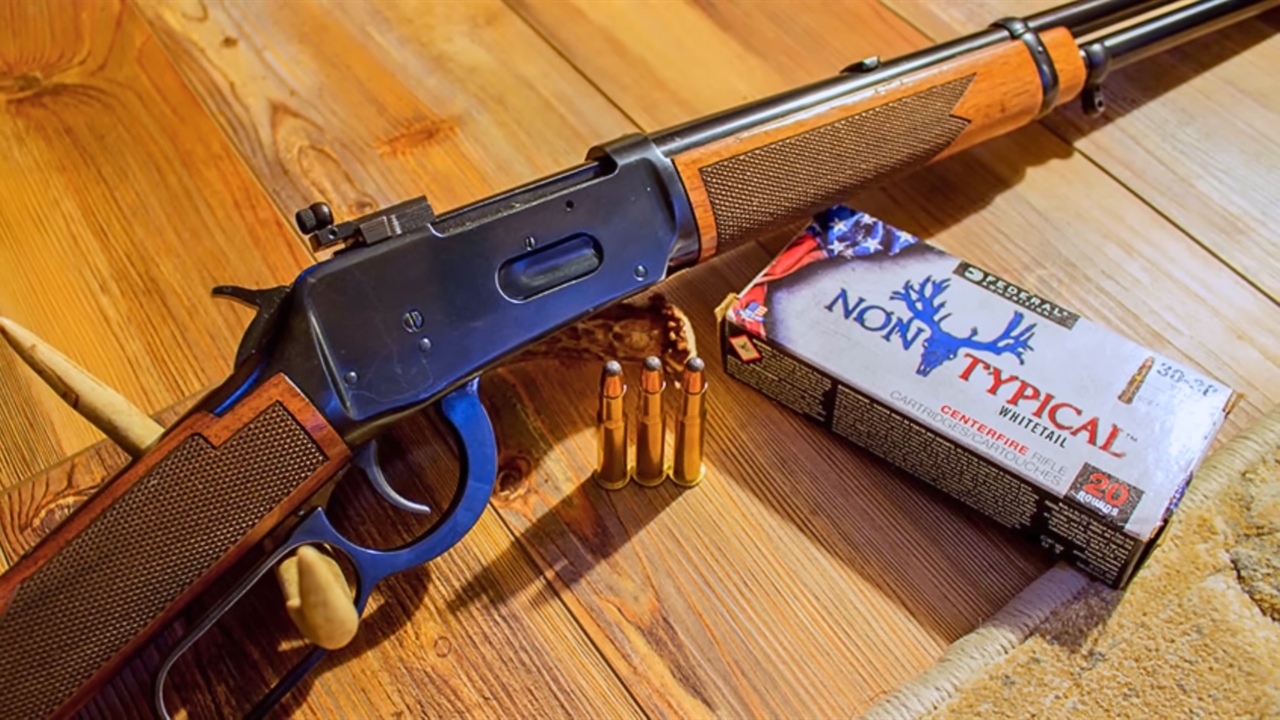
The .30-30 Winchester has spent so many years being called “outdated” that a lot of hunters now talk about it like it belongs in a display case instead of a deer stand. That argument usually comes from the same places every time: flatter-shooting cartridges, longer-range optics, social media clips of steel getting rung at distances most whitetail hunters never actually shoot, and a general habit of confusing newer with better. But the .30-30 is still on shelves, still in camps, and still filling tags for a reason. It has been doing that work for well over a century, and modern factory loads have only helped it hang around longer. Hornady’s LEVERevolution line, for example, is specifically built to give lever-gun cartridges more velocity and a flatter trajectory than older traditional loads, while Winchester still sells classic .30-30 deer loads on the strength of their long track record in the field. That is not nostalgia keeping the cartridge alive. It is continued usefulness.
Where people get sideways on the .30-30 is that they judge it by the wrong standard. They talk about it like it is trying to be a 400-yard western rifle or a bean-field cartridge meant for dialing turrets and stretching every shot to the edge of a shooter’s confidence. That was never its lane. The .30-30 built its reputation in woods country, in broken cover, on deer that stepped out quick and did not stand there long. In that role, it still makes plenty of sense. Most deer in a lot of whitetail country are shot inside 150 yards, and a whole lot of them are shot much closer than that. In those conditions, a cartridge does not need to impress somebody on a ballistics chart nearly as much as it needs to hit where the rifle is sighted, expand reliably, and do it without beating the shooter up. The .30-30 keeps checking those boxes, which is a big reason hunters keep carrying it even while acting online like they have somehow evolved past it.
A lot of the pretending comes from ego more than performance. Hunters do this thing where they start talking gear as if every setup has to be optimized for the most demanding scenario they can imagine instead of the conditions they actually hunt. So a cartridge that is mild to shoot, easy to carry, and built around quick handling gets dismissed because it does not win a spec-sheet argument against faster rounds with more reach. That sounds smart right up until a buck slips across a sendero at 80 yards and the guy with the sleek new magnum jerks the shot because his rifle kicks harder than he admits. The .30-30 has always had one major advantage that does not make for flashy bragging: a lot of people shoot it well. Recoil is manageable, rifles chambered for it are often compact and lively, and that combination matters more in the woods than raw paper energy numbers people love to throw around. A cartridge that a hunter places correctly is more useful than one he flinches with while talking about ballistic coefficients.
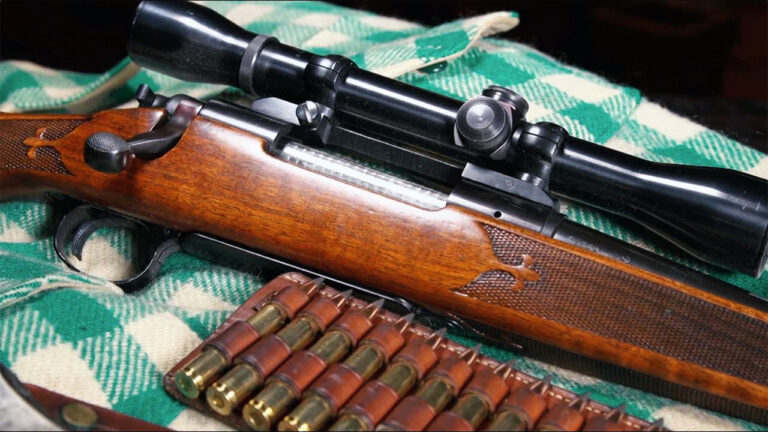
That also ties into why experienced deer hunters still respect the cartridge even when younger shooters are quick to write it off. Real hunting is full of awkward positions, rushed decisions, brushy lanes, climbing into stands, and trying to settle a reticle or bead after your heart rate spikes. It is not just bench shooting with perfect light and no pressure. A lever gun in .30-30 is usually light enough to carry all day, quick enough to shoulder without a bunch of wasted motion, and balanced in a way that works well in timber and thick cover. Those are not small things. They are the kind of details that make a rifle feel right when the moment comes fast. Hunters who have watched deer go down cleanly with .30-30s for years are not hanging onto an old cartridge because they do not know better. Many of them keep using it because they know exactly what it does, where it stops making sense, and how dependable it is inside that honest window. That kind of confidence is worth more than internet chest-thumping.
Another reason people underrate the .30-30 is that they blur the line between “not ideal for everything” and “doesn’t work.” Those are not the same thing. No serious hunter should pretend the cartridge is the best tool for every region, every species, or every shooting distance. It is not. But that is a different claim from saying it no longer works on deer-sized game. It plainly does. Ammunition makers are still loading it for deer hunting, still advertising accuracy, expansion, and terminal performance, and still doing so because demand remains real. Winchester’s Power-Point and Deer Season XP lines continue to market .30-30 as a deer cartridge, while Hornady’s lever-gun-focused loads are built around improving downrange performance without asking shooters to abandon the rifles they already trust. Companies do not keep investing shelf space and product development into a dead hunting round just because a few traditionalists feel sentimental about saddle rings and walnut stocks. They do it because hunters are still buying it and still getting results with it.
There is also a practical hunting truth that gets ignored whenever caliber talk turns into a macho contest: killing deer cleanly is about more than cartridge power. Shot placement and shot selection matter just as much, and in many cases more. Wildlife agencies routinely stress responsible angles and staying within your maximum effective range because a bad shot from a more powerful round is still a bad shot. Pennsylvania’s Game Commission, for example, advises hunters to take responsible broadside or quartering-away shots within their personal effective range to ensure quick, clean kills. That is archery guidance in the cited examples, but the principle carries right over to rifles: good angles and realistic limits matter. The .30-30 has always lived comfortably inside that idea. It asks the hunter to be honest about distance, disciplined about placement, and realistic about what the setup is built to do. That may be exactly why some people sneer at it now. It does not flatter sloppy thinking. It works best when the person behind it does his part.
The truth is that the .30-30 suffers more from image problems than field problems. It is not trendy. It is not the cartridge people use to make dramatic range videos. It does not give a hunter the same feeling of “future-proofing” that a fast modern round does. But deer do not care what is trendy, and they definitely do not care what people in comment sections think sounds obsolete. A cartridge with a long, proven history, manageable recoil, practical effectiveness, and ongoing factory support is not some relic people keep dragging around out of stubbornness. It is a tool that still fits a lot of real hunting situations, especially in the kind of cover where fast handling and quick follow-up shots matter more than bragging rights. People pretend the .30-30 does not work because admitting it still works forces them to admit that a lot of gear talk is really just status talk dressed up as expertise. And that is a harder pill for some hunters to swallow than the fact that an old lever gun still gets the job done.
Like The Avid Outdoorsman’s content? Subscribe to our newsletter so you never miss an article.
Here’s more from us: