Photo credit: Pacific TacWest
A carry pistol does not have to be terrible to be overrated. Sometimes the gun works fine, but the praise around it gets out of hand. Sometimes it sells because of the logo, the size, the capacity number, or the idea of what people want it to be. Then owners actually carry it, train with it, and realize the experience is not as perfect as the internet made it sound.
That is what makes carry pistols tricky. Small differences matter. Grip shape, recoil, sights, trigger feel, holster support, reliability, and how fast someone can shoot the gun under pressure all matter more than a catchy spec sheet. These pistols all have fans, and some of them are good choices for the right person. But they also get defended harder than they often deserve.
SIG Sauer P365
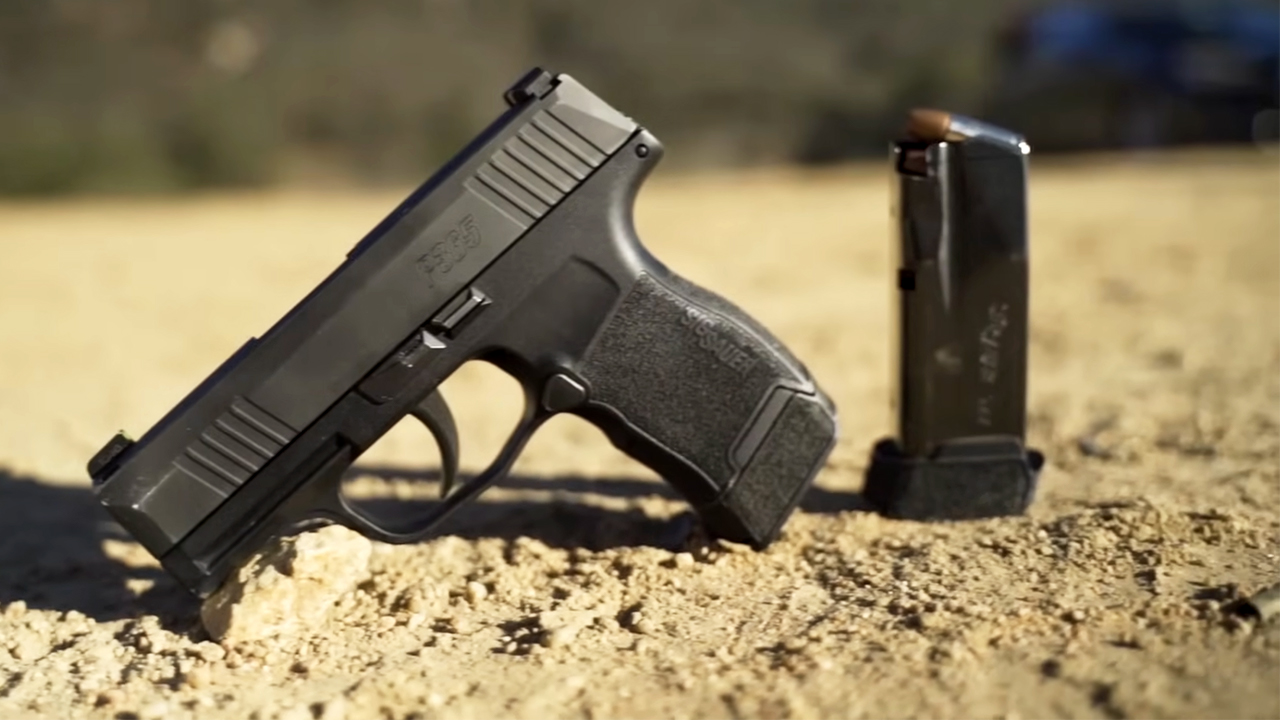
The SIG Sauer P365 changed the carry market, and that is exactly why it gets overrated. It pushed capacity higher in a very small package and made a lot of older single-stack pistols feel dated overnight. For many people, it became the automatic answer to every concealed-carry question.
The problem is that not every shooter benefits from that tiny size. The standard P365 can feel cramped, snappy, and harder to control than people expect, especially during longer practice sessions. It is an impressive pistol, but some owners act like capacity alone settles the argument. A carry gun still has to be shot well, and not everyone shoots the smallest P365 better than slightly larger options.
Glock 43X

The Glock 43X gets a lot of praise because it has the Glock name, a slim grip, and a carry-friendly profile. It feels familiar to Glock owners and avoids the tiny grip problem of the original Glock 43. For people who wanted a slim Glock that handled more like a real pistol, it made sense.
It also gets overrated because the factory magazine capacity is hard to ignore in today’s market. When other slim carry pistols offer more rounds in similar sizes, the 43X starts looking less impressive on paper. It can still be a reliable, comfortable carry gun, but some of its popularity comes from the logo more than the value. Glock fans defend it like it solved the category, when really it is just one solid option with clear tradeoffs.
Springfield Hellcat

The Springfield Hellcat became popular because it packed serious capacity into a very small pistol. That made it easy to market and easy for buyers to compare against other micro-compacts. More rounds in a tiny gun sounds like an obvious win.
The issue is that the Hellcat can feel harsh for some shooters. The grip texture, recoil impulse, and small frame make it less pleasant than its capacity number suggests. It is not unusable, and plenty of owners carry it confidently, but it is often praised more for the spec sheet than the shooting experience. A pistol that carries well but makes practice less enjoyable can become overrated fast.
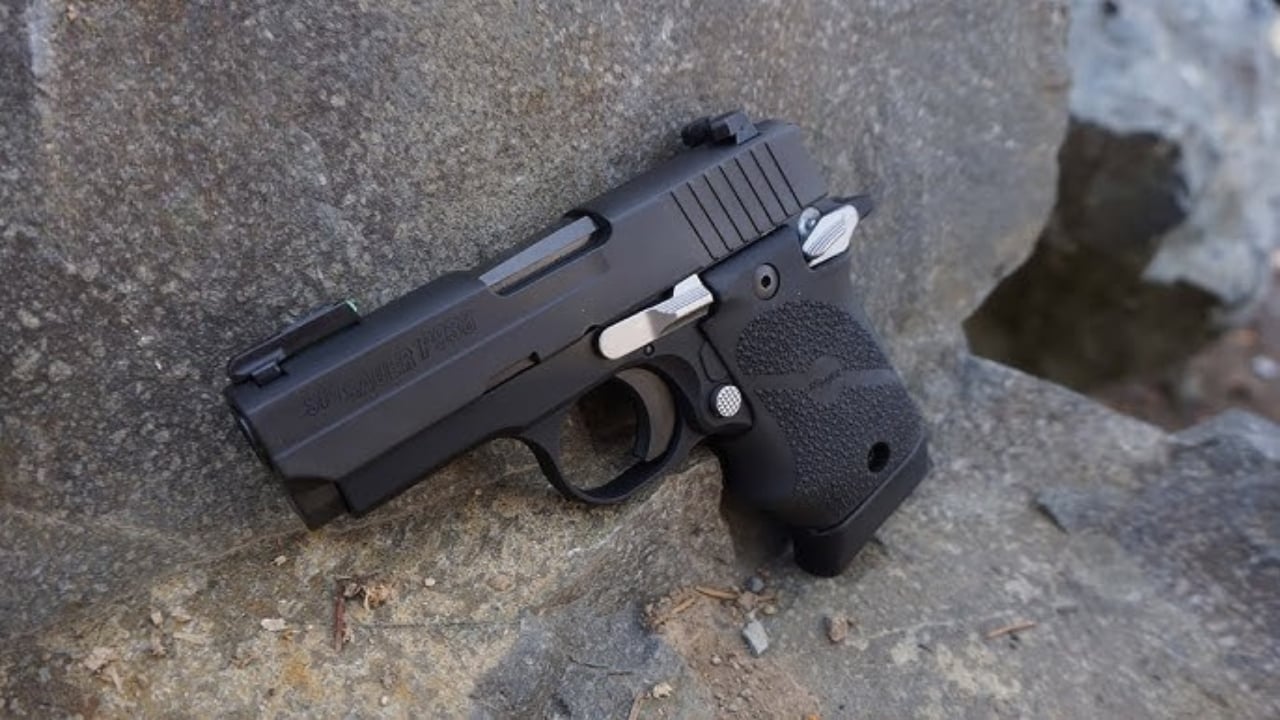
Kimber Micro 9

The Kimber Micro 9 gets attention because it looks classy and feels more upscale than many polymer carry pistols. It has 1911-inspired controls, metal-frame appeal, and a style that makes it stand out in a case full of black striker-fired guns. That image sells.
As a carry pistol, though, the Micro 9 asks owners to accept a lot. It is small, capacity is limited, and the platform can be less forgiving than larger defensive pistols. Some shooters buy it because they want a nice-looking tiny 9mm, then realize that shooting tiny metal-framed pistols well takes real work. The gun has charm, but charm is not the same as being the best carry choice.
Smith & Wesson CSX
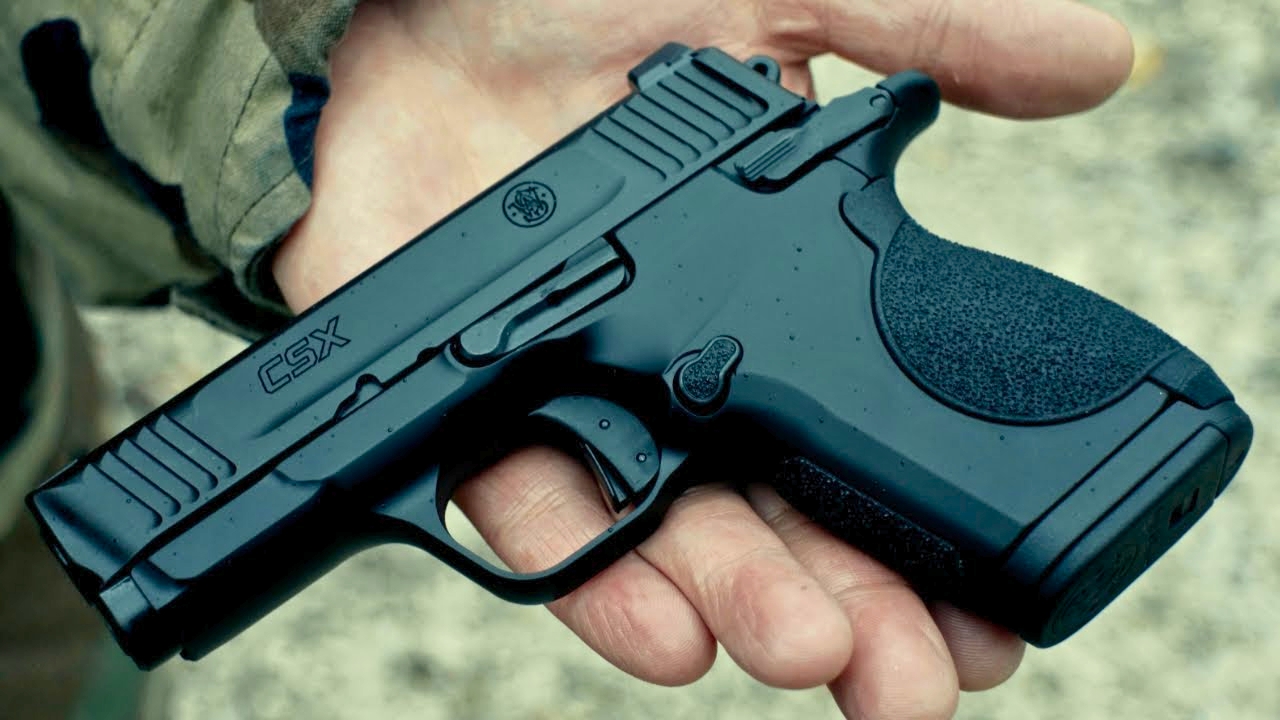
The Smith & Wesson CSX looked like it should have been a huge hit. It offered an aluminum frame, compact size, good capacity, and a hammer-fired design at a time when many carry pistols felt nearly identical. On paper, it seemed like a smart answer for people tired of the usual polymer micro-compact formula.
The problem is that the CSX never quite delivered the excitement the idea created. The trigger feel has been a common complaint, and the pistol does not always feel as refined as its concept suggests. It is not a bad gun, but it is one of those carry pistols that sounds better in a spec list than it feels in some hands. That makes the praise around it feel a little too generous.
Glock 43
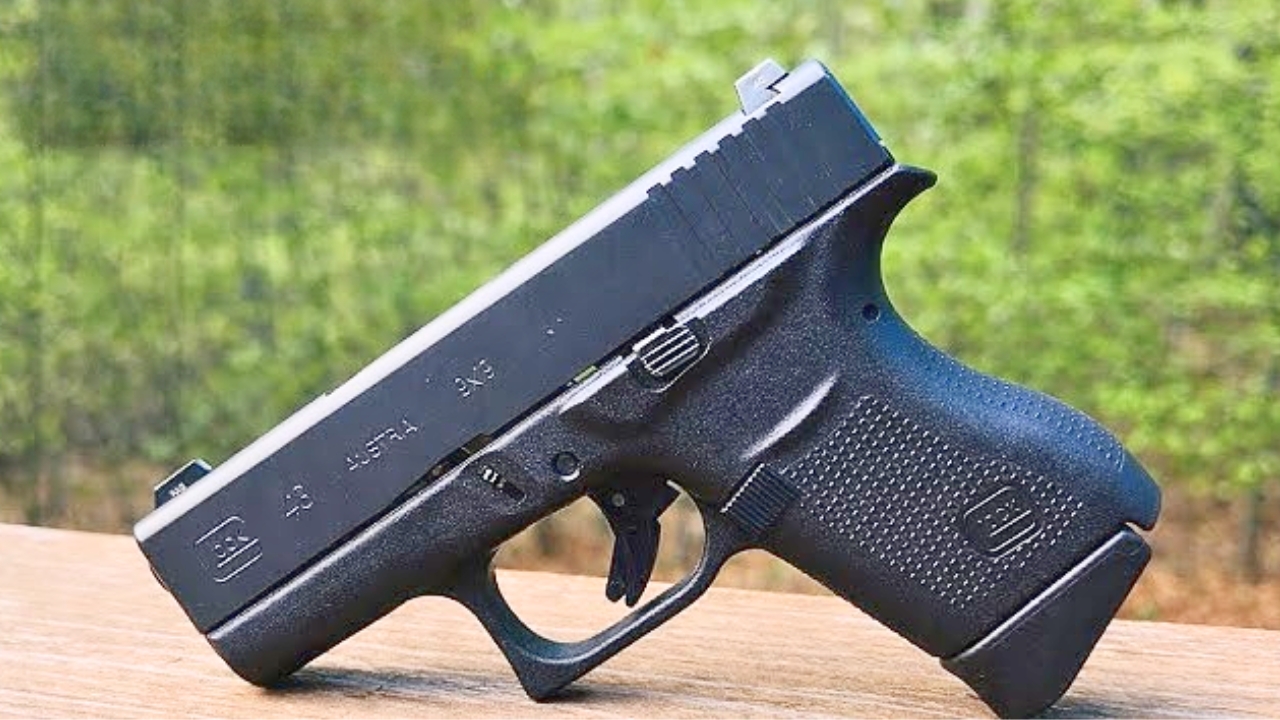
The Glock 43 was a big deal when it arrived because shooters had waited years for Glock to make a slim single-stack 9mm. It was reliable, simple, easy to carry, and backed by huge holster and aftermarket support. At the time, that was enough to make it a major player.
Today, it is harder to defend the same level of praise. The capacity is limited, the grip is small, and plenty of newer carry pistols offer more rounds without becoming much harder to conceal. The Glock 43 still works, but it is often treated like a default answer because of brand trust. In the current carry market, it feels more like a good older option than a pistol that deserves top-tier hype.
Ruger LCP

The Ruger LCP became popular because it is extremely easy to carry. It disappears into a pocket, weighs very little, and gives people a defensive pistol they can have on them when larger guns feel inconvenient. That matters, and it explains why so many people bought one.
It also explains why it gets overrated. Easy to carry does not always mean easy to shoot. The tiny grip, minimal sights on older versions, small controls, and snappy feel make it a difficult pistol for many owners to practice with seriously. The LCP is useful, but some people talk about it like convenience solves everything. A carry gun that is always with you still has to be run well.
Taurus GX4
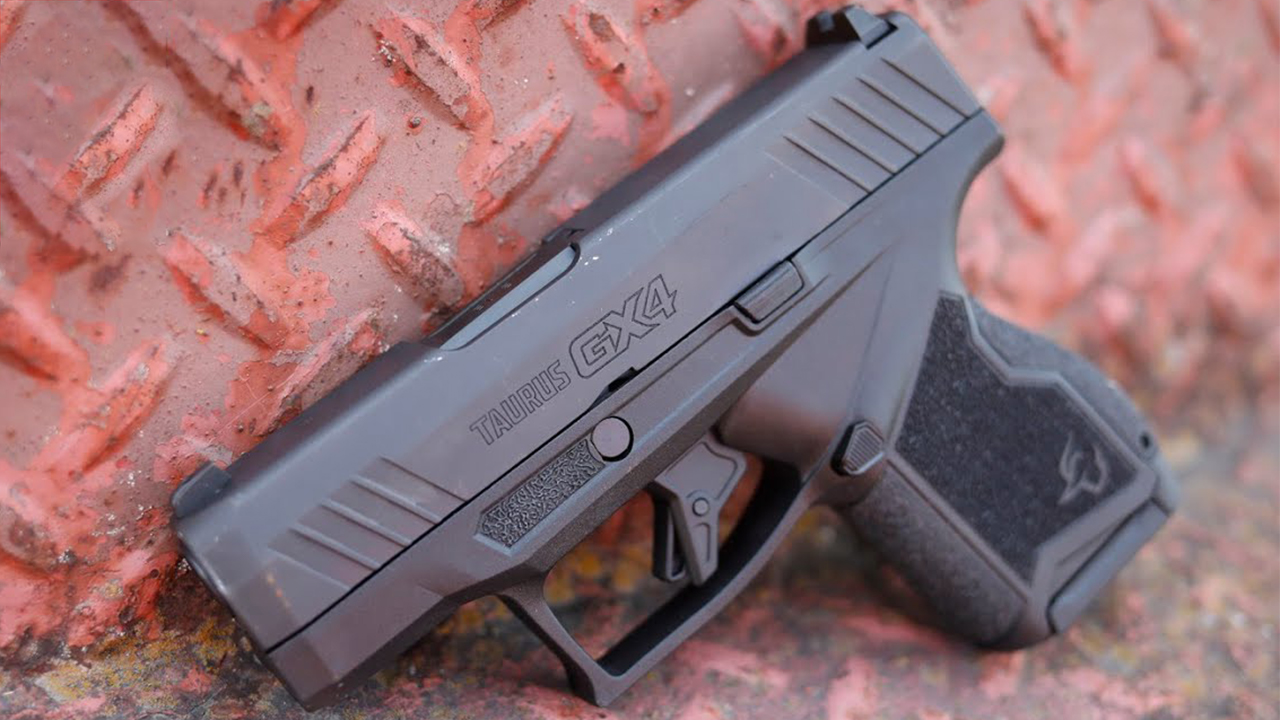
The Taurus GX4 got attention because it offered micro-compact capacity at a lower price than many competitors. It gave budget-minded buyers a way into the high-capacity small 9mm category without paying premium money. That made it an attractive option on paper.
The reason it can be overrated is that price can make people overlook the things they should still evaluate carefully. Trigger feel, long-term durability, quality control reputation, holster options, and actual range performance all matter in a carry gun. The GX4 may be a good fit for some owners, but it gets overpraised when people treat affordability and capacity as the whole story.
Springfield XD-S
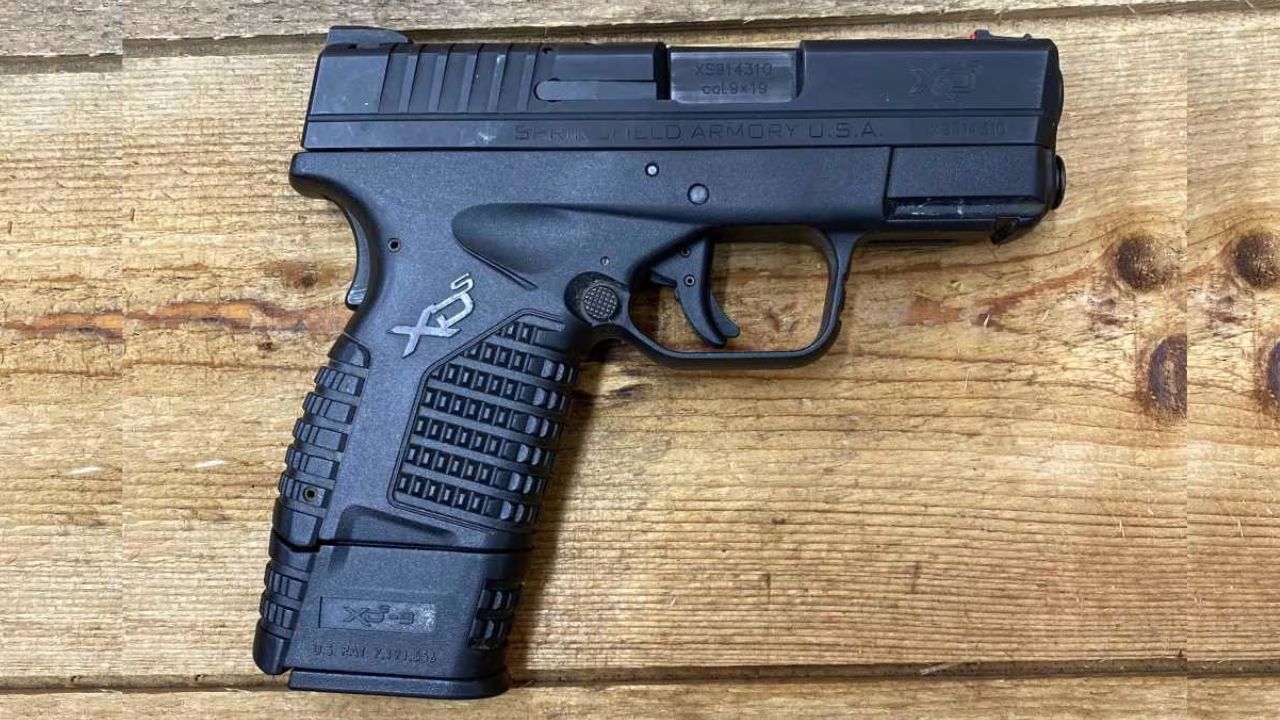
The Springfield XD-S had its moment because it was slim, serious-looking, and available in defensive calibers that made buyers feel well-armed. The .45 ACP version especially appealed to people who wanted big-bore power in a compact carry pistol. That idea sold a lot of guns.
The real experience is not always as attractive. Small guns in harder-kicking chamberings can be slow, sharp, and less enjoyable to practice with. Capacity is limited, and newer carry pistols have made the old single-stack formula feel dated. The XD-S can still serve a purpose, but it often gets defended by people who like the idea of it more than the way it actually shoots.
SIG Sauer P938

The SIG Sauer P938 has a loyal following because it looks and feels like a premium pocket 9mm. It has metal-frame appeal, 1911-like controls, and the SIG name behind it. For shooters who dislike polymer striker-fired pistols, it offers something different.
It can still be overrated because the small size and single-action system demand more from the owner. The grip is short, recoil is noticeable, and the manual safety requires consistent training. Capacity is also not impressive compared with newer micro-compacts. It is a nice little pistol, but nice does not automatically mean practical for every concealed carrier.
Walther PPS M2

The Walther PPS M2 is a good-shooting slim pistol that arrived before the micro-compact capacity race really changed expectations. It has a comfortable grip, decent trigger, and a more refined feel than some older single-stack options. Owners often praise it because it shoots better than its size suggests.
That praise can go too far now. Compared with newer carry pistols, the PPS M2 gives up capacity without being dramatically easier to conceal. It is still a pleasant pistol, but the market moved around it. A carry gun can be good and still be overrated if people keep judging it by an older standard. The PPS M2 deserves respect, but not automatic top-pick status anymore.
Smith & Wesson Shield Plus

The Smith & Wesson Shield Plus fixed the biggest complaint about the original Shield by adding more capacity while keeping the slim carry feel. It shoots well, carries easily, and benefits from the reputation the original Shield built. For many people, it is a strong concealed-carry pistol.
It still gets overrated when people treat it like the perfect middle ground for everyone. Some shooters prefer the grip feel of competitors. Others may want a better optics setup, different controls, or a slightly larger pistol that shoots flatter. The Shield Plus is one of the better carry guns in its class, but the praise can become too automatic because the Shield name already has so much goodwill behind it.
Colt Mustang

The Colt Mustang has appeal because it is small, light, and tied to the Colt name. It also has a classic pocket-pistol charm that many modern polymer .380s do not have. For people who like tiny single-action pistols, it is easy to understand the attraction.
As a practical carry choice, though, it is not as strong as the reputation can make it sound. Capacity is limited, the manual of arms requires commitment, and modern .380 and 9mm carry pistols offer plenty of alternatives. The Mustang is cool, but cool is not the same as clearly superior. A lot of its praise comes from nostalgia and name recognition.
Beretta Pico

The Beretta Pico attracted attention because it was extremely thin and came from a respected name. For deep concealment, thinness matters, and the Pico leaned hard into that advantage. It looked like a clever answer for people who wanted a pocketable .380 without extra bulk.
The problem is that being thin can come with shooting compromises. The grip is small, the trigger feel is not for everyone, and the overall shooting experience can be less appealing than the carry profile. The Pico is easy to hide, but it is not always easy to love. That makes it one of those pistols that gets more credit for concealability than actual shootability.
FN Reflex

The FN Reflex gets attention because FN has a strong reputation and the carry market loves fresh options from serious brands. A compact, high-capacity pistol from FN sounds appealing immediately, especially for buyers who want something different from the usual SIG, Glock, Springfield, and Smith & Wesson choices.
It can become overrated when people let brand excitement outrun actual fit and performance. The Reflex may work well for many owners, but carry pistols have to be judged by reliability with chosen ammo, trigger control, grip comfort, recoil management, and support gear. FN’s name gets people interested, but it should not automatically make the pistol a better choice than more proven options.
Micro 1911-style carry pistols

Micro 1911-style carry pistols get popular because they look better than most polymer carry guns and feel familiar to people who like 1911 controls. They offer metal frames, crisp-looking lines, and a more traditional identity in a market crowded with striker-fired pistols. That is enough to pull in a lot of buyers.
The problem is that shrinking a 1911-style pistol into a tiny carry gun often creates compromises. Reliability can be more ammo-sensitive, capacity is usually limited, and the manual of arms demands consistent practice. Some models are good, but the category itself is often overrated by people chasing style and nostalgia. A carry pistol should be chosen for performance first, not because it looks like a miniature version of something legendary.
Like The Avid Outdoorsman’s content? Be sure to follow us.
Here’s more from us: