Photo credit: THE GUNSMITH INC/Youtube
Every few years the gun world gets loud about the newest wheelgun “reimagining” the revolver. Better coatings. Better sights. Better marketing. Then you actually handle it at the counter, work the action a few times, and you realize what’s missing: that old-school fit, the sane trigger geometry, and the kind of steel-and-spring reliability that came from companies building revolvers like their reputation depended on it.
I’m not saying every older revolver is magic. Some are worn out, some are out of time, and some were never that great. But there are a bunch of classics that still flat-out compete with, and often beat, plenty of what’s being pushed today—especially when you judge them the way outdoorsmen do: how they carry, how they point, whether they stay tight, and whether they work when cold hands and bad light show up.
1. Smith & Wesson Model 19 (Combat Magnum)
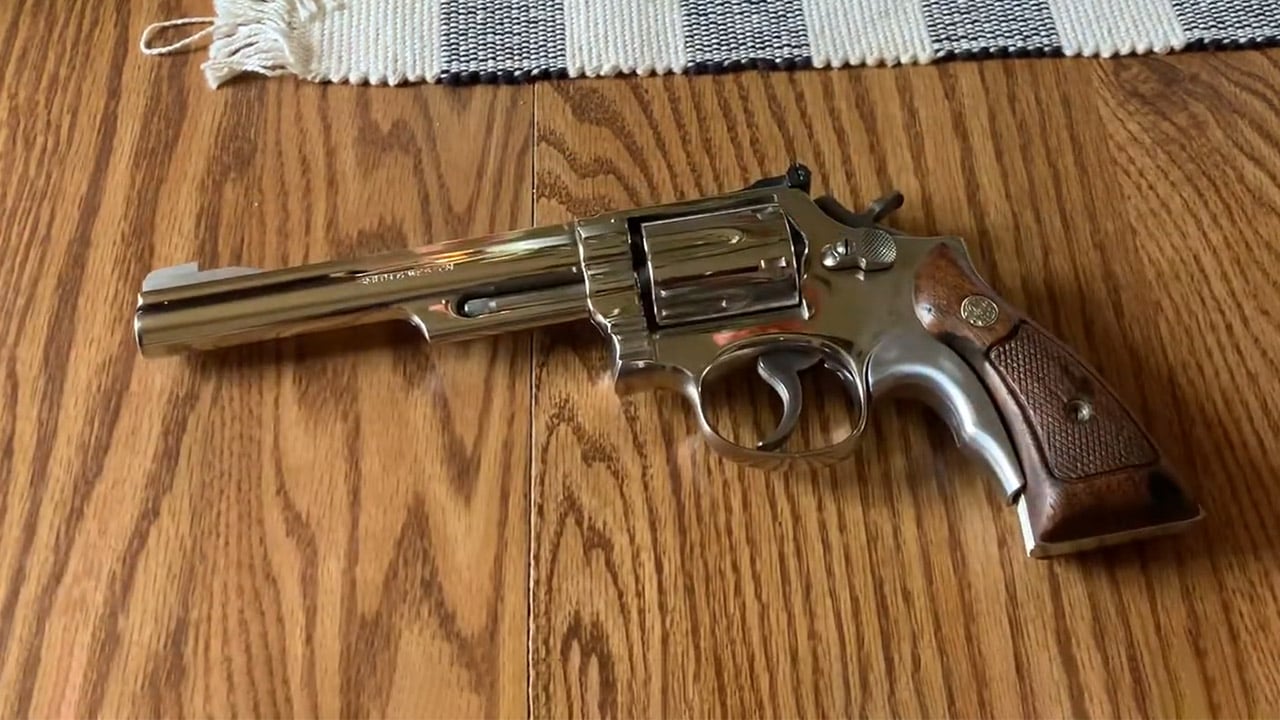
This is the revolver that taught a lot of folks what a .357 is supposed to feel like. It carries like a real belt gun, points naturally, and the triggers on good examples are hard to explain until you’ve run one side-by-side with a newer gun.
Yes, it’s a K-frame and it has its preferences—steady diets of hot, light .357 loads weren’t what it was born for. Feed it sensibly, and it’ll do everything from woods walking to truck-gun duty without feeling like you strapped a boat anchor on your hip.
2. Smith & Wesson Model 27 (Registered Magnum lineage)
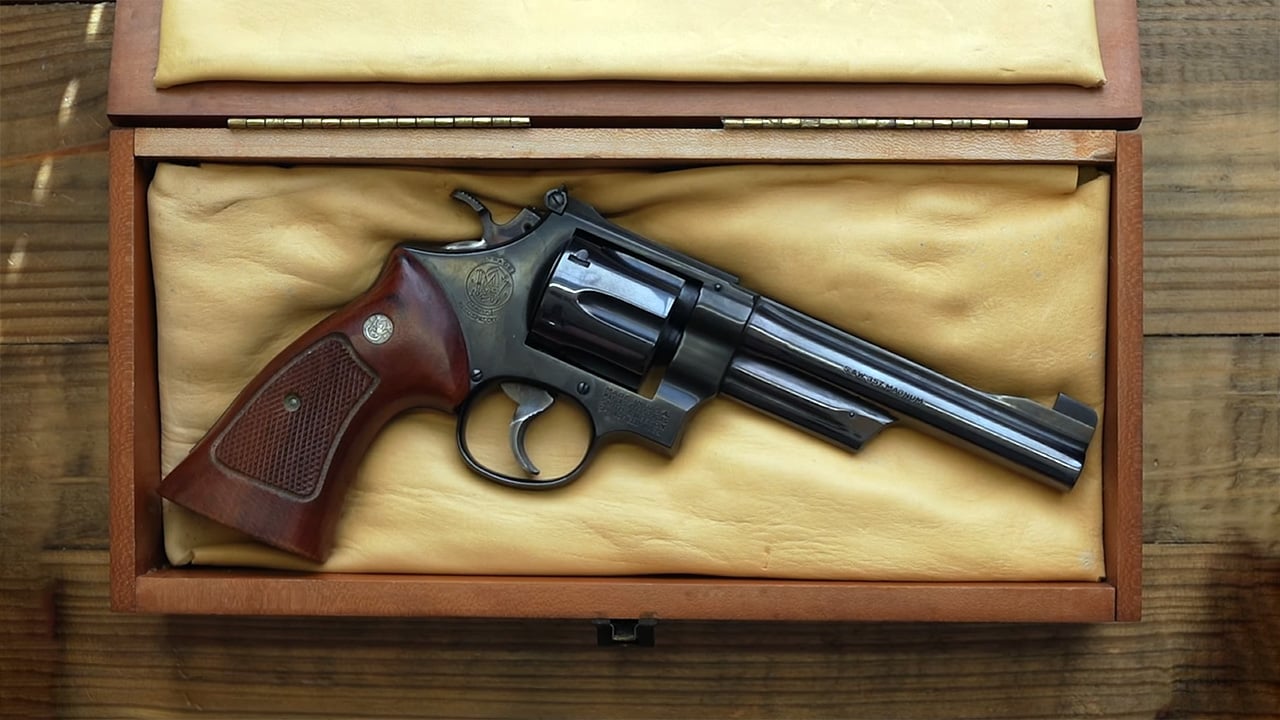
When someone says “old Smith,” this is the standard they’re talking about. Big N-frame, deep blue, and an action that feels like parts were polished by someone who cared. There’s a reason the Model 27 makes modern “premium” revolvers feel a little overpriced.
It’s not light and it’s not subtle, but it soaks up .357 recoil and stays controllable. If you want a revolver that feels like it was built to last through generations, this is one.
3. Smith & Wesson Model 28 (Highway Patrolman)
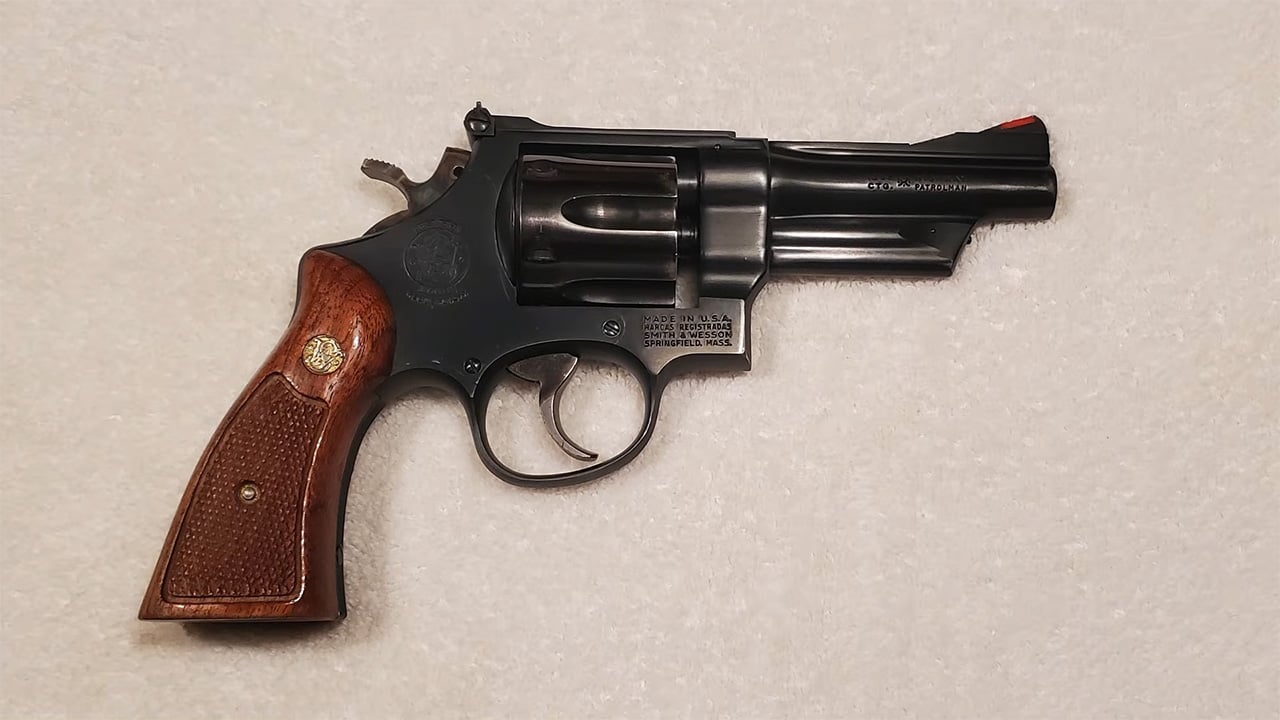
The Model 28 is the working man’s Model 27. Less fancy finish, same basic toughness, and usually a price tag that makes you look twice. It’s one of those guns that doesn’t need to impress you in photos.
On the range, they’re often boring in the best way: predictable, accurate, and steady. If you find one that hasn’t been abused, you’ll understand why old-timers still talk about them like old pickups.
4. Smith & Wesson Model 10 (Military & Police)

A plain .38 Special, fixed sights, and about as unsexy as it gets—until you shoot one. The Model 10 is what “points naturally” actually means. The balance is right, and the double-action pull on a good one makes you look like a better shooter than you are.
For camp use, snakes, and general knock-around chores, it’s still hard to beat. Modern guns try to replace it with gadgets, but a solid Model 10 just works.
5. Smith & Wesson Model 15 (K-38 Combat Masterpiece)
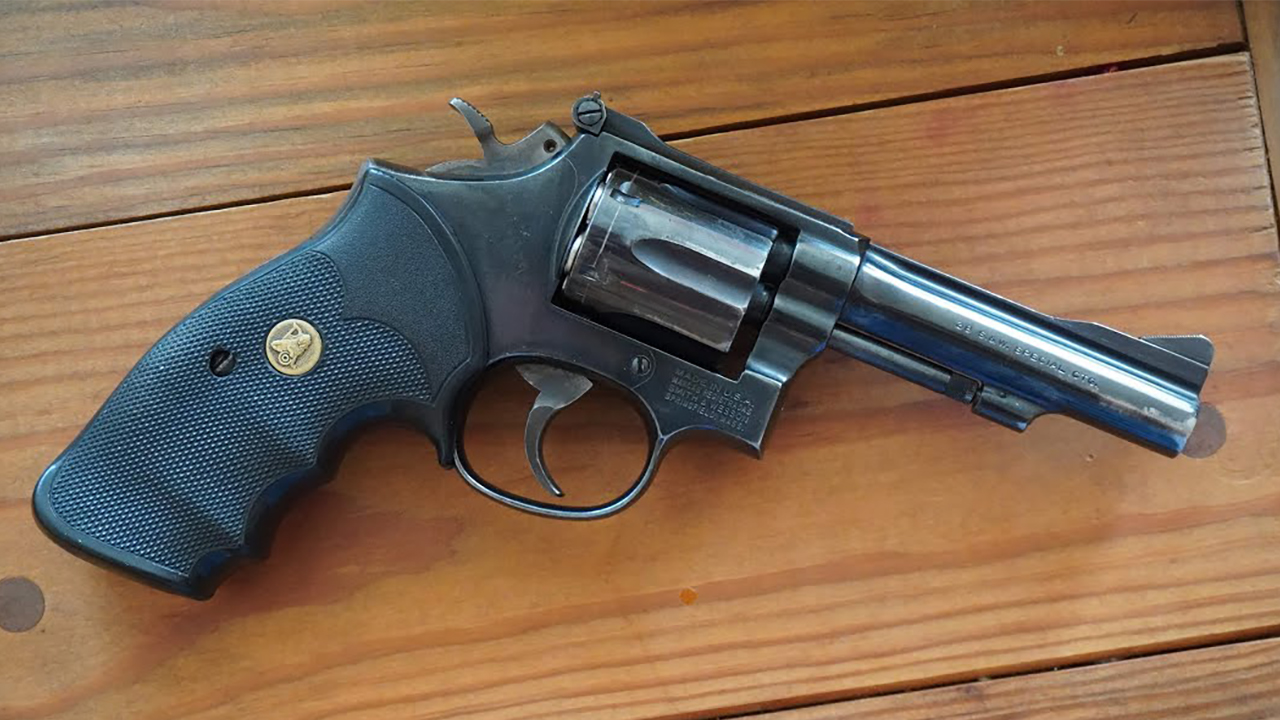
Adjustable sights on a K-frame .38 is a sweet spot a lot of folks forgot about. The Model 15 makes it easy to shoot well, and it’s forgiving when your hands are cold or you’re trying to teach someone without beating them up.
It’s also one of those revolvers that feels “alive” in your hand—fast to the target, easy to manage. Newer revolvers can match the concept, but many don’t match the feel.
6. Smith & Wesson Model 36 (Chiefs Special)

The old J-frame is still the benchmark for a reason. A blued Model 36 with honest wear is about as classic as concealed carry gets, and it slips into a pocket or rides an ankle holster without drama.
Are newer lightweight snubs easier to carry? Sure. But the steel gun is easier to shoot, and it’s easier to trust when you’ve actually put rounds through it without it feeling like it’s trying to jump out of your hand.
7. Smith & Wesson Model 642 (Airweight Centennial)

This one is “old” in spirit even if production ran long—because the design works. Hammerless, snag-free, and simple. It’s the revolver you throw in a pocket when you’re running to town or checking a back pasture.
What beats a lot of new stuff is the consistency. The 642 is not fancy and doesn’t pretend to be. It’s a tool, and it has saved plenty of folks from buying three different trendy options that don’t carry as well.
8. Colt Python (Vintage blued models)

Everybody knows the name, but not everybody has actually handled an older one with a proper Colt action. The smooth stacking pull isn’t for everyone, but it’s a very particular kind of quality that modern mass production rarely nails.
The downside is they’re expensive and you don’t treat one like a beater. Still, if you want to know what “refined revolver” means, an older Python is the measuring stick.
9. Colt Trooper Mk III
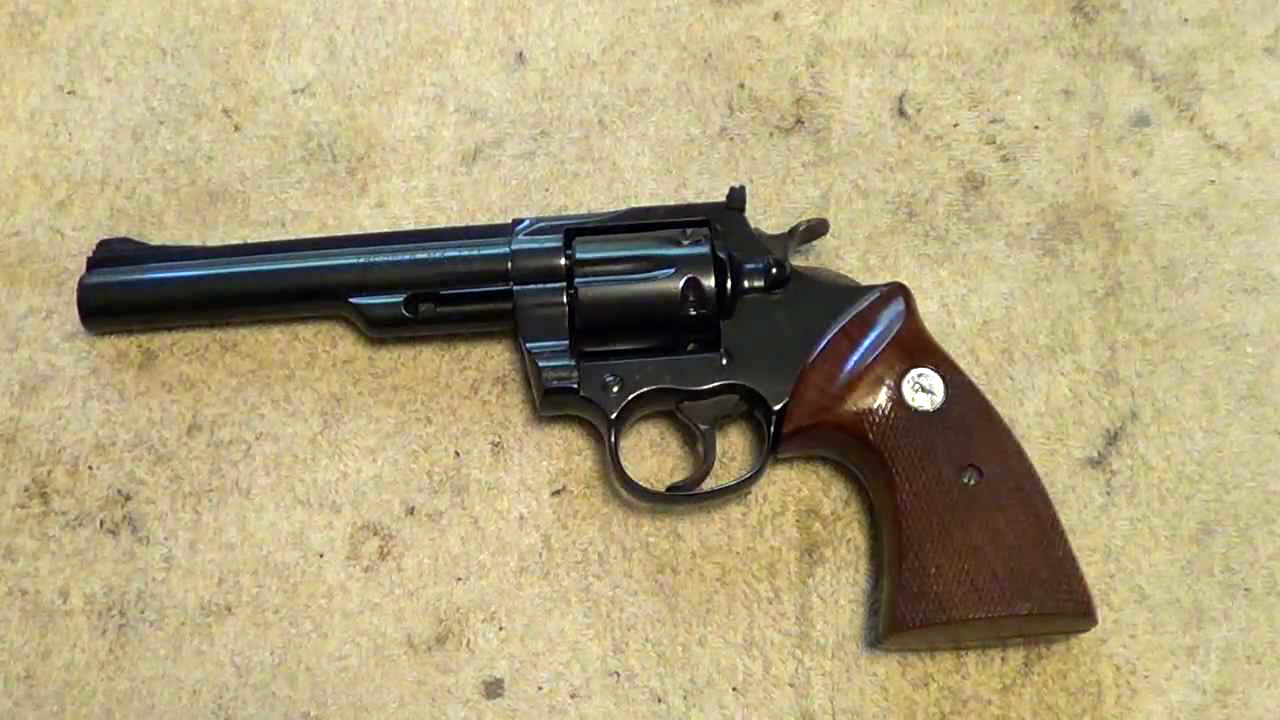
The Trooper Mk III doesn’t get the same romantic talk as a Python, and that’s exactly why some of us like it. Strong, accurate, and usually less money. It’s a serious .357 that isn’t pretending to be a safe queen.
The action feel is different than Smith, and parts support can be a consideration, but as an all-around shooter it’s a better deal than most people realize.
10. Colt Detective Special (2-inch)
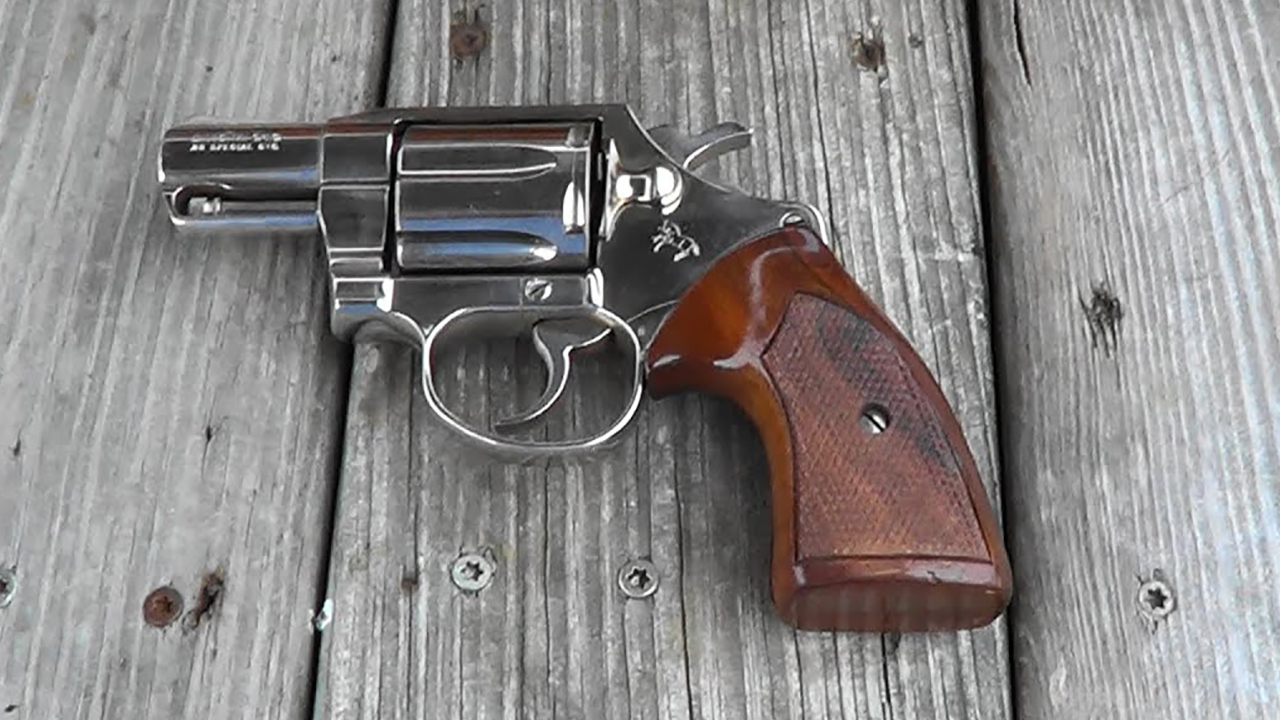
Six shots in a snub. That alone keeps this one in the conversation, even today. The Detective Special has real-world carry appeal, especially when you’re honest about how much you value that extra round.
It’s not as light as modern alloy guns, but it handles better for most shooters. If you carry it in decent leather and practice a little, it’s still a capable defensive revolver without feeling like a compromise.
11. Colt Cobra (Original alloy-frame)
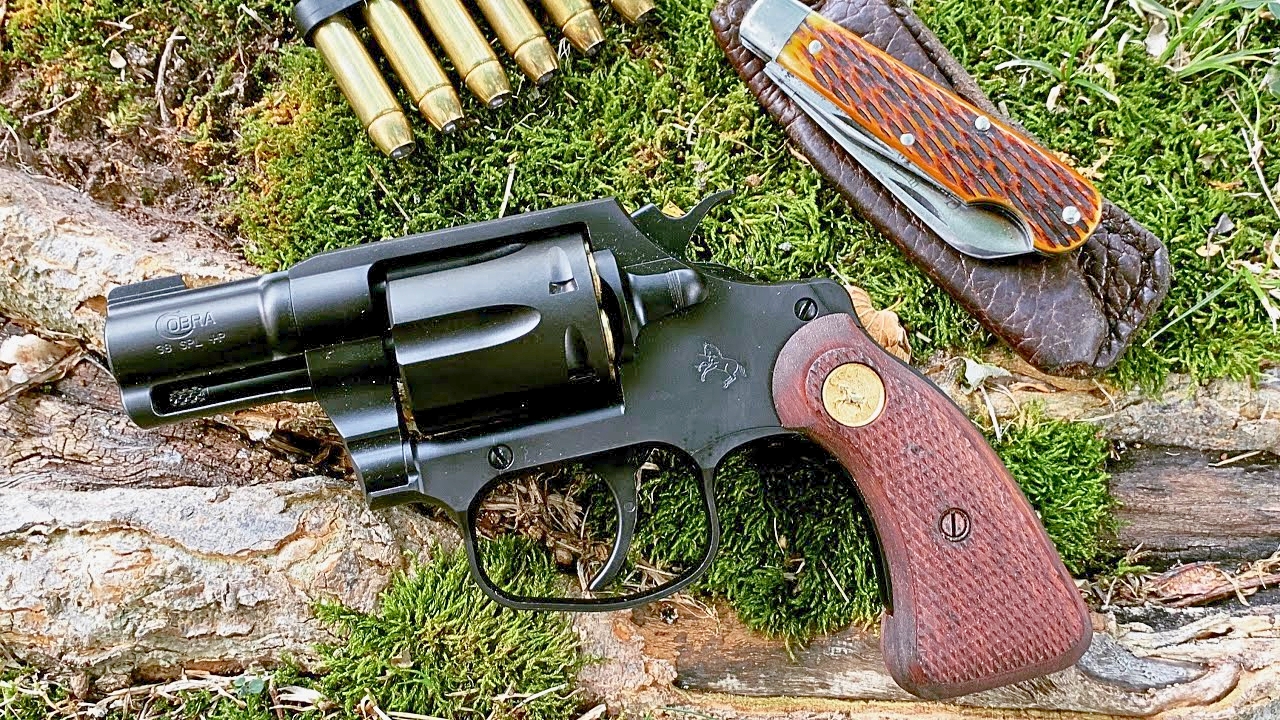
The original Cobra was ahead of its time—lightweight carry with Colt’s snub-nose handling. They carry easy and point fast, which matters more than internet arguments when you’re actually moving around.
You do need to be smart with older alloy frames and not treat them like a steady diet of +P test beds. But as a practical, packable revolver, an original Cobra still earns respect.
12. Ruger Security-Six

If you’ve ever wanted one revolver that can live in a truck, ride a hip on the trapline, and still shoot straight, the Security-Six is a good answer. Built tough, simple, and not fragile in the way some “refined” guns can be.
The triggers often smooth out nicely with use, and they tend to stay in time. Ruger didn’t win fans by being fancy. They won them by being durable.
13. Ruger Service-Six
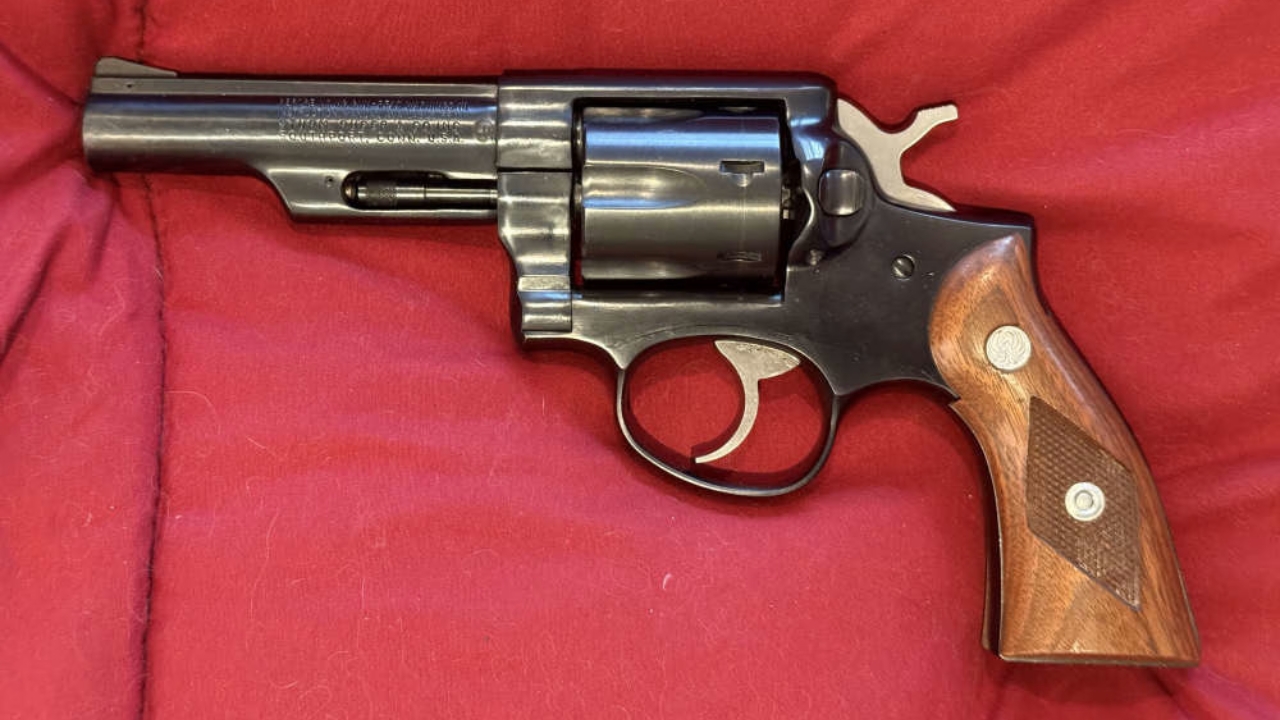
The Service-Six is the plainer, duty-focused sibling, and it shows. Fixed sights, straightforward lines, and a “don’t overthink it” attitude. I’ve seen them with honest holster wear that still lock up tighter than some newer revolvers fresh out of the box.
For a woods revolver that’s going to get knocked around, fixed sights aren’t a penalty. They’re one less thing to worry about when life gets rough.
14. Ruger Speed-Six (2.75-inch and 3-inch guns)
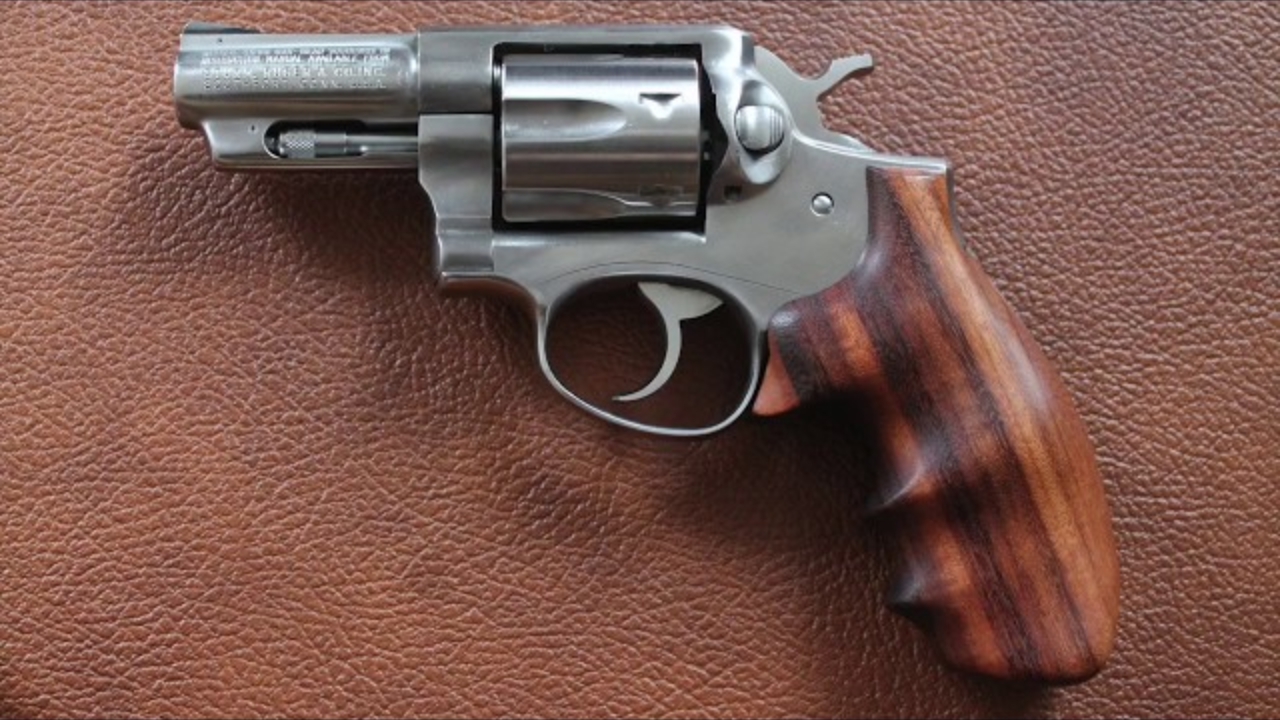
Short-barreled Speed-Sixes are about as handy as a .357 gets without turning into a painful little beast. They balance well, they carry well, and they’re built to be used, not photographed.
They’ve gotten harder to find in good shape. That one hurts, because a lot of folks sold them thinking a new snub would replace it. It usually doesn’t.
15. Ruger GP100 (Early production)
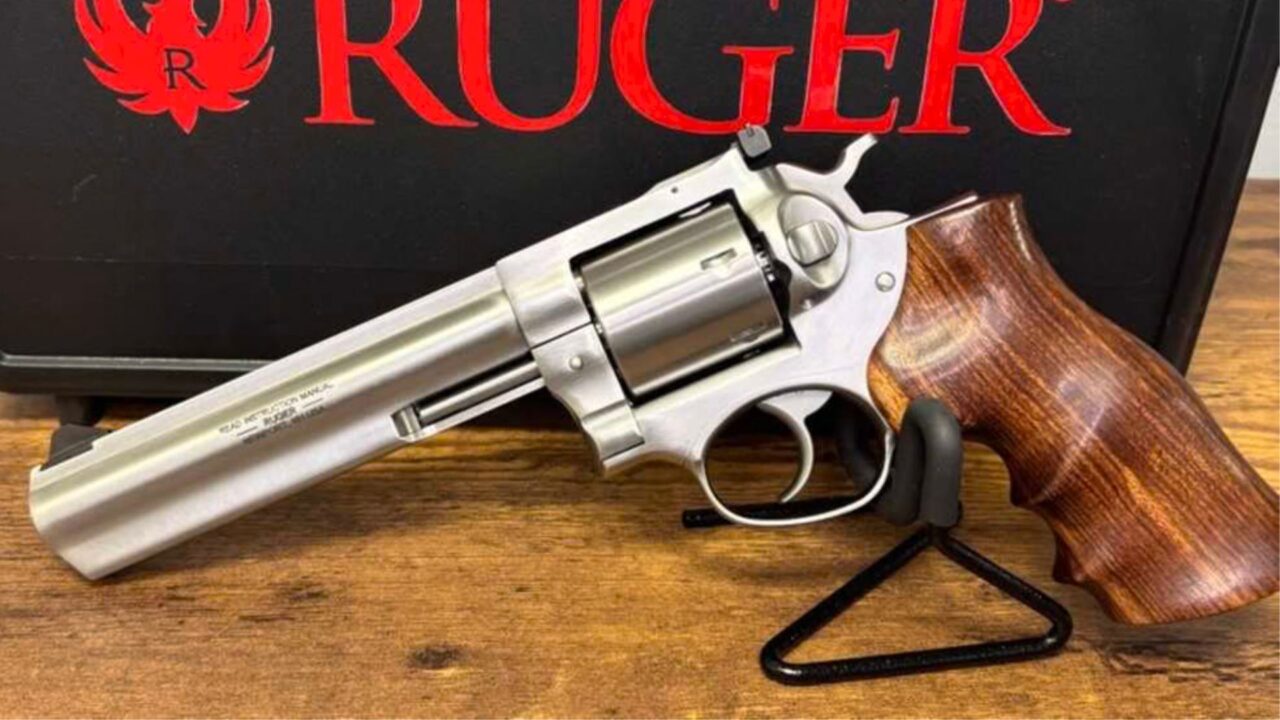
The GP100 isn’t “old” like a 1950s Smith, but early GP100s have a reputation for being overbuilt in the best way. Thick top strap, beefy crane, and the kind of strength that makes heavy .357 loads feel normal.
They’re not svelte, and you won’t forget it’s on your belt. But as a field revolver that can handle abuse, it’s still one of the most confidence-inspiring options out there.
16. Ruger Redhawk (Original .44 Magnum)
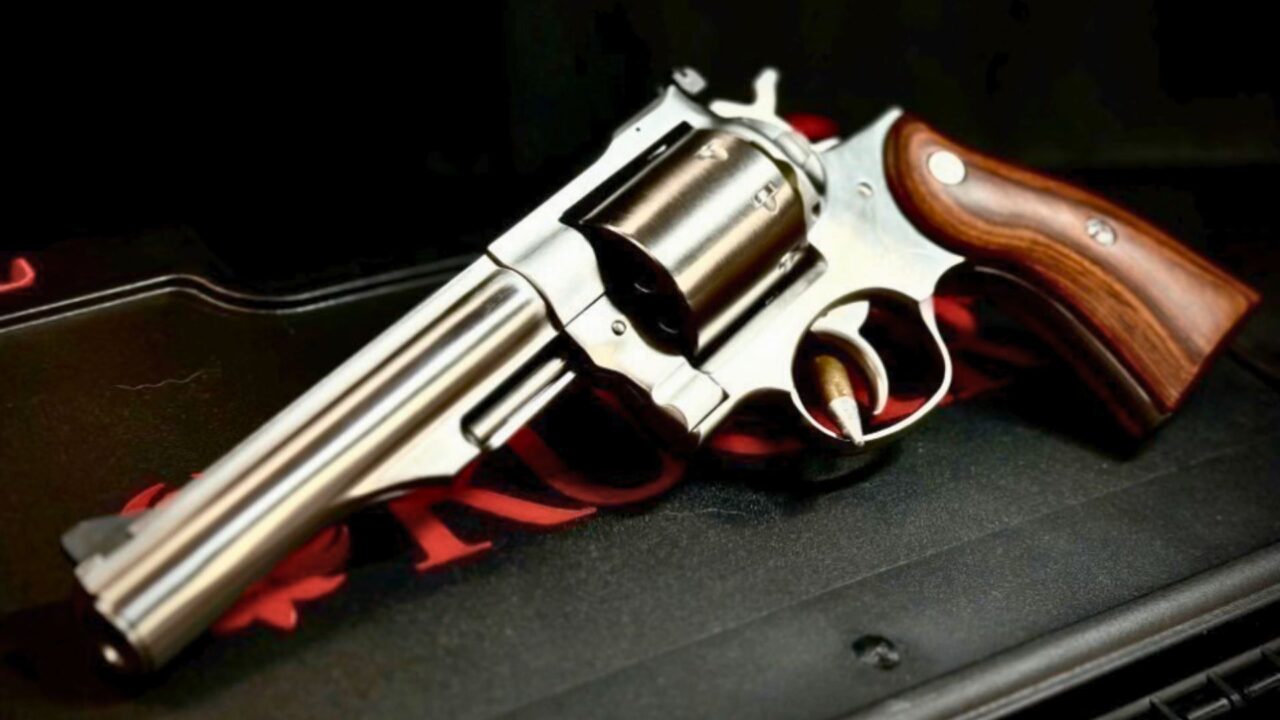
If you want a revolver for serious woods work, the old Redhawk is hard to argue with. It’s big, it’s heavy, and it doesn’t apologize. You can shoot stout loads without feeling like the gun is being asked to do something it wasn’t meant for.
It’s not a casual carry gun unless you’re committed to a good holster and belt. But for bear country or as a hunting sidearm, the Redhawk’s “built like a tank” reputation is earned.
17. Ruger Blackhawk (Three-screw models)
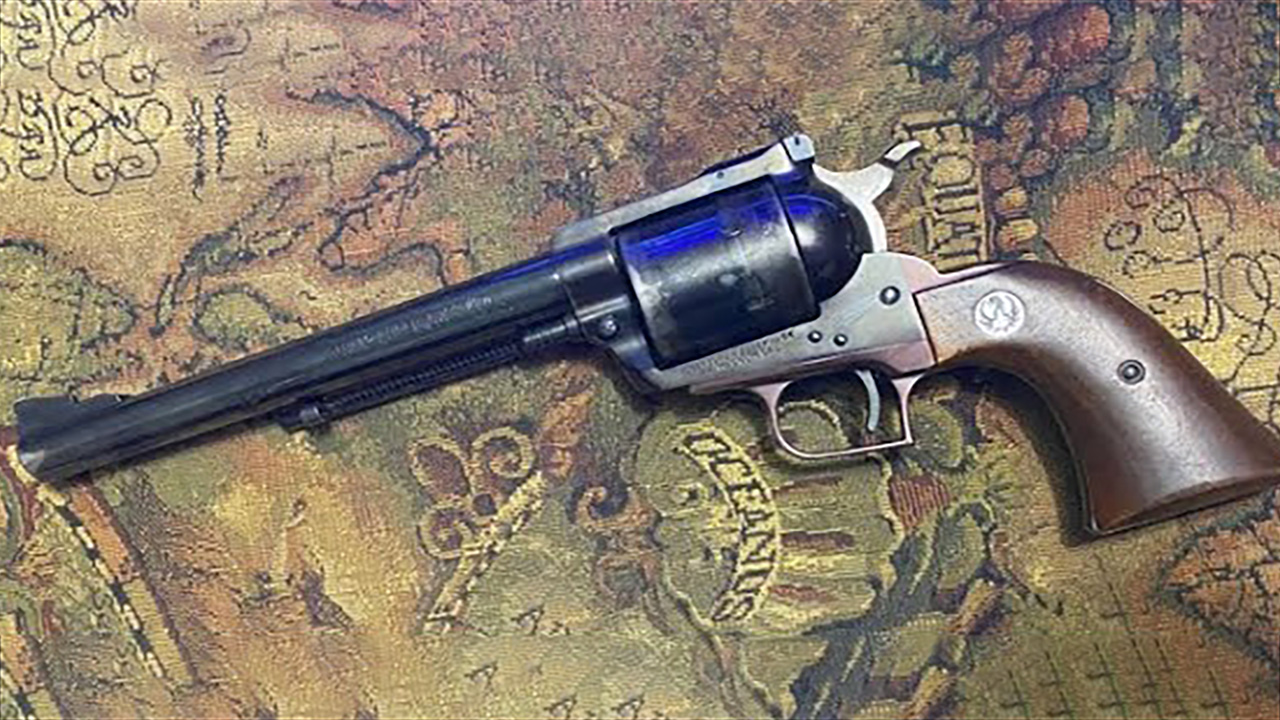
Single-actions aren’t everybody’s daily tool, but a good old Blackhawk still does what it’s always done: shoot straight and handle real power without drama. The grip shape and roll in recoil can be more comfortable than people expect.
You do have to respect the older lockwork and understand what you’re carrying. Still, for hunting, plinking, and general ranch use, the three-screw guns have a feel that newer versions don’t quite replicate.
18. Ruger Super Blackhawk (.44 Magnum)
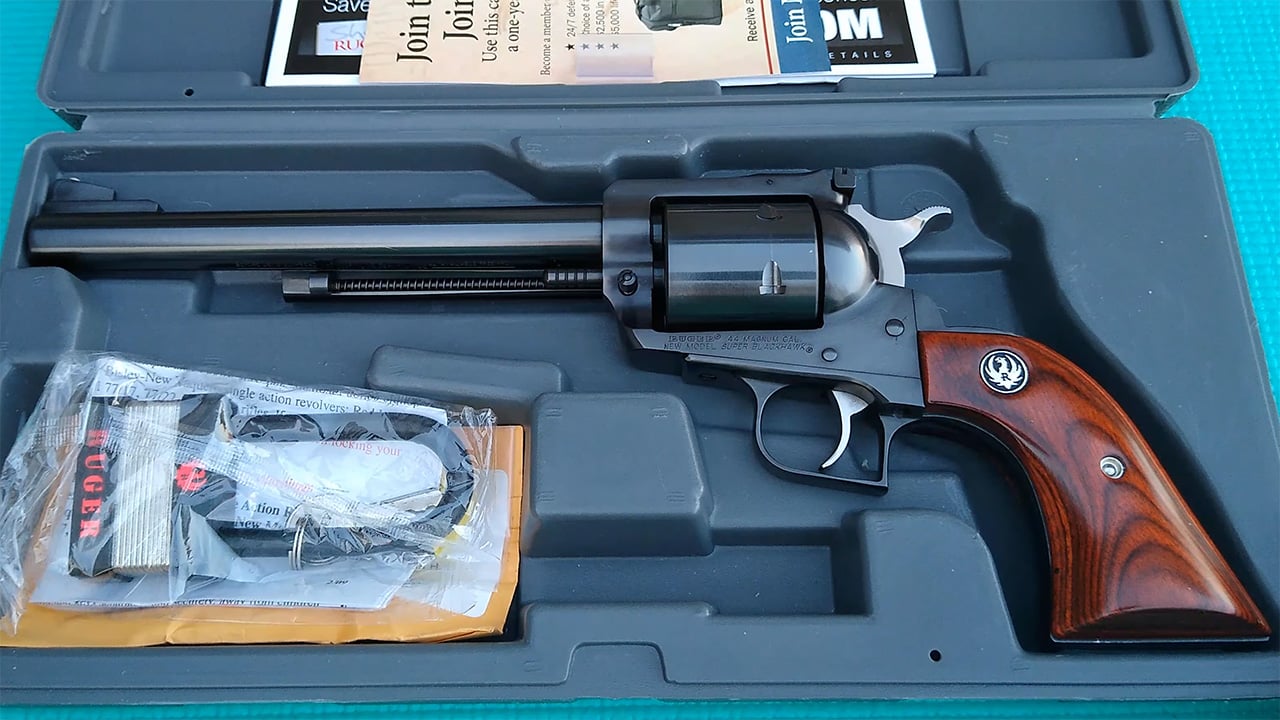
There are newer .44s with rails, ports, and all kinds of “features.” Then there’s the Super Blackhawk: strong, simple, and accurate. In a good chest rig, it’ll ride through brush and bad weather just fine.
This is one of those revolvers that makes you practice. Not because it’s punishing, but because it rewards good fundamentals in a way that a lot of modern, heavy double-actions can mask.
19. Dan Wesson Model 15 (.357 Magnum)
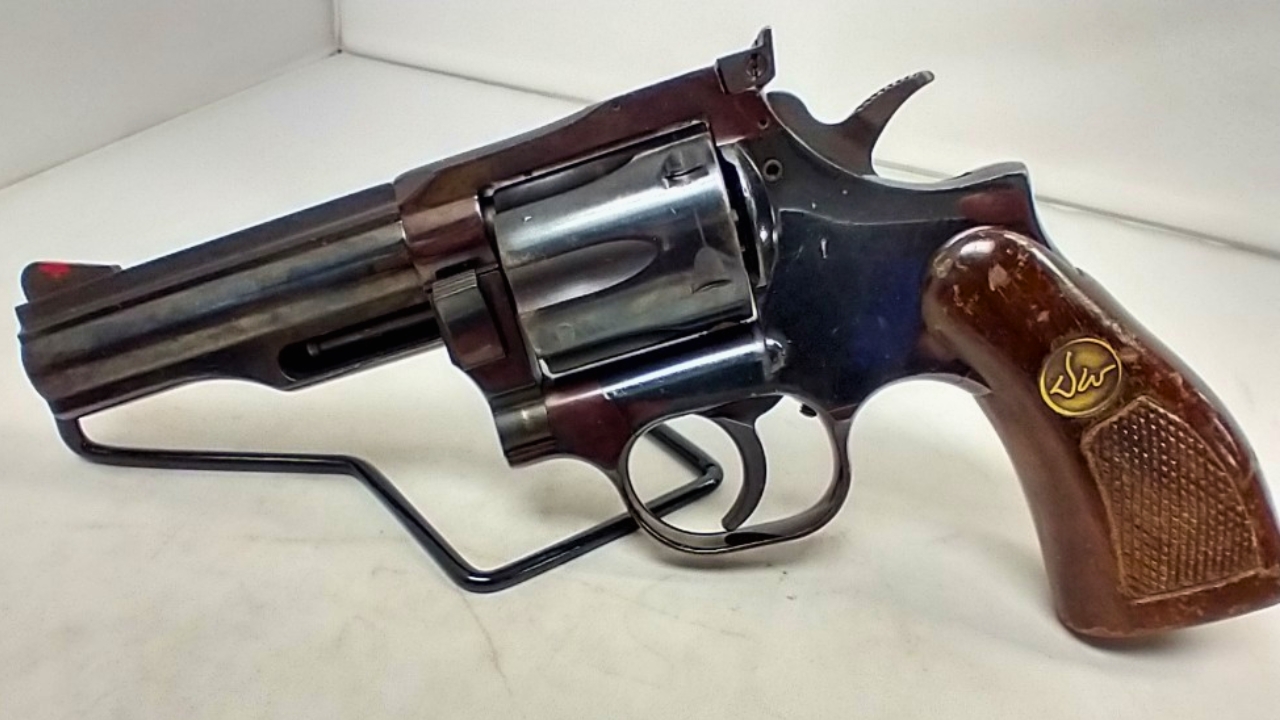
Dan Wesson revolvers don’t get the same casual attention at the range, but the people who know them usually don’t let them go. They’re accurate, strong, and often have better-than-expected triggers once you spend a little time with them.
The look is utilitarian, and that’s fine. What matters is they shoot, and they stay consistent. For someone who wants performance without paying for a name, these are sleepers.
20. Smith & Wesson Model 29 (Classic .44 Magnum)
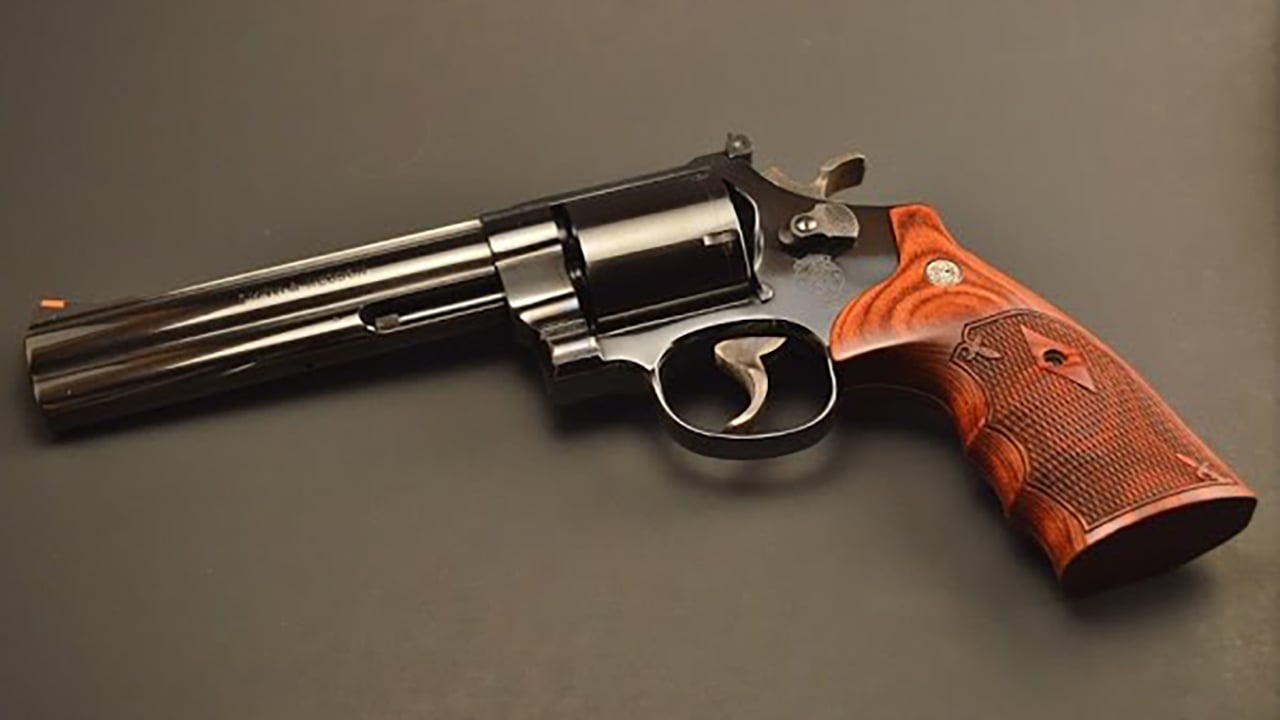
The Model 29 is not the best choice for everyone, and it’s definitely not the cheapest way to throw .44s downrange. But a good older one has a balance and trigger feel that modern attempts often miss while chasing “improvements.”
As a hunting revolver or a serious backcountry sidearm, it’s still a standard. Keep it maintained, don’t get reckless with hot-rodding, and it’ll do what it was built to do. There is nothing fancy about that, and that is kind of the point.
New revolvers aren’t automatically bad. Some are excellent. But a lot of modern production feels like it’s built for a quick unboxing video instead of a lifetime of holsters, wet mornings, dusty gloveboxes, and cold fingers. If you stumble into any of the classics above in good shape, don’t be too quick to pass just because it isn’t new.
Like The Avid Outdoorsman’s content? Be sure to follow us.
Here’s more from us: