Photo credit: Guns and Guitars/YouTube
Hunters get attached to rifles for all kinds of reasons that have very little to do with how those rifles actually behave once the season gets ugly. A rifle may carry a famous name, a family memory, a strong old reputation, or the kind of styling that still makes people feel like they bought something “real.” That attachment can survive a lot. It can survive missed opportunities, disappointing groups, rough handling in the field, and even the quiet realization that the rifle did not really deliver when it mattered most.
That is what makes this category so interesting. These are not always terrible rifles. Some are good in the right context. Some were genuinely strong choices in their day. But they are also rifles hunters keep defending long after real use started exposing the cracks. These are the rifles people still speak warmly about even after they have already been reminded, sometimes more than once, that reputation and reliability are not the same thing.
Springfield Armory M1A
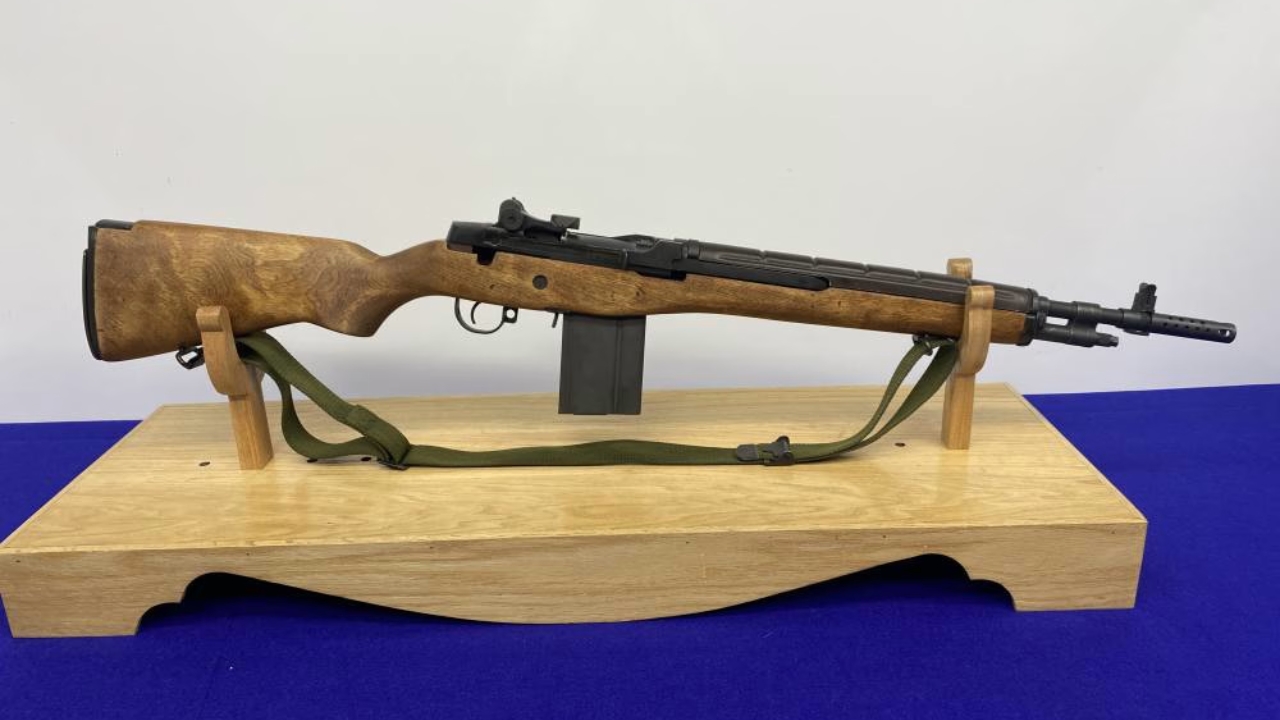
The Springfield Armory M1A gets praised because it still looks and feels like a serious rifle should, at least in the imagination of a lot of buyers. It has the wood-and-steel appeal, the military-style aura, and enough size to make owners feel like they bought something more substantial than a plain modern semi-auto. That kind of image carries a lot of emotional weight.
The problem is that field use tends to bring the practical issues into focus fast. Weight, scope setup, bulk, and general carry comfort can become a lot less charming once the rifle actually has to leave the bench and go hunting. Even then, plenty of owners keep talking about it like the old promise still matters more than what the rifle actually asked of them in the field.
Remington 742 Woodsmaster

The Remington 742 Woodsmaster is one of those rifles older hunters still speak about with a lot of affection, even though many of them know exactly how frustrating the platform could be over time. It carried easily enough, looked good enough, and represented the autoloading deer rifle for a lot of camps and families. That memory still does a lot of the heavy lifting for it.
But memory is not the same thing as performance. Hunters who used them hard often learned about wear, long-term durability issues, and the limits of the rifle the difficult way. Even so, the praise never fully dies. A lot of hunters keep defending the 742 because it belonged to a certain era of deer hunting they do not want to criticize too honestly.
Browning BAR Safari
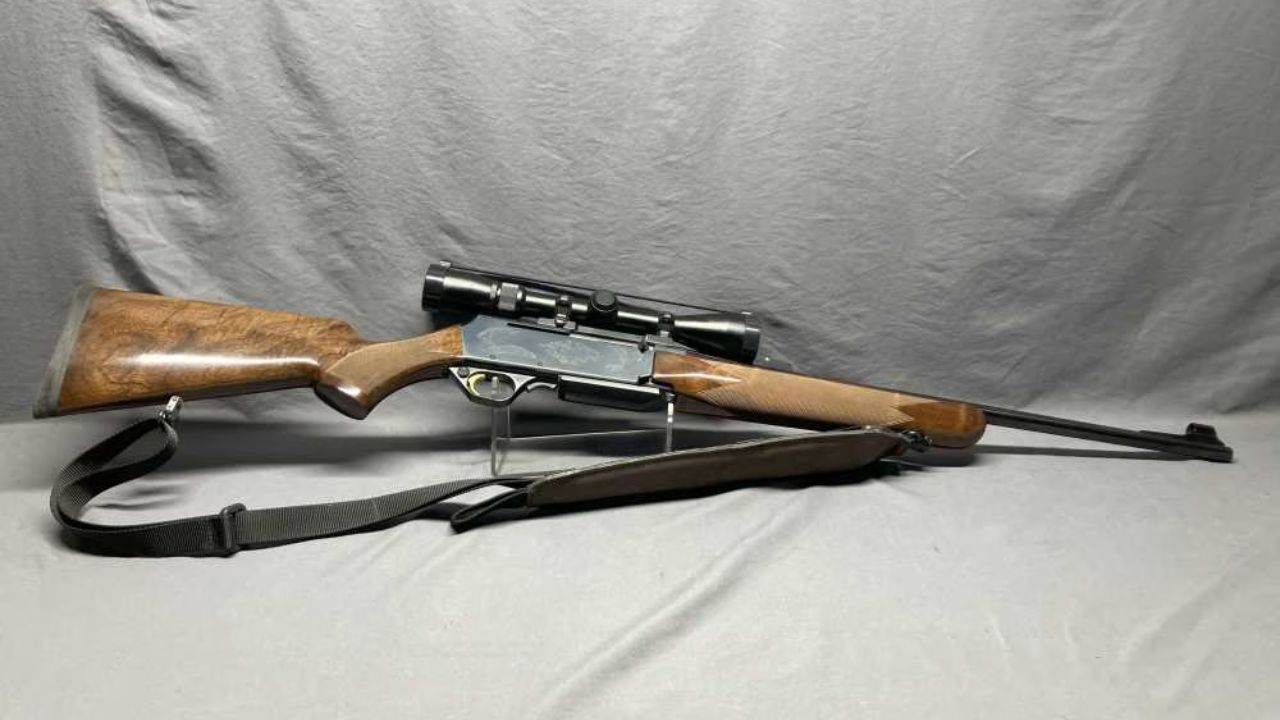
The Browning BAR Safari keeps getting praised because it still feels like the upscale hunting autoloader, the rifle you bought when you wanted something nicer than the average deer gun. That image is powerful, especially with the Browning name behind it. Hunters often talk about it like that alone should settle any practical concerns.
Then the real-world tradeoffs show up. Weight, cost, and the simple fact that not every hunter really needs that kind of rifle start making themselves known. But plenty of owners still keep talking about the BAR like the old image remains untouched. They remember what it represented, and that often keeps the praise going even after the rifle itself has reminded them it is not always the easiest or smartest field choice.
Winchester Model 94

The Winchester Model 94 might be the purest example of hunters forgiving a rifle because of what it means. It carries deer-camp nostalgia better than almost anything else in the American market. A lot of hunters grew up around one, wanted one, or still feel like a lever gun with that name on it represents the heart of “real” hunting.
That sort of emotion can survive a lot of disappointment. Rough triggers, worn examples, less-than-ideal sights, and practical limits in the field all get brushed aside because the rifle still feels important. Hunters keep praising the 94 even after it has let them down because criticizing it honestly feels too close to criticizing the version of hunting they still want to believe in.
Remington 700 BDL

The Remington 700 BDL keeps getting praised because it still looks like the classic polished hunting rifle a lot of hunters grew up admiring. Glossy wood, checkering, and the old Remington 700 reputation created a powerful image that still has plenty of followers. Even now, some hunters talk about the BDL like it is automatically the classy, correct answer.
Then they get back into real use and start remembering that nice wood and old reputation do not make a rifle easier to carry in bad weather or more sensible in a market full of simpler, more practical alternatives. Still, many owners keep praising the BDL because it scratches the old idea of what a “proper” hunting rifle should be, even after real use has made that idea harder to defend.
Ruger Mini-14

The Ruger Mini-14 keeps drawing loyalty because it hits a certain sweet spot in people’s heads. It feels familiar, looks harmless enough to avoid some of the baggage other semi-autos carry, and gets talked about like the practical man’s ranch rifle. That image helps people forgive a lot.
Hunters and rifle owners who have been disappointed by price, accuracy expectations, or performance compared with modern alternatives often still keep speaking fondly about the platform. That is because the Mini is not living only on what it does. It is living on what people want it to mean. And that kind of symbolic value can outlast a lot of real-world letdowns.
Savage 99

The Savage 99 keeps getting praised because it has that underdog prestige people love. It is the “smart” old rifle, the one knowledgeable hunters and old-timers nod at with a little extra respect. That makes it easy for owners to keep speaking warmly about it even after the rifle has reminded them that old and interesting are not always the same as easy and practical.
That is where the gap starts. Hunters may struggle with finding the exact example they hoped for, paying more than they should, or realizing they bought more nostalgia and personality than actual field advantage. Even then, the praise stays strong. A lot of the admiration around the 99 is tied to what it says about the owner’s taste, and that keeps it protected from the kind of criticism other rifles would not survive.
Ruger No. 1

The Ruger No. 1 gets praised because it makes people feel refined. It is elegant, different, and loaded with the kind of old-world rifleman appeal that still turns heads. Hunters love talking about it because it seems to say something about restraint, confidence, and taste. That emotional payoff is real.
The trouble is that field performance and ownership practicality do not always line up with that image. Some hunters find the rifle less convenient, less flexible, or simply harder to justify than they expected. Even then, they keep praising it because the rifle still does what they wanted most: it makes them feel like the kind of hunter who owns a Ruger No. 1. That approval can survive a lot of disappointment.
Winchester 88

The Winchester 88 gets praised because it feels like one of those clever old rifles people are supposed to appreciate. It is sleek, different, and tied to that postwar Winchester aura that still carries a lot of emotional weight. Hunters often talk about it like they are preserving something smarter and more refined than the usual old lever gun story.
That can make them unusually forgiving. The price, the wear, the practicality, even the simple reality that many buyers are paying more for the idea of the rifle than for what it gives them afield, all of that gets softened by how much people enjoy praising the concept. It is a rifle many hunters admire so much that they keep defending it even after the ownership experience got more complicated than they expected.
Weatherby Mark V Deluxe

The Weatherby Mark V Deluxe keeps getting praised because it still represents a certain vision of premium hunting-rifle ownership. High-gloss wood, dramatic lines, Weatherby branding, it all tells the buyer he chose something aspirational. Hunters who grew up seeing these rifles in magazines or gun shops often carry that impression for years.
That impression can outlast a lot of practical frustration. The rifle may feel too flashy, too expensive, or simply less suited to how many people actually hunt now, but owners often keep defending it because the emotional image stays intact. They are not only praising the rifle. They are praising what the rifle let them feel like when they bought it.
Marlin 336

The Marlin 336 gets praised because it remains deeply tied to real deer-country memory. A lot of hunters can forgive a lot when a rifle reminds them of thick woods, old camps, and the kind of hunting that still feels more honest in their heads than a lot of the modern gear conversation. That gives the 336 a lot of protection.
Even when buyers overpay, get an average example, or realize the practical value did not fully match the emotional value, the praise tends to continue. That is because the rifle still represents something they do not want to let go of. Hunters may have been let down by the market around it, but they still keep defending the rifle itself like an old friend.
Browning BLR

The Browning BLR keeps getting praised because it promises a very appealing idea: lever-gun handling with modern cartridge capability. Hunters love that combination on paper, and plenty still love it in practice. But it is also one of those rifles that can leave buyers wondering whether the concept was stronger than the actual ownership experience.
That does not stop the praise much. Owners often keep defending the BLR because they still like what it represents, even if the price, the specifics of their example, or the reality of how much they actually use it left them less thrilled than expected. Some rifles live a long time on what they promise, and the BLR is one of them.
Pre-64 Winchester Model 70
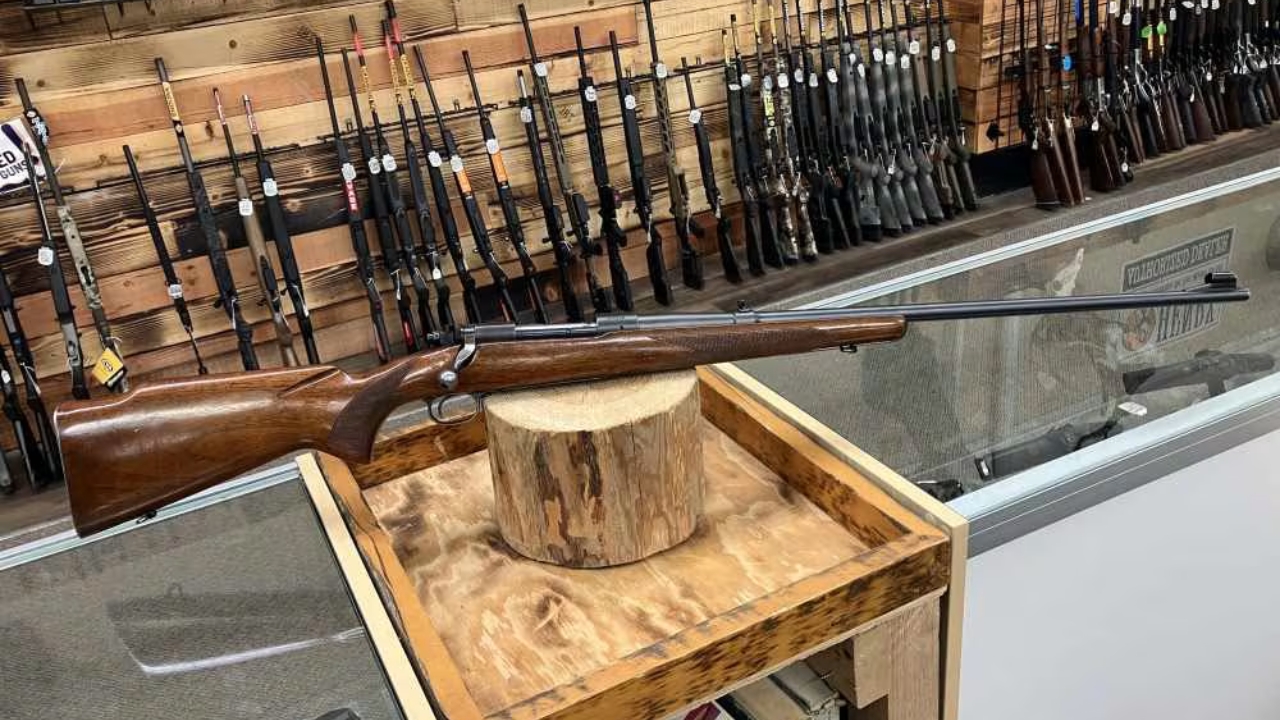
The pre-64 Winchester Model 70 gets praised almost automatically, which is exactly why it belongs here. The phrase itself carries such force that a lot of hunters stop thinking critically the second it comes up. The reverence is real, and some of it is deserved. But that reverence also helps the rifle survive criticism many other rifles would never get past.
Hunters may overpay, end up with a common chambering in average condition, or realize the practical hunting value was not nearly as magical as the collector language suggested. And still, the praise goes on. Once a rifle becomes that symbolic, owners stop wanting to evaluate it honestly. They start protecting the idea of it instead, and that is exactly what keeps the praise alive after disappointment.
Like The Avid Outdoorsman’s content? Subscribe to our newsletter so you never miss an article.
Here’s more from us: