Photo credit: KSGunGuy/YouTube
Some handguns hit the market riding a wave of polished advertising, big promises, and carefully staged imagery. But once shooters actually spend time with them—running drills, carrying them daily, or trying to keep them running through a full weekend—the marketing glow fades fast. Performance flaws show up that you never saw in the brochures.
Some pistols look great in print yet struggle with triggers, reliability, ergonomics, or long-term consistency. These are the kinds of handguns that remind you skill matters, but the gun still has to do its part.
Springfield XD-E
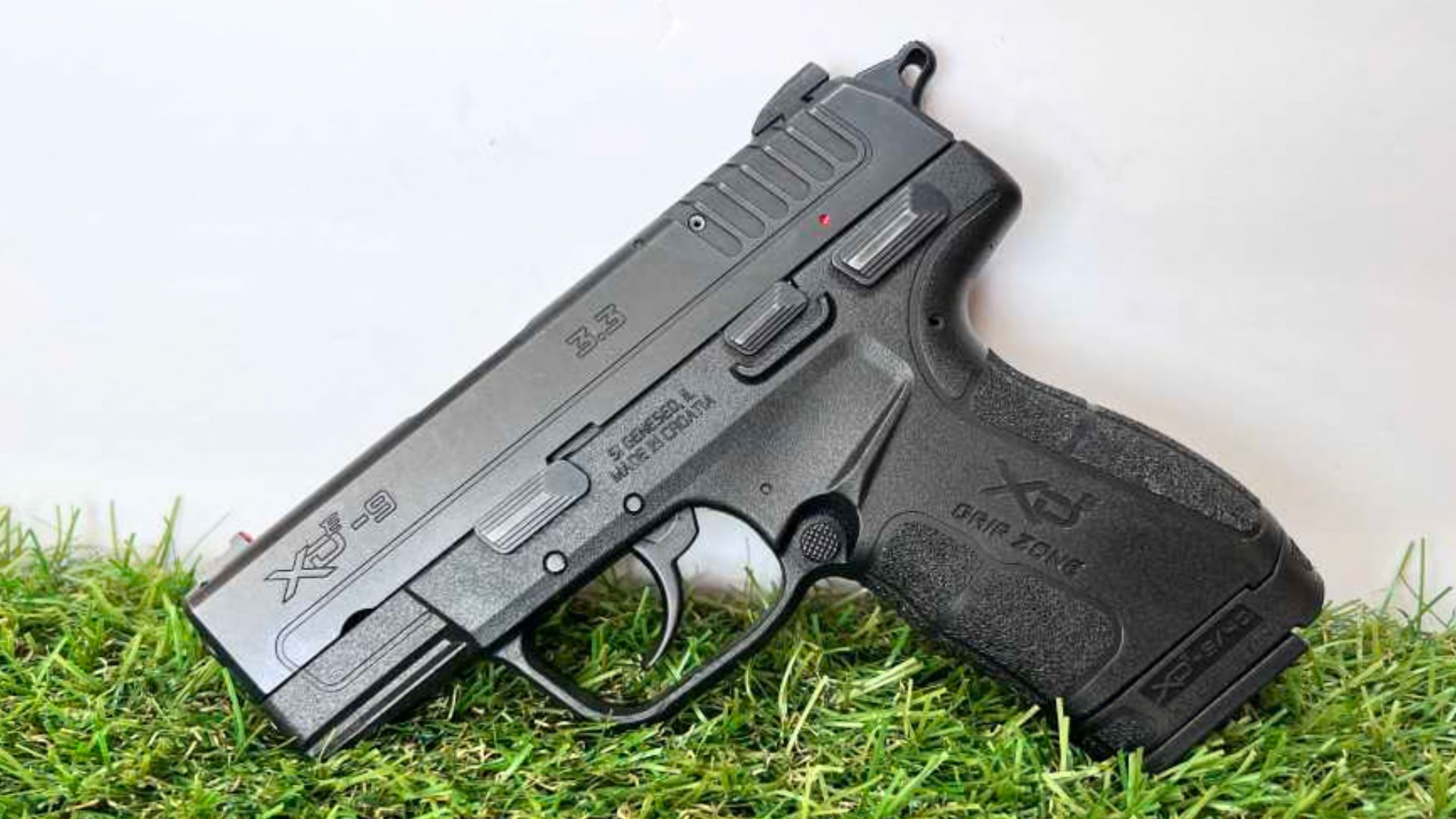
The XD-E looked like a fresh take on a hammer-fired carry gun, backed by strong promotional push. Once shooters got their hands on it, the heavy double-action pull and sharp transition to single-action created more adjustment than expected. The slide also required noticeably more effort to rack, which surprised people who bought into the “easy handling” messaging. While reliable, the shooting experience felt stiffer and less intuitive than the marketing suggested. It’s a pistol that never fully matched the smooth, approachable tone that surrounded its launch.
Mossberg MC1sc

Mossberg stepped into the handgun world with plenty of excitement around the MC1sc. The clear magazines and sleek lines made it stand out, and the early promotion positioned it as a serious contender in the single-stack market. But many shooters found inconsistent feeding with certain hollow points and a trigger that felt less refined than rivals in the same price range. Accuracy was serviceable but rarely outstanding. For all the buzz that surrounded its release, the MC1sc didn’t deliver the standout performance the ads hinted at.
FN 503
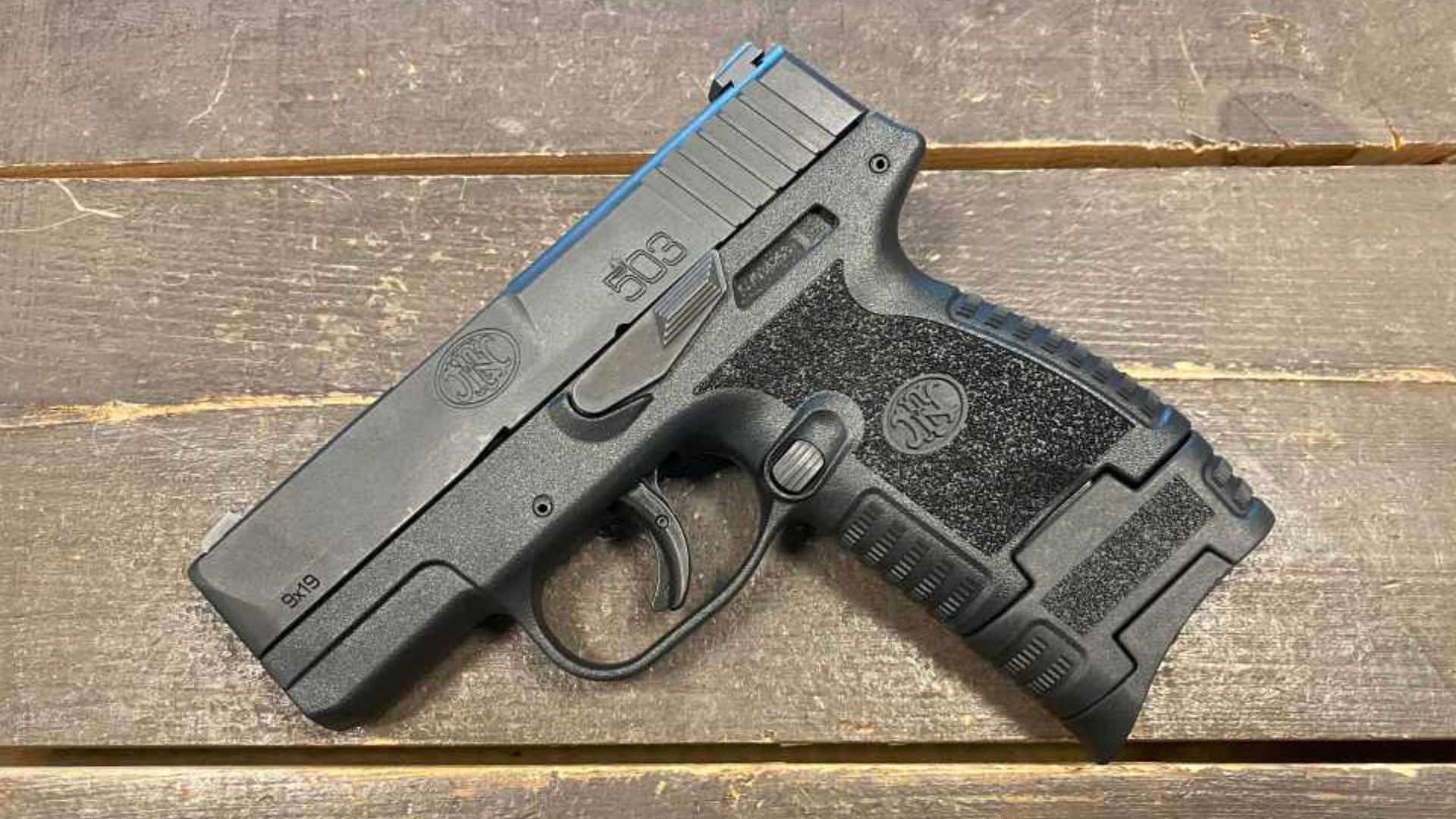
The FN 503 arrived with the backing of a well-respected brand, which raised expectations immediately. The marketing highlighted its durability and “fight-ready” design. But shooters quickly noticed the stout slide, heavy recoil impulse for the size, and a trigger that felt slower than expected. While reliable, it’s a tough pistol to run confidently under pressure. The promise of refined ergonomics didn’t quite translate to speed or comfort on the range. It looked like a top-tier carry option, but the performance never matched the reputation of the logo on the slide.
Ruger SR9c
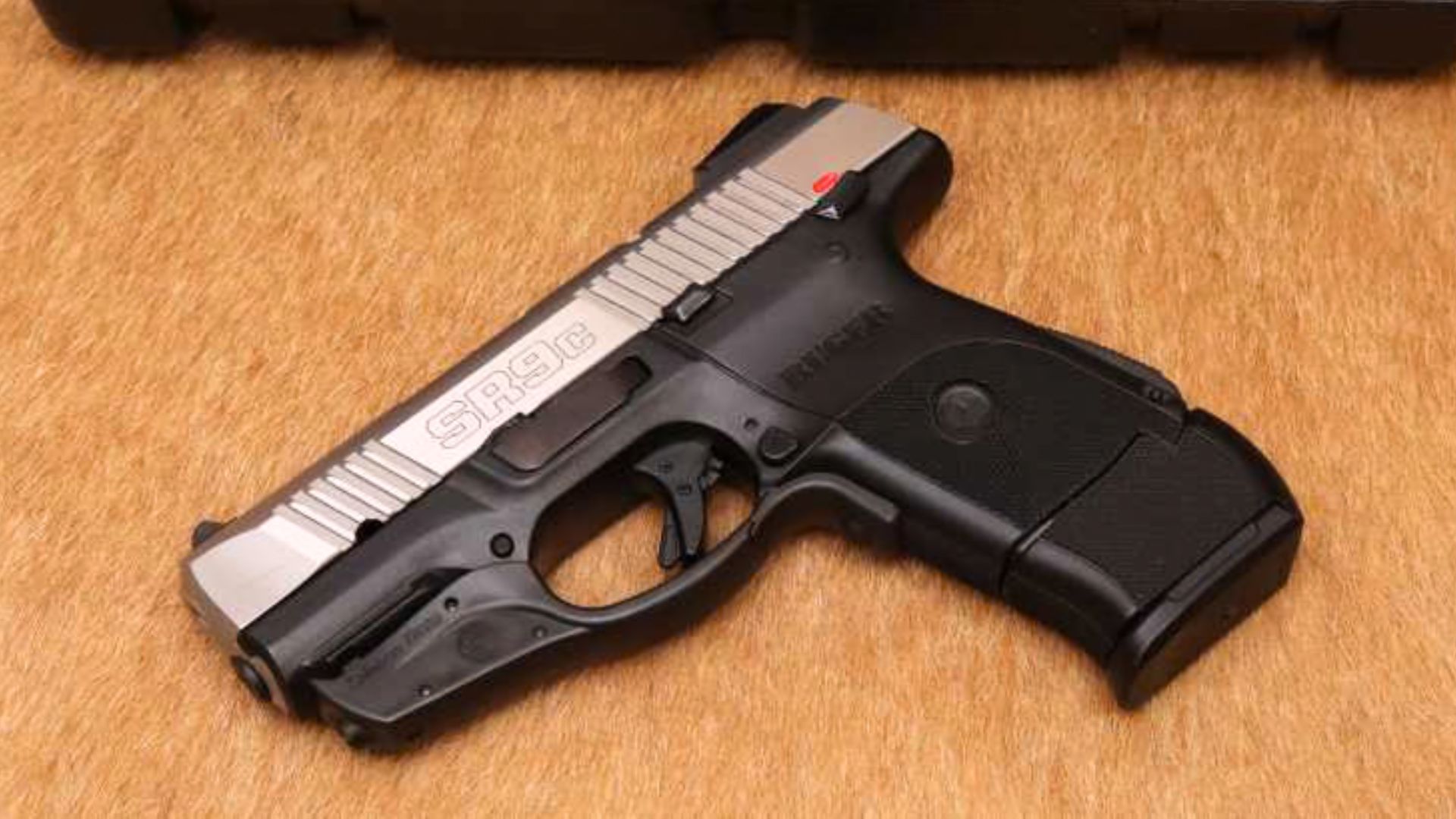
The SR9c earned attention for its slim profile and value-focused positioning. Ruger promoted it as a comfortable, accurate, everyday carry choice. Range sessions, however, often revealed a trigger that felt mushy and unpredictable compared to current competitors. Some shooters also struggled with the long reset, which slowed follow-up shots. Accuracy varied from pistol to pistol, and the magazine disconnect safety added quirks to maintenance. The gun had potential, but it never quite lived up to the strong early marketing push.
Canik TP9SA (Early Models)
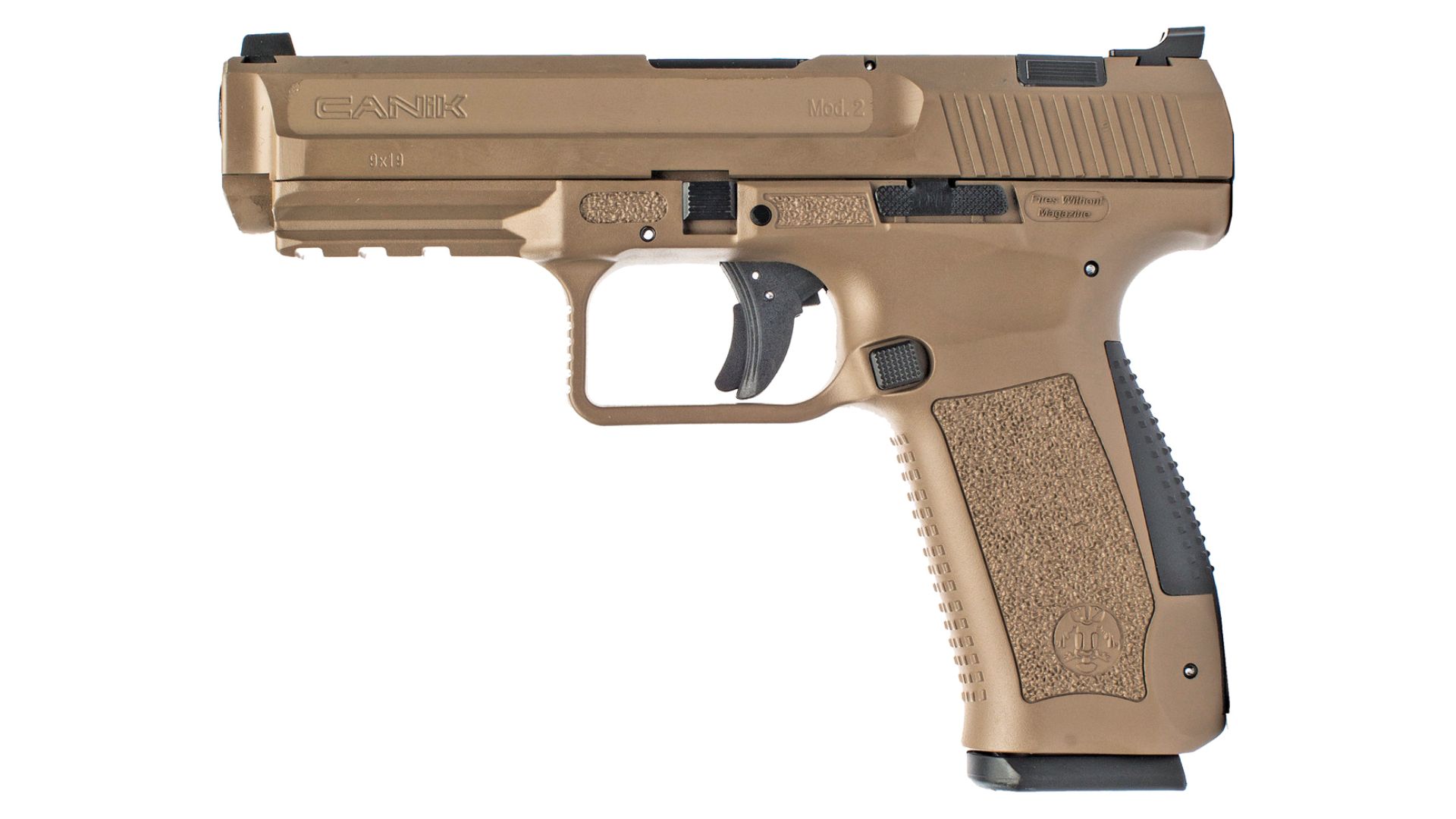
Canik’s TP9SA brought in a lot of excitement with eye-catching price tags and promises of competition-grade triggers. While many shooters enjoyed the trigger feel, the early decocker placement on top of the slide created safety concerns and ruined confidence for a carry gun. The pistol performed well in slow fire, but under stress, that decocker location turned into a real drawback. Marketing painted it as a ready-to-go solution for defense or range use, but the design choice held it back.
Smith & Wesson M&P9 1.0 Compact
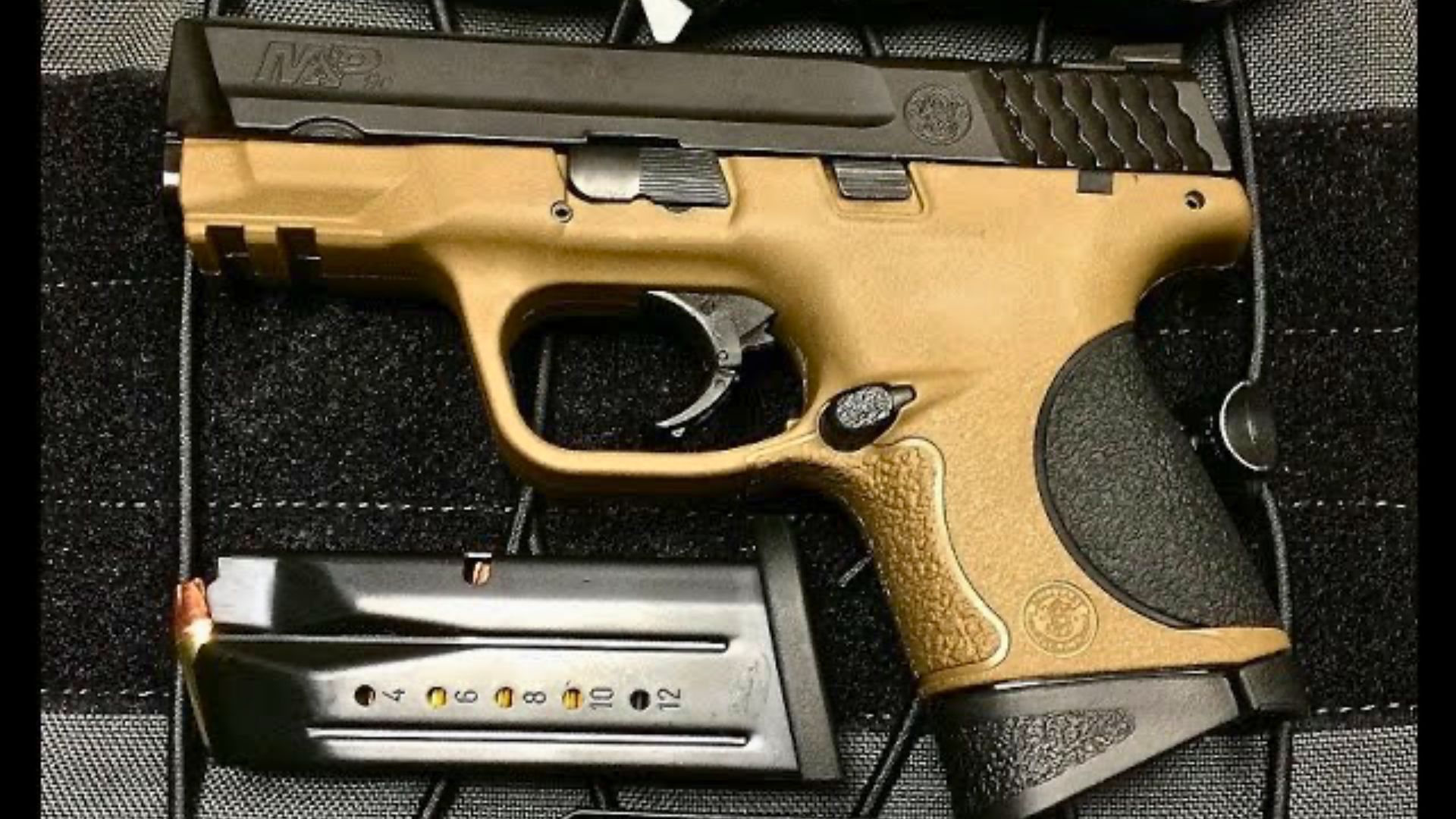
Before the 2.0 line fixed a lot of issues, the original M&P9 Compact was pushed hard as a competitor to the Glock 19. The ads highlighted ergonomics and user-friendly controls. But the early triggers felt spongy with almost no tactile reset, affecting accuracy and confidence. Many shooters also noticed mediocre precision with certain loads, and the grip texture felt too smooth when conditions got sweaty. It wasn’t a bad gun, but it never reached the performance level its marketing suggested.
KelTec P-11
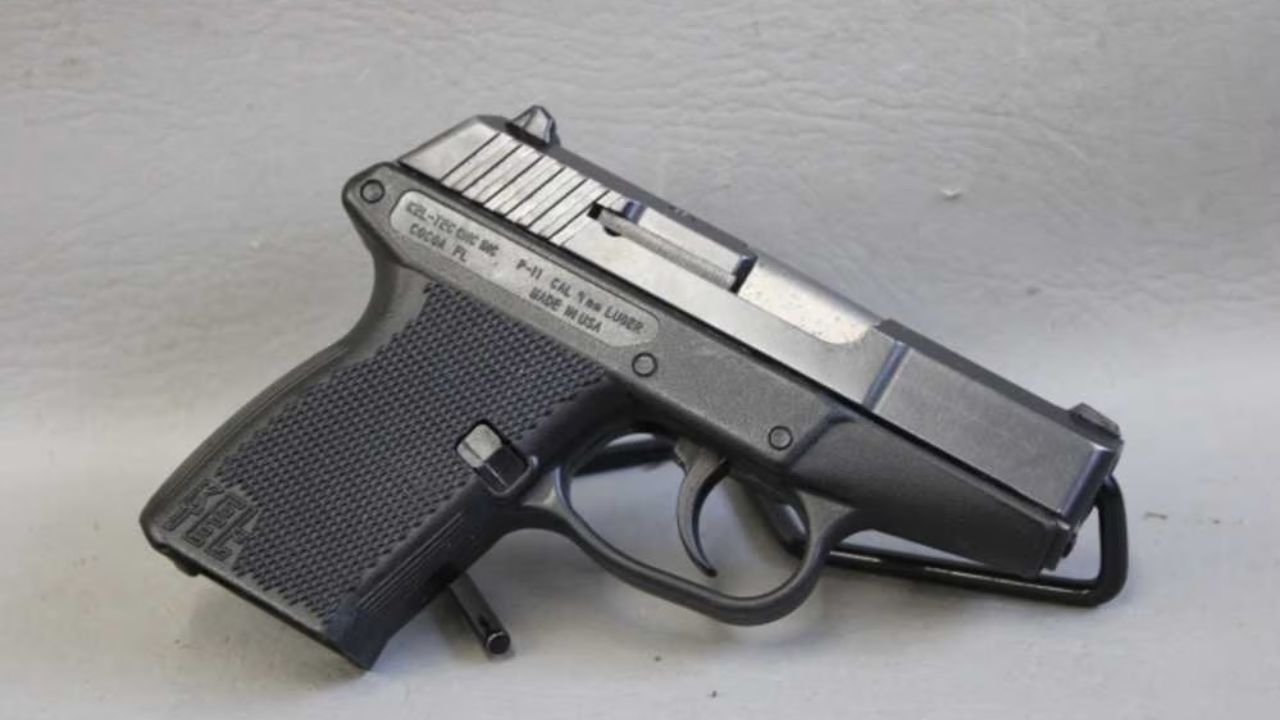
The P-11 had a reputation for being an ultra-light, affordable carry gun with surprising capacity. Marketing leaned into its compact size and practicality. Once on the range, though, the heavy, long trigger pull made accurate shooting tough. Recoil felt sharp, and the sights didn’t offer much help during fast strings. While durable enough, the shooting experience left many feeling misled by the promotional material. It offered good ideas, but not the execution people expected.
Bersa BP9CC
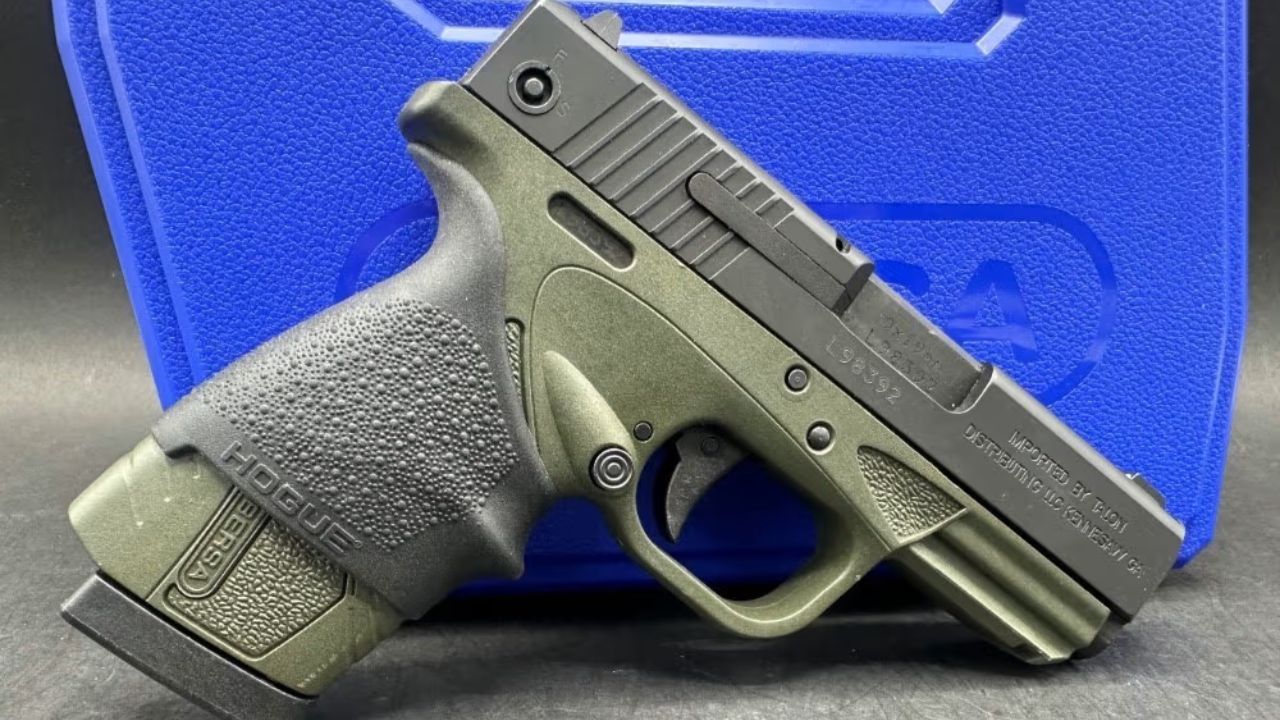
The BP9CC showed up with clean lines, a thin profile, and a marketing push that positioned it as an under-the-radar carry gem. But experienced shooters quickly noted the gritty trigger feel and inconsistent reset. Some users also reported issues with extractor tension and slide reliability after extended sessions. Even though it felt good in hand, the real performance couldn’t quite meet the confident messaging behind its launch. It promised a lot, but delivered only part of it.
EAA Witness Pavona
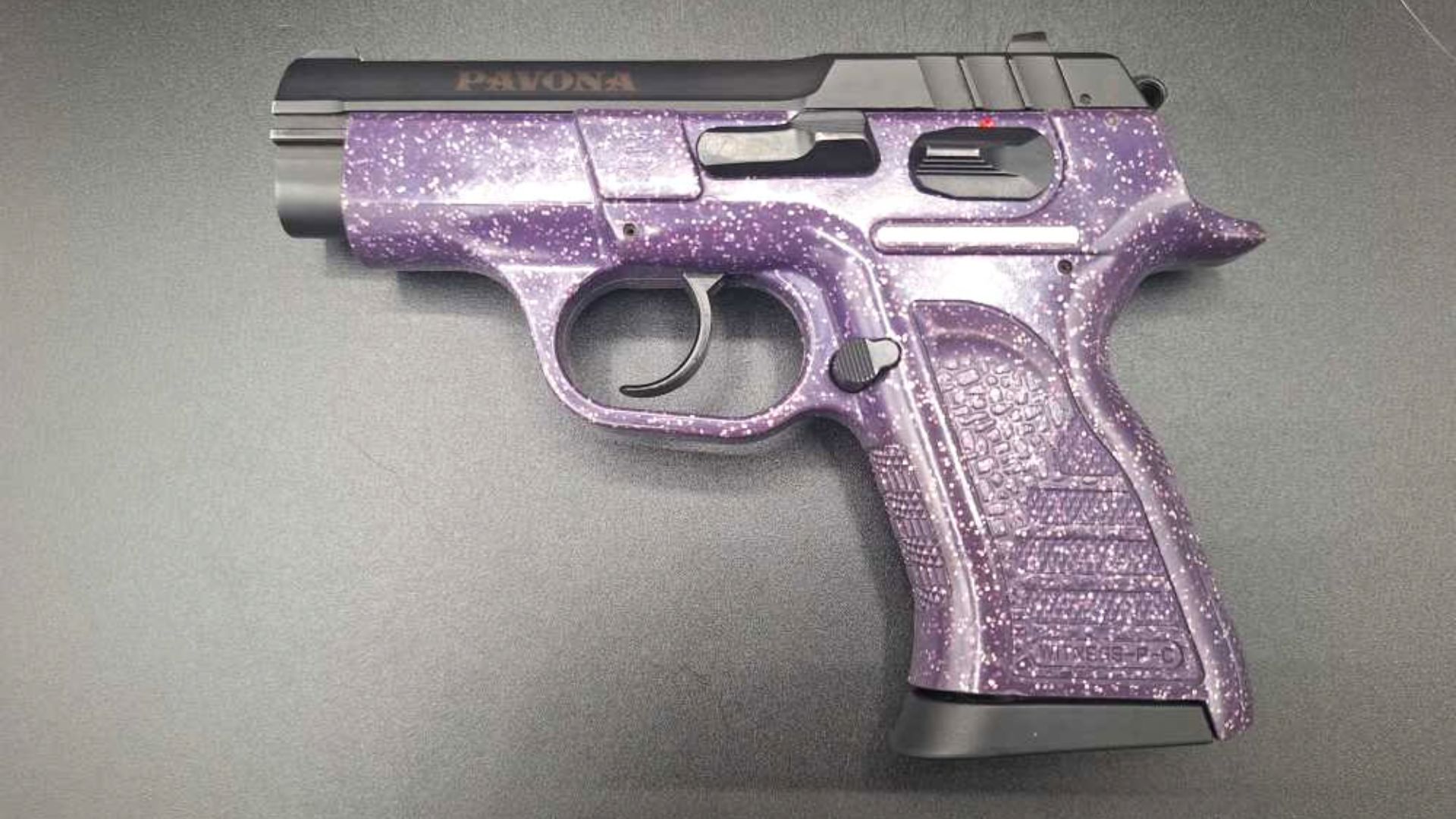
The Pavona was marketed heavily toward new shooters with promises of soft recoil and approachable ergonomics. But beneath the surface, it retained the heavier weight and sharper cycling of traditional Witness pistols. The slide serrations weren’t always easy to grab, and the trigger feel varied widely between samples. The pistol looked sleek and approachable, yet the range experience told a different story. Marketing leaned hard into appearance while glossing over the learning curve.
Charter Arms Pitbull 9mm
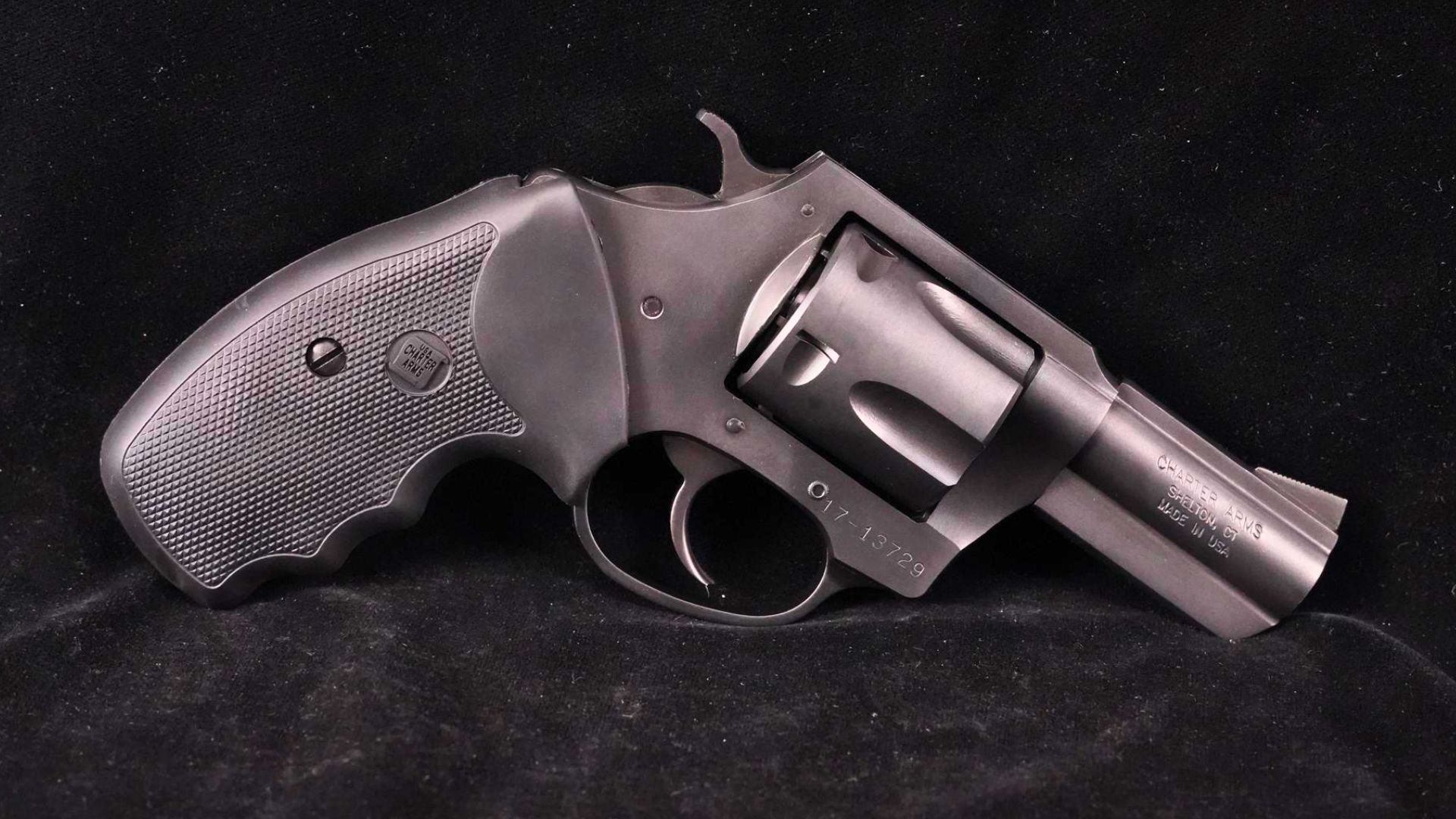
The Pitbull 9mm sounded exciting with its rimless-cartridge extraction system and strong branding around versatility. Once shooters spent time with it, the extraction system proved finicky and occasionally stiff. Accuracy was serviceable but not impressive, and recoil had a snappier feel than expected for a revolver. While the idea was compelling, the performance didn’t fully match the marketing pitch. It felt more experimental than refined.
Bond Arms Backup
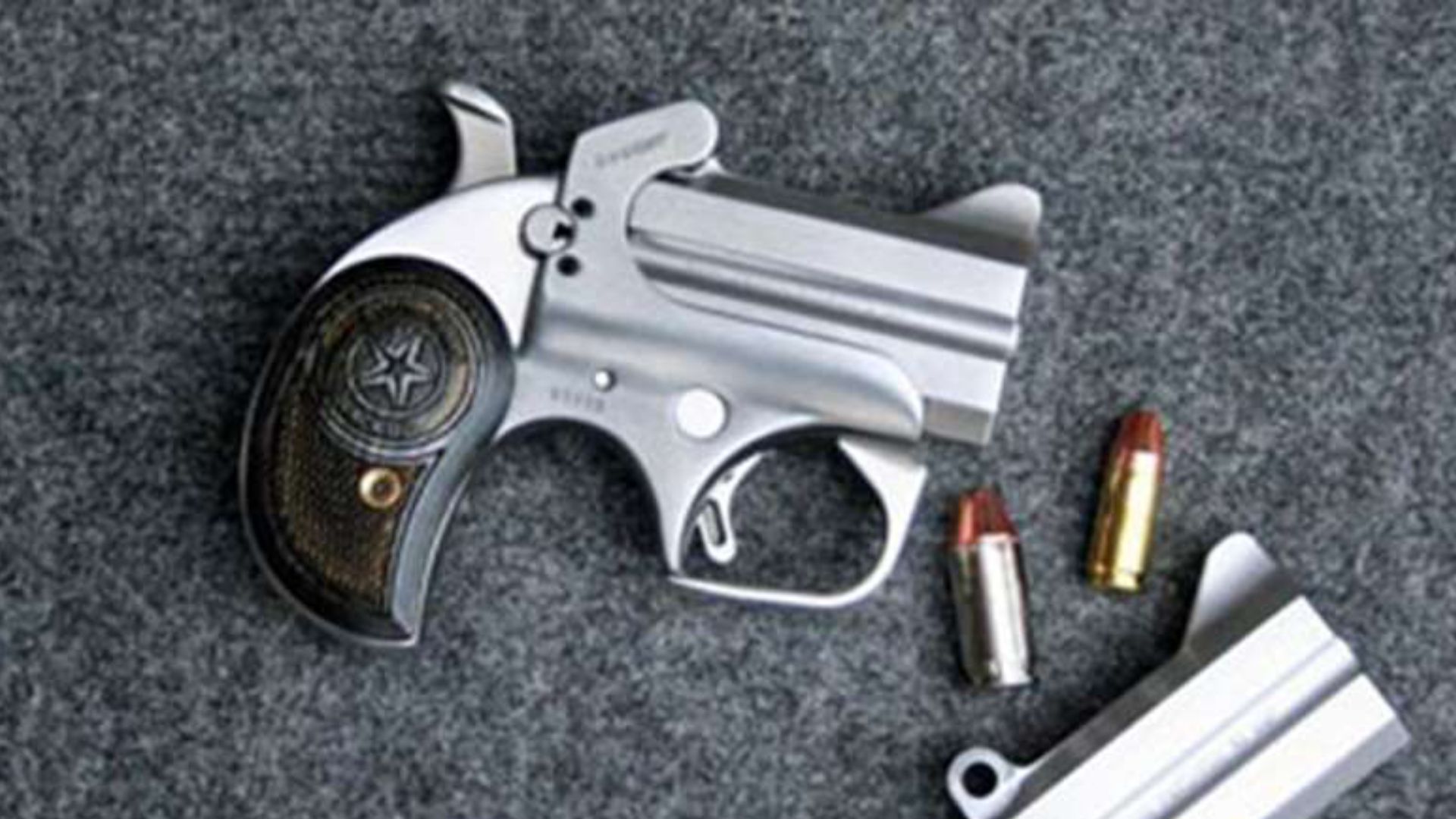
Bond Arms promoted the Backup as a rugged, no-compromise defensive derringer with modern touches. In-hand, though, the stiff recoil, limited capacity, and heavy trigger made consistent shooting tough. Advertisements implied serious defensive capability, but the range reality showed a firearm better suited for novelty than primary carry. It’s well-made, but the performance ceiling is significantly lower than the branding implied.
Rock Island Armory M200
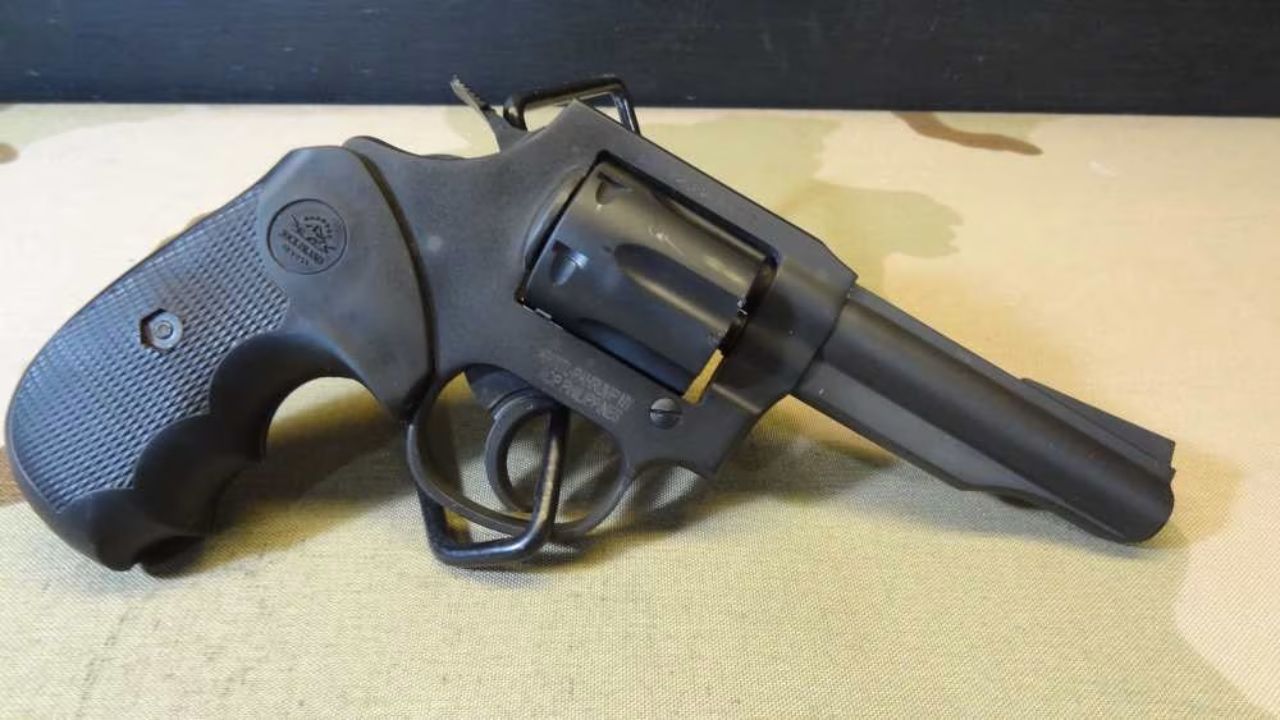
The M200 was marketed as a budget-friendly revolver that delivers straightforward reliability. But end users found uneven triggers, loose lockup on some samples, and accuracy that wandered more than expected. It’s appealing at first glance, especially for the price, but it rarely performs at the level the promotional material suggested. The concept is solid, yet execution lags behind.
Zastava EZ9
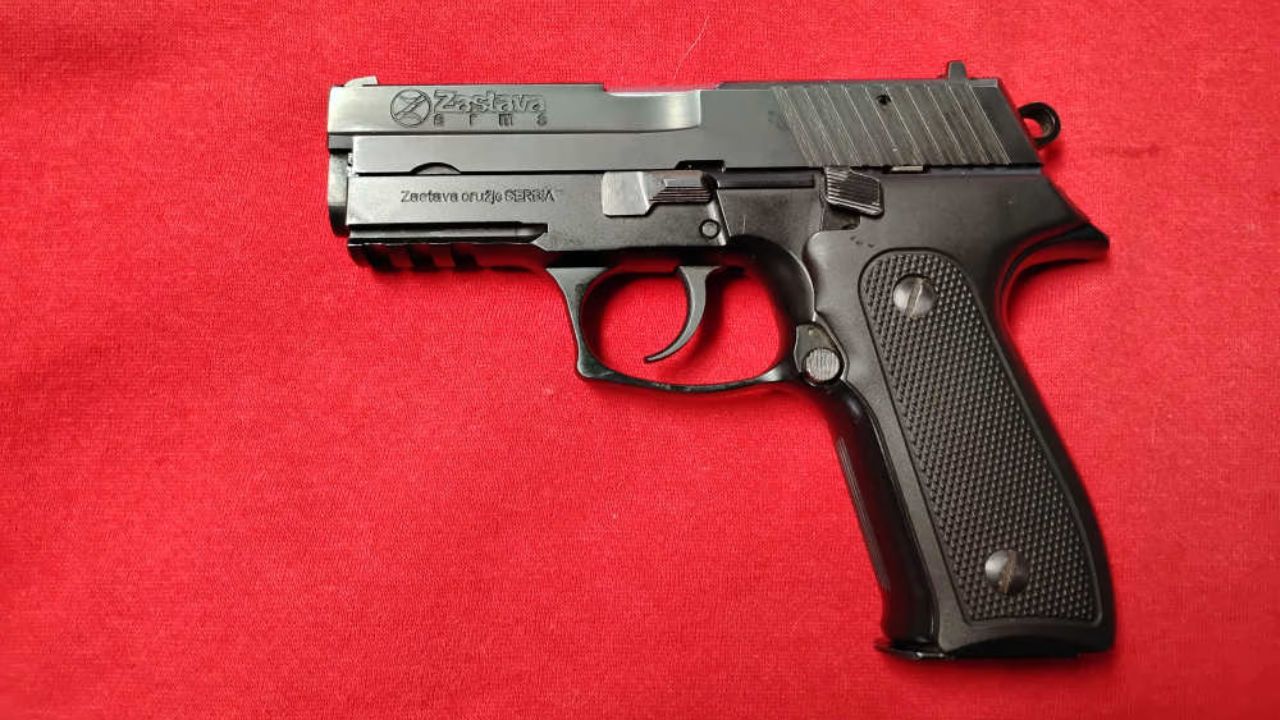
The EZ9 carried strong marketing around Serbian police and military pedigree. That history created high expectations, but in civilian shooting, the pistol often felt heavier and less balanced than the ads showed. The trigger had noticeable creep, and accuracy sometimes dipped with common FMJ loads. It’s a sturdy pistol, but the marketing painted it as more refined and polished than most shooters experienced.
Taurus PT111 G2 (Early Production)

Before the reputation improved with later models, early PT111 G2s were pushed with big claims of reliability and carry-worthiness. Shooters discovered inconsistent accuracy, magazine issues, and triggers that felt unpredictable. While the pistol has evolved, those early production runs didn’t support the bold marketing tone. The gap between advertising and performance was clear during sustained range use.
ATI FX45 Compact
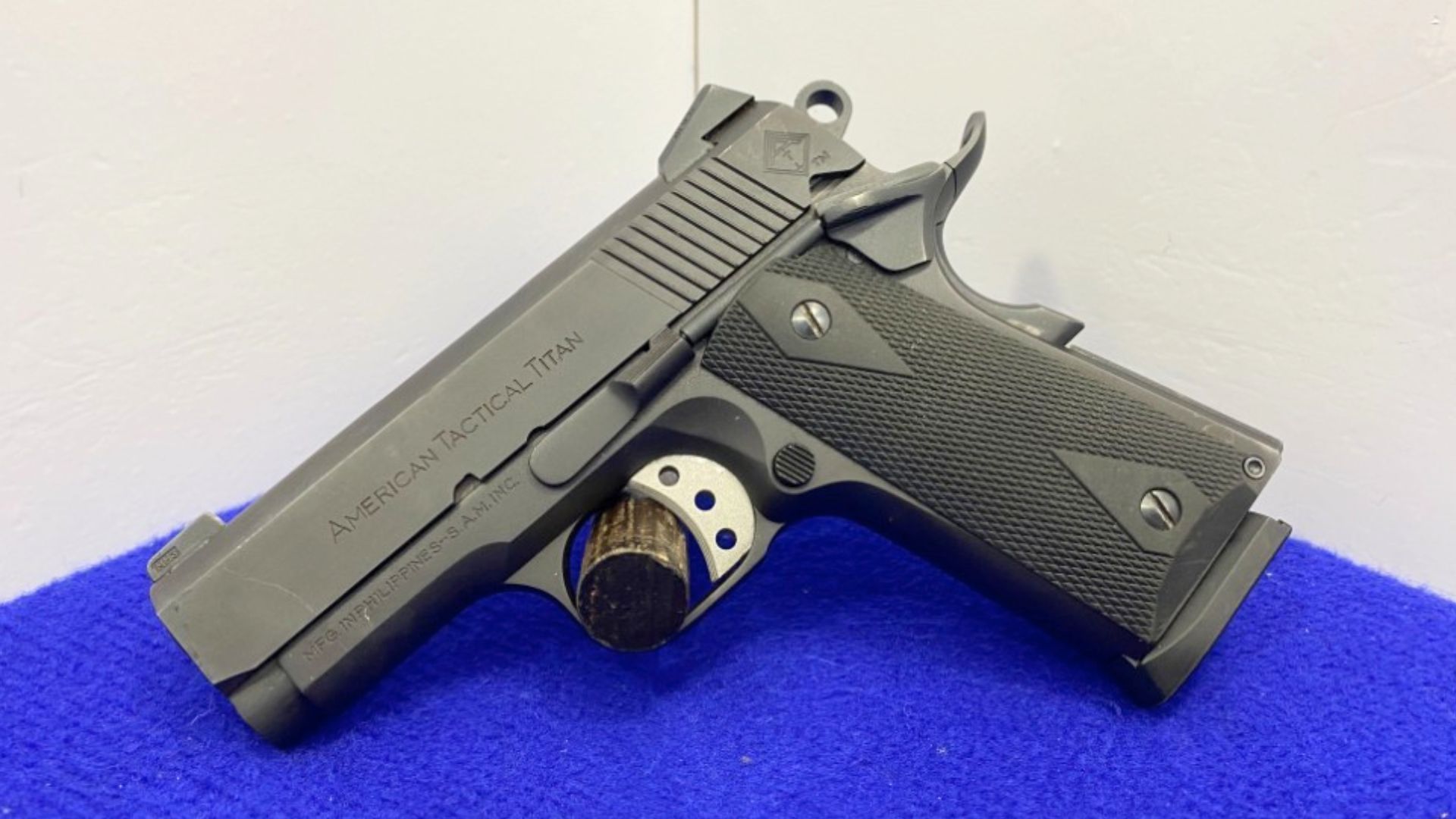
The FX45 Compact was marketed as an affordable way to get into the 1911 carry world. The branding leaned hard into heritage styling and dependable function. But shooters often reported rough machining marks, feeding issues with hollow points, and a recoil impulse that felt heavier than anticipated. The pistol looks the part, but its real-world performance rarely matched the polished image.
Like The Avid Outdoorsman’s content? Subscribe to our newsletter so you never miss an article.
Here’s more from us: