Photo credit: Savage Arms
Bad weather has a way of exposing rifles fast. A gun that felt fine at the bench can start feeling a lot less impressive after wet gloves, a soaked sling, freezing wind, and a long climb through rough country. That is when hunters stop caring about what looked good in the store or what sounded impressive on paper. They want a rifle that feeds cleanly, carries well enough to stay with them, and still inspires confidence when the only shot of the day finally appears.
That is what ties these rifles together. They are the ones hunters keep trusting when the weather gets mean and there is no room for excuses. Some are old standbys. Some are newer workhorses. But all of them have the kind of field reputation that matters more when rain, snow, mud, and cold start stripping the romance out of the hunt.
Winchester Model 70 Extreme Weather

The Model 70 Extreme Weather earns trust because it takes one of the most respected hunting-rifle patterns ever built and gives it the kind of weather-ready setup serious hunters actually need. Stainless steel and a synthetic stock are not glamorous, but they start looking pretty smart once sleet, snow, and wet brush turn the whole hunt into a test of what still works.
What keeps hunters loyal is that it still feels like a real hunting rifle. It shoulders well, carries enough authority in the action, and feeds with the kind of confidence people appreciate when the shot is not going to come twice. A rifle like this makes sense because it blends old confidence with modern practicality, and that combination tends to hold up when the weather stops being friendly.
Tikka T3x Lite Stainless

The Tikka T3x Lite Stainless is exactly the kind of rifle hunters trust when conditions get miserable because it does two very important things at once. It stays light enough to carry all day, and it stays accurate enough to keep doubt out of the picture. Those two traits matter a lot more in ugly weather than extra styling or the latest trend-driven feature list.
A lot of rifles start feeling heavier and clumsier the longer the day gets. The Tikka usually avoids that. It handles mountain miles, steep country, and wet weather with very little drama, which is exactly why so many hunters keep leaning on it. A rifle that keeps the load down without making the shot feel uncertain is a rifle that earns a lot of ugly-weather loyalty.
Browning X-Bolt Stainless Stalker

The X-Bolt Stainless Stalker has earned a strong following because it feels like a modern field rifle built by people who understood that real hunting does not happen in perfect weather. The stainless barrel and synthetic stock are part of that, but the bigger reason hunters trust it is that the rifle tends to behave itself. It cycles cleanly, carries well, and usually shoots well enough to keep confidence high.
That matters when the weather gets ugly because confidence becomes part of the equipment. A hunter already fighting wind, cold fingers, and soaked clothes does not need a rifle adding uncertainty to the day. The X-Bolt Stainless Stalker keeps finding its way into rough country because it is one of those rifles that tends to stay calm when everything else feels messy.
Ruger M77 Hawkeye All-Weather

The M77 Hawkeye All-Weather is the sort of rifle people trust because it feels stout in the right places. It has the kind of field-ready presence hunters appreciate once the ground turns slick and the sky starts looking ugly. Stainless steel and a synthetic stock are part of the appeal, but so is the simple fact that it feels like a rifle you can knock around a little without losing faith in it.
That ruggedness matters more than polish when the hunt turns rough. A rifle that inspires trust through bad weather and hard handling has real value in camp. Hunters who have spent enough time in the rain or snow usually stop caring about delicate elegance and start caring more about rifles that still feel ready when the shot suddenly matters. The Hawkeye fits that mindset well.
Weatherby Vanguard Synthetic

The Weatherby Vanguard Synthetic keeps earning trust because it offers something a lot of bad-weather rifles forget to deliver: calm, predictable field performance at a practical price. Hunters who actually use their rifles hard often come back to guns that simply behave, and the Vanguard has built its reputation through exactly that kind of long-term honesty.
It is not trying to be flashy. It is trying to work. In ugly weather, that is exactly what matters. A dependable synthetic-stock hunting rifle that holds up to hard use and still gives the hunter confidence when the crosshairs settle is never a bad thing to have around. The Vanguard stays relevant because practical rifles usually age better than glamorous ones.
Savage 110 Storm

The Savage 110 Storm feels built for the sort of hunt where comfort disappears and excuses stop mattering. Stainless construction, a synthetic stock, and a reputation for useful accuracy make it the kind of rifle hunters reach for when they expect wet, cold, and uncomfortable conditions before the day even starts. It has a no-frills quality that starts looking very attractive once the weather turns.
That is part of what makes it trustworthy. It is not pretending to be something elegant. It is a field rifle that knows its role. When a hunter is pushing through snow, fog, or miserable late-season weather, a rifle that keeps doing practical rifle things correctly becomes very easy to appreciate. The 110 Storm earns that appreciation the honest way.
Sako 85 Synthetic Stainless

The Sako 85 Synthetic Stainless gets trusted because it offers refinement without becoming fragile. That balance matters in bad weather. A lot of premium rifles look great under good conditions, but hunters who spend enough time in rough country learn to appreciate the ones that can still be treated like hunting rifles instead of polished collectibles.
The Sako earns loyalty because it feels smooth and serious at the same time. It gives hunters the sort of control and confidence they want when the day is cold, wet, and expensive in terms of effort. Once a rifle proves it can take hard conditions without turning into a liability, it starts feeling like something worth carrying whenever the forecast gets worse instead of better.
Remington 700 SPS Stainless

The Remington 700 SPS Stainless has long been the kind of rifle hunters trust when they want something weather-ready and familiar. Stainless metal and synthetic furniture already make sense once the hunt turns wet, but the bigger advantage is that the rifle’s layout feels known. In ugly weather, familiar can be just as valuable as fancy.
That is one reason these rifles keep getting carried. Hunters do not always want an adventure in rifle ownership while they are also dealing with an adventure in weather. They want a tool they understand. The SPS Stainless, when sorted and shooting well, fits that need. It is not a romance rifle. It is a practical answer for days when comfort is gone and reliability matters more than charm.
Winchester Model 70 Alaskan

The Model 70 Alaskan earns trust because it feels like a rifle built for places where weather and terrain are both trying to beat you. It carries the familiar confidence of the Model 70 pattern, but with a setup that fits wet brush, cold hands, and rough-country hunting much better than polished classic wood-stock rifles ever could.
Hunters who spend time in country like that usually stop caring about what looks good in camp and start caring about what still works after a week of abuse. The Alaskan makes a strong case there. It feels substantial without feeling delicate, and it gives the shooter the kind of confidence that matters when conditions are miserable and the animal is not going to stand around while you sort things out.
Benelli R1

The Benelli R1 gets trusted by hunters who want a semi-auto that actually feels built for field use instead of range bragging. Bad weather is hard on autoloaders that are more sensitive than their owners want to admit, and that is why rifles like the R1 stand out. It has enough real field credibility that hunters who use one tend to trust it because they have already seen it behave under rough conditions.
That trust is not theoretical. It comes from carrying the rifle in rain, mud, cold, and long days where a semiauto that acts up becomes a major problem fast. When the weather turns ugly and the shot matters, a rifle that keeps cycling and keeps confidence high becomes much easier to love. The R1 has earned that kind of practical respect.
Browning BAR Mk 3
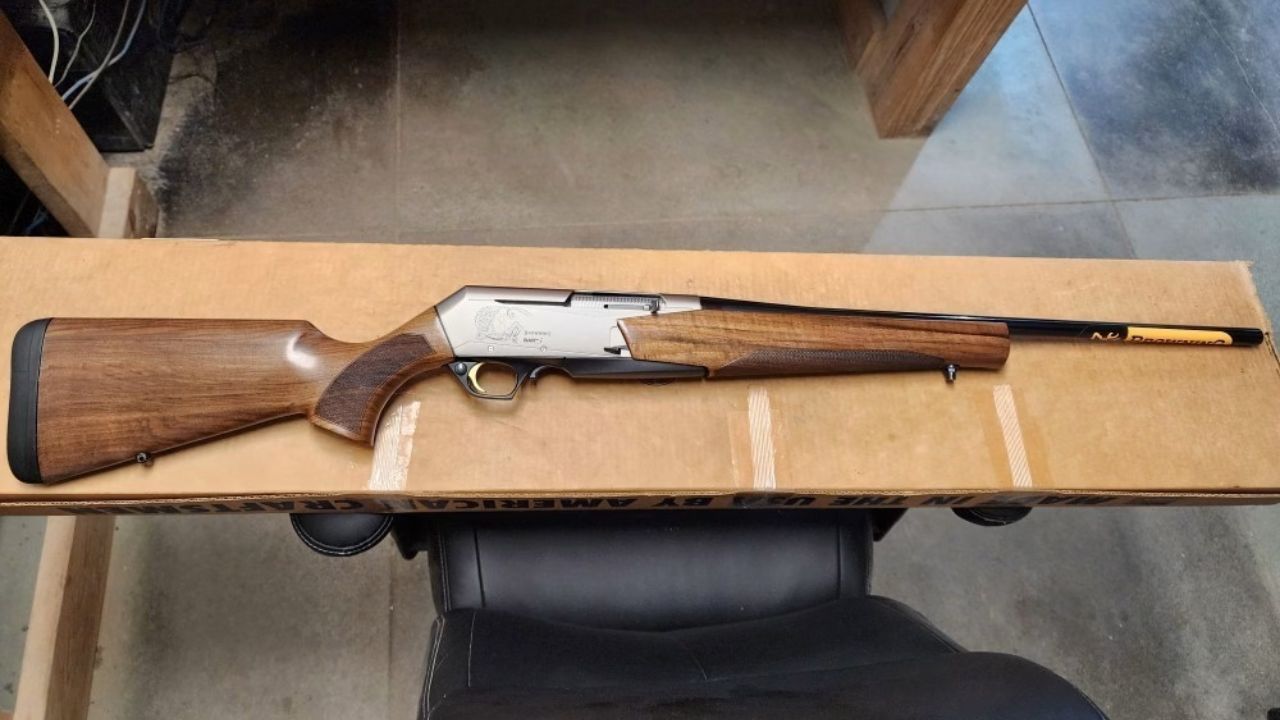
The Browning BAR Mk 3 remains one of the more trusted hunting autoloaders for a reason. It gives hunters a semiauto platform with real hunting credibility, not just novelty. When the weather turns ugly, the rifle still has to carry, shoulder, and function like it belongs there. That is where the BAR has built a lot of loyalty over the years.
Hunters who favor autoloaders usually become pretty honest about what they trust and what they do not. There is not much patience in bad weather for rifles that feel picky or fragile. The BAR keeps earning space in rough camps because it behaves like a real field rifle. It does not need the weather to be pretty to feel like the right choice.
Marlin 336 Stainless

A stainless Marlin 336 is the kind of rifle that still makes a lot of sense when weather gets ugly in the kind of cover where many deer are actually killed. It is quick to shoulder, handy in thick brush, and less awkward in rough terrain than a lot of longer, heavier rifles. Add the weather resistance of a stainless setup, and the whole thing starts looking like an awfully practical woods rifle.
That matters because ugly-weather hunting often rewards simplicity and speed over theoretical reach. The 336 Stainless is not trying to be a mountain-long-range fantasy gun. It is trying to be a fast, reliable lever rifle in the sort of weather and cover that punish hesitation. That is one reason hunters keep trusting it when the conditions turn rough.
Henry Big Boy Steel Side Gate

The Henry Big Boy Steel Side Gate earns trust because it gives hunters a lever gun they can actually work hard without feeling like they are carrying a delicate nostalgia piece. The steel construction, useful handling, and practical loading setup all make it the sort of rifle that starts looking smarter when the weather is wet, the brush is thick, and the whole day feels more like work than romance.
That is the key. Bad-weather rifles do not need to be trendy. They need to be honest. The Big Boy Steel has enough rugged usefulness to keep hunters comfortable with it once the hunt gets messy. It is still a lever gun, yes, but it is one that feels ready for real use, which is exactly what a lot of hunters want when the forecast turns hostile.
CZ 600 Alpha

The CZ 600 Alpha is one of those rifles that earns ugly-weather trust because it keeps the formula simple in the right ways. Synthetic stock, practical field feel, and a generally no-drama attitude make it the kind of rifle hunters start appreciating more after they have dragged it through conditions that reveal whether a rifle was built for the real world or for the catalog.
That sort of simplicity matters when the shot finally appears in bad weather. Hunters do not want a rifle they are thinking about too much. They want one that carries, shoots, and behaves. The 600 Alpha tends to fit that role well because it feels built around use instead of image. That is exactly the kind of rifle that starts making more sense when the weather gets worse.
Mossberg Patriot Synthetic

The Mossberg Patriot Synthetic earns a spot here because experienced hunters often trust rifles that are more useful than glamorous. It is not the rifle people brag about most, but in ugly weather it starts looking smarter than prettier options fast. Synthetic furniture and a plain field-ready attitude are good things when wet ground, cold air, and rough use become part of the day.
That is what gives it long-term appeal in bad conditions. A rifle that still shoots honestly and still feels trustworthy when the hunt stops being comfortable usually earns real respect. The Patriot Synthetic keeps making sense because it does not require the hunter to baby it, and that becomes a very valuable trait when weather and terrain are both trying to make the day harder.
Like The Avid Outdoorsman’s content? Subscribe to our newsletter so you never miss an article.
Here’s more from us: