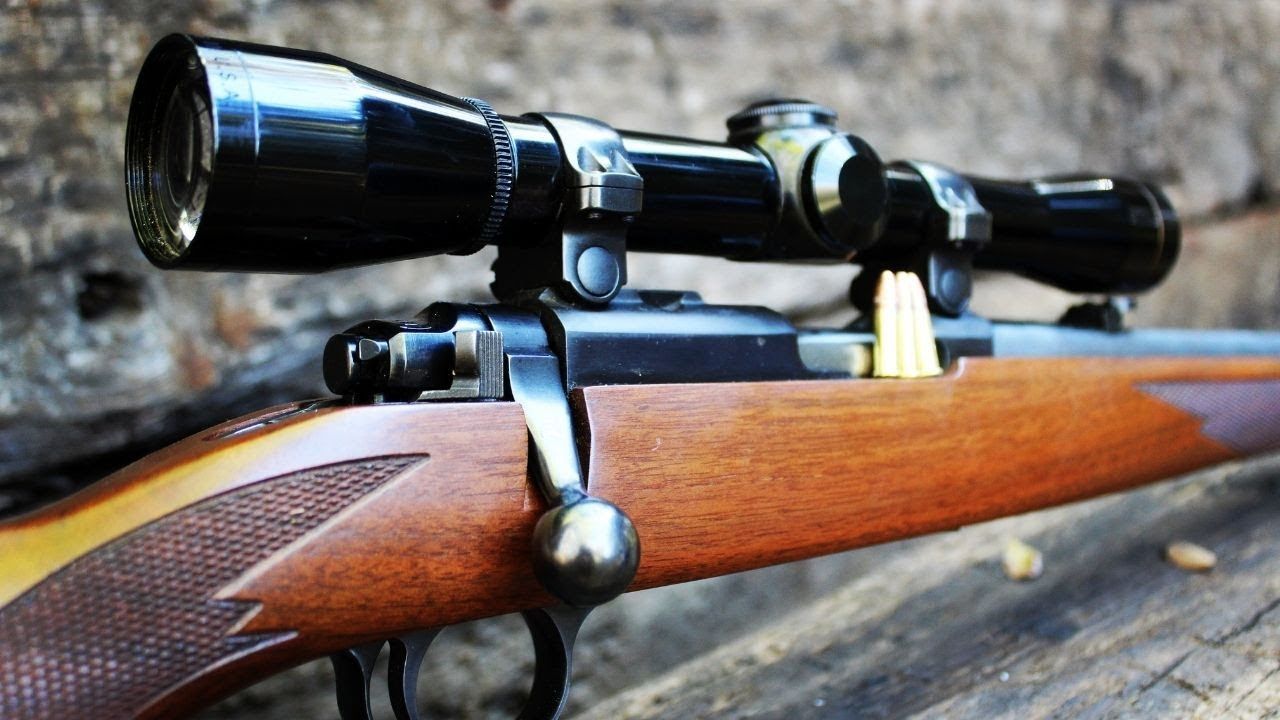
Photo credit: Reloader Joe/YouTube
Some rifles spend years in that comfortable zone where buyers assume there is no hurry. They show up often enough on used racks, in local shops, or at shows that people start treating them like permanent inventory. You admire one, tell yourself you will come back later, and move on to something that feels more urgent. Then the market shifts, supply tightens, nostalgia kicks in, and suddenly the rifle you kept passing on becomes the one everybody is hunting.
That is how a lot of regret gets made in the gun world. These rifles were not always treated like rare prizes. In many cases, they were simply good rifles hiding in plain sight while buyers got distracted by louder names or newer trends. Then enough people woke up at the same time, and the whole tone changed. Now they are the rifles people wish had stayed as easy to find as they once felt.
Remington Model Seven

The Remington Model Seven used to feel like one of those practical little hunting rifles you could always circle back to later. It was compact, useful, and respected enough, but it rarely created panic. Buyers often saw it as the smarter little cousin to bigger bolt guns, the sort of rifle you would eventually pick up when you felt like adding a handy woods or mountain rifle to the safe.
Then more hunters started realizing how much they liked compact rifles that actually carried well in the field, and the Model Seven stopped feeling so casual. Cleaner rifles, better chamberings, and nicer older examples became a lot less common than people had assumed. What was once an easy “someday” rifle turned into exactly the sort of gun buyers started chasing right after the easy days were gone.
Browning BL-22

The Browning BL-22 spent years being treated like a really nice rimfire lever gun and not much more. People liked them, sure, but that kind of appreciation stayed relaxed for a long time. Buyers rarely acted like they needed to rush, because rimfire lever guns have a way of feeling permanent until the market suddenly proves otherwise.
That is what happened here. Once more shooters started noticing how smooth, handy, and well-made these rifles really were, better examples began disappearing quickly. Then the prices followed. A lot of buyers now look at the BL-22 as one of those rifles they used to see regularly and barely think twice about. That memory is not nearly as pleasant now that the hunt feels a lot less casual.
Ruger Deerfield Carbine

The Ruger Deerfield Carbine lived for a long time as a neat, slightly odd used-gun find rather than something people treated as urgent. It had a loyal following, but plenty of buyers still assumed it would always occupy that little corner of the market where interesting rifles come and go without much pressure. That kept people calm for much too long.
Then the supply thinned out and the people who appreciated handy autoloaders started paying closer attention. The rifle did not become more useful overnight. Buyers simply realized there were fewer of them than they had assumed, and not much else felt quite like one. That is usually when a rifle changes from “I’ll grab one later” to “why did I wait this long?”
Winchester 100

The Winchester 100 used to sit in the shadow of more famous postwar Winchester rifles, which made it easy to overlook. People knew it was there, knew it had some appeal, and still did not act like it was something they needed to prioritize. It felt like one of those semiautos that would always have a quiet place in used racks while collectors chased other things.
That quiet place did not last forever. As more buyers started taking older Winchester sporting rifles seriously and cleaner examples got harder to source, the 100 began moving out of the “interesting old semiauto” category and into something much more competitive. Buyers who once passed on them because they thought the rifle would always be around now know better.
Remington 760 Gamemaster

The Remington 760 was once so familiar in some hunting circles that buyers stopped seeing it as something worth hurrying over. It was a deer rifle, a camp rifle, a practical pump, and the sort of gun many people assumed would always be there in some used rack waiting for another season. Familiarity made it feel safe to postpone.
Then pump-rifle nostalgia hit harder, hunters started appreciating how useful and quick-handling they really were, and the nicer Gamemasters began drying up. Suddenly the rifle people once thought of as common eastern deer-camp equipment started bringing much stronger money. That is often how these things go. The gun did not become new. The market simply stopped taking it for granted.
Browning BAR Lightweight Stalker

The BAR Lightweight Stalker always made practical sense, but for years that did not translate into urgency. Buyers liked the rifle, liked the Browning name, and liked the idea of a hunting semiauto that still felt refined. But many still assumed they had plenty of time to come back for one if they ever decided the moment was right.
That easy confidence did not hold up. Once hunters started realizing how few good field-ready autoloaders they actually had to choose from, and once used Browning hunting rifles got a little harder to source in the exact trim people wanted, the whole tone shifted. What was once a rifle people casually respected became one they now hunt much more aggressively.
CZ 550 American

The CZ 550 American felt like the sort of rifle only thoughtful buyers noticed, which is part of why so many people delayed buying one. It had controlled-round-feed appeal, classic styling, and real hunting-rifle substance, but it still lived in that dangerous zone where admiration stayed quieter than action. Buyers liked it without feeling pressure.
Then the rifle disappeared from easy new availability, and the crowd started waking up all at once. People realized they actually did want traditional bolt rifles with old-school features and strong build quality. By that point, the easy supply was gone. That is how a calm, sensible rifle turns into one of those models people suddenly talk about like it was always more special than they treated it.
Marlin 444

The Marlin 444 spent a long time living in the shadow of more famous lever-gun chamberings, which made it easy to ignore. Buyers respected it in a vague way, but a lot of them still assumed the rifle would always be a niche option sitting quietly in the market for those who felt like getting around to it later.
Then lever-action demand got hotter, more shooters became interested in larger-bore woods rifles, and the 444 stopped feeling so optional. It still is not as common in conversation as some other Marlins, which is exactly why so many buyers got caught flat-footed when they realized the rifles were no longer easy to scoop up at reasonable prices.
Ruger 77/22

The Ruger 77/22 used to feel like a nice rimfire bolt gun that you could always come back for later. It was never unknown, but it also was not pushed with much urgency by the average buyer. That made it easy to admire one, compare it to cheaper .22s, and tell yourself the fancy little Ruger could wait until some future moment.
That future got more expensive. Once more buyers started appreciating nice bolt-action rimfires and realizing they were not being made in endless numbers forever, the 77/22 became a lot less casual. It is now one of those rifles people often wish they had grabbed when it still felt like the sort of thing you could find any weekend without much stress.
Winchester 63

The Winchester 63 was long treated like a pleasant old semiauto .22, which is exactly the kind of description that can keep buyers relaxed for too long. People liked them. People respected them. But plenty of buyers still assumed they would always be around if they ever wanted one badly enough. That sort of assumption rarely ages well with nice rimfires.
As more collectors and shooters started valuing quality old .22s more seriously, the Winchester 63 stopped feeling like a neat old rifle and started looking like something the market had underappreciated for years. By the time many buyers caught up to that realization, the prices already had.
Savage 1899 / early 99 variants
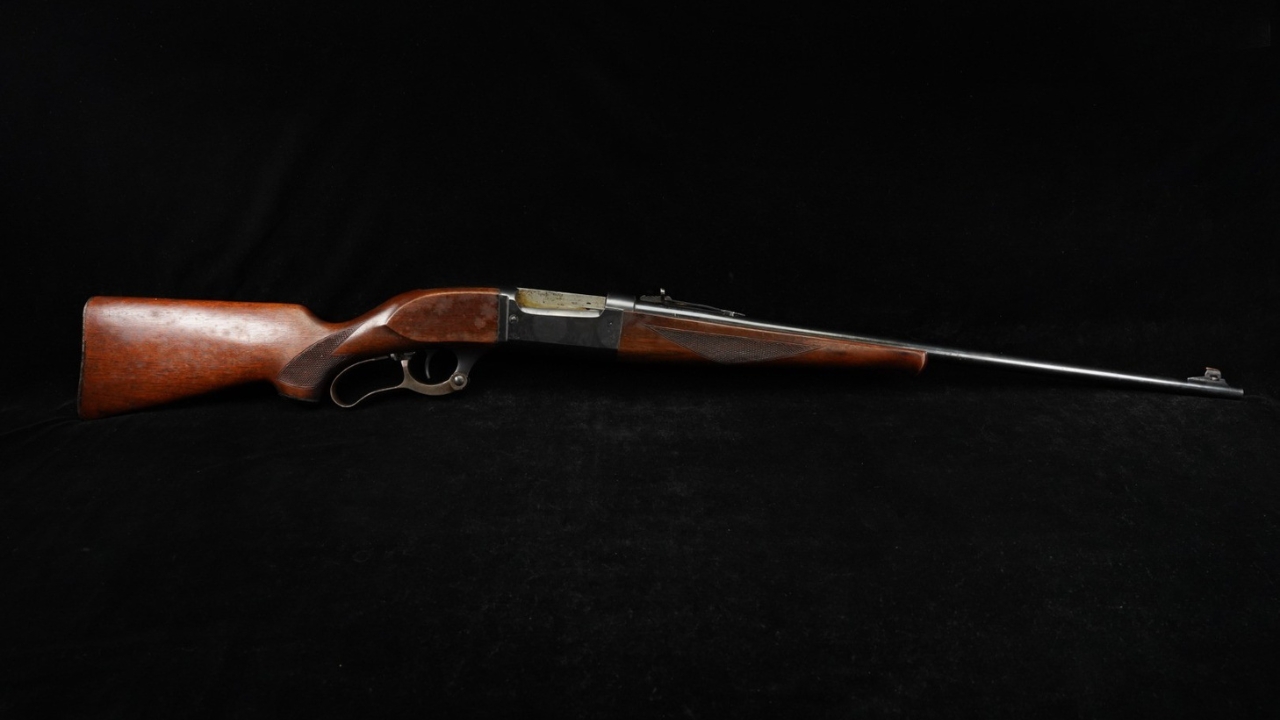
Early Savage 1899 and 99 variants used to be the sort of rifles old-timers appreciated while the broader market kept its distance. Buyers knew they were interesting, but many still treated them like old hunting rifles with collector appeal that could be explored later when time and budget allowed. Later, as usual, got less friendly.
As more buyers started noticing the variation, the design history, and the shrinking pool of cleaner rifles, early Savages moved from “interesting old lever gun” to “why does every decent one vanish so fast?” That is exactly the arc these rifles follow. They seem available until the market finally realizes it had been sleeping.
Ruger 44 Carbine

The Ruger 44 Carbine once felt like a quirky old autoloader with a loyal but limited fan base. It was handy, fun, and clearly useful in the right kind of woods hunting, but it still lived in the category of rifles people assumed they could always chase down later without too much trouble. That confidence lasted longer than it should have.
Then the market started warming to older Ruger carbines, deer-rifle nostalgia got stronger, and buyers realized there really was not much else like it. Once that clicked, the rifle stopped being an easygoing used-rack curiosity and started becoming the sort of gun people now wish they had taken more seriously.
Remington 600 Mohawk

The Remington 600 Mohawk spent years as the rifle many buyers treated like a funky little oddball instead of a rifle they needed to buy before everyone else woke up. It was short, useful, and distinctive, but for a long time that was not enough to create urgency. In fact, the oddness may have helped buyers stay too relaxed.
Then the market started seeing compact older bolt rifles very differently. Character stopped being a reason to hesitate and became a reason to pounce. Now these rifles draw a lot more attention than they did when they were simply the quirky little Remington people figured would still be around next season.
Browning A-Bolt Micro Hunter

The A-Bolt Micro Hunter always made a lot of sense for people who actually hunted rough country or wanted a compact, practical rifle for younger or smaller-framed shooters. But sensible rifles do not always generate urgency. A lot of buyers figured rifles like this would stay available because they were built around practical use instead of collector hype.
That turned out to be a mistake. Once more hunters realized how much they liked compact hunting rifles that still carried quality, the better examples started disappearing much faster than expected. The A-Bolt Micro Hunter went from “nice little Browning” to one of those rifles buyers now wish they had not shrugged off when they had the chance.
Colt Sauer Sporting Rifle
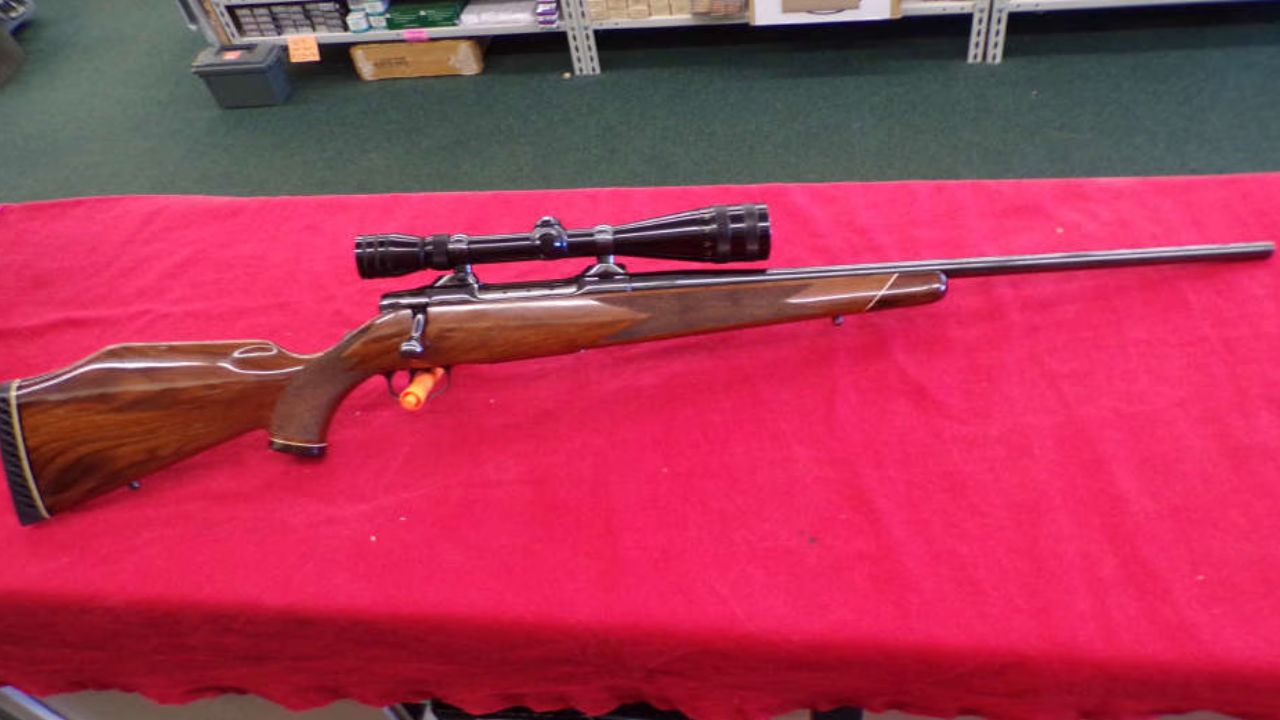
The Colt Sauer sporting rifles stayed under the radar for a long time because they lived in that uneasy place between recognized quality and limited broad-market attention. Buyers who knew them respected them, but a lot of the market still treated them like rifles they could always look into later if curiosity ever got stronger.
Then, as often happens, curiosity got stronger at exactly the same time supply looked a lot weaker. Once more buyers began noticing the quality and the relative scarcity, these rifles stopped feeling so easy to locate. The ones that once sat quietly waiting for the right buyer now tend to attract much quicker action, which is exactly how a “later” rifle turns into a regret rifle.
Like The Avid Outdoorsman’s content? Subscribe to our newsletter so you never miss an article.
Here’s more from us: