Photo credit: BERETTA9mmUSA/YouTube
There’s a certain kind of recommendation that sounds confident but falls apart the moment you start doing real reps. It’s usually based on a story, a vibe, or something they heard a long time ago. People who don’t shoot much tend to recommend pistols for how they feel, how they look, or what they represent—not for how they perform on a timer or how they carry for 12 hours without driving you insane.
This list is about specific pistols that get pushed a lot by low-round-count advice, and why that advice usually doesn’t help the average person who actually wants to carry and be competent.
Taurus Judge

The Judge gets recommended constantly by people who like the idea of versatility. “It shoots everything.” That sounds great until you realize the gun is bulky, the recoil can be unpleasant, and the practical accuracy and performance depend heavily on what you load and what you think the role is. It’s also not exactly small, so a lot of people who buy it for carry end up leaving it at home.
People who shoot often tend to ask: can you get fast, accurate hits under stress? The Judge usually isn’t the easiest path to that. It can be a fun tool and it can fill niche uses, but it’s not the magic defensive answer it gets pitched as. The recommendation usually comes from someone who hasn’t actually spent time running one hard.
Smith & Wesson Governor
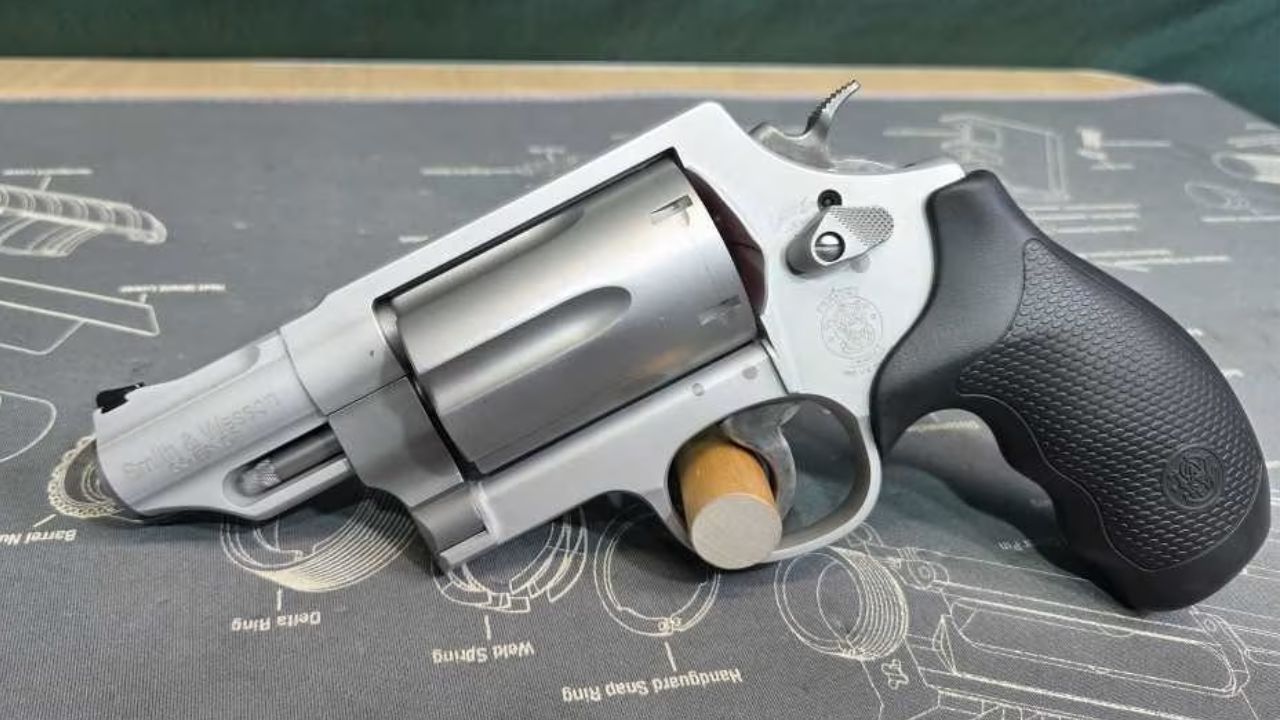
The Governor is the Judge’s nicer cousin, and it gets the same kind of recommendations from the same kind of people. They’re attracted to the concept and the brand name. The gun still ends up large, heavy, and not as simple in the real world as the internet makes it sound. Many buyers think they’re getting an “easy” defensive solution.
Shooters who train tend to view it as a specialized revolver with tradeoffs, not a default home-defense or carry pick. If you want a revolver, there are cleaner options. If you want a semi-auto, there are cleaner options. The Governor sits in that middle space where people who don’t shoot much think “best of both worlds,” and people who do shoot often see “compromises stacked on compromises.”
Desert Eagle .50 AE

The Desert Eagle gets recommended as a self-defense pistol by people who are basically talking from a movie script. It’s huge, heavy, expensive to feed, and not even close to practical for carry. It also takes more attention to run well than a normal defensive pistol, and it punishes bad technique and cheap ammo choices.
It’s a fun gun. It’s a wild range day gun. But when someone seriously recommends it for defense, that tells you they don’t train and they don’t carry. Real defensive shooting is about reliable hits and repeatable performance, not about recoil and noise. The Deagle recommendation is a dead giveaway you’re listening to someone who doesn’t shoot much.
Kimber Ultra Carry II
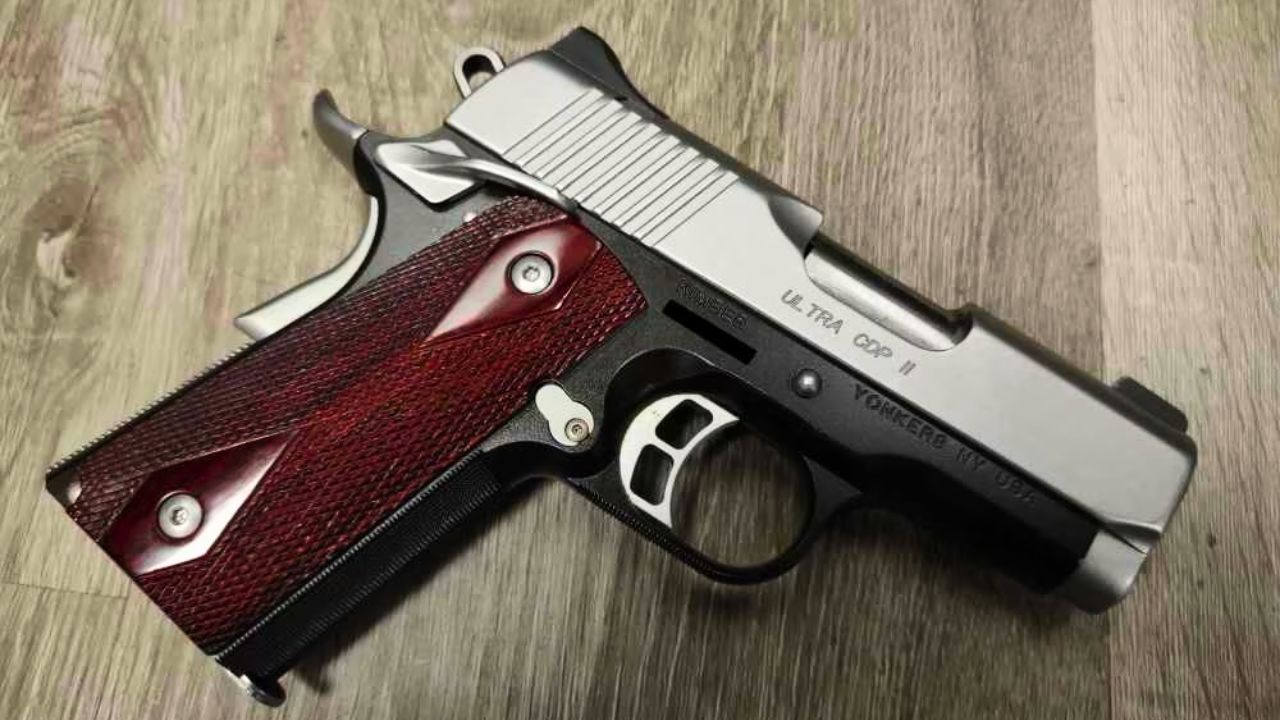
This is the classic “1911 guy” recommendation to new shooters: “Get a compact 1911, it’s the best.” Compact 1911s are not beginner-friendly for most people. They can be more sensitive to magazines, spring life, and extractor tuning, and the manual safety requires consistent habits under stress. People who don’t shoot much recommend it because it feels premium and the trigger can feel great.
Shooters who actually run drills tend to prioritize boring reliability and simple manual of arms. A compact 1911 can be carried responsibly by a trained shooter, but it’s usually not the best first carry pistol. The recommendation often comes from someone who loves the idea of a 1911 more than they live on a timer with one.
Springfield XD-S .45
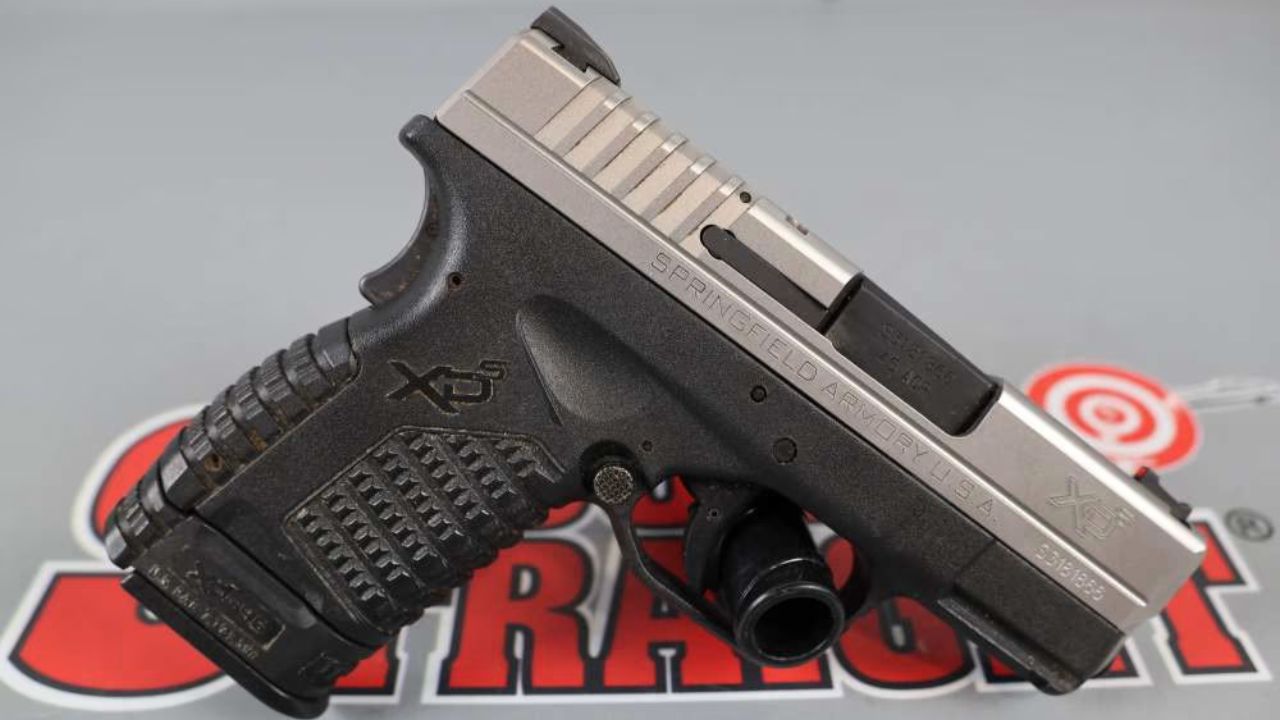
The XD-S .45 gets recommended a lot by “bigger bullet” guys who don’t put in many reps. A small, light .45 can be snappy, fatiguing, and harder to control for fast follow-up shots. That matters more than most people admit, because defensive shooting isn’t slow-fire on a calm day.
People who shoot regularly tend to look for controllability and consistency. A slim 9mm that you practice with weekly beats a small .45 you hate shooting. The XD-S .45 can work, but it often becomes a “bought it, shot it twice, now it lives in a drawer” gun because the reality of recoil and practice doesn’t match the recommendation.
Glock 27 (.40 S&W)
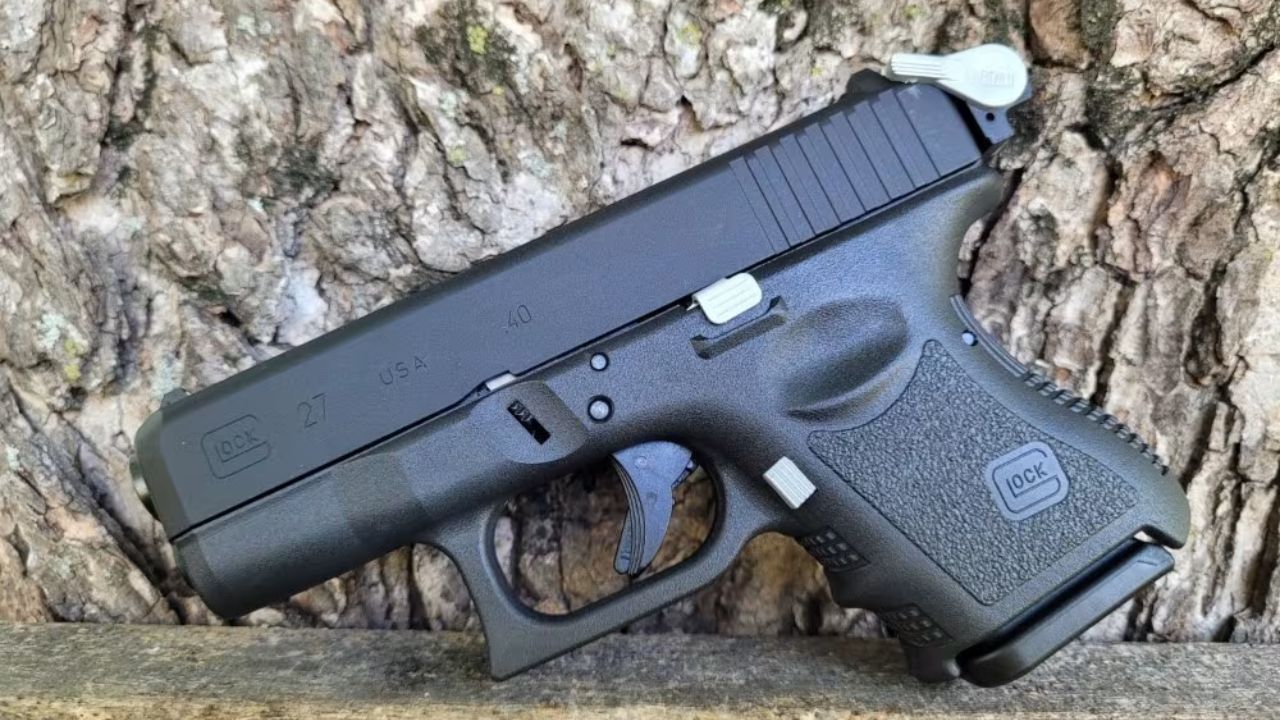
The Glock 27 gets recommended by “.40 is better” voices that often aren’t running real drills anymore. In a subcompact, .40 can be sharp and unforgiving, and it can make people shoot worse under speed. If someone doesn’t practice a lot, adding more recoil and more disruption isn’t helping them.
Shooters who train tend to drift toward 9mm because it’s easier to shoot well and easier to keep on target when you’re moving fast. A Glock 27 can absolutely run. The question is whether the person being advised will actually practice enough to be proficient with a snappy subcompact. Usually, the people recommending it aren’t asking that question.
Ruger LCP (original)
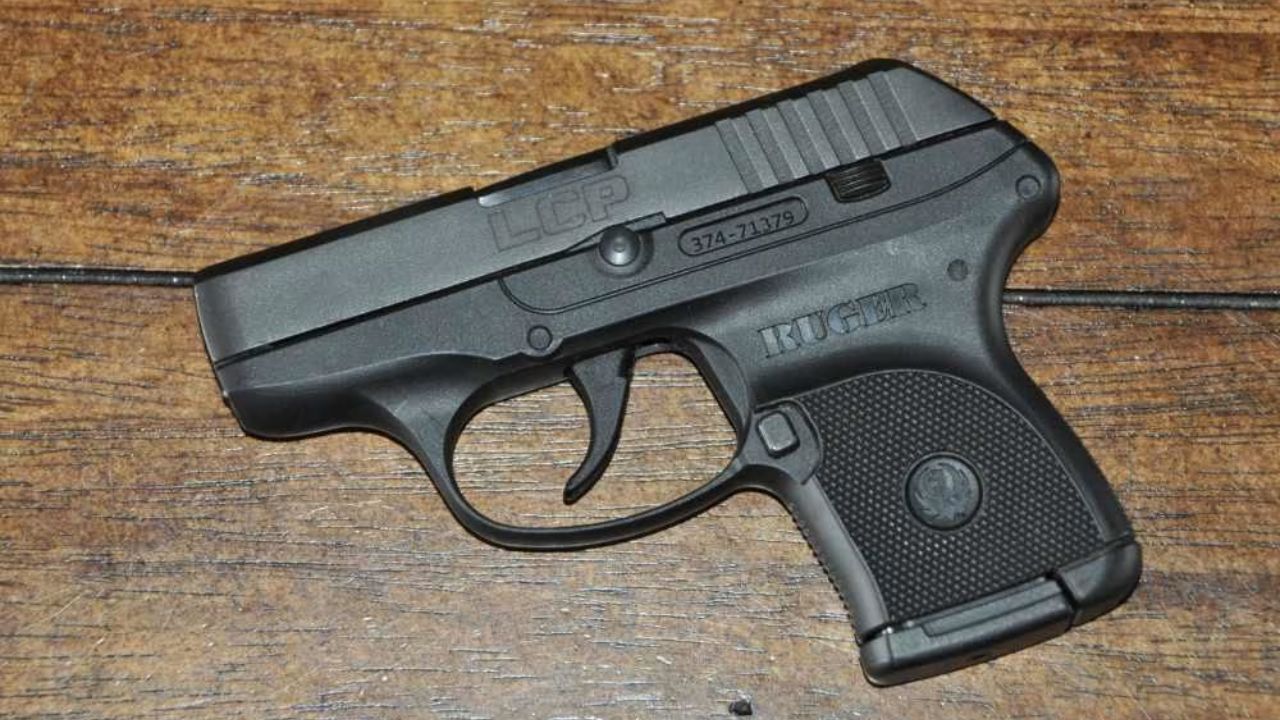
The LCP gets recommended because it disappears in a pocket. People who don’t shoot much think the main goal is concealment. The problem is the original LCP is not pleasant to shoot, and that usually leads to very little practice. That’s a bad recipe if it becomes your primary carry gun.
If you treat it as a deep concealment tool and you practice with it anyway, it can fill a role. But the “just get an LCP” advice is often lazy. Guys who shoot a lot tend to recommend something slightly larger and easier to run, because hits under stress matter more than having the smallest thing possible.
Kel-Tec P-32

The P-32 gets recommended by people who want the easiest recoil and the lightest carry, and I get that. But the folks recommending it as a primary defense pistol usually aren’t thinking through realistic performance and the fact that tiny pistols demand serious practice to shoot well. A lot of buyers end up with a gun they carry because it’s easy, not because they’re confident with it.
Shooters with real range time tend to treat the P-32 as a niche answer: deep concealment, backup gun, “I can’t carry bigger today.” If somebody is recommending it as the first and only pistol, that usually tells you they haven’t spent much time running other options and comparing what you can actually do with them.
Bersa Thunder .380

The Bersa Thunder .380 gets recommended because it’s affordable, it feels solid, and it has that classic pistol look. The people who recommend it often aren’t running high volume and aren’t thinking about parts support, holster options, and long-term carry convenience. It can be a good pistol for some owners, but it’s often recommended as a “budget answer” without any discussion of what the shooter needs.
Experienced shooters usually ask: can you get a reliable holster, good mags, and consistent performance? Can you practice enough without getting frustrated? The Thunder can fill a role, but it’s commonly pushed by people who are repeating old advice from a different era of carry guns.
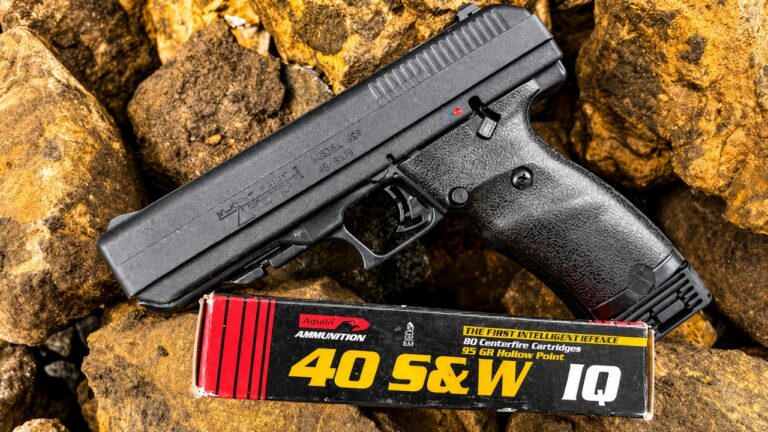
Hi-Point C9
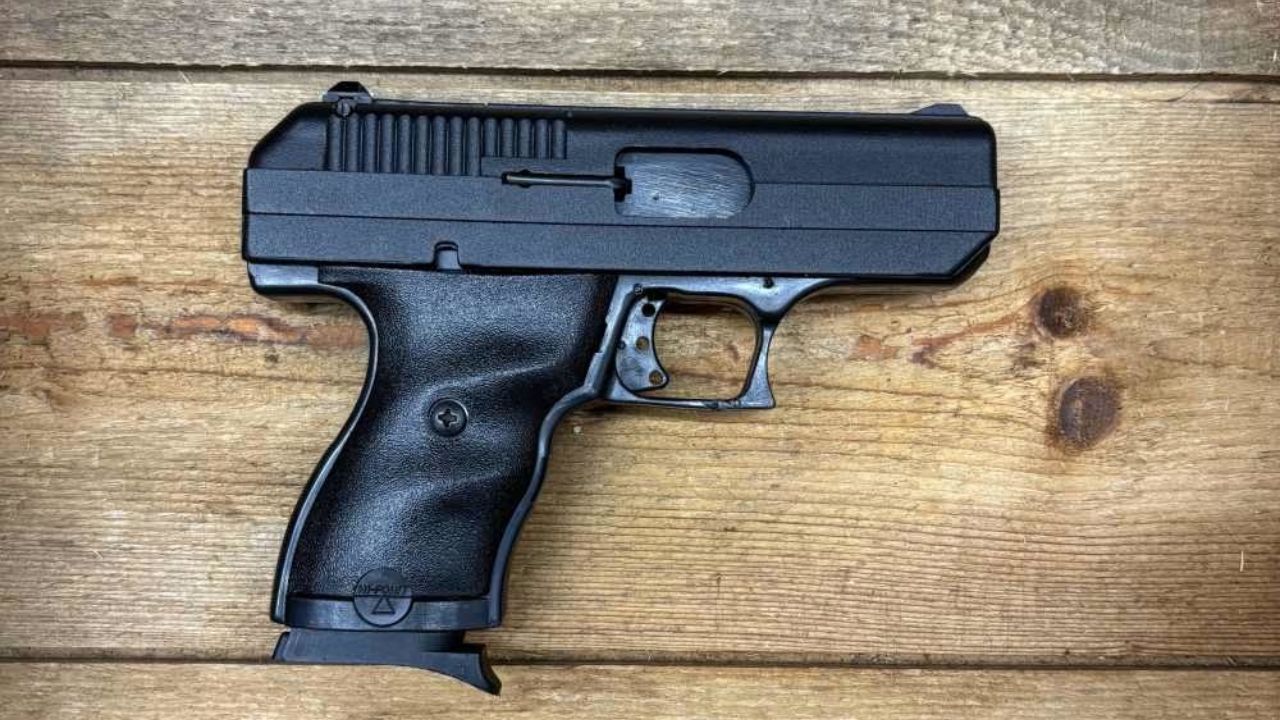
This is another “it’s cheap and it goes bang” recommendation. People who don’t shoot much love the idea of a heavy, affordable pistol that feels like a brick. The issue is that cheap can get expensive when you factor in reliability confidence, support, and the reality that many people end up not practicing because the gun isn’t enjoyable or convenient.
If it’s all someone can afford, I’m not going to shame that. But recommending it as the smart pick when there are better-supported options in the budget space is usually a sign the recommender isn’t really engaged in modern carry and training. A defensive pistol is a system, not just a chunk of metal.
SCCY CPX-2

The CPX-2 gets recommended because it’s cheap, simple on paper, and it looks like a normal carry pistol. The people recommending it often aren’t thinking about long-term durability, magazine quality, and how the gun behaves over higher round counts. A lot of buyers end up with a pistol they don’t trust enough to train hard with.
Shooters who run a lot of rounds tend to recommend platforms with stronger track records and better ecosystem support. They want consistent mags, consistent holsters, and consistent parts availability. The CPX-2 recommendation often comes from someone who’s not doing those comparisons and not shooting enough to notice the gaps.
Bond Arms Texas Defender (derringer)
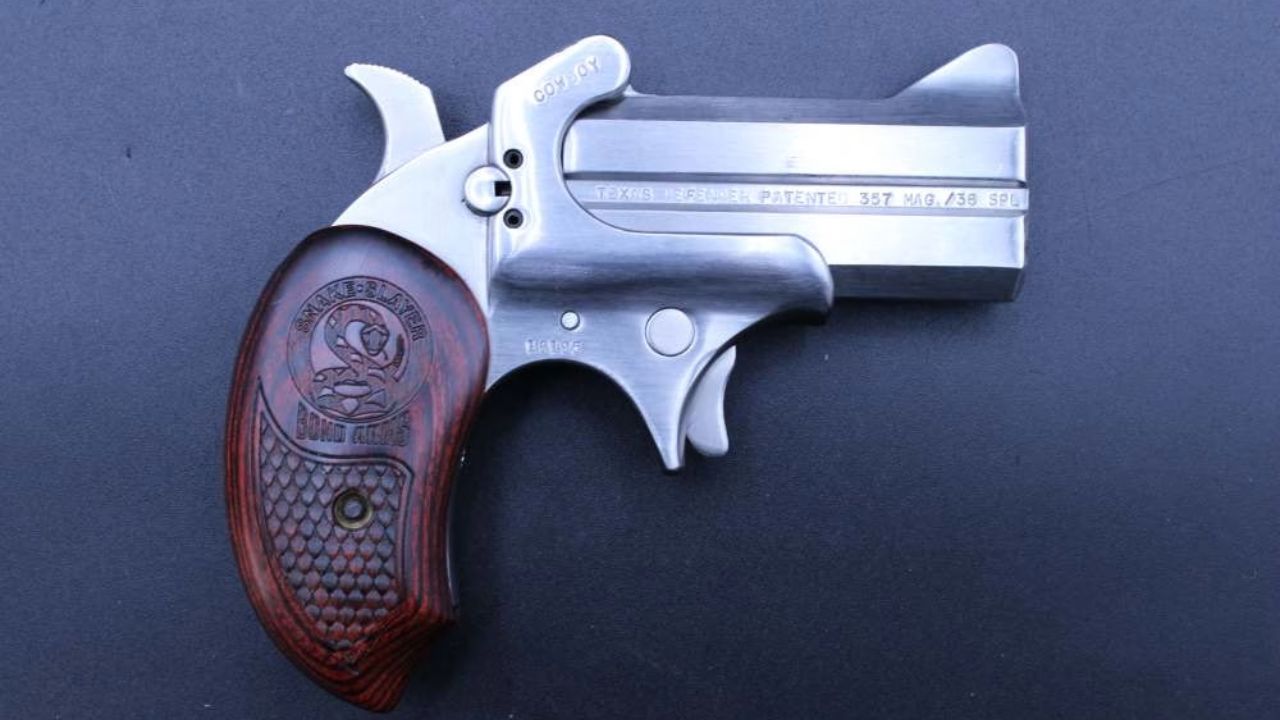
Derringers get recommended by people who want the smallest possible gun and think simplicity equals effectiveness. In reality, they’re hard to shoot well, slow to reload, and not forgiving under stress. They also tend to get recommended with a lot of confidence by people who haven’t tried to run one fast or shoot it beyond “two shots at close distance.”
A derringer can be a last-ditch tool. That’s it. When someone recommends one as a normal carry solution, it usually means they don’t practice and they don’t understand what real defensive shooting looks like. Small is nice. Small and hard to hit with is not.
Ruger Super Redhawk Alaskan (.454 Casull)
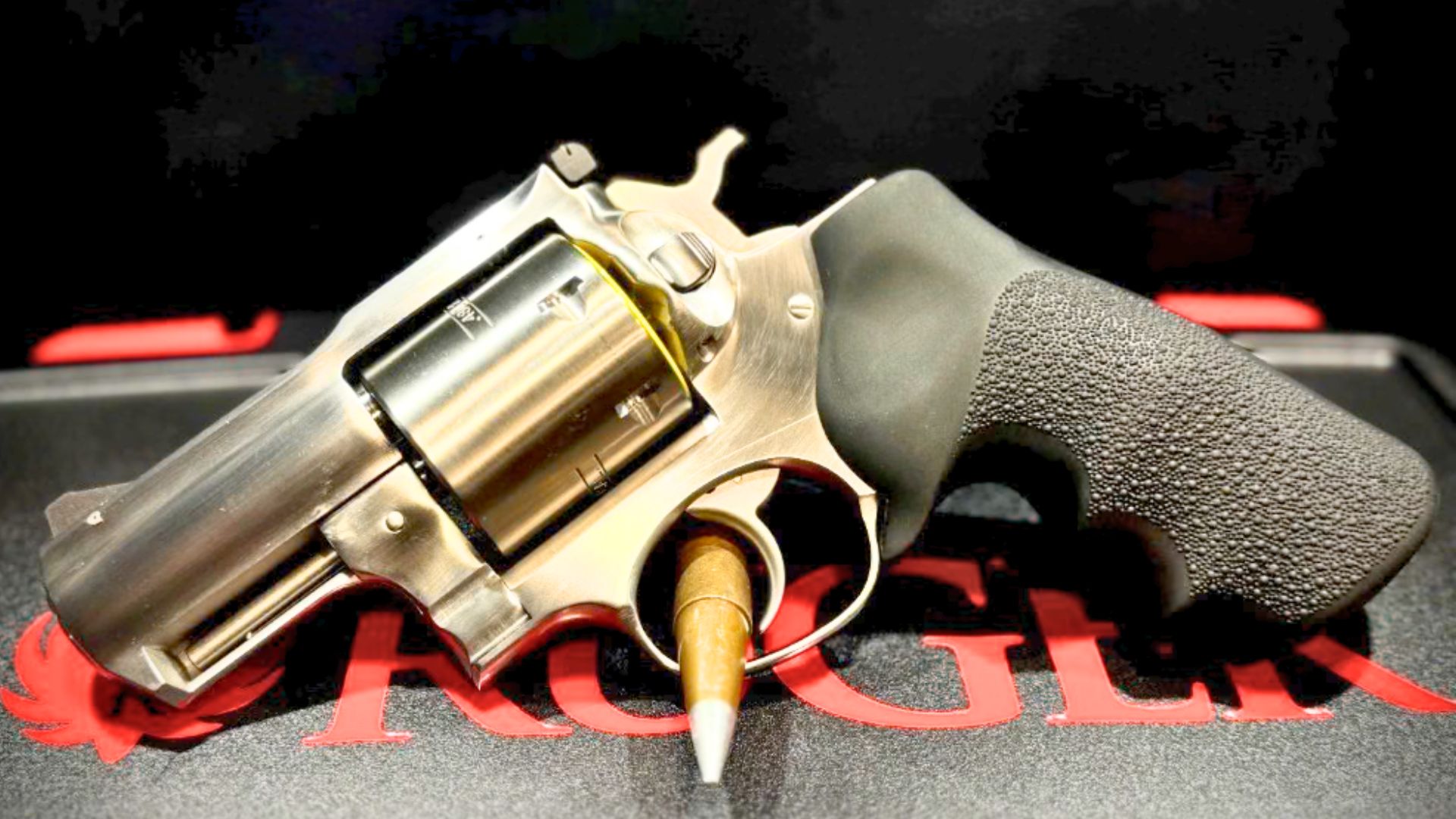
This one gets recommended by the “bear gun” crowd that sometimes forgets most people aren’t living in brown bear country every day. The Alaskan is a serious revolver, but it’s heavy, bulky, and brutal for many shooters with full-power loads. People who don’t shoot much will recommend it because it sounds tough and it feels like maximum power.
Shooters who actually train tend to pick something they can shoot accurately and quickly. If you can’t get fast hits with it, power doesn’t matter. The Alaskan can be the right tool for specific needs, but it gets pushed as a universal solution by people who want the biggest answer more than they want the most practical one.
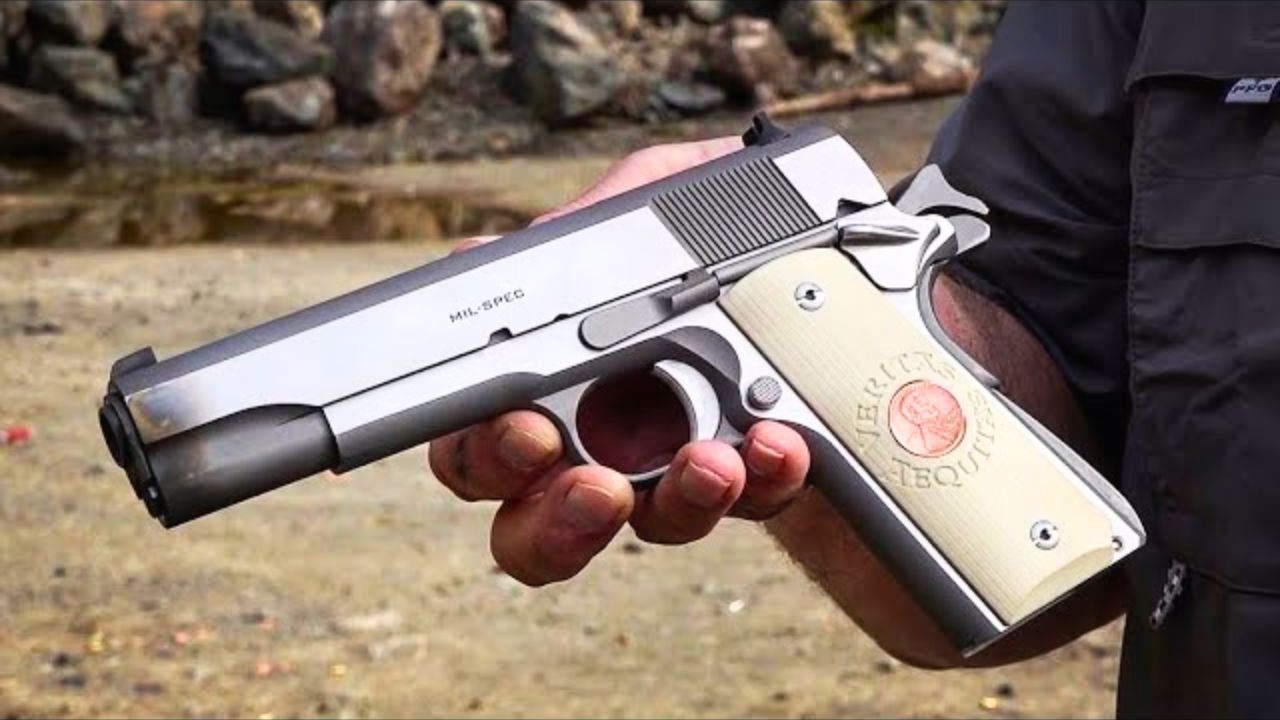
Springfield Armory 1911 Mil-Spec (as a “first carry gun”)
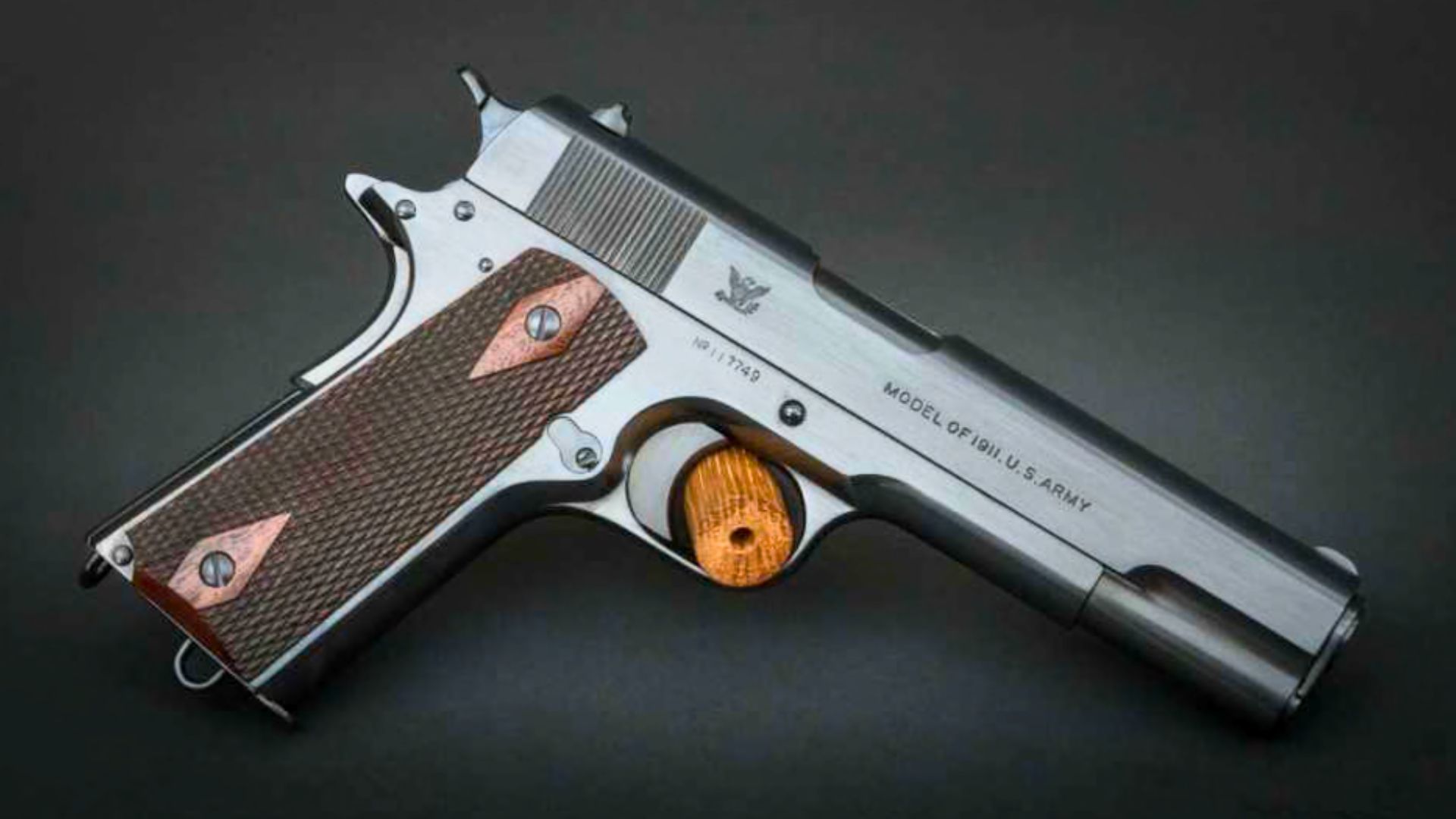
A full-size 1911 can be a fantastic pistol in skilled hands, but it’s often recommended to beginners by people who love the tradition more than the training reality. Manual safety discipline matters. Magazine quality matters. Maintenance habits matter. And some new shooters simply don’t want to take on that learning curve right away.
The folks recommending it often point at the trigger and stop thinking. In real carry life, you need repeatable habits under stress and a system you’ll practice with. For a new carrier, a modern striker compact is usually a better path to competence. A 1911 can come later if they want it.
Glock 42 (as the default “best carry gun”)
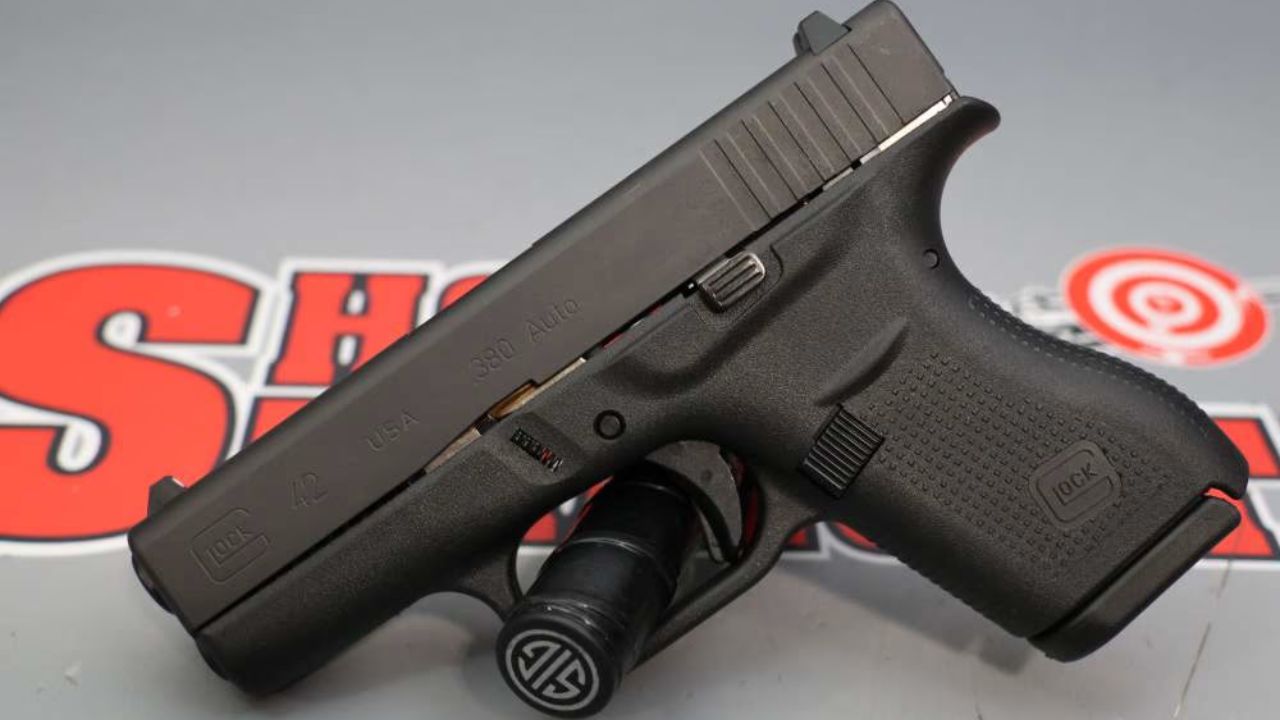
The Glock 42 is a solid .380, but it gets recommended by non-shooters as if .380 is automatically easier and therefore better. The reality is more nuanced. Some shooters shoot the 42 extremely well, and others shoot a slightly larger 9mm better because they get more grip and better control.
People who train tend to recommend based on performance, not caliber labels. The 42 can be a smart pick for recoil-sensitive shooters or deep concealment needs. But as a blanket recommendation to everyone, it often comes from someone simplifying the decision because they don’t shoot enough to appreciate how fit and shootability change everything.
Taurus G2C / G3C (as the “best” budget choice)

These pistols get recommended a lot in budget conversations, and sometimes it’s deserved. The problem is when they’re recommended as the “best” option without talking about consistency across examples, magazine quality, and long-term support. People who don’t shoot much tend to recommend them because they’re common and cheap, not because they’ve actually put hard rounds through multiple examples.
Shooters who train a lot usually talk in terms of “tested with your ammo, tested with your mags, proven in your hands.” Budget pistols can absolutely work, but casual recommendations often skip the testing reality. The result is a buyer who thinks they bought certainty, when they really bought “maybe.”
Like The Avid Outdoorsman’s content? Be sure to follow us.
Here’s more from us: