

Image Credit: Banana Ballistics/YouTube.
When you’re talking bear defense, there’s no room for mistakes. The wrong caliber can leave you with an angry bear and not enough gun to stop it. Folks love to argue calibers online, but this isn’t about theory—it’s about what actually works when things go south fast.
Some rounds are great for small game, others for self-defense—but that doesn’t mean they belong in the woods where bears roam. Here are the calibers you don’t want to count on when it’s your life on the line.
.22 Long Rifle

The .22 LR is a great small game round, but it’s a terrible idea for bear defense. It lacks the energy to penetrate deep enough to hit vital organs, especially through thick fur, muscle, and bone. You might annoy the bear, but you won’t stop it.
Plenty of folks carry a .22 in the woods for plinking or taking squirrels. But if that’s all you’ve got when a grizzly charges, you’re in trouble. Even well-placed shots won’t do much. Leave the .22 for the range or small game, not for serious threats like bears.
.380 ACP

The .380 ACP is a common carry caliber, but it falls short for bear defense. It doesn’t have the power or penetration needed to drop a big animal fast. It might be better than nothing, but not by much.
Most .380 rounds struggle to get through even light barriers, and bears have a lot more than that protecting their vitals. It’s not built for deep penetration, and expansion won’t help if it doesn’t reach the heart or spine. This one’s better left in the city.
9mm Luger (Standard Loads)

Now, before folks get riled up, yes—some hardcast 9mm loads can punch above their weight. But most standard pressure 9mm loads aren’t up to the task. Typical self-defense rounds won’t go deep enough in a bear’s chest to matter.
If you’re carrying a 9mm in bear country, you’d better be running +P hardcast bullets designed for penetration. Otherwise, you’re counting on luck. And luck isn’t something you want to rely on when a bear’s charging full speed.
.223 Remington
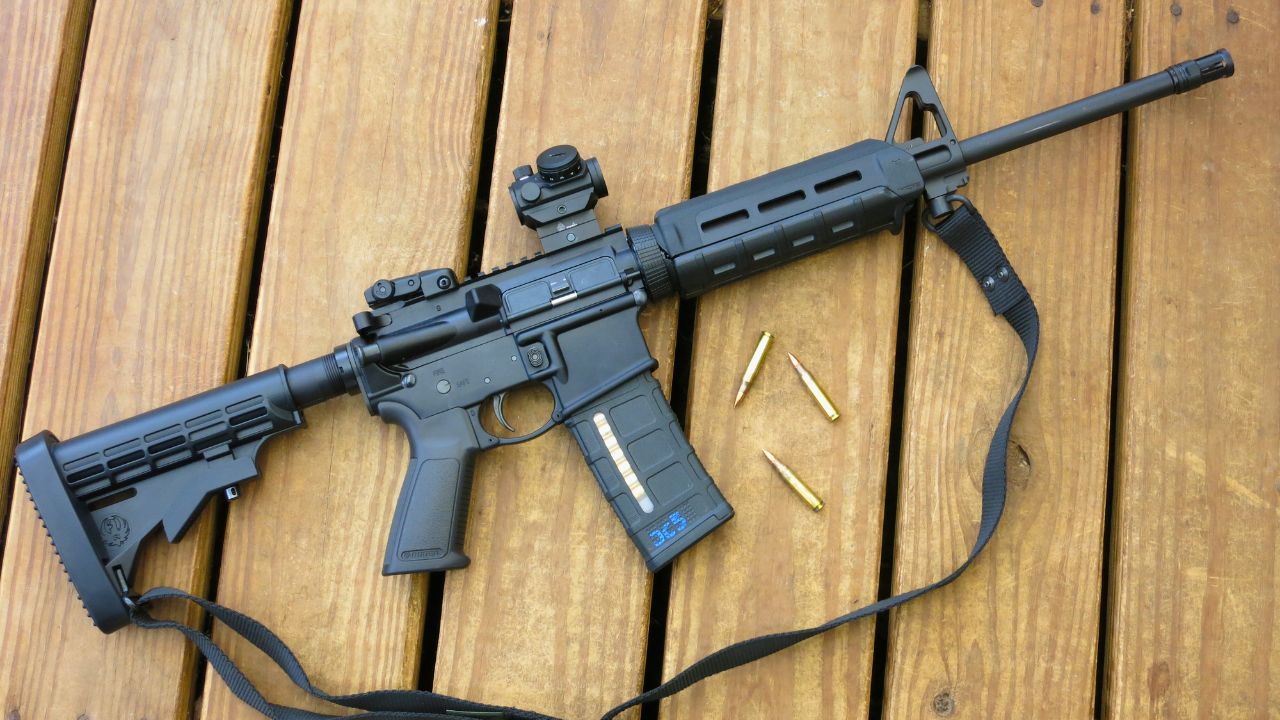
The .223 is fast and accurate, sure—but it’s a varmint round. It’s designed to tumble or fragment on impact, which works great on coyotes or intruders but not on heavy bone and muscle.
Against a bear, most .223 bullets break apart before hitting anything important. Even with the right shot placement, it’s risky. If you’re carrying an AR for bear defense, you’d better load it with barrier-blind bullets—but even then, there are better options.
.410 Bore
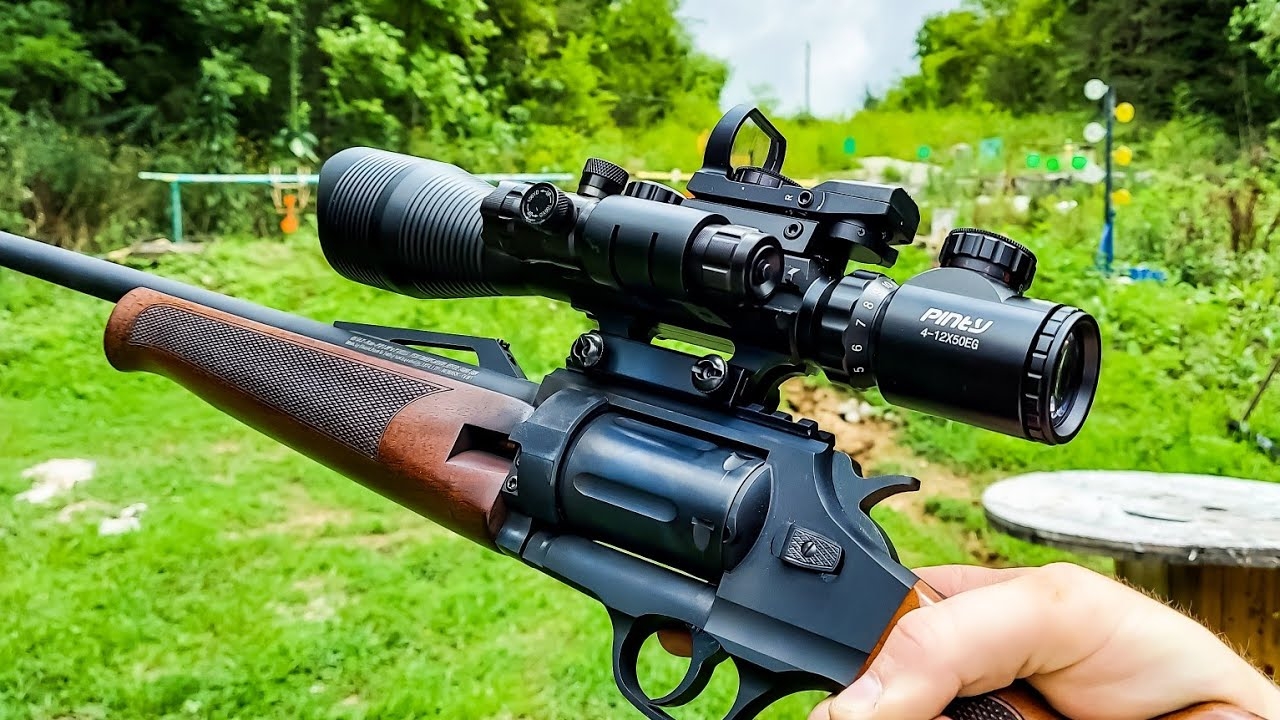
Some people think the .410 is good enough because it’s a shotgun, but that’s a dangerous assumption. Most .410 loads don’t pack enough punch, and their limited pellet count or slug size means poor terminal performance on large animals.
If you’re using a revolver that fires .410 shells, like the Taurus Judge, it’s not going to cut it for a bear. It’s a decent snake gun or novelty woods gun—but when your life’s on the line, you want something with a lot more bite.
.45 ACP
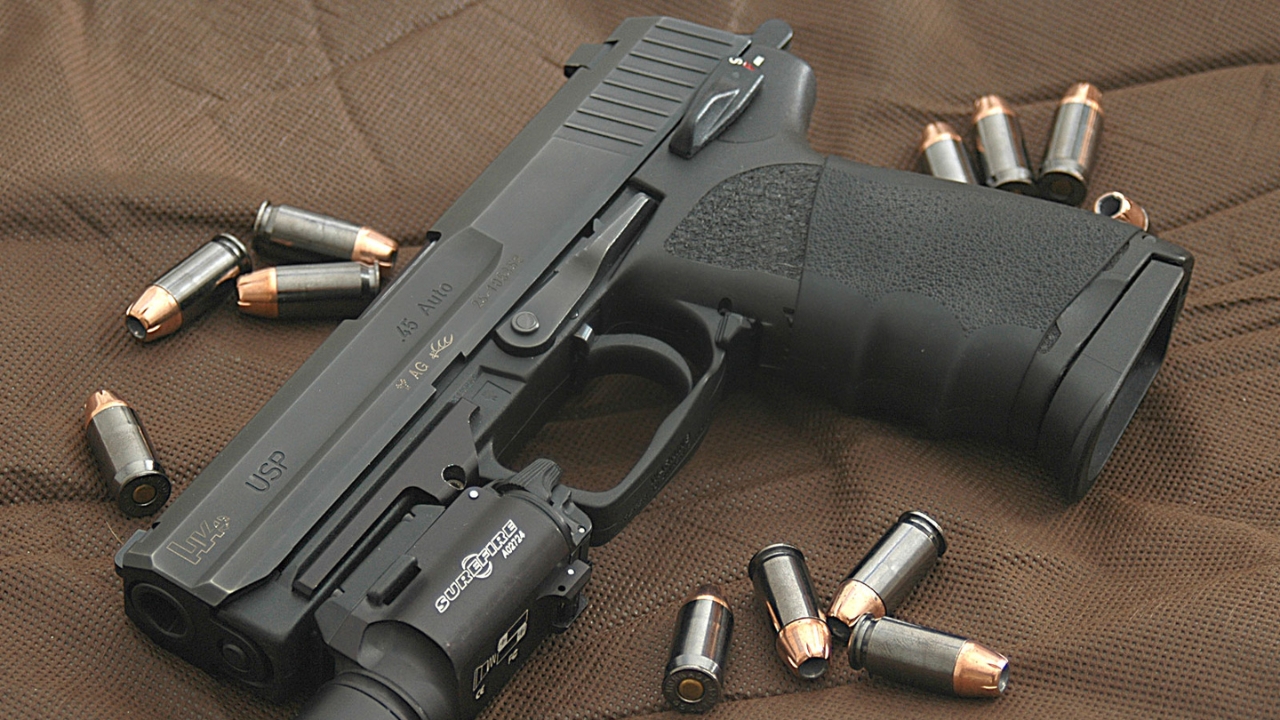
The .45 ACP is heavy and slow. While it hits hard at close range on two-legged threats, it lacks the penetration and velocity to do real damage on a bear. It just doesn’t go deep enough, especially with expanding ammo.
Plenty of folks trust their .45s for home defense, and that’s fine. But out in bear country, it’s a gamble. A big, angry bear doesn’t care about caliber myths—it cares about stopping power, and .45 ACP doesn’t bring enough of it.
7.62x39mm (with Soft Point or FMJ)
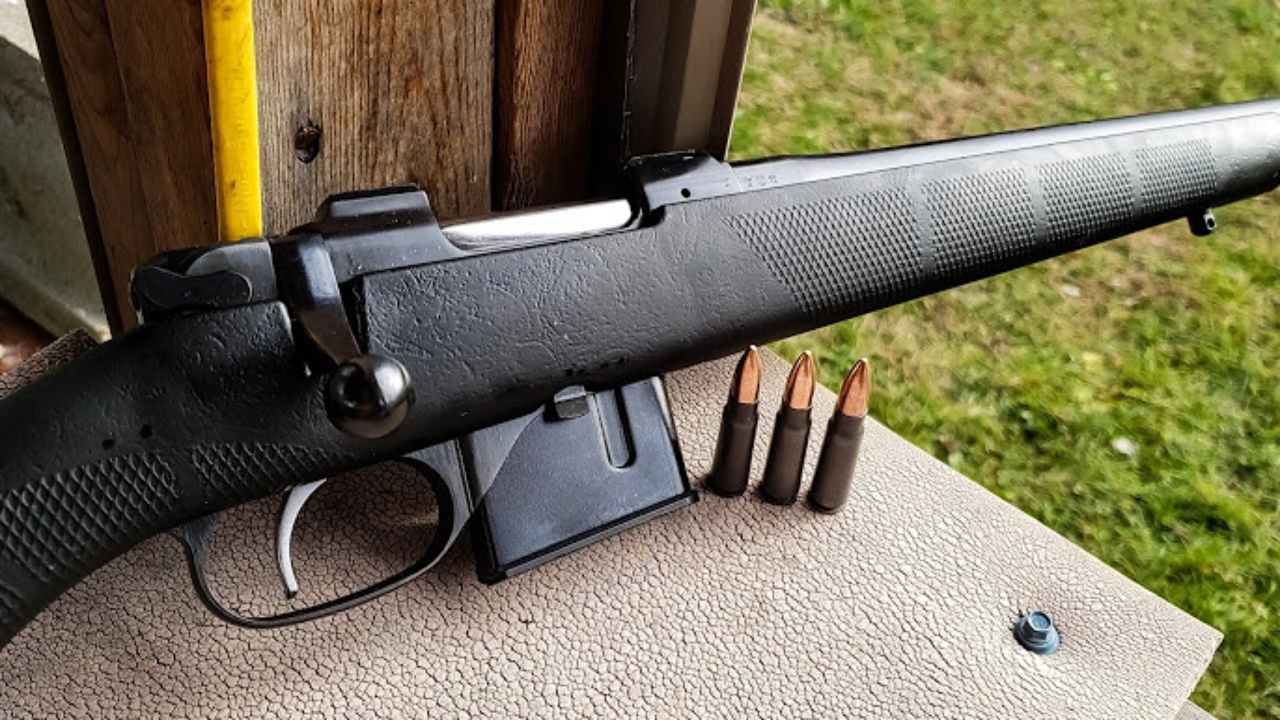
The 7.62x39mm has decent ballistics on paper, but most military surplus and cheap hunting rounds aren’t designed for deep penetration. FMJs zip right through without doing enough damage, and soft points may not break bones reliably.
It’s not a horrible choice if you’re stuck with it, but it’s not great either. There are better loads out there for bear protection—ones that give you more weight, more velocity, and better bullet construction to get the job done.
.357 SIG

The .357 SIG is often praised for its speed, but speed doesn’t equal penetration. It was designed to mimic .357 Magnum performance in an auto platform, but it doesn’t quite get there—especially with most off-the-shelf loads.
Against a bear, the .357 SIG lacks the mass to drive deep. You need something that’ll hold together and crush through bone. If you’re going with a .357 caliber, skip the SIG and go with a revolver chambered in Magnum instead.
.30 Carbine

The .30 Carbine is an odd one. It was made for a lightweight rifle during WWII, and while it does fine on smaller game or personal defense, it struggles on big animals. It doesn’t have the bullet weight or sectional density to hit deep.
Even soft-point hunting rounds in .30 Carbine don’t compare well to larger rifle calibers. If that’s all you’ve got, make your shots count—but ideally, swap it out for something that hits harder and digs deeper.
.32 H&R Magnum
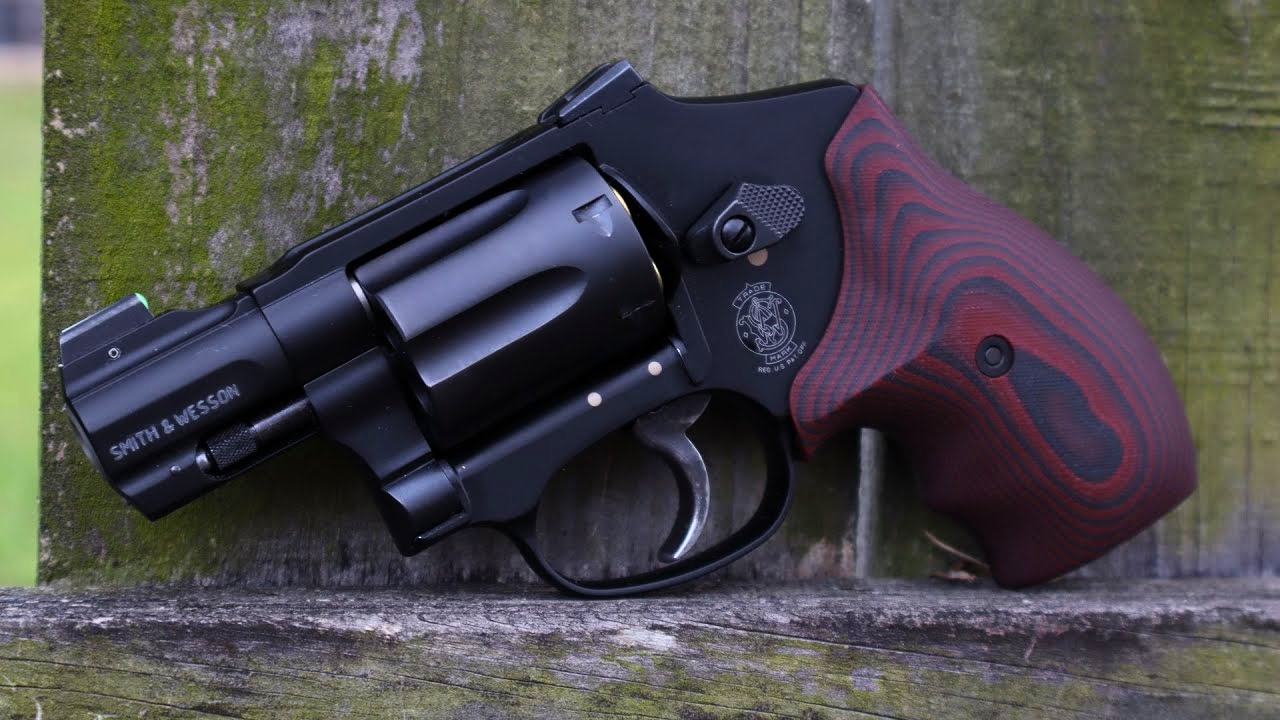
It’s a neat little revolver round, and it might work fine for trail walking in snake country or taking rabbits. But when it comes to bear defense, it’s nowhere near enough gun. The energy is too low, and the bullets are too light.
Even a black bear is going to shrug off a hit from this. It might cause some pain, but it’s not going to stop a charge. You need something that’ll break bone and reach vital organs. This one’s way out of its league.
*This article was developed with AI-powered tools and has been carefully reviewed by our editors.


