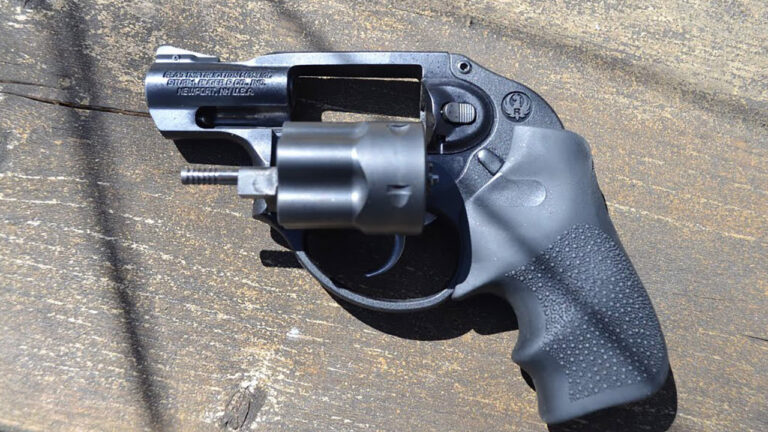
Photo credit: Muddy River Tactical
A good carry gun should run when you’re tired, sweaty, and half paying attention. But small carry pistols live closer to the edge than duty guns. Short slides, stiff springs, tight timing, and tiny feed ramps don’t leave much room for ammo that’s underpowered, oddly shaped, or inconsistent. The same gun that eats 200 rounds of FMJ can start choking the minute you switch to a defensive hollow point with a wide mouth, or a bargain load that varies in velocity.
Ammo problems aren’t always the ammo’s fault, either. Some pistols are tuned around specific pressure curves. Some hate flat-nose bullets. Some punish you for limp-wristing the instant you go lighter than standard pressure. These are carry guns with real strengths—until you choose the wrong ammo and the gun reminds you it’s a compact machine with compact tolerances.
SIG Sauer P365

The P365 is one of the best concealment-to-capability designs out there, but it can be sensitive to ammo shape. Some wide-mouth hollow points and flat-nose loads don’t feed as smoothly as round-nose FMJ, especially if your magazines are dirty or your gun is dry. You’ll usually see it as a nose-up hang or a rough feed that doesn’t fully chamber.
It can also punish you for weak practice ammo. Light, inconsistent range loads can turn into failures to return to battery or sluggish cycling, and the short slide doesn’t have extra travel to hide it. Add a marginal grip and it shows up faster.
The fix is boring: run quality magazines, keep the gun lubed, and test your carry load. The P365 can be extremely reliable, but it wants ammo that matches its timing.
SIG Sauer P365-380

The P365-380 is soft shooting and easy to control, which is exactly why people buy it. The downside is .380 ammo is all over the map, and some loads are underpowered or inconsistent enough to cause short-stroking in a small pistol. You’ll feel the gun cycle “lazy,” then you’ll see failures to eject or failures to feed.
Hollow point shape can also matter more in .380 because you’re often dealing with wide cavities and shorter overall cartridge length. Some combinations just don’t glide up the feed path as smoothly as others. When the gun is clean and you’re using decent ammo, it runs well. When you mix a tight little pistol with bargain ammo, you get reminded you’re not shooting a full-size.
If you carry it, pick a proven defensive load and stick with it. This gun rewards consistency more than experimentation.
Springfield Armory Hellcat
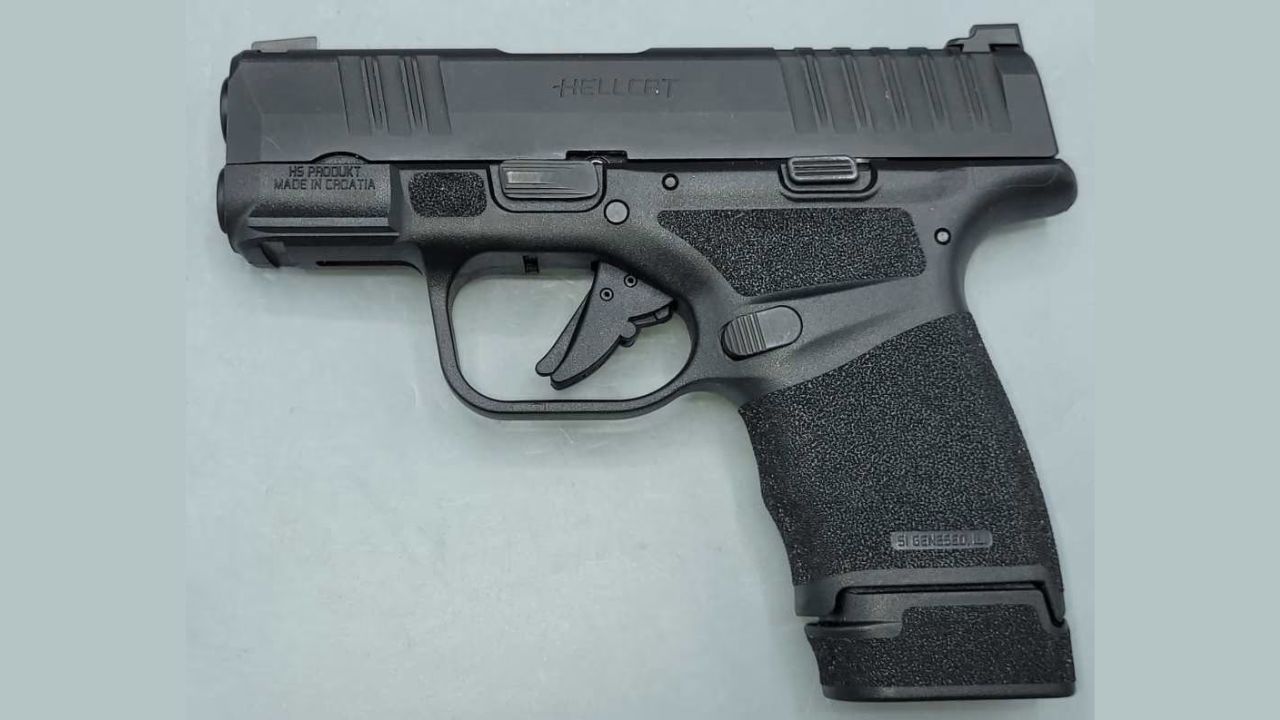
The Hellcat is compact, high capacity, and easy to carry, but it can be picky about certain bullet profiles. Some flat-nose FMJ and wide hollow points can create rough feeding compared to round-nose training ammo. In a micro pistol, that difference matters more than people want to admit.
It can also punish you for weak range ammo, especially if you’re not gripping it firmly. Short-slide guns have less mass and less travel, and they rely on a consistent recoil impulse. If your ammo is soft or inconsistent, you can see stovepipes, failures to eject, or the slide not locking back.
None of this means the Hellcat is unreliable. It means it’s a high-performance micro that expects you to choose ammo like you actually care. Test a few carry loads, confirm function with your magazines, and don’t assume every cheap box is “close enough.”
Springfield Armory Hellcat Pro

The Hellcat Pro tends to be more forgiving than the original Hellcat because the slide length and mass help, but it can still punish you with the wrong ammo. Certain hollow points with aggressive cavities can feed differently than FMJ, and the gun will let you know if your chosen load doesn’t agree with its feed geometry.
Where it can really bite you is when you mix ammo that’s soft with a marginal grip. The Pro is still a slim, light pistol, and it doesn’t have the same inertia as a duty gun. If the recoil impulse is weak, you can see erratic ejection or failures to fully cycle. You’ll often blame the gun, but it’s usually the combination.
The Hellcat Pro is a great carry pistol when you treat it like a system: quality ammo, clean magazines, and a firm grip. It’s not the platform for random bargain loads and wishful thinking.
Glock 43X

The Glock 43X has a reputation for reliability, and it earns it. But when you get into slimline guns, ammo choice matters more than most Glock owners expect. Some flat-nose FMJ and some wide hollow points can change the way rounds present in the magazine and ride up the feed ramp, especially as the gun gets dirty.
The 43X can also punish you with low-powered range ammo. If your grip is loose or you’re shooting one-handed drills, you may see weaker ejection or the occasional failure to lock back. It’s not common, but it’s more noticeable in the slim guns than in a Glock 19.
The lesson is simple: verify the defensive load you intend to carry, and don’t assume all cheap practice ammo is created equal. The 43X is dependable, but it still lives in the micro/compact reality.
Glock 42

The Glock 42 is one of the softer-shooting .380s and a favorite for deep concealment. The catch is .380 ammo inconsistency can still show up, especially with lighter practice loads. When the recoil impulse is weak, you can see failures to eject or sluggish cycling, and that’s frustrating in a gun you picked for confidence.
Bullet shape matters too. Some .380 hollow points have wide cavities and short overall length, and they don’t always feed like FMJ. The G42 is generally forgiving, but it isn’t immune, especially when the gun is dry or your magazines are dirty.
If you carry a G42, it pays to be picky about ammo. Find a defensive load that feeds cleanly and runs your gun hard enough to cycle with authority. The G42 can be extremely reliable, but .380 is not the place to gamble on mystery boxes.
Ruger LCP Max

The LCP Max is impressive for its size, but ultra-compact pistols are the definition of “ammo sensitive.” There’s very little slide travel and very little mass, which means the gun wants a consistent recoil impulse. Underpowered practice ammo can lead to short-stroking, failures to eject, and failures to feed that show up fast.
Hollow points can also be tricky in tiny guns because the feed path is steep and the magazines are small. Some loads with wide mouths or blunt profiles don’t climb smoothly, especially if your grip is less than firm. That’s not a Ruger-only issue—that’s the reality of the size class.
If you want the LCP Max to run like a bigger pistol, you have to feed it like a bigger pistol. Use quality ammo, keep it lubricated, and test your carry load with the exact magazines you’ll carry.
Smith & Wesson Bodyguard 380

The original Bodyguard 380 is easy to carry, but it’s known as a gun that can be less forgiving with ammo than larger pistols. Some hollow points and flat-nose loads can cause feeding issues, especially if the gun is dirty or the magazines are worn. In this size range, little changes matter.
It can also punish you with cheap practice ammo. .380 loads vary widely, and soft rounds can lead to failures to eject or the slide not returning to battery. The gun is also light enough that a weak grip makes everything worse. You can do everything “mostly right” and still see hiccups if your ammo choice is marginal.
If you rely on a Bodyguard 380, keep the system consistent. Pick a defensive load that runs, practice with ammo that cycles reliably, and don’t assume every .380 box is interchangeable. This is a carry gun that rewards discipline.
Kimber Micro 9

The Micro 9 is popular because it’s compact, slim, and familiar for shooters who like the 1911-style feel. Small 1911-pattern pistols, however, are often more sensitive to ammo than people expect. Hollow point profiles can matter, and some loads that run in bigger guns can hang up in a short, tight little carry pistol.
It can also punish you with light or inconsistent practice ammo. Timing in small actions is less forgiving, and you may see failures to feed, failures to extract, or erratic ejection when the recoil impulse isn’t consistent. The gun may run perfectly with one load and act cranky with another.
If you carry a Micro 9, you want to find the load it likes and stick to it. That’s not being picky—that’s being realistic. Small metal guns can be great, but they aren’t always “feed anything” machines.
Kimber Ultra Carry II

The Ultra Carry II has been carried a lot because it’s a compact 1911 that feels thin and points naturally. The short 3-inch 1911 format, though, is famously less tolerant of ammo changes than a 5-inch gun. Some hollow points can cause feeding trouble, especially if the magazine geometry isn’t perfect or the gun is running dry.
It can also punish you with bargain ammo that varies in power. A short-slide 1911 has less timing margin, and it depends on the ammo delivering the right recoil impulse for consistent cycling. When the impulse isn’t there, you may see failures to return to battery or inconsistent extraction.
None of this means the Ultra can’t be reliable. It means you don’t get to be casual about ammo. Use good magazines, keep it maintained, and confirm the specific defensive load you plan to carry. In this size class, “close enough” can become “not today.”
Walther PPK/S

The PPK/S is a classic, and it’s still carried by people who like the size and the feel. Blowback .380 pistols tend to be more ammo sensitive than modern locked-breech designs, and the PPK/S can punish you if your ammo choice is inconsistent. Some loads run snappy and strong, others feel soft and can lead to weak ejection.
Hollow points can also be a mixed bag. Some feed fine, some don’t, and you won’t know until you test in your specific gun. The platform’s feed geometry and the nature of blowback operation make it less forgiving of odd bullet shapes.
If you carry a PPK/S, you’re choosing a classic with classic behavior. It wants ammo that cycles with authority and bullet profiles that feed smoothly. When you match it correctly, it can run well. When you don’t, it’ll remind you it’s not a modern duty pistol.
Beretta 3032 Tomcat

The Beretta Tomcat is tiny, convenient, and very easy to live with. It also lives in a cartridge space that can punish bad ammo choices. .32 ACP can vary, and certain loads may not cycle with the consistency you’d expect from larger calibers. In a small blowback pistol, you’ll see it as weak ejection or inconsistent cycling.
Bullet shape matters too. Some .32 loads with flat noses can behave differently than round-nose ammo in a tiny feed path. The Tomcat is often happiest with classic round-nose loads that feed smoothly and cycle reliably. When you step outside that, you’re testing the edges of the system.
The Tomcat can be a good deep-carry option. You simply need to accept that it’s not the gun for random ammo experiments. Pick what it likes, keep it clean, and treat it like the specialized carry tool it is.
Kahr PM9

The Kahr PM9 is a slim, easy-to-carry 9mm that a lot of experienced carriers have trusted. It can also be ammo sensitive, especially during break-in or when you run softer practice loads. The tight, compact system can punish underpowered ammo with failures to feed or failures to return to battery.
Hollow point shape matters too. Some loads feed beautifully, others don’t, and the PM9 will make you prove it. The gun’s design is built around a smooth, consistent cycle, and when ammo doesn’t match that cycle, you’ll see hiccups that a larger pistol might gloss over.
If you carry a PM9, you want to be intentional: run enough rounds to confirm reliability, pick a defensive load that feeds cleanly, and don’t assume your cheapest box of range ammo will behave like duty ammo. The PM9 can be excellent, but it doesn’t tolerate sloppy ammo choices.
FN Reflex

The FN Reflex is a modern micro-9 that brings good shootability to a small package, but small packages still have limits. Micro pistols can react strongly to ammo differences, especially when you bounce between very soft practice loads and hotter defensive loads. You may see changes in ejection pattern, slide speed, and overall feel that hint at whether the gun is cycling with authority.
Some hollow points also present differently in micro magazines, especially wide-mouth designs. A load that feeds in a full-size pistol can feel rougher in a tight little carry gun. The Reflex is built to be carried, but it still expects you to verify function.
If you want it to be boringly reliable, keep your choices boring. Use consistent practice ammo, test your carry load, and don’t treat the micro-9 category like it’s immune to physics. The Reflex can run hard, but it won’t save you from bad ammo decisions.
Canik MC9

The Canik MC9 is a compact, feature-rich carry gun that many people like for the price and shootability. Like a lot of micro compacts, it can punish you if you run ammo that’s inconsistent or shaped awkwardly. Wide-mouth hollow points and flat-nose bullets can change feeding behavior more than you’d expect, especially when the gun is dirty or the magazines are new.
It can also react poorly to very soft practice loads. When the recoil impulse is marginal, you may see failures to eject, the slide not locking back, or occasional failures to fully chamber. The smaller the gun, the more those ammo differences matter, and the MC9 lives in that reality.
If you carry an MC9, choose a proven defensive load and confirm it runs cleanly. You don’t need a hundred different ammo types. You need one that works, and enough practice with it to trust the system.
Like The Avid Outdoorsman’s content? Subscribe to our newsletter so you never miss an article.
Here’s more from us: