Photo credit: PRESSLAB/Shutterstock.com
Every gun safe has a few lookers—the ones you bought because they looked cool, felt nostalgic, or came with a story—but deep down, you know they’re not pulling their weight. Some firearms were built more for the gun show table than the backwoods or the range. They’re heavy, finicky, or flat-out impractical. They look great in photos or hanging on the wall, but the minute you try to rely on them, their flaws show fast.
There’s nothing wrong with owning a few “safe queens,” but it’s worth knowing which guns earned that title. These firearms might look impressive, but they’re better off admired than fired.
Desert Eagle .50 AE
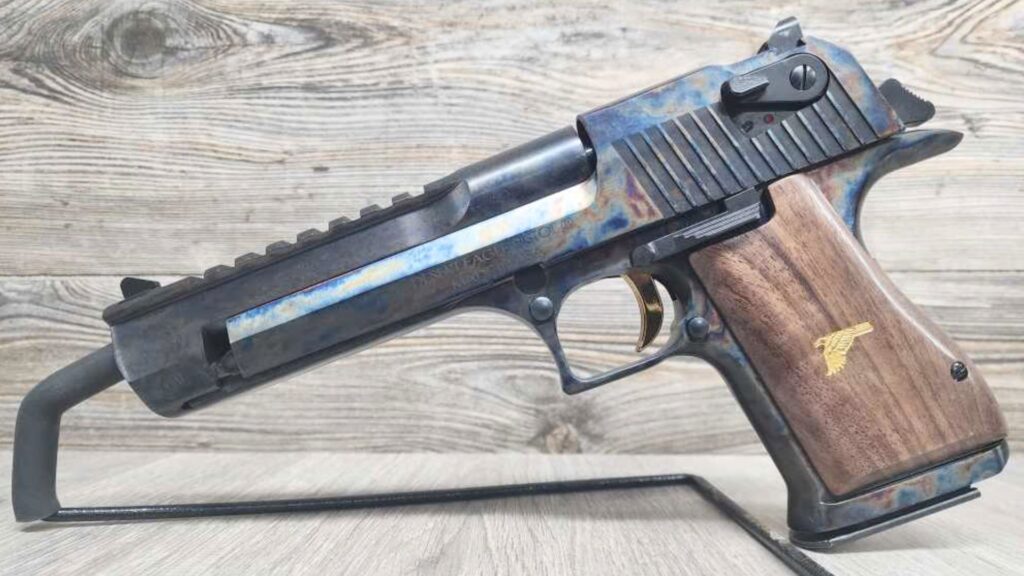
The Desert Eagle draws attention like few other handguns, but that’s where its usefulness ends. It’s big, flashy, and ridiculously heavy, making it a pain to carry or shoot for long. The recoil is punishing, and unless you’ve got forearms like a construction worker, follow-up shots aren’t happening quickly.
Then there’s the reliability factor. The gas system needs specific loads to function right, and cheaper ammo turns it into a jam machine. Sure, it’s fun to shoot once or twice, but you won’t grab it for home defense or hunting. It’s a showpiece, not a workhorse, and it looks a lot better sitting in a safe than it does out in the field.
Taurus Judge

The Taurus Judge has always been more gimmick than gun. The idea of firing both .410 shotshells and .45 Colt rounds sounds great—until you realize it doesn’t excel at either. The rifling isn’t ideal for shot spread, and .410 out of a short barrel loses effectiveness fast. At defensive ranges, accuracy and penetration are questionable.
It’s also bulky for what you get. Carrying one feels like lugging around a small brick, and it doesn’t offer the power or precision of a dedicated revolver or shotgun. The Judge gets points for novelty, but when it comes to serious use, it’s out of its league. You’ll impress buddies at the range once, then tuck it away forever.
Kel-Tec KSG
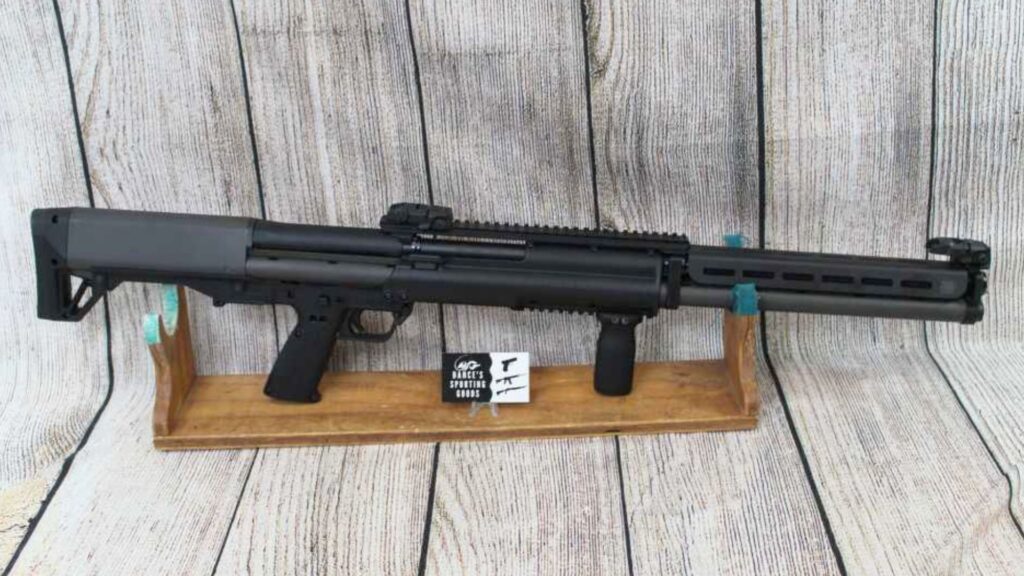
The KSG looks tactical and mean, but in reality, it’s finicky, awkward, and prone to reliability issues. Its dual magazine system sounds clever, yet switching tubes under stress can turn into a fumble. The pump action often binds if you don’t work it perfectly, and short-stroking it leads to immediate problems.
It’s also a bear to load and nearly impossible to clear quickly if something goes wrong. The compact size might appeal to home-defense shooters, but after a few jams or pinched fingers, you’ll start wondering why you didn’t grab a standard 870 instead. It’s the kind of gun that belongs in a YouTube video—not in the hands of someone who actually needs it to work.
Desert Tech MDRX
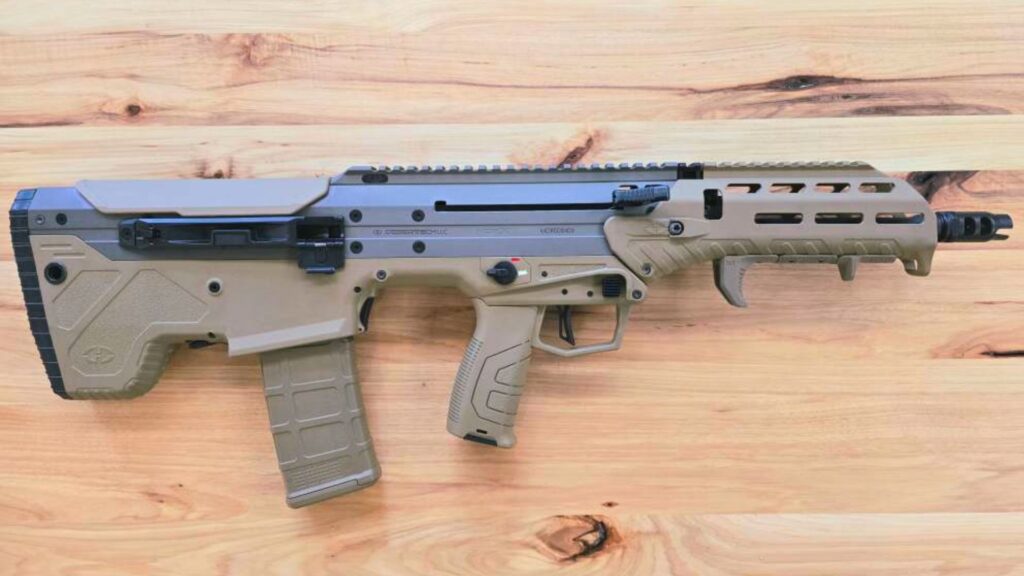
The MDRX bullpup rifle has modern looks and promises modularity, but in the real world, it’s plagued by reliability issues and heat buildup. The forward ejection system is clever in theory, yet malfunctions turn it into a headache to clear. It also gets hot fast, especially around the chamber and ejection port.
Add in a heavy trigger and awkward ergonomics, and it feels more like a science project than a practical rifle. While it looks like something out of a futuristic movie, it doesn’t perform like one. For what it costs, you could have a dependable AR setup that actually works under pressure. The MDRX turns heads, but not for the right reasons once you’ve shot it.
Chiappa Rhino
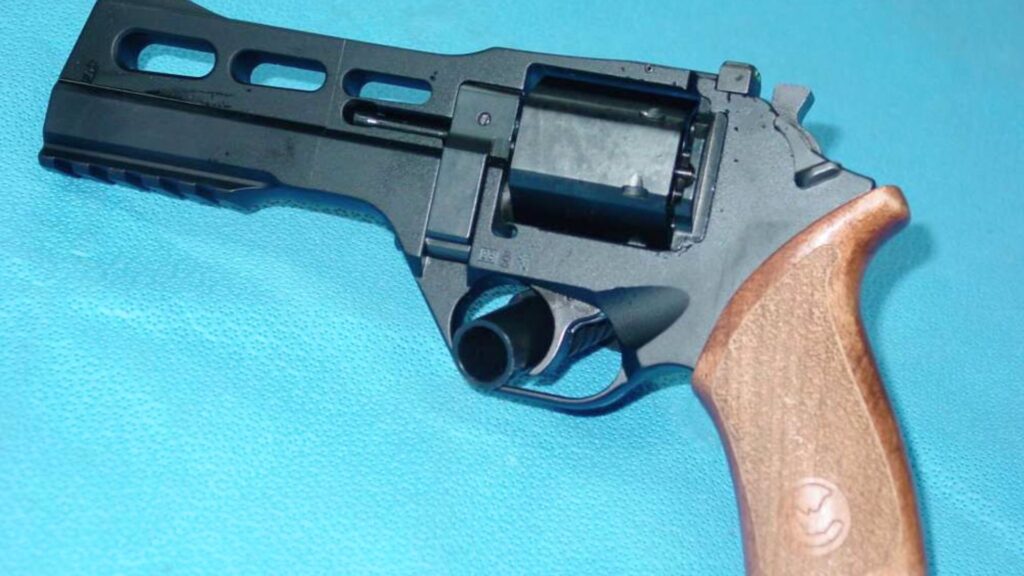
The Chiappa Rhino stands out with its barrel aligned to the bottom cylinder, meant to reduce recoil. On paper, it’s clever. In hand, it’s uncomfortable, complicated, and expensive to maintain. The design puts the recoil impulse lower, but it also means the grip angle and trigger mechanics feel unnatural to most shooters.
The finish and fit vary wildly, and parts aren’t easy to come by. It’s also not exactly confidence-inspiring when something breaks, which happens more than you’d like for a revolver in its price range. Sure, it looks futuristic and unique in your safe—but when you actually need a revolver that performs, there are far better options.
FN Five-seveN
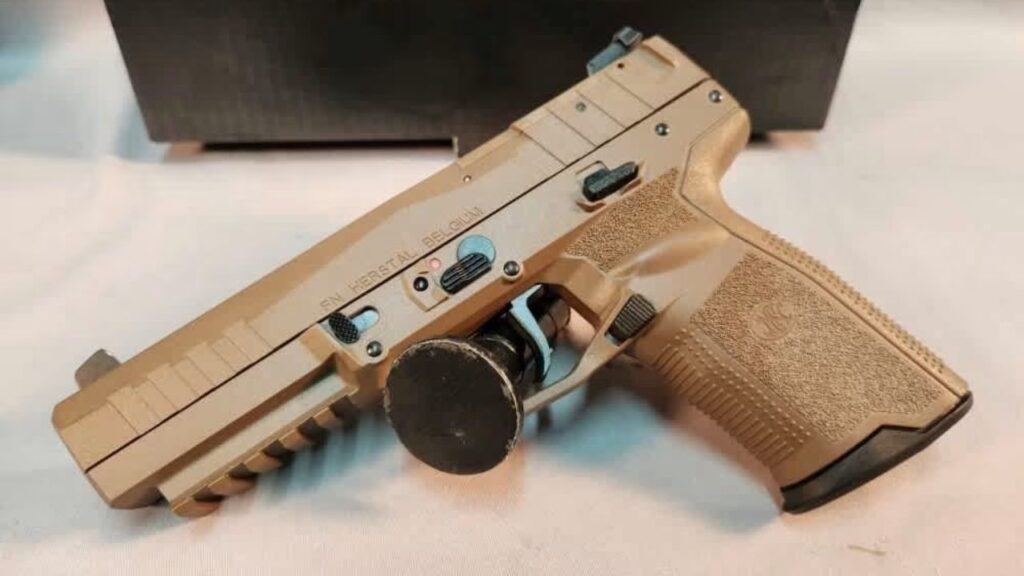
The Five-seveN gained fame for its high velocity and unique 5.7x28mm cartridge, but in practical use, it’s more novelty than necessity. The ammo is pricey, hard to find, and doesn’t deliver much advantage over quality 9mm loads in most real-world situations. The pistol itself feels large and toy-like, thanks to its polymer construction and long grip.
Recoil is light, but the trigger is mediocre, and the platform doesn’t shine in terms of accuracy or ergonomics. It’s fun to own and shoot occasionally, but for the average gun owner, it’s not doing anything a solid 9mm can’t do better. It’s the kind of piece you brag about owning—not one you rely on when it counts.
Kimber Solo Carry

The Kimber Solo Carry was designed to be a sleek, premium micro 9mm, but its track record has been rough. Early models suffered constant feeding issues, picky ammo requirements, and sensitivity to lubrication levels. It’s the type of pistol that demands babying, which defeats the purpose of a carry gun.
Even when it runs, the stiff slide and heavy trigger make it unpleasant to shoot. For something that was marketed as a defensive pistol, it’s too unreliable to trust and too uncomfortable to practice with. Most people who bought one ended up shelving it after a few frustrating range sessions. It looks good sitting in the safe, but that’s where it belongs.
Remington R51

Remington tried to revive a historic design with the R51, but it turned into one of the biggest flops in modern gun history. The original release was plagued by failures to feed, light strikes, and frame issues. Even after reworking, it still struggled to earn back trust.
The gun’s weird delayed-blowback system sounds advanced, but it adds more problems than benefits. Shooters reported harsh recoil, awkward ergonomics, and sharp edges that dig into your hands. It’s one of those firearms that feels fine in theory but performs like a prototype. If you’ve got one, polish it up—it looks better as a collector’s oddity than a working sidearm.
Steyr M9-A1
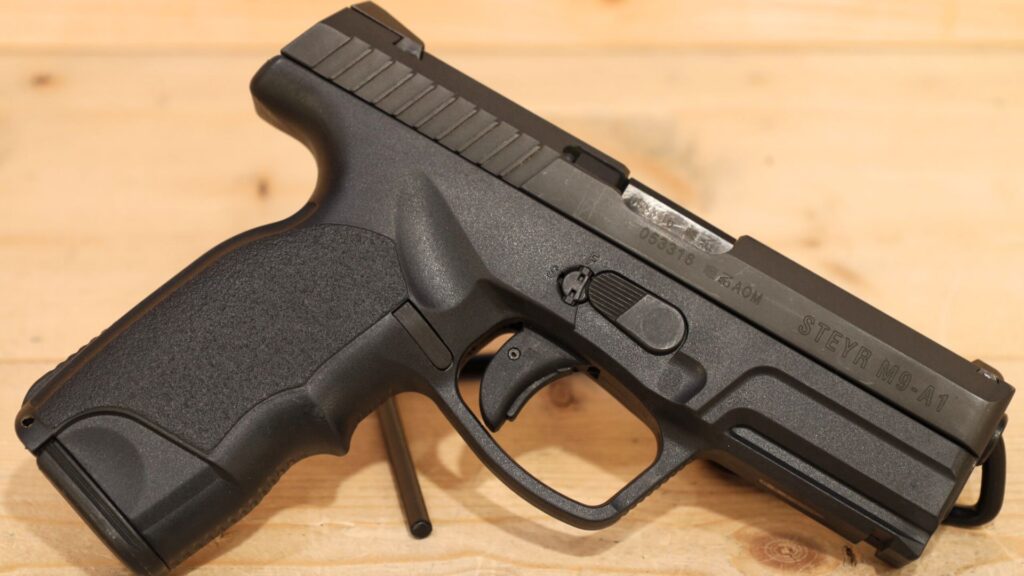
The Steyr M9-A1 had promise with its triangular sights and low bore axis, but it never lived up to the hype. The trigger feels mushy, parts are tough to find, and aftermarket support is nearly nonexistent. It’s reliable enough for casual use, but if anything breaks, you’re in for a long wait or a dead end.
It’s not that the gun is terrible—it’s just outclassed in every way by more popular models. Glocks, CZs, and M&Ps all do the same job with fewer quirks and better long-term support. The M9-A1 has that cool European look that makes you want to like it, but once you realize it’s a dead platform, it becomes more of a display piece than a daily shooter.
Armalite AR-7 Explorer
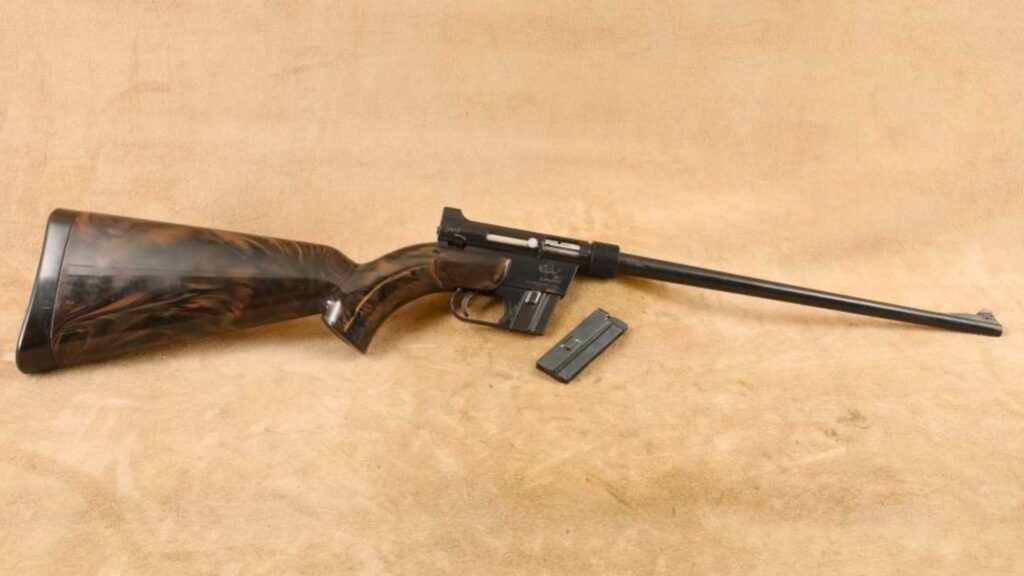
The AR-7 Explorer is lightweight and packs neatly into itself, but it’s finicky, cheaply built, and prone to failure if it’s not perfectly clean. Designed as a survival rifle, it’s anything but reliable when you actually need it. Feeding issues, weak magazines, and fragile parts have plagued it for decades.
Sure, it floats and fits in a backpack, but that won’t help if it won’t fire more than two rounds in a row. It’s fun for tinkering or showing off at camp, but it’s not something you’d stake your life on. Most owners find it’s more enjoyable to talk about than to actually shoot. That makes it the perfect “safe decoration”—neat to own, but best left untouched.
*This article was developed with AI-powered tools and has been carefully reviewed by our editors.