Photo credit: Olde English Outfitters/YouTube
Some handguns win people over immediately. Others take longer. They may look odd, feel heavier than expected, seem too niche, or simply get ignored while louder names grab the early attention. Then years go by, shooters get more experience, and the pistol that once felt easy to overlook starts looking a lot smarter than the one that got all the hype.
That is usually how real respect gets built. Not through launch buzz, but through use. A handgun keeps running, keeps shooting well, keeps carrying without drama, and slowly proves it deserved more credit than it got at first. These are the pistols that earned respect the long way.
Heckler & Koch P30SK
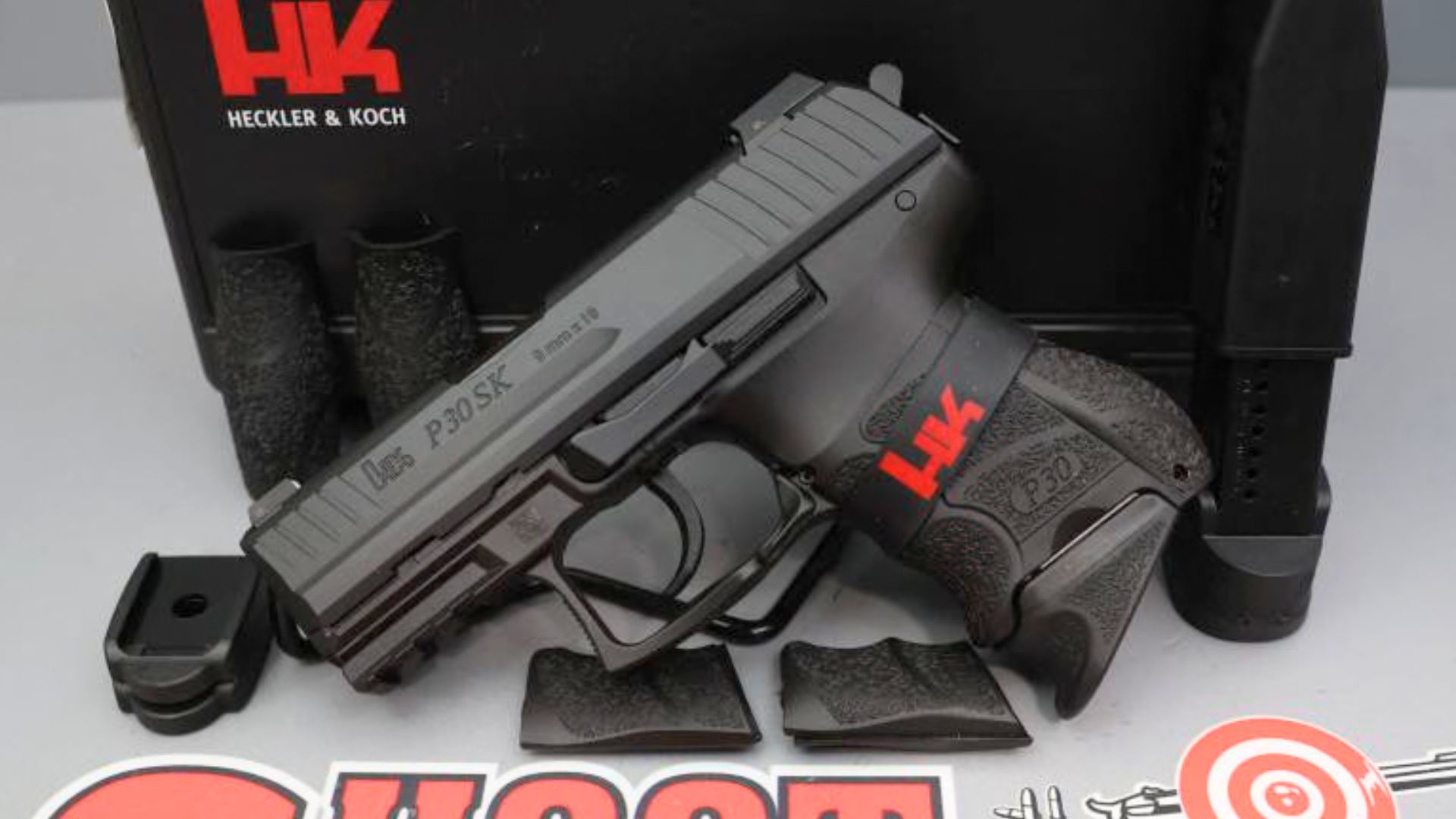
The P30SK never felt like a gun the market wanted to romanticize. It was compact, practical, and surrounded by flashier carry options that got more immediate love. To a lot of buyers, it seemed like a sensible but slightly boring answer in a category full of louder personalities.
That changed once people actually carried and shot one for a while. The ergonomics, durability, and overall control started standing out in a much bigger way. It earned respect because it kept behaving like a serious carry pistol long after trendier options started feeling more disposable than impressive.
Beretta 81BB

The 81BB looked easy to underestimate for a long time. It was a compact metal-frame pistol in a chambering many shooters treated like an afterthought, and that kept it from being taken as seriously as larger or more modern guns. It felt more like a charming old Beretta than a pistol people needed to spend real time understanding.
Then enough shooters actually did. The soft recoil, excellent handling, and overall quality began winning people over. The 81BB earned respect because it turned out to be more than a pretty little surplus-era sidearm. It was a genuinely enjoyable, useful handgun that kept feeling better the more time people spent with it.
FNX-45

The FNX-45 was never subtle, and that probably made some buyers dismiss it too quickly. It looked large, a little overbuilt, and like the kind of pistol that might make a stronger impression in a spec sheet than on a belt or at the range. Plenty of shooters admired it without really committing to it.
That changed once people started running them seriously. The gun shot softer than expected, carried real capacity for a .45, and felt like it was built for hard use instead of image alone. It earned respect over time because it kept proving there was real substance behind the size.
Walther P5 Compact
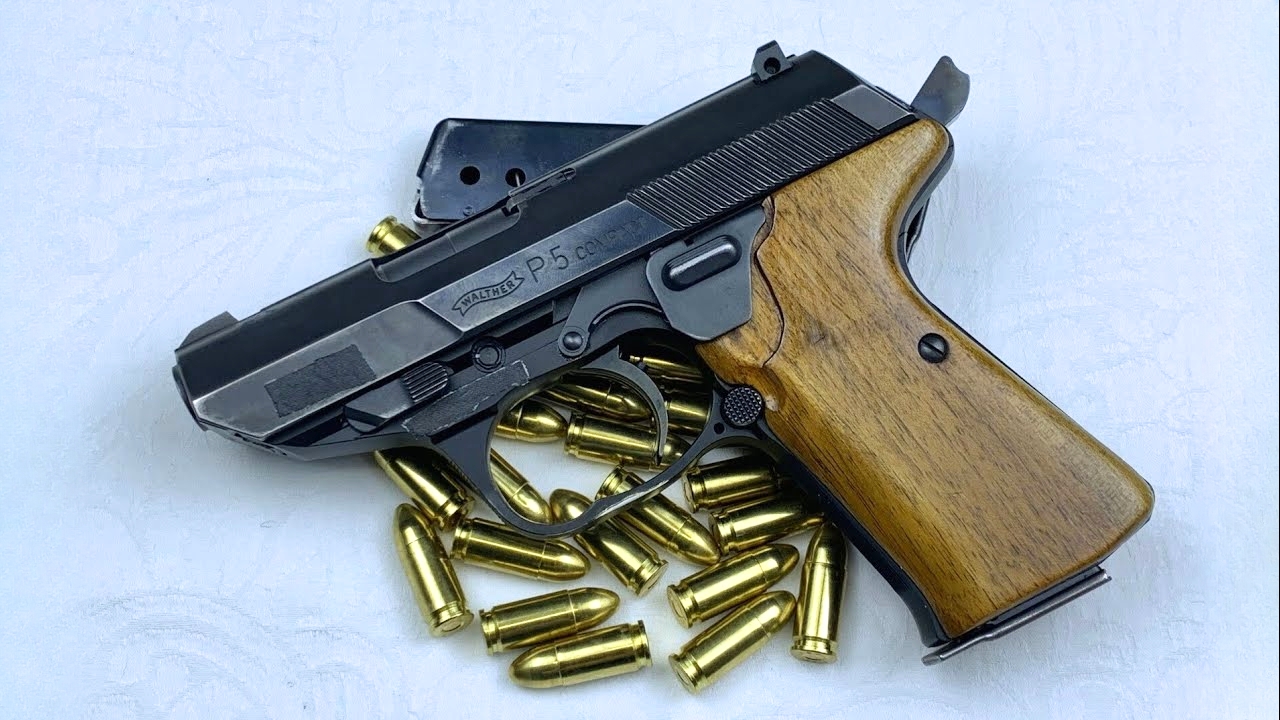
The P5 Compact always had the problem of being easier to admire than to understand. It looked uncommon, expensive, and a little too European in its design language for some buyers to immediately connect with. For a while, that kept it in the category of “interesting” rather than “seriously respected.”
Then shooters who spent real time with one started noticing how refined and well-balanced it really was. The pistol earned respect because it did not rely on trend relevance to matter. It simply kept showing how well-thought-out it was once the shooting started and the first impressions wore off.
Ruger SR9c
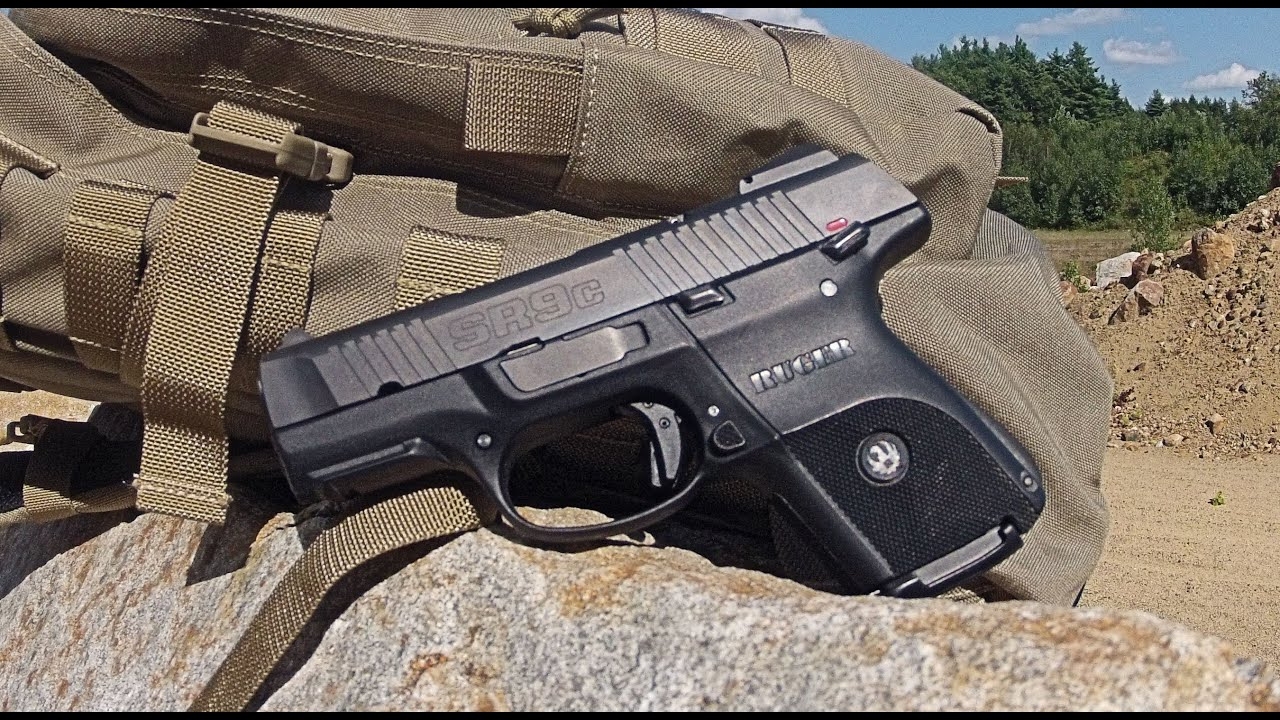
The SR9c spent years being treated like one more compact polymer pistol in a market that was already crowded with them. It never carried the cachet of some competitors, and that made it easy to overlook as a placeholder gun rather than something people would still speak well of years later.
But owners who stuck with them often ended up defending them for good reason. The pistol carried easily, shot better than many expected, and proved dependable enough to outlast the shallow opinion that it was just another forgettable compact. It earned respect through real ownership, not through noise.
Colt New Agent
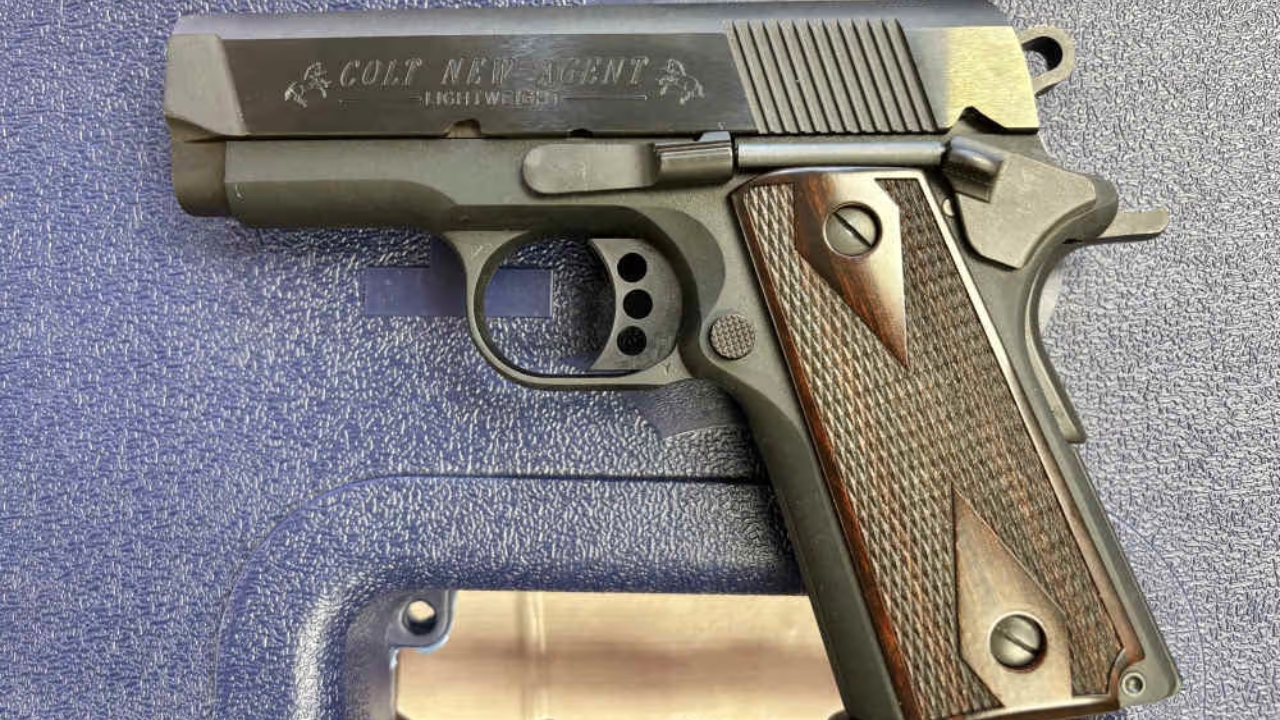
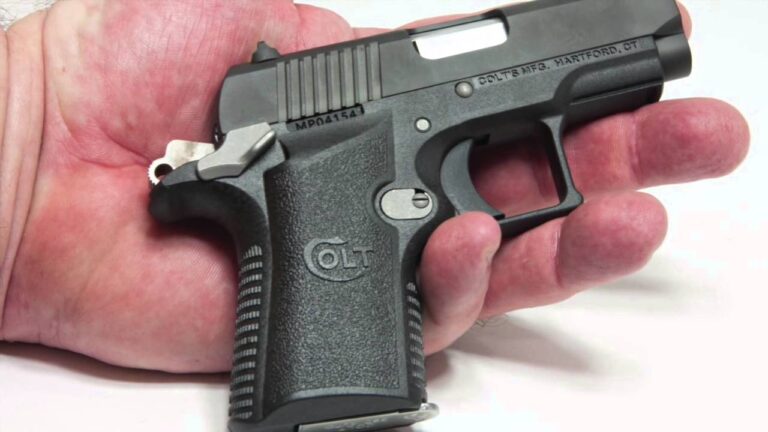
The New Agent got doubted from the beginning. A compact 1911 with trench sights sounded like the kind of idea that could easily collapse under real use. A lot of buyers assumed it would be more concept than carry gun and treated it accordingly.
Then the pistol developed a quieter following among people who actually carried it. They found that it concealed well, made sense at the distances it was meant for, and had a purpose-built feel that worked better in practice than many expected. It earned respect because it turned a lot of skepticism into reluctant admiration.
SIG Sauer SP2022

The SP2022 had one of the most thankless roles in the market. It was the SIG that looked too practical to get much love. Buyers often treated it like the lower-profile alternative to the more desirable metal-frame guns, which kept it from getting immediate respect even when it was clearly doing a lot right.
Time was good to it. The pistol kept proving reliable, easy to shoot, and far better than the “budget SIG” label suggested. It earned respect because people eventually realized it was not a second-rate substitute. It was just a genuinely solid pistol that had been underestimated from the start.
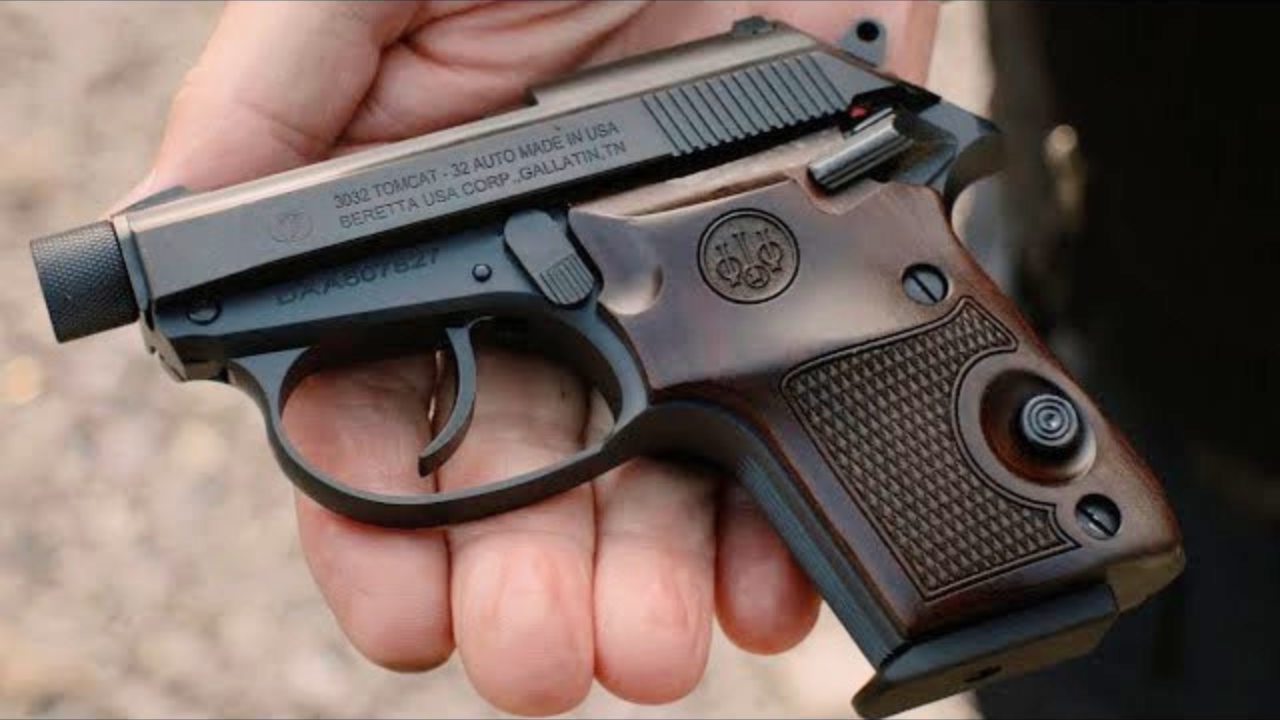
Beretta 3032 Tomcat
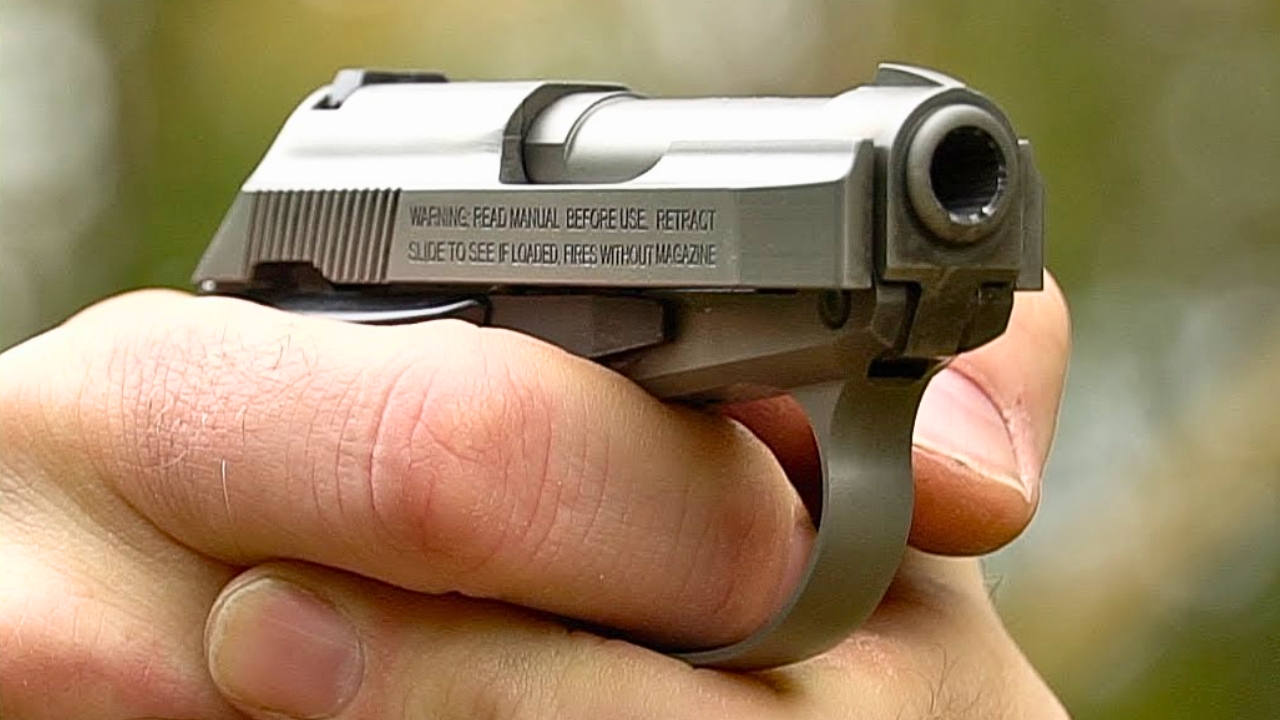
The Tomcat often got boxed into the role of novelty gun. It looked tiny, stylish, and quirky enough that many buyers assumed the appeal was mostly about charm. That kept a lot of people from appreciating it as a serious little carry or utility pistol.
Over time, its actual strengths became harder to ignore. The tip-up barrel, compact dimensions, and easy handling gave it a practical identity beyond the novelty label. It earned respect because it offered more real usefulness than people first gave it credit for, especially among shooters who valued convenience and old-school metal-gun quality.
Smith & Wesson 4506
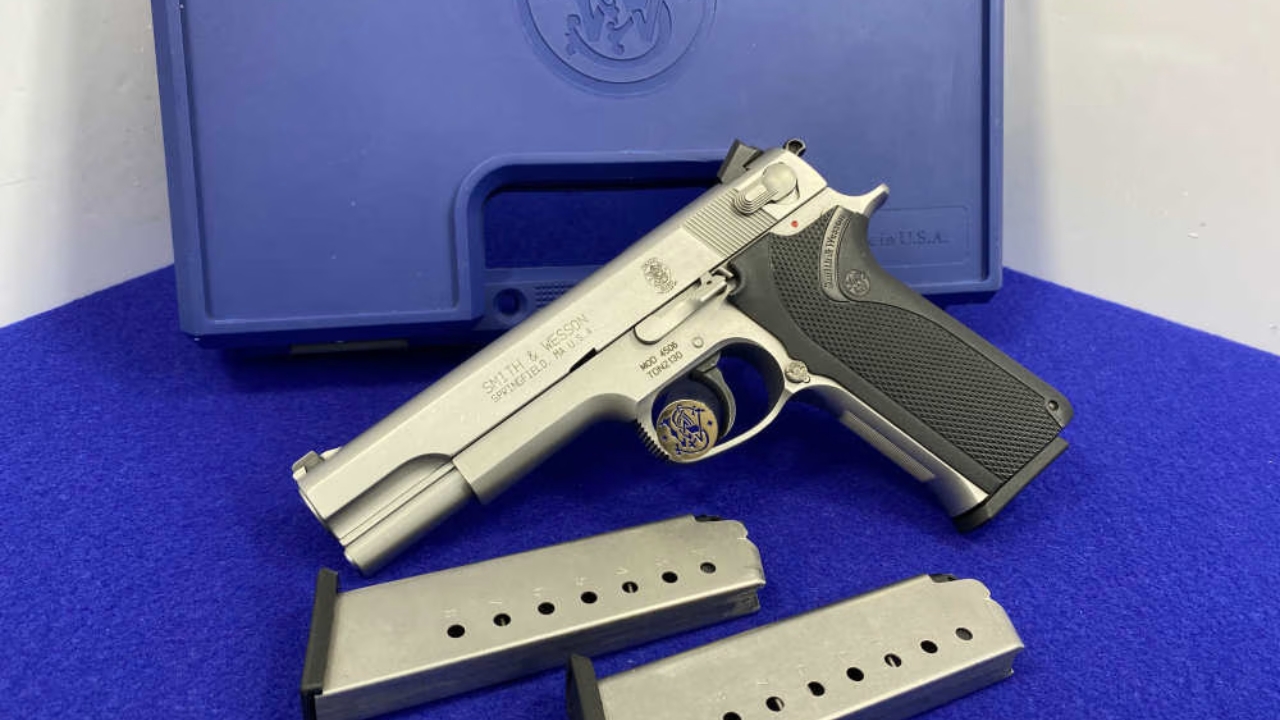
The 4506 did not arrive with much delicacy, and for years that worked against it. It looked big, heavy, and too tied to an older service-pistol mindset for some buyers to take seriously in a faster, lighter market. It often got dismissed as the kind of gun people respected historically without actually wanting to own.
Then the range time and long-term ownership stories piled up. The pistol earned respect because it was durable, shootable, and reassuring in a way many newer .45s never quite matched. It stopped looking like an old leftover and started looking like a serious pistol from a sturdier era.
CZ 82
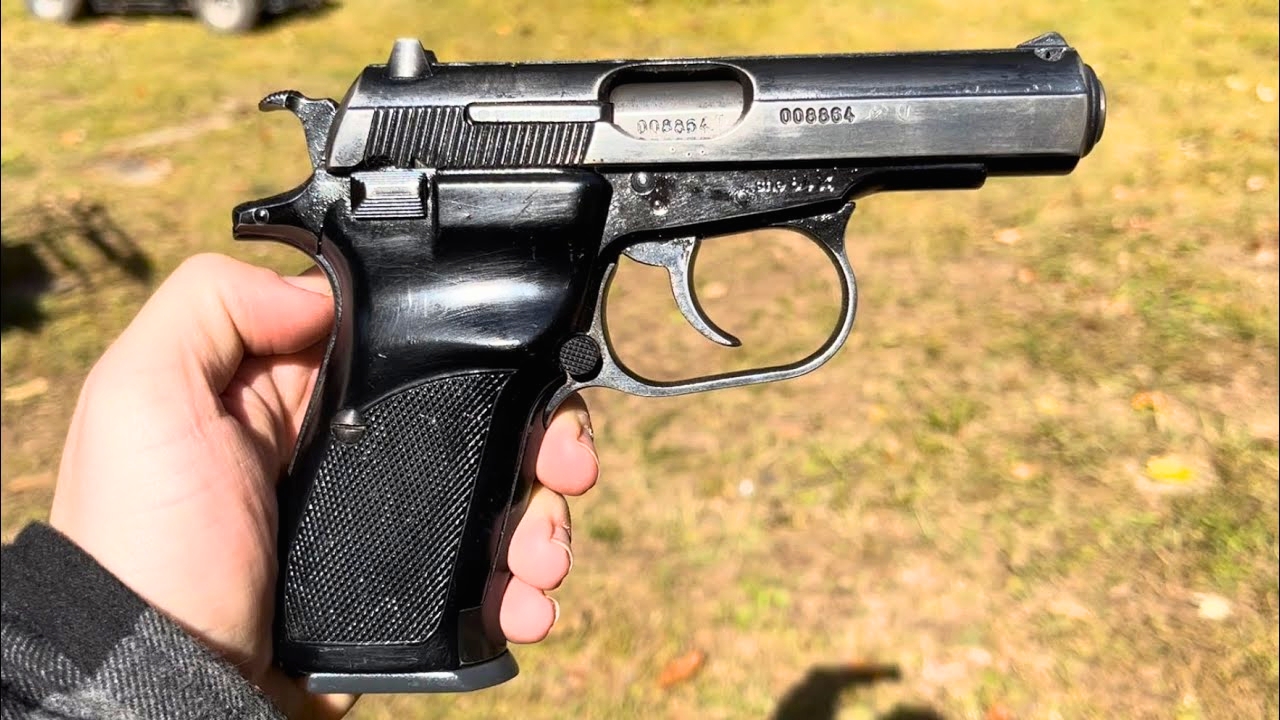
The CZ 82 spent a long time getting treated like a surplus oddball. That label made it easy for buyers to ignore what the gun actually offered. The caliber was niche to some, the background was surplus-heavy, and the pistol simply did not seem important enough to command immediate respect.
Then people shot them. The ergonomics, accuracy, and general quality changed the conversation quickly. It earned respect because it revealed itself as one of those rare surplus handguns that feels far better in use than its reputation suggests. Once shooters learned that, the old dismissive tone got a lot quieter.
Kimber Pro Carry

The Pro Carry sat in a tough middle ground for a long time. It was neither a full-size 1911 traditionalists loved nor a tiny carry gun that instantly sold itself on convenience. That made it easier to underrate than many people now remember. It seemed like a compromise pistol in a category where compromise often sounds like criticism.
Over time, a lot of shooters came to appreciate exactly what it was doing. The shorter, lighter 1911 format made real carry sense without abandoning the platform’s strong points. It earned respect because it hit a practical balance that looked more intelligent the longer owners lived with it.
HK45 Compact

The HK45 Compact never seemed desperate for attention, and that may be why it took longer for some shooters to fully appreciate it. It looked serious, but also a little too mature for a market that often rewards louder and trendier carry or duty guns. For a while, it sat slightly outside the hottest conversations.
Then shooters kept discovering the same thing: it just worked. It carried with more confidence than many expected, shot with real control, and felt built for long ownership rather than short excitement. It earned respect because it stayed trustworthy while other pistols came and went.
Browning BDM

The BDM was easy to dismiss because it never quite fit the mainstream lane. It looked slim and interesting, but also like one of those pistols people talk about more for being unusual than for being genuinely good. That kept many buyers from giving it the kind of fair shot it needed.
Shooters who stuck with it often came away with a different opinion. The pistol handled well, carried nicely, and had more real-world appeal than its oddball reputation suggested. It earned respect because it turned out to be a much better handgun than the market’s shallow first read ever implied.
Ruger LC9s Pro

The LC9s Pro did not look like a gun that would build much long-term affection. It seemed like a practical carry answer in a market full of practical carry answers, and that usually means a pistol risks becoming forgettable. Early impressions often treated it as serviceable more than impressive.
But the pistol kept winning points where it mattered. It carried easily, the striker-fired trigger improved the experience dramatically over the earlier hammer-fired version, and the overall package stayed useful in the real world. It earned respect because it kept doing exactly what people needed from it without asking for much drama.
Star BM
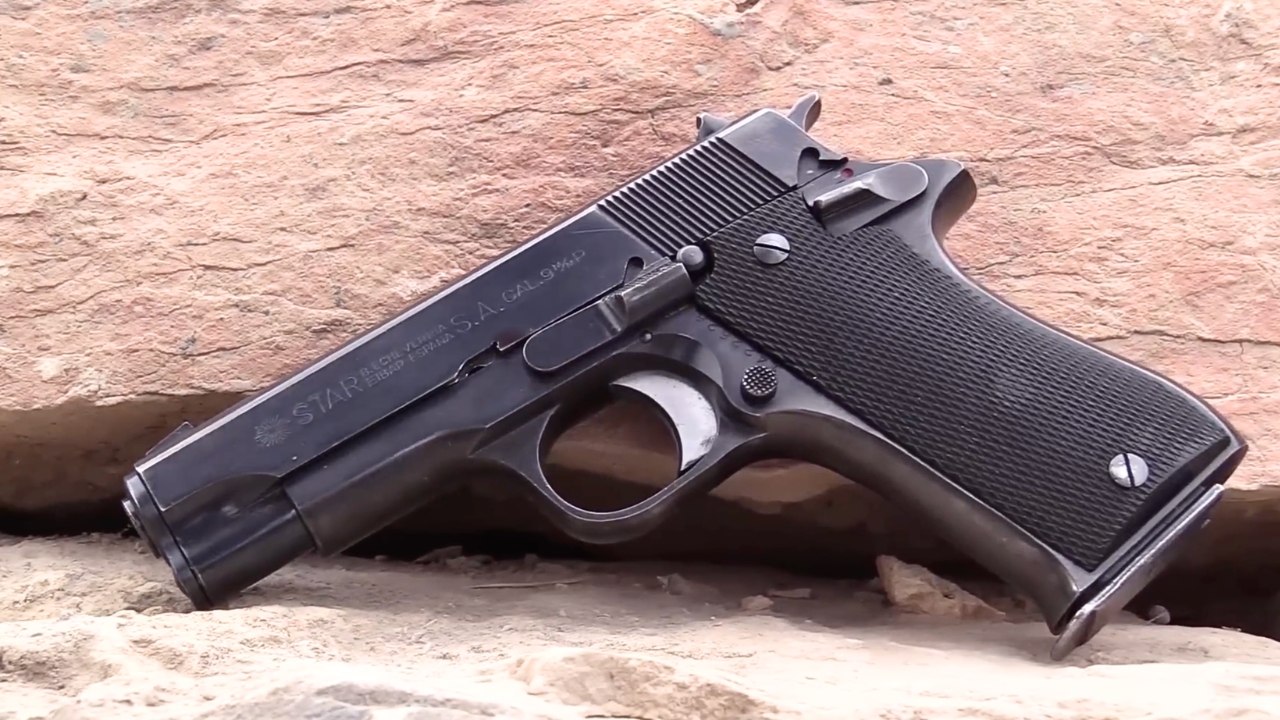
The Star BM looked like the sort of surplus pistol people buy out of curiosity and then move on from. It had old-school styling, a somewhat obscure name to mainstream buyers, and none of the big-brand heat that would have forced people to take it seriously right away.
Then enough people actually shot one. The pistol’s handling, compact size, and overall feel started changing minds. It earned respect because it turned out to be one of those older service pistols that felt much more alive and capable than buyers expected. Guns like that tend to build loyalty slowly but very honestly.
Like The Avid Outdoorsman’s content? Subscribe to our newsletter so you never miss an article.
Here’s more from us: