Photo credit: Gerber Gear/Amazon
A knife that chips under light use doesn’t belong in your pocket. It doesn’t matter how sharp it is out of the box or how good the steel sounds on paper—if the edge can’t handle basic cutting without flaking out, it’s more trouble than it’s worth. Some blades are ground too thin, some use brittle steel, and others just aren’t heat-treated right. These are the ones that tend to chip at the worst times, and you’re better off leaving them at home.
Kershaw Leek in 1660 Series with 14C28N

The Leek is a popular EDC blade, but the thin tip and narrow hollow grind don’t hold up to much abuse. The steel is decent for edge retention, but the geometry makes it prone to chipping when you’re cutting anything tougher than cardboard.
It’s fine for light slicing tasks, but if you use it on wood, plastic, or anything with a little resistance, you’ll start to see small edge damage fast. It’s not that 14C28N is bad—it’s just not forgiving with a grind this thin.
Cold Steel Ti-Lite in AUS-8

The Ti-Lite looks aggressive and carries a certain appeal for self-defense, but AUS-8 isn’t the toughest steel out there, and Cold Steel runs it a little hard in this model. Combine that with a narrow tanto grind and you’ve got a blade that chips if you’re not careful.
You’ll notice micro-chipping from repeated use, especially if you’re cutting anything with grit or resistance. It’s better suited for controlled cuts, not utility work. There are tougher options out there in the same size and price range.
CRKT M16 with 8Cr13MoV

The M16 series is a longtime favorite, but the edge on the 8Cr13MoV version doesn’t hold up well under stress. It takes a sharp edge, sure, but that edge chips out quick if you hit anything hard or twist in a cut.
This steel is a bit too soft and brittle at the same time—easy to sharpen, but easy to damage too. It’s a frustrating combo when you’re trying to carry one knife that can do it all without needing a touch-up every other day.
Gerber Paraframe in High Carbon Stainless

The Paraframe gets carried a lot because of price and availability, but the steel is prone to chipping—especially near the tip. The frame lock and handle design are solid enough, but the edge doesn’t hold up when pushed beyond light tasks.
Even things like zip ties or plastic clamshell packaging can cause small chips in the edge. It’s not built for heavy work, and the steel doesn’t forgive mistakes. You’ll find yourself sharpening it more often than it’s worth.
Boker Plus Urban Trapper in VG-10

VG-10 can be great in the right setup, but the Urban Trapper’s thin blade and fine edge don’t do it any favors. The grind is optimized for slicing, not strength, and even basic EDC tasks can lead to micro-fractures along the edge.
It’s elegant, light, and easy to carry, but don’t expect it to handle rough material or lateral pressure. VG-10 in this format chips easier than it should, making it a poor choice for anything beyond clean slicing.
Spyderco Delica 4 in ZDP-189

ZDP-189 has excellent edge retention, but it’s also notoriously brittle. In the Delica 4, that steel is pushed to its limit, and it doesn’t take much to chip the edge. One wrong move on hard plastic or wood, and you’ll see damage.
It’s not a bad knife if you treat it gently, but most folks expect a Delica to be a reliable EDC. With ZDP-189, you need to baby it. If you want a Delica that holds up better, stick with VG-10 or LC200N.
Civivi Elementum in Damascus

The Damascus version of the Elementum looks great, but the layered steel isn’t as tough as it needs to be for real EDC work. It tends to chip when used on anything harder than food or soft packaging.
You’re paying for aesthetics more than performance here. The steel’s hardness varies between batches, and if you get one on the brittle side, edge damage shows up fast. Stick with the D2 or Nitro-V versions if you want durability.
Buck 285 Bantam in 420HC

Buck’s 420HC is heat-treated better than most, but the Bantam’s thin blade and lower price point come with trade-offs. The grind can leave the edge vulnerable to chipping, especially if you’re using it on anything dense or abrasive.
It’s lightweight and easy to carry, but it’s not built to be pushed hard. The steel will roll or chip if you’re not being careful, and you’ll spend more time maintaining it than using it if you’re rough on your gear.
Ontario RAT II in D2

D2 is known for edge retention, but it’s also semi-brittle, and the RAT II’s thin grind amplifies that. When used on harder materials, you might start to see micro-chipping, especially near the tip or belly.
It’s not a dealbreaker for everyone, but if you’re doing real EDC work or using your knife for tougher tasks, you’ll notice it. The steel performs better with a thicker grind or in a fixed blade format—here, it’s a little too delicate.
Steel Will Cutjack in D2
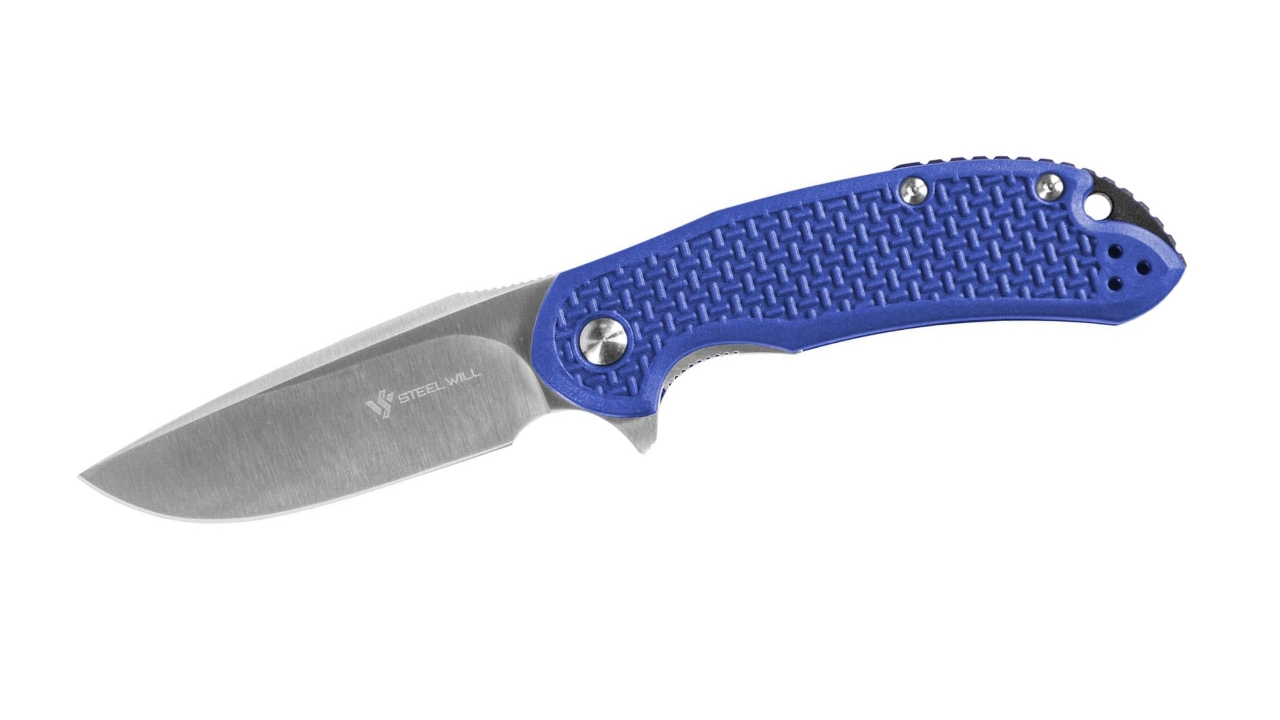
Another D2 blade with edge fragility issues, the Cutjack feels solid in hand but doesn’t hold up well under lateral pressure or impact. The factory edge is thin, and once you chip it, the steel isn’t easy to fix without a good sharpening setup.
It’s a great slicer until it isn’t. One bad angle on a tough material and that edge starts breaking down. For folks who want a low-maintenance carry knife, this one ends up needing more TLC than expected.
*This article was developed with AI-powered tools and has been carefully reviewed by our editors.