
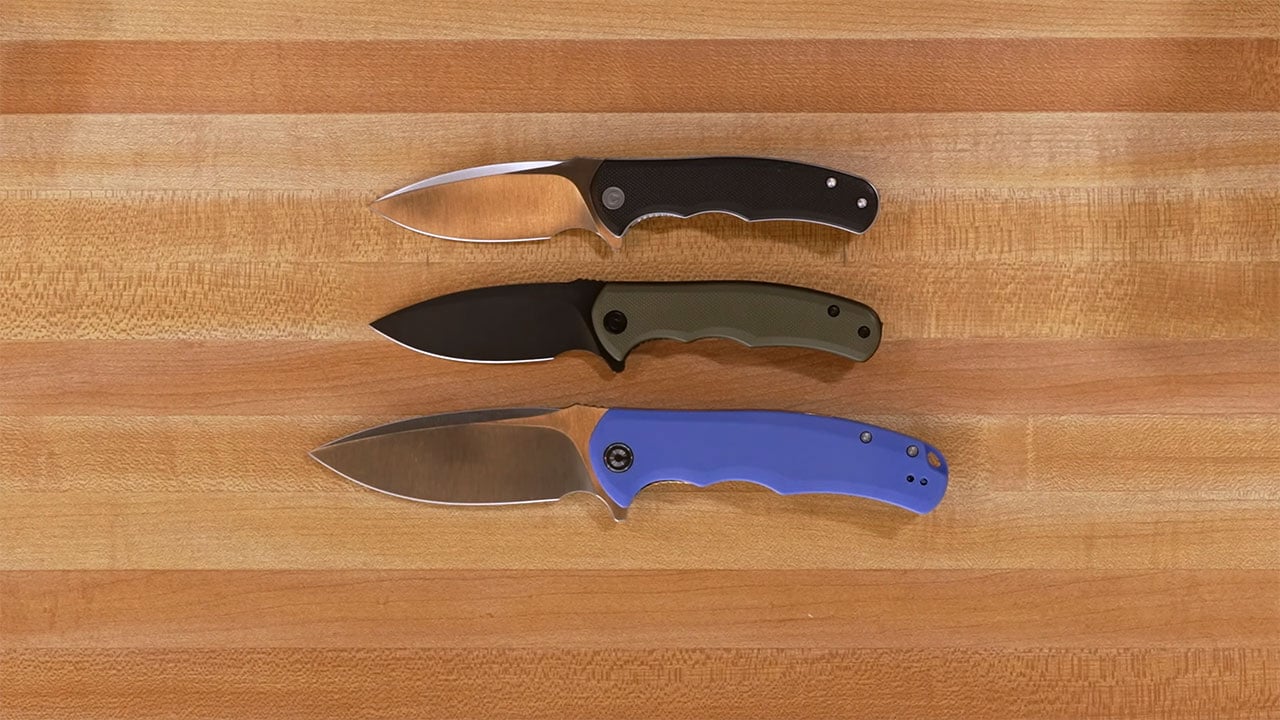
Photo credit: Civivi Knife/Youtube
Cheap knives usually disappoint in one of two ways. They either start dull and stay disappointing, or they feel fine out of the box and then lose that edge the second you actually put them to work. That is why budget knives that really hang onto an edge get remembered. They are not always flashy, and they are usually not carrying premium-price steel, but they cut longer than you expect for the money. A lot of that comes down to getting the right steel at the right heat treat and then not wasting it on a bad design. D2, 14C28N, and even some well-done 8Cr13MoV and 440C knives keep showing up in this price tier for exactly that reason.
That said, “hold an edge” always needs a little honesty. A knife that hangs onto a working edge for cardboard, rope, and camp chores may still not feel like a premium powdered-steel slicer. But in the budget lane, these are the kinds of knives that make people stop and say, “That thing stayed sharp longer than it had any right to.” Here are 15 real models worth looking at.
Civivi Mini Praxis

The Mini Praxis is one of the easiest knives to include because it keeps showing up as a budget favorite for a reason. Civivi specs it with a D2 blade, and KnifeCenter lists that blade at 59–61 HRC. For the money, that is exactly the kind of combination that tends to surprise people with how long it keeps cutting before it really needs attention.
It also helps that the design is simple and usable. You are getting a flat-ground drop point instead of some weird shape that wastes the steel. That matters. A budget knife with decent edge-holding steel and a straightforward cutting profile usually outperforms a more dramatic knife with worse priorities. The Mini Praxis is one of those knives that makes D2 feel like a bargain instead of a marketing buzzword.
QSP Penguin

The QSP Penguin has earned its reputation honestly. QSP lists the D2 version with a blade hardness of 58–60 HRC, and the sheepsfoot profile gives you a lot of practical edge in a knife that still usually stays under the price ceiling most people think of as budget.
This is the kind of knife that works because it does not try too hard. It just gives you a lot of useful edge, solid geometry, and steel that tends to outstay expectations in normal cutting tasks. The Penguin is a strong example of a budget knife that punches above its price not because it is fancy, but because it is built with enough common sense to let the steel do its job.
Ontario RAT 1 D2
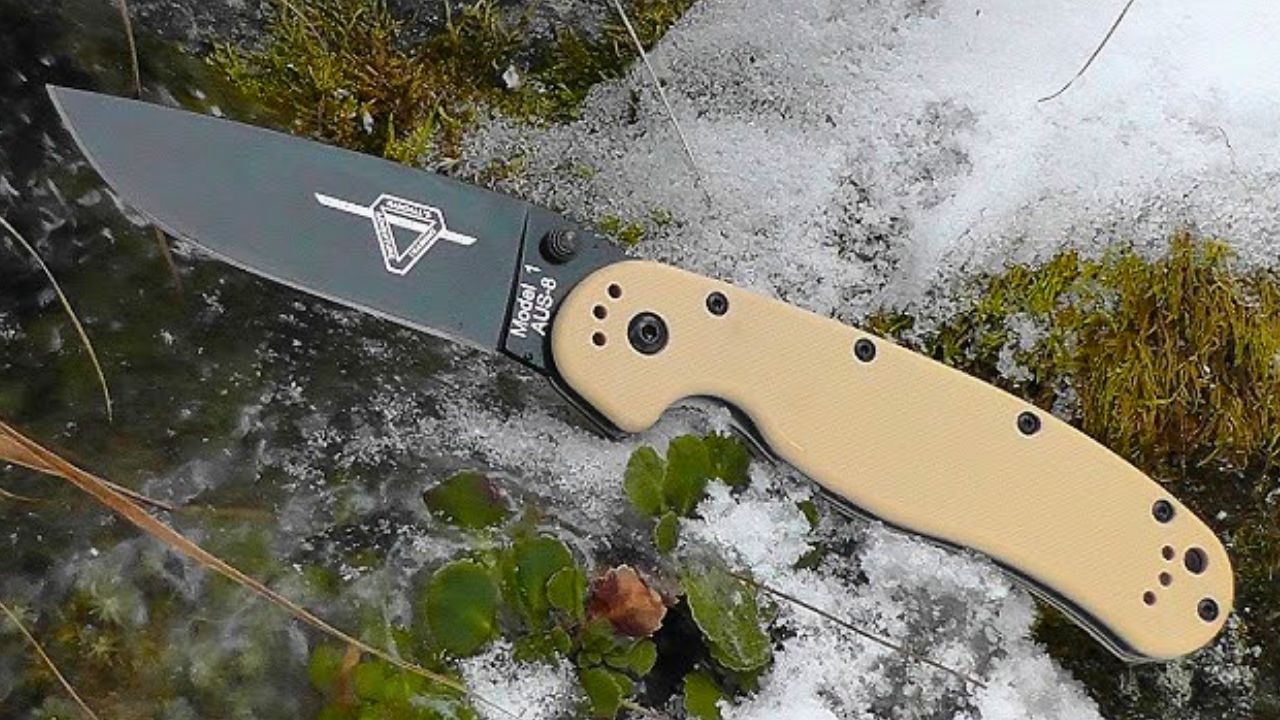
The RAT 1 has been living in this conversation for years, and the D2 version is a big reason why. Retail specs consistently show the RAT 1 in D2 tool steel with a 3.5- to 3.6-inch blade and a simple, very proven working profile.
This is not a knife people buy because it looks exotic. They buy it because it works, and the D2 version tends to stay working longer than a lot of people expect at the price. The RAT 1 is a little bigger in the pocket than some modern options, but if your main question is edge-holding for the dollar, it is still one of the most dependable answers in the budget folder world.
Ruike P801
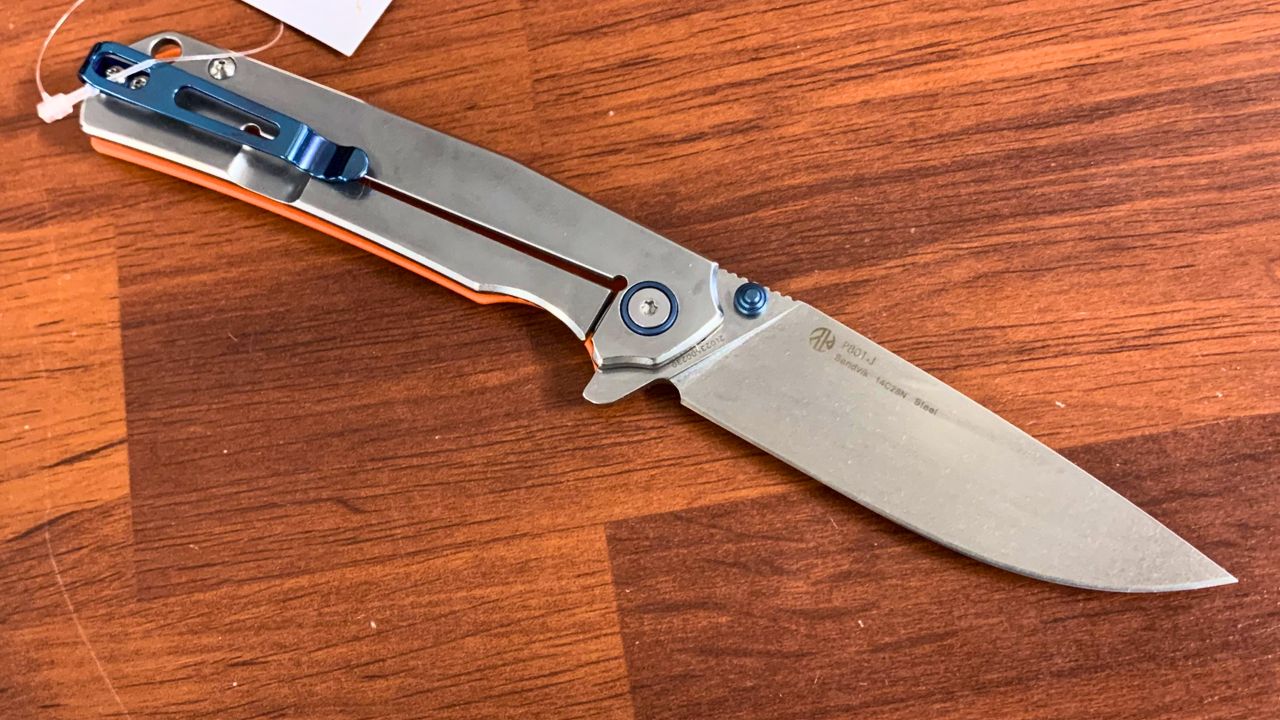
The Ruike P801 is one of the cleaner budget stainless options on the list. Ruike specs it with Sandvik 14C28N at 57–59 HRC, and that steel has a strong reputation for balancing corrosion resistance, ease of maintenance, and better-than-cheap edge retention.
That is why the P801 stands out. A lot of budget buyers assume they have to go straight to D2 if they want edge life, but a well-done 14C28N blade can be a smarter real-world choice for a lot of people. It sharpens easier, behaves well, and still tends to hold up longer than bargain-bin stainless that goes soft fast. The P801 gives you that without asking for premium money.
Old Timer Mighty Mite
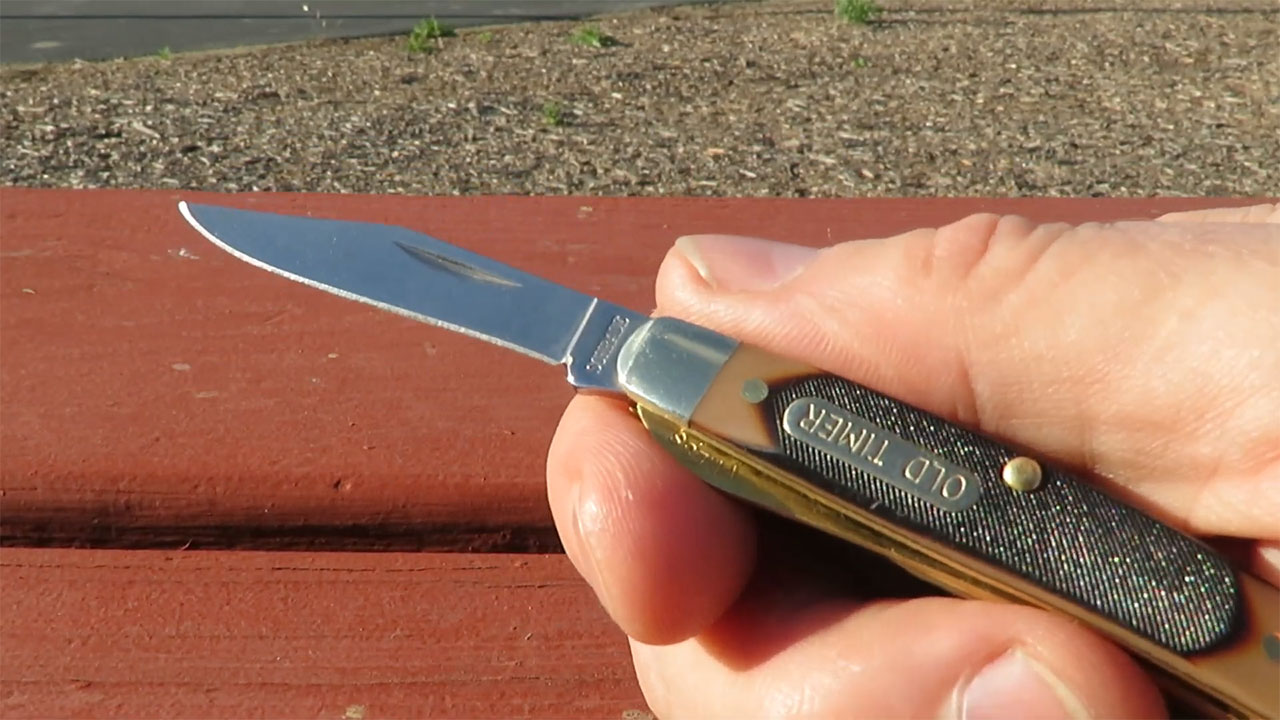
The Mighty Mite is not the most glamorous knife here, but that is part of why it is worth mentioning. Agri Supply lists the blade steel as 440C, and when that steel is done right, it can absolutely outstay expectations in a small working pocket knife.
This is the kind of knife older outdoorsmen have always appreciated because it just keeps doing normal pocket-knife work without drama. No, it is not going to run with high-end super steels. But in the true budget lane, 440C is one of those steels that can still surprise younger buyers who assume everything affordable has to be disposable. The Mighty Mite reminds you that “budget” and “junk” are not the same thing.
Civivi Altus Fixed Blade
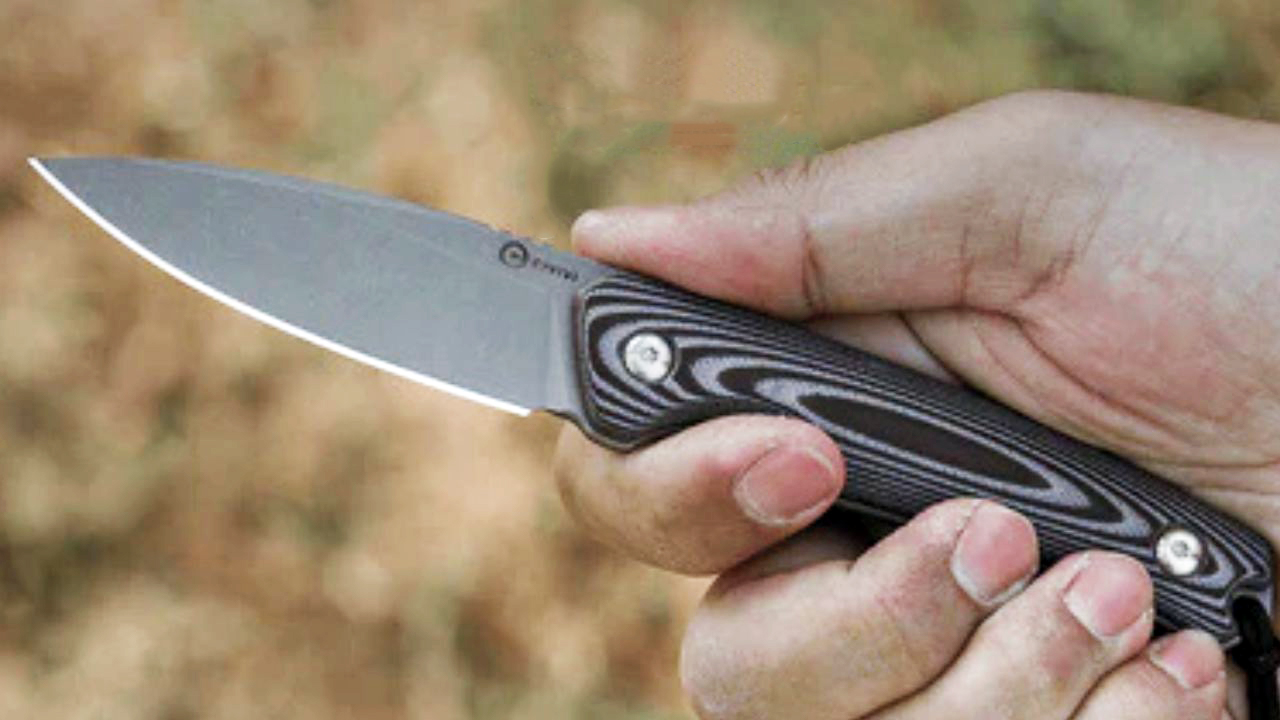
The Altus fixed blade is an easy pick if you want a budget fixed blade that still leans respectable in steel choice. Product listings show it in 14C28N, and that alone puts it ahead of a lot of cheap fixed blades that settle for softer mystery stainless or basic 3Cr/5Cr territory.
That makes a difference over time. A budget fixed blade should not just look good on a belt. It should cut through repeated chores without feeling spent immediately. 14C28N gives the Altus a much better chance of doing that, and because it is a fixed blade, you are also getting to use that steel in a format that is simple, durable, and easier to clean than a folder.
CRKT Minimalist

The CRKT Minimalist line keeps showing up because the knives are useful, compact, and sold at reasonable prices, but the steel matters too. Midway lists the spear-point version in 8Cr13MoV, which is not glamorous but can absolutely be respectable when the knife is designed around it well.
That is the key with 8Cr13MoV. People love to dismiss it because it is common, but a practical blade shape in a small fixed blade can make it feel better than expected, especially for daily chores, camp utility, and backup use. The Minimalist is not here because it breaks the laws of metallurgy. It is here because it is one of those budget knives that gets more out of ordinary steel than many buyers expect.
Cold Steel Kyoto II
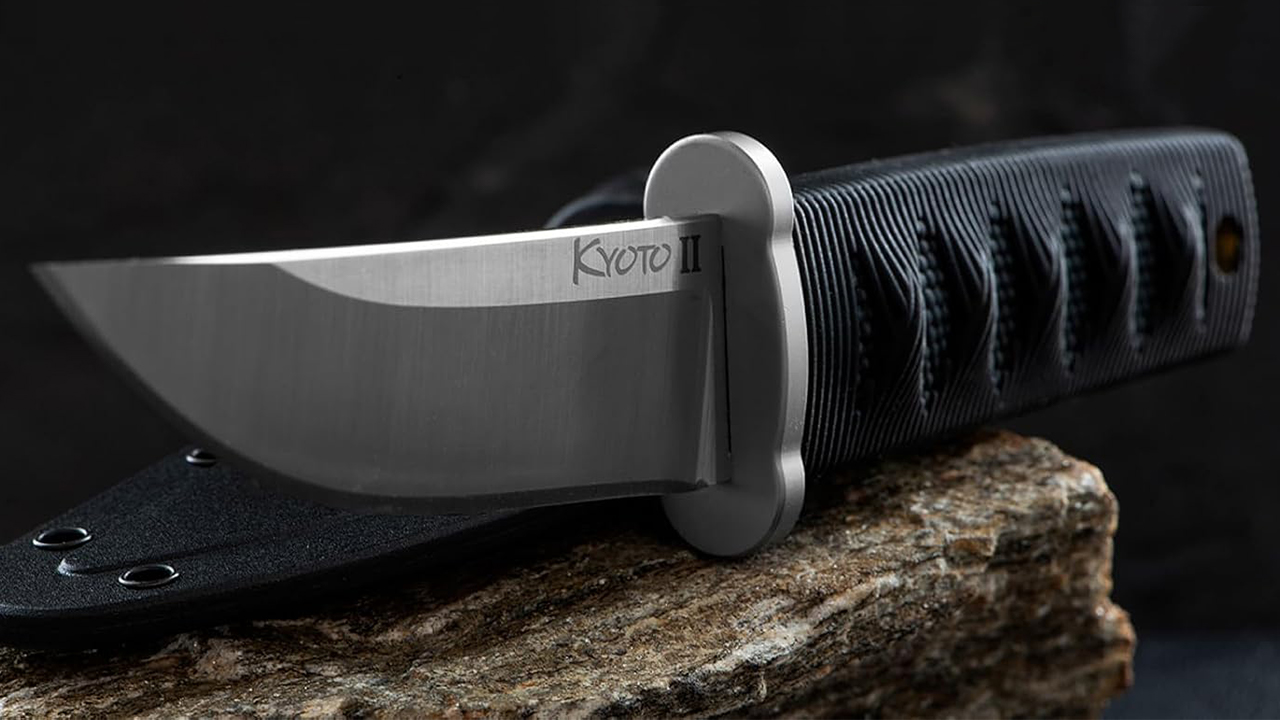
The Kyoto II is another 8Cr13MoV knife that often surprises people simply because Cold Steel usually does a decent job of making working knives out of non-premium materials. Midway lists it with a 3.38-inch 8Cr13MoV blade and a Secure-Ex sheath, all at a pretty friendly price point.
No, the tanto profile is not my favorite for a general working knife. But in terms of edge life for cheap money, this still counts. It is one of those knives that often makes users say, “I figured I’d have to sharpen this more often than I actually do.” In the budget world, that counts for a lot.
Kershaw Deschutes Skinner
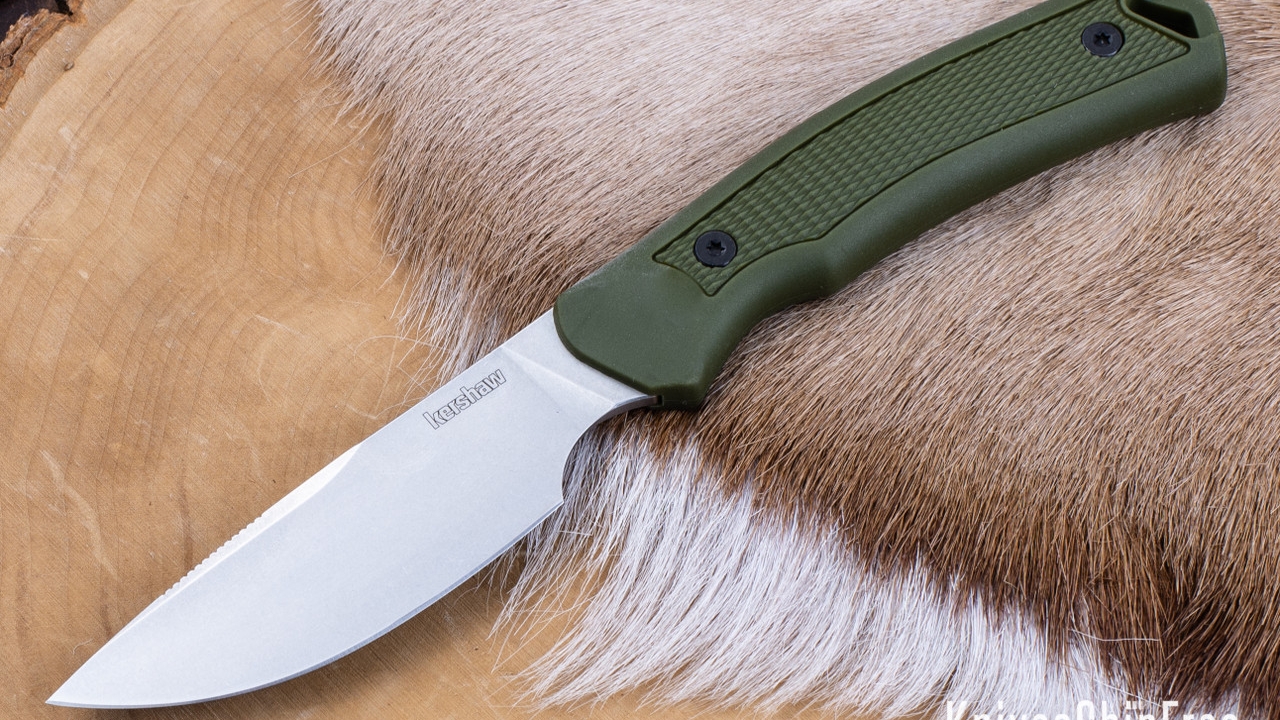
The Deschutes Skinner is an interesting budget fixed blade because it gives hunters a more purpose-driven profile without immediately jumping into expensive steel. It stays in that under-$50 neighborhood at major retailers, and its reputation is helped by the fact that Kershaw usually knows how to build a usable edge for working people.
For a knife like this, “holds an edge longer than expected” is less about theoretical steel hierarchy and more about how long the knife stays useful in actual hunting chores before it starts feeling tired. The Deschutes line has the kind of practical design that helps a modestly priced knife feel better over a season than the price tag suggests.
Kershaw Atreides
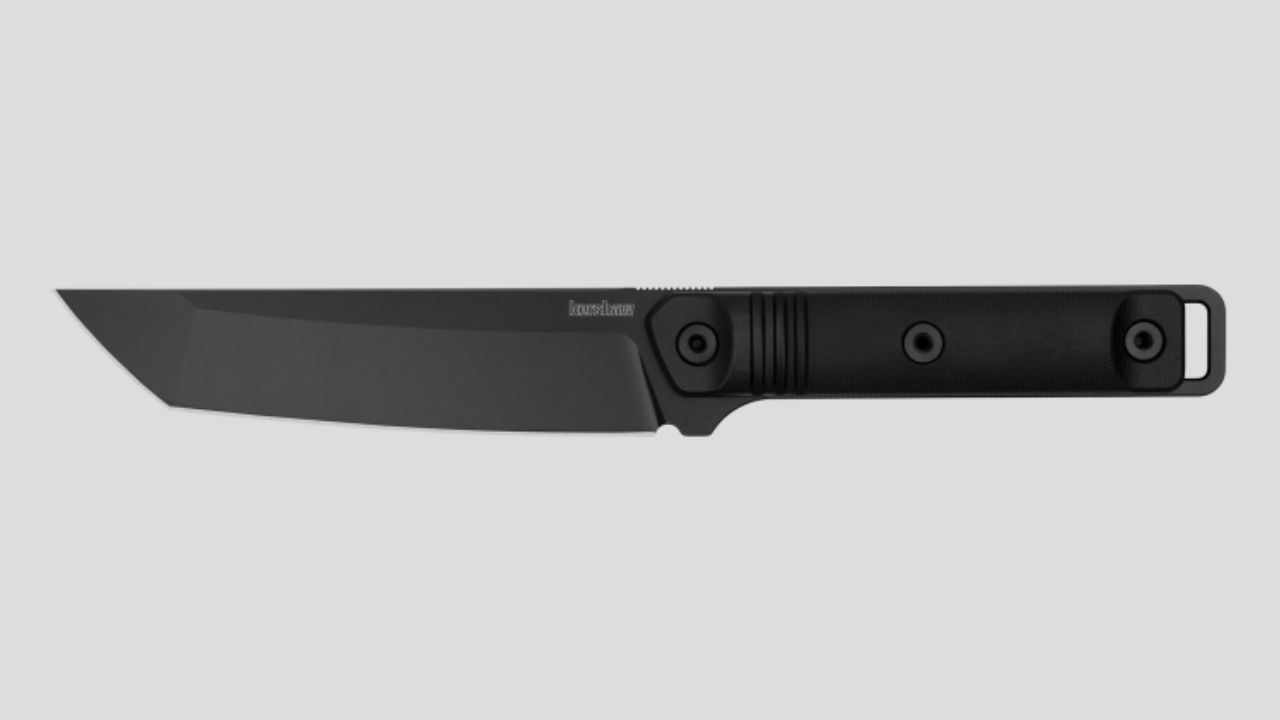
The Atreides is an oddball inclusion, but it makes sense for this headline. Midway lists it in 65Mn carbon steel and even notes that carbon steel is generally harder than stainless, which helps it hold a sharper edge longer, though it also needs regular care to prevent rust.
That is exactly why some budget carbon-steel knives deserve respect. They may not be low-maintenance, but they can hang onto a working edge better than people expect at the price. The Atreides is not a delicate slicer, but if the conversation is about cheap knives that last longer at the edge than buyers assume, carbon steel absolutely has to show up somewhere on the list.
Higonokami No. 1 Blue Paper Steel

The Higonokami is a very different kind of budget knife, but that is part of why it is worth mentioning. Product listings identify the No. 1 version with Blue Paper Steel, which is a real “performance-for-the-money” move when you can still find one in this price zone.
Blue Paper Steel is not the kind of thing people expect in a knife that still lands in a very reachable price range. You do give up some convenience and modern locking features, but in pure edge-holding conversation, this is one of the more interesting budget paths you can take. It is old-school, simple, and sharper for longer than the price might lead a buyer to expect.
SOG Adventurer
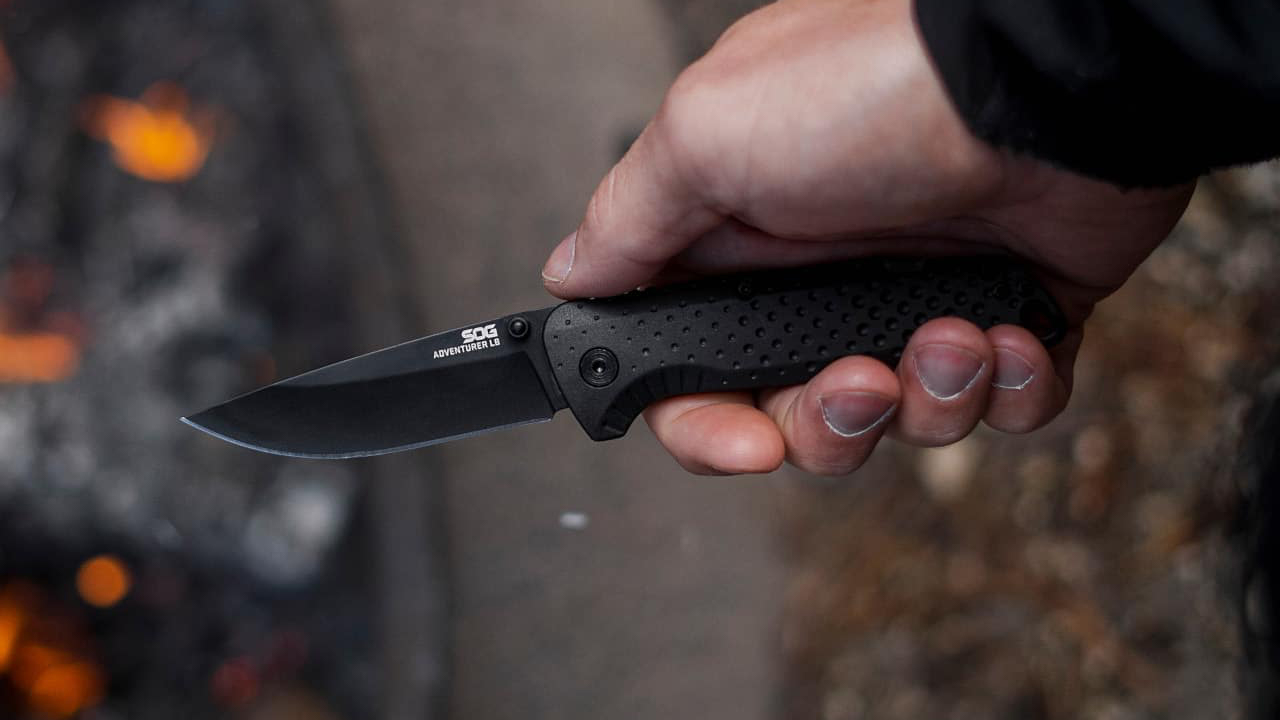
The SOG Adventurer is not going to win any steel-snob arguments. Scheels lists it in cryo-hardened 5Cr15MoV and describes the steel as having moderate toughness and good edge retention. That is enough to make it relevant here because in the true low-budget category, moderate can still beat expectations.
This is one of those knives where the surprise comes from the price floor more than the absolute performance ceiling. Nobody expects a twenty-dollar knife to stay sharp forever. If it simply keeps a serviceable edge longer than the buyer assumed, it earns its spot. The Adventurer lives in that lane. It is a reminder that even modest steel can feel decent when expectations start low and the knife does not immediately fold up on the job.
Gerber LST Mini
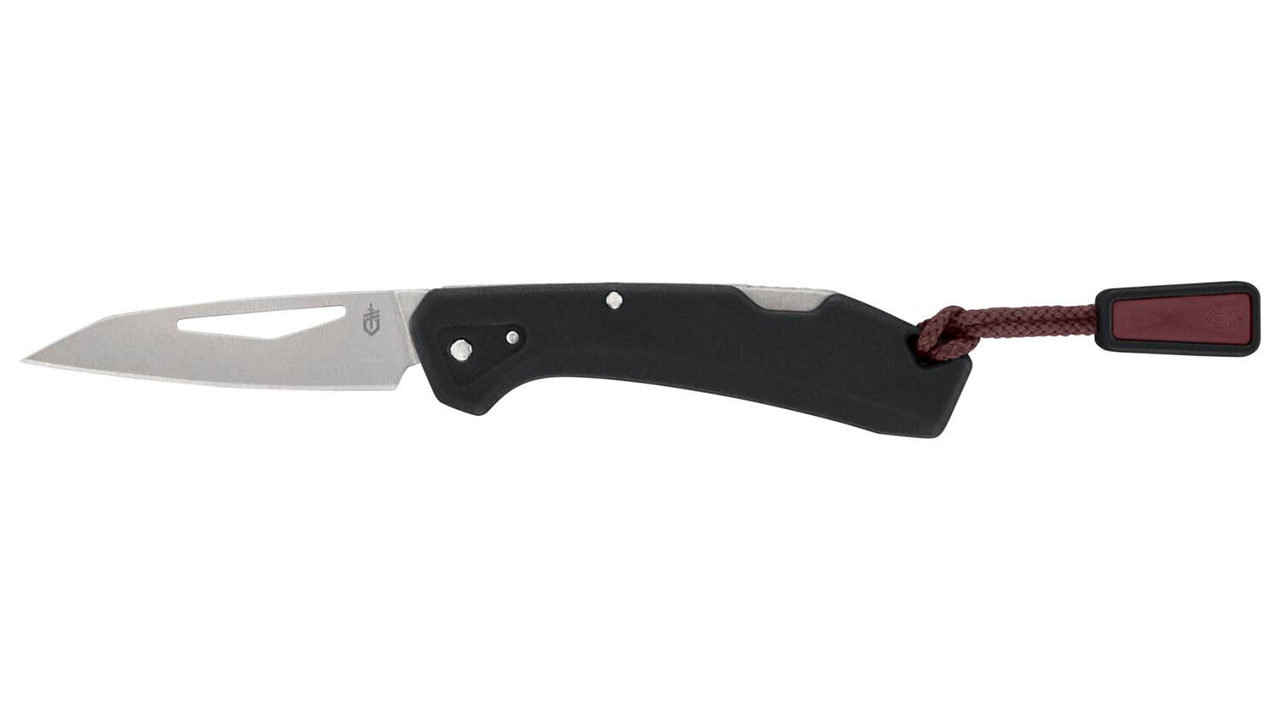
The Gerber LST Mini is another small budget folder that benefits from doing simple things in a compact format. Bass Pro still carries it at a very low price, and that matters because edge-retention expectations drop fast in that category.
That is where little knives like this can surprise people. A modest blade doing modest work can feel like it holds an edge better simply because the geometry and intended tasks are more realistic than on bigger, flashier cheap knives. The LST Mini is not a hard-use hero. It is the kind of basic budget knife that quietly stays useful longer than the price suggests it should.
Camillus Lockwood
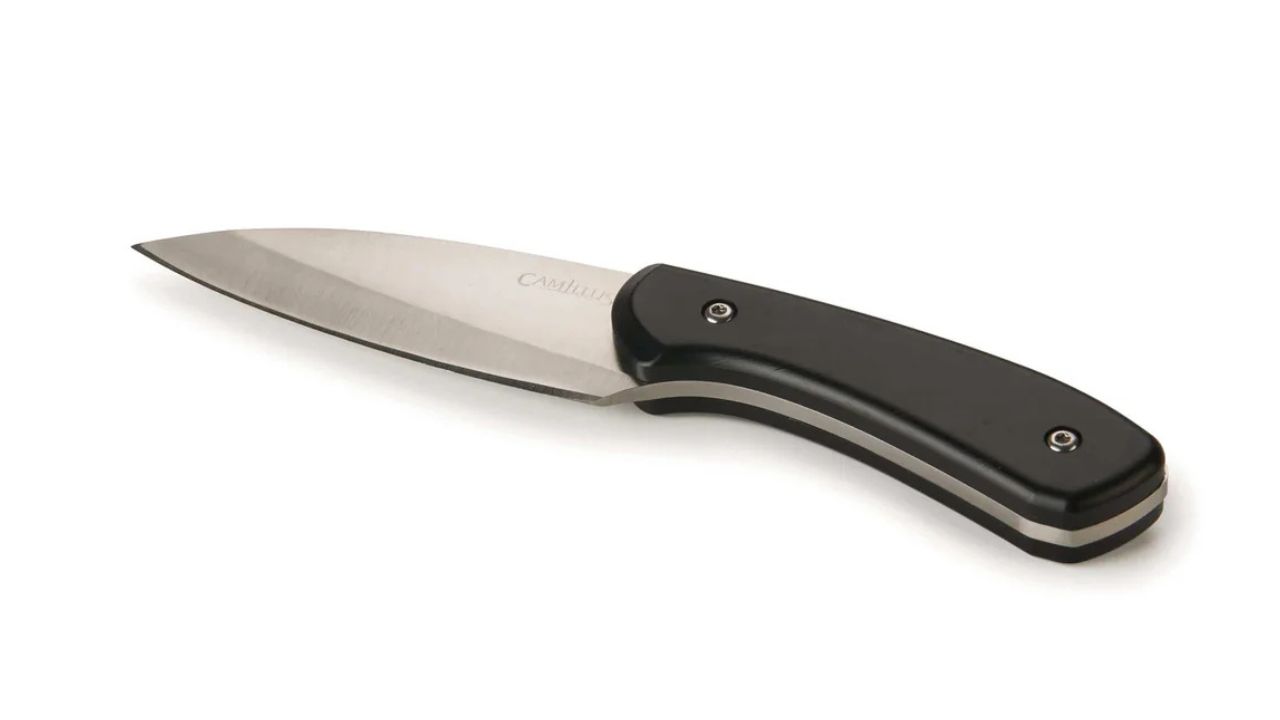
The Camillus Lockwood fixed blade is a lower-cost fixed-blade option that still benefits from the basic truth of working knives: sometimes simple and honest beats flashy and overbuilt. Even though the product result I found is through a kit listing, it still reflects a model that has built a decent user reputation at a very approachable cost.
For a knife like this, edge life is about expectations. You are not buying it to outcut premium steel. You are buying it because at a modest price, it stays in the game longer than a lot of bargain fixed blades with worse geometry or weaker steel choices. That alone earns a knife some respect.
Camillus Galway
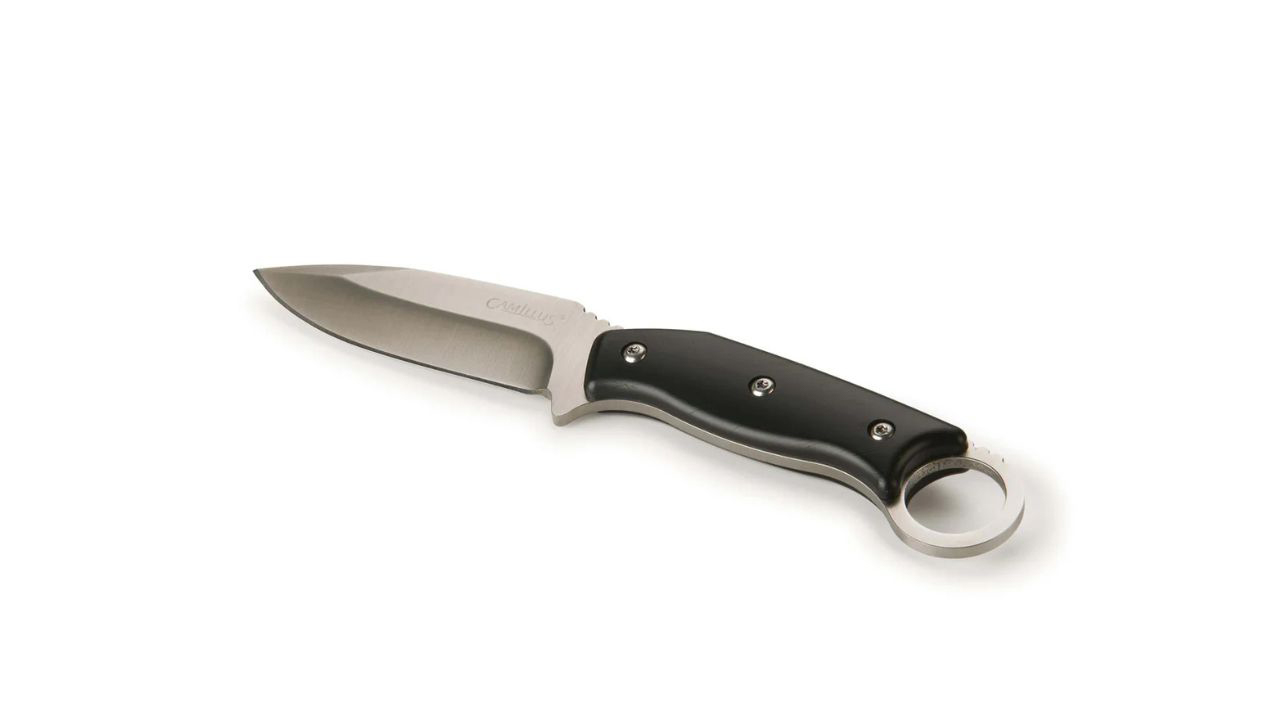
The Galway lands in a similar place as the Lockwood: straightforward fixed-blade utility at a price where buyers are often braced for disappointment. When a knife in that lane avoids being disposable and keeps working through repeated chores, it deserves mention.
Budget fixed blades can sometimes look better than they cut, especially when they lean too hard on “survival” styling. A more normal hunting-and-fishing pattern like this is often the smarter buy because the design is letting whatever steel is there do its actual job. That can make the edge feel more durable in practice than the price would lead you to expect.
Like The Avid Outdoorsman’s content? Subscribe to our newsletter so you never miss an article.
Here’s more from us:


