Photo credit: Slatan/ Shutterstock.com
Most wild animals don’t go looking for trouble—but some states see a whole lot more of it than others. From bear attacks to snakebites to gators dragging folks into the water, these are the places where people wind up on the wrong side of nature more often than you’d expect.
Texas
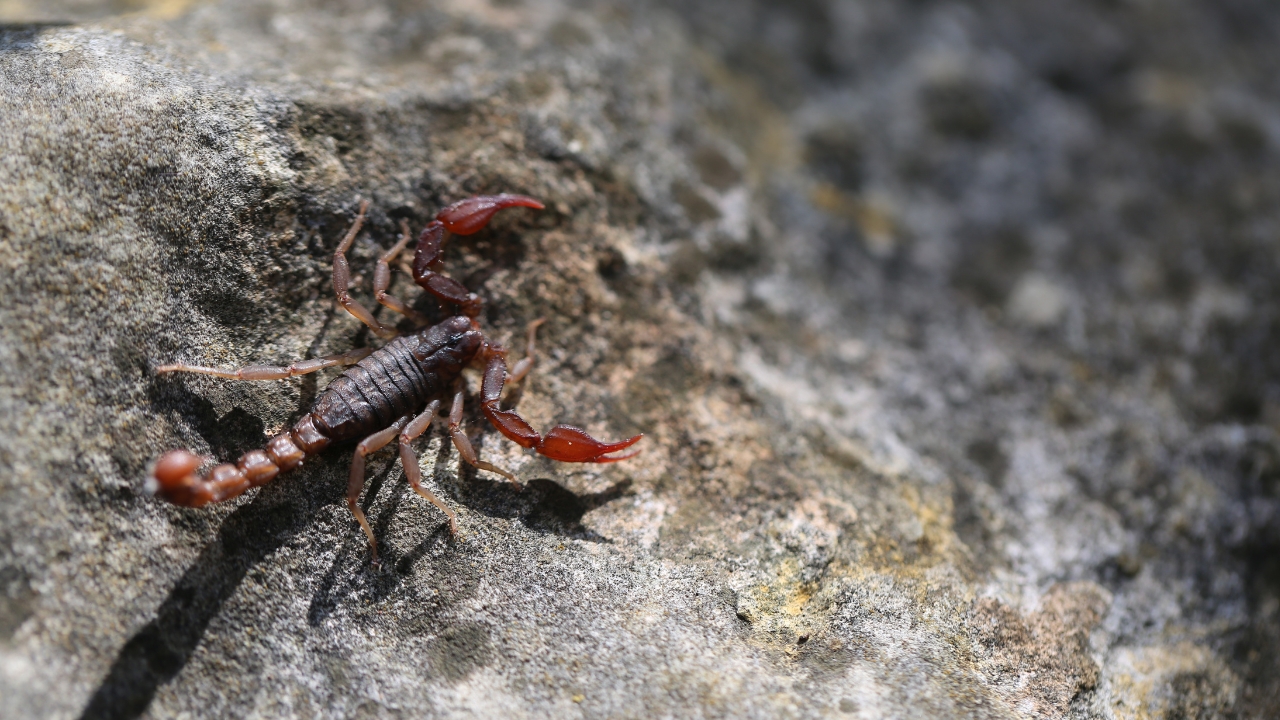
Everything’s bigger in Texas—including the wildlife risks. The state sees more deadly animal encounters than anywhere else, mostly due to its size and variety of terrain. Between rattlesnakes, wild hogs, venomous spiders, and heat-loving scorpions, Texas doesn’t play around.
It’s not all desert and tumbleweeds either. Gators in East Texas and mountain lions in the west can cause problems. Add in sheer population numbers and year-round outdoor activity, and it’s no wonder Texas tops the charts.
California

California might be known for its beaches and mountains, but it’s also got more than its share of wildlife run-ins. Mountain lion attacks, rattlesnake bites, and even shark encounters make headlines here more than most places.
The size of the state and the number of people recreating outdoors play a big role. Folks hiking alone in the foothills or biking mountain trails can stumble right into danger—especially in cougar country. And those warm winters mean the critters don’t take much of a break.
Florida
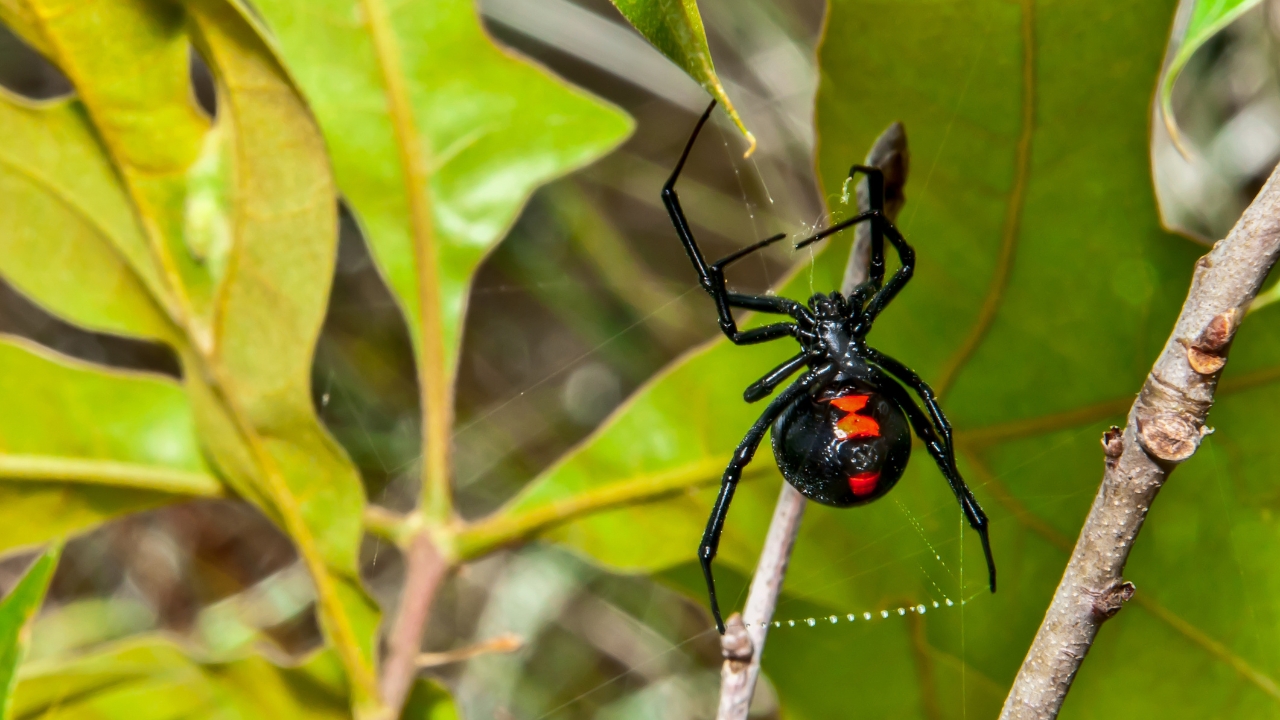
Gators are the headliners in Florida, but they’re not the only problem. The state’s got venomous snakes, spiders, fire ants, and more. And with so much swamp and backwater, it’s easy to get into trouble fast.
Florida also leads the nation in fatal bites and stings, thanks to its hot, humid climate that keeps bugs and reptiles active year-round. Add in a huge population and lots of tourists who don’t know what to watch for, and you’ve got a recipe for frequent run-ins.
North Carolina

North Carolina might not seem like a dangerous state, but it ranks high for fatal animal encounters. Black bears are common, and snakebites—especially copperheads—are a growing issue across the Piedmont and mountain regions.
There’s also the ocean to consider. Shark bites are rare but do happen along the Outer Banks. Between coastal threats and inland critters, North Carolina offers a wide mix of risks for hunters, hikers, and campers alike.
Georgia

Snakes, spiders, and aggressive hogs make Georgia a hotspot for wildlife danger. The state sees a lot of venomous snakebites each year—especially from copperheads and cottonmouths—and the humid climate keeps pests like ticks and fire ants active nearly all year.
Wild hog populations are growing fast in rural parts of the state, and they’ve been known to charge people when cornered. Hunters and landowners dealing with invasive species face serious risks if they’re not prepared.
Arizona

If it bites, stings, or strikes, Arizona probably has it. Rattlesnakes, scorpions, and venomous spiders are everywhere once you step off the pavement. The dry heat draws people outdoors year-round, but it also makes for ideal snake weather.
People tend to underestimate how fast a rattlesnake strike is or how small a bark scorpion can be. Whether you’re hiking desert trails or camping in canyon country, Arizona keeps you on your toes.
Alaska

Alaska might not have venomous snakes or gators, but it has something far worse—giant bears and big, wild country. Grizzlies and polar bears are real threats up north, and moose can be just as aggressive when provoked.
A lot of Alaska’s danger comes from how remote it is. If something goes wrong with wildlife, help might be hours—or days—away. Hunters and hikers out here better know what they’re doing and carry the right protection, or things can go south fast.
Washington

Black bears, cougars, and rattlesnakes all call Washington home. While attacks are rare, the state has seen a rise in wildlife encounters as more people hit the trails in mountain and forest areas.
Cougar attacks have happened in recent years, including fatal ones, and black bears have wandered into camps and neighborhoods looking for food. With so many people recreating in wild spaces, the odds of conflict keep creeping up.
Colorado

Colorado’s growing population means more people crossing paths with wildlife, especially black bears and mountain lions. Hikers, bikers, and campers in the Rockies are entering prime predator territory.
Most animals want nothing to do with humans, but bears that have learned to associate people with food are a real issue. And while rare, mountain lion attacks have happened on trails. Add in snakes and the occasional moose with a bad attitude, and it’s a state worth watching.
Montana

Montana is grizzly country, plain and simple. The state sees more bear-related conflicts than almost anywhere else in the lower 48. Hunters in thick brush or bowhunters during elk season are especially at risk of close encounters.
Beyond grizzlies, wolves and mountain lions roam the state’s backcountry. Most won’t bother you—but if you surprise them, especially during a kill or with cubs nearby, things can escalate quickly. If you’re in Montana’s wild places, you need to be alert and armed.
*This article was developed with AI-powered tools and has been carefully reviewed by our editors.