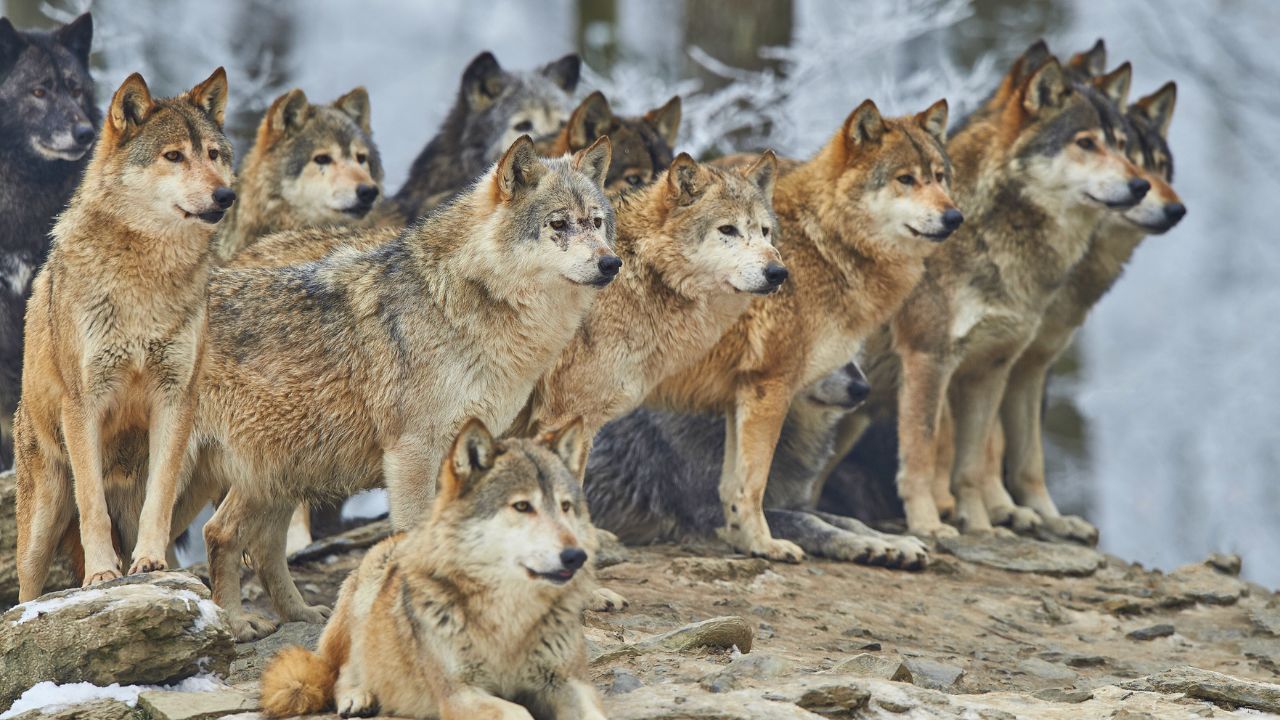
Photo credit: Michael Roeder/Shutterstock.com
Wolf country in the U.S. doesn’t look like it did even 20 years ago. Between reintroductions, natural dispersal, and changing laws, packs have pushed back into country where they disappeared for generations. Herd numbers, pack counts, and confirmed breeding pairs all tell the story: wolves have either rebounded or built new footholds in a handful of states, with ripple effects for elk, deer, livestock, and how you think about hunting trips. These are the states where that comeback is most obvious on the map right now.
Idaho
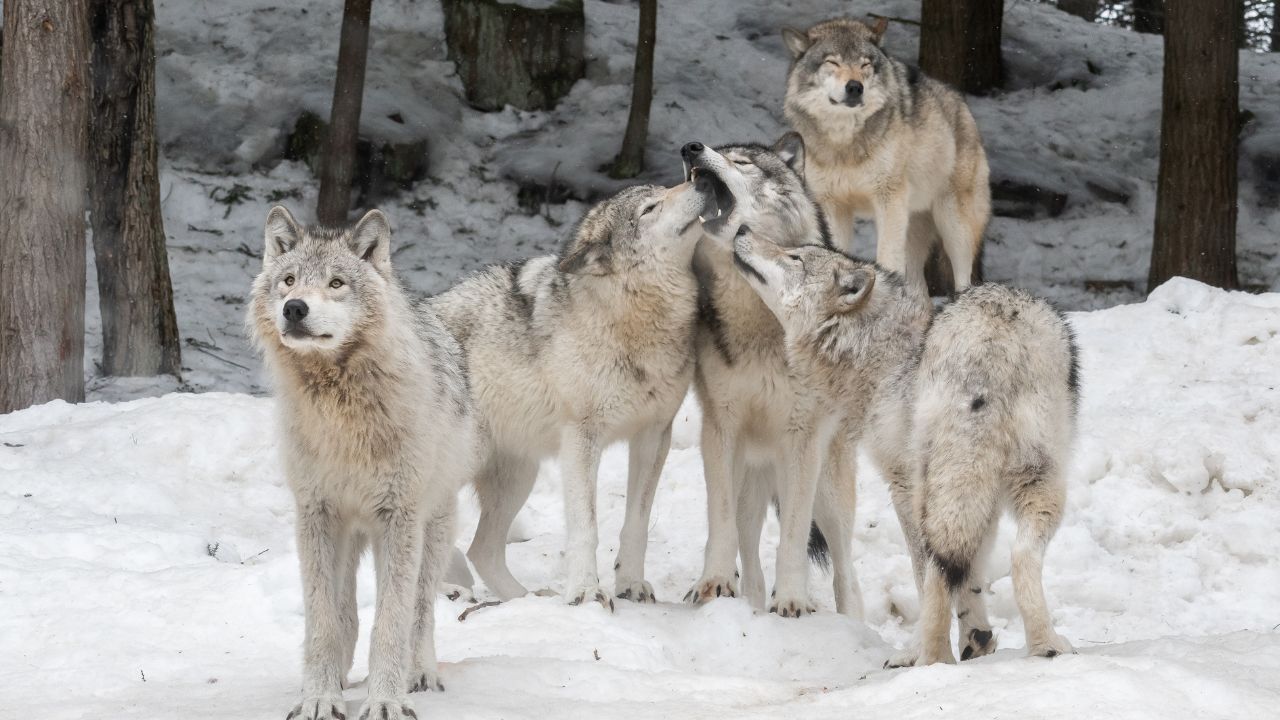
Idaho is one of the wolf powerhouses now, with an estimated 1,150 wolves in 2023 and ongoing packs spread across big sections of the state. What started as a recovery story has turned into full predator management, with hunting and trapping seasons built into how the state tries to keep numbers near objectives.
For hunters, that means you’re in real wolf country when you chase elk and deer in the Panhandle and big central ranges. Predation pressure is baked into herd performance now, and you can’t talk about backcountry Idaho without factoring in wolf sign, calling strategy, and what that means for how game moves.
Montana
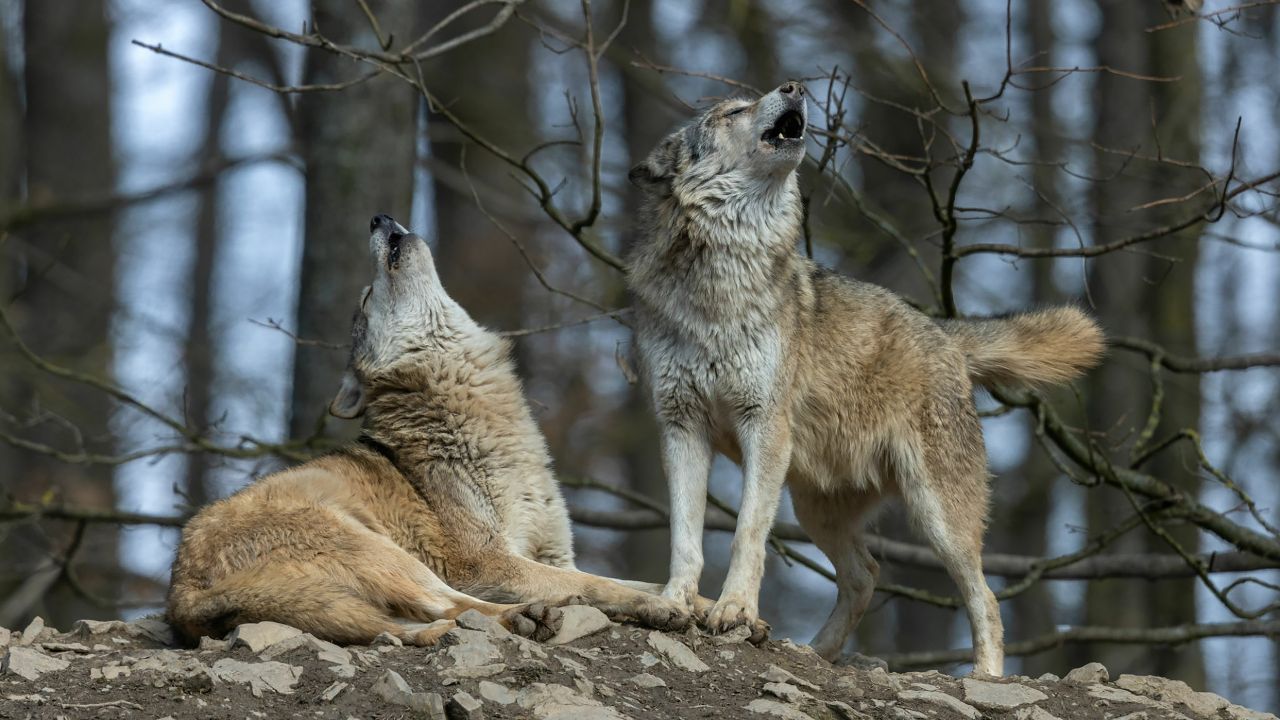
Montana’s wolf population sits in the 1,000-plus range, with agency reports noting a relatively stable count over the last decade under a mix of hunting and other management. Packs that started around Yellowstone and the northwest have pushed into a lot of elk and deer country, turning wolves into a normal part of the landscape again.
The comeback here is old news to locals, but compared to the near-extirpation of the 20th century, it’s still a huge change. Elk and deer behavior has shifted, and hunters now routinely hear howls or cut fresh tracks in country where their grandparents never saw them.
Wyoming
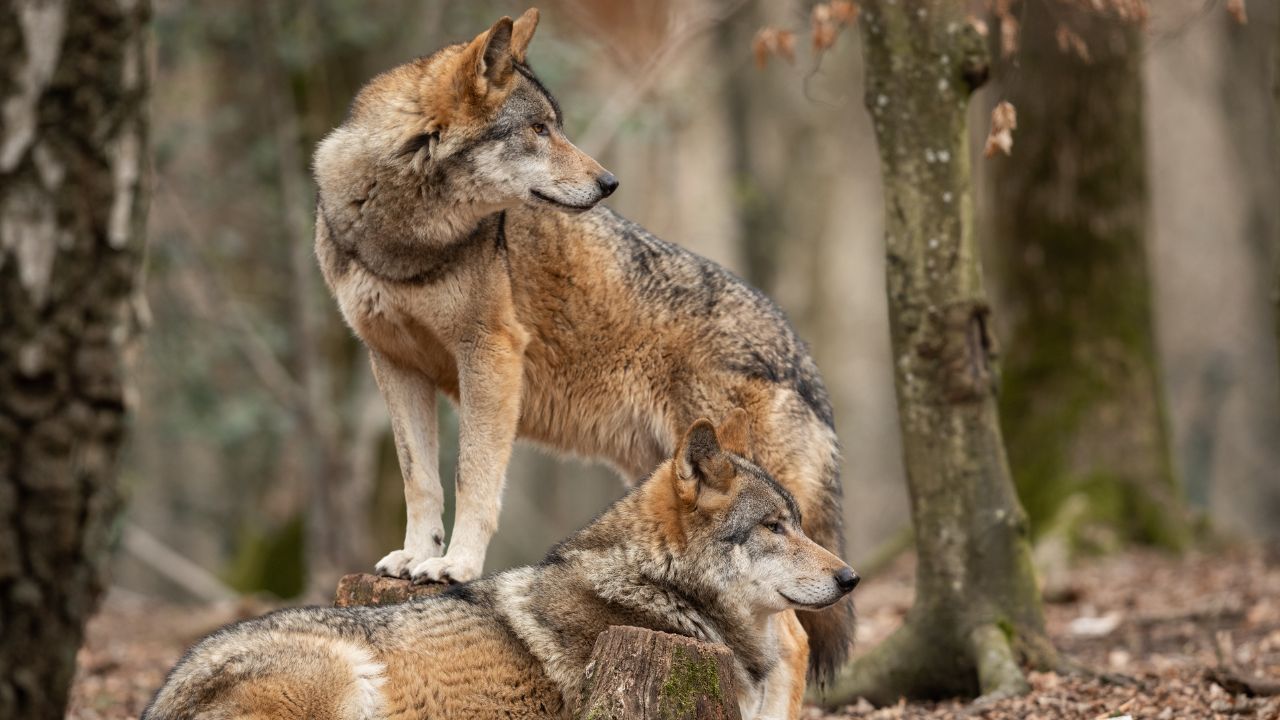
Wyoming holds roughly 350 wolves, most centered around Yellowstone and surrounding ranges, and numbers are considered fairly stable under state management. These packs are descendants of the original Yellowstone reintroductions and have turned that corner of the state back into classic wolf country.
For anyone hunting elk, moose, or deer in northwest Wyoming, wolves are now part of the equation—both in terms of how herds behave and the possibility of seeing or hearing a pack on a hunt. That’s a big shift from the era when wolves were gone entirely.
Washington

Washington went from zero wolves on the ground in the early 2000s to more than 200 by 2025, with around 33 packs and 19 successful breeding packs noted in state summaries. The population dipped slightly in 2024 after years of strong growth, but the overall curve still points to a successful re-establishment.
Wolves have moved from the northeast down into central and even western parts of the state. Hunters in former “deer and elk only” country now deal with predator sign, livestock conflicts make headlines, and management debates have become part of the normal hunting conversation.
Oregon

Oregon’s wolves were functionally gone for decades. Now the state estimates more than 200 wolves as of 2025, protected under a state conservation and management plan. Packs have spread from the northeast into the Cascades and, more recently, into western timber and ranch country.
For elk and deer hunters, that means seeing tracks, hearing howls, and tracking changing herd patterns where wolves hadn’t been part of the picture for a long time. The comeback is real enough that wolf-livestock conflicts and management tools are now routine news items.
California

California went from zero resident wolves to multiple established packs in just over a decade. By 2024, estimates put the state’s wolf count around 50, and the California Department of Fish and Wildlife recently confirmed three new packs, bringing the total to 10.
These wolves are mostly spillover from Oregon and the broader Northern Rockies, but they’re staying, breeding, and expanding. That changes the dynamic in some northern California deer and elk zones and has kicked off serious debates in ranching areas that haven’t had to think about wolves in generations.
Colorado

Colorado is the newest big piece of the puzzle. Voters approved wolf reintroduction, and the state released the first batch of gray wolves in December 2023, with more releases and natural dispersers adding to the count since.
That means western Colorado is quietly entering the same conversation Idaho and Montana had years ago: how to balance recovering wolves, big-game herds, and livestock. For elk hunters used to thinking only about snow, tags, and pressure, wolves are now one more factor on the radar.
Arizona

Arizona’s wolves are Mexican gray wolves, not the northern strain, but the comeback story is huge. The 2023 census tallied a minimum of 257 Mexican wolves across Arizona and New Mexico, and the 2024 survey bumped that to 286—nine straight years of growth.
These wolves live primarily in the eastern forests and mountains. Big-game hunters in that part of the state are seeing more sign, hearing more howls, and watching the same predator-prey balance arguments play out that northern states have been dealing with for years.
New Mexico

New Mexico shares the Mexican wolf story with Arizona and actually holds a big chunk of the population—state figures and federal reports show well over 100 wolves in New Mexico alone, part of that 286-wolf total.
The comeback here is dramatic compared to the tiny numbers from the 1990s and 2000s. Wolves are now a continual presence in certain national forest and ranching areas, leading to both conservation wins and high-profile conflict with livestock that makes regular news.
Minnesota

Outside Alaska, Minnesota is the state where gray wolves never fully disappeared and now anchor a big, stable population—roughly 2,900 wolves as of 2023. Decades of protection and careful management turned the state into the core of the Western Great Lakes wolf population.
From a hunter’s perspective, wolves are simply part of the northern Minnesota landscape now. Their presence shapes deer behavior, and stories of wolves on deer kills or along logging roads are routine in camps across the north woods.
Wisconsin

Wisconsin’s wolves were wiped out and then brought back under protection. Now the state estimates about 1,000 wolves and considers the population “secure and healthy,” with hunting currently off the table and non-lethal control emphasized.
Deer hunters there have lived through the full cycle: no wolves, a handful of sightings, then full packs and regular sign in good habitat. The comeback has changed how people think about deer management, winter yarding, and the balance between predators and whitetails.
Michigan

Michigan’s Upper Peninsula holds an estimated 700-plus wolves, protected under federal and state law after multiple rounds of listing and delisting. Similar to Minnesota and Wisconsin, the state went from zero to a viable wolf population through sustained recovery work.
UP deer hunters now factor wolves into how they think about winter survival, yarding areas, and what drives buck sightings. It’s a different hunting culture than the one older generations grew up in, shaped by the reality of having a major predator back on the ground.
Alaska
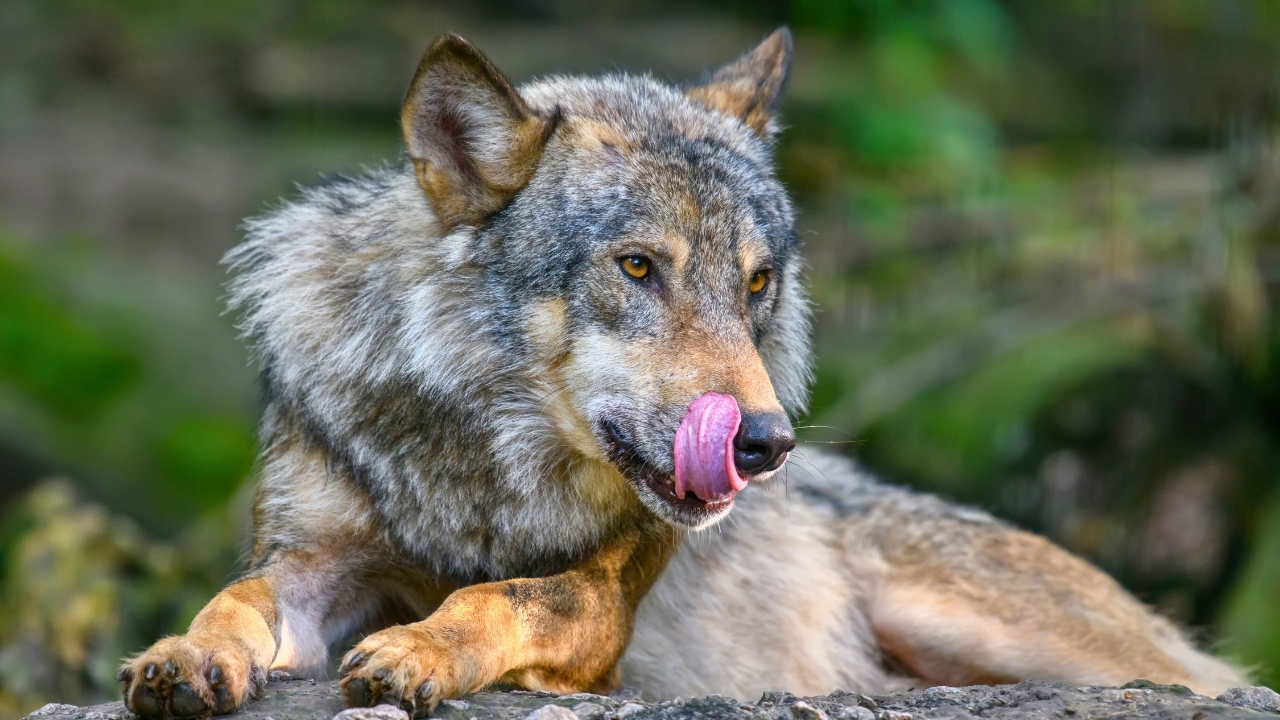
Alaska never lost wolves the way the Lower 48 did, but it matters to the comeback story because it remained the stronghold. Estimates put Alaska’s wolf numbers between about 7,000 and 11,000 animals, far more than any single state in the lower 48.
For hunters, Alaska is still the place where running into wolves on a moose, caribou, or sheep hunt is a normal event. Management swings between liberal seasons and tighter control depending on region and politics, but the point stands: it’s the state that shows what a large, long-term wolf population looks like alongside active hunting.
North Carolina (red wolves)

North Carolina’s story is different but still a comeback: it’s the only state with wild red wolves, centered in the Alligator River National Wildlife Refuge and surrounding areas. The state now holds around 16 wild red wolves under an intensive recovery program.
The numbers are small and the program faces constant challenges, but compared to the total loss of red wolves from the wild decades ago, even a small, breeding population is a significant return. It’s the southeastern reminder that wolf recovery isn’t just a northern or western story.
Like The Avid Outdoorsman’s content? Subscribe to our newsletter so you never miss an article.
Here’s more from us: