
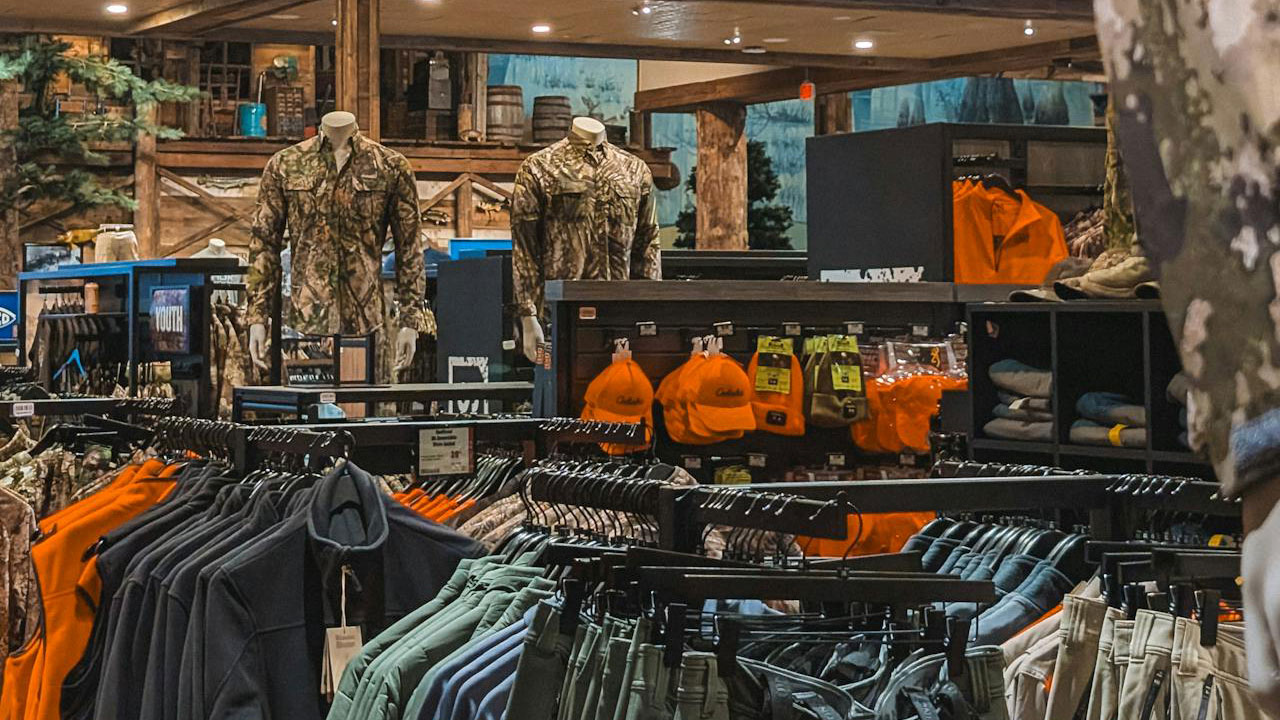
Photo credit: Alexey K./Pexels.com
These days it’s easier than ever to look like you know what you’re doing outdoors. A credit card and a few late nights scrolling gear videos can build a pretty convincing setup. Fancy packs, expensive jackets, carbon fiber everything, and enough gadgets to look like you’re ready for an expedition. But gear has a funny way of exposing people once the trip actually starts. If the skill behind it isn’t there, the shine fades fast.
I’ve hunted and camped with plenty of guys who own incredible equipment and know exactly how to use it. But I’ve also met the other version — the man who bought everything first and figured the experience would show up later. It usually doesn’t work that way. Skill comes from time outside, not from the checkout page. And there are a handful of habits that make it obvious when somebody skipped that part.
He Talks About Gear More Than What It’s For
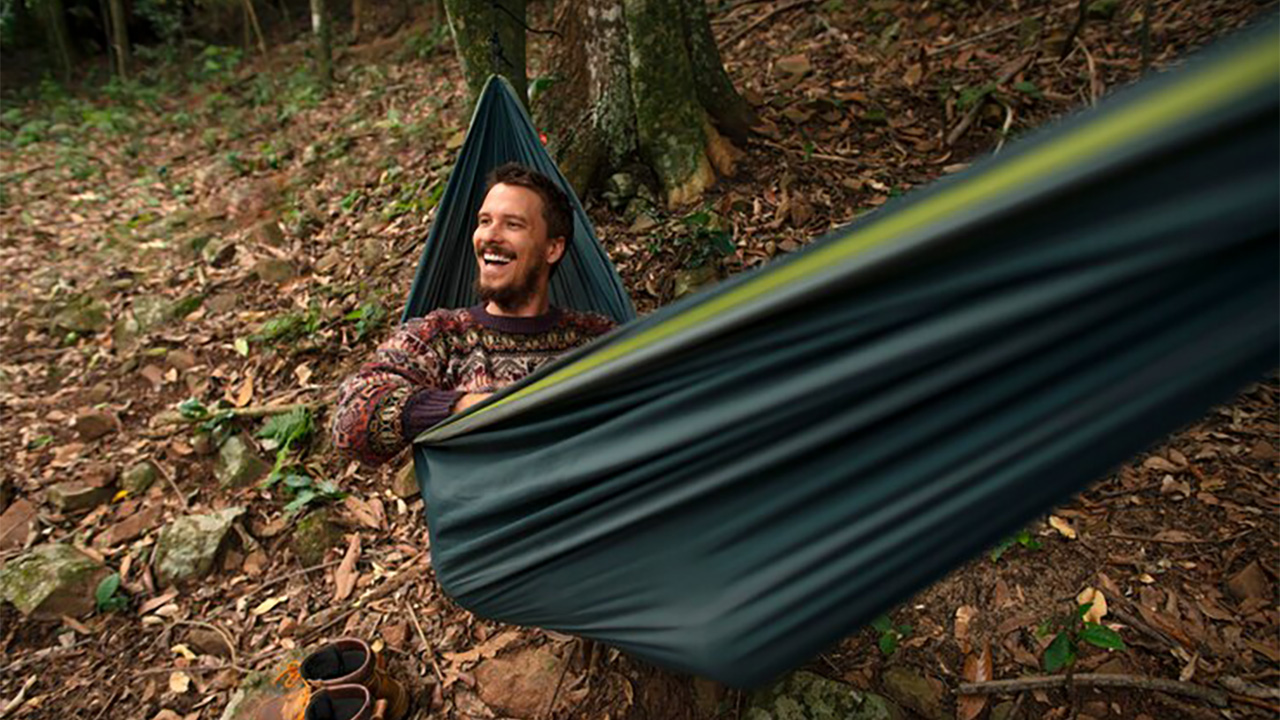
You can always tell when a guy memorized the specs before he learned the purpose. He can tell you the model number, the material, the weight down to the ounce, and the price he paid for it, but ask why he chose it for the situation and things get a little vague. The conversation stays stuck on features instead of use. Everything sounds impressive until the gear actually has to do something.
People who really know their equipment usually talk about what it solves. They’ll mention how it handled rain, cold, long miles, rough ground, or a problem that came up in the field. The gear is just a tool in the story. The guy who bought everything first usually tells the story the other way around. The equipment is the star, and the outdoor experience behind it is pretty thin.
He Carries Way More Than the Situation Calls For
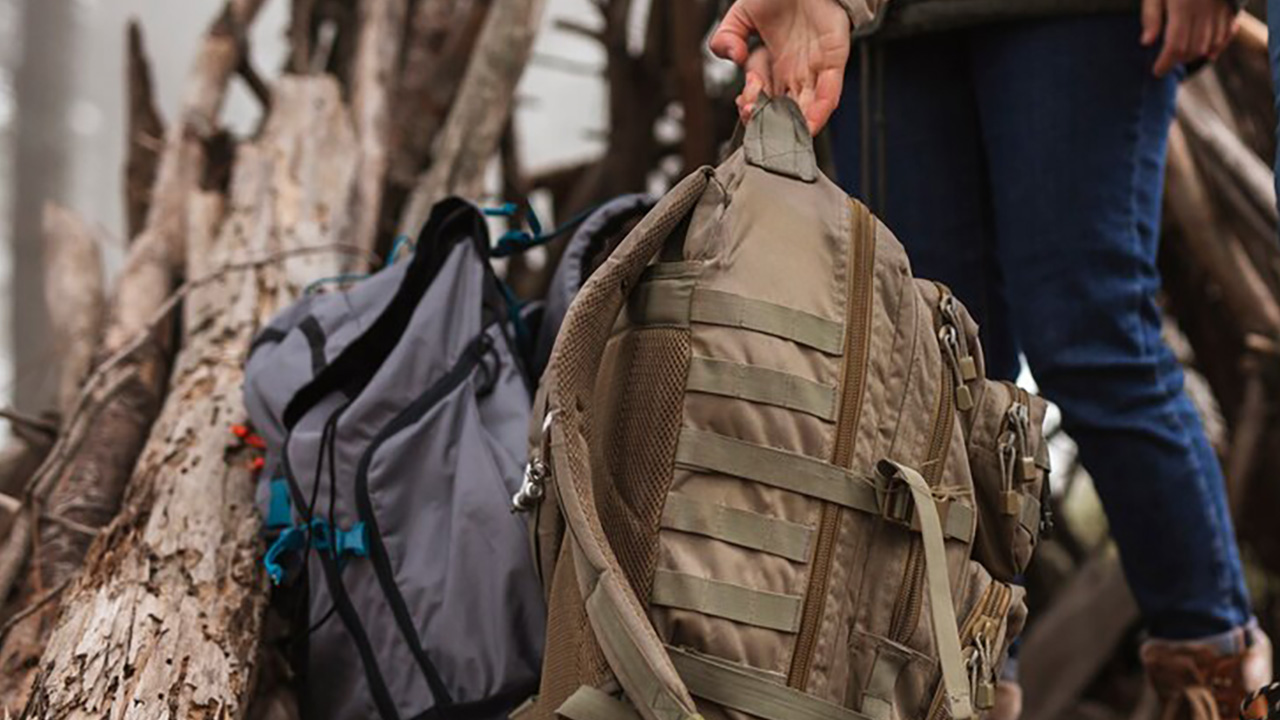
Another giveaway is a guy who packs like he’s preparing for every possible scenario at once. His bag is full of extra tools, duplicate gear, backup gadgets for the backup gadgets, and things he saw online that sounded important but rarely get used. By the time the hike starts, he’s carrying twice the weight he needs and wondering why the day feels harder than it should.
Experience usually trims gear down instead of building it up. People who’ve spent time outdoors learn what actually earns its place in the pack and what just takes up space. The man who bought the gear before the skill tends to do the opposite. He brings everything because he hasn’t yet learned which pieces matter and which ones were just clever marketing.
He Struggles With the Basics While Surrounded by Gadgets

This is where things get interesting. The guy has all kinds of high-end gear, but simple tasks still give him trouble. Maybe it’s building a decent fire, setting up camp efficiently, tying a reliable knot, packing his bag in a way that makes sense, or keeping his gear dry when weather moves in. The equipment is there, but the small practical skills behind it aren’t.
Skill usually shows up in the quiet details. Someone with real experience makes things look easy because they’ve done them enough times that the process is second nature. When a man has all the tools but keeps fighting simple problems, it tells you the equipment arrived before the understanding did. The gear can help, but it can’t replace the fundamentals.
He’s Afraid to Actually Use the Gear
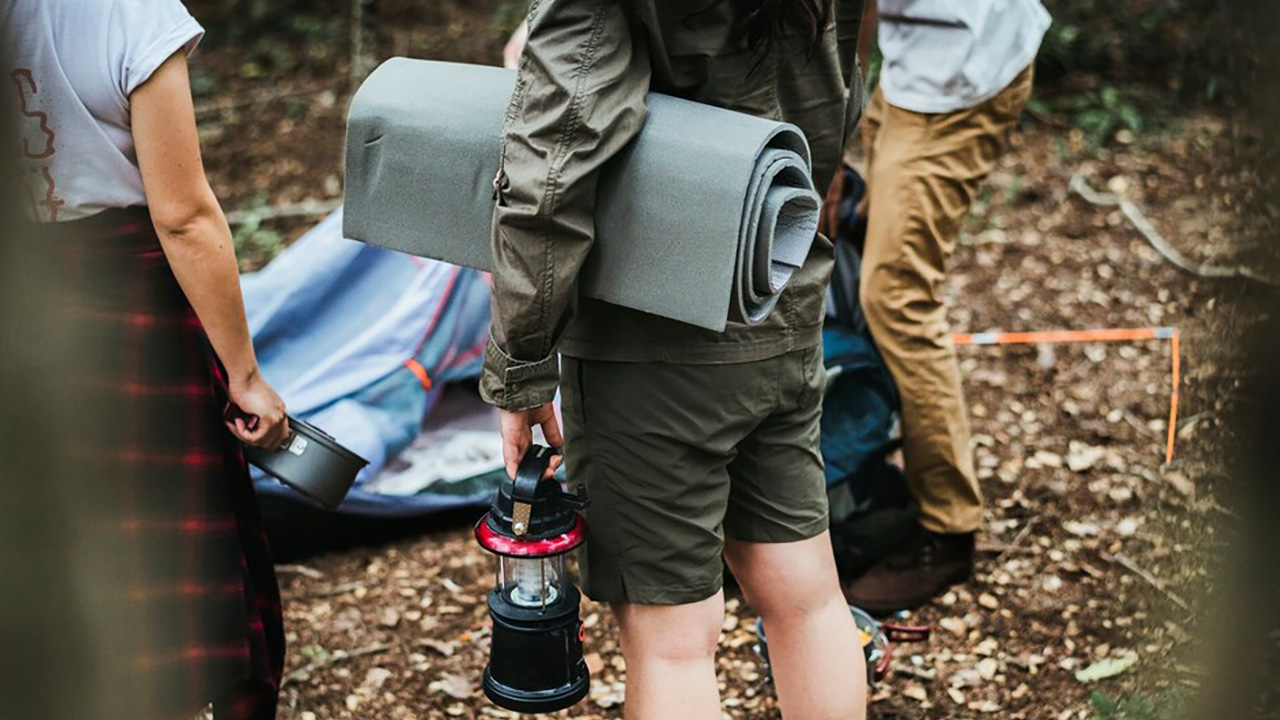
Sometimes the gear is so new and expensive that he handles it like it’s made of glass. He hesitates to set things down, worries about scratches, and seems nervous about using the equipment the way it was designed to be used. Outdoors gear is meant to get dirty, scratched, and worn. That’s part of its life cycle.
Experienced outdoorsmen usually treat their gear with care, but they don’t baby it. They trust it to work and expect it to take some abuse along the way. The man who bought everything before he gained the experience often treats his equipment like a display piece. It still looks brand new because it hasn’t spent enough time doing the job it was made for.
He Needs Instructions for Equipment He Chose Himself
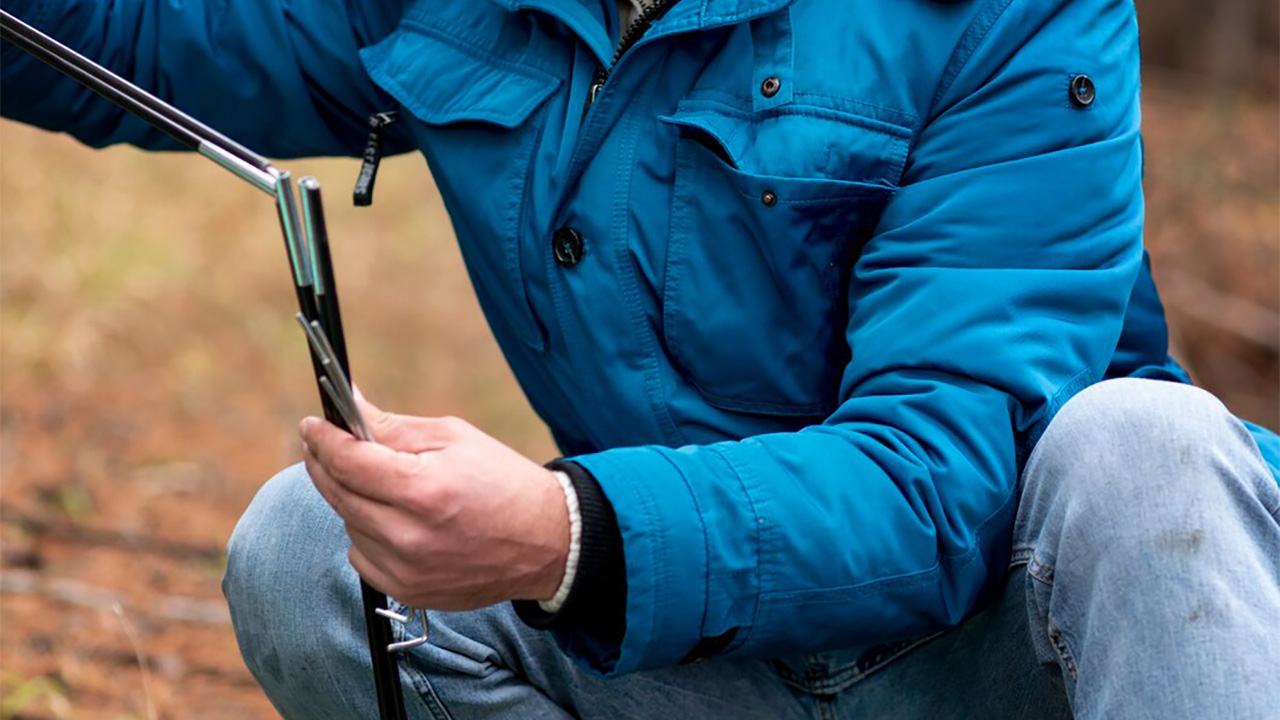
Another common sign is when someone owns gear they don’t really know how to operate without help. Maybe it’s a complicated stove, a water filter, a GPS unit, or some other tool that seemed useful at the store. When the moment comes to use it, he’s flipping through instructions or asking someone else to show him how it works.
Most people who spend real time outdoors test their equipment before it matters. They set it up in the yard, practice with it on short trips, and make sure they understand how it behaves under different conditions. When a guy brings gear he’s never actually used before, it usually means the purchase happened before the experience that would have guided it.
He Changes Gear Constantly

The gear-first guy is always chasing the next upgrade. Every trip includes something new that he’s trying out because he saw someone online say it was better. Last season’s equipment is already being replaced even though he hasn’t fully figured out what the old gear could do. The cycle repeats over and over.
People who build skill first tend to keep gear longer. Once they find equipment that works for their style and conditions, they stick with it until it truly wears out or stops meeting their needs. The constant upgrader often hasn’t reached that point yet because he’s still searching for answers in equipment rather than in experience.
He Can’t Explain Why Simpler Gear Sometimes Works Better
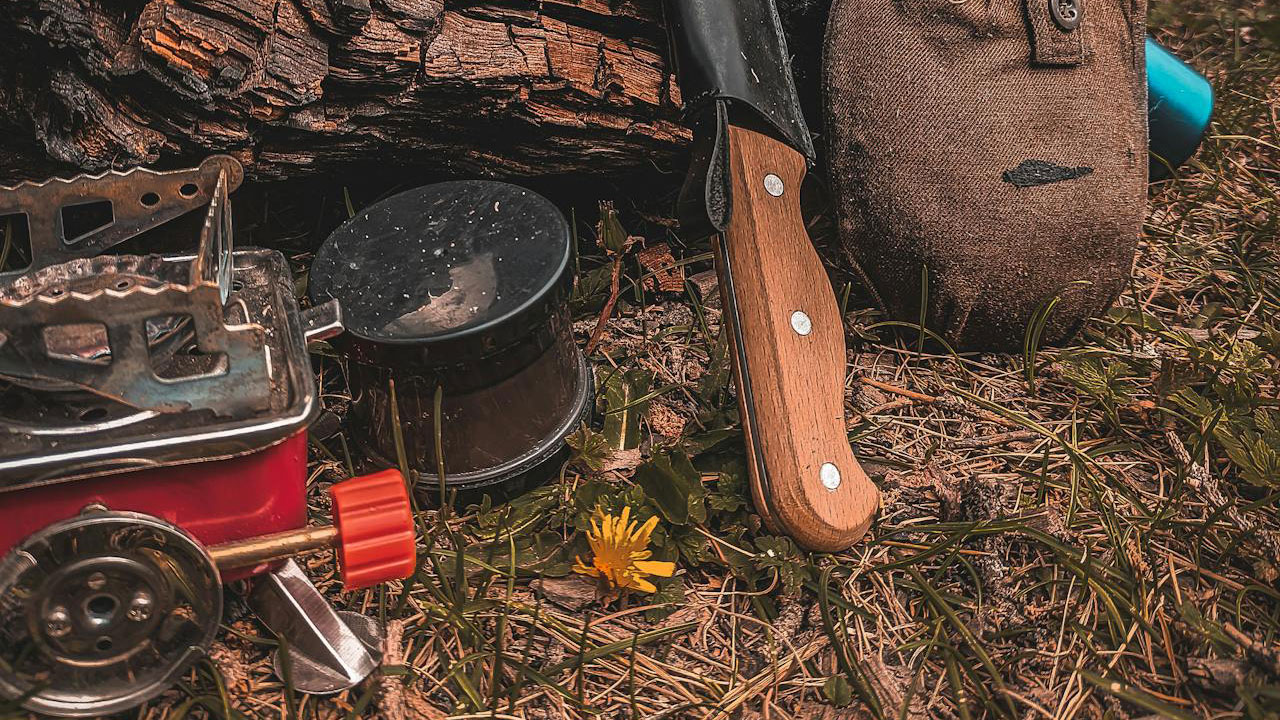
One of the things experience teaches pretty quickly is that simple gear often holds up better in the field. Fewer moving parts, fewer things to break, and fewer things to fiddle with when the weather turns bad. Someone who’s spent enough time outside learns to appreciate that reliability.
The guy who built his kit from gear reviews sometimes struggles with that idea. He assumes the most advanced option must always be the best one. When he sees someone using a simpler setup successfully, it doesn’t quite compute. Skill makes the gear effective, not the other way around, and that’s a lesson you usually learn through time rather than shopping.
He Focuses on Brand Names Instead of Situations
Another clue is when brand loyalty replaces practical thinking. The conversation becomes about which company makes the “best” version of everything instead of which gear fits the situation. Outdoor conditions vary wildly from one place to another, and what works perfectly in one environment may not make sense in another.
People with experience tend to build their gear around conditions and tasks. The brand matters less than the performance in that particular setting. When someone talks mostly about labels and reputation rather than real-world use, it often means the equipment choices were shaped more by marketing than by time spent outside.
He Runs Out of Energy Because the Gear Is Doing the Work

Sometimes the gear-heavy setup actually becomes part of the problem. Carrying extra weight, managing complicated equipment, and constantly adjusting gadgets takes energy that could be spent moving, thinking, and enjoying the day. By the time evening arrives, the gear has turned into a burden instead of a tool.
People who’ve built skill gradually tend to travel lighter and work more efficiently. They rely on experience first and equipment second. The gear helps, but it doesn’t carry the entire load of the trip. When a guy burns out halfway through the day while surrounded by expensive equipment, it’s usually because the foundation of skill hasn’t caught up yet.
He Blames the Gear When Something Goes Wrong
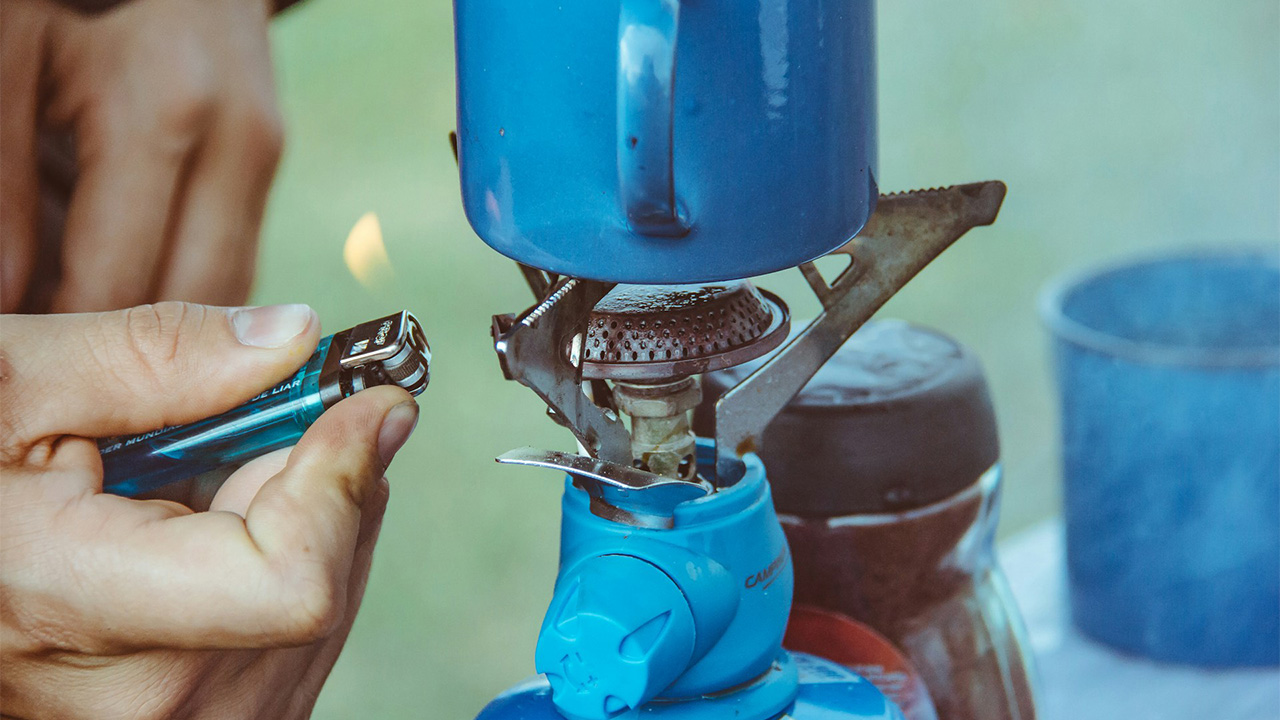
This might be the biggest tell. When things don’t go smoothly, the first explanation is always that the equipment failed. The stove didn’t cooperate, the pack wasn’t comfortable, the boots weren’t right, the tent design was flawed. It’s possible for gear to fail, but when it happens every trip, the pattern starts to look familiar.
Experienced outdoorsmen usually look at the situation first. Maybe the setup could have been better. Maybe the conditions changed. Maybe the gear was used in a way it wasn’t meant to be used. When a man immediately blames the equipment for every problem, it often means the experience to troubleshoot those moments is still developing.
He Looks the Part but Moves Like a Beginner
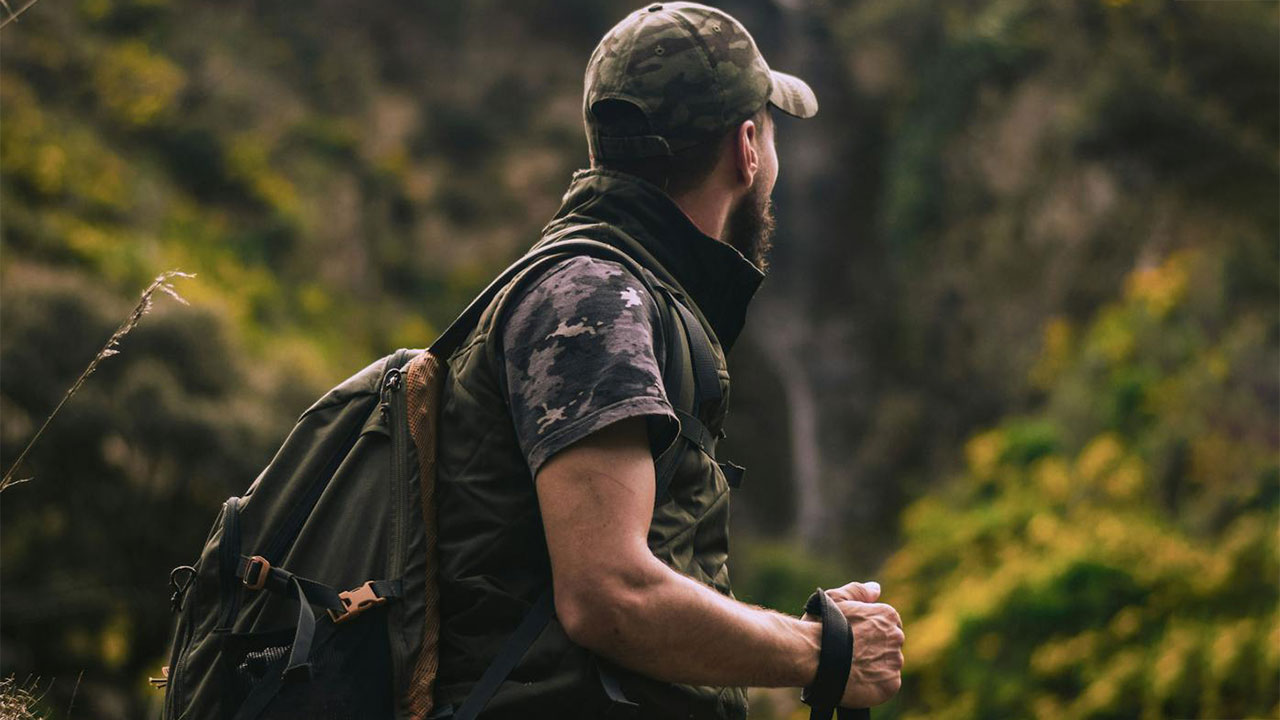
In the end, this might be the simplest way to spot it. The clothing, pack, and equipment make him look like someone who spends a lot of time outdoors. But the way he walks through terrain, handles small obstacles, organizes his gear, and responds to changing conditions tells a different story.
Skill shows up in movement and awareness more than in appearance. A person who has learned through experience tends to move efficiently, stay calm when small problems appear, and adapt without making a big deal out of it. When the gear is polished but the habits are clumsy, it usually means the shopping came before the learning.
Like The Avid Outdoorsman’s content? Subscribe to our newsletter so you never miss an article.
Here’s more from us:


