Photo credit: Browning
It’s easy to fall for a rifle after watching a few videos, scrolling reviews, or seeing polished photos. Online, these guns look like can’t-miss picks—affordable, feature-packed, maybe even backed by big-name influencers. But once you get them off the bench and into the brush, the truth starts to show. Whether it’s balance, feeding issues, trigger feel, or just plain poor handling, some rifles turn into a letdown real fast. This isn’t about bashing brands—it’s about what actually works when you’re miles deep, tired, and need your rifle to do its job. Here’s a list of rifles that looked great on your screen but made hunters swear them off after real field time.
Mossberg Patriot

The Mossberg Patriot wins over a lot of new hunters with its price tag and looks. You’ve got a fluted barrel, a decent stock design, and even a spiral-fluted bolt. It checks all the right boxes—on paper. But in the field, things start slipping. The trigger’s okay, but the bolt throw feels cheap. You may notice the action binding when you’re trying to cycle fast for a follow-up. And then there’s the issue of feeding problems when the rifle gets cold or dirty. It’s a rifle that looks great on your wishlist but doesn’t hold up when it’s game time.
Winchester XPR

You might get pulled into the XPR by the Winchester name. It seems like a bargain way to get into a respected brand. The problem is, the rifle just doesn’t carry the same field reliability you’d expect from something wearing that badge. The action can feel rough, especially under pressure. Some users report extraction issues or inconsistent grouping after a few dozen rounds. It’s one of those rifles that feels a little better at the range than it does when you’re freezing in a blind trying to make a real shot count.
Browning AB3
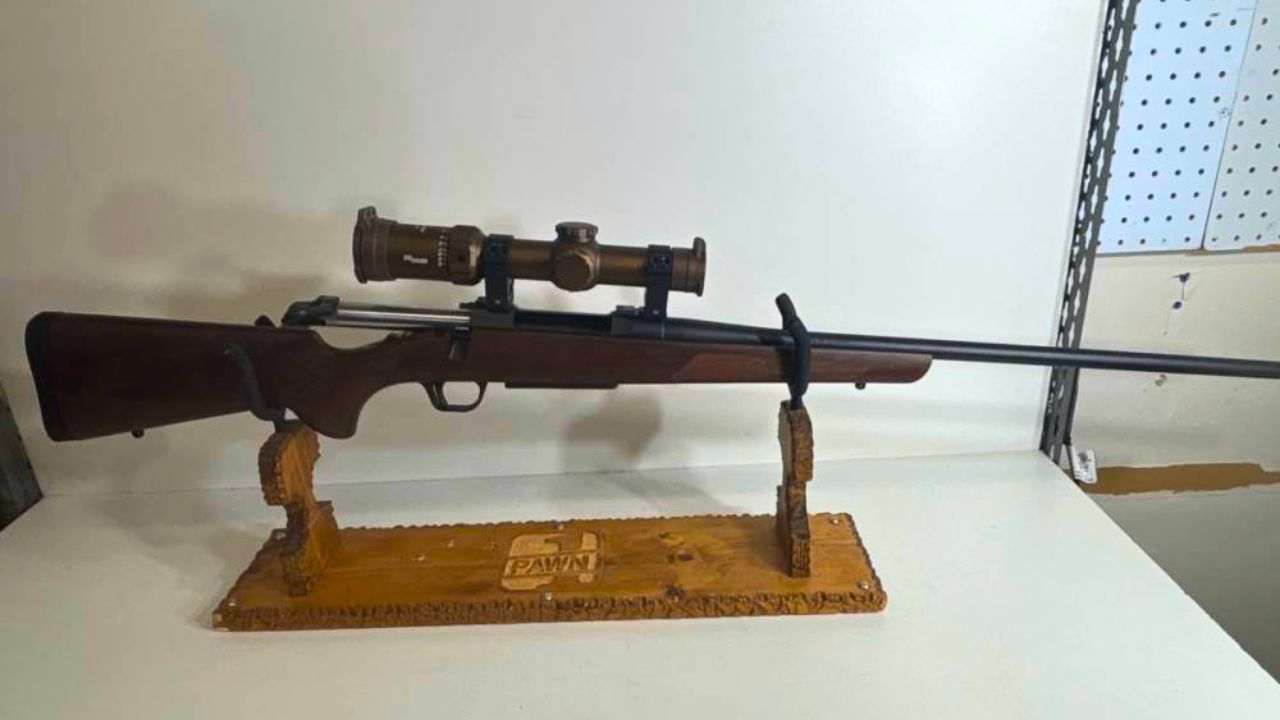
The Browning AB3 tends to ride the coattails of the X-Bolt’s reputation. At first glance, it looks like a solid rifle with clean lines and a familiar Browning feel. But when you actually hunt with it, you realize it’s not quite in the same league. The stock feels hollow and plasticky, especially in cold weather. The bolt throw isn’t as smooth as it looks online. And while it might group okay with a favorite load, it doesn’t seem to like switching ammo. It’s a gun that often leaves folks saying, “I should’ve spent the extra hundred.”
Remington 783
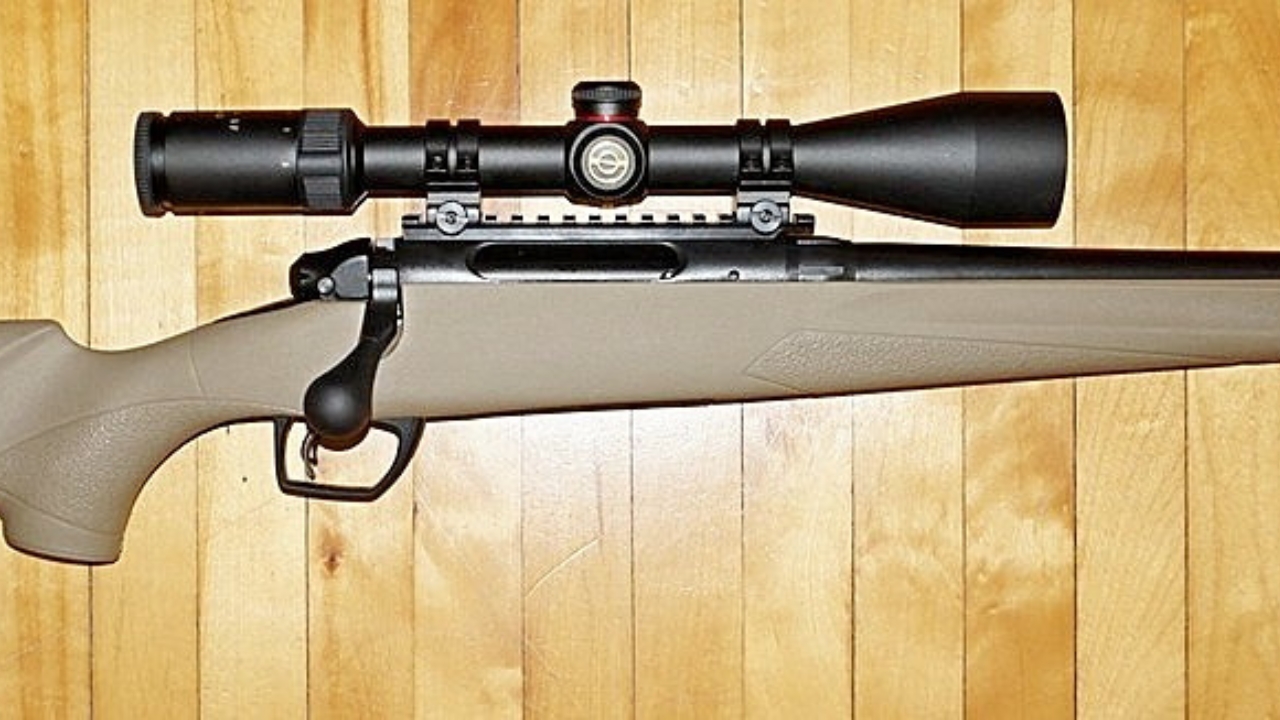
The 783 was Remington’s budget push before everything went sideways. It got attention for being surprisingly accurate out of the box. But real-world hunters often found it lacking in durability. The bolt feels sticky once the gun gets dirty. The stock flexes more than it should. And you’ll notice it doesn’t cycle confidently when rushed. It’s a gun that might be fine for short-range stand hunting—but when you’re hiking ridge to ridge, its shortcomings start to pile up fast.
Savage Axis II XP

Savage nailed it on price and out-of-the-box optics, but they missed the mark on long-term satisfaction. The Axis II XP often comes with a decent scope pre-mounted, which is great for beginners. Problem is, that same setup tends to loosen up, and the rifle’s accuracy becomes inconsistent. The synthetic stock feels cheap, and the recoil pad might as well be a slab of rubber. Hunters say it shoots fine from a bench—but that confidence disappears when you’re out in real terrain.
Ruger American Predator
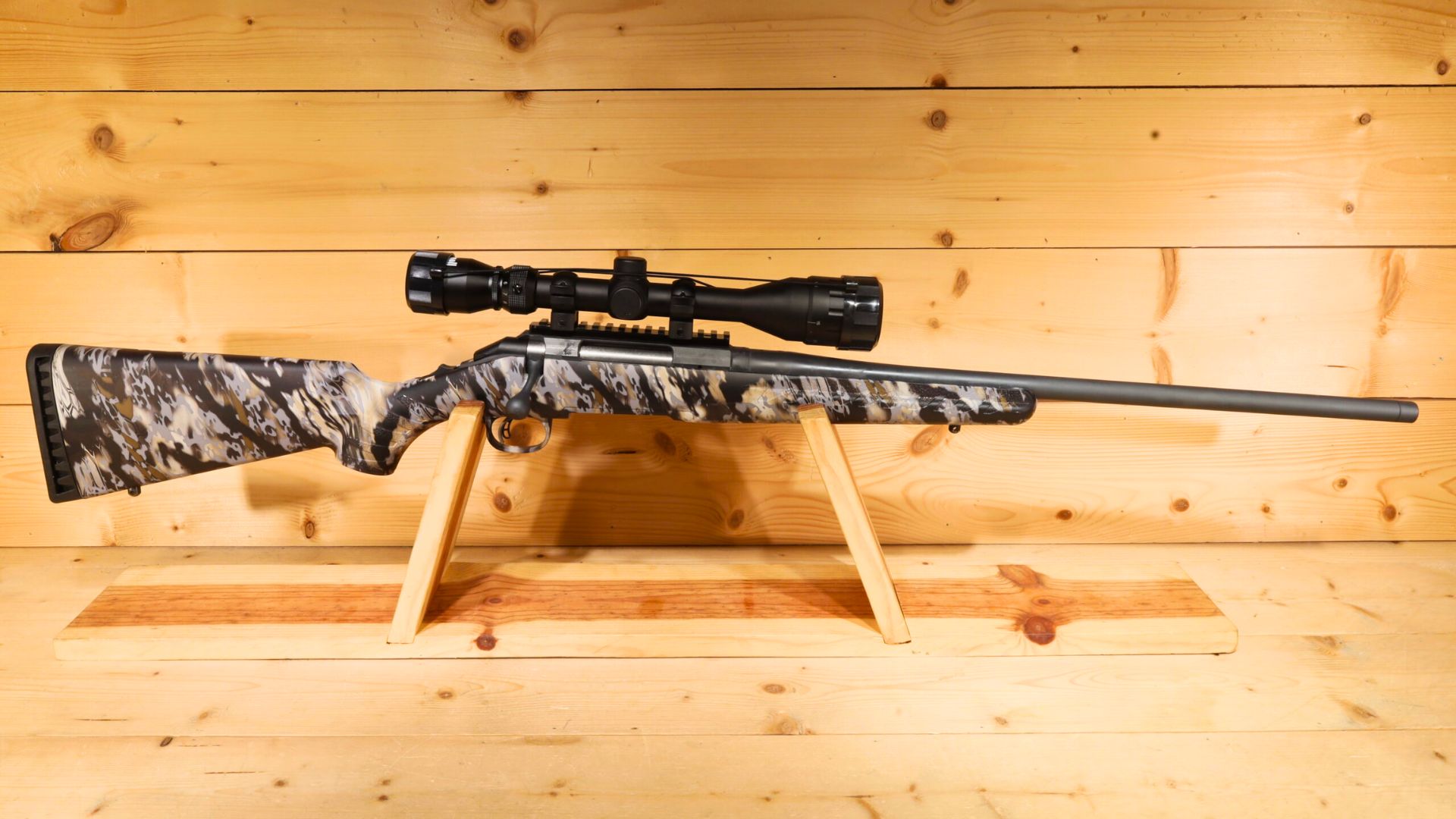
The Ruger American Predator gets talked up online for its factory-threaded barrel and solid trigger. And while it’s capable of some great groups, its quirks show up when you’re relying on it outside. The rotary magazine is a headache in cold weather. Feeding issues pop up when you least expect them. And the stock, especially the older models, feels flimsy in uneven terrain. It’s not a rifle you want to be second-guessing when a buck steps out and you’re shivering in the wind.
Thompson Center Compass

T/C’s Compass looked like a steal when it launched. Sub-MOA guarantee? Threaded barrel? Adjustable trigger? Sounds like a dream. But the reality is it wasn’t ready for the wear and tear of actual hunting trips. The bolt doesn’t hold up well when things get gritty. Magazine fitment is inconsistent. And the plastic stock has a tendency to shift point of impact if you’re not careful how you rest it. It fooled plenty of hunters—once.
Christensen Arms Ridgeline

This one hurts, but it’s true for some. Christensen’s carbon-wrapped barrels and lightweight designs look amazing on Instagram. But the Ridgeline can be finicky in the real world. Some hunters report accuracy shifts after barrel heat, and others struggle with factory ammo compatibility. For the money, you’d expect better consistency. It’s one of those rifles that shines at the range under perfect conditions, then leaves you scratching your head when it counts.
Bergara B14 Hunter
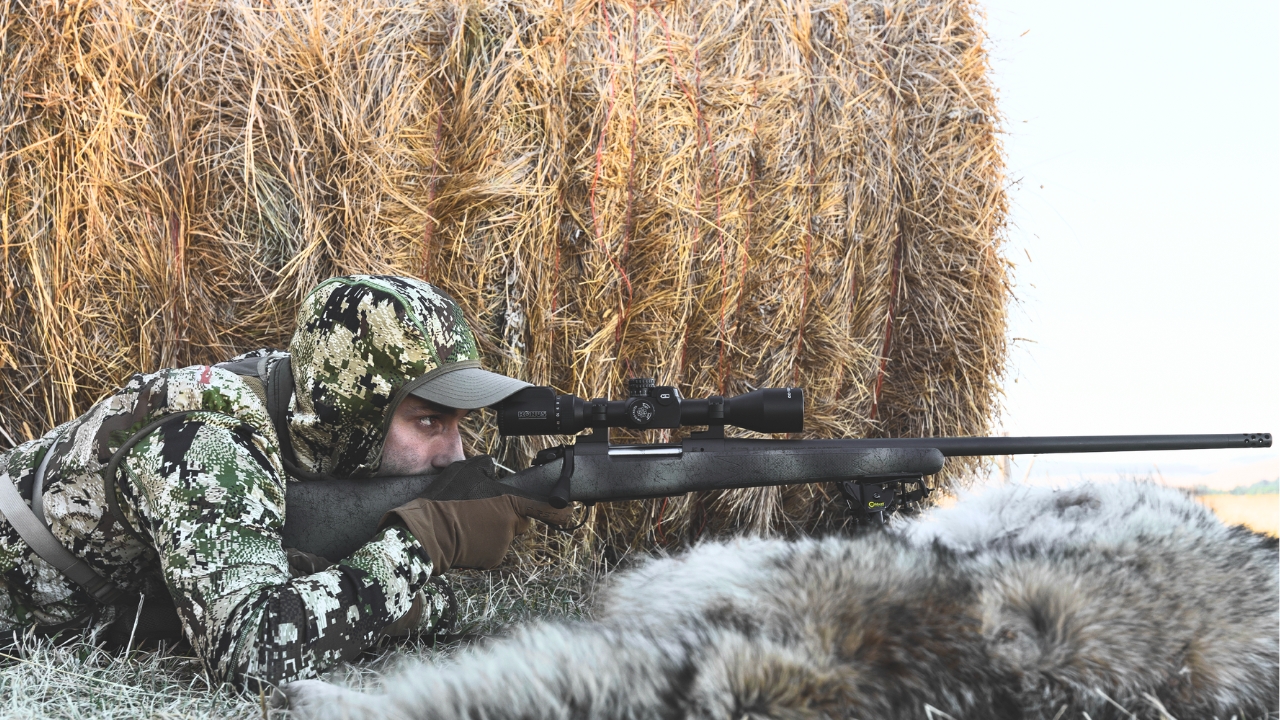
Bergara builds accurate barrels, no doubt. But the B14 Hunter isn’t everyone’s favorite once you carry it for a few miles. It’s heavier than it looks, and the balance feels off in some hands. The molded stock, while tough, gets slick in wet conditions. And if you’re used to smoother bolt throws, this one might feel a little sluggish. Great range performer—but not always a pleasure to pack around in steep country.
CVA Cascade

The Cascade came in hot, promising solid performance at an entry-level price. And while it does punch above its weight in some ways, a lot of field users found its real-world quirks frustrating. The bolt can drag. Feeding isn’t always smooth. And that stock isn’t doing you any favors when you’re shooting off natural rests. It’s a rifle that looks a lot better in the press release than it feels after a full day hiking and glassing.
Marlin XS7

The XS7 had a lot going for it—clean lines, decent trigger, and early hype as a sleeper hit. But take it into the field, and it starts to feel dated fast. The stock feels too light, the balance is awkward, and you’ll notice more felt recoil than you’d expect. It’s also one of those rifles that doesn’t respond well to neglect. Miss a cleaning session, and things start sticking. For a rifle that looked like a good deal, it’s one many quietly retire.
Weatherby Vanguard Synthetic

Weatherby’s Vanguard line has its fans, but the synthetic version doesn’t win over everyone. It’s a hefty rifle, especially if you’re chasing elk or climbing rough country. The trigger’s decent, but the action can feel heavy when speed matters. And the stock isn’t as ergonomic as it could be. It’ll shoot straight from the bench—but that doesn’t matter when you’re fighting fatigue and terrain. It’s a rifle you start to regret halfway through a tough stalk.
Howa 1500 Hogue

The Howa 1500 with the Hogue stock sounds great on paper—Japanese action, soft overmolded grip, solid trigger. But after some field time, issues pop up. The stock gets tacky in hot weather, and the rubber can pick up dirt and debris. The action, while strong, isn’t the slickest when you’re trying to work fast. And it doesn’t balance great for offhand shots. It’s reliable—but not always enjoyable when you’re chasing real animals.
Tikka T3 Lite

This one will ruffle feathers. Tikka’s T3 Lite is accurate, no doubt. But lightweight isn’t always a blessing. That featherweight frame means more felt recoil, especially in magnum calibers. Follow-up shots can be a chore, and some hunters find it too twitchy off sticks or tree limbs. If you shoot it rested at the range, you’ll love it. But lug it around for a week and take real shots from awkward positions? You might start looking for something with a little more mass.
Remington Model Seven

The Model Seven has been around forever, and online reviews still speak fondly. But in practice, a lot of folks found it hard to love. It’s compact, yes, but that comes at the cost of balance and stability. It doesn’t swing well on moving game, and shorter barrels don’t always wring out the performance you need. The older triggers vary wildly, too. It’s a rifle that looks great in theory—but starts to feel like a compromise in the field.
Savage 110 Hunter

Savage’s AccuTrigger and modular design drew in a lot of hunters. But the 110 Hunter setup can be hit or miss once you get beyond paper targets. Some users find the bolt too sloppy for their liking. Others report feeding issues with certain magazine setups. And while the stock is adjustable, it’s not exactly tough. When the weather turns bad or the terrain gets rough, this rifle tends to lose its edge.
Rossi R95
Lever-action fans were excited to see Rossi enter the modern .30-30 game with the R95. On the rack, it looks great—classic styling, decent price. But field reports haven’t been glowing. Feed issues, stiff actions, and loose fitment between parts have shown up too often. And while it’s fun to handle at the shop, it doesn’t always run clean after a couple boxes. It’s one of those rifles folks want to like, until they start hunting with it.
Like The Avid Outdoorsman’s content? Be sure to follow us.
Here’s more from us:
The worst deer rifles money can buy
Sidearms That Belong in the Safe — Not Your Belt
*This article was developed with AI-powered tools and has been carefully reviewed by our editors.