Photo credit: Alfalfa61/YouTube
Some firearms do not impress people right away. They look too ordinary, too niche, too old, or too tied to a role buyers think they have already outgrown. Then time starts doing what time always does. Newer guns turn out to be fussier than promised, replacement parts get annoying, prices shift, and the plain old gun that once felt easy to ignore starts looking like the one that actually had the right idea from the beginning.
That is how certain firearms get better with age. Not because they changed, but because people finally did. The longer these guns stuck around, the more obvious it became that they were built around usefulness, feel, and staying power instead of whatever sounded smart for a few years.
Browning BPS
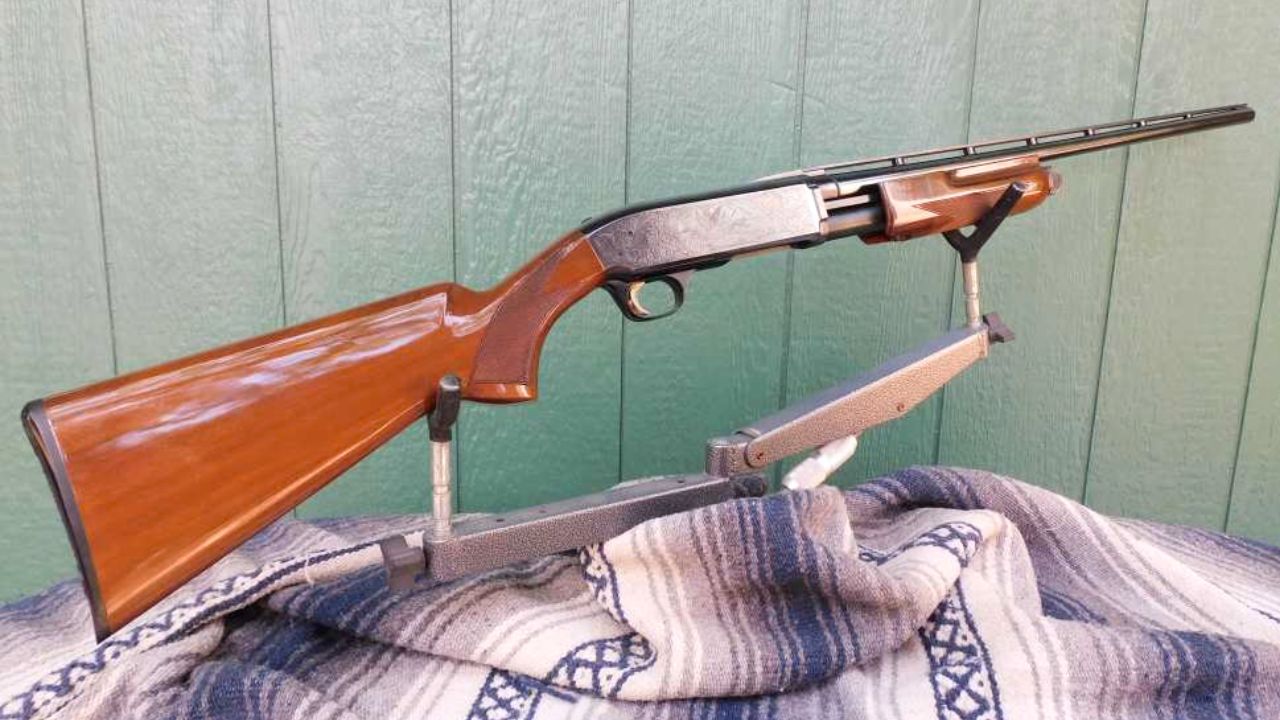
The Browning BPS was never the shotgun people talked about first. It sat behind louder pump-gun names and flashier autoloaders for years, quietly doing its job while buyers chased trendier options. On the rack, it could seem too plain and too serious to stir much emotion. That usually changes once a person actually hunts with one.
What makes the BPS age so well is how complete it feels in use. The bottom-eject design works, the steel receiver gives it real substance, and the gun tends to feel smoother and more deliberate than many newer pumps. The older it gets, the more it looks like a shotgun built to keep earning trust instead of one built to win attention.
Smith & Wesson 457
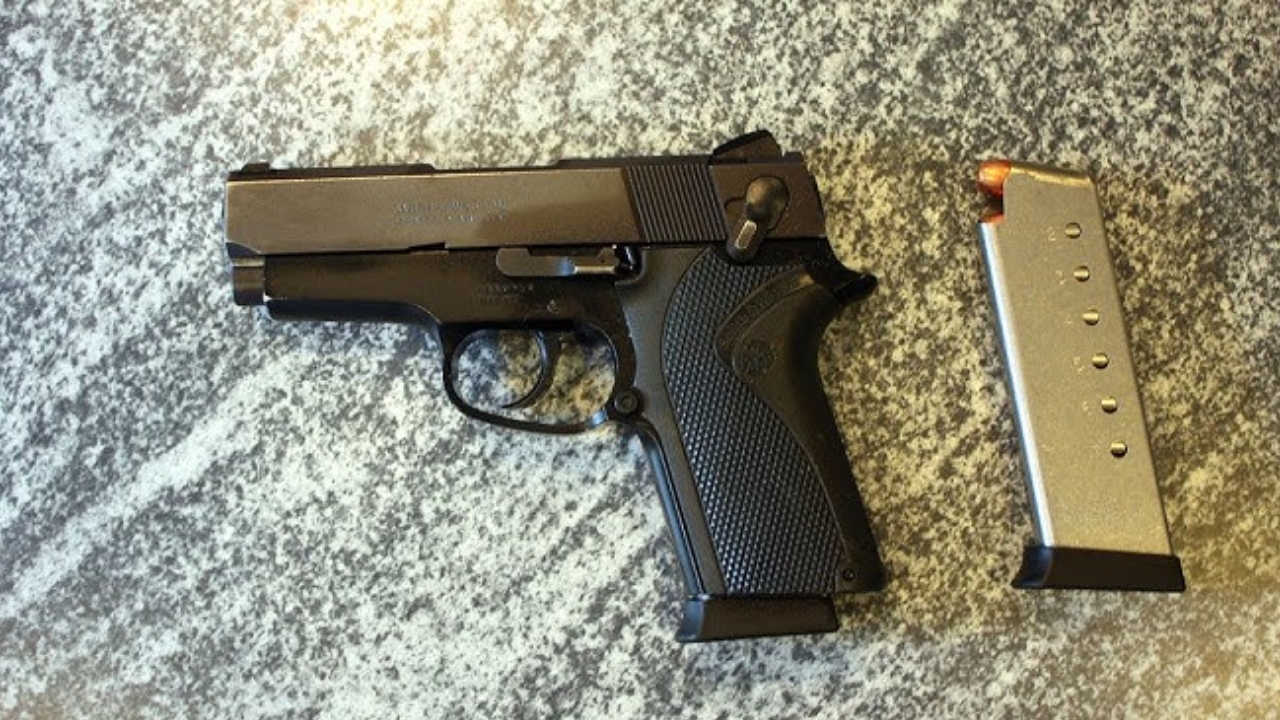
The 457 spent a long time being treated like the plain compact .45 you bought only if something more glamorous was out of reach. That kept it from getting much love early on. It did not have a flashy reputation, and it certainly did not have the kind of styling that made buyers feel clever for spotting it in the case.
Now it looks better than it used to because so many compact pistols that came later tried too hard to feel advanced and ended up feeling disposable instead. The 457 is simple, direct, and practical in a way that has aged beautifully. It still feels like a serious pistol built for ownership instead of just shelf appeal.
Winchester 1200
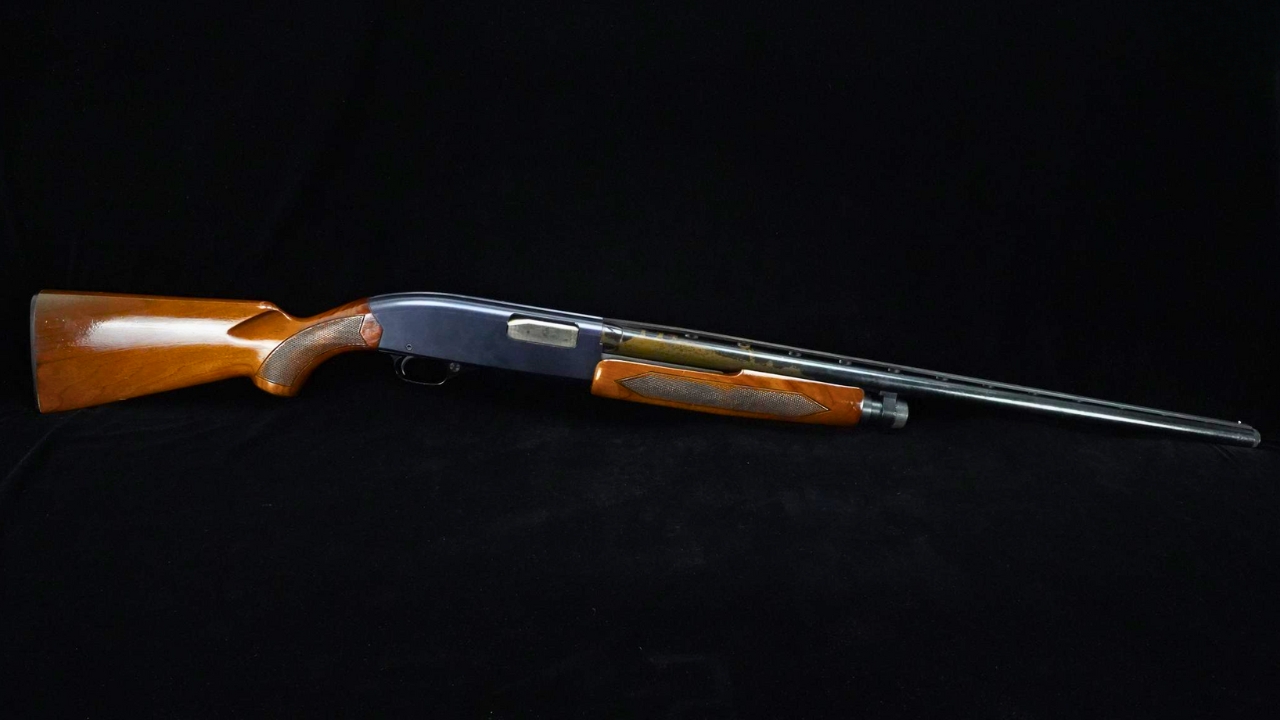
The Winchester 1200 was easy to underrate because it always seemed like the other pump shotgun, not the main one people were supposed to want. That made it feel replaceable for years. Buyers saw it, nodded, and kept walking toward whatever name carried more swagger at the time. Then a lot of those “better” choices started feeling less impressive.
The 1200 got better with age because people remembered how quick and lively it is. It is lighter on its feet than many pumps in its class, and it feels more natural in the hands than its old reputation would suggest. Once buyers get past the fact that it was never the glamorous choice, they usually start appreciating how smart it really was.
CZ 83
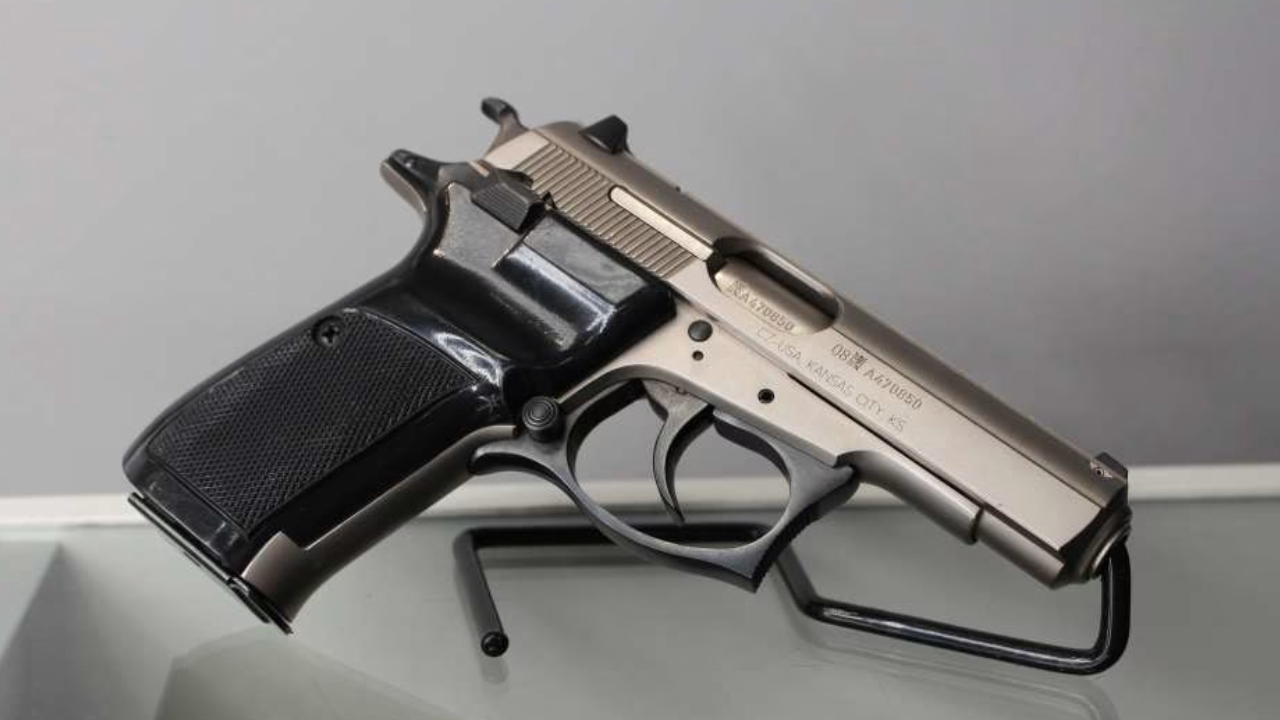
The CZ 83 used to feel like one of those neat little all-metal pistols buyers noticed without taking very seriously. It lived in a caliber lane many people dismissed too fast, and that kept it from getting the respect it deserved. It looked more interesting than urgent, which is exactly how good guns get overlooked.
Age has been very good to it because so many modern compact pistols lost the sense of substance this one still carries. The 83 feels solid, comfortable, and unusually well sorted. The more buyers spend time with sharp-recoiling little carry guns that seem built to be replaced, the more the old CZ starts looking like it was on the right track all along.
Ruger Deerfield Carbine
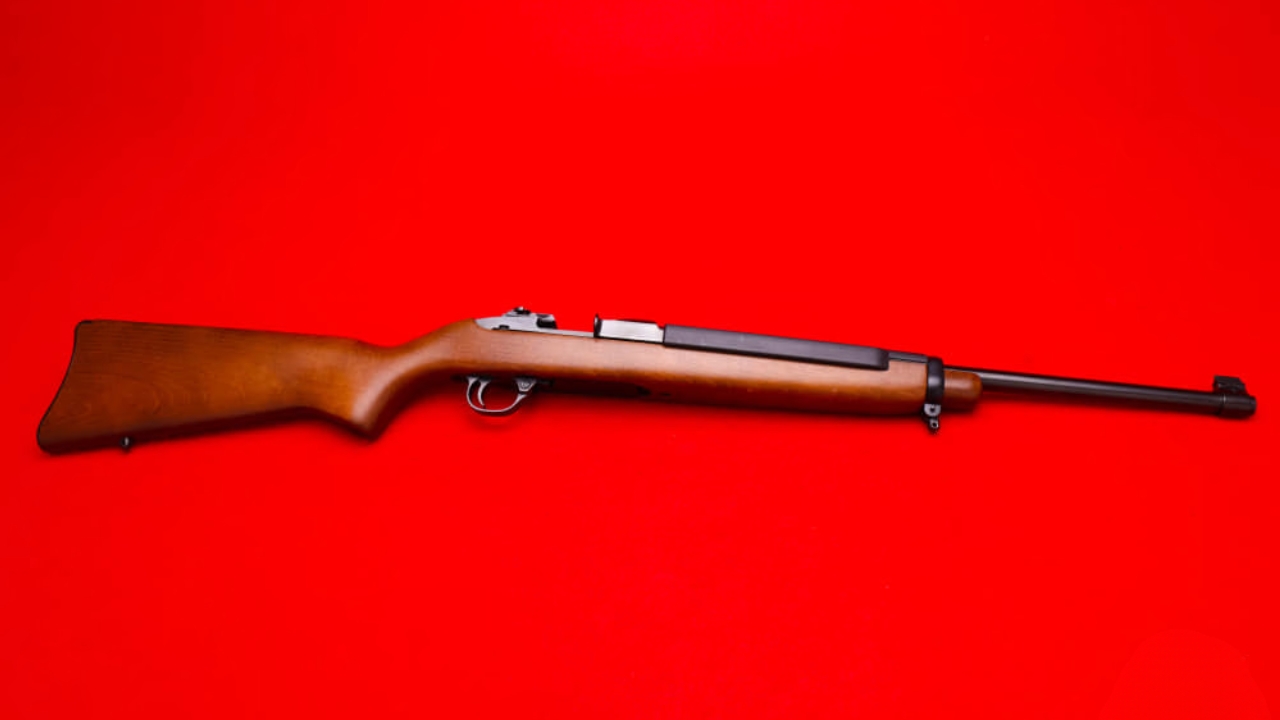
The Deerfield was easy to treat like an oddball when it was current. It did not fit neatly into the categories buyers paid most attention to, and that made it feel more optional than urgent. It was just different enough to be easy to postpone, which usually means the market has not fully understood a gun yet.
Now it looks much smarter. The Deerfield is handy, practical, and more distinctive in a good way than many rifles that got more love at the time. It aged well because it still feels like a real solution to real field use instead of a gun built to satisfy a temporary buying mood.
Beretta 84 Cheetah

The 84 Cheetah spent years being treated like a classy little extra. Buyers liked it, but often in a casual way, as if it were more style piece than serious handgun. That attitude did not survive contact with time very well. A lot of newer compact pistols came and went without ever feeling this complete in the hand.
What age exposed is that the Beretta was not just elegant. It was genuinely useful. It shoots softly for its size, carries real quality, and still feels like a pistol somebody bothered to shape with care. That is why it looks better now than it did when buyers were still acting like a compact metal .380 could not be worth serious attention.
Savage 99C

The Savage 99C long lived under the shadow of more romantic 99 variants, which made it easier for buyers to overlook than it should have been. It was treated like the practical one, the less poetic one, the one you could always buy later if you got around to caring. That kind of faint praise hides a lot of value.
With age, the 99C has become easier to appreciate for what it actually is: a very useful deer rifle with the feel and balance that make the Savage 99 family special in the first place. It aged well because people finally stopped caring so much about whether it was the “right” version and started remembering how good the rifle itself was.
Colt Government .380
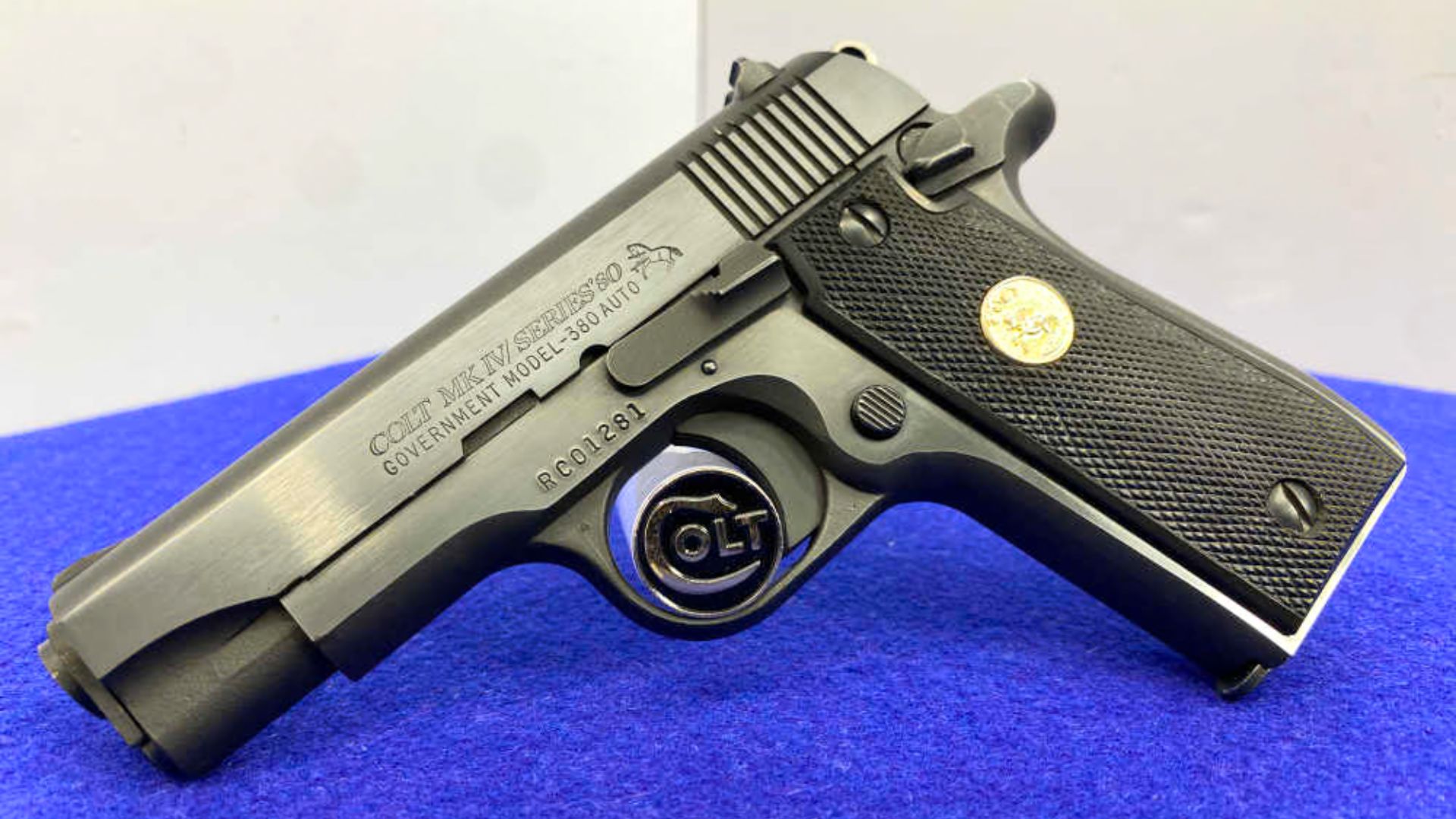
For a long time, the Government .380 sat in that awkward place where buyers liked it without fully committing to taking it seriously. It was a Colt, yes, but it was also a small .380, and that kept some people from seeing how much quality and practicality it really offered. It seemed charming more than essential.
What improved with time was not the pistol itself but the buyer’s perspective. Once enough cheap little carry guns proved themselves unpleasant, forgettable, or short-lived, the old Colt started to look very smart. It carries well, shoots well for its size, and feels like a real handgun rather than a disposable convenience item.
Remington Nylon 66

The Nylon 66 was so familiar for so long that people stopped noticing how unusual and clever it really was. It was just a fun old .22 to many buyers, nothing that demanded urgency or much admiration. That very familiarity is what kept it underrated for years. People assumed it would always be around, and that made it seem less interesting than it really was.
Time has fixed that. The rifle now stands out as a distinctive piece of American rimfire history that still feels light, useful, and genuinely enjoyable. It got better with age because people finally had enough distance from it to see that it was never just background noise.
SIG Sauer P239
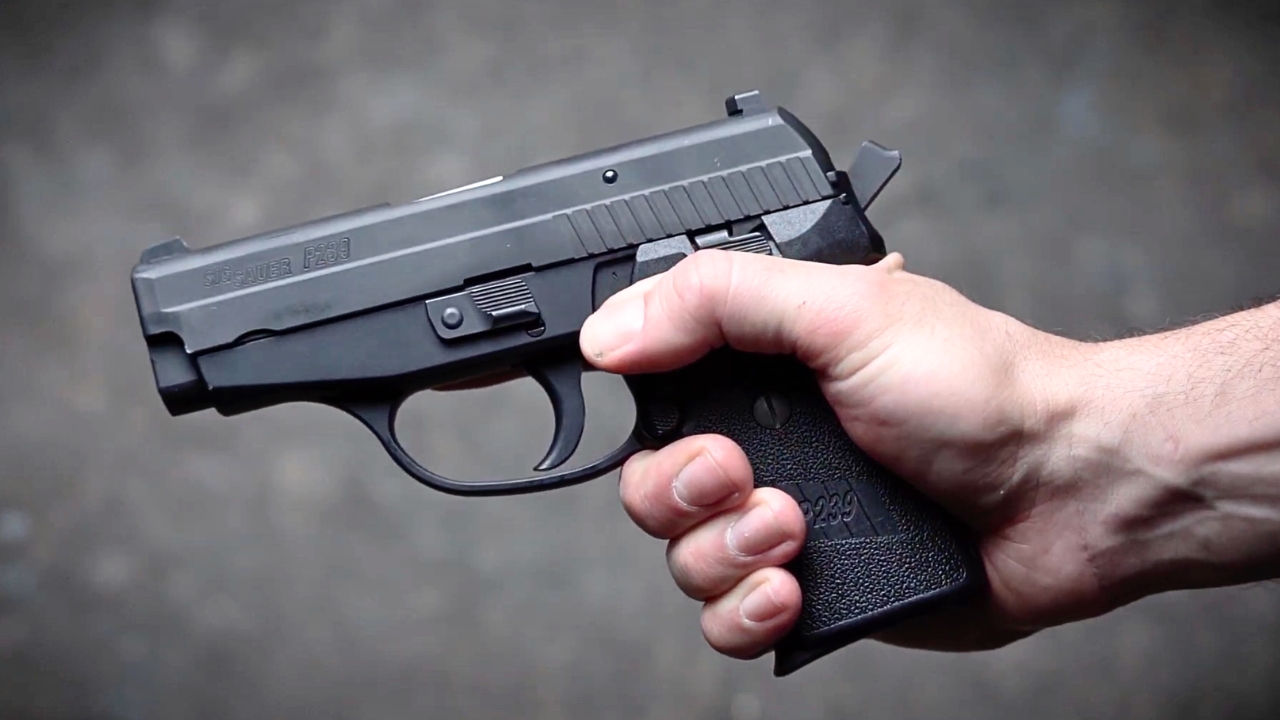
The P239 never had the easiest lane to shine in. It sat between larger duty pistols and smaller carry guns, which made it easy for buyers to admire without fully committing to. It was respected, but often quietly, and quiet respect usually means a gun is not getting enough real credit while it is right in front of people.
Now it looks much stronger than it once did. The P239 feels complete in a way many compact pistols never do. It is steady, shootable, and built like something meant to stay in service rather than get traded away for the next clever idea. That kind of quality only becomes more obvious as the market gets more disposable.
Browning BL-22

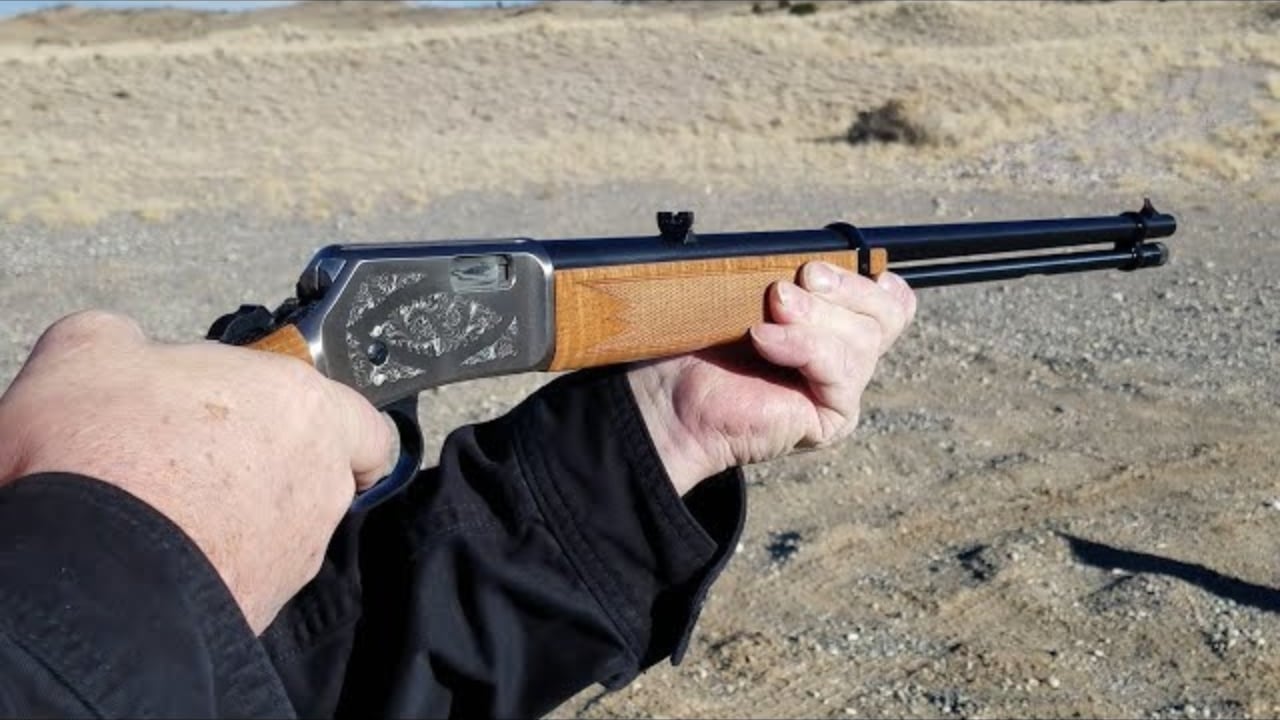
The BL-22 had the bad luck of being “just” a rimfire lever gun in a market that often made buyers put .22s at the back of the line. People liked it, sure, but not always with much urgency. That let a very polished little rifle hide in plain sight for years while louder centerfires soaked up the attention.
What time revealed is how much quality was packed into it. The BL-22 is quick, slick, and more satisfying to run than many rifles people treated as more important when they were buying them. It got better with age because a good rimfire always does once buyers stop acting like rimfire means unimportant.
Smith & Wesson Model 64

The Model 64 was plain almost to a fault, and that plainness kept it underrated for a long time. It was the stainless service revolver, the practical one, the one buyers respected without falling over themselves to own. That made it easy to look past in favor of prettier revolvers or more collectible names.
Age has made it much easier to admire. The Model 64 feels balanced, durable, and refreshingly free of nonsense. It got better with age because people stopped asking it to be exciting and started seeing how well it filled its role. Once you do that, it starts looking like one of the smarter revolvers of its era.
Winchester 100

The Winchester 100 sat in an odd place for years. It was too interesting to disappear completely and too undercelebrated to get its due. That made it easy to treat like an older semi-auto you could always revisit later if you ever got serious. It never seemed urgent enough to move quickly on.
Now it looks much more distinct. The 100 has a real sense of era, a real field feel, and the kind of identity that gets more attractive as modern rifles flatten out into the same few categories. It got better with age because it kept its character while so much of the market drifted toward safer, duller choices.
Ruger No. 1
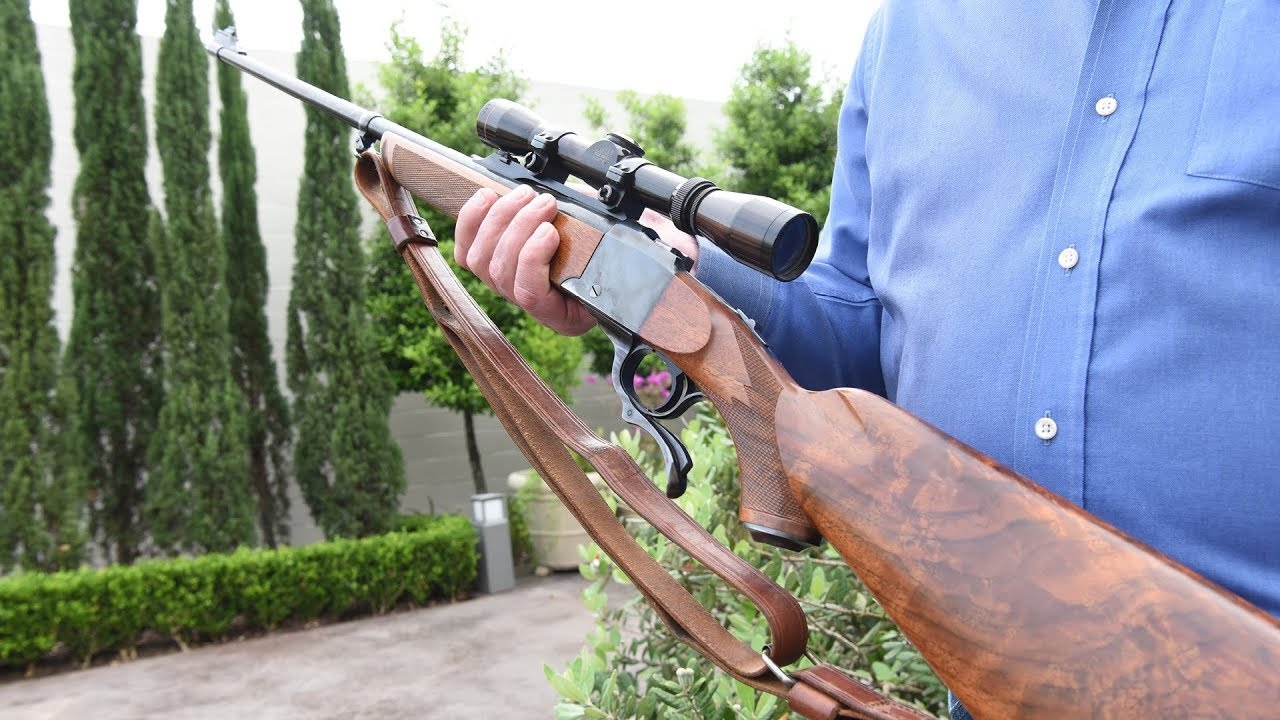
The Ruger No. 1 was always admired, but for a long time that admiration lived in the realm of taste rather than necessity. It was the rifle people thought they might buy someday when they felt like owning something with more grace than utility. That attitude made it easier to postpone than it should have been.
Time has made the No. 1 look even better because it now stands apart more clearly from the crowd. It feels intentional, memorable, and satisfying in a way mass-market rifles rarely do. It got better with age because the market around it got less distinctive, which made its strengths impossible to miss.
Marlin Camp 9
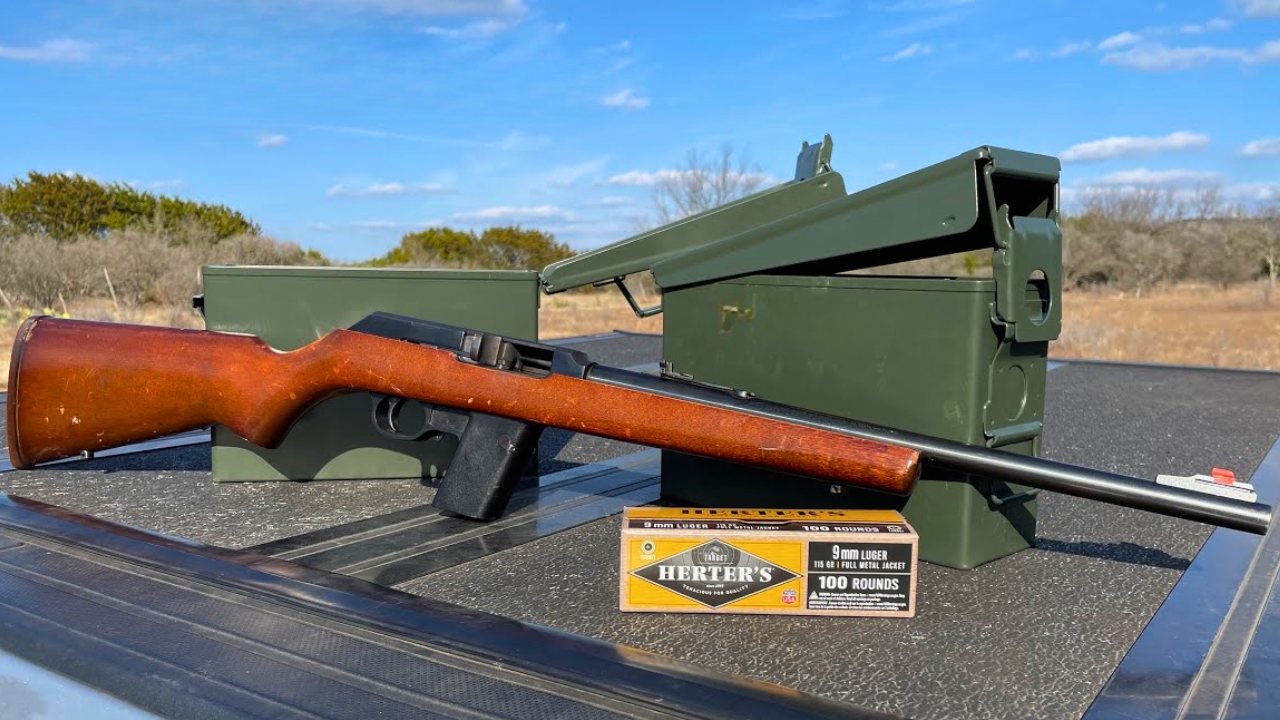
The Camp 9 was ignored for years because it seemed too ordinary to become important. It was a handy little carbine from a quiet corner of the used market, and a lot of buyers treated it like the sort of gun they could always circle back to whenever they felt like it. That usually means a gun is aging under the radar.
And it did. The Camp 9 now feels much smarter than it once did because practical pistol-caliber carbines have become easier to appreciate and harder to find in simple, useful older forms. It got better with age because the exact kind of plain practicality it offered became much more appealing once buyers had enough distance to see it clearly.
Like The Avid Outdoorsman’s content? Be sure to follow us.
Here’s more from us: