Photo credit: NRApubs/YouTube
Some guns look easy to put off when they are still sitting in the case at prices that feel merely annoying instead of painful. That is usually how the regret starts. A buyer likes the gun, respects the gun, maybe even handles it more than once, but still walks away because there will always be another one next month, next show, or next season. Then supply tightens, prices run, and the same gun that once felt optional starts looking like a very obvious miss.
That is what this list is about. These are the guns people wish they had bought sooner, before the market got louder, before the shelves got thinner, and before “I’ll get one later” turned into a much more expensive sentence.
Smith & Wesson 3913

The Smith & Wesson 3913 spent years being treated like a sensible little carry gun that would always be around for people who appreciated older metal-frame pistols. That made it easy to delay. Buyers respected it, but plenty still treated it like something they could come back for whenever the mood struck. The problem is that pistols this trim, this shootable, and this well sorted do not stay underpriced forever.
Now the 3913 feels like one of those handguns people should have taken more seriously while it still looked like a quiet used-case smart buy. It carries well, shoots like a real pistol instead of a compromise, and represents a style of carry gun the market never replaced all that convincingly.
Winchester 94 Angle Eject

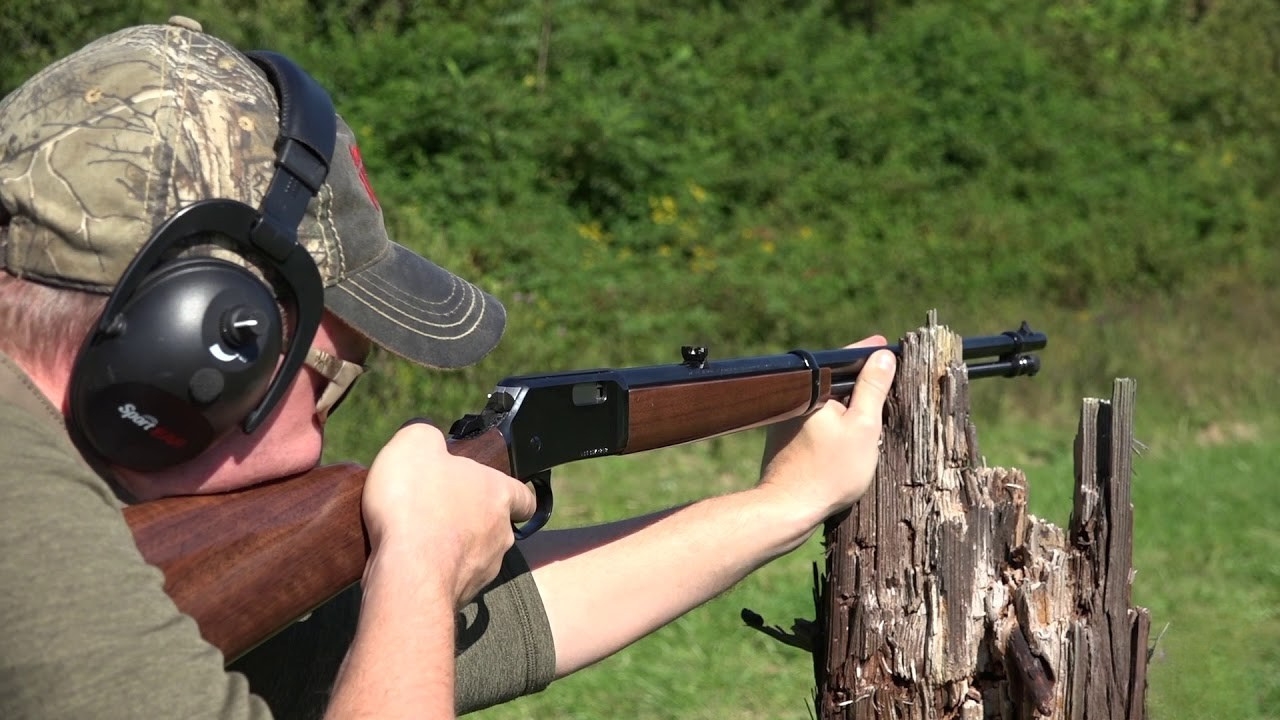
For a long time, the Winchester 94 Angle Eject sat in that strange spot where buyers liked it but still acted like the “real” Winchester 94 they wanted was something older, more romantic, or more collector-approved. That attitude kept urgency low. Plenty of hunters saw them, handled them, and kept moving because they thought they had time to be picky.
That got expensive. Once lever guns heated up and buyers started looking harder at rifles that still delivered real handling and real field use, the Angle Eject versions stopped feeling like second-choice Winchesters. A lot of people now wish they had bought one when the market still treated them like the practical option instead of the smart one.
Browning BDA .45 ACP

The Browning BDA in .45 ACP was easy to admire without buying because it never seemed to dominate the conversation the way some other service-style .45s did. It had quality, history, and a very respectable feel, but it still sat in that dangerous category of guns people thought they could always circle back to later. Later turned out to be a lousy plan.
Today, the BDA feels like one of those pistols buyers should have grabbed while it still looked like an overlooked grown-man .45 instead of something you had to actually hunt for. It was never flashy. It was just solid, and solid tends to get a lot more expensive once people catch on.
Ruger Security-Six

The Security-Six was one of those revolvers people often passed on because it seemed like the practical Ruger instead of the glamorous choice. That was exactly why it got undervalued for so long. Buyers who wanted more brand romance chased other names, and buyers who already respected Ruger often assumed these would always be around in decent shape if they ever decided they wanted one.
That easy confidence in supply did not hold up. Clean Security-Sixes now make a lot more sense to buyers who understand what a good carry-size .357 with real toughness looks like. Many people wish they had bought one before the market started treating them like something more than just the sensible used Ruger.
Marlin Camp 9
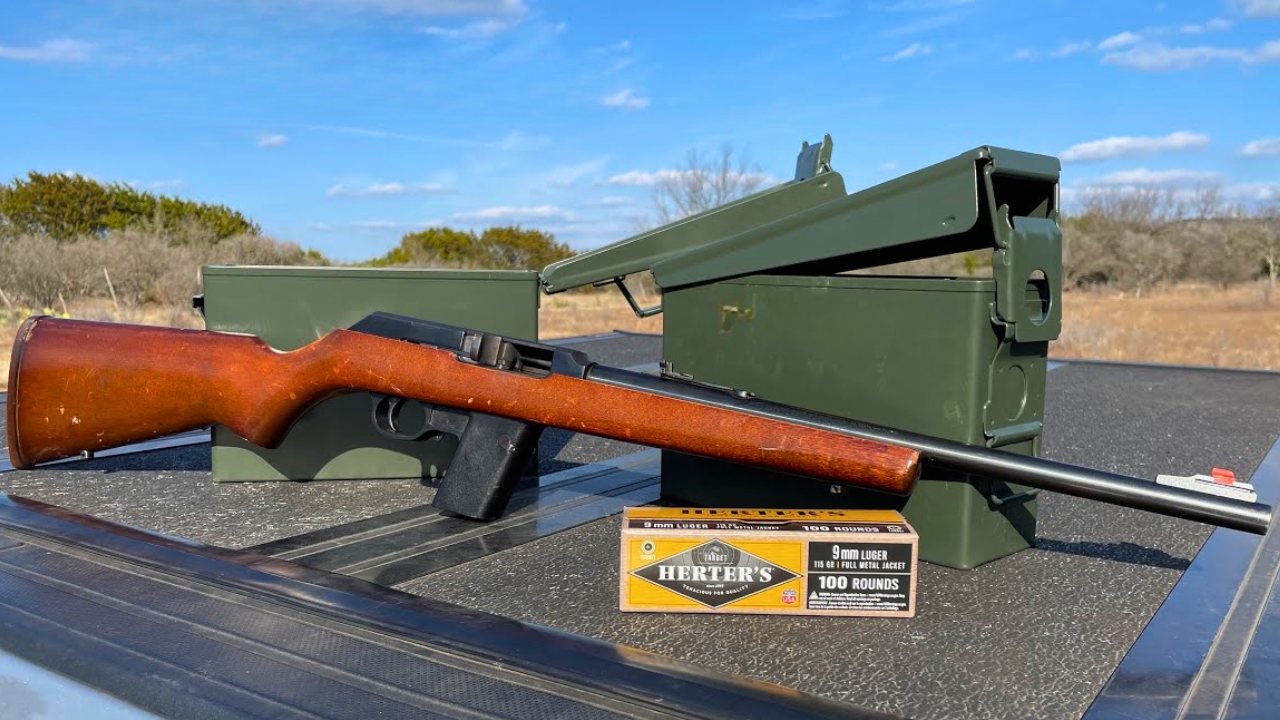
The Marlin Camp 9 lived for years as the kind of carbine people noticed, smiled at, and kept walking past. It seemed too ordinary to be urgent and too niche to feel like a must-buy. That was a mistake. Once pistol-caliber carbines started getting hotter again and buyers started appreciating older practical designs, the sleepy used-market reputation around the Camp 9 vanished fast.
A lot of shooters now wish they had bought one when it was still “just” a fun little Marlin instead of a gun people suddenly had to chase. It was always handy, light, and useful. The only thing that changed was how obvious that became to everyone else.
Colt Government .380
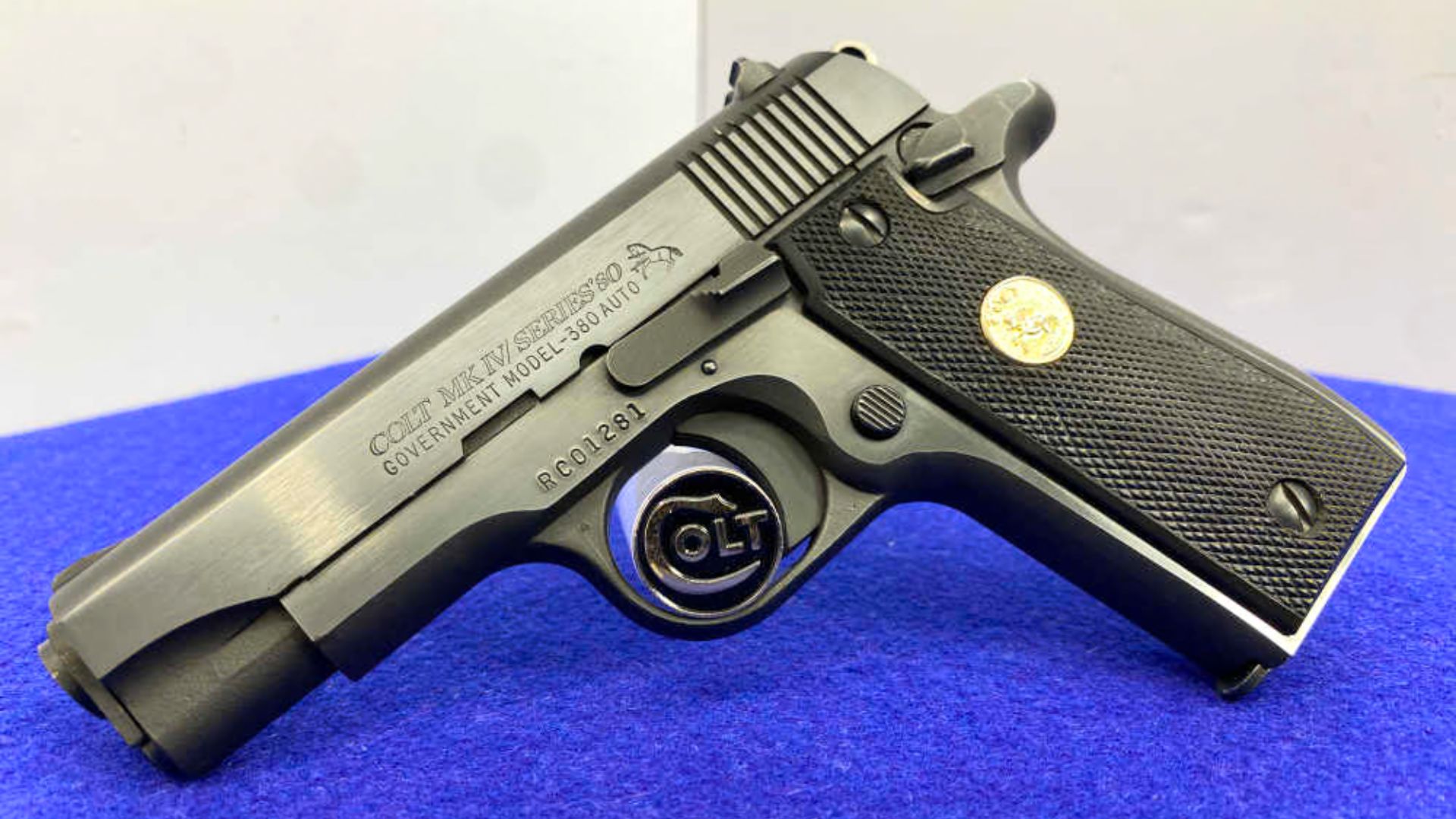
The Colt Government .380 sat in the exact kind of lane that makes buyers lazy. It had Colt appeal, real quality, and a very usable size, but being a compact .380 kept a lot of people from treating it like something they needed to move on quickly. They liked it, sure, but not enough to stop acting like it would always be sitting there later.
That later has become a lot less friendly. The Government .380 now looks like the kind of compact pistol people should have bought when they were still treating it as a stylish extra instead of recognizing it as one of the better older carry guns in the market. A lot of buyers learned too late that small Colts do not stay cheap just because people once underestimated them.
Savage 99C
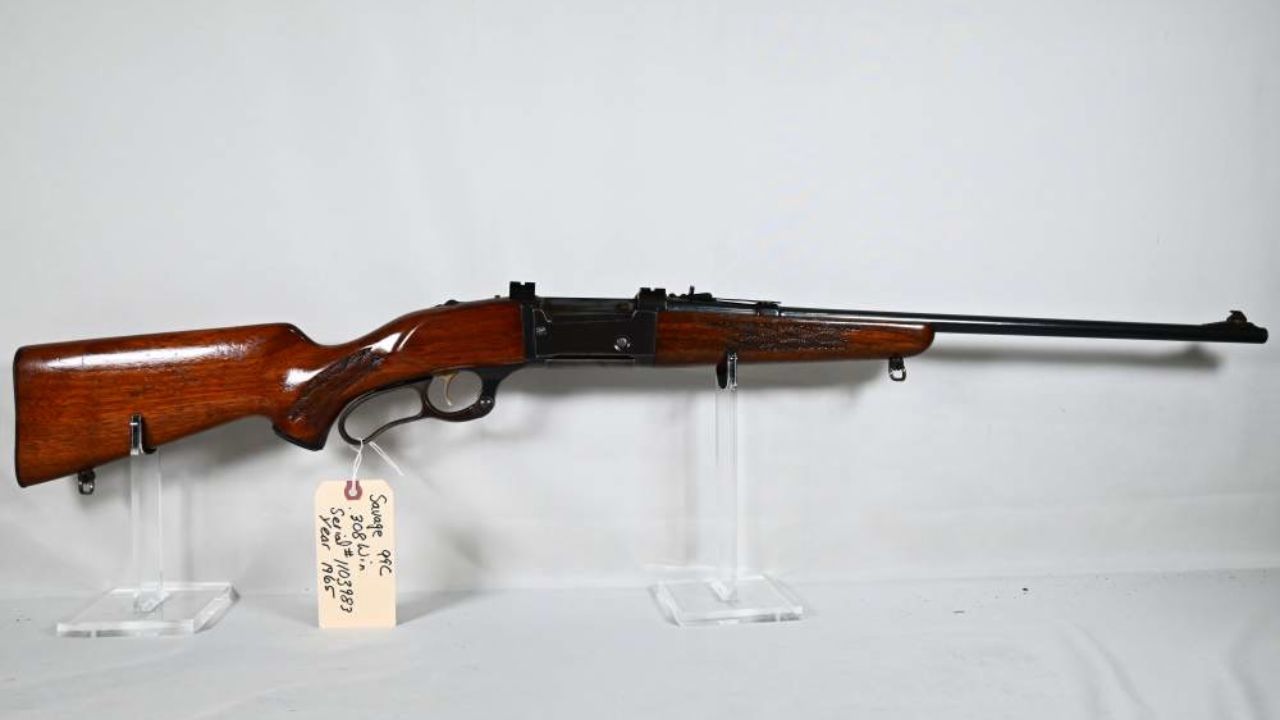
The Savage 99C got overlooked for years because many buyers treated it like the less romantic branch of the Savage 99 family. If they were going to buy a 99, they often wanted one of the older, more collector-flavored versions. That made the 99C easy to postpone. People respected it while still assuming they had all the time in the world to buy one later.
Now the whole 99 family is viewed differently, and the old confidence that these would always be easy to find has faded. Plenty of hunters and collectors wish they had grabbed a clean 99C when it still felt like a practical version of the story rather than one more missed chance in a tightening market.
Remington 7600 Carbine

The Remington 7600 Carbine spent a long time being treated like a regional deer rifle, a practical pump, and not much else. That plainness worked against it. Buyers assumed handy pump carbines would always be floating around in the used market because they never seemed glamorous enough to disappear. That assumption aged badly.
Once buyers started realizing how useful these rifles are in thick woods and fast-shot country, good examples stopped feeling ordinary. A lot of hunters now wish they had bought a 7600 Carbine when they still felt like plain deer-camp tools instead of one of the more specific and harder-to-replace woods rifles around.
CZ 83
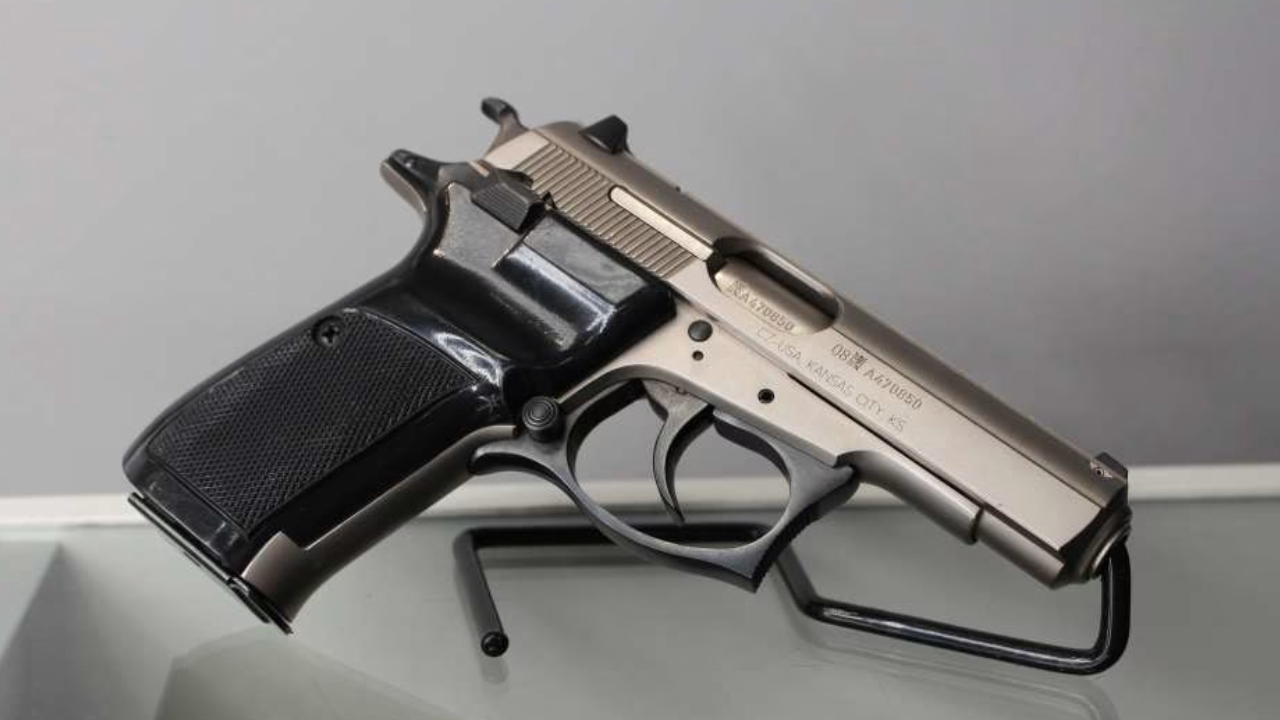
The CZ 83 was one of those pistols that made sense to people paying attention, but it still stayed easy to put off because it lived in a quiet corner of the market. It was all metal, compact, and very pleasant to use, but it never generated enough hype to force urgency. A lot of buyers saw them, liked them, and kept assuming they would pick one up eventually.
Eventually got more expensive. The CZ 83 now looks like one of those older compact pistols buyers should have appreciated harder when it was still easy to treat as a curiosity. Its ergonomics, substance, and old-school feel have aged very well. The market finally noticed, and by then the cheap days were already gone.
Browning BL-22 Grade II

The Browning BL-22 Grade II is a classic example of a rifle people postpone because it is “just” a rimfire. It is a nice rimfire, sure, but that category alone lets buyers talk themselves into waiting while they spend money on centerfires, carry guns, and whatever else feels more pressing. That is how people miss some of the best .22s.
The BL-22 Grade II gets a lot more interesting once you realize how hard it is to replace a rimfire lever gun that feels this polished and this lively. Plenty of shooters wish they had bought one before the market started treating quality .22 lever guns with the seriousness they deserved all along.
SIG Sauer P239
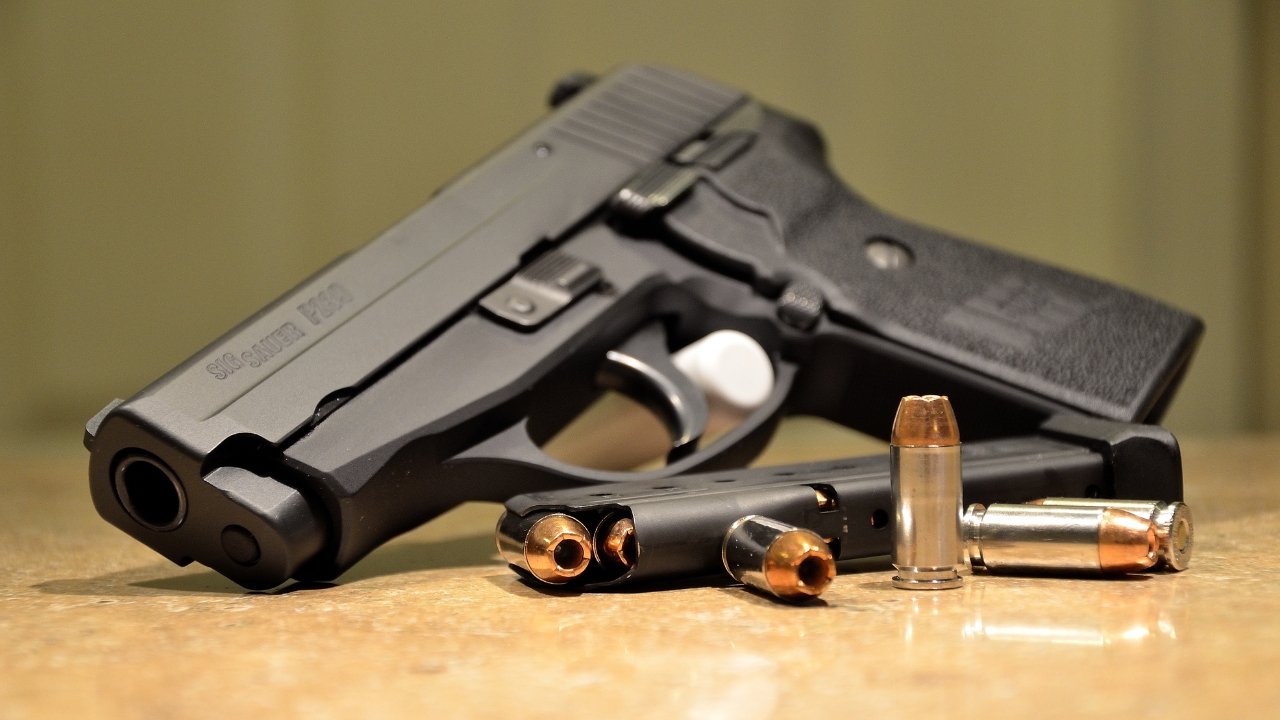
The P239 spent years stuck in that awkward place where buyers respected it without ever quite feeling urgency around it. It was not the loudest SIG, not the highest-capacity pistol, and not the trendiest carry gun. That made it easy to keep pushing back in favor of something more current or more aggressively marketed. A lot of people assumed they would always get around to owning one.
Now it looks a lot smarter than many of the carry pistols that jumped ahead of it in line. The P239 is compact, steady, and unusually complete in the hand. A lot of buyers wish they had bought one sooner, before the market reminded them that well-sorted compact metal pistols do not stay easy to find forever.
Remington Nylon 66

The Nylon 66 may be one of the most classic “should have bought it sooner” rifles on the board because it spent so long feeling too familiar to be urgent. It was just a Nylon 66, and for years that meant there would always be another one somewhere if you changed your mind later. That comfort made buyers casual.
Then nice ones got harder to touch without paying real money. The rifle people treated like a nostalgic oddball suddenly looked like an important piece of American rimfire history with its own distinct personality and a shrinking pool of clean examples. Plenty of owners and would-be buyers wish they had grabbed one back when “fun old .22” was still the dominant way people talked about them.
Ruger Deerfield Carbine
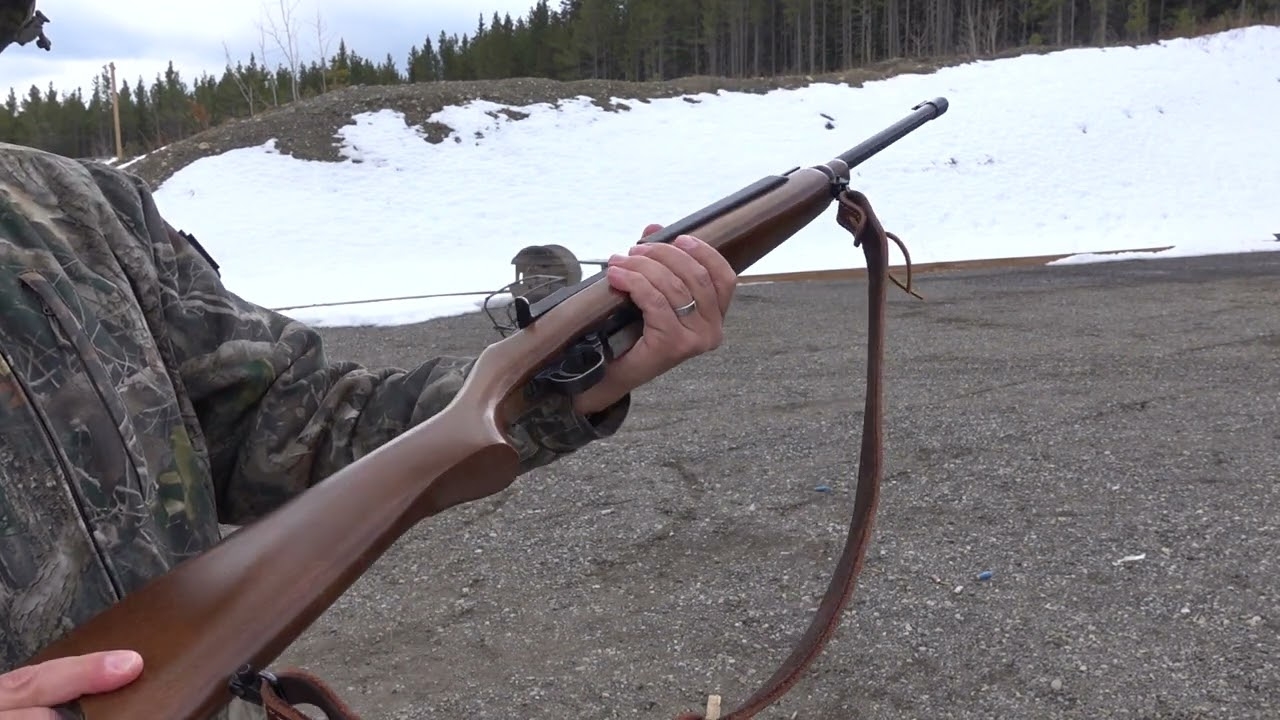
The Ruger Deerfield Carbine was easy to overlook because it did not fit neatly into the categories buyers were paying most attention to. It was a little odd, a little specialized, and easy to leave on the rack while chasing more obvious choices. That made it one of those guns people figured they could always revisit later if they ever got serious.
Later came with thinner supply and a much more interested market. The Deerfield now feels like the kind of rifle people should have grabbed when it still looked like a neat Ruger instead of the harder-to-find, very specific field carbine it has become. A lot of buyers wish they had understood sooner how useful that oddball really was.
Winchester 100

The Winchester 100 spent years being too familiar to seem urgent and too undercelebrated to seem expensive. It sat in that middle ground where buyers appreciated it without feeling the need to move quickly. A lot of them figured there would always be another older Winchester semi-auto around if they ever decided they wanted one badly enough.
That assumption did not hold. The Winchester 100 now feels like one of those rifles people should have picked up when it still looked like an interesting older hunting autoloader instead of a much more deliberate buy. It has character, it carries a real sense of era, and it got a lot harder to replace while people were still acting relaxed about it.
Smith & Wesson 457
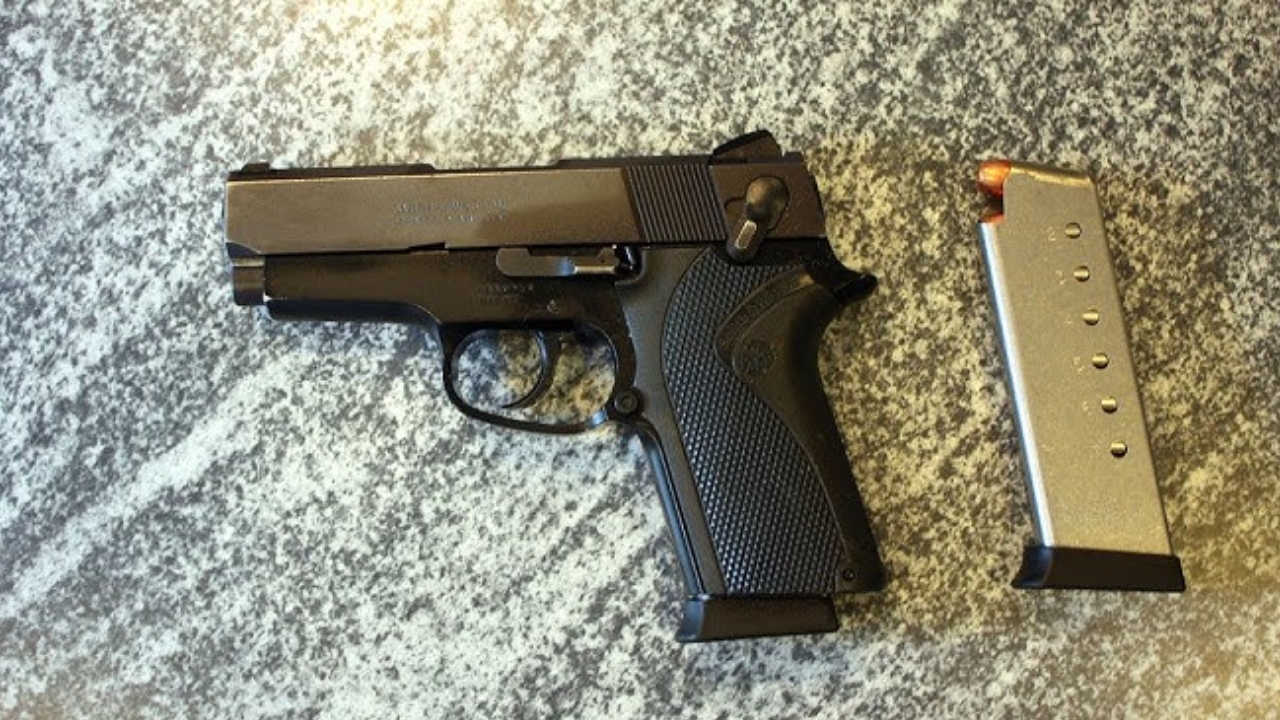
The Smith & Wesson 457 never had much glamour working in its favor, which is exactly why a lot of buyers put it off. It looked plain, practical, and maybe too low-drama to feel like a purchase that needed to happen right then. That is how sensible guns get missed. People respect them enough to remember them, then delay too long.
Now the 457 looks like one of those compact .45s buyers should have appreciated more when it still felt like a straightforward used-gun value. It is simple, useful, and part of a shrinking class of older practical pistols that were easier to buy before the market figured out what they still had going for them.
Ruger No. 1A Light Sporter

The Ruger No. 1A Light Sporter was always vulnerable to being postponed because it felt like a taste purchase. Buyers wanted one, sure, but many treated it like the kind of rifle they would reward themselves with someday after all the practical purchases were out of the way. That is a dangerous way to think about distinctive rifles.
Now a lot of shooters wish they had bought one before the market started making that “someday rifle” feel a lot less casual. The No. 1A offers style, carry appeal, and a type of ownership experience that modern rack rifles do not really replace. Once buyers realized that, buying one got harder and more expensive in a hurry.
Like The Avid Outdoorsman’s content? Be sure to follow us.
Here’s more from us: