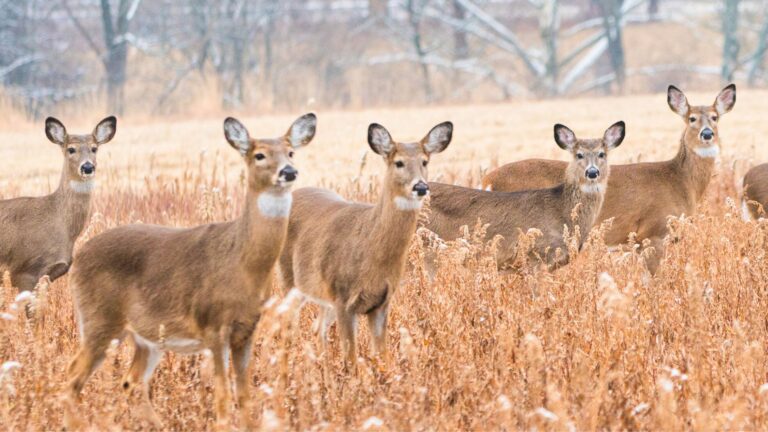
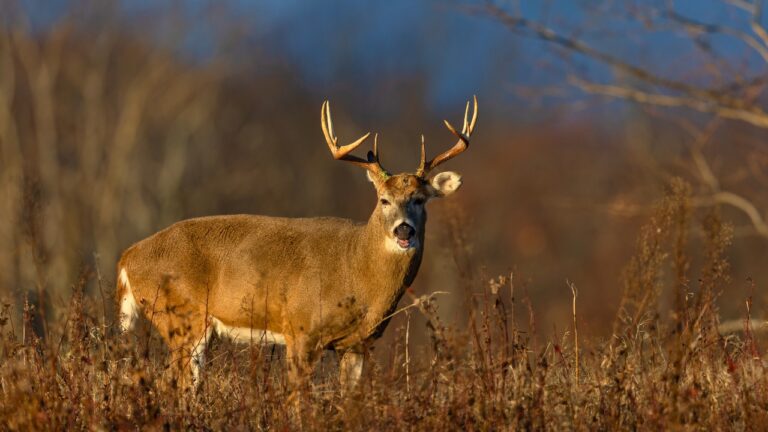
Whitetail deer leave a constant stream of clues about where they live, how they move, and what they are feeling, yet most hunters and wildlife watchers walk past the most revealing ones. The obvious rubs and scrapes get all the attention, while subtle tracks, body language, and habitat details quietly map out the entire story of a herd. When I slow down and read those overlooked signs, I find that they reveal almost everything I need to know long before a deer ever steps into view.
The overlooked language of whitetails
Whitetails communicate through a layered mix of scent, sound, and posture, and that communication is written across the landscape in ways that are easy to miss at a glance. Instead of treating a rub or a trail as a single clue, I have learned to see each as one sentence in a much longer conversation that includes feeding patterns, bedding cover, and social hierarchy. Organizations that focus on deer biology, such as the National Deer Association, emphasize how tightly behavior is tied to habitat quality, hunting pressure, and age structure, which means every subtle sign is a data point about how deer are adapting to the conditions we create.
That is why I put as much weight on faint trails, half-hidden beds, and quiet body cues as I do on the classic “trophy” sign. Detailed behavior breakdowns from resources like North American Whitetail show that whitetails rarely act randomly, even when they appear relaxed. A tail flick, a slight sway, or a shift in travel routes is usually a deliberate response to risk, food, or breeding opportunity. When I train myself to notice those small changes, the woods stop feeling mysterious and start reading like a well annotated field report.
Tracks: the underrated roadmap under your boots
Tracks are the whitetail sign that most people literally step on without a second thought, even though they are the most precise record of where a deer actually went. I treat them as a real time logbook that tells me not just that a deer passed through, but how fast it was moving, how heavy it was, and whether it was alone or with a group. Detailed breakdowns of deer tracks point out that while Big rubs and community scrapes draw the eye, the humble print in the mud usually tells you far more about daily movement and timing.
When I study a line of tracks, I look for stride length, depth, and how sharply the hooves cut into the soil, because those details hint at whether a deer was nervous, cruising, or simply browsing. Guidance on Tracks notes that a nervous deer often telegraphs its unease through erratic movement and sudden changes in direction, and the ground records that just as clearly as the animal’s posture. Sure, I still appreciate a big hoofprint that hints at a mature buck, but the real value is in how a whole trail of prints reveals patterns of use, preferred wind directions, and the exact routes deer trust when they feel safe.
Browse and feeding sign that sketch out daily routines
Feeding sign is another category that many hunters glance at without really decoding, even though it outlines the daily rhythm of a herd. I pay close attention to how twigs are clipped, how high leaves are stripped, and which plant species are hit hardest, because those details separate deer feeding from damage caused by rabbits, livestock, or insects. A detailed Deer Sign guide explains that Browse is a Description of a sign many people ignore, noting that Deer do not have any upper incisors and instead neatly pinch or tear vegetation rather than cutting it cleanly like a beaver or goat.
Once I know I am looking at true browse, I start mapping how fresh it is and how it lines up with nearby bedding cover and travel corridors. Consistent feeding on a particular edge or oak flat tells me where deer prefer to be during the next period they normally feed, which is exactly the kind of pattern that separates a random sit from a calculated ambush. When I combine that with broader habitat and behavior insights from Kip Adams, who serves as Chief Conservation Officer for the National Deer Association, I can better judge whether the animals making that sign are likely to be young, middle aged, or fully mature based on the habitat they favor and the pressure they tolerate.
Body language: tails, ears, and posture that betray intent
Even when a whitetail is standing in plain sight, people often miss what its body language is saying about its next move. I watch the tail first, because a relaxed, gently swishing tail usually signals calm, while a stiff, high flag or a tightly tucked tail tells a very different story. Detailed breakdowns of non verbal cues explain that a tail that is tucked translates to a deer that is either hurt badly, feels submissive, or does not want to draw attention, and that same analysis notes that tail movement can also simply help keep bugs off of them, which is why context matters when reading a tucked tail.
I pair tail reading with a close look at ears, head angle, and overall posture, because those details often give me a few seconds of warning before a deer bolts or relaxes. A nervous deer typically telegraphs its suspicion by freezing, staring, and then swaying or stomping, behavior that is carefully described in guidance on how to read whitetail body language and sign from Oct body language. When I see that sequence unfold, I know the animal has detected something it does not like but has not yet pinpointed the threat, which gives me one last chance to stay still, avoid eye contact, and let the moment pass without triggering a full scale flight response.
Vocal and visual “conversation” most hunters never hear
Whitetails are often described as silent ghosts, yet they maintain a surprisingly rich dialogue through subtle sounds and visible cues that many people never register. I have learned to listen for soft grunts, wheezes, and snorts, but I also pay attention to how deer position their bodies relative to one another, because dominance and alarm are often expressed through posture long before any sound is made. A detailed breakdown of Visual Communication notes that Communication that can be seen, such as a deer swaying its head or stomping a front hoof, is often a clear signal that it has noticed something and is warning others that you do not belong there.
When I see a doe lock onto a disturbance and begin that slow head sway, I know she is broadcasting her concern to every other deer within sight, even if they never make a sound. Bucks layer their own signals on top of that, using stiff legged walks, bristled hair, and direct eye contact to assert dominance or challenge rivals, behavior that is unpacked in detail by resources focused on whitetail communication from specialized whitetail analysis. By treating those cues as a language rather than random fidgeting, I can often predict whether a group is about to settle back into feeding, drift away cautiously, or explode into a full retreat.
Bedding sign that reveals security zones
Finding where deer sleep and rest is one of the most powerful advantages a hunter or observer can gain, yet bedding sign is often subtle enough that people walk right past it. I look for Oval shaped depressions in grass, leaves, or dirt that match the outline of a deer’s body, especially on leeward slopes, in thick cover, or just off the edge of open fields. Instruction on how to locate bedding areas explains that these Oval beds often cluster in spots that balance wind advantage, pressure, and food availability, which means each bed is a vote of confidence in that micro habitat.
Once I identify a bedding area, I resist the urge to push in too close, because the value lies in understanding how deer enter and exit those sanctuaries, not in standing where they sleep. I study the trails that radiate from the beds, the nearest water and food sources, and the terrain features that funnel movement, then I set up on the fringes where I can intercept deer during their natural transitions. That approach lines up with broader advice on stand placement that asks hard questions like Where do you like to stand hunt, Anywhere in the woods, Next to a deer trail, or in a funnel between bedding and feeding, guidance that is laid out in detail in a discussion of where to stand hunt.
Terrain features and “ignored” ground that deer love
Some of the most productive whitetail spots I have hunted looked almost boring at first glance, with very little flashy sign to draw attention. Instead of chasing the biggest rubs on the property, I have learned to prioritize terrain features that naturally concentrate movement, such as subtle saddles, inside corners, and the edges of thick cover that other hunters walk past. One detailed breakdown of overlooked habitat points out that if you walk the edge of a mature logging cut you will often see big rubs and scrapes that hint at a buck living nearby, but the real key is understanding how deer use the interior of that cut and the surrounding topography, a pattern that many people ignore until they have a lightbulb moment.
On pressured public land, this focus on “boring” ground becomes even more important, because deer quickly learn to avoid the obvious access routes and stand trees that everyone else uses. I have found that small, overlooked pockets of cover, such as a brushy ditch behind a parking lot or a narrow strip of timber between two fields, often hold daylight movement precisely because other hunters dismiss them. That philosophy is echoed in practical breakdowns of how to hunt what others ignore, including video instruction that warns everybody is still hooked on wanting to find the giant buck sign and encourages a shift toward subtle, high odds setups, a point driven home in the advice to hunt what others ignore.
Digital scouting and modern sign interpretation
Technology has not changed how deer behave, but it has dramatically improved how I can interpret the signs they leave behind. I now pair on the ground scouting with aerial imagery, topo maps, and tracking apps that let me mark every track line, bed, and feeding area I find, then analyze how they connect across a whole property. Educational platforms that break down deer sign often blend traditional woodsmanship with modern tools, and some even walk through real world examples on video, such as a tutorial that pauses to say that before going over this deer sign do me a favor and subscribe, then proceeds to explain how different clues fit together, as seen in the instruction on how to read deer sign.
What matters to me is not the gadget itself but how it helps me see patterns that would be hard to hold in my head alone. When I overlay wind data, hunter access points, and historical sightings on top of the physical sign I have logged, I can often predict where deer will shift when pressure increases or food sources change. That kind of synthesis mirrors the way serious whitetail analysts combine field observations, biological data, and long term monitoring, as seen in the comprehensive behavior and habitat coverage available through deer focused conservation work. The more I treat each hoofprint, clipped twig, and tail flick as part of a larger dataset, the more those once ignored signs start to reveal the full story of the herd in front of me.
Putting it all together: from scattered clues to a coherent picture
When I first started chasing whitetails, I treated each sign in isolation, getting excited about a single rub or a fresh track without asking how it fit into the bigger picture. Over time, and with the help of detailed behavior breakdowns from dedicated whitetail resources, I have come to see that the real power lies in connecting tracks, browse, body language, bedding sign, and terrain into one coherent narrative. Comprehensive platforms like North American Whitetail repeatedly show how successful hunters and managers think in terms of systems rather than isolated clues, reading the woods the way a biologist reads a dataset.
In practice, that means I now walk into a property looking for confirmation of a hypothesis instead of random excitement. If I expect deer to bed on a leeward ridge, feed in a particular cutover, and travel through a narrow saddle, I look for the specific tracks, Oval beds, browse patterns, and visual communication cues that either support or contradict that plan. When the sign lines up, I know I am close to the truth, and when it does not, I adjust rather than forcing a bad setup. The whitetail signs that people ignore are not background noise, they are the quiet, consistent signals that, when read together, reveal everything that matters about how deer live, move, and survive in the landscapes we share with them.