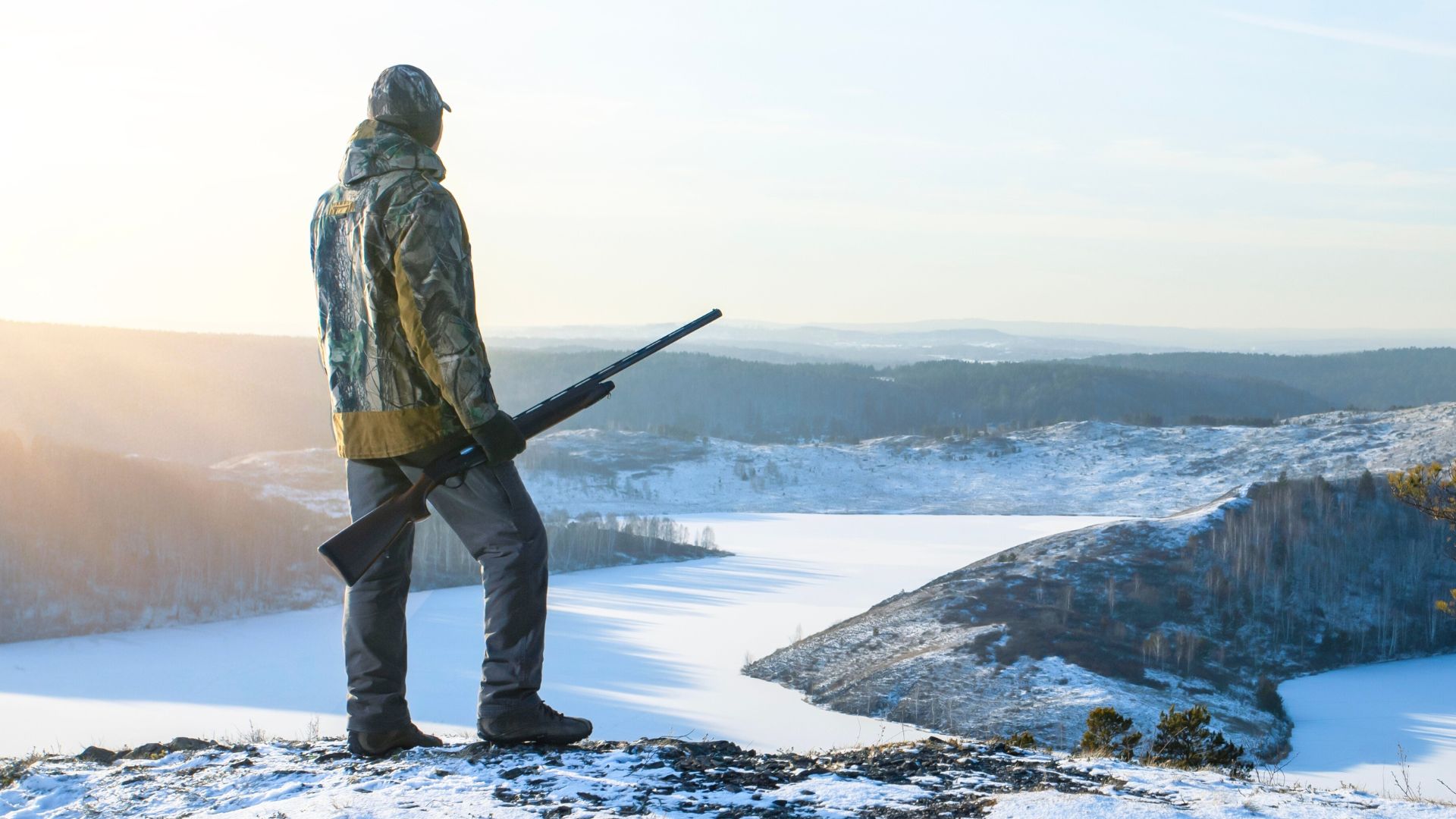
Photo credit: CHUYKO SERGEY/Shutterstock.com
A bolt gun is supposed to be the steady friend in your hunting life. You sight it in, learn where it prints cold, and it stays predictable whether you’re shooting off a pack, a tree stand rail, or sticks in crunchy leaves. When a hunter dumps a bolt gun after one season, it’s usually because the rifle keeps messing with confidence. Not always because it can’t group, but because it won’t repeat those groups when conditions change. Or the magazine becomes the whole story. Or the bolt feels rough when it’s cold. Or you realize you bought a rifle that needs “one more upgrade” before it feels right.
These are the kinds of bolt guns that often get traded quickly—because they ask you to troubleshoot and tinker when you thought you were buying a simple deer rifle.
CVA Cascade

The Cascade gets praise for value, but some hunters bail when the rifle feels more position-sensitive than expected. A deer rifle has to shoot the same off bags and off a pack, and some Cascades can show noticeable shifts when you change how you support the forend or how firmly you load into a rest.
Another reason it gets traded is expectations. When a budget rifle gets a lot of hype, you expect it to be “done” out of the box. If you end up experimenting with torque, chasing ammo preferences, or never quite loving the trigger feel, that honeymoon ends fast. Plenty of Cascades work well. The ones that don’t feel settled are the ones that get swapped out after a single season.
Franchi Momentum
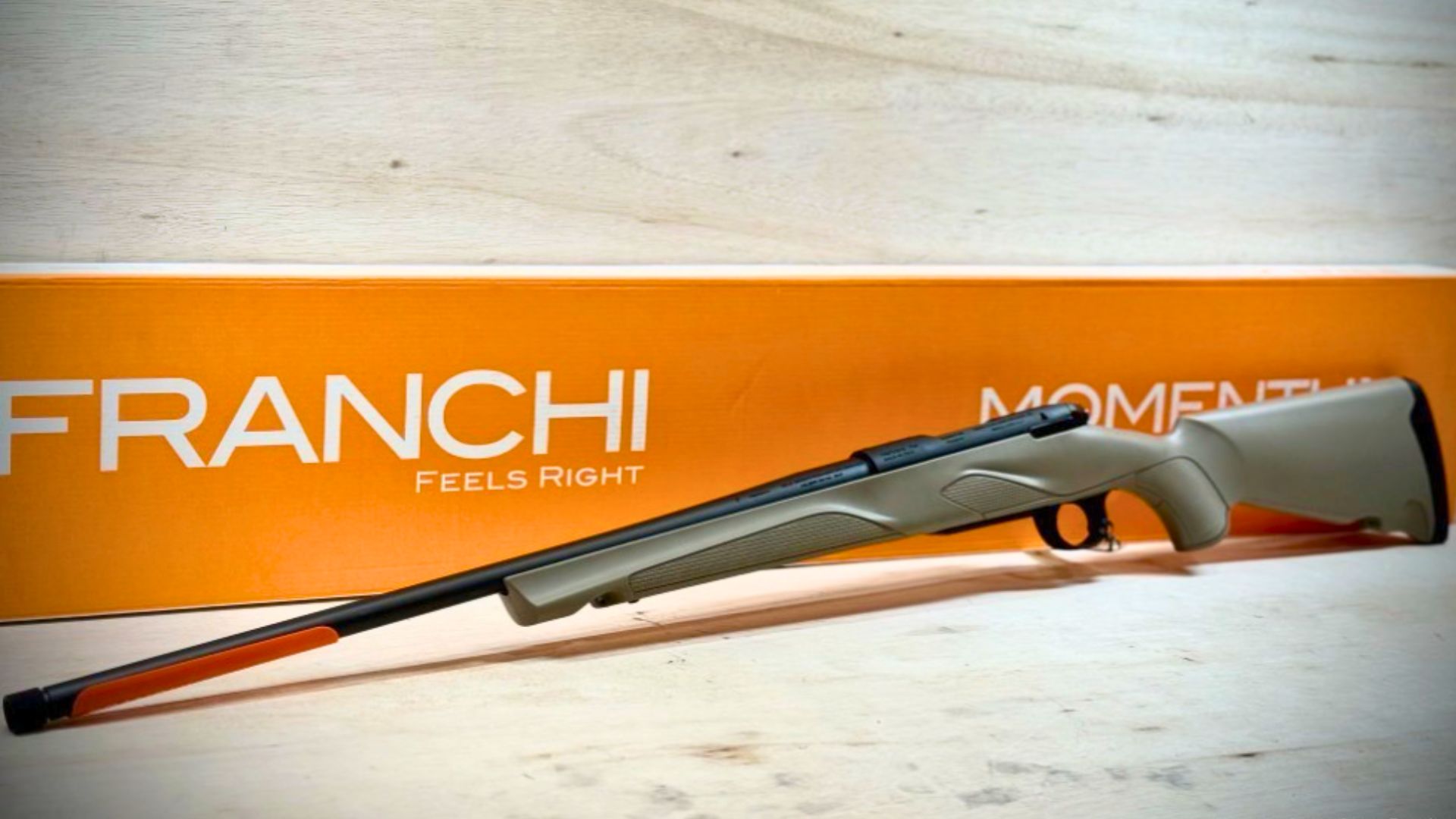
The Momentum is a sharp-looking rifle with features that read well, but it can lose people on feel and consistency. Some hunters don’t love the bolt travel and how it feels under quick cycling, especially when you’re trying to run it quietly without yanking your head off the stock.
Accuracy can be fine, but if you’re seeing groups that change with different rests, or you have to “baby” the rifle to get repeatable results, confidence erodes. A lot of hunters want a rifle they can shoot in the real world without thinking about what the stock is doing. When you spend a season feeling like the rifle is a little too sensitive, you start looking for something that feels more settled and familiar.
Bergara BMR

Guys buy the BMR as a trainer, then some decide to run the same style idea into deer season with a lightweight rig and expect that same easy precision vibe. The regret comes when the “trainer mindset” doesn’t translate. A deer rifle setup asks for stability under sling tension, awkward rests, and real weather, and you quickly learn what parts of your system weren’t built for that.
It’s not that the rifle can’t shoot. It’s that it can make you chase the wrong problems—especially if you’re bouncing between ammo types, changing setups, and expecting it to behave like a heavier field rifle. After one season of trying to make a light, handy rifle do everything, a lot of hunters go back to a more traditional, more forgiving deer rifle setup.
Ruger American Ranch

The Ranch is handy and popular, but some hunters trade it after a season because it can be fussy about mags and feeding, depending on caliber and magazine pattern. A deer rifle that makes you think about feeding is a deer rifle that steals confidence.
The other issue is that the compact format can exaggerate the “shoots great on paper, not as steady in the field” problem. Light rifles with short barrels are easy to carry and harder to shoot well under stress. If you’re on a calm bench, it behaves. If you’re twisted around a tree or leaning over a blind rail, your wobble grows and follow-through gets sloppy. The Ranch can work. Some hunters just decide they want a more traditional deer rifle feel after living with it for a full season.
Ruger Gunsite Scout Rifle

The Scout concept sells itself: compact, practical, and ready for anything. The regret shows up when you realize it’s not a forgiving deer rifle if you’re trying to stretch distance or shoot small windows through brush. The platform is built around handling, not making every shooter look steady.
Some hunters also find that the rifle’s balance and support behavior feels different off real rests than a classic sporter. If you’re loading into sticks or a pack, your support pressure and grip choices can change your results more than you expected. It can still shoot fine, but if it doesn’t “feel” consistent to you—especially in cold weather with gloves—it’s the kind of rifle you trade and replace with something more traditional after one season of trying to force it into a role it wasn’t built around.
CZ 600 Alpha

The CZ 600 Alpha has features hunters like—modern, modular, clean lines—but it can still get traded if the rifle doesn’t feel like it’s living up to expectations. When you buy a newer platform, you expect a smooth bolt, predictable feeding, and a system that feels dialed without drama.
If your rifle ends up ammo picky or your groups don’t repeat as cleanly as you hoped, you can lose patience fast. Hunters don’t want to spend a season wondering if the rifle is settled. They want to know it’s settled. The Alpha can be a good rifle, but if it doesn’t immediately inspire confidence in how it cycles and how it prints from different rests, it’s the kind of purchase that gets “corrected” in the off-season.
Sauer 100

The Sauer 100 is a classy rifle, but it can still be a one-season owner for hunters who expected a different kind of field practicality. Some shooters love the refined feel. Others realize they want something more common in the parts-and-accessories world, especially if they’re changing optics, mounting systems, or swapping stocks later.
Another issue is that a smooth, refined rifle can still be ammo sensitive. If you bought it assuming it would shoot everything well, and you end up chasing a specific load to get the accuracy you expected, it can sour the experience. After one season, you either commit to it or you decide you’d rather have a more mainstream platform that’s easier to set up, easier to support, and easier to keep consistent without extra homework.
Weatherby Mark V Backcountry

Backcountry rifles sell the dream: light, capable, and accurate. Then you shoot them a lot and realize light rifles demand more discipline than most hunters actually practice. The recoil impulse is quick, the sight picture bounces, and follow-through becomes harder. That doesn’t show up as much on the bench when you’re calm and braced.
In real hunting positions, you feel it. Standing, kneeling, twisted around cover—your wobble zone grows and the rifle magnifies it. Hunters often trade these after a season because they don’t love practicing with them, and a rifle you don’t enjoy shooting is a rifle you won’t master. It’s not that the rifle can’t kill deer. It’s that the experience makes some guys want a slightly heavier rifle that shoots steadier and feels more forgiving.
Kimber Hunter

The Kimber Hunter looks like a clean, practical hunting rifle, but some hunters abandon it after a season because light rifles don’t forgive sloppy shooting. If you’re expecting the rifle to “help” you, it won’t. It makes your hold, trigger press, and follow-through the whole story.
A second issue is that many hunters want a rifle that feels dead steady off a pack or a blind rail. With a light rifle, you tend to grip harder and pull it into awkward tension to steady it. That changes where the rifle wants to point. If you didn’t practice that way before season, you learn it during season, and the learning curve can be expensive. After one season, plenty of hunters decide they want a heavier sporter that steadies easier and doesn’t punish them for being human.
Ruger Hawkeye Compact

Compact rifles are great in the woods, but they can make you work harder for precision. The Hawkeye Compact can get traded when hunters realize the short length and lighter feel don’t give them that relaxed, stable sight picture they want at the distances they’re actually shooting.
The other problem is expectations around “classic Ruger.” People hear Hawkeye and think it will behave like a full-size, traditional deer rifle. Then they find it feels different off sticks, different off a pack, and less forgiving with hurried shots. It can still be a fine deer rifle, but if you bought it as a do-everything setup and you find yourself fighting steadiness, it’s easy to swap it for a full-size rifle with more weight out front and a calmer feel in the scope.
Ruger M77 Ultralight

Ultralights are always at risk of becoming one-season rifles because they ask for better shooting than most hunters are used to delivering under pressure. Your heartbeat moves the reticle. Your breathing shows up. Recoil comes fast enough to make you lift your head without noticing.
A lot of guys buy an ultralight because they’re tired of carrying heavy rifles, then realize they didn’t account for how much that weight was helping them shoot. The rifle might be accurate. You might not be consistent enough with it in field positions. That gap creates regret. After one season, hunters often move to a rifle that’s still light enough to carry but heavy enough to steady. They want a rifle that feels calmer when the window is tight and the buck is about to step out.
Christensen Arms Ridgeline Scout

The Ridgeline Scout format sells hard—lightweight, modern, threaded, and ready to travel. Some hunters trade them after a season for the same reason they trade other light rifles: they don’t love shooting them enough to practice with them. When a rifle feels sharp in recoil and twitchy in the sight picture, you tend to shoot less, and your confidence never fully locks in.
Another reason is expectations. When you pay for a premium rifle, you expect the whole setup to be effortless. If you end up chasing what ammo it prefers or you find it less forgiving off field rests than you imagined, it can sour the experience quickly. Many hunters decide they’d rather run a slightly heavier rifle that feels steadier, practices easier, and keeps their confidence higher than a light rifle that feels like work.
Savage 110 Lightweight Storm

On paper, the Lightweight Storm looks like the sweet spot: weather-ready and easy to carry. The trade-after-one-season story usually starts when the rifle doesn’t feel consistent across real positions. Light hunting rifles can be sensitive to support pressure, and if you’re using sticks, a pack, or a blind rail, you might see differences you didn’t see off bags.
Savage rifles often get love for accuracy, but hunters don’t only buy accuracy. They buy confidence. If the stock feel, recoil impulse, or overall handling makes you second-guess, that’s enough to push you toward something else. After a season, a lot of hunters decide they want a rifle that feels more settled in the hands—one that’s still practical to carry but steadier to shoot when the shot is awkward and time is short.
Mossberg MVP Scout
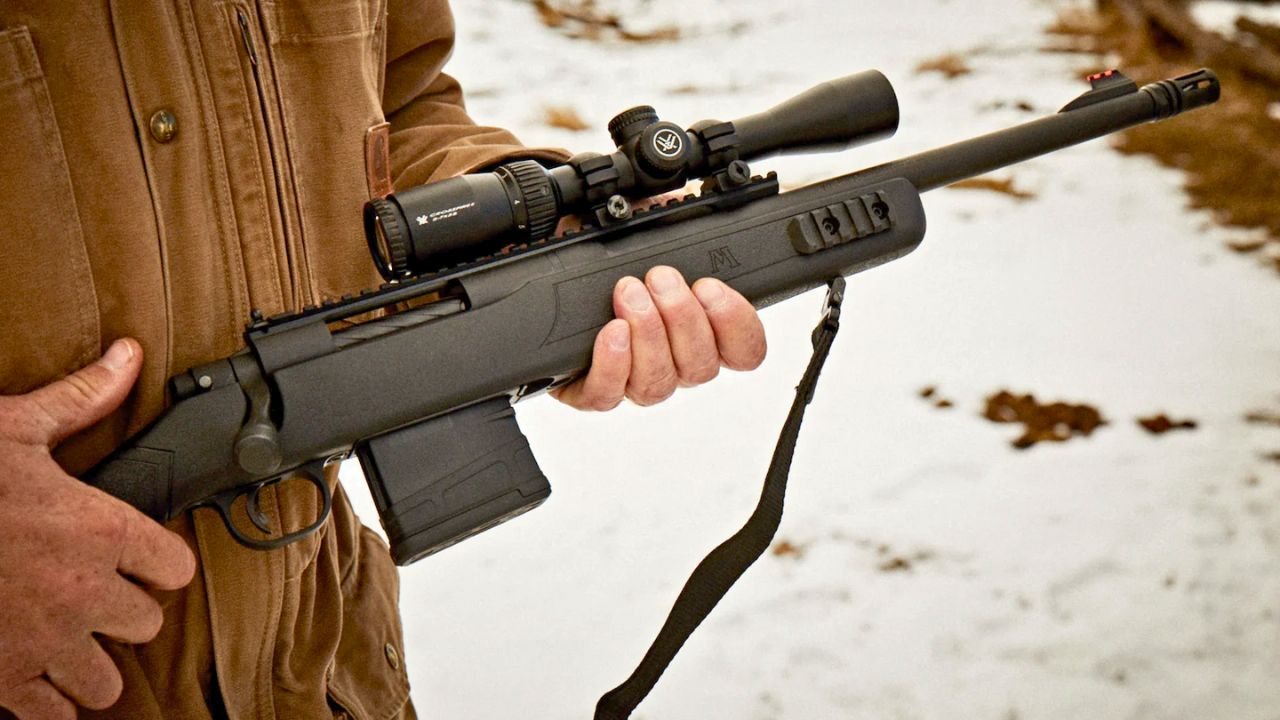
The MVP Scout is a clever idea, but it can lose hunters quickly when magazines become the storyline. If feeding feels sensitive, or mag fit feels inconsistent, you stop thinking about the shot and start thinking about the rifle. That’s the last thing you want on a deer gun.
Accuracy can be acceptable, but the overall platform sometimes feels more like a project than a finished hunting tool. If you have to test different mags, tune your loading habits, or work around quirks, you can get tired of it by the end of one season. Hunters often replace it with a simpler bolt gun that feeds the same every time and lets them focus on hunting instead of diagnosing. A deer rifle should be boring in the best way.
Ruger American Predator
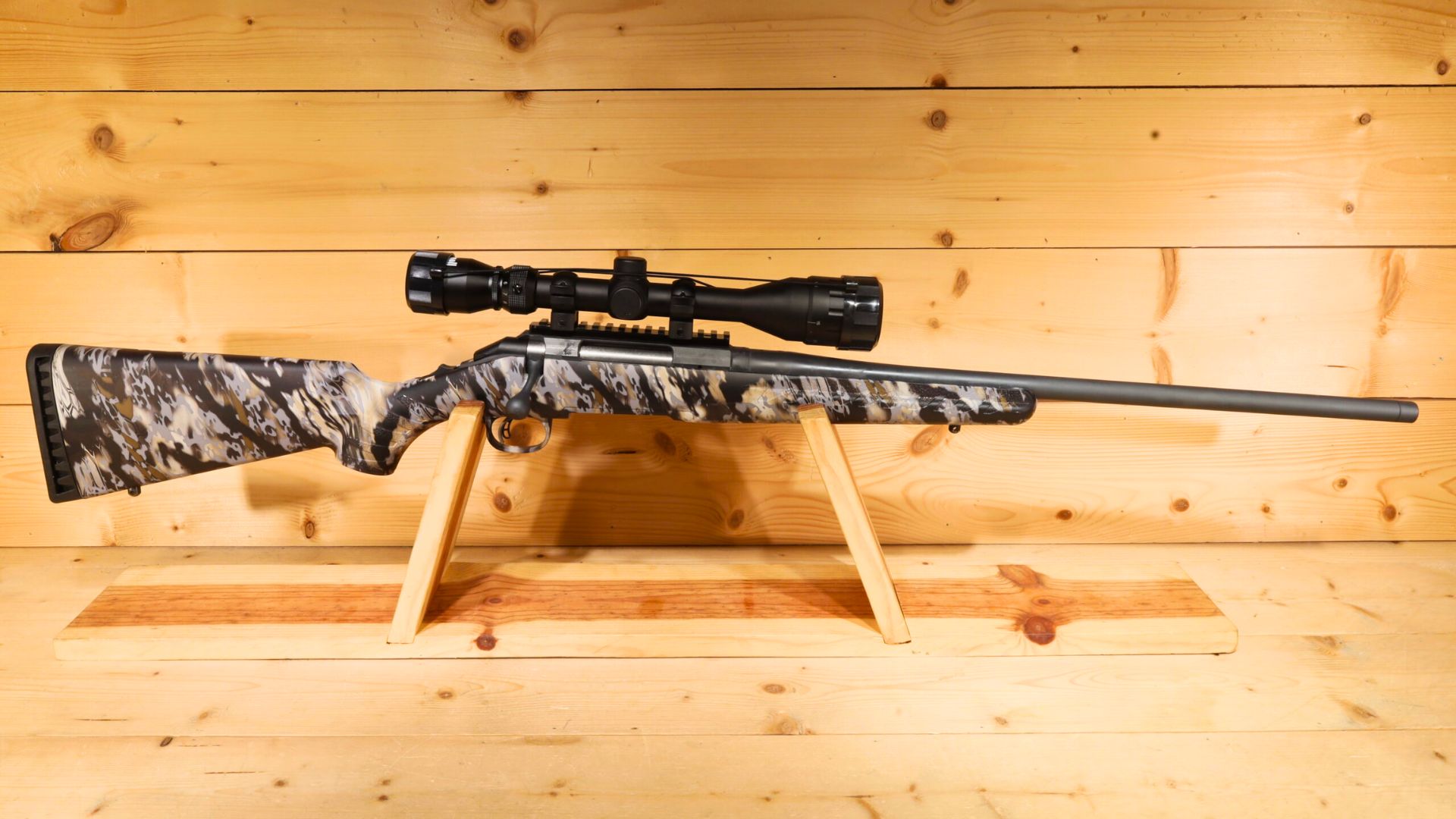
The Predator gets love because it can shoot, but it can also get traded because it sometimes feels like it needs finishing work. The common friction points are the stock feel and how the rifle behaves when you change supports. A rifle that prints well off bags but shifts on a pack or sticks can make you lose trust fast.
The Predator also tends to get used by hunters who practice more. When you shoot more, you notice more. You notice when the rifle is sensitive to torque. You notice when accuracy seems tied to one specific load. You notice when the feel isn’t as steady as you wanted. After a season of tinkering and re-checking, a lot of hunters decide they’d rather move to a rifle with a stiffer stock and a more “locked in” feel, even if it costs a little more.
Ruger Precision Rifle (hunted as a “do-it-all” crossover)

Some hunters try to make a crossover rifle do everything—range work, precision play, and deer season. The Ruger Precision Rifle looks perfect on paper for that, but it can become a one-season hunting rifle when you realize it’s a lot of gun to live with in the field. Weight, balance, and bulk aren’t abstract on a long walk to a stand.
The other issue is that a heavy chassis rifle can tempt you into thinking the system will do the work. It can shoot very well, but it doesn’t make field shooting automatic. If you don’t like carrying it, you won’t carry it. If you don’t carry it, you won’t hunt with it. A season is enough time to learn that lesson. Plenty of guys sell the idea, keep the optics, and go back to a traditional sporter that’s easier to live with.
Like The Avid Outdoorsman’s content? Be sure to follow us.
Here’s more from us: