Photo credit: Erobin Outdoors/YouTube
A knife can look like it belongs on a SWAT vest and still fold up the moment you ask it to do real work. The giveaway is usually in the details: soft steel that won’t hold an edge, a “tough” coating hiding sloppy grinds, a handle that feels great in your palm but shifts under pressure, or a lock that’s fine for opening boxes and sketchy when you bear down.
If you actually use knives—breaking down a deer, trimming shooting lanes, splitting kindling, cutting heavy rope, or carving stakes—you learn fast that toughness is boring. It’s heat treat, edge geometry, lock strength, and handle construction. The models below are the kind that sell a vibe, then disappoint when you need performance.
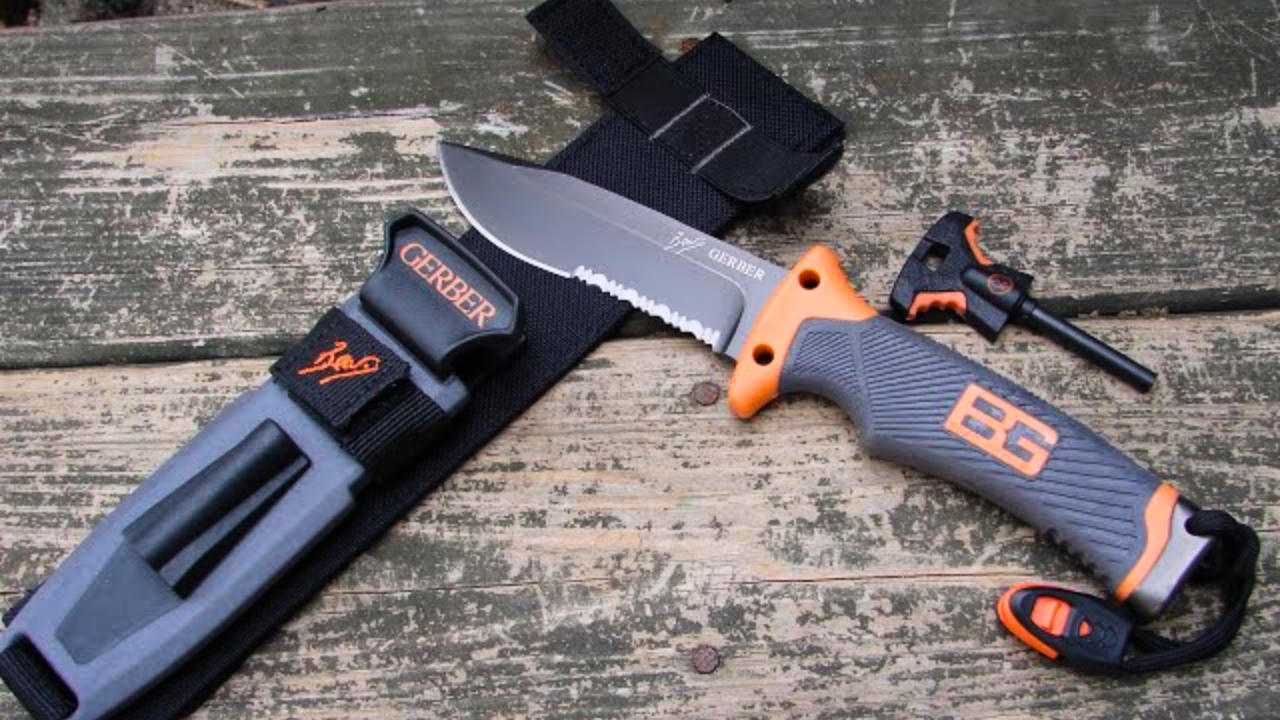
Gerber Bear Grylls Ultimate Survival Knife
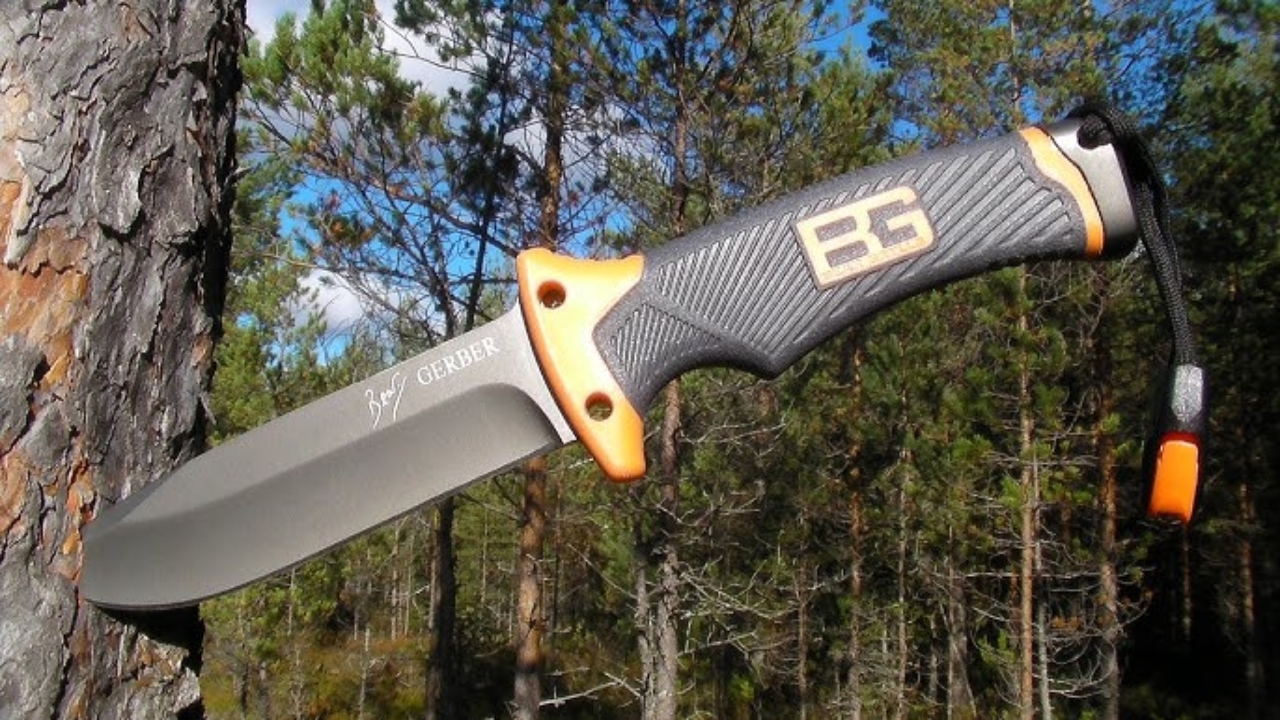
This one looks ready for the apocalypse, and the marketing practically dares you to abuse it. The problem is that a lot of the “survival” features don’t help you cut better. The blade stock and grind don’t always bite into wood like you want, and the edge can feel tired sooner than you’d expect when you get into hard, dirty tasks.
You’ll also notice how quickly the gimmick factor shows up in the field. Bright accents, bulky handle shapes, and add-on features can get in the way when you’re choking up to carve or doing controlled cuts. If you want a camp knife that works, you’re usually better off with a plainer design and a steel/heat treat combo that’s built for edge stability.
United Cutlery M48 Tactical Series (various models)

M48 knives look like something out of a video game, and that’s the point. They’re dramatic, aggressive, and made to catch your eye. The catch is that “tactical styling” doesn’t automatically translate to clean cutting. Many of these designs lean toward thick geometry, odd blade shapes, and edges that aren’t optimized for slicing.
When you go to do normal work—rope, cardboard, hide, small wood—you end up fighting the knife. The blade might wedge instead of slice, and the ergonomics that feel cool in-hand can feel awkward once you’re trying to control the tip. These are fine as collectibles or novelty tools. When you’re buying for real use, the flashy geometry is usually the first thing that lets you down.
Schrade Extreme Survival SCHF9
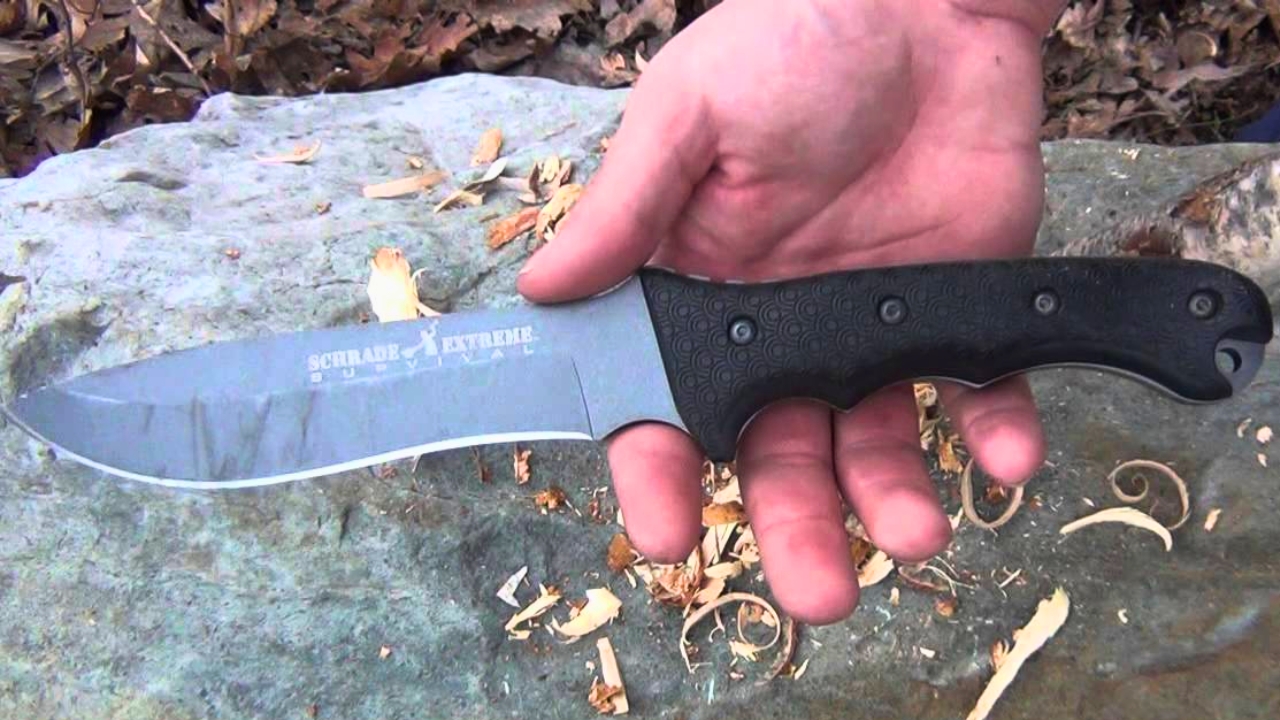
The SCHF9 has a reputation for being a lot of knife for the money, and that’s why it’s tempting. It’s big, thick, and looks like it can baton a telephone pole. The problem is that “thick” often turns into “wedgy,” and the edge geometry can be more work than it’s worth once you start doing real cutting instead of striking.
On wood, you can end up splitting fibers apart rather than making controlled slices. On rope and hide, the knife can feel like it’s tearing more than cutting unless you keep it very sharp. Some examples do fine, but the experience is inconsistent enough that you don’t want to bet a trip on it. If you want a hard-use fixed blade, geometry matters as much as toughness.
Smith & Wesson Extreme Ops SWA24S
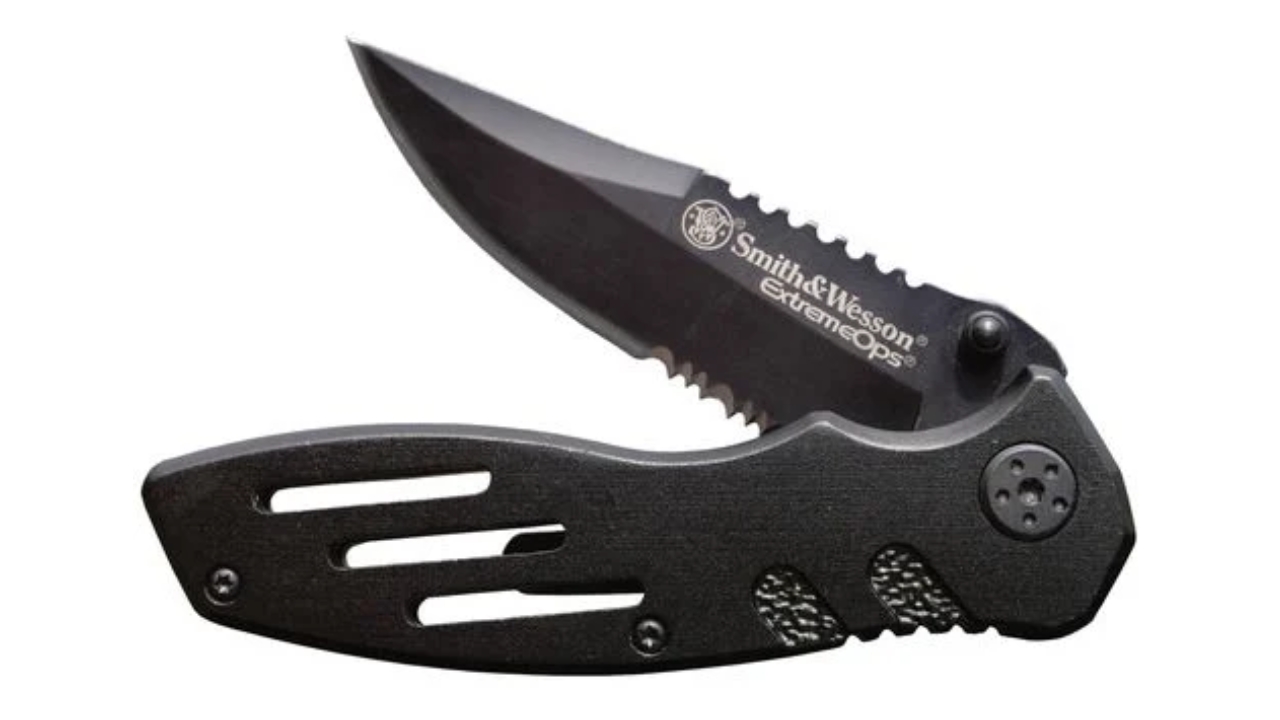
These are everywhere, they look “duty ready,” and the price makes them an easy add-on. For light tasks, they can be fine. The failure point is when you start leaning into real work—zip ties, heavy rope, thick plastic, or anything that needs controlled pressure. The steel and heat treat in this category often leave you touching up the edge way sooner than you planned.
The other issue is confidence. A budget liner lock can be okay for casual use, but you’ll notice flex, gritty action, and hardware that wants attention once you put the knife through hard cutting. You’re not buying a folder like this for precision. You’re buying it because it looks tough. The first time you need it to stay sharp and stable, it can feel like the price tag was the warning label.
Gerber Paraframe
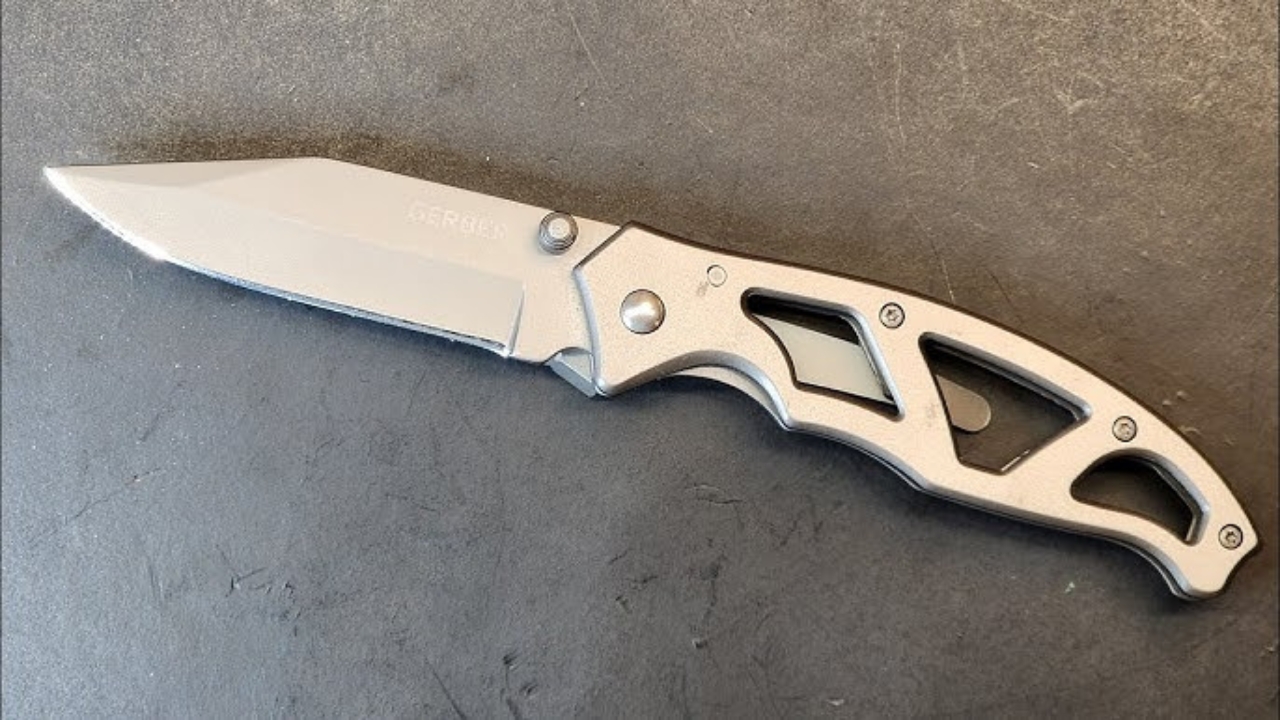
The Paraframe looks clean and “industrial,” and it feels like it should be stronger than a plastic-handled knife. In real use, that open-frame handle can become a comfort and control problem. Hot spots show up fast, and the knife can feel slippery or awkward when your hands are cold, wet, or covered in fat and hair.
Cutting performance can also be underwhelming when you move beyond light slicing. The blade geometry and edge retention are often more “utility knife” than “work knife,” so the edge starts losing bite when you hit heavy cardboard, rope, or gritty chores. You can still make it work, but you’ll find yourself compensating. A knife that looks rugged shouldn’t require you to baby your grip to keep it safe and useful.
SOG Instinct
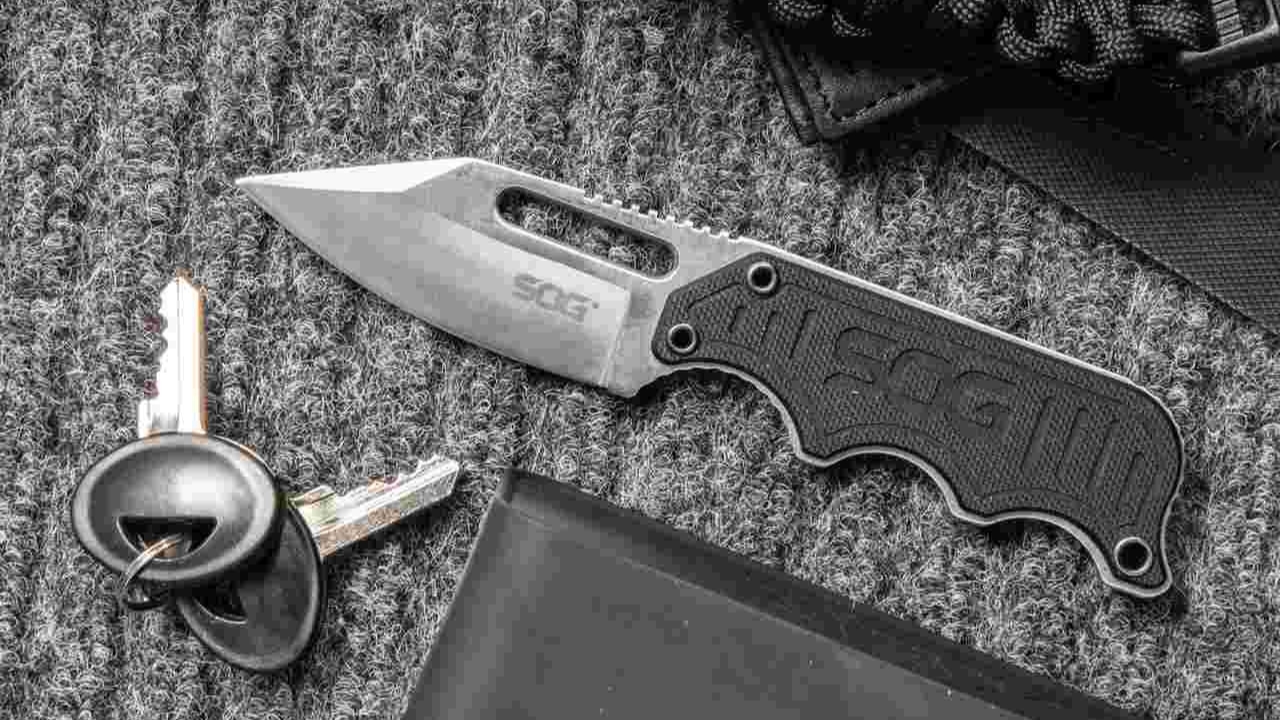
Small fixed blades can be outstanding, and plenty of them are. The Instinct looks like a hard-use mini tool, but the short handle and compact geometry can make real cutting feel cramped fast. When you’re carving or bearing down, your hand position runs out of space, and control becomes the limiting factor.
Edge retention is another place where expectations can get ahead of reality. For quick tasks, it’s fine. When you ask it to do sustained work—processing wood, breaking down an animal, heavy rope—you may feel the edge lose bite sooner than you wanted. A small knife has to cut efficiently to make up for its size. If it doesn’t, you end up working harder, and that’s when a “tough-looking” compact blade starts feeling like a weak link.
Cold Steel FGX push daggers
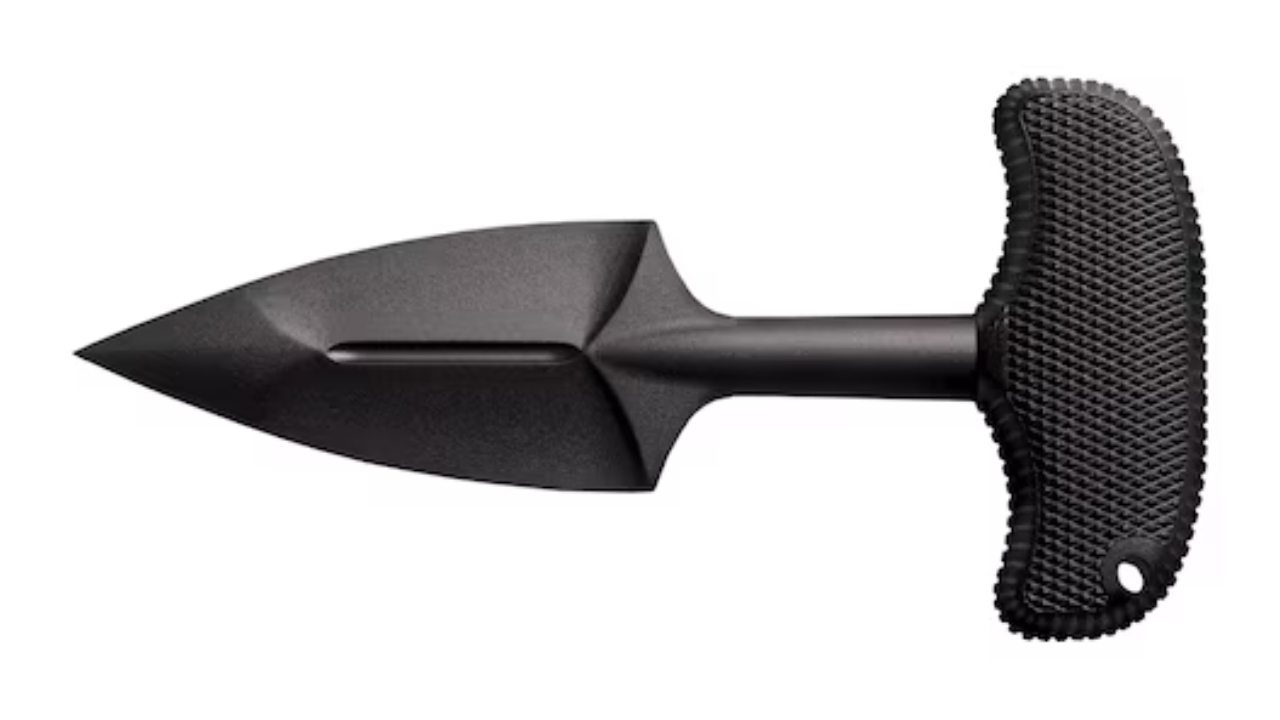
They look serious, they’re light, and they sell the idea that you’ve got a no-fuss tool that can’t rust. The reality is that polymer knives are a niche item, and cutting performance is a big compromise. The edges don’t behave like steel edges, and they aren’t meant for real work like carving, slicing thick material, or controlled field tasks.
You’ll find out fast when you try to cut heavy rope, stiff plastic, or anything fibrous. The knife can skate, snag, or chew rather than slice. On top of that, the handle shapes are built around the concept, not around comfort for long use. If you want a working knife, polymer “tactical” blades tend to be the quickest way to turn confidence into frustration.
“Rambo-style” hollow-handle survival knives (various brands)
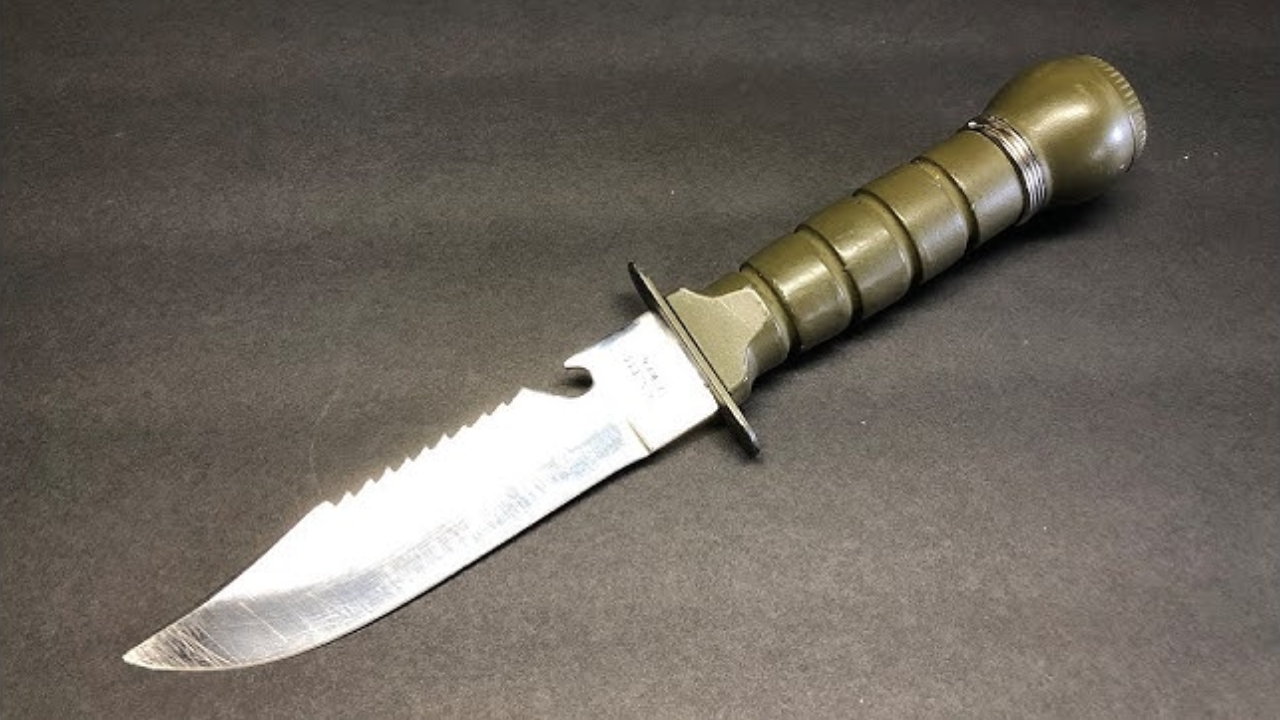
If a knife has a compass in the butt cap and a hollow handle for matches, you already know what it’s selling you. The weak point is structural. Hollow-handle knives have a history of failing where the blade meets the handle because that area is doing too much work with too little material.
Even when they don’t outright break, they often feel loose, whippy, or awkward under pressure. Baton a little wood, pry a knot, or twist during a cut and you can feel the design fighting you. The sawbacks and add-ons rarely cut well, either. In the real world, a full tang knife with a boring handle beats a “survival” knife that stores gear inside the part you’re supposed to trust with your hands.
MTech USA MT-A705

This is the classic gas-station bruiser: big blade, aggressive styling, and the promise that bigger equals stronger. The issue is that many of these knives are built around appearance and price. You get thick coatings, flashy grinds, and steel that can roll or dull quickly when you hit real material.
The locks and pivots are where reality shows up. Hard cutting can introduce blade play, gritty action, and screws that want to back out. The knife may still open and close, but it stops feeling trustworthy when you need controlled pressure. Oversized folders can be great when they’re built well. In the bargain category, that size often becomes leverage working against the lock and hardware.
Tac-Force TF-705
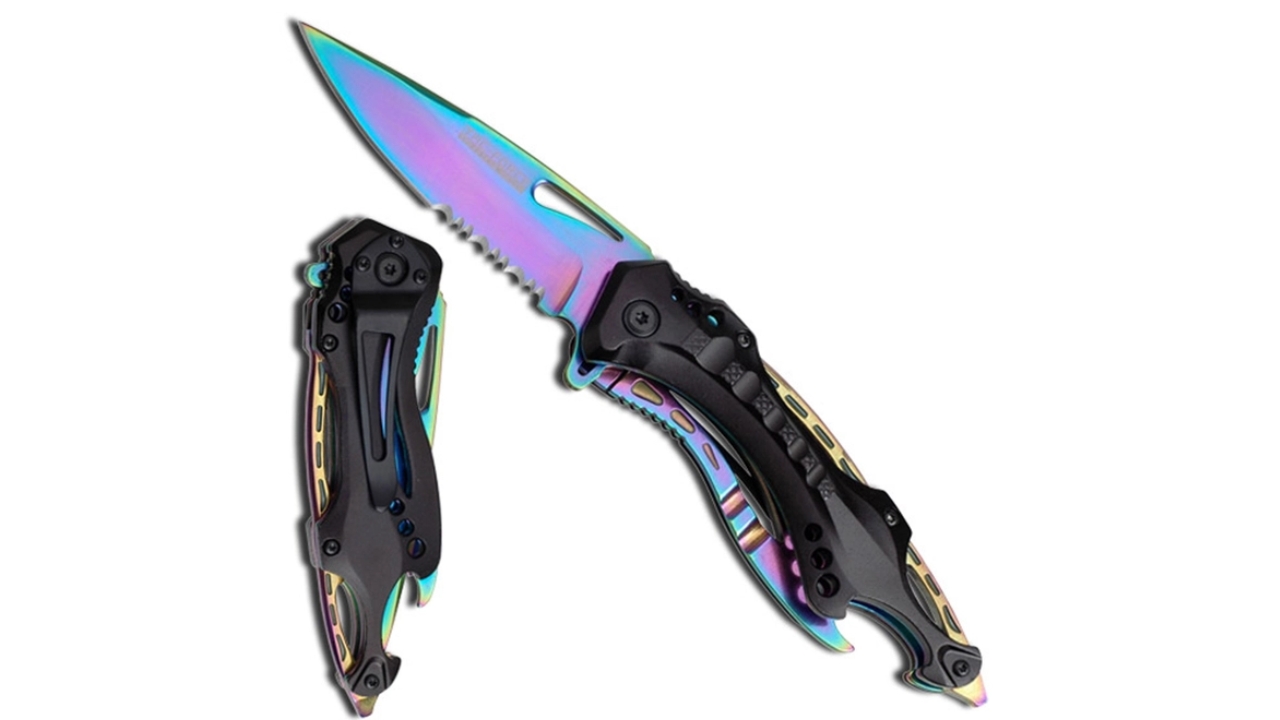
Assisted opening feels great at the counter. In the field, it doesn’t make a knife cut better, and it adds another variable to a budget build. When tolerances are loose, springs and detents can feel inconsistent, and dirt makes everything worse. The first “real job” is usually when you realize the knife is more about action than function.
Edge performance is another common letdown. A blade can look mean and still be ground in a way that doesn’t slice. If you’re cutting rope, strapping, heavy packaging, or dirty chores, you can end up with an edge that feels tired fast. A working knife can be plain and still be impressive. These often do the opposite: loud styling with quiet performance.
Master USA MU-A1010
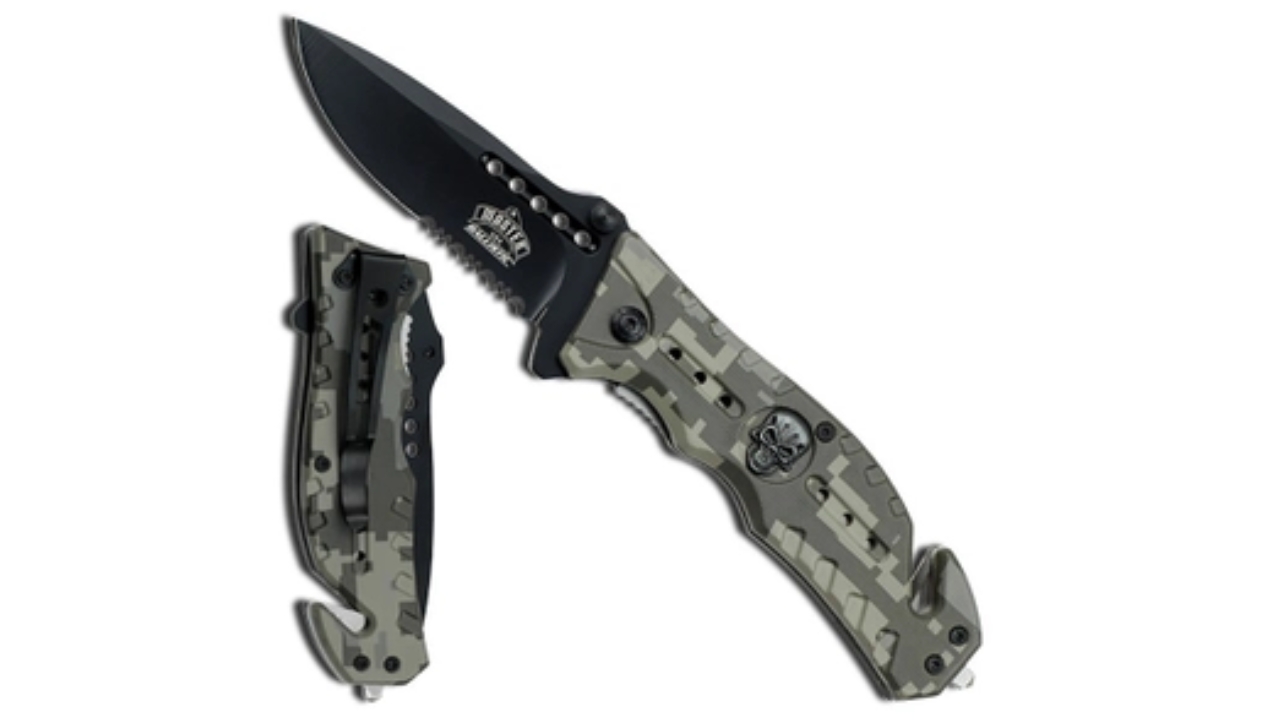
These knives are designed to look intense, not to work like tools. You’ll see exaggerated swedges, dramatic cutouts, and blade shapes that don’t track through material. The first time you try to do normal cutting—cardboard, rope, food prep, carving—you feel how much of the blade is decoration.
The handle shapes can also be a problem. Aggressive finger grooves and sharp angles look “grippy,” but they create hot spots fast. When you’re actually cutting for more than a minute, comfort and control matter more than aesthetics. A knife like this can be fine as a conversation piece. If you buy it thinking it’s a serious cutter, the disappointment usually arrives on the first real task.
Gerber DoubleDown
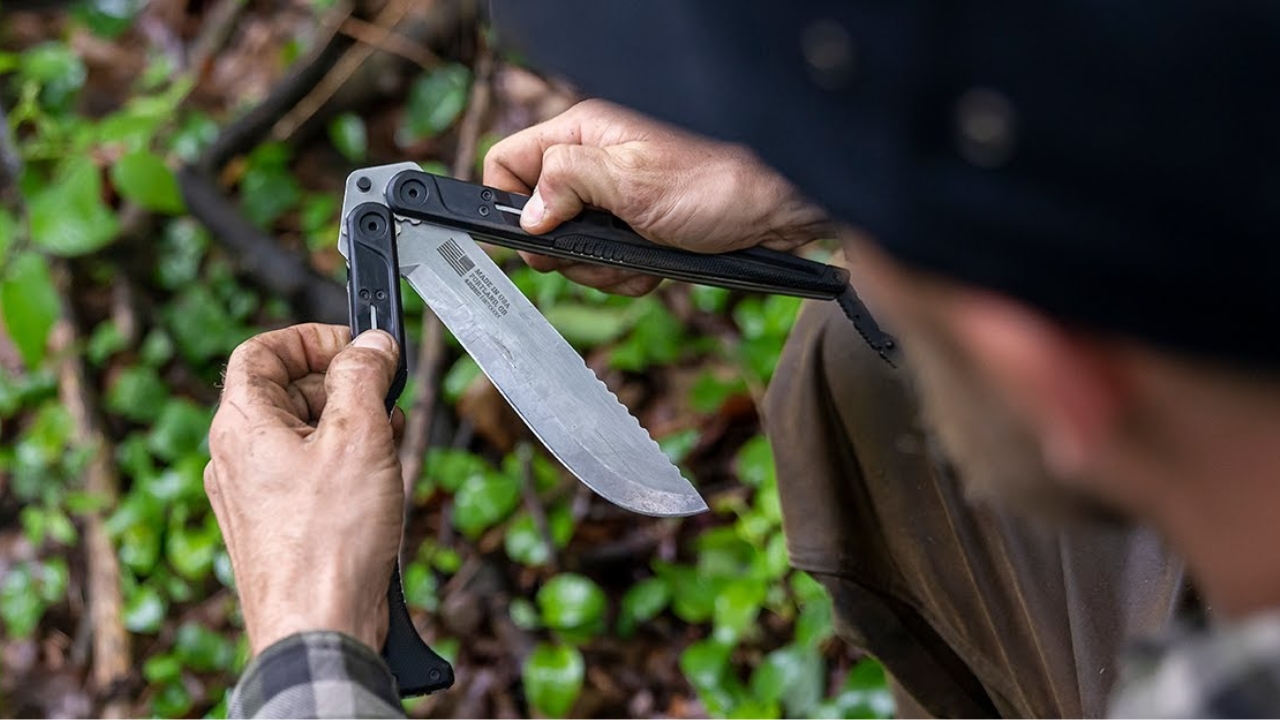
This is a clever idea and it looks like it can replace a hatchet, machete, and pry bar all at once. The reality is that folding big tools inherit folding-tool problems. Weight, leverage, and impact are rough on pivots and joints, and you feel that when you start doing real clearing or chopping.
Even when it holds together, the cutting feel isn’t the same as a dedicated machete. The balance and geometry can feel awkward, and the handle position doesn’t always give you the clean swing you want. It’s not that it can’t do anything. It’s that you bought it for “one tool that does it all,” and the first hard job teaches you why purpose-built tools still exist.
CRKT Razel
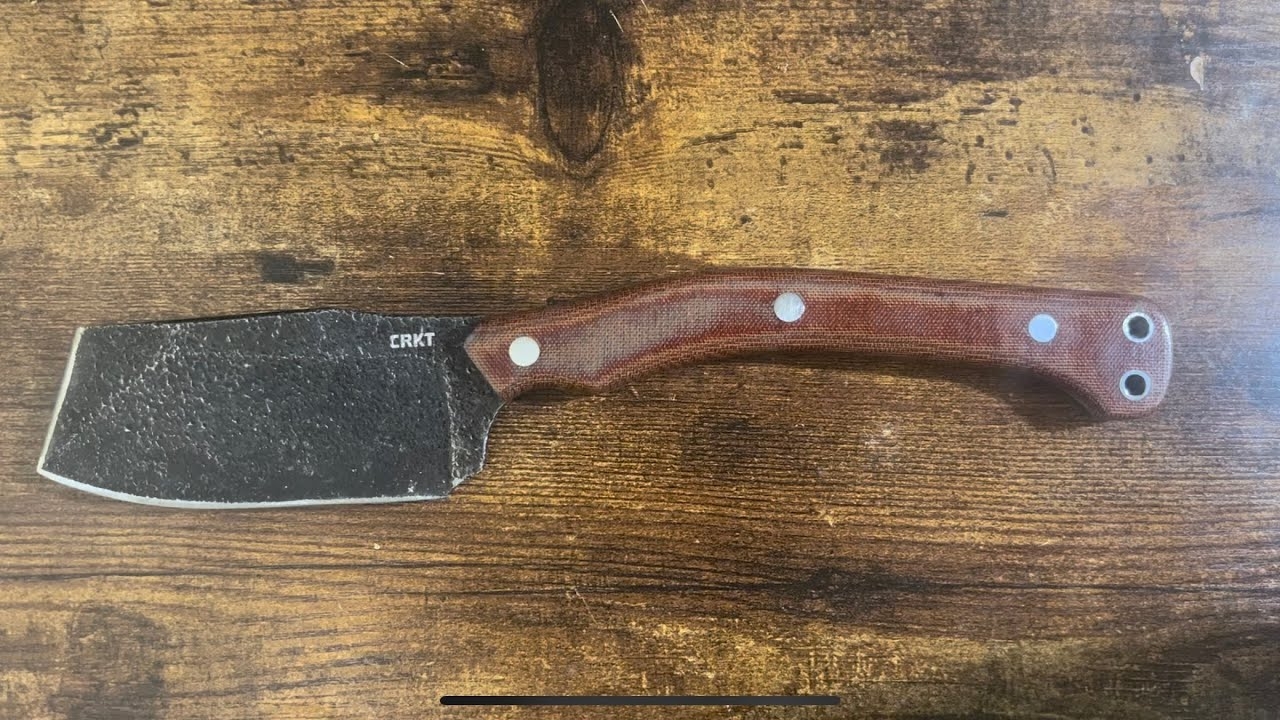
The Razel concept is fun: chisel-like tip, pry-friendly shape, and a blade that looks ready to scrape, cut, and dig. The problem is that the shape can work against you in normal cutting. On rope and fibrous material, it can feel like you’re pushing a wedge instead of pulling a slicer.
If you’re doing controlled cuts—hide, packaging, food, even carving—the geometry can make the knife feel less cooperative than a more conventional blade. It can still be a useful tool, especially for scraping and certain shop tasks. But when you buy it as a do-everything “hard-use” knife, the first real cutting job can feel like you brought the wrong tool. Cool design doesn’t always mean efficient cutting.
Ka-Bar Wrench Knife
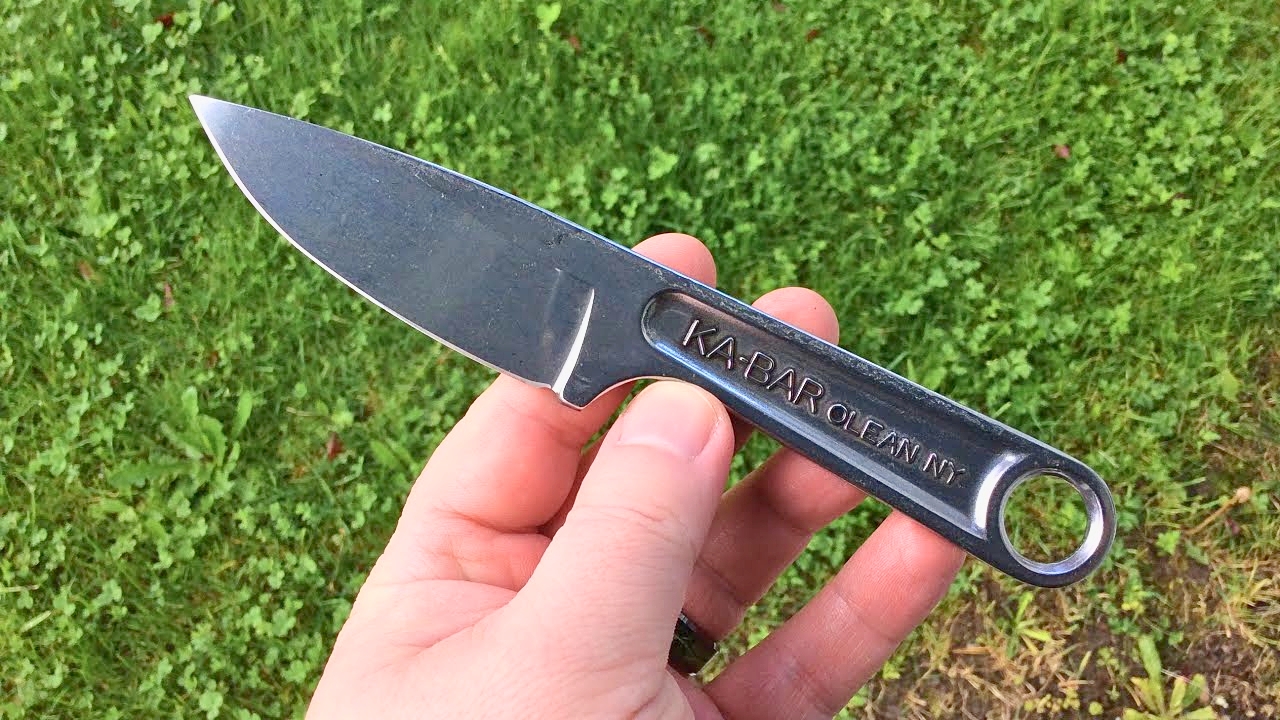
It looks tough because it is tough—in a very specific way. The wrench feature is the whole identity, and that’s the problem if you expect it to cut like a normal knife. The blade geometry is compromised by the tool cutout, and the edge length you actually use can feel limited when you’re trying to slice rope, trim material, or do field dressing.
The knife can also feel awkward in hand compared to a straightforward fixed blade. You end up adapting your grip to the tool instead of the tool adapting to the job. If you need a multi-tool approach, there are better ways to do it. If you need a knife, you’re better off buying a knife. The first time you do real cutting, the novelty starts feeling like a tax you paid up front.
Benchmade SOCP Dagger
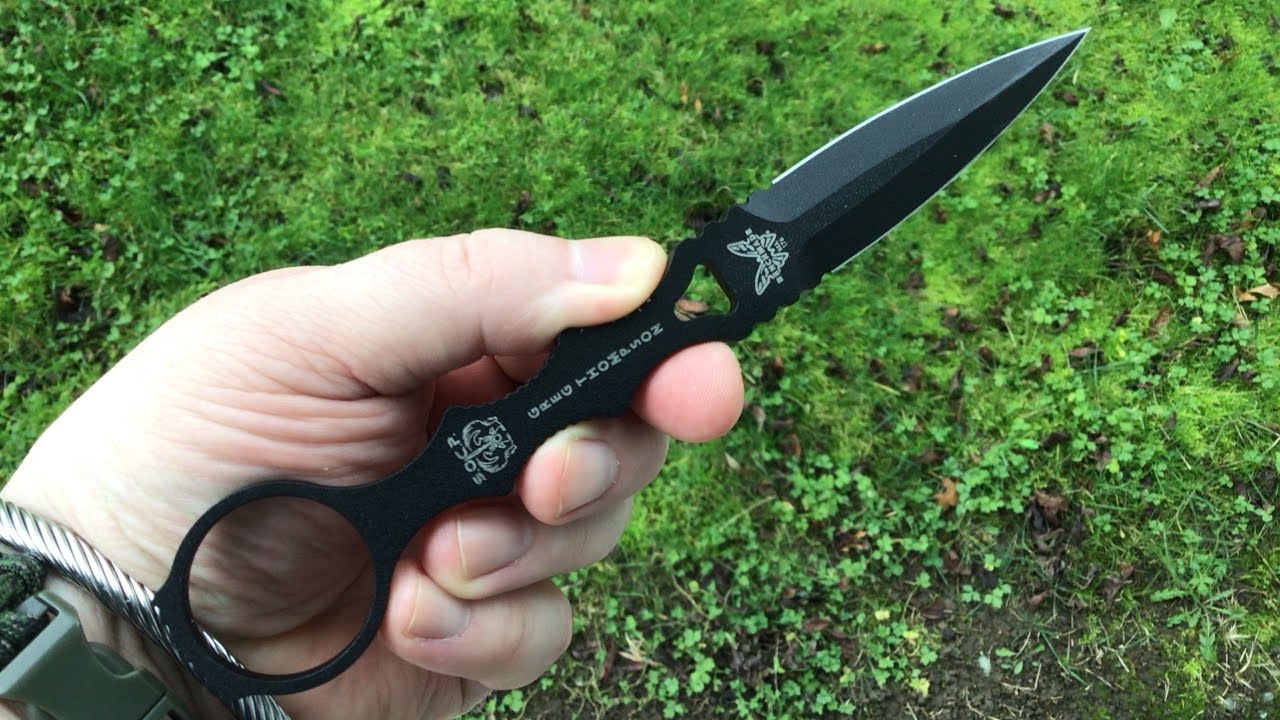
This one looks like a serious piece of kit, and it is—for one narrow purpose. The SOCP dagger is not built to be a working cutter. The blade shape and handle design are about retention and defensive use, not about slicing rope, carving wood, or processing game.
If you try to treat it like a utility knife, you immediately run into control issues. The handle is minimal, the edge length is limited, and the geometry doesn’t favor everyday cutting tasks. You can keep it sharp, but it won’t feel comfortable or efficient when you’re doing real work. A purpose-built defensive blade can be legitimate. The failure happens when you buy it expecting it to double as a camp or hunting knife.
Microtech Combat Troodon (OTF)
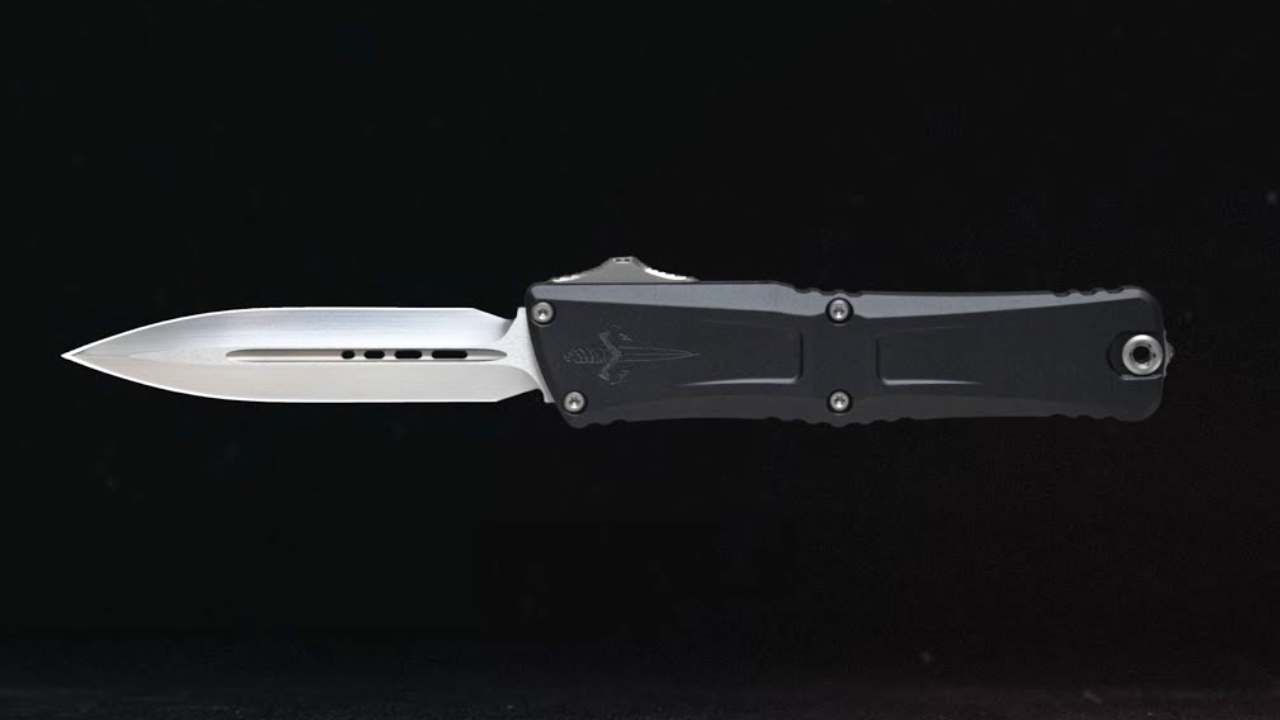
An OTF looks like the ultimate hard-use knife until you actually push it into hard use. The mechanism is the whole point, and mechanisms don’t love grit, sticky residue, or sideways pressure during cutting. For light slicing, an OTF can be fine. The first demanding job is where you start noticing limitations.
If you’re cutting thick material, twisting through a cut, or working in dirty conditions, you may get inconsistent deployment, track drag, or a knife that needs cleaning sooner than a normal folder. You also can’t beat on it like a fixed blade without risking the internals. These knives are impressive and fun, but the “tough” look makes people expect fixed-blade reliability. The first real job is where that expectation cracks.
Spyderco Byrd Cara Cara 2

Byrd knives can be a solid value, but the Cara Cara 2 is a good example of how “big, tactical, and stainless” can still come up short under hard use. The steel and heat treat in this price range can lose bite quickly when you hit abrasive tasks. You end up sharpening more than you’re cutting.
The knife can still be useful, but the first serious job—heavy cardboard, rope, dirty work around camp—shows you the difference between “works” and “works well.” You may also notice more flex and less confident lock feel compared to higher-end models. A budget knife can absolutely earn its keep. This is the type that can disappoint if you bought it expecting it to perform like its tougher-looking cousins.
Boker Magnum Rescue
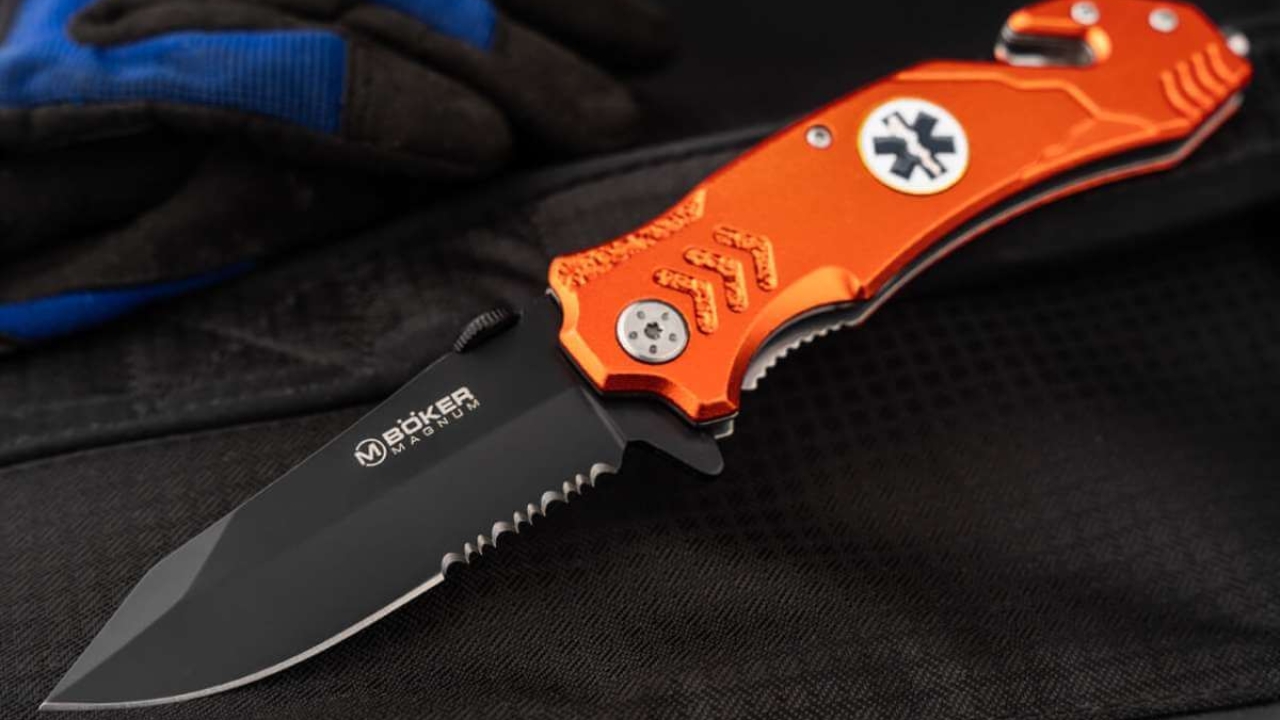
Rescue-style folders look capable because they’re packed with features: glass breaker, belt cutter, serrations, aggressive texture. The first real cutting job often reveals that feature-stacking can compromise the main blade. You get thick grinds, uneven edges, and shapes that don’t slice cleanly.
They also tend to be built for occasional emergency use, not daily hard work. That can mean softer steel, less refined heat treat, and hardware that loosens up when you cut a lot of tough material. The knife might still open fast and look the part, but the cutting edge is the thing you needed most. When the blade underperforms, all the extra features feel like noise.
Frost Cutlery “frostwood” and fantasy bowies (various models)
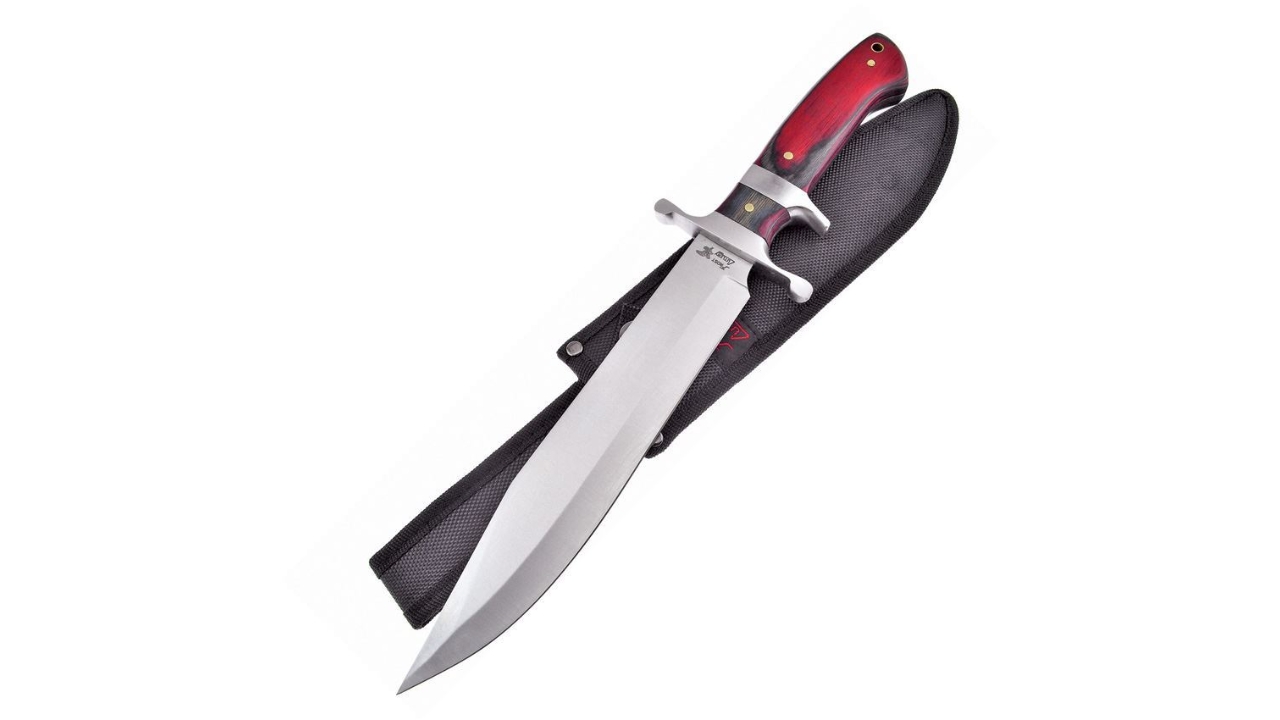
These are the knives that look like a bargain and feel like a wall-hanger the moment you start using them. The common issue is inconsistent build quality: rough grinds, questionable heat treat, and handle construction that’s more decorative than durable. You can get one that behaves okay, then the next one can feel like it was finished in a hurry.
The first real cutting job—wood, rope, even basic camp chores—shows you edge problems fast. Rolling, chipping, or dulling happens early, and the knife starts feeling like a project instead of a tool. Big bowie styling can still be practical when it’s done right. In this category, you’re often paying for a look, not for performance you can count on in the field.
Like The Avid Outdoorsman’s content? Subscribe to our newsletter so you never miss an article.
Here’s more from us: