Photo credit: Slatan/Shutterstock.com
Bear attacks make headlines because they’re rare and dramatic, not because bears are “out to get” people. The risk isn’t spread evenly across the map, either. When you dig into fatal and serious attacks over the last few decades, you see the same areas show up: Alaska’s big wilderness, the Northern Rockies around Yellowstone and Glacier, and a handful of busy mountain states with healthy black bear populations and heavy outdoor use. The pattern isn’t random. It tracks exactly where people push deepest into bear habitat, how grizzlies and black bears behave, and how often hikers, hunters, and campers surprise a bear at close range instead of giving it room.
Alaska is still the center of gravity for deadly bear encounters
If you’re talking about fatal bear attacks, Alaska is in a league of its own. Analyses of U.S. attacks consistently show Alaska with the highest number of deadly incidents, accounting for roughly a third of all fatal bear attacks in the country, thanks to its dense bear populations and the amount of time people spend in true backcountry. You’ve got brown/grizzly bears, black bears, and in some coastal and arctic regions even polar bears sharing space with hikers, anglers, and guides. Most of those encounters end with the bear running off, but when something goes wrong in remote country—float trips, salmon streams, or fly-out hunts—the distance to medical help turns a bad mauling into a fatality more often than it would in the Lower 48.
The Northern Rockies are the Lower 48 hot zone
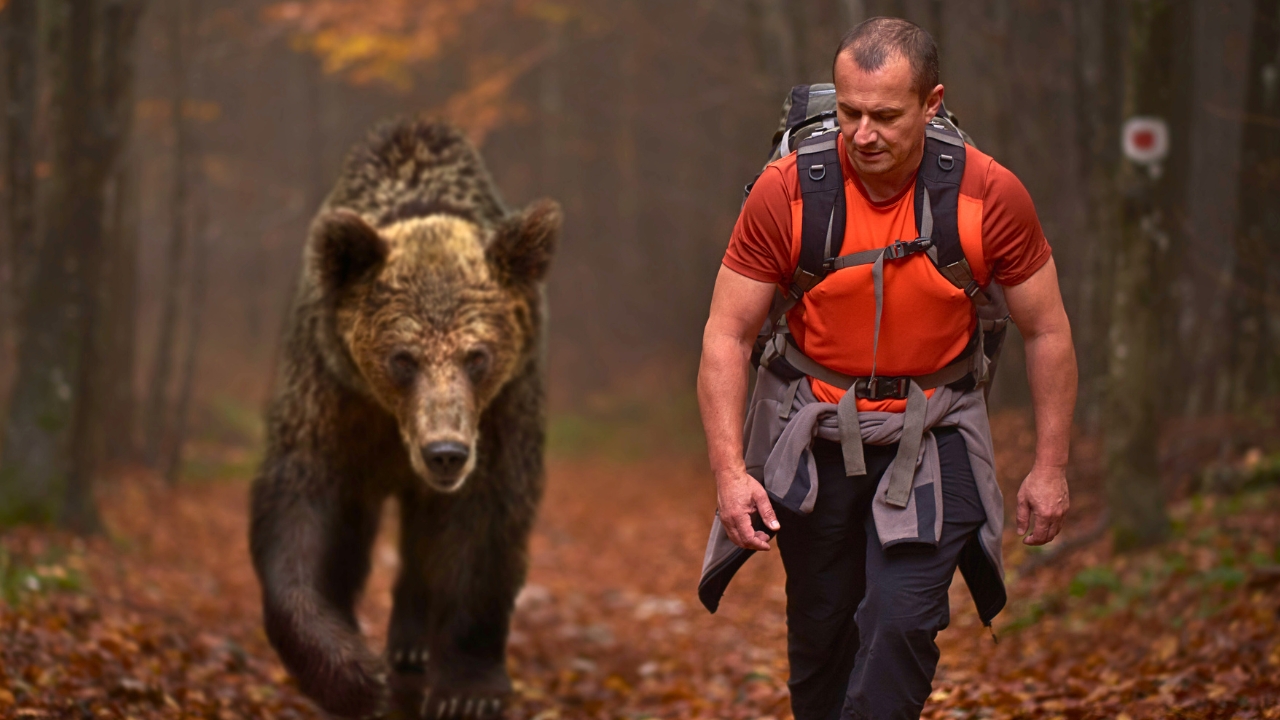
Once you drop south, the Greater Yellowstone and Northern Continental Divide ecosystems are where most serious grizzly encounters in the Lower 48 stack up. Parks and forests around Yellowstone and Glacier repeatedly show up in attack databases and news reports because they combine dense grizzly populations with huge visitor numbers. Hikers and hunters bump into bears on carcasses, cut through thick cover, and sometimes crowd roadside bears for photos. States like Montana and Wyoming don’t rival Alaska in raw numbers, but for a Lower 48 hunter glassing elk in the dark timber or dressing an animal at dusk, this is where the odds of running into a grizzly are meaningfully higher than almost anywhere else.
Black bear country sees more encounters, but fewer predatory attacks
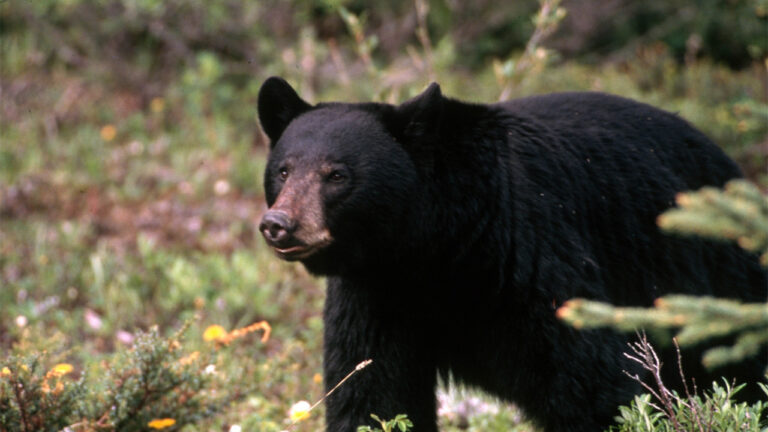
Most bears people actually see across the U.S. are black bears, from the Appalachians to the Northeast and parts of the West. Black bears are widespread and their populations are stable or growing in many states, which means more chances for surprise encounters, food-conditioned bears in campgrounds, and the occasional bluff charge when someone gets between a sow and her cubs. Even so, black bears are less likely than grizzlies to injure people, and truly predatory attacks remain rare. The majority of incidents are defensive or tied to food—coolers left out, trash at cabins, bait improperly stored. That’s why states with lots of black bears and high recreation pressure can log plenty of “incidents” without seeing the same fatality numbers you get in Alaska or core grizzly habitat.
What actually drives attack risk in bear country
When you look across case reports instead of headlines, the same ingredients show up over and over: surprise encounters at close range, sows with cubs, carcasses or gut piles, and human food or trash that’s trained bears to see camps as easy calories. Time of day, terrain, and wind all matter more than state borders. A hunter easing through thick willow in Alaska or Wyoming at last light is stacking risk very differently than a family walking a busy paved path in a black bear park. The takeaway isn’t “avoid bear states,” it’s that in the places where attacks actually happen, carrying spray, managing meat and trash, watching the wind, and moving in a group cuts your odds far more than obsessing over which line on the map you’re standing in.
Like The Avid Outdoorsman’s content? Be sure to follow us.
Here’s more from us: