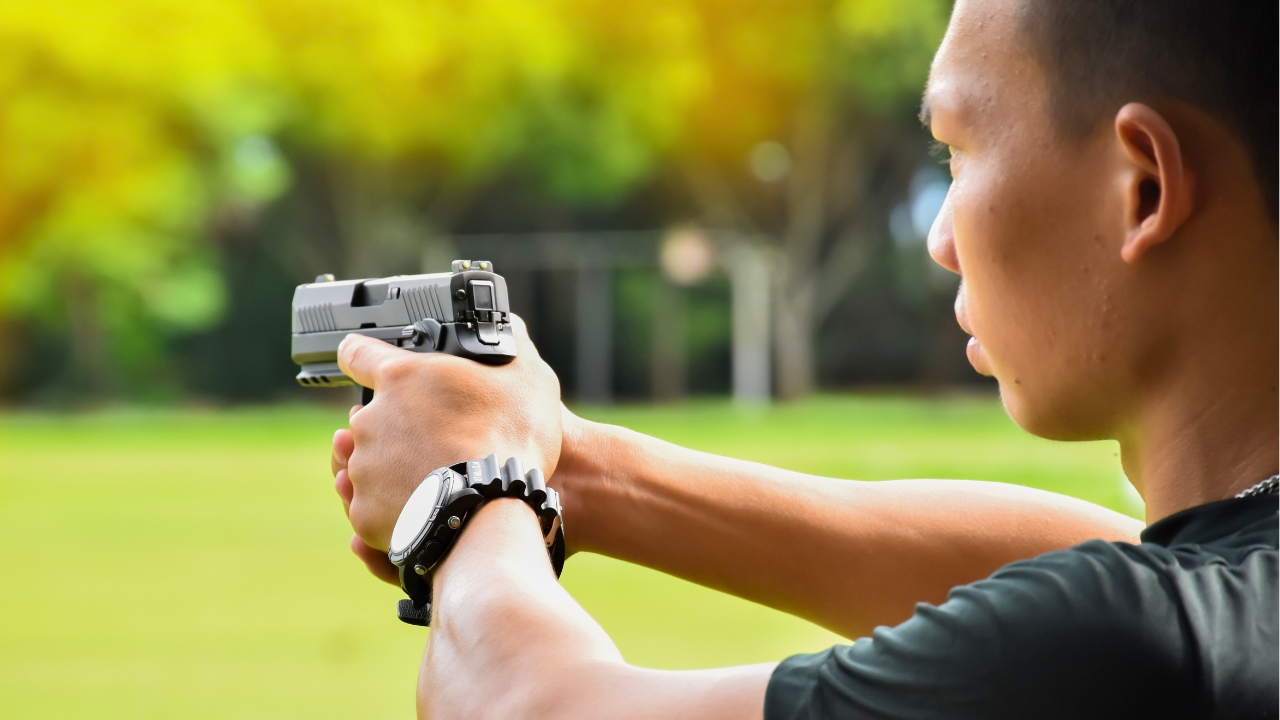
Photo credit: Sophon Nawit/Shutterstock.com
Red dot sights have become all the rage for carry guns—and I was all in. For a while. But over time, after real-world carry and training, I ended up going back to iron sights. Not because optics are bad, but because they didn’t work for me the way I expected. If you’re on the fence or just curious, here are ten reasons I finally ditched the dot for everyday carry.
Slower First Shot from the Holster

That initial shot took longer than I wanted. Finding the dot from concealment isn’t always automatic—especially under pressure.
With irons, I could draw and break a shot without hunting around. In close encounters, that delay made a difference in my confidence.
Fog, Rain, and Lint Got in the Way
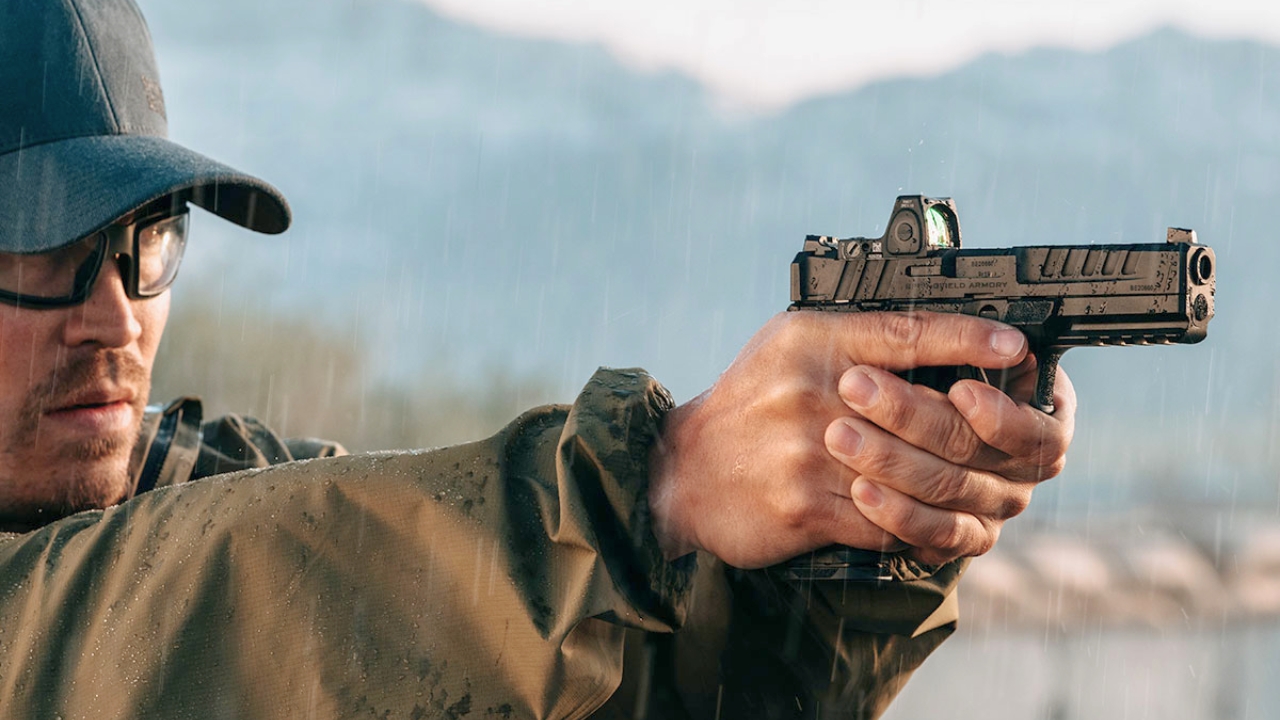
Carrying every day means your gear gets dirty. My optic lens constantly collected dust, fogged up in humidity, or got smudged.
It added a layer of maintenance I wasn’t always ready for. Irons never gave me that kind of trouble.
Battery Worries Added Stress

Sure, most red dots have long battery life, but that little doubt always lingered. Did I change it recently? Did I leave it on?
Even with auto-on models, I found myself second-guessing. Irons don’t care about batteries—they’re just always there.
It Threw Off My Natural Point of Aim

I spent years building muscle memory with iron sights. Switching to an optic changed my draw, changed my index, and threw me off at first.
It took more retraining than I expected. For carry, I didn’t want that kind of uncertainty baked into a bad day.
The Glass Doesn’t Always Stay Clear

Bright sunlight, glare, or even cheap coatings made it hard to track the dot. Some days, I’d be squinting or shifting my head around just to see it.
With irons, what you see is what you get. No reflections. No odd angles.
I Didn’t Trust It After Hard Use

A couple of range sessions where my optic started flickering shook my faith. Even quality gear can fail, but when it’s your primary aiming system, that’s a problem.
I just felt more comfortable with irons I knew would stay put no matter what.
Holster Fit Became a Pain

Not every holster fits an optic, especially if you switch models. Suddenly, you’re buying new gear or making compromises.
When I went back to irons, everything just worked. No clearance issues, no snagging, no adjustments needed.
It Made My Slide Bulky
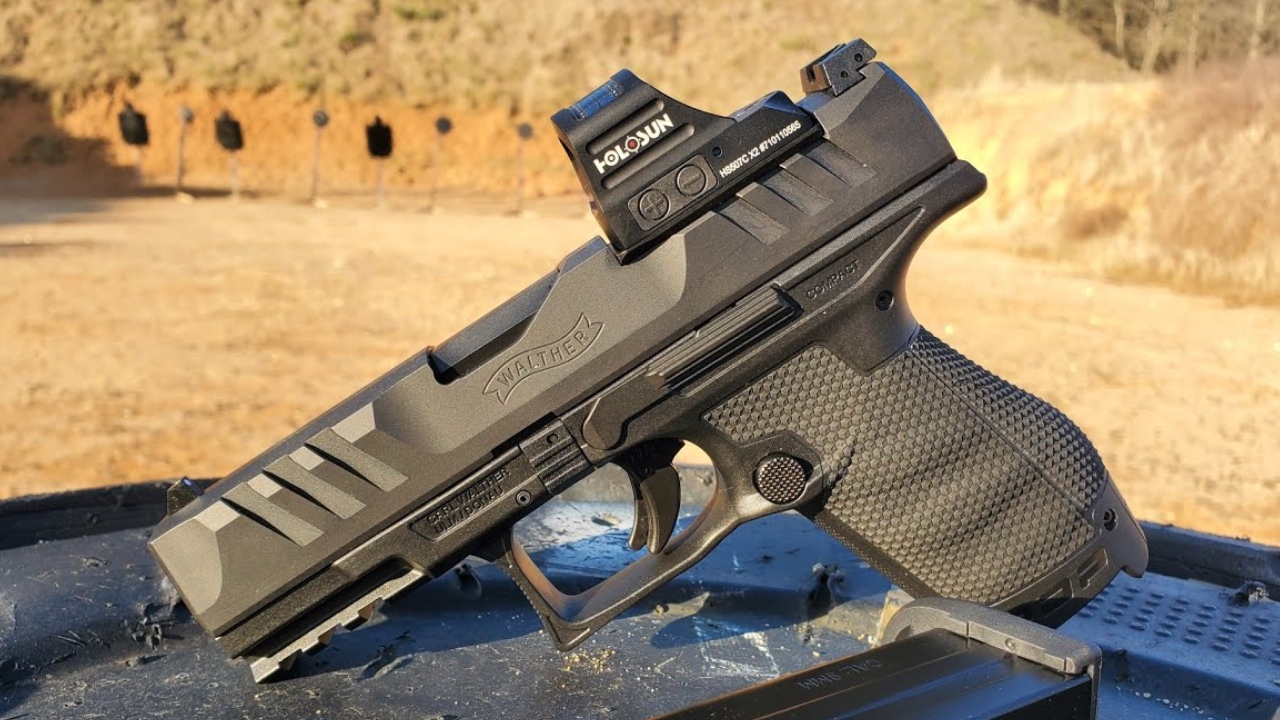
The added height of the optic messed with concealment a bit more than I liked. I felt it printing through my shirt more often, especially when bending or sitting.
Slimming the gun back down helped it disappear again—just like I needed it to.
Training Others Reminded Me How Simple Irons Are

Helping new shooters showed me just how intuitive irons can be. Most folks naturally align them and shoot fine without needing to “find the dot.”
It reminded me that simpler often means faster and more reliable—especially when seconds matter.
I Shoot Irons Just as Well—If Not Better

At realistic defensive distances, irons work. I wasn’t gaining anything with an optic that I couldn’t already do with irons and solid fundamentals.
Going back to basics cleaned up my shooting and cut down on gear distractions.
*This article was developed with AI-powered tools and has been carefully reviewed by our editors.