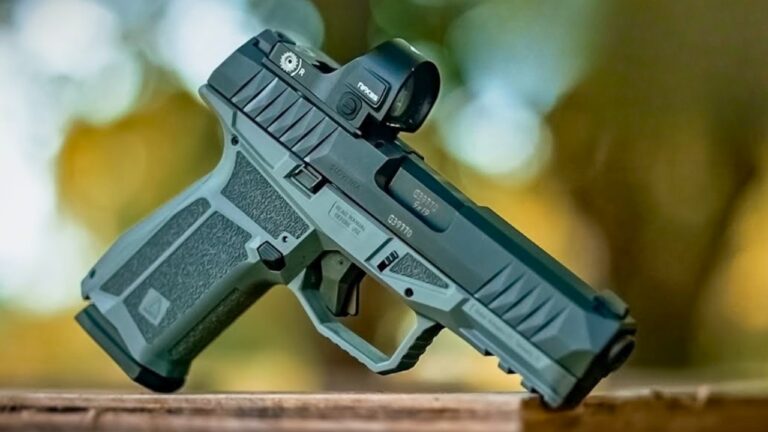
Photo credit: Erobin Outdoors/YouTube
Every shooter’s had one—a rifle that prints a beautiful, clean group the first time you sight it in, then refuses to ever do it again. It’s maddening. You start questioning your ammo, your optics, your rest, and maybe even your own shooting. But sometimes, the truth is simpler: the gun itself just can’t keep it together. Whether it’s wandering harmonics, poor bedding, or heat-sensitive barrels, some firearms only have one good group in them before everything starts to slide. These aren’t the headline guns everyone talks about—they’re the lesser-known models that still managed to frustrate a lot of shooters who expected more.
Remington Model 788 in .22-250

The 788 was a working man’s rifle—cheap, accurate, and tough. But in .22-250, the story changed. That cartridge’s heat and pressure exposed flaws in the 788’s light barrel profile and uneven bedding. You might get one perfect three-shot group, then watch the next drift wide as the barrel warmed.
Plenty of hunters praised their 788s in milder calibers, but the hot .22-250 variant earned a reputation for inconsistency. Once it started stringing shots, there was no getting it back without a cool-down. For a rifle that was supposed to punch above its price, it left plenty of owners shaking their heads.
Marlin XS7

The Marlin XS7 looked like it could hang with the budget tack-drivers of its day. It had a nice trigger, a decent stock, and an action that felt solid. The first few shots often gave you hope—a tight, satisfying group that proved the rifle had potential. Then the next group opened like a parachute.
The light synthetic stock and inconsistent bedding caused the point of impact to drift every time you torqued the action screws differently. It’s a rifle that teased you with the first target and betrayed you on the next. It had the bones of a great shooter but lacked the consistency that keeps one great group from being a fluke.
Weatherby Vanguard Synthetic Compact
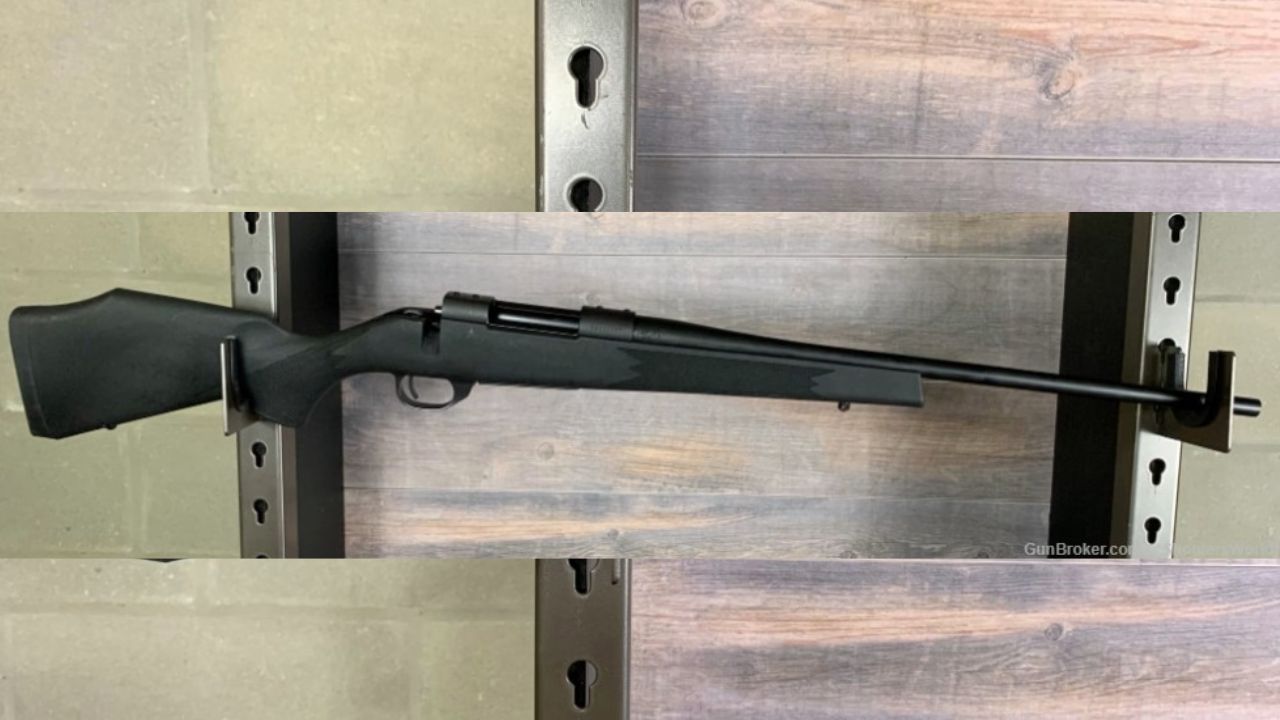
The Weatherby Vanguard line has always carried a reputation for accuracy, but the compact synthetic model had issues. The shorter barrel heated fast, and the lightweight stock flexed under even moderate rest pressure. The result was a rifle that could give you one stellar cold-barrel group—then scatter shots the moment things warmed up.
You could chase loads or tighten bedding screws all you wanted, but it never quite held steady. In mild calibers it behaved better, but anything above .308 made it lose composure quickly. It’s a rifle that shoots beautifully once, and then spends the rest of the day reminding you how much barrel harmonics matter.
Ruger M77 Mark II Ultralight

Ruger’s M77s have earned respect over the years, but the Ultralight model was an exception. The thin, whippy barrel and short overall build made it great to carry but nearly impossible to keep consistent. It might stack shots tightly when cold, but groups opened fast and unpredictably.
Recoil and barrel whip made even experienced shooters chase their zero constantly. Some owners glass-bedded the action or replaced the stock, but few ever made it a repeat performer. It was the rifle version of a sprinter—fast off the line, but with nothing left for the second lap.
Winchester Model 100

The Winchester Model 100 semi-auto was sleek and ahead of its time, but it wasn’t built for precision. Every so often, one would surprise you with a clean, tight group—then immediately remind you why semi-autos and thin barrels don’t mix.
Once the action warmed up, accuracy went out the window. Add in aging gas systems and shifting headspace, and consistency became a coin toss. It was a handsome rifle that gave false confidence to a lot of hunters who sighted it in perfectly—then missed their next deer by a mile.
Remington 788 Carbine

The short-barreled carbine version of the Remington 788 in .308 looked like the perfect truck rifle. For the first three rounds, it often was. The short, stiff barrel delivered tight groups cold, but as heat built, accuracy went downhill fast.
Most shooters blamed the scope, the rest, or even themselves before realizing the pattern never changed. It was accurate enough for hunting distances, sure—but for anyone expecting repeat precision, it was a one-and-done performer. That first tight group always came back to haunt you.
Browning BPR

The Browning Pump Rifle tried to blend the speed of a shotgun with the accuracy of a bolt-action. It worked—sometimes. On a good day, you could print a beautiful, tight group, especially with handloads. But the complex pump action and floating barrel setup made it inconsistent once things heated up.
Many shooters fell in love with it after that first trip to the range, only to spend the next year chasing that same accuracy. It’s still a solid rifle mechanically, but repeat precision was never its specialty.
Mossberg ATR

The Mossberg ATR was an early attempt at a low-cost hunting rifle, and sometimes it actually performed well—once. The first group might look like it came from a rifle twice the price, but after that, the cheap synthetic stock and uneven bedding made sure you wouldn’t see it again.
Heat and stock pressure made the barrel wander, and most shooters eventually gave up trying to find a consistent load. For a gun meant to prove Mossberg could build bolt-actions, the ATR proved something else entirely: a single good group doesn’t mean much if you can’t repeat it.
Remington 7400

The Remington 7400 semi-auto was a step up from the old 742 in reliability, but not in accuracy. Every so often, one would give you a brag-worthy group. Then the gas system would heat up, the barrel would walk, and it was back to broad patterns.
Even with careful cleaning and good ammo, these rifles never stayed consistent. They were good woods guns, not bench rifles. You could spend hours chasing that one good target, but the 7400’s action just wasn’t built to repeat it.
Weatherby Vanguard Sub-MOA (Early Production)

The first-generation Vanguard Sub-MOA rifles were supposed to be guaranteed performers. Some were. Others weren’t even close. Early production inconsistencies meant you might get one that shot half-inch groups one day and two-inch groups the next.
The issue usually came down to stock bedding and torque sensitivity. A great cold-barrel group was easy, but repeat performance was rare. Later models earned back Weatherby’s reputation, but those early Sub-MOAs left shooters wondering if the name was more promise than proof.
Thompson/Center Icon

The T/C Icon had all the right features—a solid action, a crisp trigger, and a reputation for accuracy. It would often prove that on the first few shots. Then, for reasons nobody could quite explain, the next groups would go wild.
Some shooters blamed uneven bedding, others pointed to inconsistent bolt lug contact. Whatever the cause, it made a lot of shooters chase a ghost. It was a rifle that could make you look like a pro one moment and a rookie the next—one tight group at a time.
Like The Avid Outdoorsman’s content? Be sure to follow us.
Here’s more from us:
The worst deer rifles money can buy
Sidearms That Belong in the Safe — Not Your Belt
*This article was developed with AI-powered tools and has been carefully reviewed by our editors.