Photo credit: Lucky Gunner Ammo/YouTube
A gun can be accurate and dependable and still be a pain to own long-term if it lives on an island. When magazines are expensive or hard to find, when springs and small parts aren’t common, or when only a few shops will touch the platform, you end up paying more and waiting longer for simple stuff. That’s what I mean by “punish you.” It’s not always the gun’s fault. It’s the ecosystem.
FN SCAR 17S
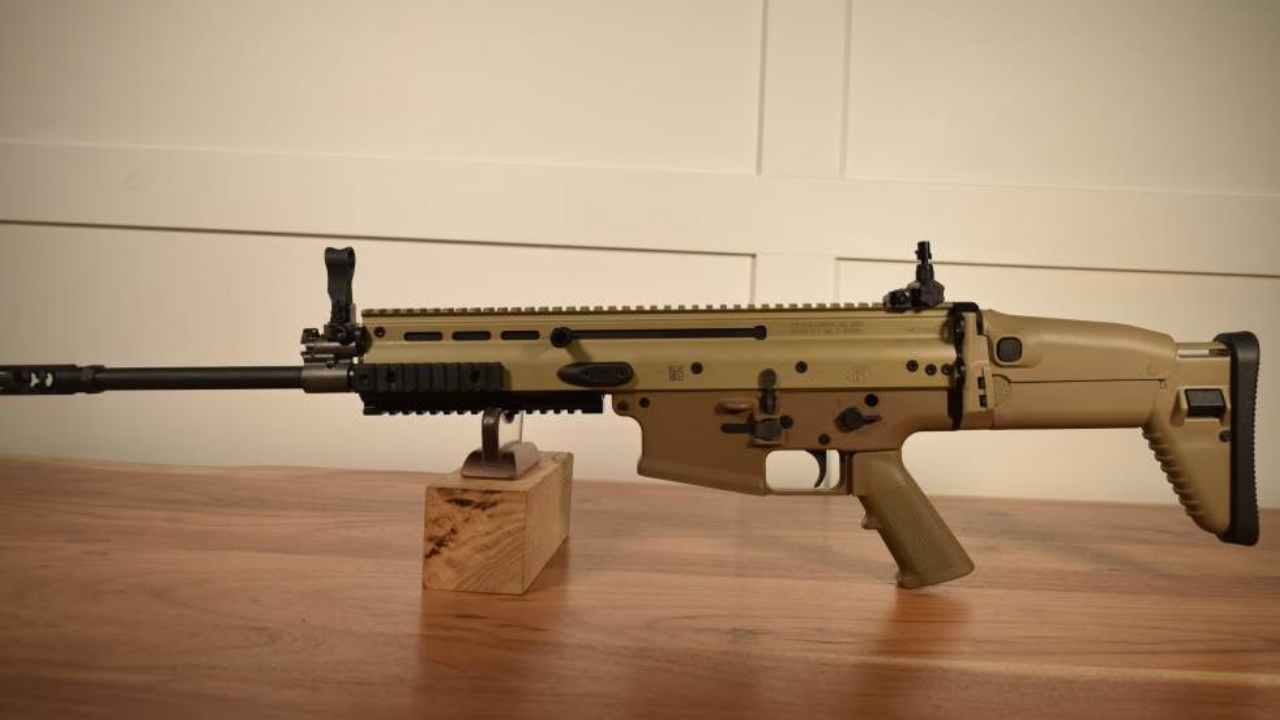
The SCAR 17S is a serious rifle, but it’s also one that can make you feel the cost of ownership fast. The biggest pain point for most people is magazines. You’re not grabbing cheap surplus mags by the handful. When you want to stack up mags for training, hunting, or just peace of mind, you feel it in the wallet.
It’s also a platform where “little stuff” isn’t always little. If something breaks or you want to change something, you’re often dealing with SCAR-specific parts, SCAR-specific knowledge, and SCAR-specific pricing. If you don’t mind that and you’re committed to the rifle, fine. Just don’t buy it expecting AR-level convenience.
Ruger Mini-14

The Mini-14 is handy and it can run well, but magazine reality is what gets people. The Mini isn’t an AR where you can buy a pile of mags cheap and never think about it again. Good mags tend to cost more, and not every random mag is worth trusting. That alone changes how many people actually train with the rifle.
The other “punish you” factor is that the platform isn’t as standardized. Parts, accessories, and support exist, but it’s a smaller world than ARs. If you break something, your options are narrower. Minis can be great ranch rifles, but a lot of owners eventually realize they’re paying more effort and money for a rifle that’s mainly chosen for its feel and form factor.
IWI Tavor X95
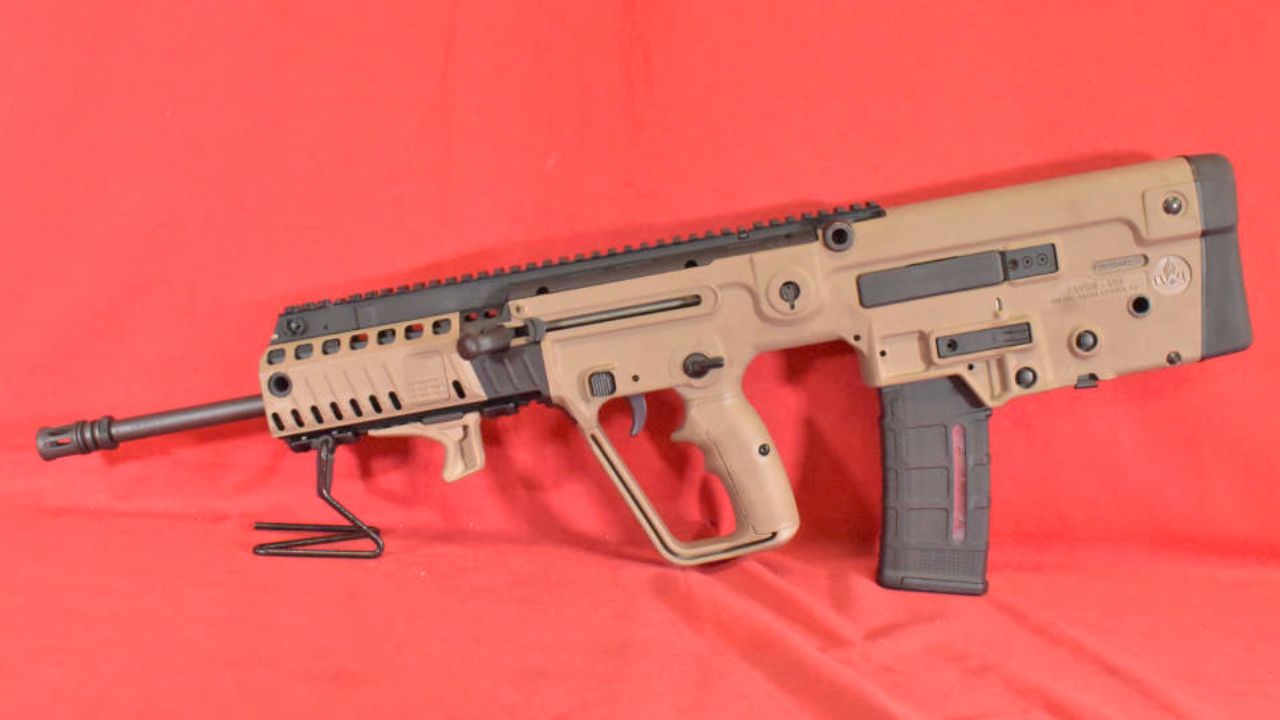
The X95 is a proven bullpup, but bullpups as a category tend to demand more from owners. The layout is unique, parts are specific to the platform, and not every gunsmith wants to work on it. If you’re the type who likes to source parts locally and fix things quickly, that can get frustrating.
Even though the X95 uses common AR-pattern magazines, a lot of the actual rifle components are their own world. If you need certain springs, pins, or small internal pieces, you’re not walking into any shop and finding them. You’re ordering and waiting. It’s a great rifle if you accept that ownership reality. If you expect “AR convenience,” it can feel like punishment.
Steyr AUG
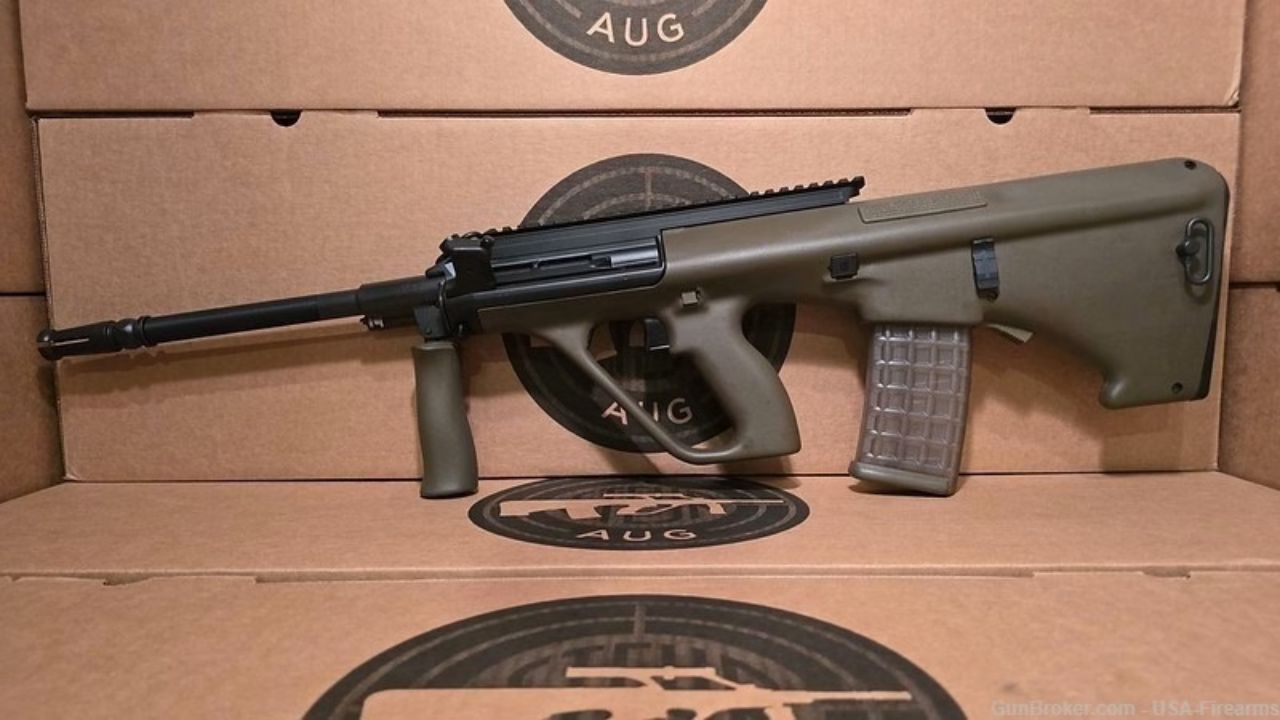
The AUG is iconic and it can be extremely dependable, but it’s another bullpup that puts you into a more specialized supply chain. Depending on the configuration, you may be dealing with AUG-specific magazines, AUG-specific components, and a smaller aftermarket. That’s not the end of the world, but it’s different than common rifles.
Even when you’re using a version that accepts common mags, the rest of the rifle is still its own ecosystem. If something breaks, you’re not guaranteed quick local fixes. You’re often dealing with specific parts sources and fewer people who truly know the platform. AUGs are great rifles for owners who like the system. They’re less fun for owners who want fast, cheap support.
CZ Scorpion (certain generations and parts support realities)

The Scorpion has been popular, but it still carries a “platform-specific” tax in places that matter. Magazines and internal components aren’t interchangeable with other common PCCs the way many shooters assume. When you’re stocking spare mags, springs, and wear items, you’re doing it within the Scorpion ecosystem.
Another issue is that support can feel uneven depending on what you need. Some parts are easy. Some parts are not. Some shops are comfortable with it, others aren’t. If your Scorpion is just a range gun you rarely tinker with, you may never notice. If you shoot it hard and expect quick replacements like you get with AR parts, you’ll feel the difference.
SIG MPX

The MPX is a slick shooter, but it’s also a classic example of a gun that looks simple until you start owning it. You’re dealing with a platform that doesn’t share the deep parts bin that ARs enjoy. Magazines are their own thing. Many internal components are their own thing. When you need something, you usually don’t have ten options.
That’s where the “punish you” part shows up. If you shoot it a lot, you’ll want spares. If you break something at a bad time, you’re not guaranteed a quick fix. The MPX can absolutely be worth it if you love how it runs. Just go into it knowing you’re buying into a more closed ecosystem with more expensive logistics.
HK USP
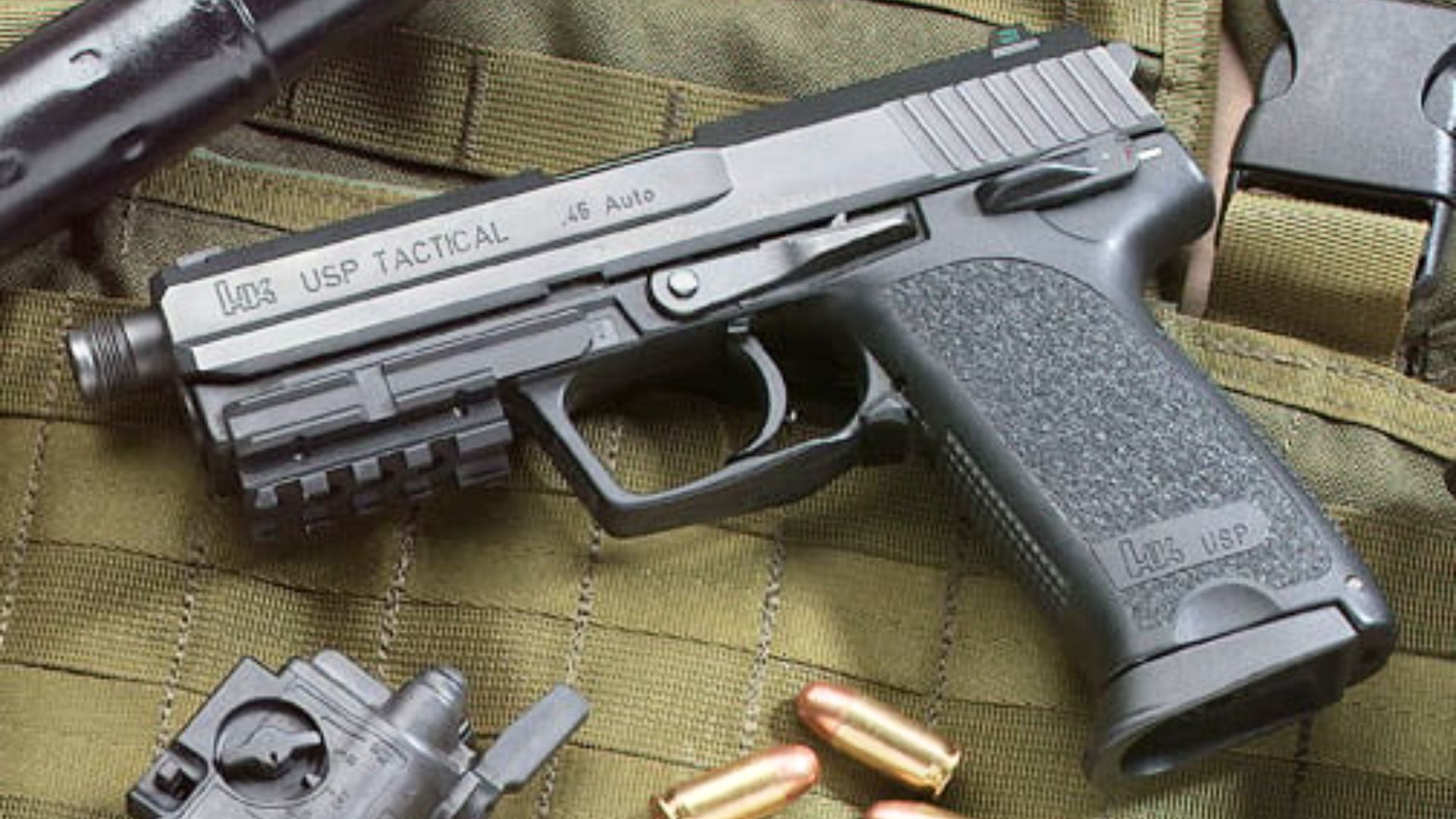
The USP is built like a tank, but ownership can get pricey and slower than people expect. Magazines tend to cost more than the common striker-fired crowd, and small parts aren’t the kind of thing you stumble across at every shop. You can absolutely keep a USP running for a long time, but when you need something, you may pay more and wait longer.
The other factor is that not everyone wants to work on them. HK has its own design language, and while it’s not mysterious, it’s not as widely supported at the “local parts” level as Glock/M&P. The USP is a serious pistol, but it’s a commitment. If you want maximum convenience, it’s not the easiest platform to live with.
HK P30

The P30 is another excellent HK that can surprise people with ownership cost. Mags aren’t cheap, and parts support is not as broad as the most common duty pistols. If you’re the kind of shooter who buys one gun and then invests heavily in mags, holsters, spares, and training, you’ll feel it.
Nothing about the P30 is fragile. The “punish you” angle is simply that you’re operating in a smaller market. That means fewer bargain options and fewer random parts bins with what you need. If you’re committed to the gun and you stock what you need up front, it’s fine. If you expect cheap, everywhere support, it’s not that.
SIG P239
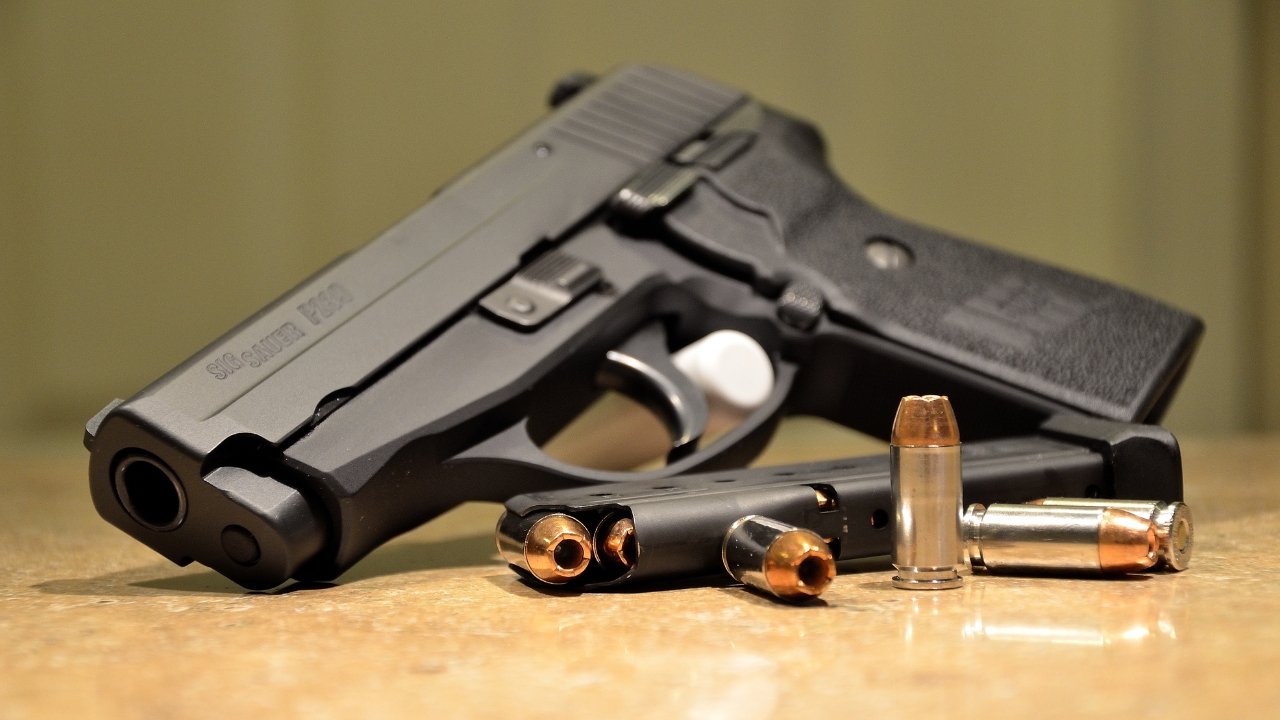
The P239 is a classic carry pistol, but it’s also a good example of “discontinued pain.” When a platform is no longer a major current production focus, magazines and parts can become a scavenger hunt. Sometimes it’s fine for years, then you need one small component and suddenly you’re searching instead of shooting.
That’s what punishes you over time. The gun can be completely dependable and still become annoying to support. If you carry one, it’s worth buying magazines and key wear items while you can and keeping them on hand. The P239 is a great pistol for people who already own it and maintain it. It’s less appealing for someone who wants easy long-term logistics.
CZ RAMI

The RAMI has a loyal following, but it’s another “niche within a niche” handgun when it comes to parts and magazine support. It’s not a CZ 75 where the world is full of mags and compatible options. When you need RAMI-specific magazines, baseplates, or certain internal parts, you’re not always going to find them quickly or cheaply.
That matters because small carry guns get carried hard. Sweat, lint, and daily use add up. If you can’t easily source mags and spares, you end up babying the gun or shooting it less. The RAMI can be a great carry pistol, but it’s a smarter buy for owners who already have support items lined up, not for someone who wants maximum convenience.
Springfield XD-E

The XD-E is a solid concept—DA/SA in a slim pistol—but it also lives in a narrower support lane. Magazines aren’t as common as the big striker guns, and replacement parts aren’t something every shop keeps around. If you shoot it a lot, you may start noticing that your “simple needs” involve ordering and waiting.
Holster support can also be a mixed bag depending on your exact model. The XD-E isn’t a dead platform in the sense that it can’t be supported, but it’s not a “walk into any store and solve it” platform either. If you like it, stock up on mags and key wear items early. That’s how you prevent it from punishing you later.
Beretta PX4 Storm

The PX4 is underrated as a shooter, but it’s not as convenient as the most common duty pistols. Magazines exist, but they aren’t always as cheap or as everywhere as Glock/M&P mags. Certain parts and support items can also take a little more hunting, especially if you’re trying to keep everything consistent across multiple mags and setups.
The PX4 isn’t “unsupported.” It’s just not the mainstream default. That means fewer options, fewer deals, and fewer people who carry the full range of spare items. If you’re choosing a pistol as your primary, that matters. If you love the PX4, plan ahead and stock what you need so you aren’t stuck waiting when something small becomes urgent.
Desert Eagle

The Desert Eagle is the definition of a proprietary ecosystem. It’s a specialty gun with specialty magazines, specialty parts, and specialty maintenance realities. Even if it runs perfectly for you, you’re not living in a world where every shop has what you need. When you want spares, you’re paying for them and you’re often ordering them.
That’s fine if you own it as a fun gun or a collector piece. It becomes a problem when someone expects it to be easy to support like a common pistol. The Desert Eagle is a commitment gun. It’s also heavy, high-maintenance compared to most pistols, and it’s not forgiving of being treated like a typical range beater.
PS90 / P90-style civilian platforms
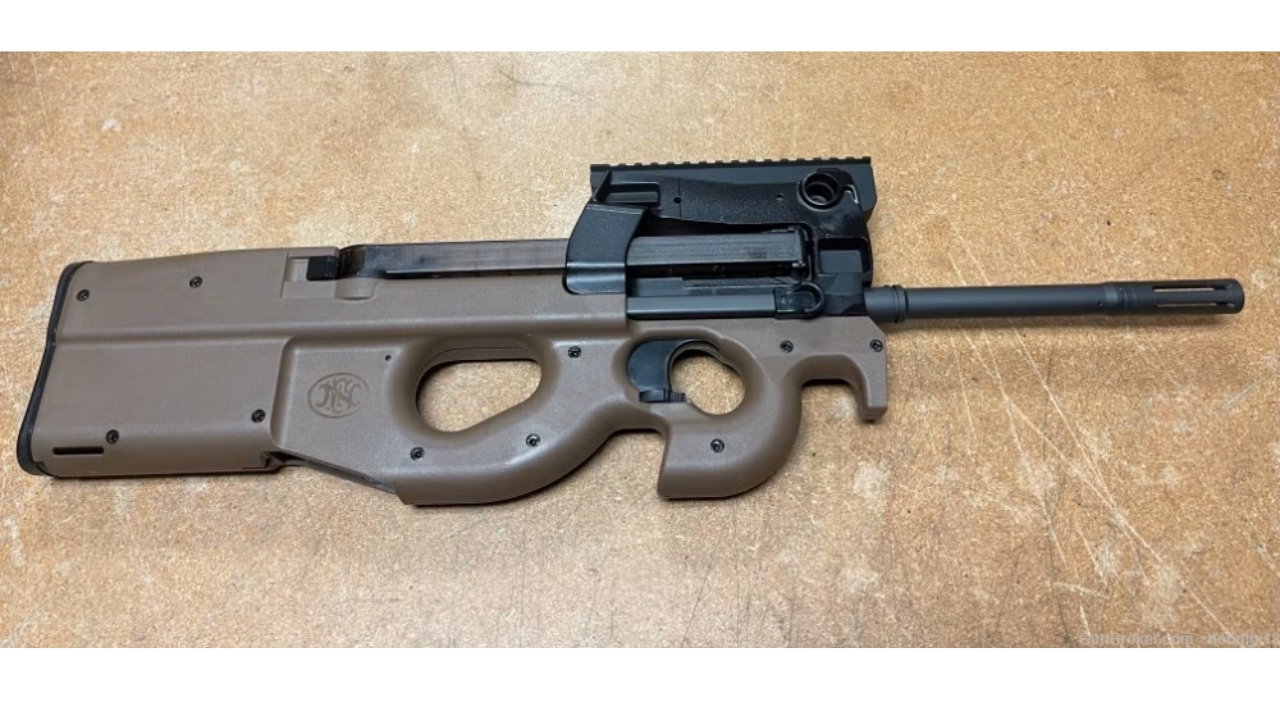
The PS90 is cool, reliable, and unique—exactly why it can punish you. Magazines are proprietary and not cheap. Parts are platform-specific. Ammo availability and pricing can be a factor too, depending on how much you shoot. The whole system is specialized, and specialized systems demand planning.
If you own one, you’re probably okay with that. But I’ve seen plenty of buyers pick one up on impulse and then realize they don’t want to spend what it takes to stock mags and feed it consistently. The PS90 can be a blast, but it’s not a “grab random mags anywhere” gun, and it’s not a platform where support is as broad as more common rifles.
Like The Avid Outdoorsman’s content? Subscribe to our newsletter so you never miss an article.
Here’s more from us: