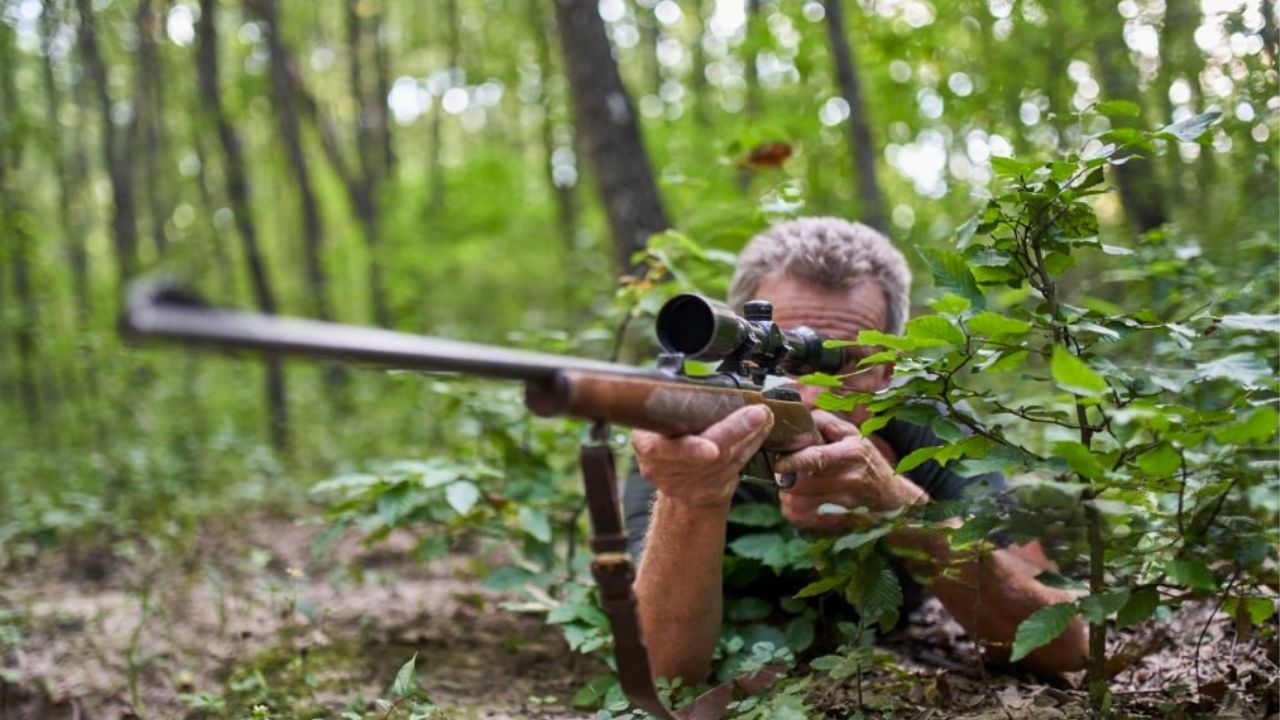
Photo credit: Xalanx/istock.com
A lot of hunters do not lose a good spot because somebody else found it first. They lose it because they keep handling it the same way long after the spot has started changing. That is what makes this so frustrating. On the surface, it feels like bad luck. The stand still looks right, the sign still looks decent, and the area still carries enough history to make a hunter believe it should turn back on any day now. So he keeps going. He keeps checking, slipping in, and trying to squeeze one more good sit out of a setup that is already showing signs of wear. Before long, the spot that once felt dependable starts feeling tight, stale, and harder to trust. The hunter blames the weather, pressure, timing, or the moon before he ever asks the harder question, which is whether he has been the one wearing the place down. A lot of good spots do not get stolen, and they do not randomly die. They get overhandled by the same person who once had them figured out.
What makes this happen so often is that confidence and impatience start looking a lot alike once the season gets going. A hunter finds a spot that works, and instead of treating that success carefully, he starts leaning on it harder because it feels safe. He trusts the setup, so he uses it more. He gets a few good sits there, so he checks the area more often. He feels like he understands the movement, so he starts acting like the spot owes him another encounter if he just times it right. That is usually where the slide begins. The area may still be good, but the way he is using it is no longer disciplined enough to keep it that way. A lot of hunters never notice the exact moment their best spot starts becoming their most overworked one. They only notice later, when the movement has shifted and the confidence that once helped them starts trapping them in a place that no longer hunts the same way.
The first mistake is treating past success like current proof
This is where a lot of hunters go wrong without realizing it. A spot produced before, so they keep letting that old success do too much of the decision-making. They remember the trail that lit up, the close encounter they had there, or the way the wind lined up that one cold morning, and they keep returning to that memory as if it still carries the same weight weeks later. But good hunting spots are not good in some permanent, automatic way. They are good when conditions line up, pressure stays manageable, and movement still matches the setup. The second those things start shifting, the old success becomes less useful as a guide. If a hunter keeps treating history like present-day proof, he usually starts overhunting a place that has already begun changing under him.
That is why some hunters ruin their own good spots without ever meaning to. They are not being reckless in an obvious way. They are just being too loyal to what the spot used to be. They keep telling themselves it is still the same setup because the tree is still there, the terrain still looks right, and the memory still feels strong. Meanwhile, the animals have adjusted, the pressure has built, and the pattern has drifted just enough that the old setup is no longer the clean answer it once was. If a hunter cannot separate what a spot has done from what it is doing now, he is going to keep forcing sits based on confidence that no longer matches reality.
Too much checking ruins more spots than people admit
A lot of hunters think they are staying sharp when they keep checking on a good area, but most of the time they are just adding pressure in small doses that stack up fast. A camera gets checked because movement feels slow. A trail gets walked because sign looked good last week. A corner gets slipped into “just to see” whether the area still feels right. None of those things sounds like a major mistake by itself, and that is exactly why they are so dangerous. Hunters often separate scouting pressure from hunting pressure in their minds, but the property does not. The deer do not. Every unnecessary walk-through, every extra scent line, and every repeated disturbance teaches that area something about human presence. A spot can start going downhill long before the hunter ever realizes how much of that decline came from his own curiosity.
This is one of the biggest reasons good spots start feeling unreliable. The hunter thinks he is only observing, only checking, only staying informed. But what he is really doing is refusing to let the place stay quiet long enough to keep hunting naturally. The better the spot looked at first, the more tempting it becomes to hover around it. That temptation is what burns a lot of areas out. Good spots often stay good because they are left alone more than the hunter wants to leave them alone. The ones that get ruined usually are not ruined by one bad sit. They are ruined by a string of smaller intrusions that kept the area from ever settling back down.
Hunters ruin good spots when they stop hunting conditions and start hunting attachment
This is the part that sneaks up on people. Once a hunter gets emotionally attached to a setup, he starts lowering his standards for when and how he hunts it. He knows he should probably wait for a cleaner wind, more rest, or a better timing window, but the spot has enough history that he talks himself into going anyway. He says maybe it will still work. Maybe the pressure has not hurt it that badly. Maybe he will catch it right before things turn. Those “maybe” sits are where a lot of the damage happens. A spot that might have stayed productive under selective use starts getting chewed up by a hunter who cannot stop himself from reaching for it every time he wants a plan to feel certain.
That is what makes attachment dangerous. It starts replacing discipline. Instead of asking whether the spot deserves to be hunted today, the hunter starts asking whether he can stand not hunting it. Those are very different questions. One protects the setup. The other slowly empties it out. Hunters who keep their good spots alive the longest are usually the ones who can stay emotionally loose enough to leave them alone when the conditions are not right. The hunters who ruin them are often the ones who feel closest to them. They trust the spot so much that they stop respecting how easy it is to wear it down.
A good spot lasts longer when the hunter backs off sooner
That is really the difference. The hunters who get the most out of a good area are usually not the ones who hunt it hardest. They are the ones who notice sooner when the setup has started changing and have enough discipline to back off before the place gets fully burned down. They pay attention when movement starts slipping, when the entry no longer feels clean, or when the area starts carrying more pressure than it used to. And instead of trying to force the old version of the spot to come back through sheer repetition, they step back and let the property breathe. That may mean resting the setup, shifting to the edge of the pattern, or letting the area go for a while completely. What it does not mean is acting like one more sit will somehow fix the damage that repeated pressure already caused.
If a hunter keeps ruining good spots for himself, the problem usually is not hidden very deep. He is probably asking too much from an area that used to work and not leaving enough room for it to stay useful. The fix is not magic. It is honesty and restraint. Honest enough to admit the spot has changed, and restrained enough not to keep leaning on it just because the memory of it still feels strong. A lot of good hunting ground would stay good a whole lot longer if the hunter using it stopped trying to squeeze certainty out of every place that once gave him confidence.
Like The Avid Outdoorsman’s content? Subscribe to our newsletter so you never miss an article.
Here’s more from us: