Photo credit: Smith & Wesson/YouTube
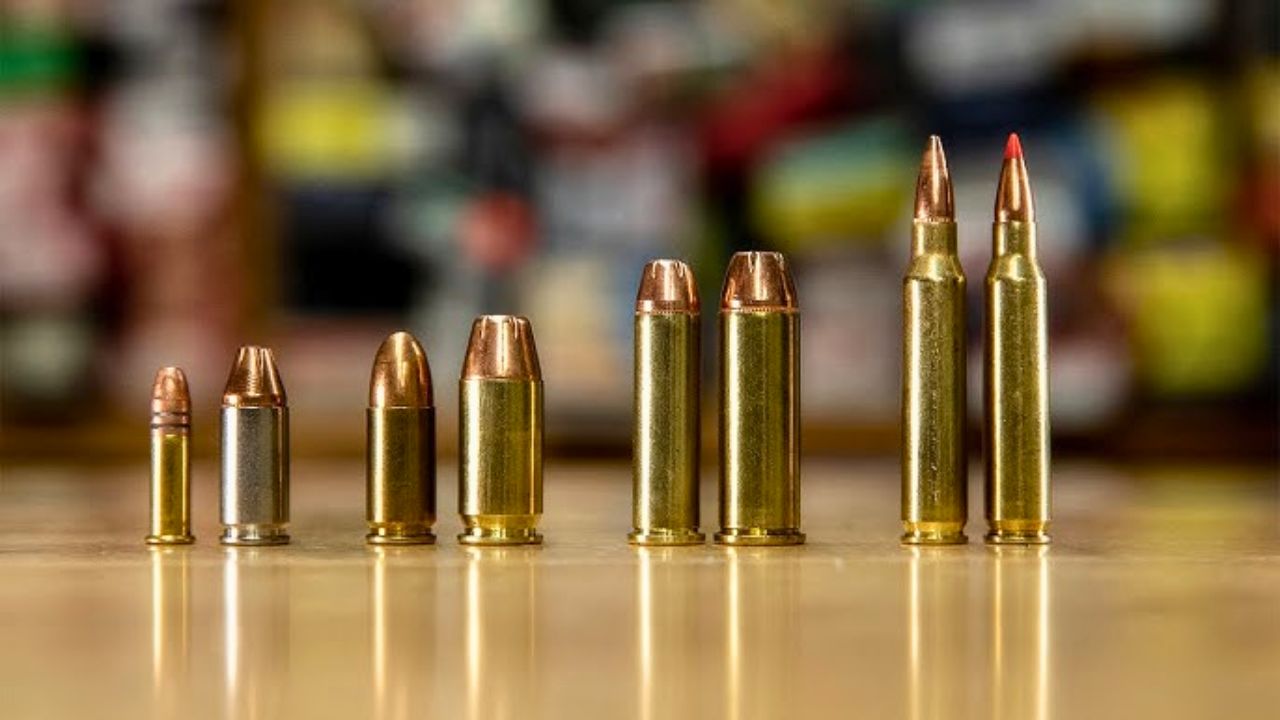
.22 Long Rifle
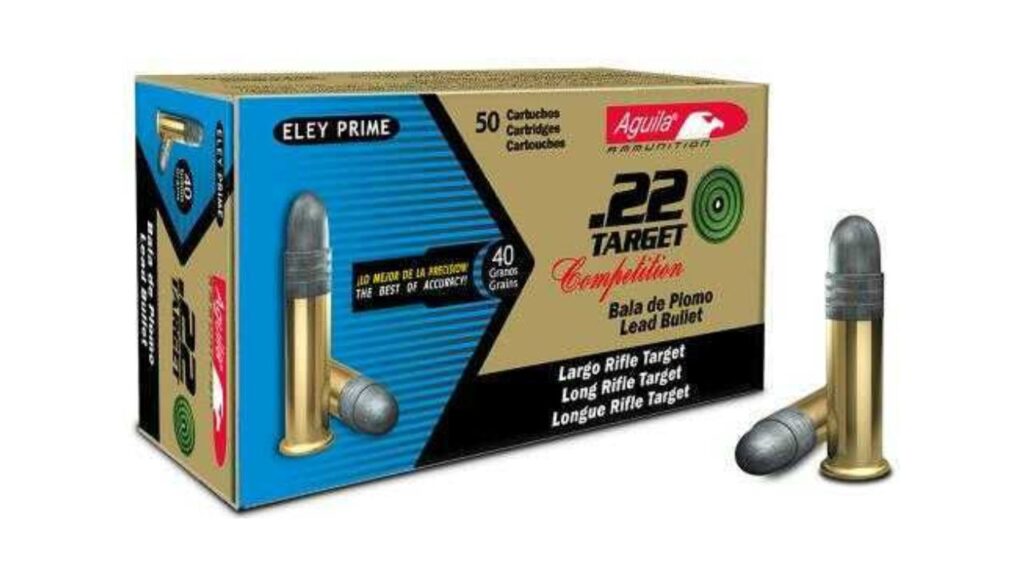
The .22 Long Rifle is often recommended for beginners due to its low recoil and affordability. It’s a favorite for target shooting and small game hunting. However, when it comes to self-defense or larger game, its stopping power is questioned. Missing your target with a .22 can leave you at a disadvantage because it lacks the immediate impact and penetration needed in critical situations.
.25 ACP
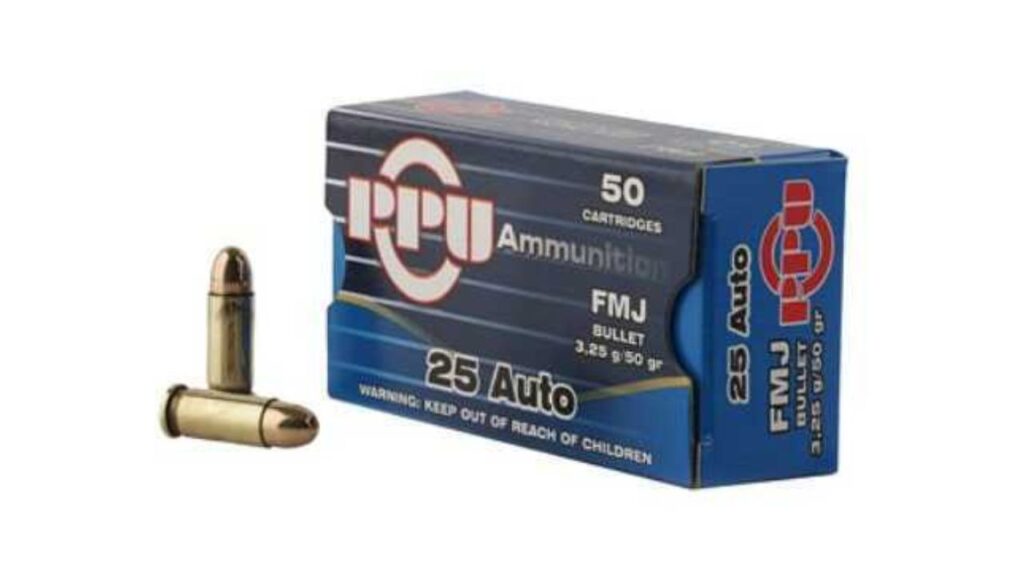
The .25 ACP is compact and easy to carry, making it a popular choice for pocket pistols. Developed in 1905, it’s been used for close-range self-defense. Yet, its practical use is limited due to its minimal stopping power. If you miss, there’s little chance of intimidating or deterring an assailant, which can be a significant downside in high-pressure scenarios.
.32 ACP

Favored in European police circles, the .32 ACP offers a balance between size and power in a concealable package. While it’s more potent than a .25 ACP, it still falls short in terms of stopping power compared to larger calibers. A miss with this round can leave you exposed, as its lower kinetic energy often fails to incapacitate with a single shot.
.380 ACP
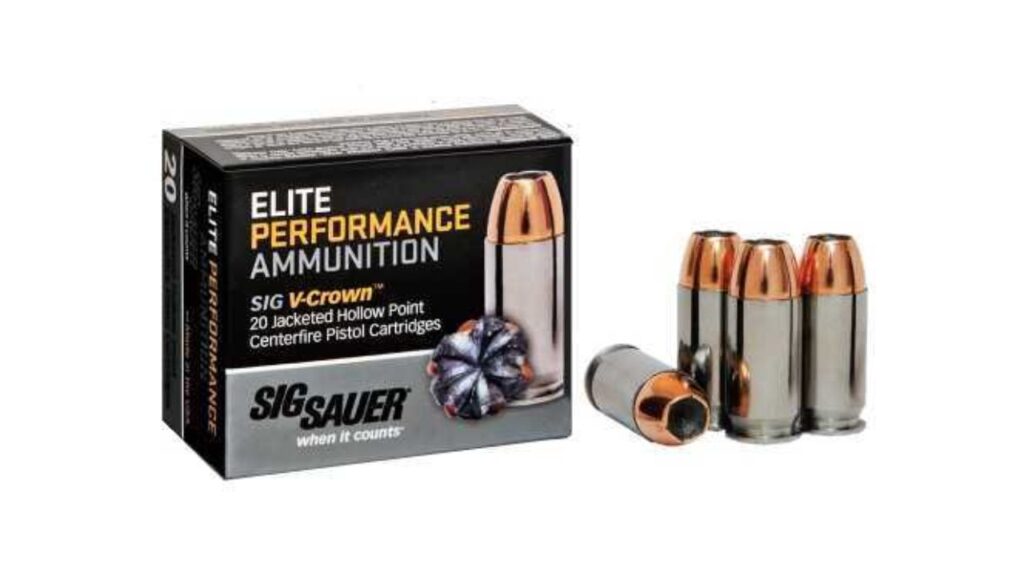
The .380 ACP is often dubbed the “9mm Short” due to its similar diameter. It’s a popular choice for concealed carry pistols, offering a compromise between size and power. Despite its practicality, missing a target with a .380 ACP can be problematic. Its reduced velocity and penetration mean it may not disable an aggressor as effectively as larger calibers.
9mm Makarov
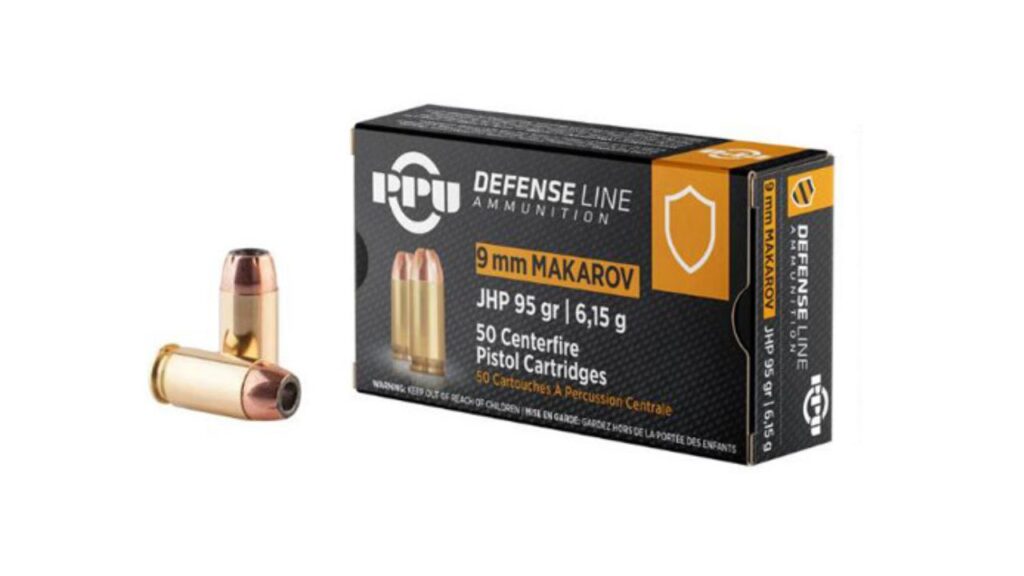
The 9mm Makarov has a storied history in Eastern Bloc military and police service. It’s slightly less powerful than the more common 9mm Luger, making it a manageable choice for many shooters. However, if you miss your mark, the Makarov’s limitations become evident. Its lower velocity can result in less effective stopping power, potentially leaving you vulnerable.
.38 Special
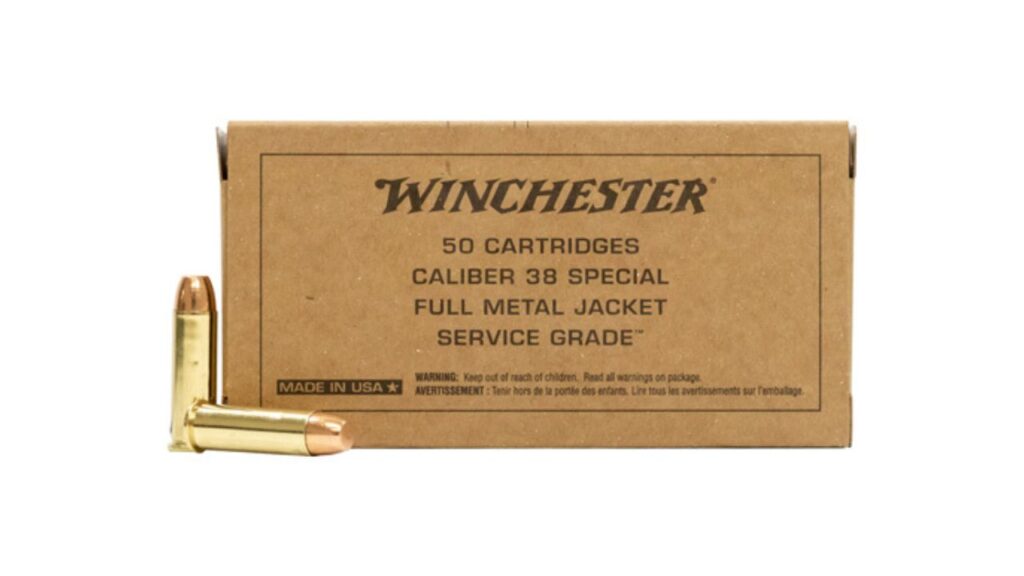
The .38 Special is a classic revolver cartridge known for its accuracy and manageable recoil. It’s been a staple for law enforcement and self-defense for decades. That said, missing a target can expose its weaknesses. The round’s lower velocity compared to modern semi-automatic cartridges can result in insufficient stopping force, especially in high-stress situations.
.44 Special
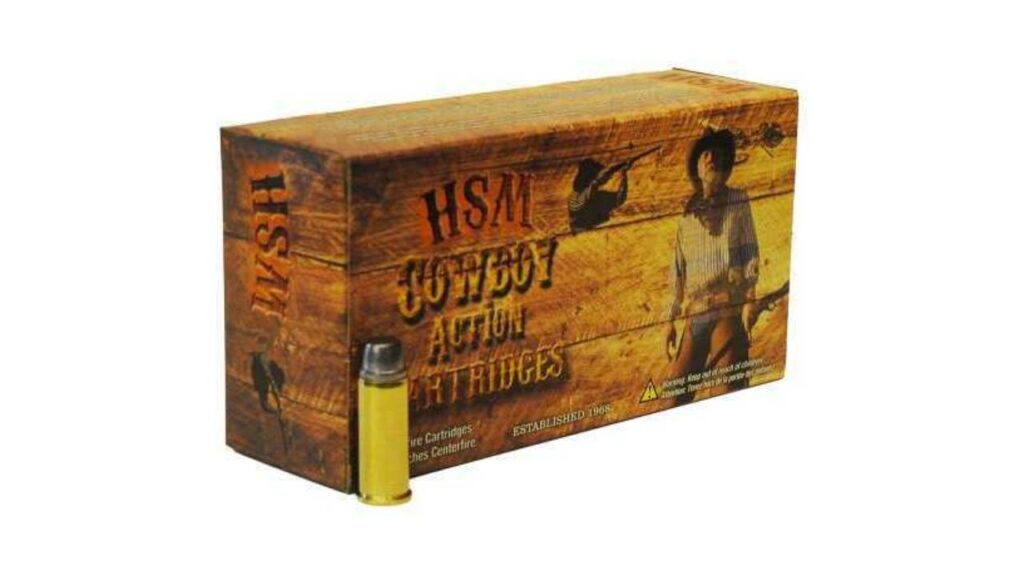
The .44 Special offers a hefty punch in a manageable package, appreciated by revolver enthusiasts for its balance of power and recoil. While it’s effective for close-quarters defense, missing your target can highlight its drawbacks. The trajectory and energy loss over distance mean that it may not deliver the knockdown power you’d expect, leaving room for error.
.223 Remington

Used extensively in the AR-15 platform, the .223 Remington is favored for its versatility and accuracy in long-range shooting. While it excels in terms of velocity and flat trajectory, a miss can lead to significant consequences. Its high-speed nature means it can penetrate unintended targets, emphasizing the need for precision and awareness of your surroundings.
.410 Bore

The .410 Bore shotgun is often seen as a beginner’s firearm due to its light recoil and ease of handling. It’s suitable for small game and pest control. However, missing with a .410 can be unforgiving in defensive situations. Its smaller shot load reduces stopping power, requiring more precision to achieve the desired impact compared to larger bore sizes.
12 Gauge Birdshot
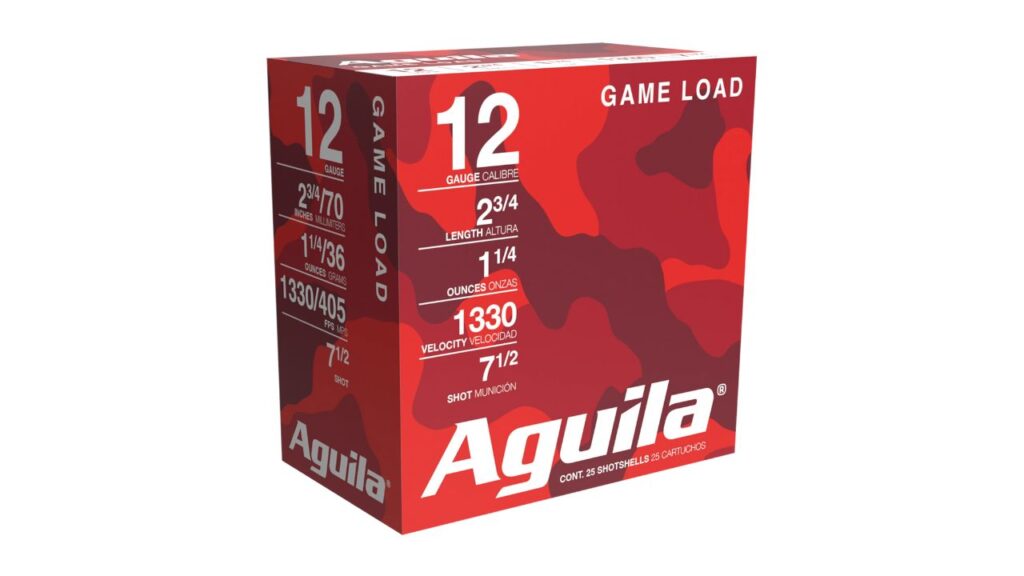
12 Gauge Birdshot is popular for hunting small game and clay pigeons due to its widespread pattern and accessibility. While effective within its intended use, missing with birdshot in a defensive scenario can be problematic. Its spread and lower penetration capacity mean it may not incapacitate a threat effectively, potentially leaving you in a vulnerable position.
*This article was developed with AI-powered tools and has been carefully reviewed by our editors.