Photo credit: The Avid Outdoorsman
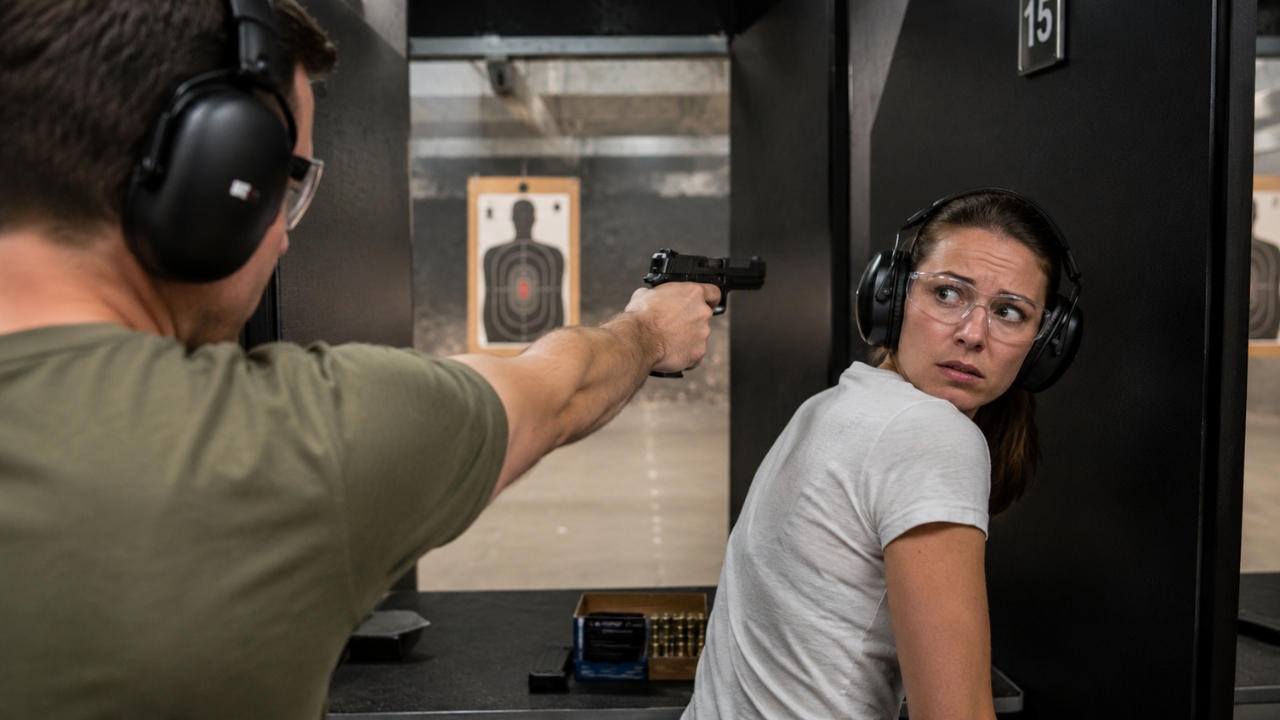
A shooter at the range said he found himself in the kind of situation that puts every responsible gun owner on edge: another person kept accidentally pointing a firearm in his direction, and he did not know how to handle it without making the scene worse.
The shooter shared the situation in a post on r/guns titled “Guy at the range keeps accidentally sweeping his muzzle at me, and I don’t know how to react.” He described being near another shooter who repeatedly swept him with the muzzle, apparently without realizing how serious it was.
That is not a small etiquette complaint. At a range, muzzle direction is one of the most basic safety rules. Every shooter is expected to know where the barrel is pointed at all times. A person can be new, nervous, distracted, or inexperienced, but the muzzle still cannot cover another human being.
The poster seemed caught between two instincts. On one hand, he knew the behavior was unsafe and needed to stop. On the other hand, range confrontations can get awkward fast. Nobody wants to escalate a tense situation around firearms, especially if the other person might get defensive, embarrassed, or angry.
That hesitation is understandable, but commenters made one thing clear: this was not a “let it slide” moment. If someone at the range keeps sweeping another shooter, the correct response is immediate and firm.
Muzzle Sweeping Is Not a Minor Mistake
There are plenty of little annoyances at a range. Someone talks too loudly. Someone takes too long at the bench. Someone’s brass lands near your feet. Someone does not understand the target system. Those things can be irritating, but they are not the same as a muzzle crossing your body.
Muzzle sweeping means the firearm’s barrel passes over or points at someone. Even if the gun is unloaded, even if the shooter claims the safety is on, even if he did not mean to do it, the problem is serious. The basic rule is simple: never point a firearm at anything you are not willing to destroy.
That rule exists because people make mistakes. They forget a round is chambered. They assume a gun is clear. They handle a firearm while distracted. They rely on a safety or an empty magazine and skip the chamber check. The muzzle rule is there as a backstop when everything else goes wrong.
That is why being swept feels so jarring. The person on the receiving end cannot know whether the gun is loaded. He cannot know whether the shooter’s finger is clear of the trigger. He only knows the barrel has crossed him, and that should never happen.
The poster’s concern was not overblown. It was exactly the kind of thing a careful shooter is supposed to notice.
Commenters Told Him to Speak Up Immediately
The strongest advice was to address it right away.
Several commenters said the poster should clearly tell the shooter, “Do not point that at me,” or “Watch your muzzle.” The tone does not have to be dramatic, but it does need to be firm. A person who does not realize he is sweeping others needs to be corrected before the habit continues.
The key is not to make it a debate. Range safety is not a preference. If the muzzle crosses someone, it stops. That is true for beginners, experienced shooters, friends, strangers, and everyone in between.
Some commenters suggested starting direct but calm. If the person responds well, the problem can end there. Plenty of new shooters are embarrassed when corrected but grateful afterward. They may not have realized how they were moving the gun, especially if they were focused on loading, clearing, or adjusting gear.
But if the person gets defensive, dismissive, or continues doing it, the next move is not arguing. It is going to the range officer.
That was one of the clearest points in the thread: you do not have to personally manage an unsafe shooter. The range staff or range safety officer exists for exactly that reason.
The Range Officer Should Be Involved if It Happens Again
At a supervised range, unsafe gun handling should be reported.
That does not mean making a scene or trying to embarrass someone. It means telling the range officer what happened so the person with authority can step in. A range officer can watch the shooter, correct him, move him, or remove him if needed.
That protects everyone, including the person making the mistake. If a shooter keeps sweeping people and nobody says anything, he may leave thinking his behavior was acceptable. The next time, he may do it again. Eventually, one of those mistakes could pair with another mistake, and that is when bad things happen.
A range officer also helps prevent the confrontation from becoming personal. Instead of one shooter arguing with another, it becomes a safety correction from the person responsible for the line.
Commenters were especially firm about this because the poster described the sweeping as repeated. One accidental muzzle drift is still serious, but repeated sweeping suggests the shooter is not aware enough of what he is doing. That is when the issue needs more than a quiet side comment.
If the range has staff, use them. If the range does not have staff and another shooter is repeatedly unsafe, leaving may be the smartest option.
Avoiding Conflict Cannot Come Before Safety
The poster’s hesitation was very human. Nobody likes confrontation, and nobody wants to start an argument at a gun range.
But several commenters made clear that politeness has limits when a firearm is involved. Letting an unsafe shooter continue because calling it out feels awkward is not courtesy. It is risk tolerance, and not a good kind.
That does not mean the poster needed to yell, threaten, or act aggressive. In fact, a calm voice is usually better. But the words need to be clear enough that the other shooter understands the seriousness of it.
“Hey, you’re sweeping me with the muzzle. Keep it downrange.”
That kind of statement is not rude. It is necessary.
A lot of responsible shooters would rather be corrected than accidentally point a gun at someone. If someone responds badly to that correction, that tells you something important too. A person who cannot accept a basic muzzle warning may not be someone you want shooting beside you.
Safety culture depends on people speaking up before something goes wrong. Waiting until after a negligent discharge is too late.
The Bigger Lesson Is Situational Awareness
This kind of range problem often happens when a shooter gets tunnel vision.
He may be focused on clearing a malfunction, loading a magazine, checking a sight, talking to a friend, or setting the gun down. In that moment, he forgets the muzzle is still moving. The barrel drifts left, right, behind him, or across the person next to him.
That is why good gun handling has to be deliberate. Every time the gun moves, the shooter should know where the muzzle is pointing. Every time he turns his body, the firearm needs to stay controlled. Every time he takes his attention off the target, he still has to maintain the safety rules.
The person being swept also has to stay aware. That does not mean being paranoid. It means paying attention to the people around you and trusting your own read when something feels unsafe.
If a shooter nearby is careless, distracted, or repeatedly violating basic rules, you do not have to stand there and hope it gets better. Say something. Get the range officer. Move lanes. Leave if necessary.
A range session is not worth getting hurt because someone else has poor muzzle discipline.
What Commenters Said
Commenters were nearly unanimous that the poster should not ignore the issue.
Many told him to speak up immediately and directly. A simple “watch your muzzle” or “do not point that at me” is not overreacting when someone’s firearm is crossing your body. Several said the correction should happen the first time, not after repeated incidents.
Others said to involve the range officer if the shooter did not correct the behavior right away. Range staff are there to enforce safety rules, and repeated muzzle sweeping is exactly the kind of problem they need to know about.
A few commenters acknowledged that confrontation can feel uncomfortable, especially around firearms, but they said safety has to come first. Being polite does not mean letting someone point a gun at you. If the other shooter gets offended, that is less important than stopping unsafe handling.
Some also pointed out that the person may have been inexperienced and might genuinely need correction. A firm warning could prevent him from making the same mistake again somewhere else.
For the shooter who asked the question, the situation was awkward because he did not want to make trouble. But the answer was clear: muzzle sweeping is trouble already. The safest move is to call it out, get range staff involved if needed, and never stand there quietly while someone treats basic gun safety like an optional habit.