Photo credit: IowaGunGuy/YouTube
A lot of hunting and shooting trends sound smart when they are new. They come wrapped in better ballistics charts, better marketing language, and a lot of confidence from people who have not lived with them very long. Then time starts sorting things out. The old rifles and the so-called plain calibers keep showing up in camps, behind truck seats, and on the range long after the smarter-sounding ideas have started losing their shine.
That is what this list is really about. These are the old guns and plain calibers people love to underrate until real-world use reminds them what durability, balance, recoil control, ammo availability, and field trust actually look like. None of these combinations need hype anymore. They survived because they kept working while fancier ideas came and went.
Winchester Model 94 in .30-30 Winchester

For years, people have talked about the Winchester 94 in .30-30 like it is something you graduate past once you learn enough about flatter trajectories and longer-range cartridges. That sounds smart right up until deer season starts and the old lever gun keeps doing exactly what it has always done. It is light, handy, fast to the shoulder, and chambered in a cartridge that still makes a lot of sense where most whitetails actually get killed.
What outlives trendier ideas here is not just nostalgia. It is practicality. The .30-30 is mild enough for real-world field shooting, effective inside sane hunting distances, and tied to a rifle that carries better than a lot of modern setups. Plenty of smarter-sounding rifles look better on paper. The Model 94 usually looks better at the end of the season.
Remington 700 BDL in .270 Winchester
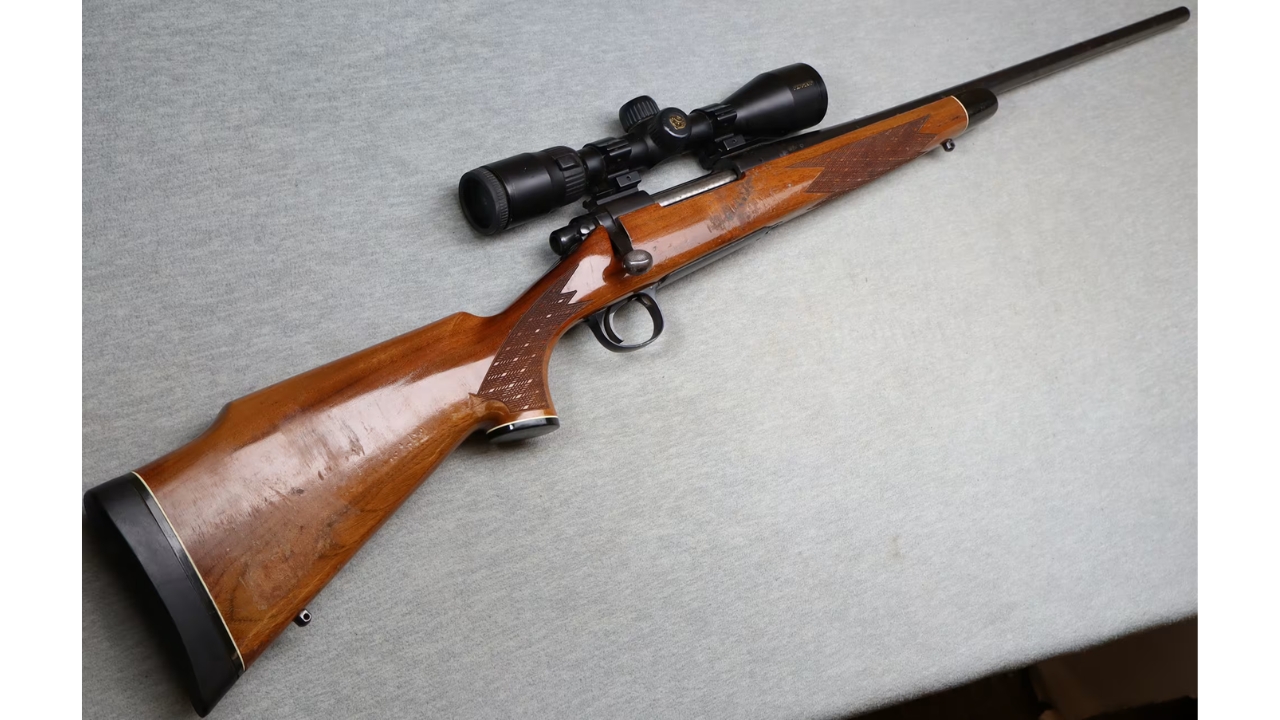
The Remington 700 BDL in .270 Winchester has been treated as too familiar for years, almost like its long success somehow made it boring. That is usually the fate of rifles and calibers that work too well for too long. The .270 does not need to sound exciting anymore because it already proved what it is on deer, antelope, and elk-sized game in the hands of hunters who know their limits.
That is why it keeps outliving more fashionable cartridges. The recoil is manageable, the trajectory is still useful, and the rifle itself feels like a proper hunting rifle instead of a temporary market response. A lot of new ideas promise more. The old 700 BDL in .270 keeps reminding hunters that enough, done well, is still hard to beat.
Marlin 336 in .35 Remington

The Marlin 336 in .35 Remington is exactly the kind of combination people talk down until they spend real time in thick woods. On paper, it does not sound advanced enough for modern gun-counter confidence. In the field, that starts to matter a lot less. The 336 carries beautifully, points naturally, and the .35 Remington still hits with the kind of blunt authority that matters when shots are close and angles are not perfect.
This is one of those pairings that survives because it was built around actual hunting instead of abstract performance language. Plenty of trendier cartridges sound more precise and more modern. The old Marlin and the plain .35 keep winning over hunters who care more about how a rifle handles in cover than how impressive it sounds in conversation.
Savage 99 in .300 Savage

The Savage 99 in .300 Savage is one of the best examples of an older rifle and an older cartridge refusing to die just because better-sounding options came along. The .300 Savage got treated for years like a historical stepping stone, important once but no longer necessary. Then hunters kept using it and discovering the obvious: it still kills game cleanly, shoots well enough for sensible distances, and does not make a lot of fuss.
The rifle helps that case enormously. The Savage 99 carries with personality, balances like a real hunting arm, and makes plenty of newer rifles feel generic. Smarter-sounding ideas often depend on buyers forgetting what practical field effectiveness actually feels like. The 99 in .300 Savage never had that problem. It always knew exactly what it was for.
Ruger M77 in .257 Roberts

The Ruger M77 in .257 Roberts is one of those combinations people often dismiss before they ever shoot one seriously. The cartridge sounds too old and too mild to impress a crowd raised on velocity numbers and hard-edged marketing. Then hunters spend time with it and realize the .257 Roberts has been quietly making a lot of sense this whole time. Recoil stays easy, performance on deer-sized game is excellent, and the rifle tends to feel like a real field companion.
This pairing outlives smarter-sounding ideas because it does not waste energy pretending to be more than it needs to be. The M77 is sturdy and trustworthy, and the .257 Roberts still delivers a kind of graceful effectiveness that a lot of louder cartridges never really improve on in ordinary hunting country.
Winchester Model 70 Featherweight in .308 Winchester

People love to act like the .308 Winchester is too plain to be exciting anymore, and that is exactly why it keeps surviving every new cycle of better-sounding short-action hype. Put it in a Winchester Model 70 Featherweight and the point gets even clearer. You end up with a rifle that carries well, shoulders naturally, and chambers a cartridge that still does nearly everything most hunters honestly need done.
This combination outlasts trendier ideas because it solves real problems without introducing many new ones. The recoil is manageable, ammo is everywhere, and the rifle itself feels balanced in a way many modern hunting setups do not. The smarter-sounding stuff often asks for more compromise than the old Featherweight in .308 ever did. That is why people keep coming back to it.
Remington 7600 in .30-06 Springfield

The Remington 7600 in .30-06 Springfield is one of those honest working combinations that a lot of people underrate until they hunt where quick handling and practical versatility actually matter. The .30-06 gets talked about like old news by people who always seem to have a new favorite. The 7600 gets brushed off by those who think pump rifles are too plain to deserve much respect. Then the woods take over and the whole conversation changes.
That is because both parts of this pairing were built around usefulness, not trend appeal. The 7600 points fast and hunts well in rough country. The .30-06 still handles everything from deer to elk with common-sense bullet choices. Smarter-sounding ideas come and go. This old combination keeps filling tags without asking to be admired.
Browning BLR in .358 Winchester
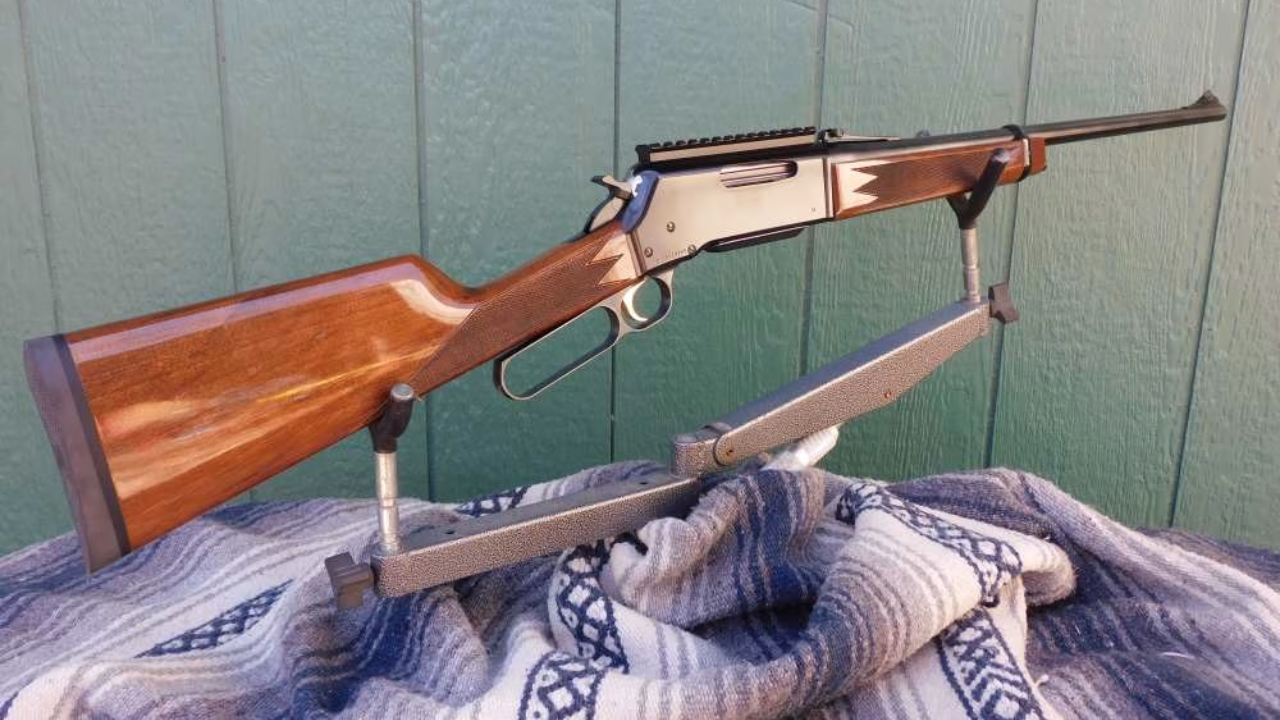
The Browning BLR in .358 Winchester sounds like the kind of pairing only a certain kind of rifle crank would defend, right up until somebody actually hunts with one. The .358 Winchester never became fashionable enough to stay in the spotlight, but it never stopped being effective. In a BLR, it gives you lever-gun handling with a cartridge that hits harder than many people expect and does so without a lot of unnecessary drama.
This is the kind of setup that outlives smarter-sounding ideas because it never depended on broad approval to make sense. The BLR is fast, practical, and more versatile than many assume. The .358 is plain in the best way: it works. When enough hunters rediscover that, the old combination starts looking less quirky and a lot more intelligent.
Sako Forester in .243 Winchester

The Sako Forester in .243 Winchester is one of those combinations that gets mistaken for a starter setup by people who have spent too much time around internet opinions and not enough time hunting. The .243 gets talked down constantly by people who want every cartridge to sound extreme. But in the field, with good bullets and realistic expectations, it remains one of the smartest deer and varmint rounds ever devised.
The rifle matters here too. A good Sako Forester feels refined without feeling delicate, and that sense of balance only makes the .243’s strengths more obvious. Low recoil, easy accuracy, and wide usefulness are not glamorous traits anymore, but they age beautifully. That is why this pairing keeps outliving more aggressive-sounding ideas that demand more from the shooter without delivering much more in return.
Ruger No. 1 in .45-70 Government

The Ruger No. 1 in .45-70 Government is one of those combinations that sounds either too old-fashioned or too specialized until somebody actually spends time with one. Then the appeal gets obvious fast. The .45-70 does not care much about being modern, and the Ruger No. 1 does not care much about matching market trends. Together, they create a hunting setup that feels deliberate, strong, and strangely refreshing in a world full of overexplained rifles.
This pairing keeps outliving smarter-sounding ideas because it offers something a lot of trend-driven setups forget: confidence. In the right country and at the right distances, the .45-70 is still deeply effective, and the No. 1 gives it a kind of class and seriousness newer rifles often lack. It is old, plain, and still not done embarrassing people.
Winchester 88 in .308 Winchester

The Winchester 88 in .308 Winchester has been quietly making modern rifle chatter sound a little silly for a long time now. It combines quick handling, strong field manners, and a cartridge that never seems to stop mattering no matter how many replacements the market tries to invent. The .308 is too useful to die and too ordinary to get the credit it deserves from people who confuse novelty with improvement.
The Model 88 strengthens that whole case because it feels distinct without feeling gimmicky. It is the kind of rifle hunters grow into instead of out of. A lot of smarter-sounding ideas ask buyers to accept more recoil, more cost, or more complication. The old Winchester in .308 just keeps doing practical work with very little need for explanation.
Marlin 1895 in .45-70 Government

The Marlin 1895 in .45-70 is one of those combinations that spent years being treated like a niche brush-country relic until hunters started rediscovering just how much sense it makes in the real world. It is not built for everybody, and that is part of its strength. Inside the distances where it belongs, it is fast, authoritative, and deeply reassuring in a way many modern rifles never quite are.
This setup outlives smarter-sounding ideas because it was always built around reality instead of theory. The 1895 carries well, points naturally, and chambers a cartridge that still matters where big-bodied game, thick cover, and imperfect conditions live. Plenty of rifles promise flexibility. This one promises conviction. In the right hands, that ends up being the smarter thing.
CZ 550 in 6.5×55 Swedish

The CZ 550 in 6.5×55 Swedish is the kind of combination that exposes how often old and plain simply mean people were too impatient to appreciate it. The 6.5×55 is not loud enough for modern marketing, but it keeps proving how effective mild recoil, good sectional density, and practical field performance can be. It works without making the shooter work harder than necessary, which is not something every trendy round can claim.
The CZ 550 makes that old cartridge feel even smarter. Controlled-feed confidence, traditional stock lines, and calm field handling all help remind hunters that refinement and usefulness can still live together. Smarter-sounding ideas often try to sell urgency. The old Swede just keeps selling results.
Browning BAR in .270 Winchester
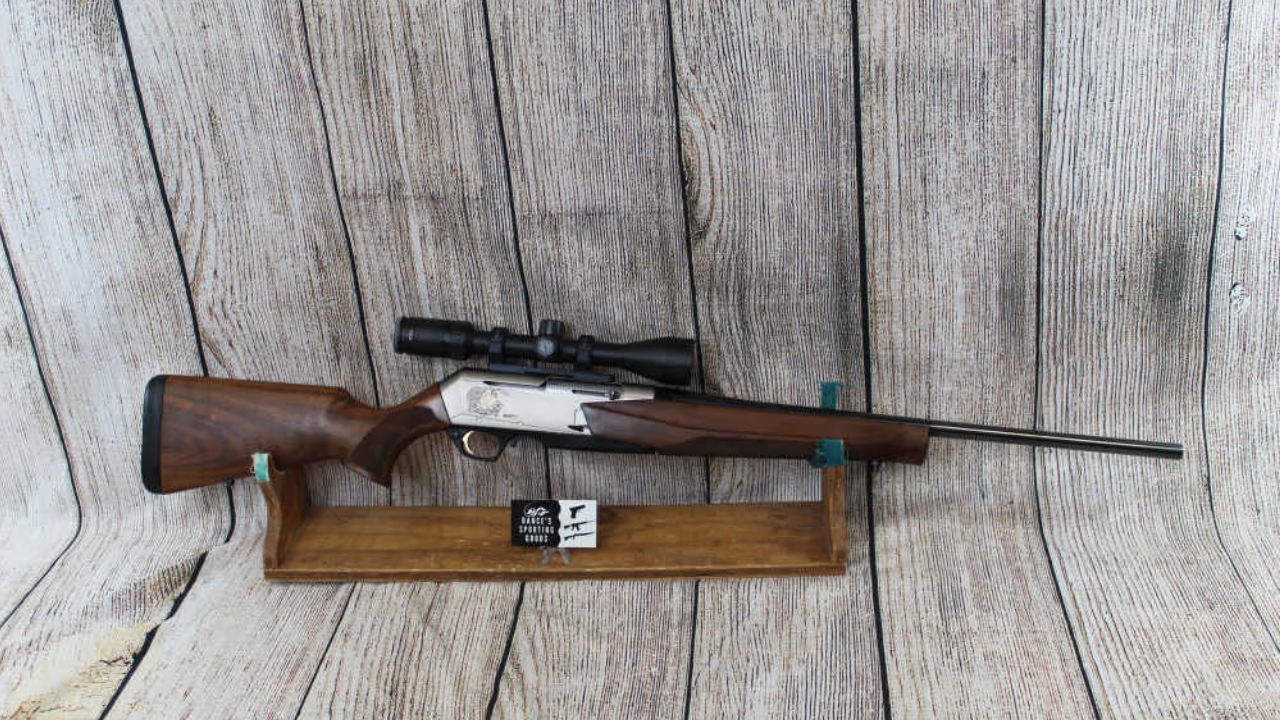
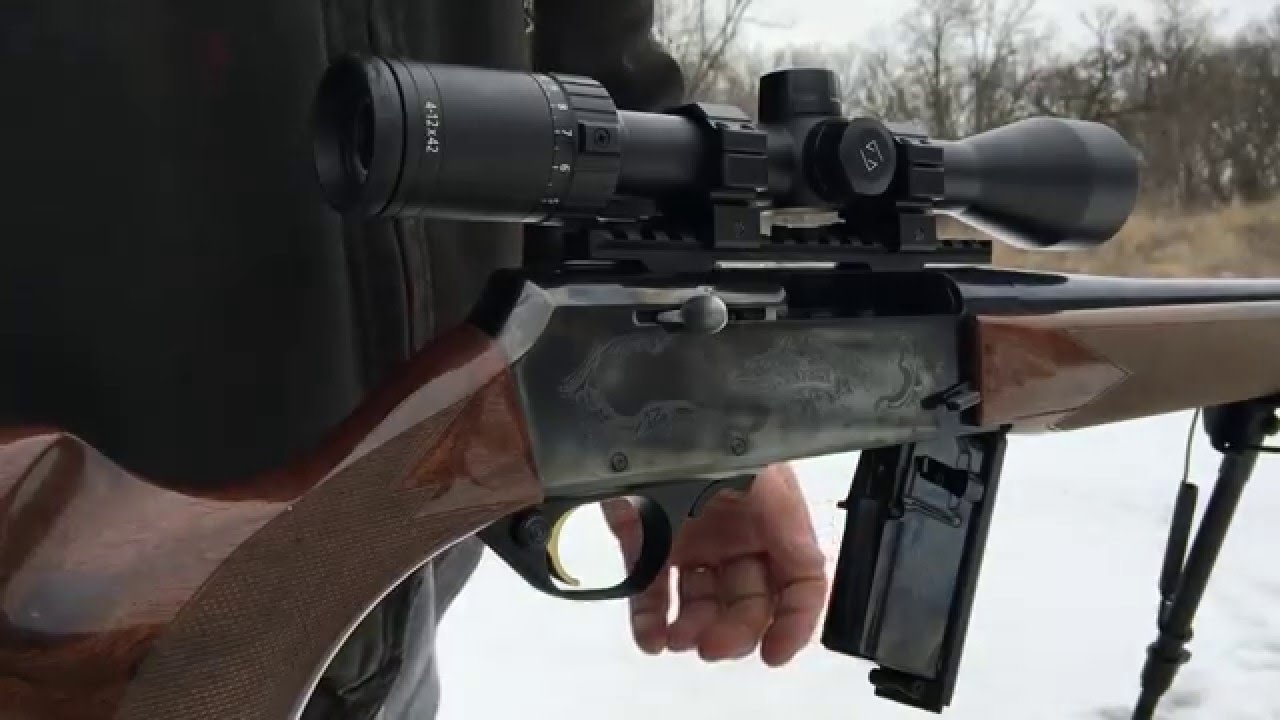
The Browning BAR in .270 Winchester is one of those pairings hunters sometimes brush off because it seems too obvious or too tied to another era. That is exactly why it keeps winning. The BAR is smooth, practical, and a lot handier in real hunting than many people remember. The .270 remains one of the cleanest deer-and-beyond cartridges ever put in a sporting rifle. Neither one needs to shout anymore.
Together, they outlive smarter-sounding ideas because they solve ordinary hunting problems beautifully. Quick follow-up capability, manageable recoil, real reach, and a familiar cartridge with broad support are still very hard to dismiss once you actually put them to work. Plenty of newer ideas sound smarter for a while. This combination tends to sound better after a few seasons.
Remington 700 Classic in 8×57 Mauser
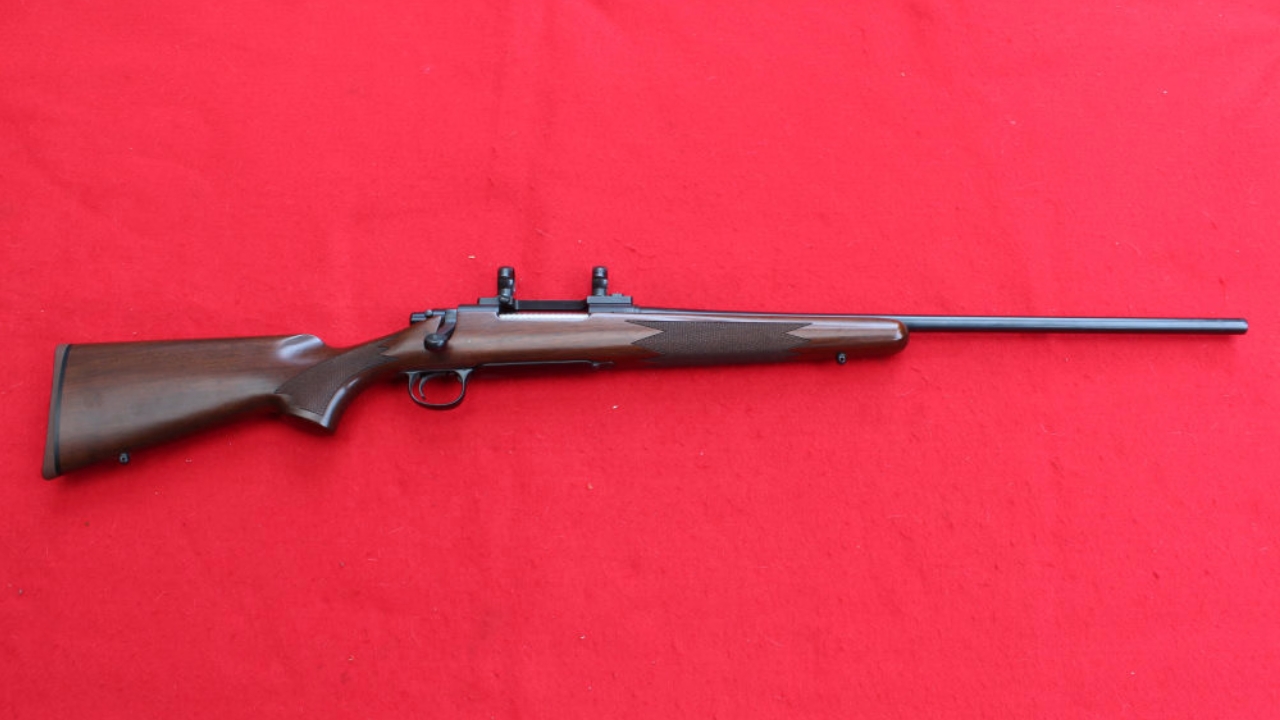
The Remington 700 Classic in 8×57 Mauser is exactly the kind of pairing people overlook until they spend enough time around trendier cartridges that promise the world and mostly deliver expense. The 8×57 does not get treated like a modern answer, but it remains a deeply capable cartridge with far more real-world usefulness than its current reputation suggests. It has been quietly putting game down for a very long time.
In a good 700 Classic, the whole thing starts to feel even more sensible. The rifle is straightforward and proven, while the cartridge brings plain authority without trying to impress people who think old equals obsolete. That is why combinations like this keep lasting. They were never chasing approval from the first crowd. They were waiting for the second crowd to finally learn.
Like The Avid Outdoorsman’s content? Be sure to follow us.
Here’s more from us: