Image Credit: Danita Delimont/ Shutterstock.
When you’re out in the woods, you’re usually thinking about the animals you’re after—not the ones that can put you in the hospital. But truth is, plenty of hunters run into things that’ll bite, claw, trample, or sting if you’re not careful. Some give you no warning. Others you don’t even see until it’s too late. Knowing what to watch for—and how to react—can be the difference between a good story and a life-threatening situation.
Bears

Running into a bear isn’t rare in some parts of the country, and most of the time they’ll avoid you. But surprise a sow with cubs, or get between a grizzly and a food source, and it can go south fast.
Black bears can be aggressive when startled, but grizzlies are a different beast. They’re stronger, meaner, and more likely to charge. Carrying bear spray or a sidearm isn’t overkill—it’s just smart when you’re hunting in bear country.
Wild Hogs
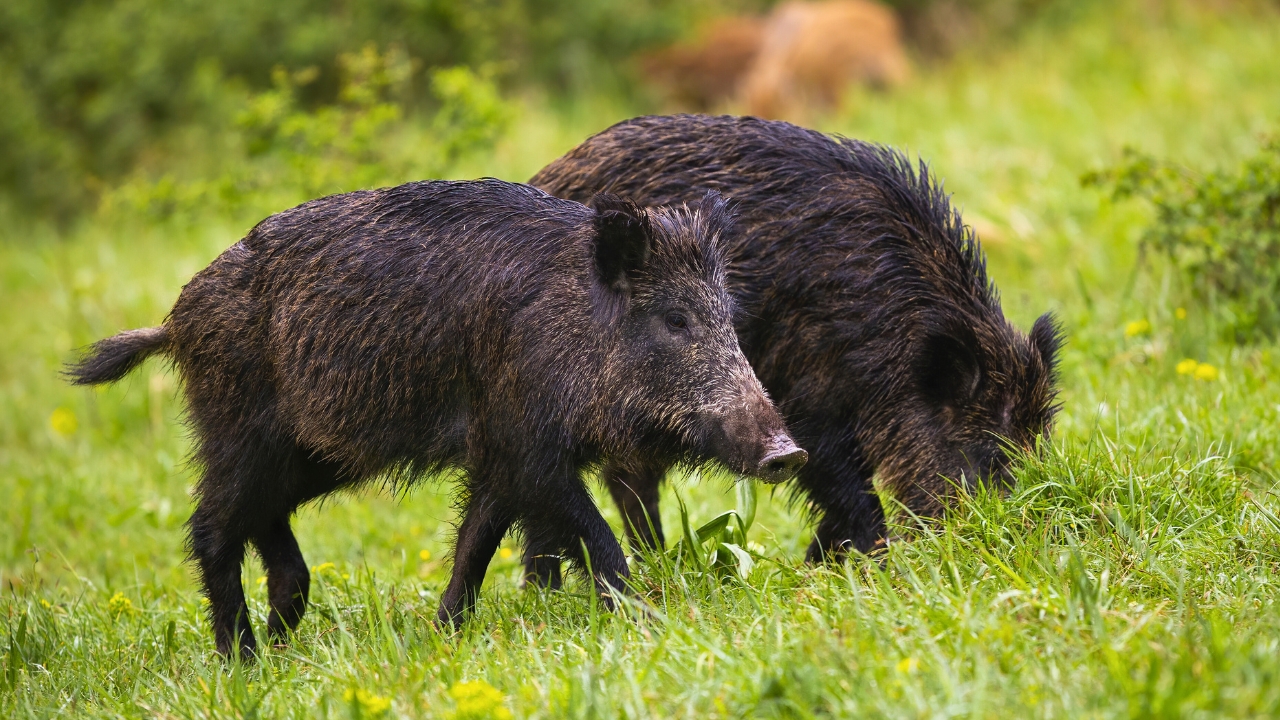
Feral hogs aren’t just a nuisance—they’re dangerous. A big boar has the strength and attitude to do real damage, especially if it feels cornered or wounded. Their tusks are razor-sharp and can slice through flesh and muscle.
Most problems come after a bad shot or when you’re tracking in thick brush. They can circle back fast and low, giving you almost no time to react. Always listen close after a shot and be ready with a follow-up if you’re going after hogs.
Mountain Lions

Mountain lions are silent, fast, and deadly. You might never know one’s been tracking you until it’s already close. They typically avoid people, but a hungry or threatened cat can absolutely attack.
They’ll go for the neck and won’t give you a second chance. If you’re hunting in cougar territory, stay alert. Make noise, don’t hike solo if you can avoid it, and carry a sidearm. You won’t outrun one if it decides you’re a target.
Moose

People don’t usually think of moose as deadly—but they should. A full-grown moose is massive and doesn’t scare easy. During the rut or when they’ve got calves around, they’ll charge with zero hesitation.
Unlike deer, they’re not likely to run from you. If they’re mad, they come in fast and hard. Getting stomped by a moose isn’t something you walk away from. Keep your distance and give them room to move off.
Rattlesnakes

Rattlers are more common than you think, especially early in the season when it’s still warm. Step too close, and you’ll know fast. One bite can ruin your season—or worse, your life—if you don’t get help quick.
They blend into leaves and brush, making them easy to miss. Wear snake boots, watch where you step, and never reach blindly into cover. Most bites happen when someone thinks the coast is clear but doesn’t double-check.
Wolves
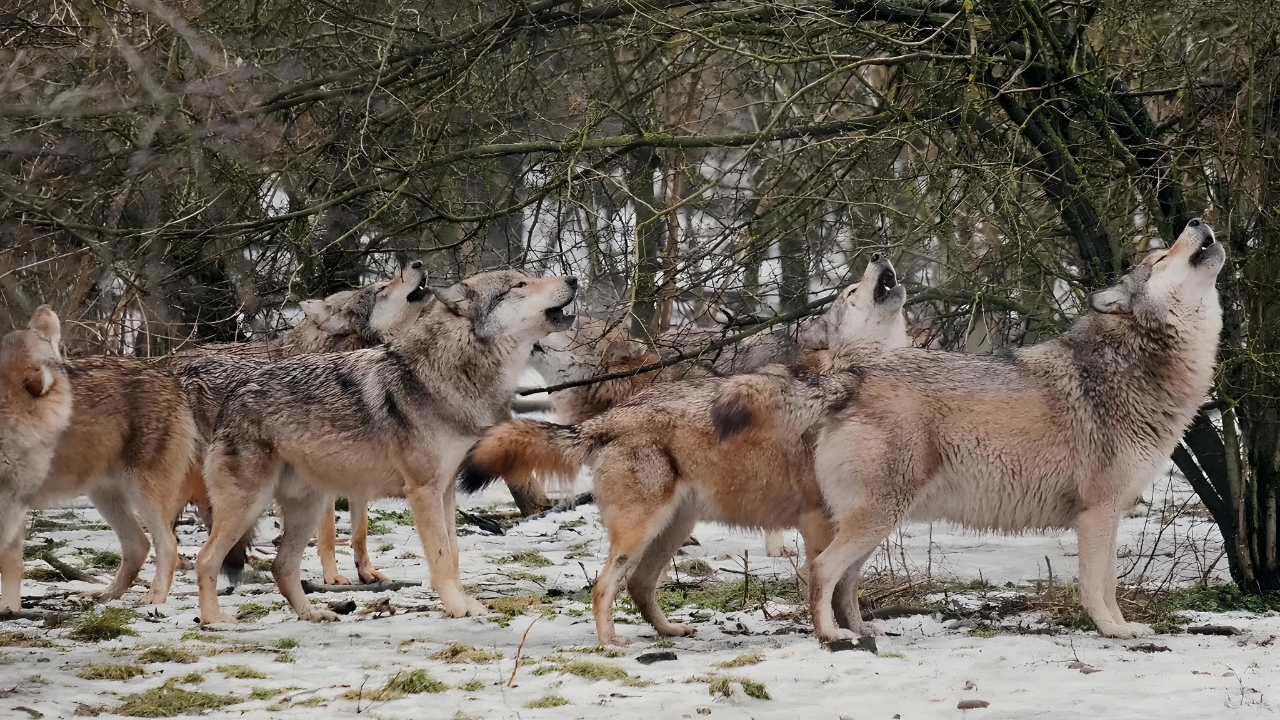
Wolves usually keep their distance, but that doesn’t mean they’re harmless. If they feel like you’re threatening the pack—or if food is scarce—they’ll push in closer than you’d expect.
You won’t hear them coming either. They’re smart, coordinated, and fast. If you’re hunting in areas where wolf populations are rising, stay aware. One lone howl might be the only warning you get before more show up.
Alligators

In southern swamp country, alligators are a real threat—especially near water’s edge during duck or hog hunts. They’re fast in short bursts and can come out of nowhere when you least expect it.
They’ve been known to snatch dogs, gear, and even people who get too close. If you’re hunting wetland areas, always assume a gator’s nearby. Watch your footing, don’t let your guard down near the water, and keep your dog leashed.
Bees and Wasps

Doesn’t sound deadly at first, but if you’re allergic—or step into a big nest—you’re in trouble. Stings from aggressive species like yellowjackets or Africanized bees can overwhelm your system in minutes.
Tree stands, ground blinds, and rotted logs are prime spots for nests. Always check your gear before use and scan your surroundings. Carry an EpiPen if you have a known allergy, and don’t brush off a few stings like they’re no big deal. Swarms are serious.
Elk

Elk don’t seem dangerous until you’re too close during the rut. A worked-up bull can be territorial and flat-out mean if he thinks you’re a threat or another rival. They’ll charge, and their antlers aren’t just for show.
Hunters tracking wounded elk are most at risk. If you’re closing in on one, approach slow and be prepared for it to come at you. A charging elk can cause broken bones, internal injuries, or worse.
Bison

If you’re ever lucky enough to hunt near bison or cross paths with one, keep your distance. These animals are massive—up to 2,000 pounds—and can move surprisingly fast for their size.
They’re unpredictable, especially if they feel boxed in or surprised. One wrong move and they’ll flatten you like a rag doll. Even on public land where you’re not hunting them, don’t treat bison like slow-moving cows. They’re wild and they’ll remind you of it.
*This article was developed with AI-powered tools and has been carefully reviewed by our editors.