Photo credit: MADMAN REVIEW/YouTube
A hard-kicking caliber can be a good trade when you truly need the extra reach, energy, or penetration. The problem is how often people choose recoil first, then try to invent a reason for it later. If most of your shots happen inside normal hunting distances, or you’re shooting from awkward field positions, recoil and muzzle blast start costing you more than the cartridge gives back.
These rounds tend to punish you with noise, shove, and flinch potential while offering gains that only matter in narrower situations—long-range steel, big-bodied game at extended distance, or specialized hunts. If you’re not living in those lanes, you’re often better served by a calmer cartridge that lets you shoot tighter groups and place bullets exactly where they belong.
.300 Winchester Magnum

The .300 Winchester Magnum earns its reputation, but it’s also a classic example of recoil that many hunters don’t cash in. It hits harder than a .30-06 and carries energy well, but those advantages show up most when you’re stretching distance or stepping up in animal size. If you’re hunting whitetails in timber or taking normal shots across fields, the payoff shrinks fast.
What you feel instead is blast and shove that can make practice sessions shorter and field shots less steady. Ammo is also pricier, which often means less trigger time. If your real-world shots live inside 250 yards, a milder cartridge will usually help you shoot faster, tighter, and with more confidence, and that matters more than paper energy.
.300 Weatherby Magnum

The .300 Weatherby Magnum is a speed-first .30 caliber that delivers real velocity, but it demands payment every time you press the trigger. In the field, the practical gain over .300 Win Mag is often smaller than people expect, especially with modern bullets that make standard magnums perform extremely well at typical hunting distances.
What you get for the extra recoil and muzzle blast is an edge that mainly shows up at longer ranges, and even then it’s an edge you only keep if you shoot it well. The Weatherby also encourages a lot of shooters to practice less because the rifle is loud and the ammo can be expensive. If your hunts don’t routinely push long shots, the recoil often costs more accuracy than the extra speed ever returns.
.300 PRC

The .300 PRC was built with long-range performance in mind, and it does that job well. The issue is that many people buy it for everyday hunting and never use what makes it special. If you’re not shooting heavy-for-caliber bullets at distance, you’re carrying a cartridge designed for a problem you don’t actually have.
Recoil is real, rifles tend to be heavier, and ammo costs usually keep practice volume down. For most hunters taking shots inside normal ranges, the terminal results won’t look meaningfully different than what you’d get from a milder .30 caliber choice that you can shoot better. The PRC gives back plenty when you’re living past 500 yards. Outside that lane, you’re often eating recoil for bragging rights.
.300 Remington Ultra Magnum

The .300 Remington Ultra Magnum is built to chase velocity, and it absolutely delivers it. The catch is that the jump from common magnums to the Ultra Mag comes with a sharp increase in recoil and blast, plus real costs in barrel wear and ammo expense. It’s a cartridge that makes sense for a narrow slice of shooters.
If you’re hunting elk or deer at typical distances, the practical advantage over .300 Win Mag is often smaller than the punishment suggests. You can end up carrying extra recoil that makes follow-up shots slower and field accuracy harder to hold onto. It also has a way of turning range days into endurance tests. If your goal is clean kills and repeatable hits, you often get more “back” by choosing a cartridge you’ll practice with more often.
.30-378 Weatherby Magnum

The .30-378 Weatherby Magnum is one of those rounds that looks impressive on paper and feels aggressive behind the trigger. It pushes .30 caliber bullets extremely fast, but it does it with heavy recoil, serious muzzle blast, and a reputation for short barrel life compared to milder choices. It’s the definition of overbore.
For most hunters, the extra speed doesn’t translate into a meaningful field advantage. You’re still dealing with wind, range estimation, and shot placement, and those factors don’t get easier when the rifle is loud and punishing. The cartridge makes sense for a specialized long-range setup where you’re committed to it. Outside that, it often turns into an expensive way to shoot less and flinch more.
.338 Winchester Magnum
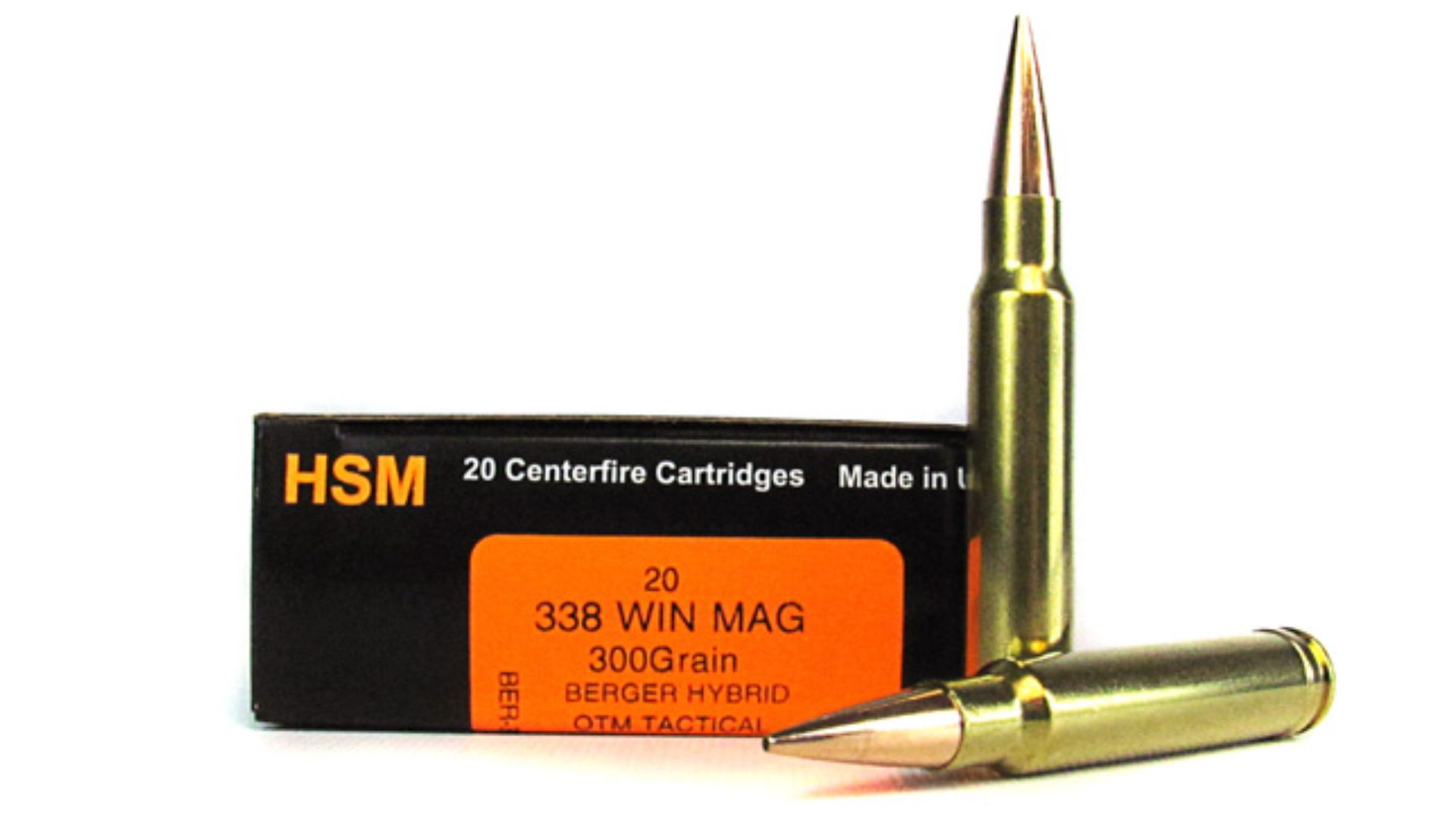
The .338 Winchester Magnum is a legitimate heavy hitter for big game, but it’s also a round many people choose when they don’t need it. On elk, moose, and big bears, it brings deep penetration and strong terminal performance. On deer-sized game at ordinary distances, the benefit over milder cartridges is usually limited.
What you feel is recoil that can be rough in lighter rifles and a muzzle blast that makes long practice sessions harder to stick with. The .338 also tends to make shooters rush fundamentals, especially from field positions where recoil anticipation shows up fast. If your hunting is mostly deer and you’re not consistently facing steep angles, heavy bone, or long distance, you can get cleaner real-world results with a cartridge you shoot more confidently.
.338 Lapua Magnum
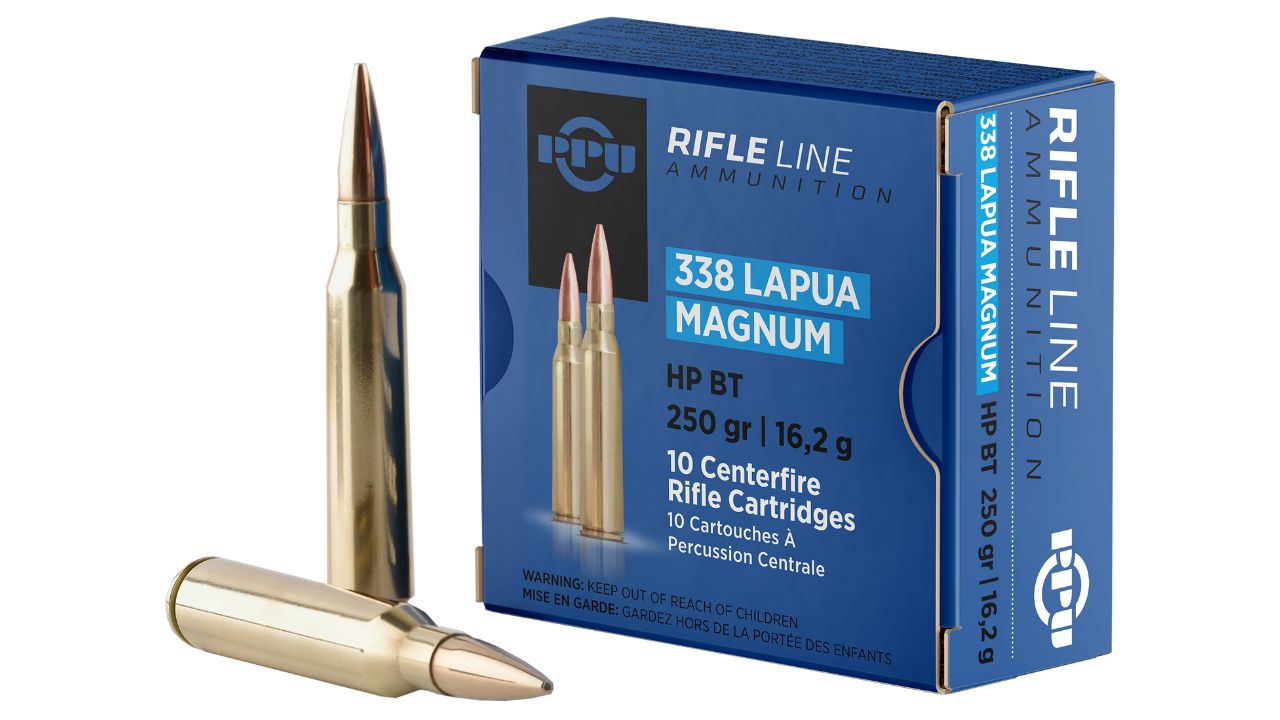
The .338 Lapua Magnum is built for long-range work, and it excels there with heavy bullets and strong ballistics. The problem is that it’s often purchased by people who aren’t living in that world. Recoil is stout, rifles are heavy, and ammo costs can make regular practice feel painful. It’s a cartridge that demands commitment.
In hunting contexts, the Lapua can be more cartridge than you can realistically use. It brings power and reach, but it also brings blast and weight that don’t help you climb ridges or shoot from awkward positions. If you’re not shooting long-range steel often, you’re carrying a setup designed for a mission you aren’t running. The Lapua gives back a lot in its lane, but outside it, you pay heavily for little practical gain.
.375 H&H Magnum
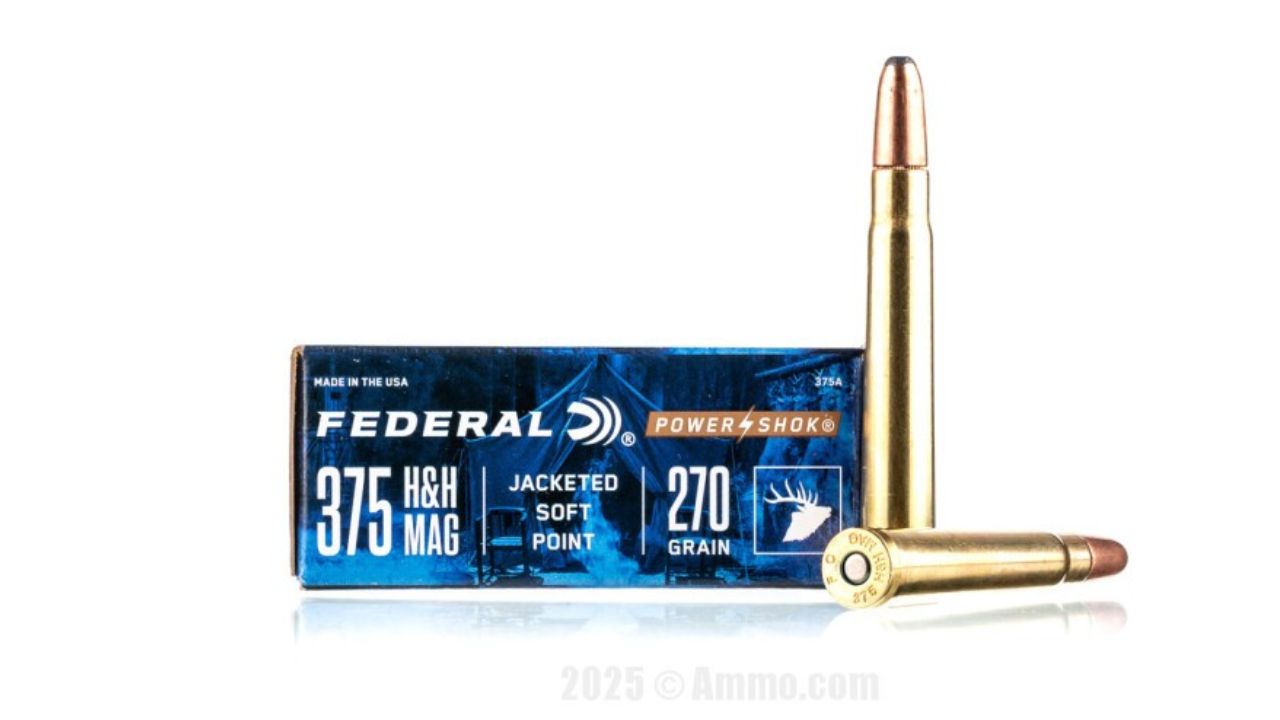
The .375 H&H Magnum has a legendary reputation because it works, and it’s one of the most proven dangerous-game cartridges ever carried. The issue is that most hunters in North America don’t need anything close to it. If your biggest concern is deer, elk, or moose inside typical ranges, you’re taking on a lot of recoil for a result you won’t truly use.
The .375’s recoil and muzzle blast can make practice a chore, and practice is what keeps your shooting honest under pressure. It’s also a cartridge that shines with heavy bullets and deep penetration—great traits when you actually need them. If you don’t, the extra power can become wasted horsepower. When you pick a .375 for ordinary hunting, you’re often paying in comfort and accuracy without gaining anything meaningful in the field.
.458 Winchester Magnum
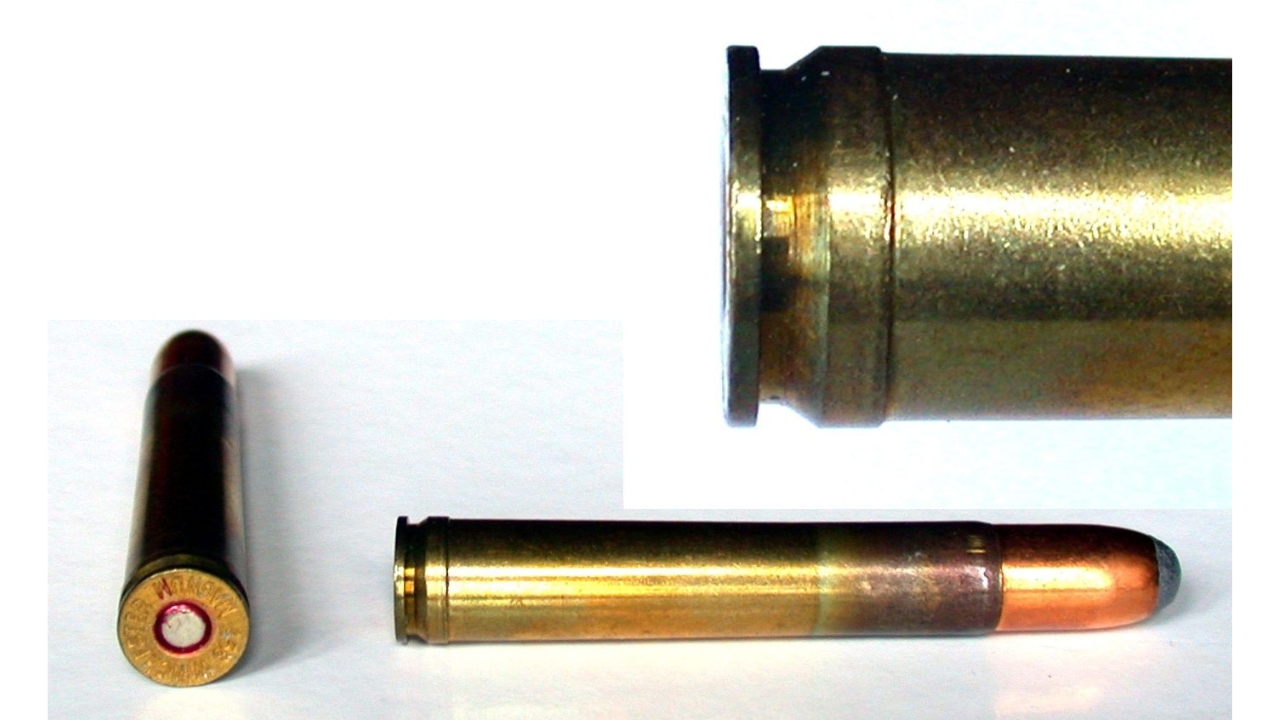
The .458 Winchester Magnum is designed for close-range stopping power on dangerous animals, and it does that job when loaded correctly and used as intended. Outside that narrow use, it’s a recoil monster with limited upside. Most shooters won’t practice enough with it to be truly confident, and confidence matters more than raw energy when things get real.
For typical hunting, you’re dealing with a rainbow trajectory, heavy recoil, and a blast that can make even a few rounds feel like work. The cartridge gives back a lot in the exact scenario it was built for—big, angry animals at close distance. If you’re not planning for that, it’s hard to justify the punishment. For most hunts, it’s extra recoil with little practical return.
.416 Rigby
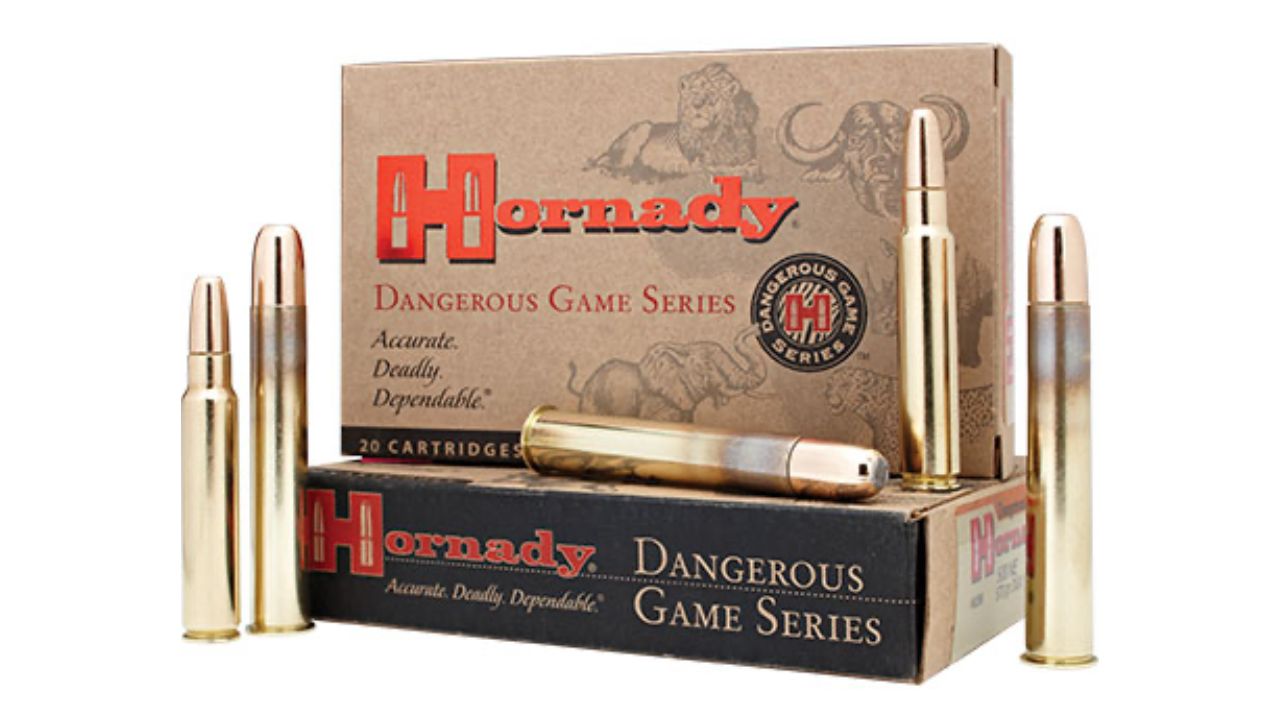
The .416 Rigby is another dangerous-game classic with real pedigree. It’s respected because it can drive heavy bullets deep and handle thick-skinned animals where penetration matters most. The trade is heavy recoil, heavy rifles, and a cartridge that’s expensive enough to discourage the kind of practice that builds true familiarity.
On normal game, the Rigby’s benefits don’t show up in a way you can easily measure at camp. You’re still placing a bullet through lungs and heart, and that job can be done with far less recoil and far more comfort. The .416 gives back plenty in Africa or in true dangerous-animal contexts. If your hunts don’t live there, the return on recoil is poor, and you’re making your shooting harder than it needs to be.
7mm Remington Ultra Magnum
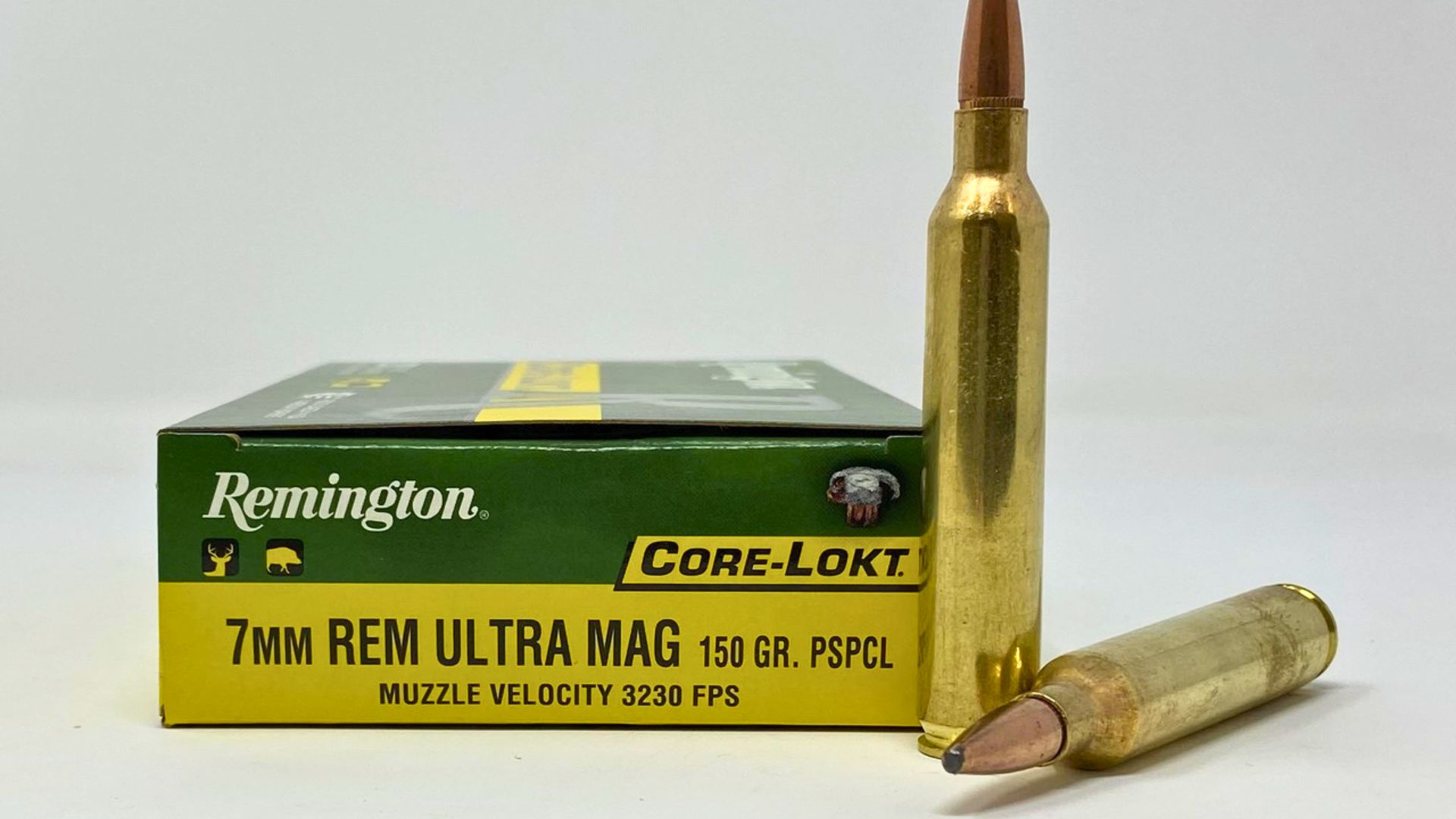
The 7mm Remington Ultra Magnum is another velocity chaser. It can shoot flat and carry energy, but it does it with recoil and blast that often exceed what most hunters are willing to practice with consistently. The gain over 7mm Rem Mag or other mainstream 7mm choices is real, but it’s rarely decisive at normal hunting distances.
You also have to factor in barrel life and ammo availability. Overbore 7mms can be hard on throats, and that matters if you shoot enough to stay sharp. A cartridge that encourages fewer range trips doesn’t help you in the field. The Ultra Magnum gives back its advantage when you’re stretching distance and truly using the speed. If you’re not, you’re absorbing recoil for marginal real-world improvement.
7mm STW

The 7mm Shooting Times Westerner has been around long enough to prove it can perform, but it also proves how easy it is to chase speed past the point of practical return. It pushes 7mm bullets fast, and that can flatten trajectories, but it brings sharp recoil, big muzzle blast, and the downsides that come with an overbore design.
For many hunters, the difference between the STW and more common 7mm options won’t matter at field distances, especially with modern rangefinders and better bullets. What will matter is how confidently you shoot the rifle when you’re winded, cold, and shooting off a pack. If recoil makes you tense up, you’ll give back more accuracy than the cartridge ever adds. The STW can be excellent, but it often punishes people who don’t truly need it.
.28 Nosler

The .28 Nosler is popular because it looks like a cheat code: high speed, flat trajectory, and serious downrange numbers. The catch is that it’s another overbore round that asks for recoil, blast, and barrel wear in exchange for performance many hunters won’t use fully. At typical distances, the practical gap between it and more moderate choices narrows quickly.
If you’re not shooting far and practicing often, you can end up with a cartridge that makes you shoot worse, not better. The .28 Nosler shines when you’re stretching the limits with good dope, real wind calls, and a rifle you know deeply. If your hunts are mostly inside standard ranges, the recoil and expense can reduce practice volume, and that costs you more than the flat trajectory helps you.
.26 Nosler
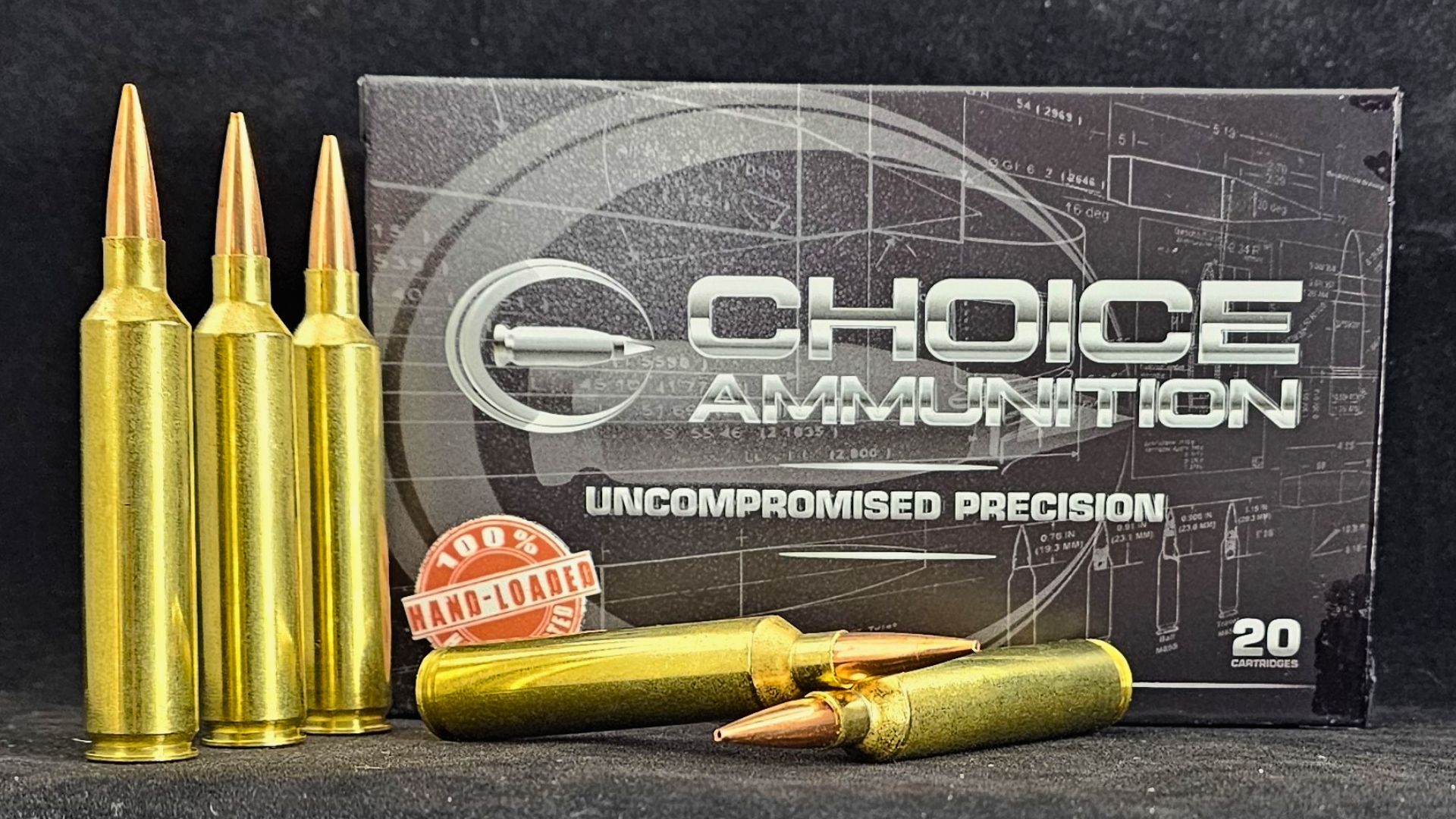
The .26 Nosler is another high-velocity round that looks great in charts. It can shoot extremely flat and carry speed, but it does it with an overbore design that tends to be hard on barrels. Recoil isn’t as brutal as the big .30s, but the blast and the overall “aggressive” feel can still make it less pleasant than calmer cartridges in the same hunting role.
The bigger issue is return on investment. Many hunters won’t see a practical difference in the field compared to more common 6.5 or .270-class options, especially when shots stay inside ordinary distances. You’ll often pay more for ammo and reloading components, which can quietly cut practice time. The .26 gives back performance when you’re truly stretching range. If you’re not living there, it can feel like paying extra for speed you don’t end up using.
.45-70 Government (heavy loads)

The .45-70 Government is a classic, but heavy modern loads in strong rifles can kick far harder than people expect. In lighter lever guns, that recoil can feel abrupt, and it can punish you fast during practice. The cartridge does excellent work inside its lane, but it’s easy to end up carrying recoil that doesn’t translate into better outcomes for common deer hunting.
Trajectory is the reality check. Past moderate distance, you’re dealing with more drop and more need for precise range estimation. If you’re not hunting thick cover or using it for big animals at close range, the payoff shrinks. The heavy recoil can also slow your follow-up shots and make field-position accuracy harder. The .45-70 gives back a lot when you use it for what it’s good at. Outside that, it can feel like recoil without enough return.
.450 Marlin
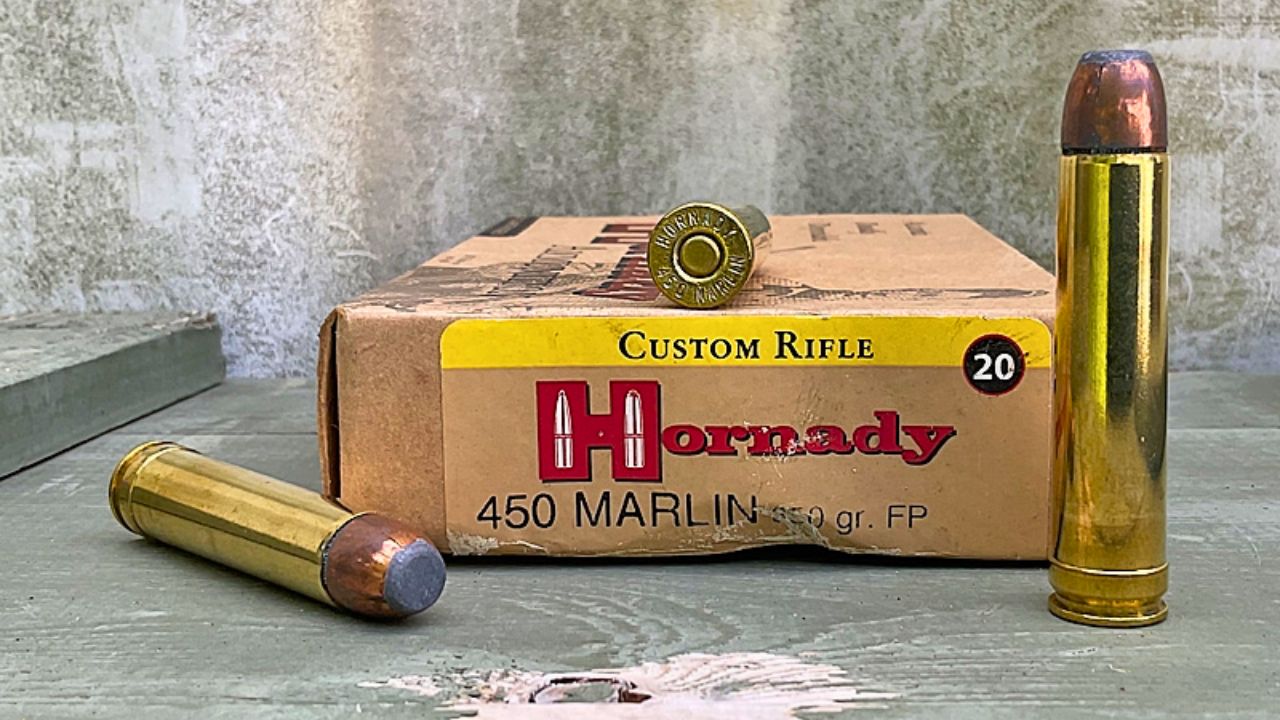
The .450 Marlin lives in the same neighborhood as stout .45-70 performance, and it can feel brutal in lighter rifles. It brings strong close-range power and deep penetration potential, which can be valuable in thick cover or on bigger animals. The issue is how often it’s chosen for routine deer hunting where those traits aren’t truly needed.
Recoil and blast can cut your practice time, and short practice time shows up in the field when you’re trying to shoot well from odd angles or fast opportunities. You also run into the practical reality of ammo availability and cost compared to more common hunting cartridges. The .450 Marlin can be a great tool when you need that heavy, close-range hit. If you don’t, you’re often buying recoil and getting little back beyond a harder shooting experience.
.325 WSM
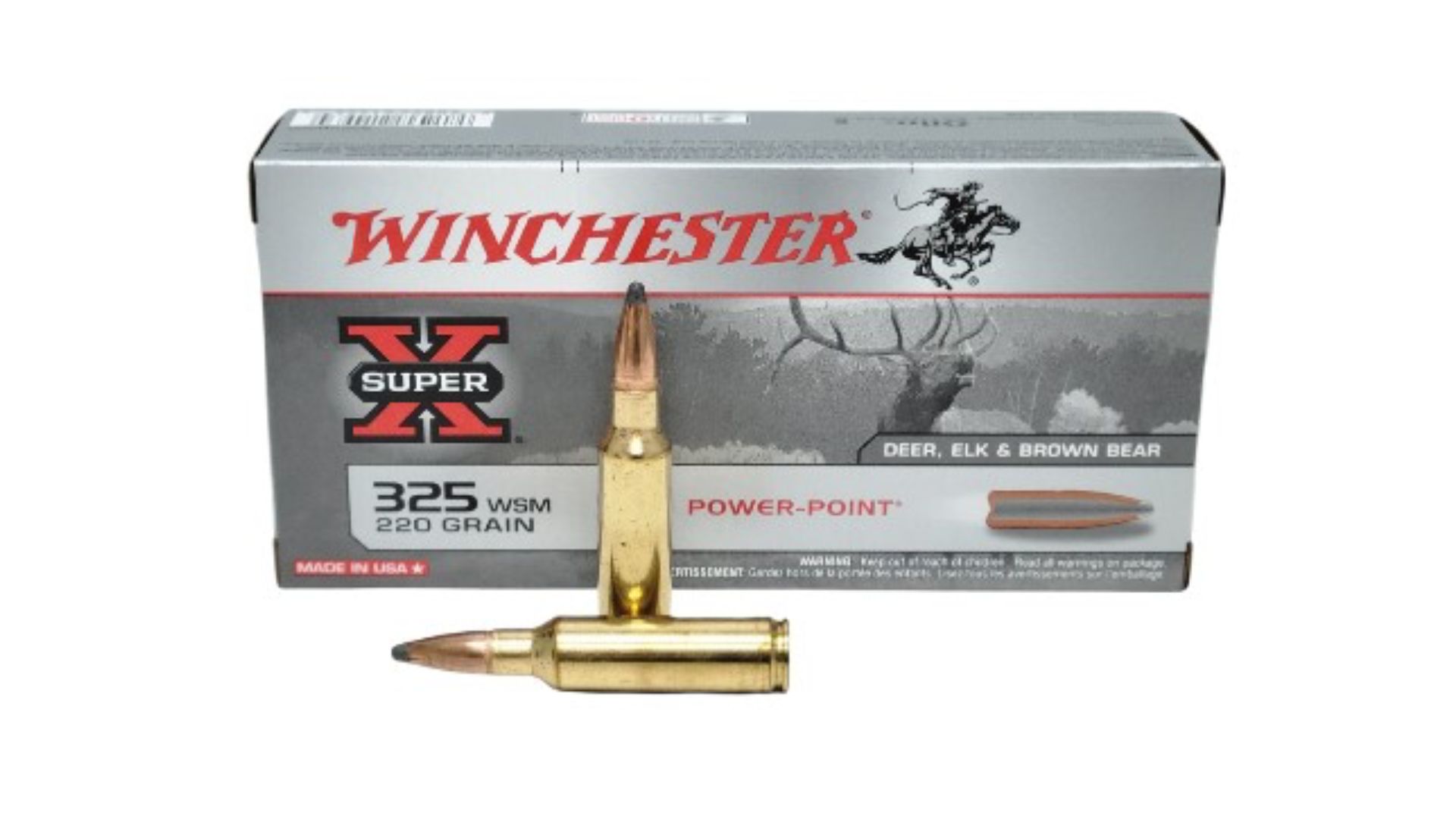
The .325 WSM is an effective cartridge with real capability, but it also has a “why did I pick this?” problem for many hunters. It recoils like a magnum, and it hits hard, yet the practical advantage over more common .30 and .33-caliber options can be modest for typical hunting distances. A lot of shooters end up carrying extra recoil without seeing a meaningful field difference.
The other issue is support. Ammo and component availability isn’t as friendly as mainstream cartridges, which can quietly reduce how much you shoot it. Less practice makes recoil feel worse and accuracy harder to maintain. The .325 WSM gives back a solid blend of power and short-action packaging, but for many hunters it’s an awkward middle ground. If you’re not committed to the niche, you may end up paying in recoil for limited real-world benefit.
Like The Avid Outdoorsman’s content? Subscribe to our newsletter so you never miss an article.
Here’s more from us: