Photo credit: IUBR Arsenal/YouTube
We’ve all been there—hearing the buzz about a gun that’s supposed to be a game-changer, only to find out it’s not all it’s cracked up to be. Some firearms earn a reputation that seems impossible to live up to, whether it’s because of a movie cameo, a military connection, or just good marketing. But when you get past the hype, the reality can be a little disappointing.
This isn’t about saying these guns are bad—they all have their place. It’s about pointing out where expectations and reality don’t quite match. Whether it’s performance, reliability, or practicality, some firearms just don’t deliver what their reputation promises. Let’s take a closer look at the ones that miss the mark.
HK MP7

The HK MP7 has an aura of exclusivity that makes it highly sought after, but when you strip away the hype, it’s hard to justify its appeal. The 4.6mm round it uses is often criticized for lacking sufficient stopping power, leaving many to question its real-world effectiveness. Sure, it’s compact and fun to shoot, but that doesn’t make it a practical option for most gun owners.
The MP7’s sky-high price and limited availability only add to its mystique, but they don’t improve its performance. Much of its reputation stems from appearances in movies and games rather than actual performance. For the average shooter, it’s more of a collector’s item than a practical firearm.
Sig P320

The Sig P320 made waves with its modularity and adoption by the U.S. military, but its track record hasn’t been spotless. Reliability issues have been a recurring complaint, and the high bore axis can make it harder to shoot consistently, especially for newer shooters. While the modular design is a cool feature, it doesn’t mean much if the gun doesn’t perform when it matters.
Then there’s the elephant in the room: concerns about accidental discharges from drop fires. Despite updates to address this, the P320 still carries a bit of baggage. With so many reliable handguns on the market, the P320’s reputation feels a bit inflated. It’s not a bad gun, but it’s not the game-changer it’s often made out to be.
FN SCAR

The FN SCAR has earned a lot of attention for its tactical appeal and use by special forces, but for most civilians, it doesn’t live up to the hype. With a price tag hovering around $4,000, you’d expect a rifle that delivers flawless performance, but that’s not always the case. The heavy trigger and somewhat clunky stock make it less user-friendly than you’d think.
When you consider the alternatives—rifles that offer comparable reliability and features at a fraction of the price—the SCAR starts to feel more like a luxury item than a practical firearm. It’s a cool piece of hardware, no doubt, but in the civilian market, it’s hard to justify the cost for what you’re getting.
Glock Pistols

Glocks are everywhere, and there’s a good reason for that—they’re reliable, simple, and easy to maintain. But let’s be honest, their reputation as the ultimate handgun feels a bit overblown these days. The basic design hasn’t changed much in decades, and while “if it ain’t broke, don’t fix it” works to an extent, newer handguns have raised the bar with better triggers, ergonomics, and features, often at a lower cost.
The stock sights and heavy trigger pull are common complaints, especially for anyone used to more modern options. While Glocks deserve credit for revolutionizing polymer-framed pistols, their continued dominance in the market often feels more like a legacy thing than a performance one. They’re good, sure, but are they still the best? That’s up for debate.
FN PS90

The FN PS90 is definitely eye-catching, with its sleek, sci-fi looks and ties to military and law enforcement. But when you get past the aesthetic, it’s hard to justify the $2,000 price tag. The 5.7x28mm cartridge it uses doesn’t deliver the punch most people expect, especially when compared to more traditional calibers like 9mm or .223.
Then there’s the usability. The high bore axis and unconventional magazine setup can feel awkward, even for experienced shooters. While it might be a fun range toy or collector’s piece, the PS90 struggles to live up to the hype when it comes to practicality or effectiveness in real-world scenarios.
Desert Eagle

The Desert Eagle is the poster child for Hollywood firepower, but in real life, it’s more of a novelty than a workhorse. Sure, it fires monster calibers like .50 AE, but the trade-offs are significant. It’s heavy, unwieldy, and comes with a small magazine capacity, which limits its practicality for anything beyond recreational shooting.
Reliability can also be hit or miss, especially compared to simpler, more proven designs. And let’s not forget the price of ammunition—it’s not cheap to keep this beast fed. While the Desert Eagle scores points for style, its cumbersome size and questionable performance make it more of a conversation piece than a serious firearm.
Pump-Action Shotguns

Pump-action shotguns like the Remington 870 get a lot of love for their versatility and affordability, but they’re not the perfect solution everyone claims they are. Sure, they’re reliable and lethal, but the recoil can be a real hurdle, especially for new shooters. If you’re not comfortable handling one, you’re less likely to practice, which undermines its potential as a home-defense tool.
Then there’s the issue of size and weight. Navigating tight spaces with a long shotgun barrel can feel like trying to parallel park a bus. Add in the possibility of short-stroking the pump under stress, and you start to see why these aren’t as foolproof as people think. They’re solid tools, but the hype sometimes overshadows the practical limitations.
Big Bore Revolvers

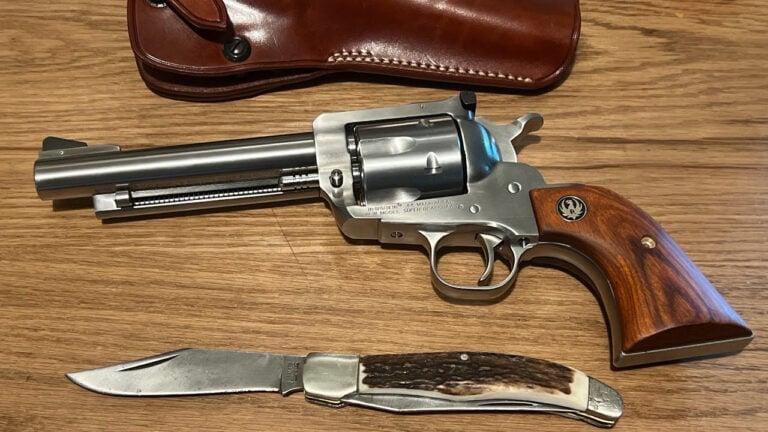
Big bore revolvers like the Smith & Wesson 500 bring serious stopping power to the table, but that’s not the whole story. These guns are heavy, unwieldy, and pack a recoil that’s more of a punishment than a thrill for most shooters. If you don’t train consistently—and let’s be honest, most people don’t—you’re not going to get the full benefit of these beasts.
The limited ammo capacity is another drawback. With only five or six rounds, you better make each shot count. And don’t even think about carrying one every day unless you’re okay with feeling like you’ve strapped a brick to your belt. They have their place, but for most gun owners, the practicality doesn’t live up to the hype.
HK USP

The HK USP has earned its stripes as a durable, military-tested handgun, but it’s starting to feel its age. Sure, it’s reliable, but when you stack it against today’s options, it doesn’t quite hold up. At around $990 MSRP, it’s a tough sell when pistols like the Glock or M&P offer similar performance for much less. You’re paying a premium for a name that might not deliver the value it once did.
The real letdown is the ergonomics. The trigger is rough, and the reset feels like it takes forever, slowing you down when it counts. While it’s accurate if you’re willing to work with it, modern shooters often look for more comfort and features. The USP might have been top-tier in its heyday, but now, it’s more of a relic than a must-have.
Thompson Submachine Gun

The Thompson has style, no doubt about it. It’s the kind of gun you’ve seen in every mob movie and war documentary, making it a collector’s dream. But as much as it looks the part, it doesn’t perform up to today’s standards. Weighing in at over 10 pounds when fully loaded, it’s a beast to carry around, let alone use effectively.
Its iconic drum magazine is more trouble than it’s worth, prone to jams and awkward reloads. And while it was a powerhouse in close-quarters combat back in the day, modern submachine guns like the MP5 blow it out of the water in terms of reliability and ease of use. The Thompson is a great piece of history, but if you’re looking for practicality, this one’s better left as a display piece.