Photo credit: hippo939/YouTube
A lot of guns looked too expensive right up until the market caught up with them. That is usually how it goes. A rifle or pistol sits on the rack with a price tag that feels a little too proud for what it is, and most buyers talk themselves into waiting. Maybe they tell themselves a better deal will show up. Maybe they assume the model will stay in production forever. Maybe they simply cannot imagine that the same gun will look downright generous a few years later.
Then the market shifts and suddenly that old sticker does not look high at all. It looks like a gift somebody left on the counter and you were too cautious to take. These are the guns that once felt a little too rich for the moment and now make former shoppers wish they had bought first and worried about the money later.
SIG Sauer P210 Target

There was a time when the P210 Target seemed like one of those pistols you admired more than seriously considered. It was clearly well made, clearly accurate, and clearly priced for buyers who were willing to spend real money on a 9mm range gun. A lot of shooters looked at the tag and decided they could live without that level of refinement. At the time, that felt sensible.
Now it feels a lot less sensible. Once people started paying more attention to premium steel-frame pistols again, the P210 stopped looking like a luxury that could wait and started looking like one of those guns you should have grabbed before the rest of the market got serious. It always cost money, but there was a window when it cost less money than the experience probably deserved.
Browning BAR Safari Grade
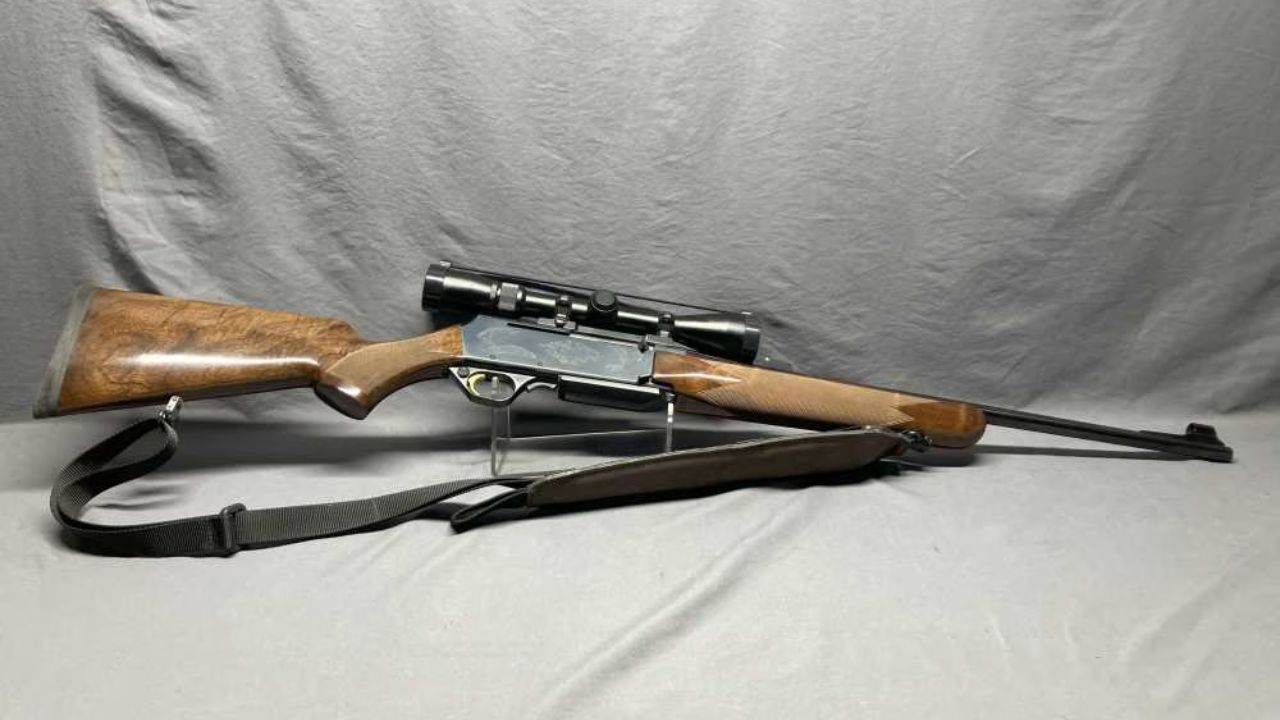
The BAR Safari Grade always carried a price tag that made practical deer hunters hesitate. It was handsome, smooth, and backed by Browning appeal, but plenty of buyers still looked at it and decided a cheaper bolt gun would do the same job. Back then, paying that much for a semi-auto hunting rifle felt indulgent to a lot of people, especially if the wood was nice enough to make you nervous in the field.
That old hesitation looks pretty weak today. The Safari Grade sits in a lane that many rifles do not even try to occupy anymore, and clean examples have a way of reminding buyers that quality wood, polished metal, and proven field performance were never actually cheap. They only looked expensive before the rest of the market got even harder to stomach.
Colt Gold Cup Trophy

The Gold Cup Trophy used to feel like the kind of 1911 you bought only after you had already bought all the sensible guns. It had pedigree, sure, but it also had a price tag that made plenty of buyers step back and convince themselves that another 1911 would scratch the itch just fine. For years, that was an easy argument to make.
It is a lot harder to make now. Once better Colts started feeling less common and more people started chasing higher-end factory 1911s with real name value, the Gold Cup began looking a lot more reasonable in hindsight. What once felt like an overpriced indulgence now feels like one of those pistols that was quietly underpriced for what it brought to the table.
Ruger No. 1 International
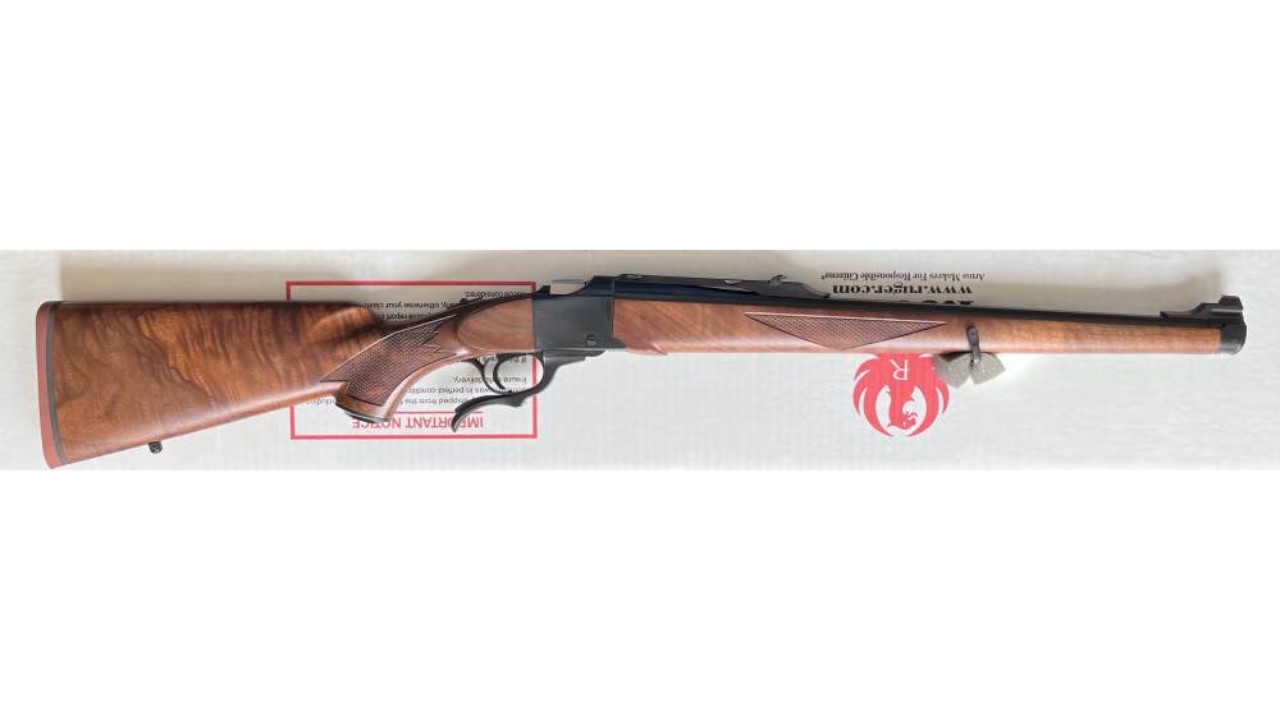
The Ruger No. 1 International had a way of making buyers pause because it was never the practical answer. It was elegant, compact, and undeniably appealing, but it also cost more than rifles that held more rounds and asked for fewer compromises. A lot of hunters admired it, handled it, and then put it back because the tag felt too ambitious for a single-shot with that much style built into it.
That decision hurts more once the rifle is not sitting there anymore. The International had a personality many modern rifles simply do not bother with, and once people started appreciating that more, the old prices stopped looking inflated. They started looking like the kind of deal you only recognize after the shelves empty and the good examples get harder to touch.
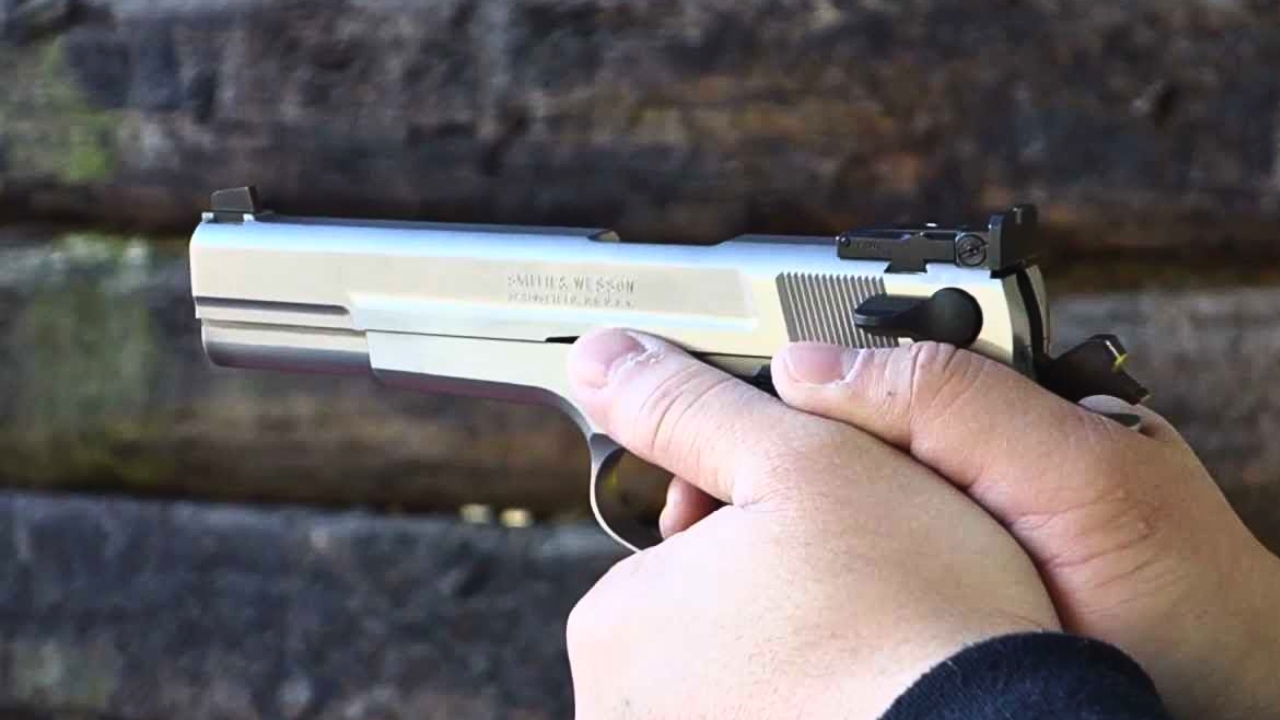
Smith & Wesson 952
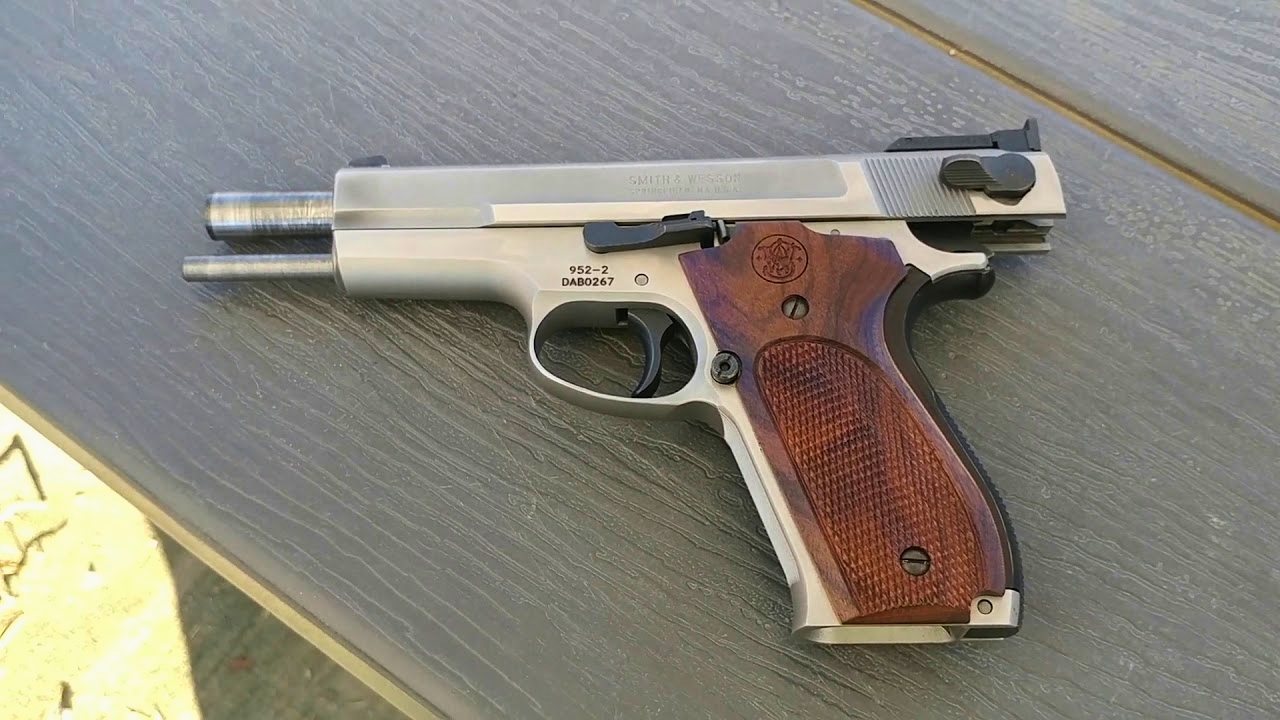
The 952 always looked expensive in the way serious target pistols tend to look expensive. It was specialized, beautifully finished, and priced high enough that a lot of buyers figured it belonged to somebody else’s budget. Even shooters who appreciated it often talked themselves out of it by pointing to more versatile pistols that cost far less.
Now that logic feels thin. The 952 lives in a category that has only gotten pricier and harder to buy into with any style. It was never cheap, but it represented a level of fit, precision, and old-school refinement that looks a lot better in hindsight than it did on the original tag. What once seemed like too much now feels like the sort of price people would rush to pay if they found one sitting clean in a case.
Winchester Model 9422 XTR
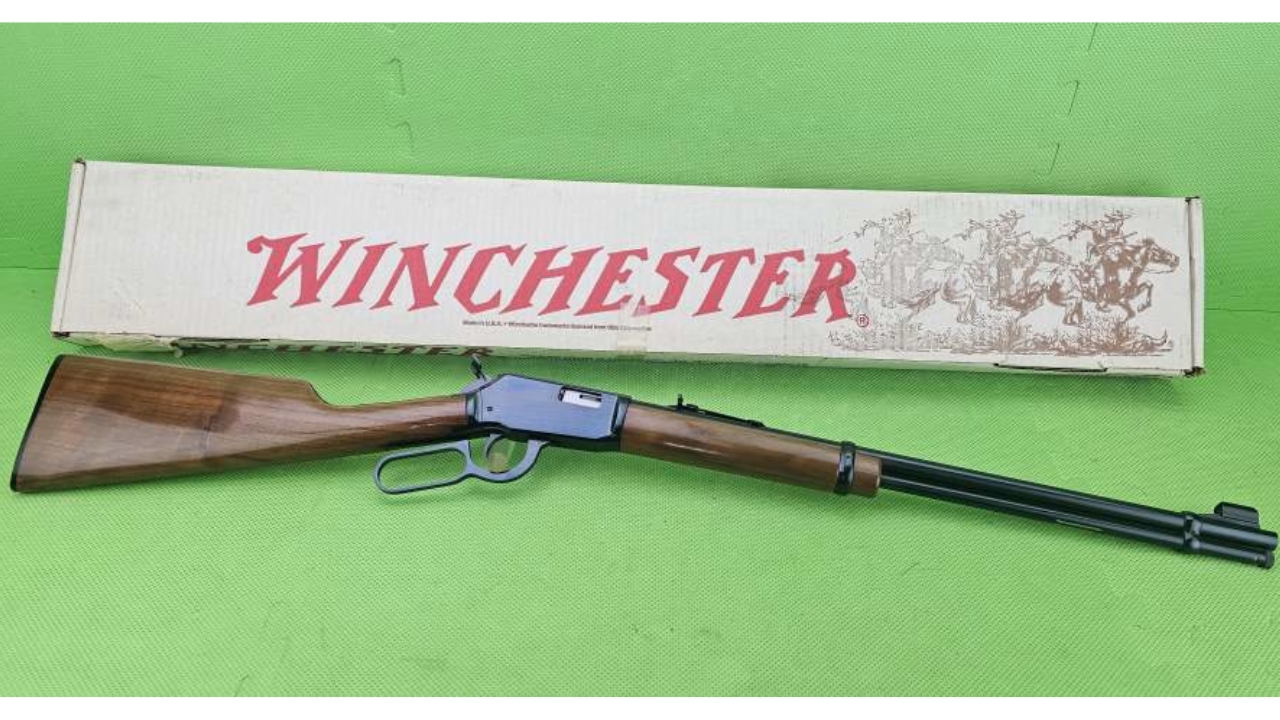
The 9422 XTR used to strike some buyers as an awfully expensive .22 lever gun. That was the whole problem. A rimfire, no matter how nicely finished, was still a rimfire in the minds of many shoppers, and the extra polish and walnut did not always feel worth the jump in price. Plenty of people appreciated the rifle and still walked away because they thought paying that much for a .22 was getting carried away.
That old thinking has aged badly. The 9422 XTR represents the kind of rimfire quality people miss once it is gone, and the rifles now tend to make those old price tags look almost charitable. Buyers once saw an overpriced plinker. What they were really looking at was a high-quality lever-action rimfire that would not stay easy to replace.
HK USP Compact

The USP Compact was never a bargain gun, and that alone pushed a lot of buyers toward cheaper options that seemed close enough. At the time, it was easy to question whether the HK name and the pistol’s reputation really justified the extra money. Plenty of shooters respected the gun, but respect and purchase are not the same thing when the tag feels a little too high.
Years later, the picture looks different. The USP Compact has held up, kept its following, and stayed desirable in a way many supposedly equal substitutes did not. That makes the earlier pricing feel a lot less aggressive than it once did. For many buyers, it now reads like the kind of cost that only seemed steep before everything else either got more expensive or stopped feeling as solid.
Marlin 1895 Guide Gun

The Guide Gun used to make some buyers hesitate because lever actions were not always commanding the kind of money they do now. Paying that much for a short .45-70 felt like a niche move, especially to people who thought of lever guns as fun rifles rather than something they needed to prioritize. Back then, it was easy to admire the rifle and decide to come back later.
That later got ugly. Once demand for practical lever guns exploded and Marlin’s production story got more complicated, the old Guide Gun prices stopped looking ambitious and started looking downright generous. It had always offered utility, portability, and serious field credibility. The market simply needed time to remind people that those things were worth more than many had wanted to admit.
Beretta 87 Target
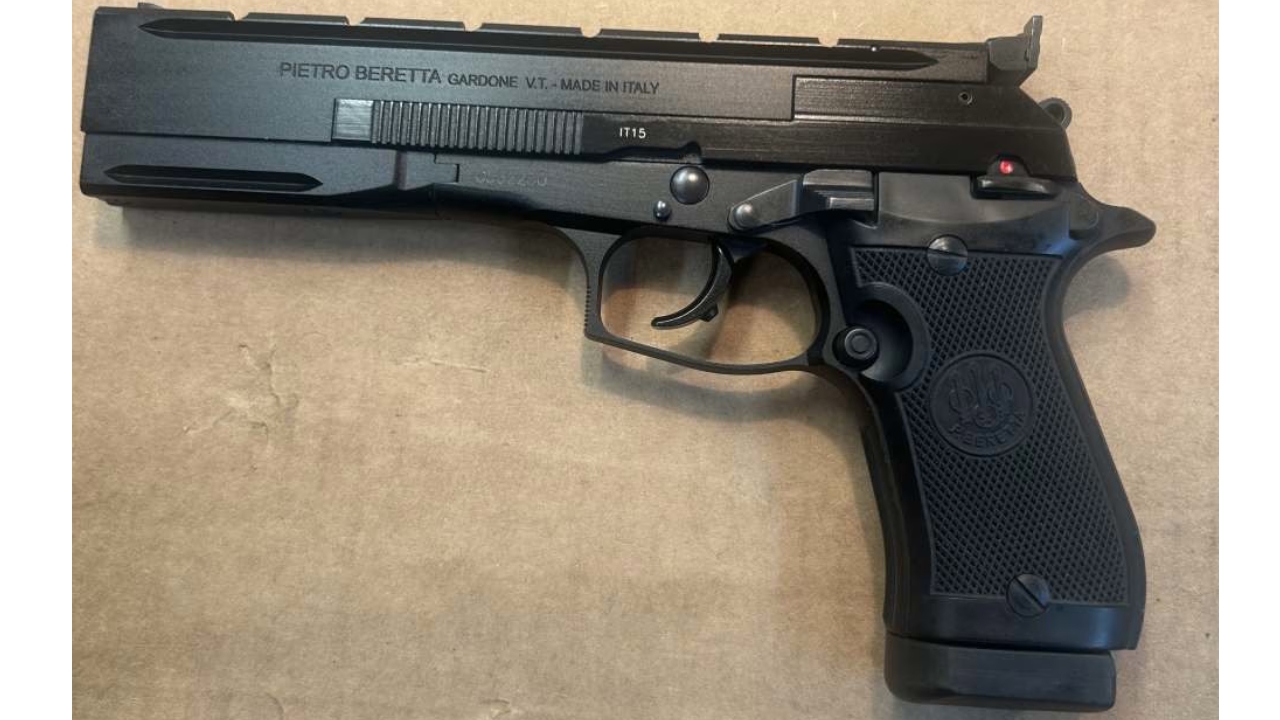
The Beretta 87 Target used to look like too much money for a rimfire pistol, even to shooters who liked it. It was elegant, accurate, and clearly aimed at people who cared about something more refined than a basic plinker. That also made it easy to pass on. Plenty of buyers told themselves there was no reason to spend that kind of money on a .22 when cheaper pistols would still punch holes in paper.
Now it looks like a missed chance. The 87 Target offered style and shootability in a package that has only gotten more appealing as the market has filled with pistols that feel more disposable. The price once felt hard to justify because the gun was not ordinary. That same lack of ordinariness is exactly why it now feels like one of those purchases people wish they had made while the numbers still seemed remotely sane.
CZ 550 Full Stock
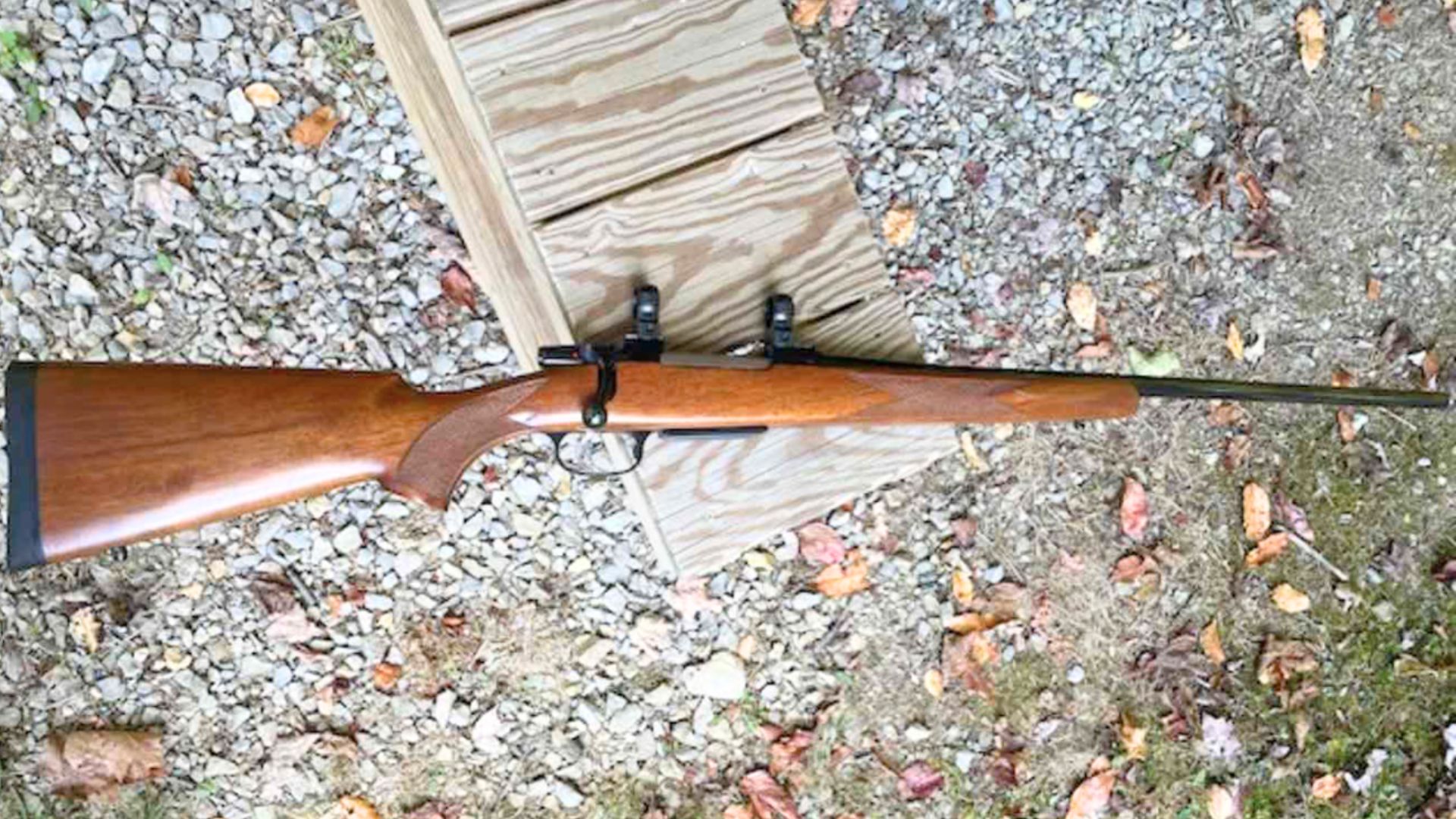
The CZ 550 Full Stock often sat in that dangerous middle ground where buyers appreciated it but still hesitated. It had real charm, a classic full-stock look, and solid hunting credibility, but it also cost enough that some shoppers convinced themselves they were paying extra for style. For years, that was enough to make people pass and tell themselves they were being practical.
That practicality does not look so smart now. The 550 Full Stock gave buyers controlled-round-feed quality, real field usability, and a distinct character that too many rifles lack. Once examples became less common, the earlier prices started reading differently. They no longer looked high for a stylish hunting rifle. They looked low for a rifle with that much personality and that little need to apologize for itself.
Dan Wesson Valor

The Valor had the problem a lot of high-end 1911s have. To many buyers, it looked like an excellent pistol priced just high enough to feel painful. A lot of shooters handled one, liked everything about it, then decided they could live with a less refined 1911 for a lot less money. At the time, the gap seemed big enough to justify passing.
In hindsight, the gap feels smaller than the regret. The Valor represented a level of quality people now have to pay even more to chase, and it came along before the market fully lost its mind on premium 1911 pricing. What once looked expensive now looks like a surprisingly fair chance to buy a serious pistol before nicer 1911s became even harder to touch without swallowing hard.
Sako 85 Finnlight

The Finnlight made some buyers pause because it looked like a lot of money for a lightweight hunting rifle, especially in a market full of bolt guns that promised similar field performance for less. Many people saw it as a premium choice they could admire without necessarily committing to. That felt reasonable when there were still plenty of options and prices had not fully run away.
That reasoning feels weaker now. The Finnlight brought real quality, excellent handling, and the kind of carry-all-day usefulness that becomes more valuable the more a hunter actually spends time in rough country. It was not cheap, but it now feels like one of those rifles that was priced with more honesty than people realized. The missed gift was thinking there would always be another premium mountain rifle at a friendlier number.
Kimber Super America
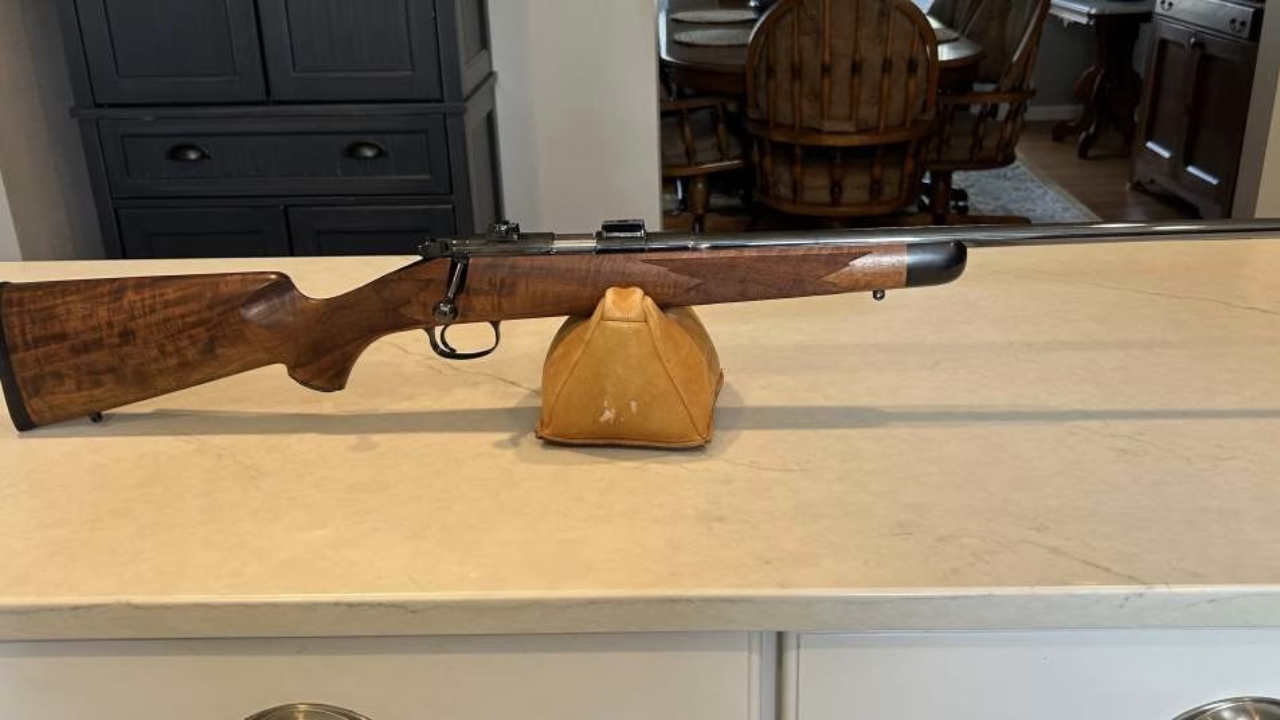
The Super America always looked expensive because it was expensive, plain and simple. Fancy walnut, polished metal, and a proud fit-and-finish package made it easy for buyers to admire from a distance and move on to something more ordinary. A lot of people never seriously entertained one because the price felt too rich for a hunting rifle they might scratch up in the field.
That distance is exactly why it stings now. Rifles like that do not get easier to buy once people start valuing craftsmanship again. They get more painful. The Super America belongs to a class of rifle that once felt lavish and now feels like proof that buyers were briefly offered far more quality than the market was going to keep giving them at those prices.
SIG Sauer P239

The P239 often seemed overpriced to people who looked at it strictly through a specs-first lens. Single-stack, metal-frame, compact, and not especially flashy on paper, it was easy to question the cost when cheaper carry pistols offered more capacity or less weight. Plenty of buyers respected it while also deciding it simply cost too much for what it was.
That view has softened a lot with time. The P239 had manners, quality, and a kind of reassuring shootability that many buyers only fully appreciated after the market moved harder toward tiny, harsher carry guns. Once good examples became less plentiful, the old pricing stopped looking inflated. It started looking like the sort of number people would now happily pay to get back a carry pistol that actually felt finished.
Browning Citori White Lightning
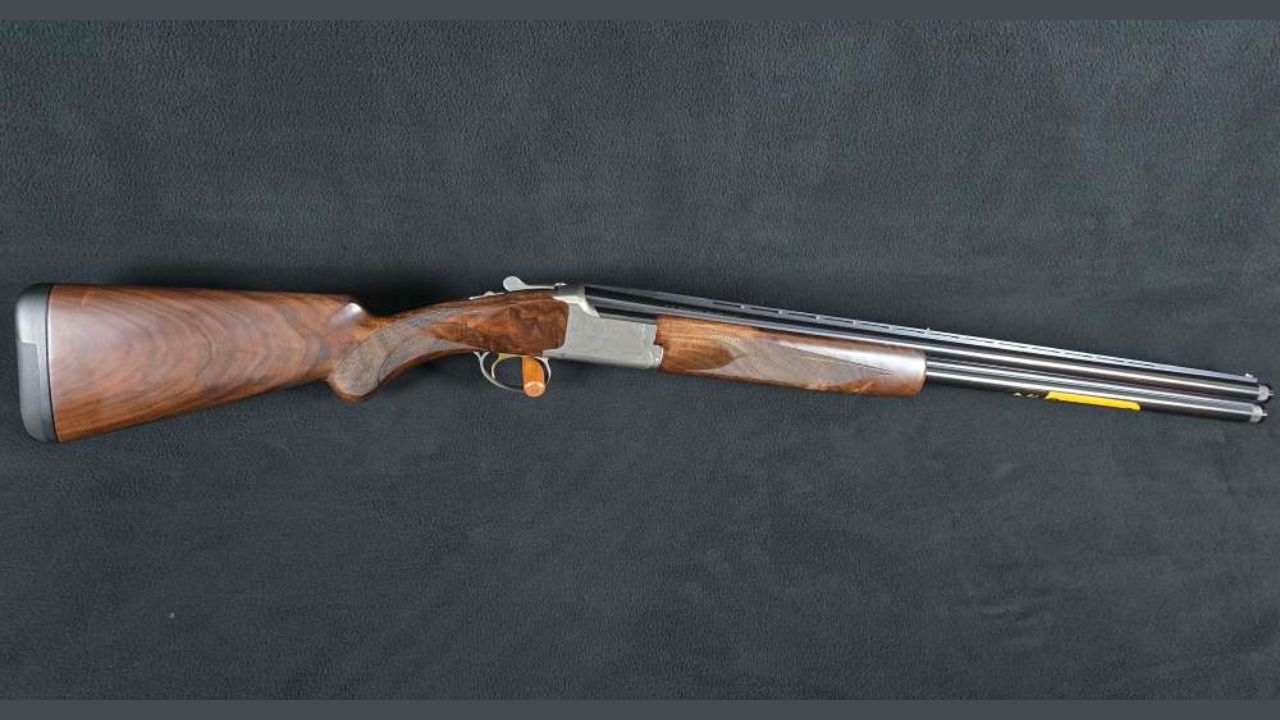
There was a time when a Citori White Lightning looked expensive enough to make buyers second-guess themselves, especially if they were comparing it to serviceable field guns that cost much less. The Browning name, the finish, and the overall presentation all added up to a price tag that felt serious, even if the shotgun clearly had the quality to back it up.
That seriousness looks a lot friendlier now. The White Lightning belonged to a level of over-under that has not exactly gotten cheaper or easier to replace with anything equally satisfying. Once buyers started seeing what solid, well-regarded over-unders were really going for, the old Browning price stopped looking like a stretch. It started looking like an open invitation too many people declined.
Colt Detective Special

The Detective Special used to seem expensive to buyers who thought of it as simply a small revolver with a famous name. That made it easy to pass on when cheaper snubs were around and polymer pistols kept pulling attention away from older carry formats. Plenty of people liked it, but the old Colt pricing could still feel like too much for a gun some saw as more nostalgic than necessary.
Now the whole picture has changed. The Detective Special represents quality, history, and a style of carry revolver that still has real appeal when it is done well. Once prices on classic Colts started climbing harder, the old numbers lost their sting. They now feel like the sort of price that made perfect sense for a revolver that was always better than many buyers were willing to admit at the time.
Like The Avid Outdoorsman’s content? Subscribe to our newsletter so you never miss an article.
Here’s more from us: