Photo credit: The Avid Outdoorsman
Some firearms attract loyal owners who defend them harder than the guns defend themselves. Every problem gets explained away. It is the ammo. It is the magazine. It is the break-in period. It is the shooter. It is the weather. It is the optic mount. It is anything except the gun sitting on the bench causing the same headaches over and over.
Sometimes those excuses are fair. Guns are machines, and setup matters. But when the same complaints keep showing up, there comes a point where the owner is not being patient anymore. He is just trying not to admit he bought the wrong gun.
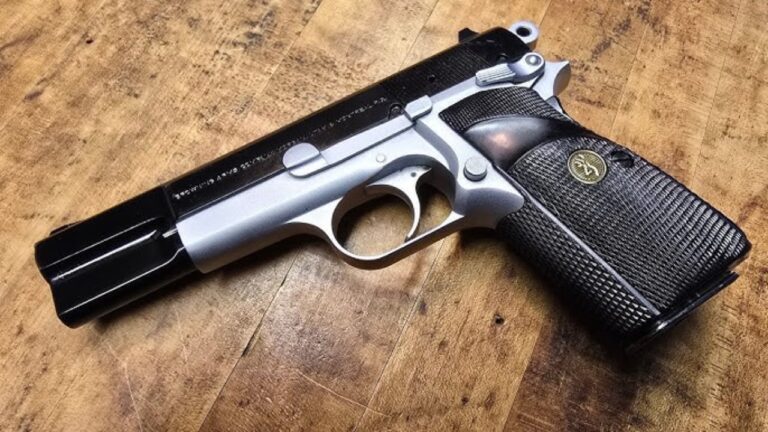
SIG Sauer P250

The SIG P250 had a smart idea behind it. A modular, hammer-fired pistol that could change sizes and calibers sounded useful before modularity became a major selling point. The SIG name also made owners want to defend it.
The excuse usually starts with the trigger. People say you just need to learn the long double-action pull, and that is partly true. But a defensive pistol should not make every new owner feel like he is fighting the gun from the first magazine. The P250 was interesting, but the shooting experience gave too many people a reason to move on.
Remington 597
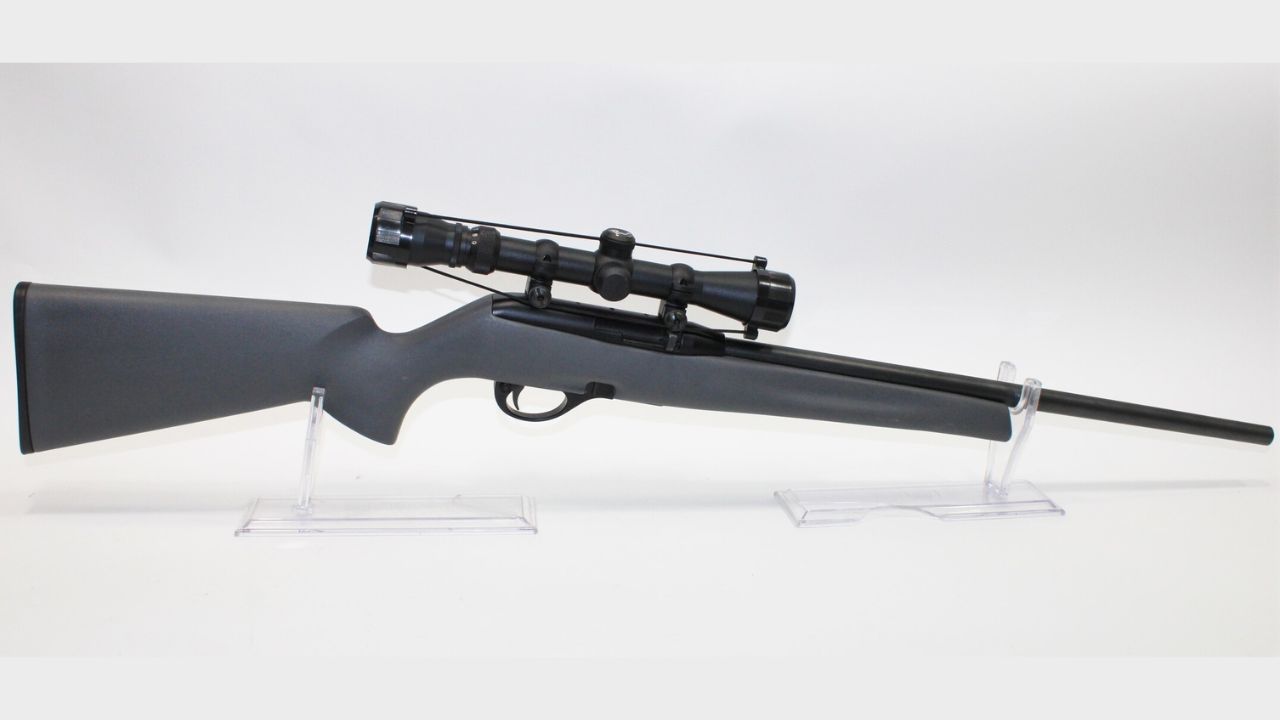
The Remington 597 should have been easy to love. A semi-auto .22 rifle from a major American name sounded like a simple plinker that could compete with anything in the rimfire rack. Owners wanted it to be a good answer.
When feeding problems showed up, the excuses came quickly. Bad magazines, bad ammo, dirty chamber, weak springs, wrong lubrication. Some of that mattered, especially with rimfires. But a .22 rifle is supposed to be low-stress fun. If the owner spends more time explaining malfunctions than shooting squirrels, cans, or paper, the rifle is not doing its job.
Beretta ARX100

The Beretta ARX100 had enough clever features to make owners defend it hard. Ambidextrous controls, quick-change barrel capability, folding stock, piston operation, and futuristic styling all made it sound like a serious step beyond a standard AR.
Then people actually compared it to a good AR. The trigger, bulky feel, odd looks, and limited aftermarket made the excuses pile up. “It is just different” became the defense. Different is fine when different makes the gun better. With the ARX100, too many owners ended up defending the concept more than the actual rifle.
Para-Ordnance Warthog

The Para-Ordnance Warthog sounds impressive because it packs double-stack .45 ACP capacity into a very small 1911-style pistol. That idea alone makes owners want to believe in it. A compact big-bore carry gun with 1911 roots has a strong pull.
The trouble is that tiny double-stack .45s ask a lot from magazines, springs, slide speed, and shooter grip. When problems happen, owners blame everything around the gun first. Ammo. Extractor tension. Break-in. Magazine feed lips. Recoil springs. At some point, you have to admit the design is asking a lot from a package that small.
Savage A17
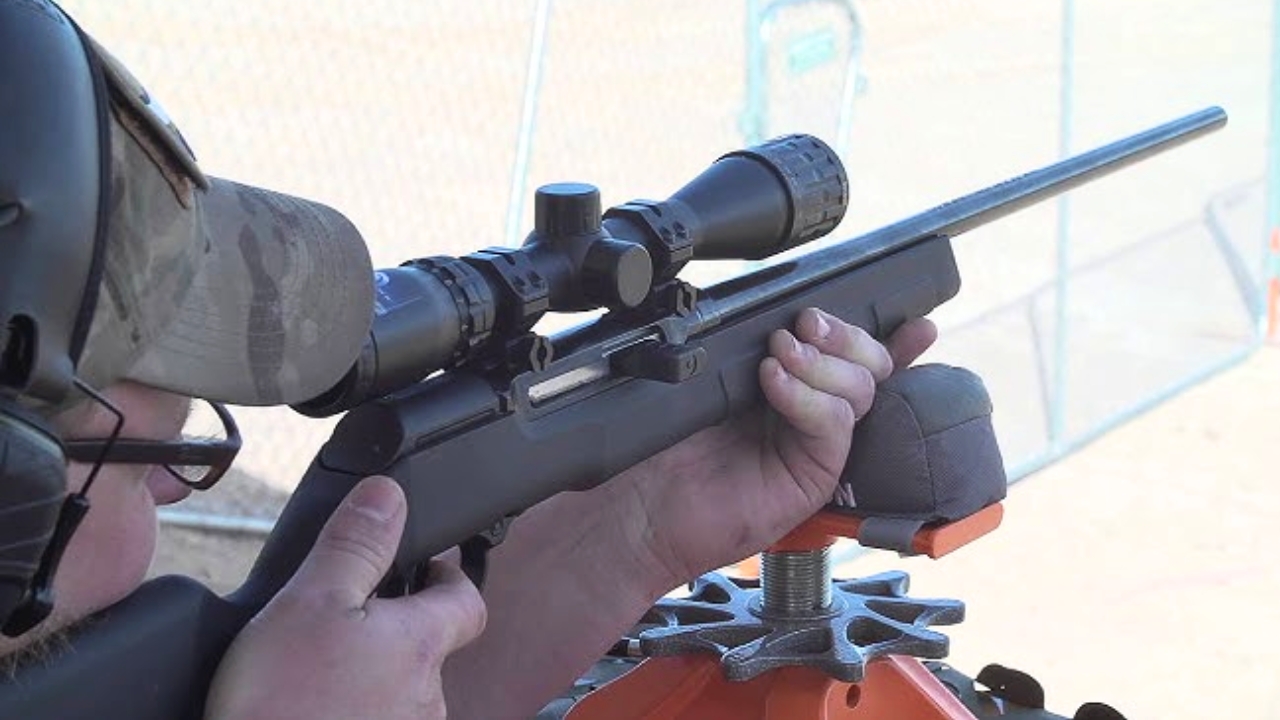
The Savage A17 had a great pitch. A semi-auto rifle built around .17 HMR sounded like a varmint shooter’s dream. Fast little cartridge, quick follow-up shots, and enough accuracy potential to make prairie dogs and crows nervous.
Owners who struggled with one often blamed ammo, magazine seating, cleaning, or the cartridge itself. Sometimes they were right. Semi-auto rimfire magnums can be picky. But that is exactly the problem. If a rifle’s whole appeal is fast, easy rimfire shooting and it turns into a reliability puzzle, the excuses start getting old quickly.
Colt New Agent
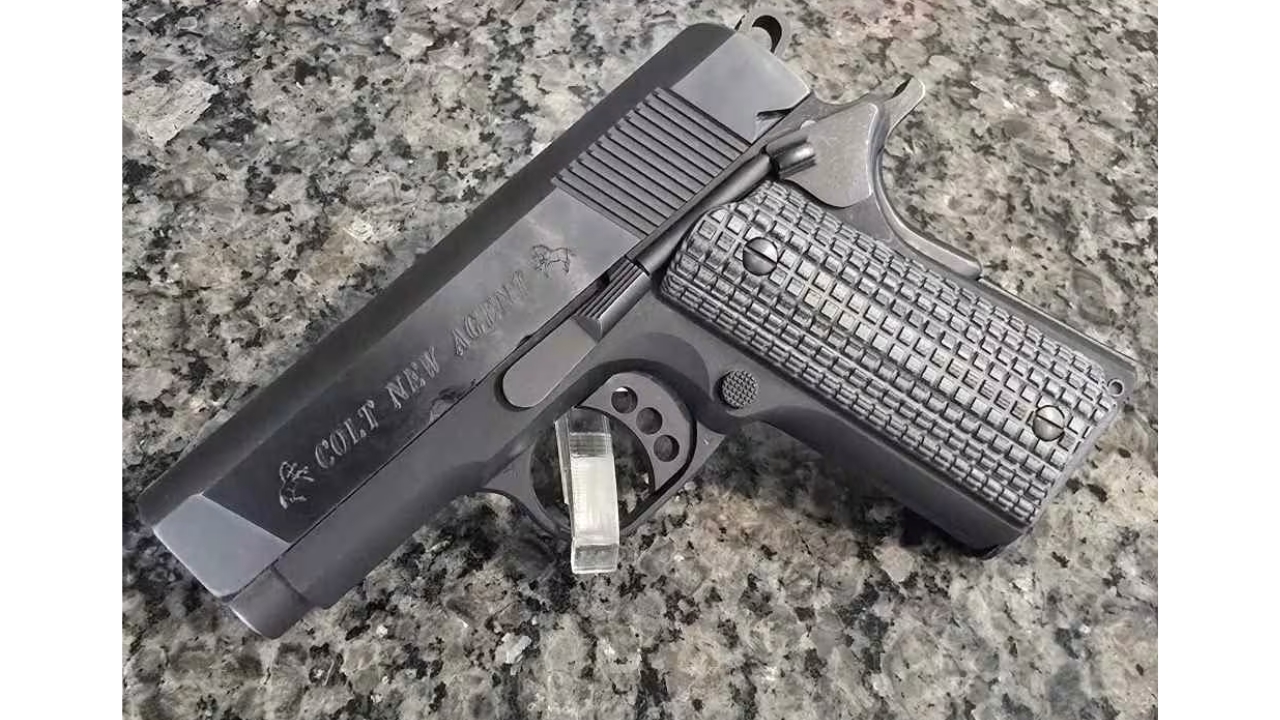
The Colt New Agent is easy to defend because it is a Colt, and because the idea is cool. A compact carry 1911 with trench-style sights feels purposeful and different. It looks like something built for close-range defensive carry without snagging on everything.
Then owners have to shoot it well. The sighting system is not for everyone, recoil is snappy, capacity is limited, and small 1911s are not especially forgiving. When people struggle, defenders say it is not meant for target work. Fair enough. But a carry gun still has to be practiced with, and this one gives owners a lot to explain.
KelTec RDB

The KelTec RDB gives owners plenty to talk about. A downward-ejecting bullpup in 5.56 that accepts AR magazines sounds clever, compact, and practical. It is the kind of rifle people want to defend because the concept is genuinely interesting.
The excuses start when the owner has to live with bullpup realities. Trigger feel, balance, gas adjustment, parts support, and overall confidence matter more over time. Some RDBs run well and make their owners happy. Others turn into “you just have to tune it” rifles. A fighting-style rifle should not need that much explaining before people trust it.
Smith & Wesson SW99
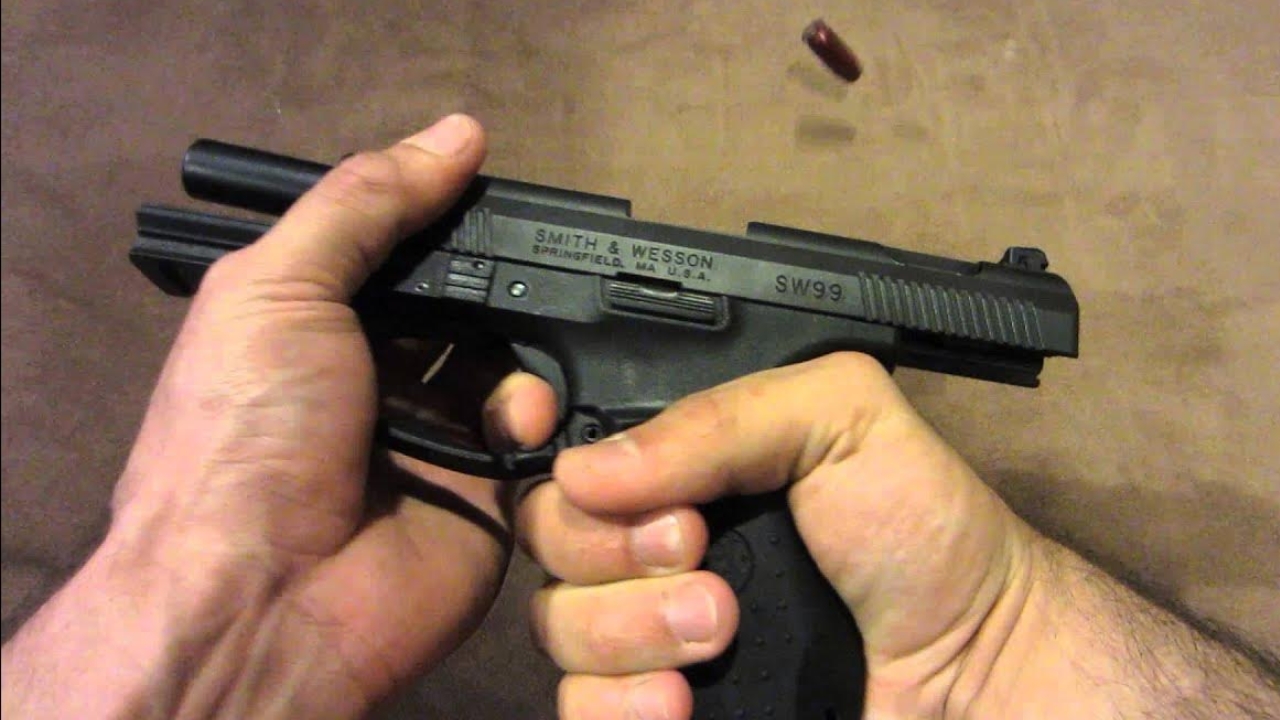
The Smith & Wesson SW99 had a strange identity from the start. It borrowed from the Walther P99 world but wore a Smith & Wesson badge, which gave owners a reason to explain what it was before they could even defend it.
That is part of the problem. The trigger variants, styling, and identity gap made the pistol harder to love than it should have been. Owners could say it was underrated, misunderstood, or unfairly compared to the Walther. Maybe so. But when a gun constantly needs context, it usually means the gun itself did not make the case clearly enough.
Thompson/Center Dimension
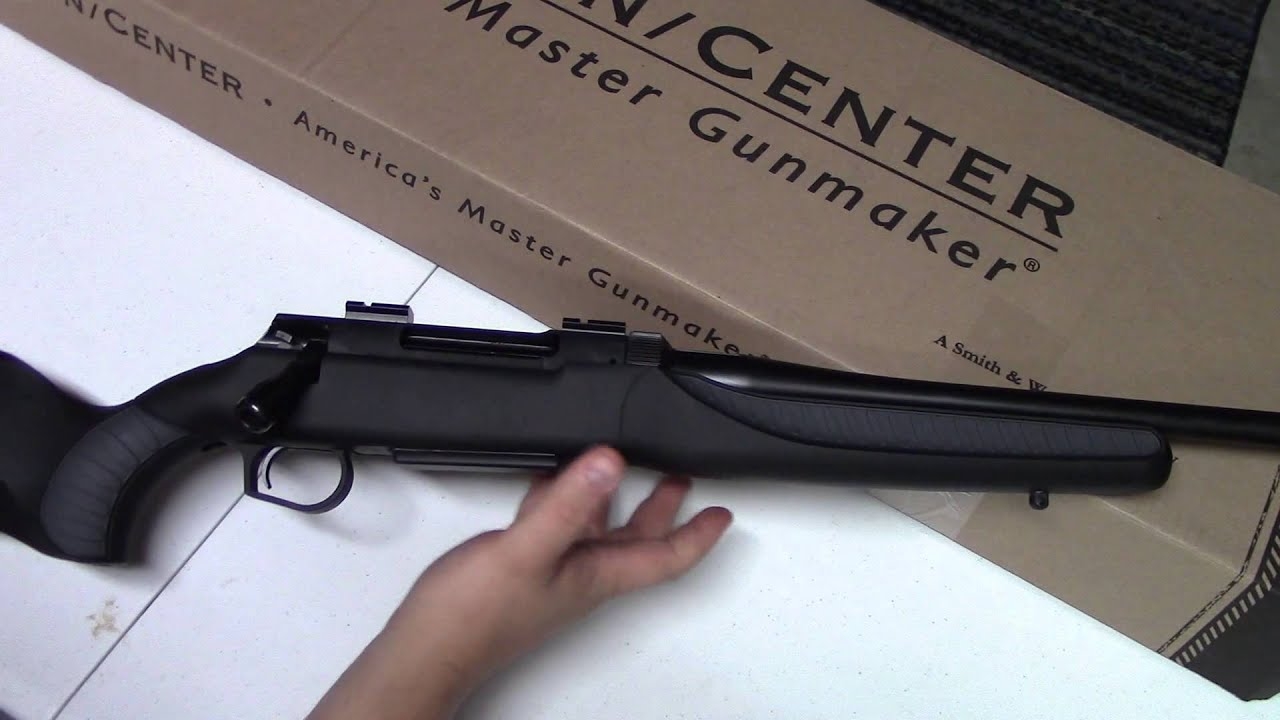
The Thompson/Center Dimension sounded like the kind of rifle system that should have worked better in the market. A switch-barrel bolt-action platform with multiple chambering options gave owners a lot to brag about before they had to live with it.
Then the shape, bulk, and awkward styling started needing explanations. Owners could defend the modularity, but the rifle never felt as natural or attractive as a regular bolt gun. A system rifle has to be convenient enough to overcome its oddness. The Dimension made people defend the idea more often than they praised the actual handling.
Taurus 24/7

The Taurus 24/7 had a loyal crowd because it was affordable, had decent capacity, and looked like a serious modern pistol when Taurus was trying hard to compete in the defensive handgun market. Plenty of owners wanted it to be the budget sleeper.
The excuses usually came when trust got shaky. Trigger feel, recalls, reliability concerns, and uneven quality made some owners blame everything except the platform. Taurus has made some solid guns, but the 24/7 line never became the confidence-building pistol its fans wanted it to be. A carry gun should not need loyalty to feel trustworthy.
Mossberg MVP Patrol

The Mossberg MVP Patrol seems useful on paper. A compact bolt-action rifle that feeds from AR-style magazines sounds like a practical tool for someone who wants common mags, handy size, and utility-rifle flexibility.
Owners often defend the magazine feature like it solves everything. But the rifle can feel clunky, the action is not especially slick, and the magazine setup can add awkwardness a normal bolt gun does not have. If the main selling point makes the rifle less pleasant to use, that is not a small thing. Sometimes the standard detachable box magazine was never the problem.
Beretta U22 Neos
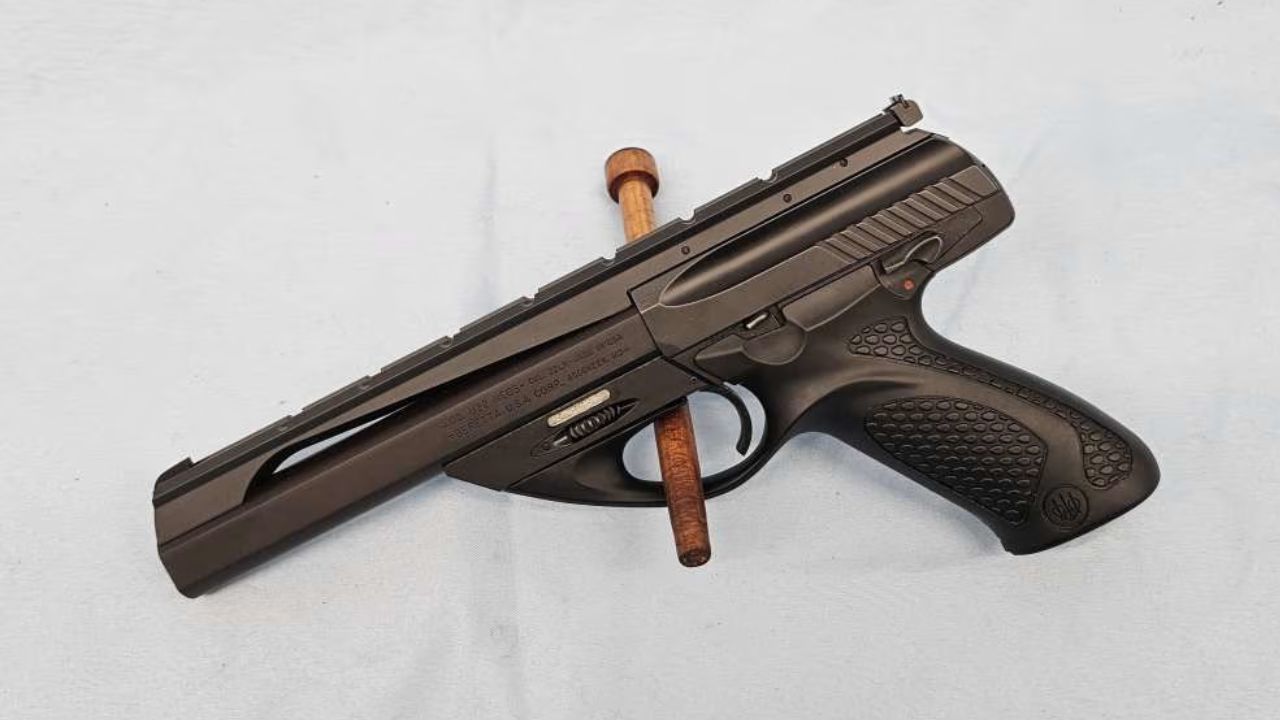
The Beretta U22 Neos has a fan base because it is different, affordable, and wears a respected name. The futuristic styling makes it stand apart from the usual rimfire pistols, and some examples shoot well enough to keep owners loyal.
But when people do not like it, owners often blame taste. They say the grip angle just takes getting used to, or the looks are misunderstood, or people are too stuck on traditional .22 pistols. Maybe. But a rimfire handgun should be easy to enjoy. If the feel, balance, and controls turn people off fast, the gun deserves some blame too.
Winchester Wildcat

The Winchester Wildcat has several smart features. It is light, easy to clean, and uses common 10/22-style magazines. That gives owners a good list of reasons to defend it when someone says it feels cheap.
The problem is that feel matters with rimfires. A .22 rifle is supposed to become the gun you keep grabbing because it is fun, simple, and satisfying. The Wildcat can come across too plasticky and hollow for some shooters. Owners can point to the clever takedown system all day, but clever features do not always create a rifle people love.
Rock Island VR80

The Rock Island VR80 gets defended because it looks like a lot of shotgun for the money. AR-style controls, detachable magazines, and 12-gauge power make it seem like an easy win for range fun or defensive use.
Then owners start explaining break-in, load selection, magazine quirks, stiffness, recoil, and why it runs better after a few hundred rounds. That may be true, but it also proves the point. A shotgun that needs that much patience before it feels dependable is not the bargain people hoped for. Sometimes a plain pump is boring because it does not need excuses.
Springfield Armory XD-E
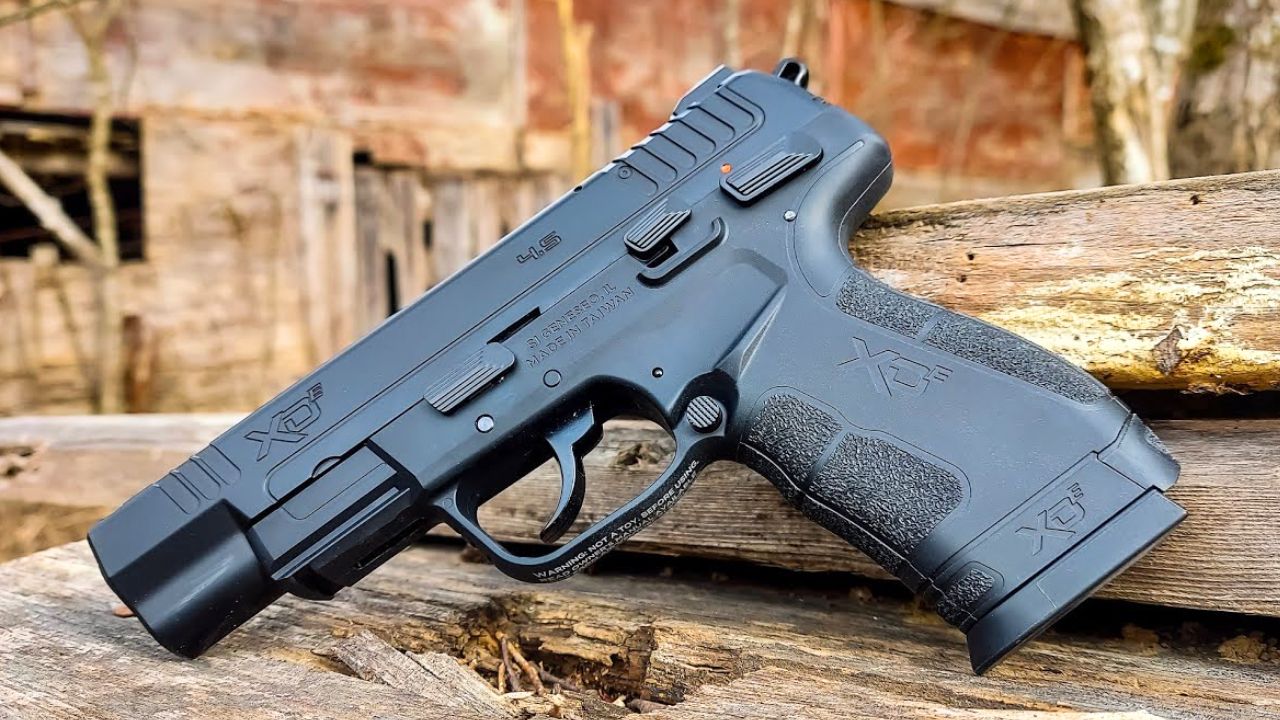
The Springfield XD-E had a lane that sounded promising. A slim, hammer-fired DA/SA carry pistol gave shooters something different from the striker-fired crowd. For people who wanted a manual safety, decocker, and traditional trigger system, it made sense on paper.
The excuses came when the market did not love it. Owners said people just did not understand DA/SA carry anymore, or that everyone was too obsessed with capacity. There is some truth there. But the XD-E also felt tall, a bit awkward, and late to a market moving quickly. Different is not enough when the gun does not feel better.
Like The Avid Outdoorsman’s content? Be sure to follow us.
Here’s more from us: