Photo credit: Kelly vanDellen/Shutterstock.com
If you’d rather fall asleep to nothing but wind in the trees and wake up without a neighbor in sight, dispersed camping is where it’s at. Some national parks don’t make it easy, but others still leave room for folks who want to get away from the crowds. These spots give you that off-the-grid experience without needing to completely leave public land behind.
Grand Staircase-Escalante National Monument (Utah)
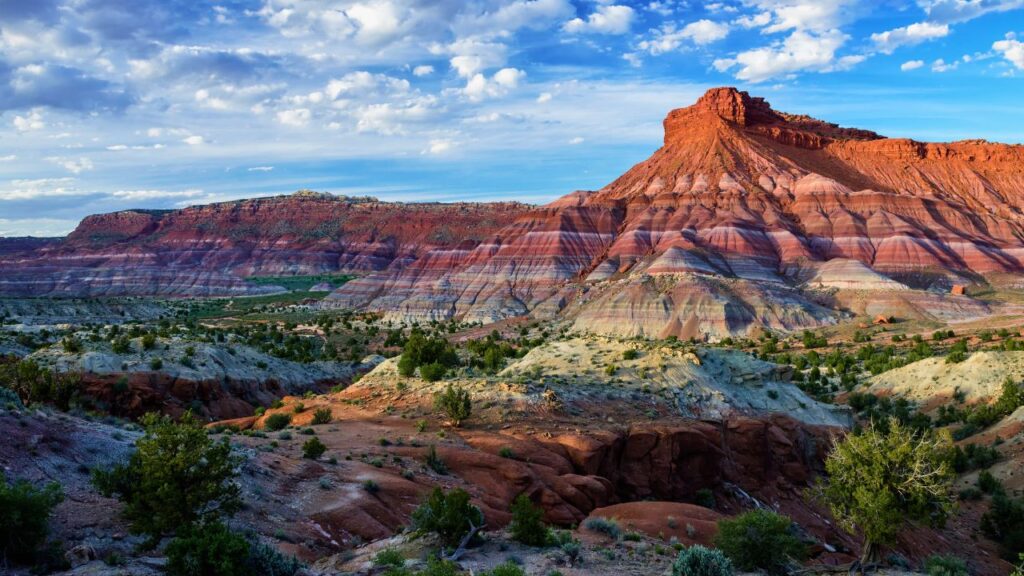
Technically not a national park, but this monument punches way above its weight for dispersed camping. Endless BLM access surrounds the area.
You’ve got wide-open desert, hidden canyons, and no shortage of space to pitch a tent far from anyone else. Just be prepared—there are no services, and that’s the whole point.
Death Valley National Park (California/Nevada)
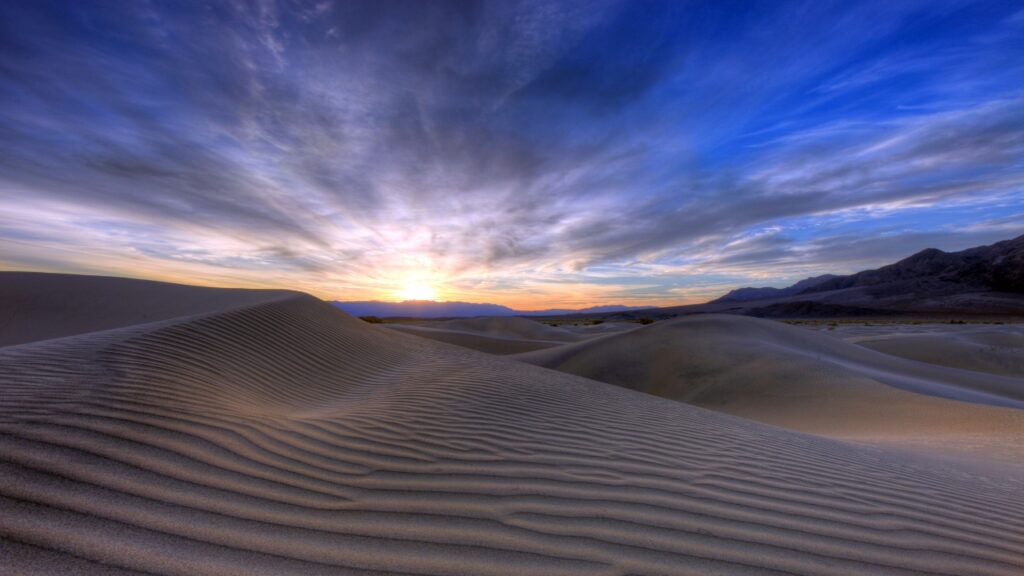
It’s hot, harsh, and unforgiving—but if you want space and solitude, Death Valley delivers. Dispersed camping is allowed in many parts outside developed areas.
You’ll want to do your homework before heading in, but once you’re out there, it’s quiet like nowhere else. Just bring more water than you think you need.
Bridger-Teton National Forest (Wyoming, near Grand Teton NP)

If you’re looking to camp near Grand Teton without the crowd, Bridger-Teton National Forest is right next door and wide open for dispersed camping.
Some of the sites offer postcard views of the Tetons. It’s free, it’s legal, and it feels like you’re in the park without the hassle.
Sequoia National Forest (California, near Sequoia NP)

The national park gets the attention, but Sequoia National Forest next door has fewer restrictions and better dispersed options.
Towering trees, mountain air, and room to breathe—it’s all there. Many areas allow car camping, but a high-clearance vehicle helps if you want to get truly remote.
Kaibab National Forest (Arizona, near Grand Canyon NP)

Want to camp near the Grand Canyon without the campfire crowds? Kaibab National Forest lets you do just that. Plenty of dispersed options near the North Rim.
You’ll find pull-offs, old forest roads, and quiet spots that still keep you close to canyon views. And it doesn’t cost a dime.
Dixie National Forest (Utah, near Bryce Canyon NP)
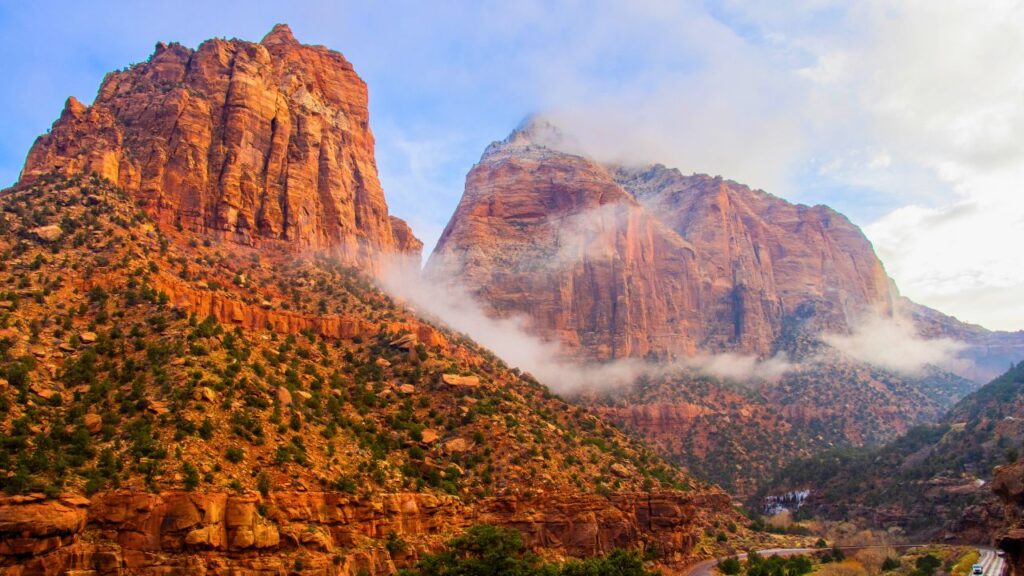
Bryce Canyon’s developed campgrounds fill up fast, but Dixie National Forest just outside the park boundary offers better peace and quiet.
Dispersed camping is allowed almost everywhere off the forest roads, and the scenery’s still incredible. Plus, you’re only minutes from Bryce when you want to visit.
Lassen Volcanic National Park (California)

Not many folks make the trek to Lassen, which is part of its charm. While dispersed camping isn’t allowed inside the park, nearby Lassen National Forest has excellent options.
You’ll get alpine air, fewer visitors, and volcanic terrain without the crowds you’d find in Yosemite or Yellowstone.
Olympic National Forest (Washington)

While Olympic National Park is mostly limited to designated camping, the surrounding national forest offers better dispersed access.
You’ve got mossy forests, rugged coastlines, and mountain views—all within striking distance. And it’s one of the few places where you can go from sea to summit in a single day.
Sawtooth National Recreation Area (Idaho)
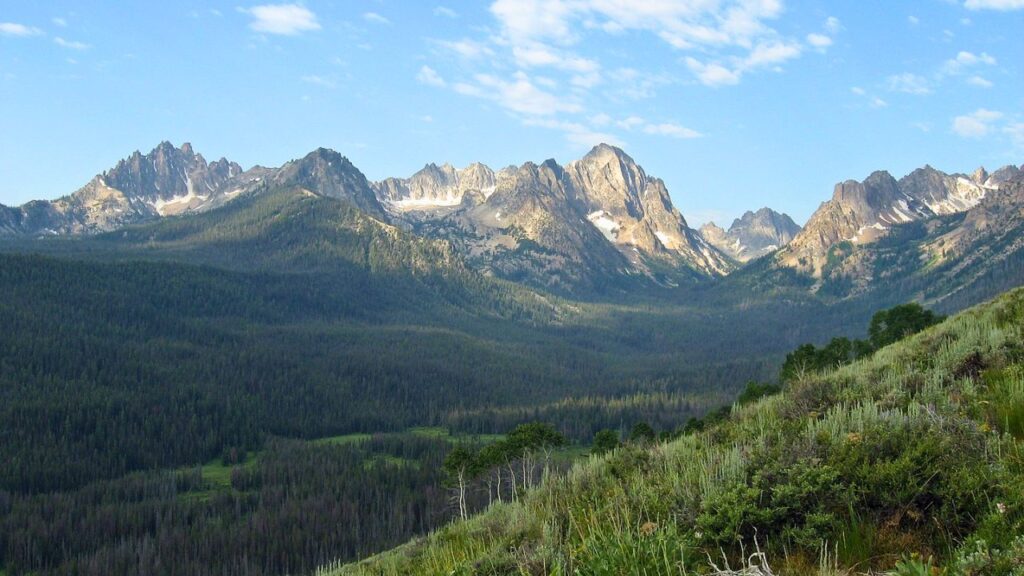
It’s not a national park, but it should be. The Sawtooths offer jaw-dropping peaks and wide-open spaces for campers who want off-grid.
Dispersed camping is easy to find along forest roads, and many of them have incredible lake or mountain views—without any fees or reservations.
Big Bend National Park (Texas)
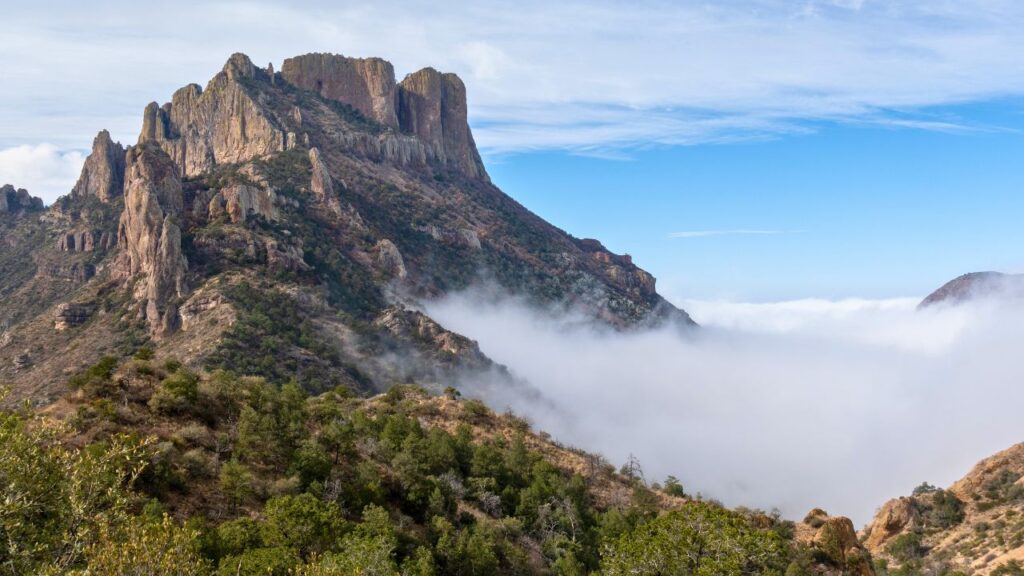
Big Bend is remote to begin with, and the park allows backcountry roadside camping with a free permit. That gives you solitude and a real sense of the wild.
You’ll need a high-clearance vehicle for some of the better spots, but you’ll be rewarded with desert views, star-filled skies, and peace you can’t buy.
*This article was developed with AI-powered tools and has been carefully reviewed by our editors.