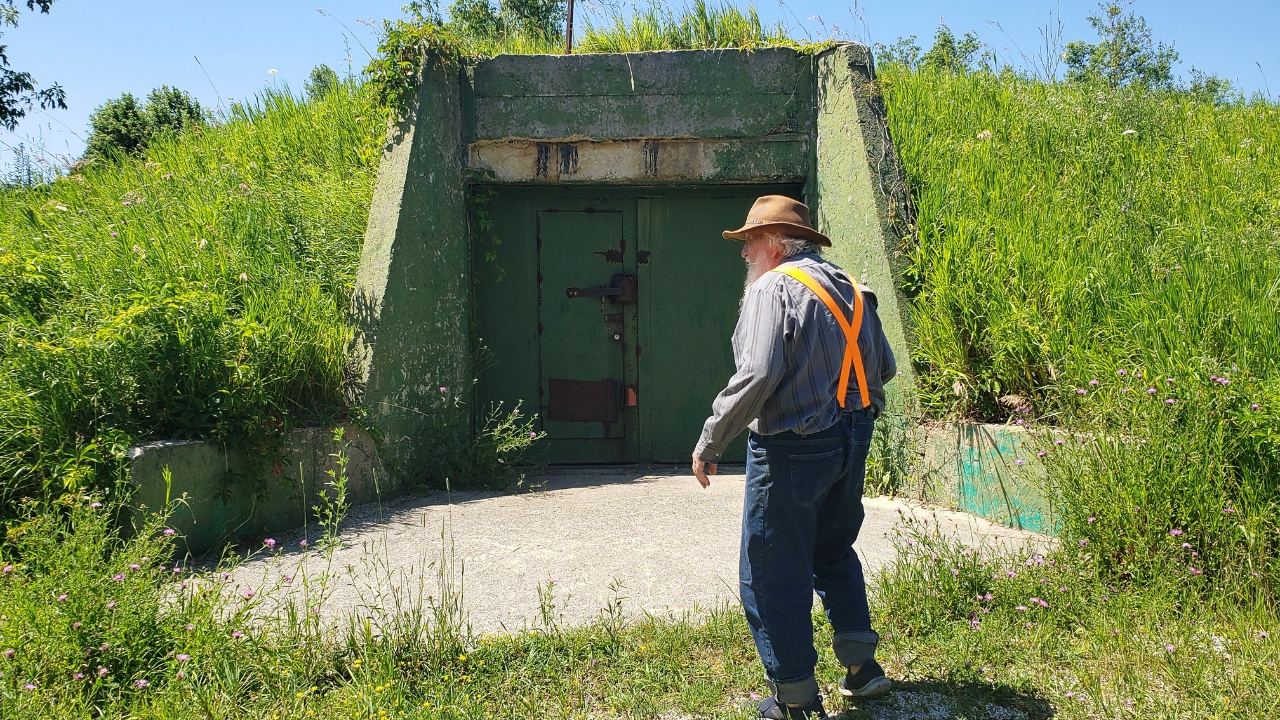
Photo credit: Freaktography/Shutterstock.com
We may earn revenue from products featured on this page through affiliate links.
Most news coverage of “preparedness” is either a quick checklist after a storm or a weird human-interest piece about someone with a basement full of supplies. It almost never covers what real instructors actually teach, because the most useful lessons aren’t dramatic. They don’t fit into a headline, and they don’t sell a clean narrative. Real preparedness instruction looks a lot more like boring problem-solving: how to make good decisions under stress, how to keep a small problem from becoming a big one, and how to stay functional when convenience disappears. The public version of preparedness is all about stuff. The instructor version is about systems, habits, and the reality that most people don’t fail because they lack gear, they fail because they waste time and energy when the pressure hits.
A good instructor also knows that most students are not trying to become wilderness survival celebrities. They’re trying to keep their families safe during common disruptions: power outages, winter storms, grid failures, supply issues, and the kind of emergencies where help is delayed, not absent forever. That focus changes the whole curriculum. It becomes less about fantasy scenarios and more about reducing risk in the first 72 hours, because that’s where panic, injury, and bad choices do the most damage. None of that makes the news, but it’s the core of what gets taught.
The first lesson is always mindset, not gear
Instructors spend a lot of time on mindset because mindset determines whether you use what you have effectively or waste it in the first day. People don’t like hearing that because they want a list. But in every real disruption, the people who stay calm and methodical do better than the people who own more gear. Calm isn’t personality, it’s preparation. It’s having a plan, having roles, and practicing simple routines so you don’t burn mental fuel deciding every little thing from scratch when you’re stressed.
The “news version” of preparedness makes it look like you either panic or you don’t. Instructors teach that panic is often the result of uncertainty and indecision. If you know your priorities—water, heat, food, sanitation, information—you act in order instead of reacting emotionally. This is why instructors push students to write down simple plans and run through scenarios mentally. It feels silly until you’re doing it with a headlamp in the dark while the kids are upset and your phone battery is dying.
Water is taught as a math problem, not a vibe
News stories mention water like it’s one item on a checklist. Instructors teach water as a daily math problem: how much you have, how fast you’re using it, and how you’re going to replenish and treat it if the outage lasts longer than you expected. People underestimate water constantly because they think of drinking only, not cooking, hygiene, and basic sanitation. Instructors drill that reality hard because water scarcity causes mistakes fast. When water feels limited, people either hoard and dehydrate or they burn through it with normal habits and hit a wall.
This is also where instructors quietly steer people away from overcomplicated solutions. A lot of folks buy gadgets they’ve never tested, then assume they’re covered. Instructors push proven, simple systems: stored water plus a reliable treatment method plus a way to move water without exhausting yourself. A gravity-fed water filter is one of the most practical tools for that because it works without power and it scales for a household, and Bass Pro carries gravity filtration systems that are designed for exactly this kind of real-world use. The point is not owning it; the point is knowing how it fits into your daily water math.
Most people lose light and information before they lose food
This surprises people, so it gets emphasized in training. In a lot of outages, food is still available for a while, especially if you already have a pantry. What disappears quickly is reliable information and usable light. Once phones start dying and the internet becomes spotty, people get anxious because they don’t know what’s happening. Then they burn through batteries trying to stay connected. Instructors teach redundancy: a way to get updates that doesn’t depend on the same fragile systems everyone else is using, and lighting that keeps the house functional without draining all your power sources in a single night.
This is why instructors talk about radios and efficient lighting more than the news does. A basic emergency radio that can run on batteries or be hand-cranked gives you a line to weather updates and official alerts without chewing up your phone battery. A good lantern or headlamp changes everything about how you move, cook, and manage a space after dark. Bass Pro sells straightforward LED lanterns and headlamps that aren’t flashy, but they’re dependable, and dependability is what instructors care about. They’d rather you have boring light that lasts than bright light that dies fast.
Sanitation is the silent problem that breaks households
This is one of the most neglected topics in mainstream coverage because it’s not fun to talk about. Instructors talk about it anyway because sanitation becomes a serious issue quickly when plumbing stops working. Toilets don’t flush, trash piles up, and hygiene gets harder. If you don’t have a plan, you create health problems inside your own home long before the “big crisis” arrives. Instructors teach people to treat sanitation as a priority, not an afterthought, because illness during a disruption is worse than inconvenience, and it’s harder to deal with when medical services are stretched.
They also teach realistic solutions, not “pretend you’re camping” advice that doesn’t scale. That means planning for waste containment, having basic cleaning supplies, and understanding how to keep living spaces clean with less water. It’s not glamorous, but it’s one of the most important reasons households fall apart emotionally during extended outages. Discomfort and mess create conflict fast, and instructors know that stability at home is a force multiplier for everything else.
Fuel management is taught as pacing, not stockpiling
Another thing you rarely see in the news is fuel discipline. People love to stockpile propane, gas, or firewood, but they don’t plan how to use it intelligently. Instructors teach pacing: how to stretch fuel, what to power first, how to avoid waste, and how to keep from running a generator like it’s the grid. They emphasize that heating and cooking consume fuel faster than people think, especially in cold weather, and that poor fuel planning forces risky decisions later. That might mean running equipment indoors, burning unsafe materials, or driving when roads are dangerous.
This is also where instructors emphasize simple cooking setups and efficient heat practices. A compact camp stove with extra fuel can carry a household through short outages without needing a generator for every meal, and it reduces the temptation to do dumb things with improvised heat sources. The lesson isn’t “buy more fuel.” The lesson is “learn how fast you burn it and plan your day around that reality.”
Skills are taught as routines you can repeat under stress
The news loves dramatic skills: starting fire with a bow drill, building shelters, survival myths. Instructors focus on routines that are repeatable and realistic for normal people. How to keep food safe. How to treat water. How to safely use heaters and generators. How to keep kids calm. How to secure your home without turning it into a bunker fantasy. How to communicate with family members and neighbors. These are the skills that matter in the disruptions most people actually experience, and they’re the skills that reduce risk without requiring you to become a full-time outdoorsman.
This is where instructors hammer practice. Not theory, not watching videos, not buying gear. Practice. Use the stove. Test the filter. Run the radio. Do a weekend where you simulate an outage and see what breaks in your routine. Most people never do that, and that’s why they’re shocked when a real outage exposes gaps. Instructors know that practice turns preparedness from an idea into muscle memory, and muscle memory is what keeps you from freezing up when the pressure is on.
The most important lesson is that preparedness is social, not solo
Preparedness instructors almost always emphasize community more than mainstream coverage does. Going completely solo sounds tough, but it’s usually inefficient and risky. Neighbors share information, labor, and resources, and they reduce the chance that fear turns into conflict. Instructors teach people to think about who they can rely on and who they can help, because systems failure is not just a technical problem, it’s a social one. Households that are isolated tend to feel the stress harder and make worse decisions because they’re carrying everything alone.
This doesn’t mean trusting everyone. It means having plans for communication, mutual support, and clear boundaries. Even something as simple as knowing who has medical training, who has tools, and who has the ability to check on elderly neighbors can stabilize a community during an outage. You don’t hear that on the news because it’s not a product you can sell, but it’s one of the strongest real-world preparedness advantages.
Like The Avid Outdoorsman’s content? Subscribe to our newsletter so you never miss an article.
Here’s more from us: