Photo credit: Gerber Gear/YouTube
Food gets all the attention when it comes to prepping, but it’s not the only thing that’ll keep you alive when things go sideways. The right non-food items are what make your food, water, and shelter plans actually work. These are the supplies preppers rely on for power, hygiene, defense, and survival when modern systems break down. Skip these, and you’ll feel it fast. Stock them now, and they’ll earn their keep long before the pantry even starts to run low.
Water Filters
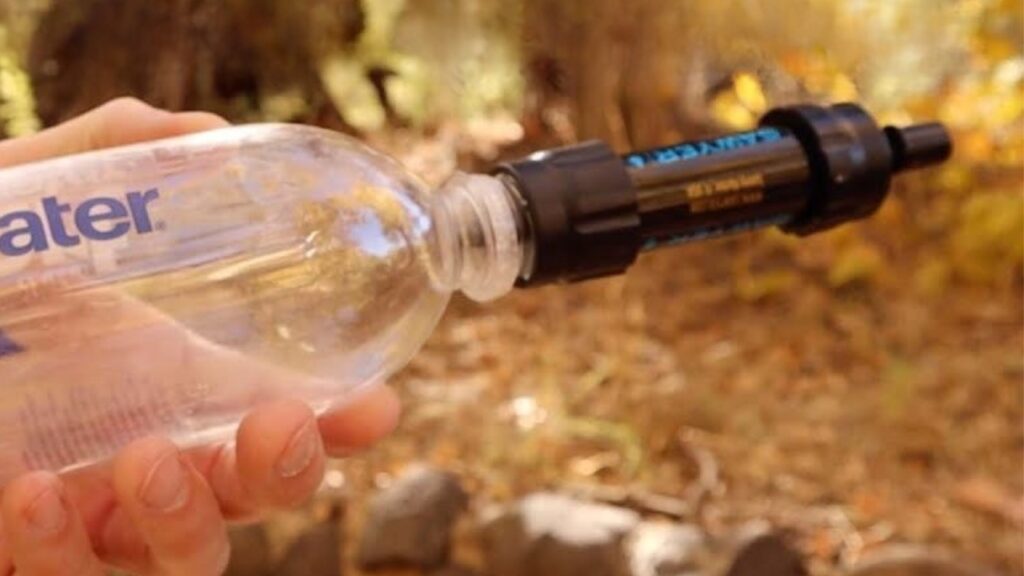
Clean water is non-negotiable, but bottles run out fast. A portable filter gives you options when you’re stuck using creek water or runoff from a rain barrel. It’s the kind of backup you don’t think about until you need it—and then it’s the only thing that matters.
A good filter isn’t expensive, and there are compact options that fit in packs, cars, or even coat pockets. Preppers keep extras around because water is heavy, and you can’t always carry enough. A filter buys you time, distance, and peace of mind.
Lighters and Fire Starters
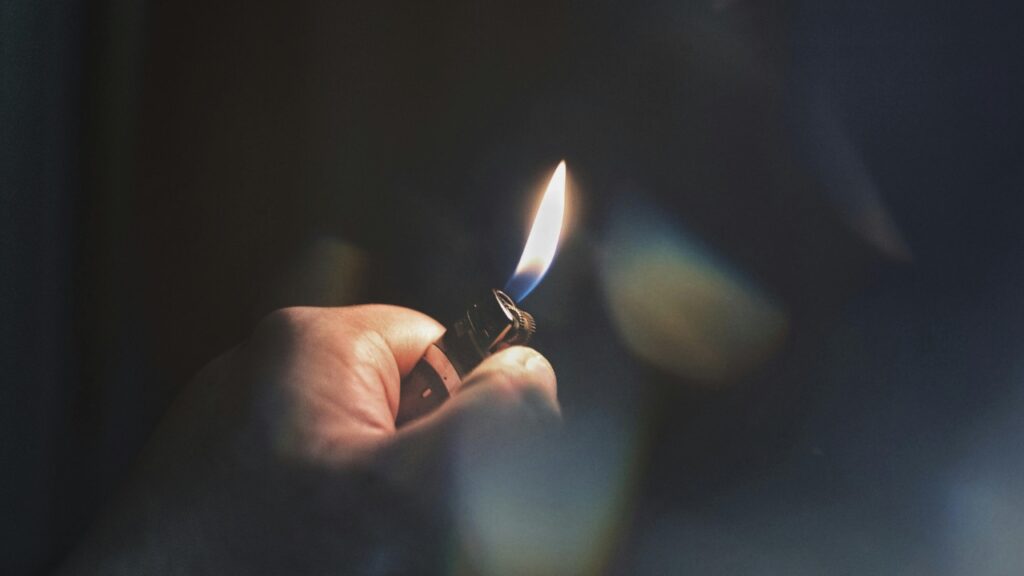
Fire gives you heat, light, cooked food, and clean water. That’s why every prepper stashes multiple ways to start one. Lighters are cheap and easy, but they’re not the only tool in the kit.
Ferro rods, stormproof matches, and even dryer lint can earn a spot in your gear. The trick is redundancy—don’t count on one method. Keep a few backups in dry containers. When the temps drop or you’re soaked, you’ll want something that works fast without fuss.
Duct Tape
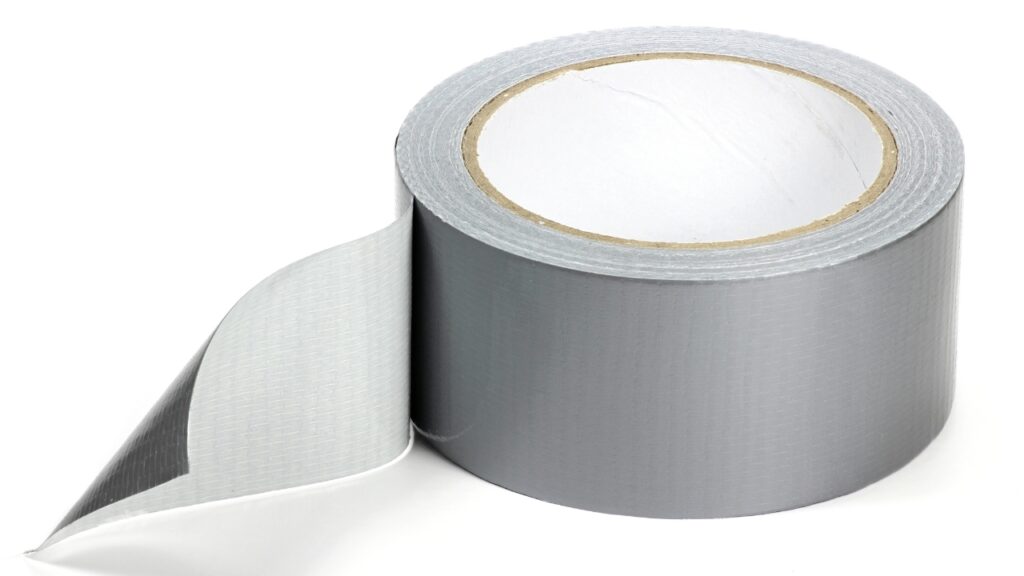
There’s not much duct tape can’t fix temporarily. From patching a tent to sealing up shoes or even splinting a busted finger, it’s the go-to for quick fixes in the field. Preppers don’t leave home without it.
You can wrap a few feet around a lighter, water bottle, or trekking pole to save space. It’s one of those items you don’t think much about—until you’re in a bind and suddenly it solves three problems at once.
Batteries and Chargers
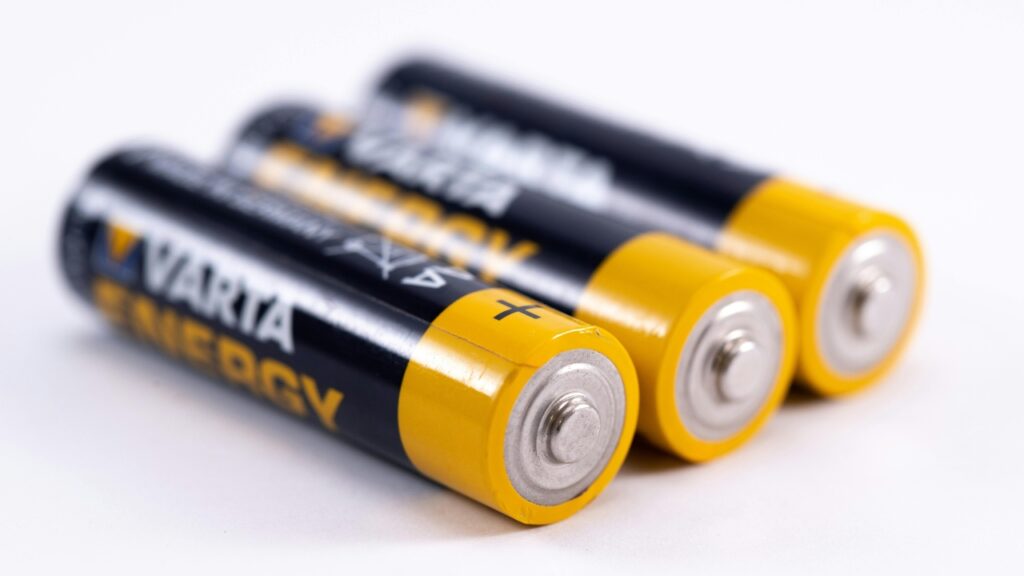
Having flashlights, radios, and tools is useless if you can’t power them. That’s why preppers stash batteries in different sizes and keep portable power banks on hand. Solar chargers are another smart backup.
Rechargeable gear is great, but don’t rely on one power source. Mix in tools that take common batteries like AAs or CR123s. Label your gear so you know what takes what. When the grid’s down, the ability to generate or store power matters more than ever.
Trash Bags
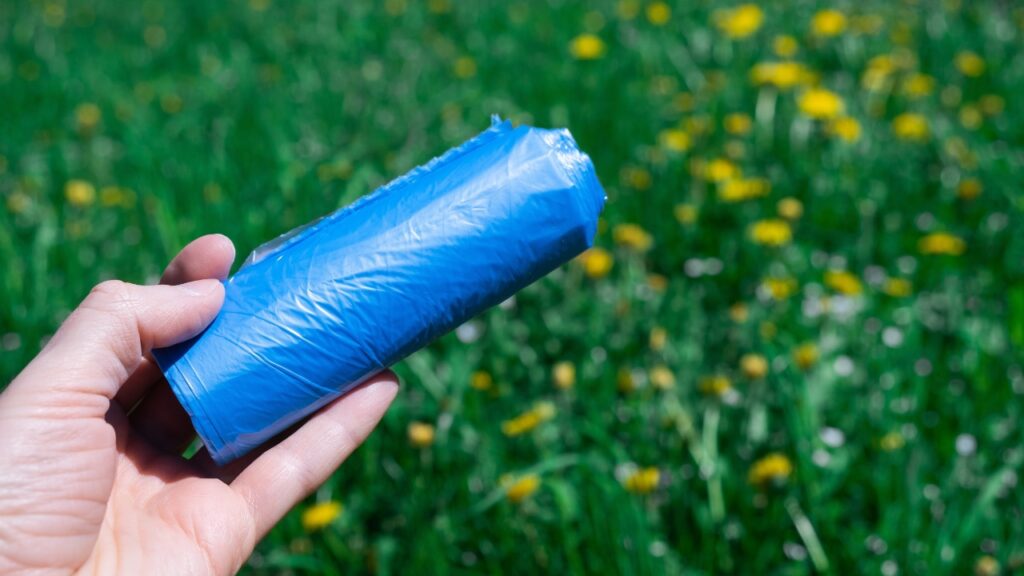
Heavy-duty trash bags are a prepper’s secret weapon. They’re useful as ponchos, tarps, water collectors, or even emergency bedding. Plus, in any long-term situation, waste builds up—and you’ll need a way to manage it.
They’re cheap, lightweight, and take up almost no space. Throw a few in your bug-out bag, car kit, or supply bins. You can cut them open for ground cover or stuff them with leaves for insulation. Versatile gear like this earns its place fast.
Multi-Tool or Fixed Blade Knife

A good knife makes a difference when gear breaks, shelters need building, or you’ve got food to prep. Most preppers carry a fixed blade or multi-tool—and sometimes both.
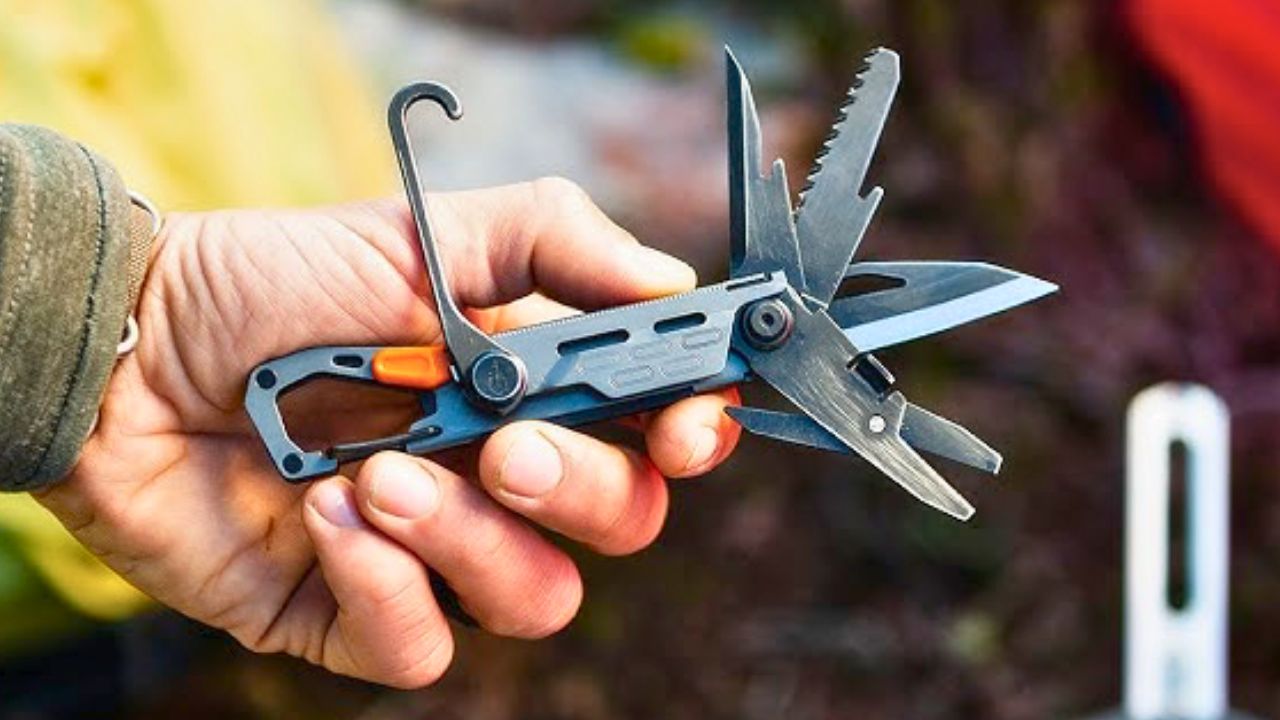
Multi-tools give you pliers, screwdrivers, and tiny scissors for repairs and small tasks. A fixed blade handles heavier work. Keep one in your bag and one in your vehicle. If you’re trying to do anything outdoors without a blade, you’re working harder than you need to.
Work Gloves

In an emergency, your hands become your most valuable tools. Gloves protect them when you’re clearing debris, splitting wood, or handling rough gear. Preppers always keep a tough pair close.
Look for leather or heavy-duty synthetic materials that can handle friction, cuts, and the cold. A ripped palm or busted knuckle might seem minor, but infection or downtime can turn it into a bigger problem. Keeping gloves nearby is a small move that saves big headaches.
First Aid Supplies
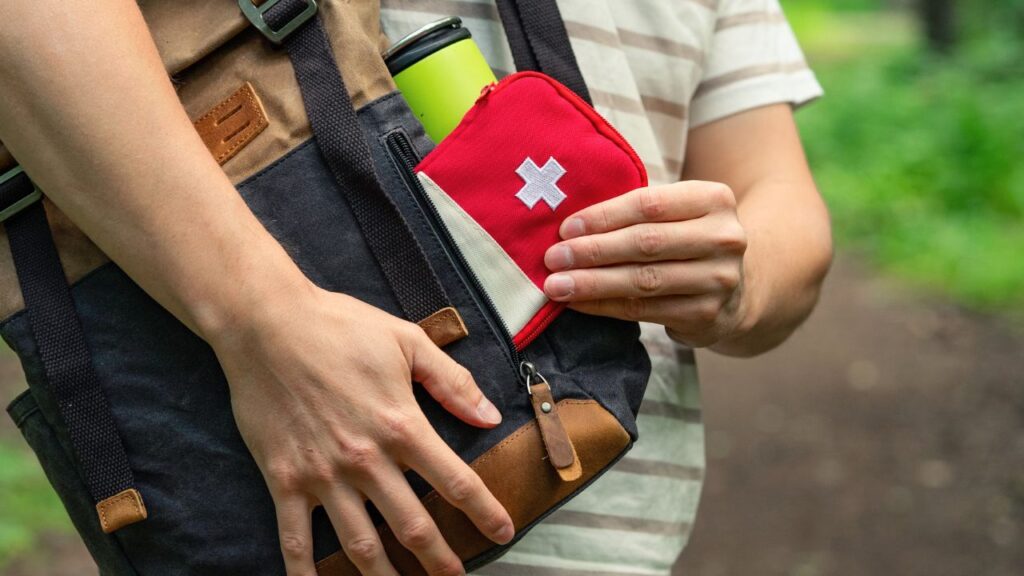
Scrapes and blisters are one thing. Deep cuts, burns, and infections are another. That’s why every prepper has more than just a box of Band-Aids. You need gauze, tape, antiseptics, gloves, and meds that actually handle a range of injuries.
Know how to use what you carry. A tourniquet or trauma pad won’t help if you’re guessing. Keep one full kit in your house and another in your car or bug-out bag. Emergencies don’t wait for good timing.
Flashlights and Headlamps
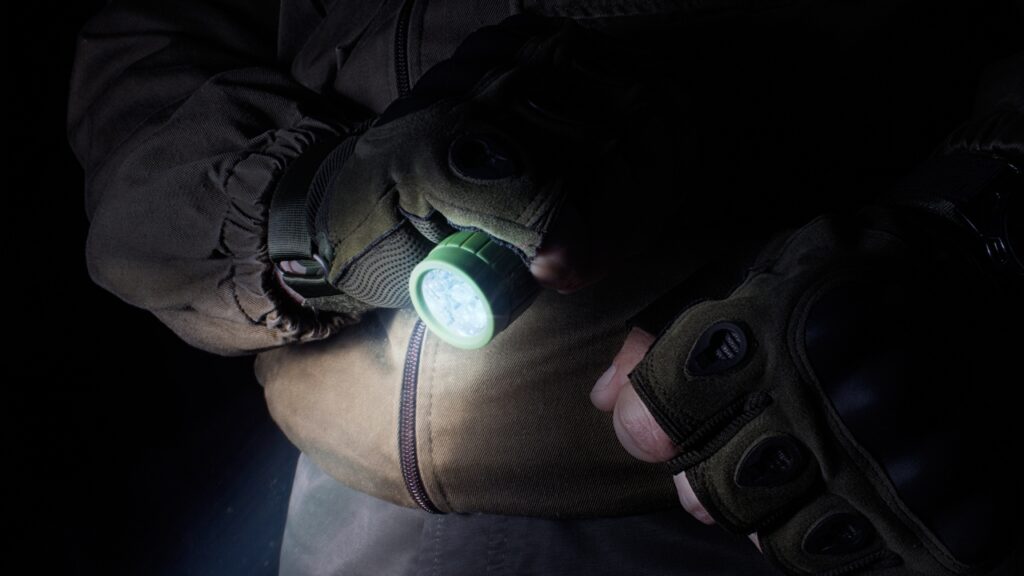
Light is critical when the power’s out or the sun’s gone down. Headlamps are perfect for hands-free work, while flashlights can cut through the dark when you’re checking property or navigating backwoods.
Keep extra batteries nearby or go for rechargeable models. Some preppers carry small flashlights on keychains just in case. It’s not about lighting up a stadium—it’s about seeing enough to stay safe and avoid injury.
Cash and Identification

When systems crash, card readers go with them. Cash still talks—especially small bills. Preppers tuck away envelopes with enough for gas, food, or a motel if needed.
ID and important documents also matter. Keep copies in a sealed bag or waterproof container. In a bug-out or bug-in situation, being able to prove who you are or access accounts makes things smoother. These aren’t glamorous items, but they’ll keep things moving when it counts.
*This article was developed with AI-powered tools and has been carefully reviewed by our editors.