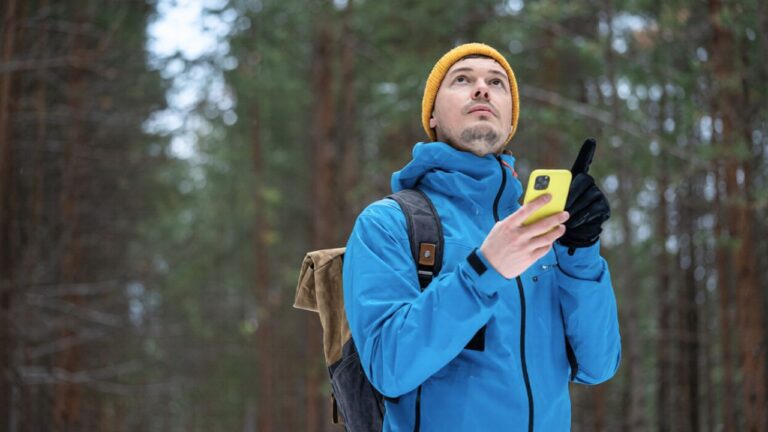
Photo credit: InesBazdar/Shutterstock.com
There is one piece of outdoor gear people buy twice more than just about anything else, and it is binoculars. The first pair usually gets bought with good intentions and bad priorities. A guy wants something “good enough” for deer season, turkey season, checking a field edge, or riding around the property, so he grabs whatever seems affordable and looks decent under bright store lights. At first, that choice feels smart. The binoculars technically work, the magnification number sounds familiar, and the price leaves room for tags, ammo, or some other piece of gear that feels more urgent. Then real use starts. Low light shows up. Rain shows up. Long glassing sessions show up. Eye strain shows up. The focus wheel starts feeling cheap. The image gets dim right when movement matters most. And before long, the same buyer is back in the market, this time trying to buy the pair he should have bought in the first place.
That pattern keeps repeating because bad binoculars do not always fail in an obvious, dramatic way. They fail by making everything just a little harder. They make a buck at last light harder to judge. They make it tougher to pick apart the edge of brush where a coyote paused for half a second. They make your eyes work harder than they should, which means you glass less, rush more, and trust what you saw a little less than you ought to. A cheap rifle can sometimes expose itself fast. A bad pack can hurt by lunchtime. Binoculars are sneakier. They can be mediocre for a long time before the owner fully admits they are costing him something. That is why so many people buy them twice. The first purchase is based on price and optimism. The second one is based on experience and irritation.
The problem is not magnification, it is clarity, comfort, and trust
A lot of people shop binoculars by the biggest, easiest numbers on the box. They get hung up on magnification because that feels like performance. Ten power sounds better than eight. Bigger objective lenses sound more serious. The mistake is thinking those numbers alone decide whether the binoculars will actually be useful in the field. What matters just as much, and usually more, is how clear the glass is at the edges, how well the image holds up in weak light, how comfortable they are to look through for more than thirty seconds, and whether they focus without fighting you when something appears fast. Outdoorsmen who have used enough optics learn this the expensive way. A slightly better pair with cleaner glass and easier viewing often beats a spec-heavy bargain pair that looks impressive in the package but feels tiring and dim when conditions stop being ideal.
That is where the second purchase starts to make sense. People do not usually upgrade binoculars because they suddenly became gear snobs. They upgrade because they finally had enough of squinting, refocusing, and second-guessing what they were seeing. They got tired of not being able to pick out detail in low light. They got tired of one eye never feeling quite settled. They got tired of a pair that looked fine in the truck at noon and felt useless at the exact time the woods came alive. Once that frustration sets in, the buyer starts paying attention to things he ignored the first time around. Now he notices glass quality, image brightness, field of view, eye relief, weight, and whether the binoculars actually disappear into use instead of demanding constant adjustment. The second purchase is usually less emotional and a whole lot more honest.
Binoculars get used more than people think and judged later than they should
Part of the reason this category keeps fooling people is that binoculars do not seem as dramatic as a rifle, shotgun, or bow. They feel like support gear, something helpful but not central, so buyers lower their standards without realizing how often they are going to depend on them. Then season starts, and suddenly those binoculars are around your neck in the stand, riding in the truck, sitting beside you in the blind, coming out on walks, checking movement in the pasture, and scanning every little patch of cover that might hold something worth seeing. You end up using them far more than you expected. And when something gets that much use, every weakness gets amplified. Slight discomfort becomes annoying. Slight blur becomes distracting. Slightly poor brightness becomes the difference between confidence and guessing.
That is why binoculars are one of those outdoor purchases that quietly shape the whole experience. Good ones make you more patient because glassing stays comfortable. They help you notice more because the image gives you detail instead of making you work for it. They help you stay calmer because you are not wondering if that was an ear, a branch, a bedded deer, or nothing at all. Bad ones create friction every time they come out. They fog easier, focus slower, feel worse, and leave you wanting more from the moment conditions get tough. People tolerate that for a while because they already spent money once and do not want to admit they cut the corner too tight. Then one day they use a better pair, even briefly, and the whole game changes. That is when the second purchase becomes inevitable.
The smart buy usually hurts a little once and saves money later
Outdoor gear buyers love the idea of getting by cheap, and sometimes that works out fine. Plenty of tools do not need to be top shelf to do their job well. Binoculars are different because they sit right at the intersection of comfort, performance, and repeated use. If they are lacking in any one of those areas, you are going to feel it again and again. That is why the cheaper first buy often ends up costing more in the long run. You spend once on the pair that seemed good enough, then spend again after enough low-light hunts, enough strained eyes, and enough missed detail convince you that “good enough” was not really true. Suddenly the budget option was not budget-friendly at all. It was just the first payment on the better pair you were always headed toward.
The smarter move is usually to buy binoculars with a little more seriousness than you think you need. That does not mean everybody needs the most expensive glass on the market. It means the buyer needs to treat them like real field gear instead of an accessory. Pay attention to how they look at dawn and dusk, not just indoors. Pay attention to how they feel after holding them to your eyes for a few minutes, not just one quick peek. Pay attention to focus, edge clarity, weight, and comfort with your actual face and hands, not just what some spec chart says. The piece of outdoor gear people keep buying twice is binoculars because the first purchase is too often based on wishful thinking. The second one is based on finally understanding how much a better view can change the whole day.
Like The Avid Outdoorsman’s content? Subscribe to our newsletter so you never miss an article.
Here’s more from us: